Beef can support normal height growth, but only if you're still growing and only if nutritional gaps are holding you back. It won't make you taller than your genetics allow, and it does nothing for height once your growth plates have closed. What beef actually offers is a dense package of protein, zinc, iron, and B12 that adolescents genuinely need during the years when bones are actively lengthening. If those nutrients are low, getting enough of them, beef being one solid source, can help you reach your full genetic height potential. That's a meaningful but carefully bounded claim.
Does Beef Help You Grow Taller? What Science Says

Marcus Reeves
27 Jun 2026

How height growth actually works
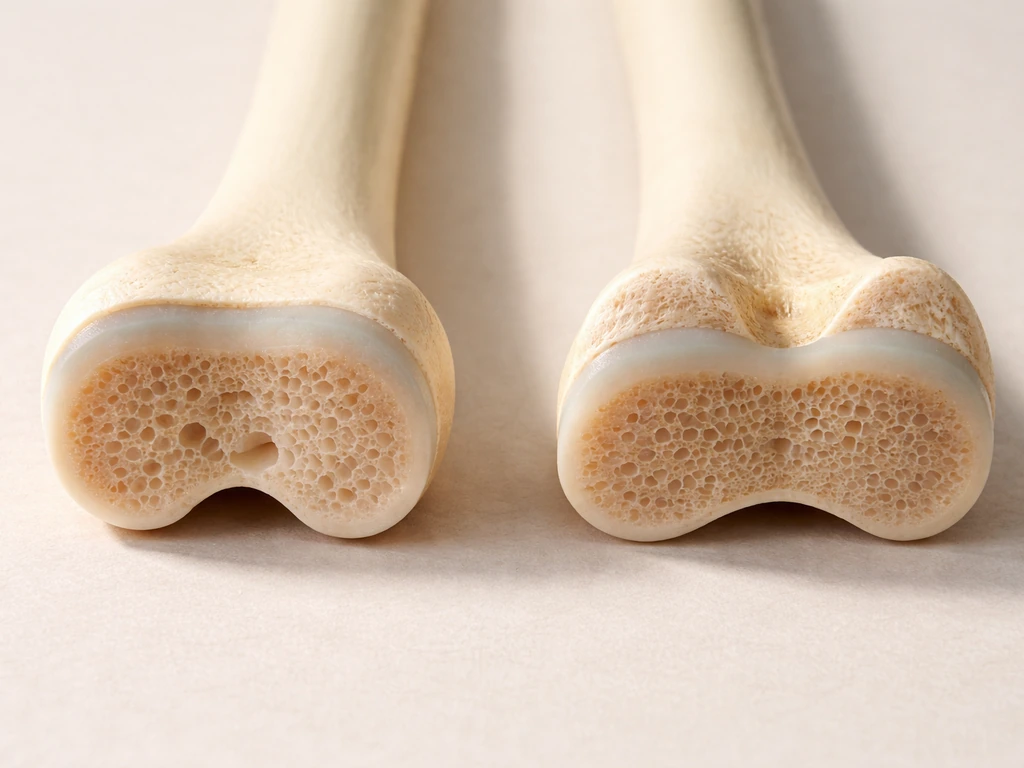
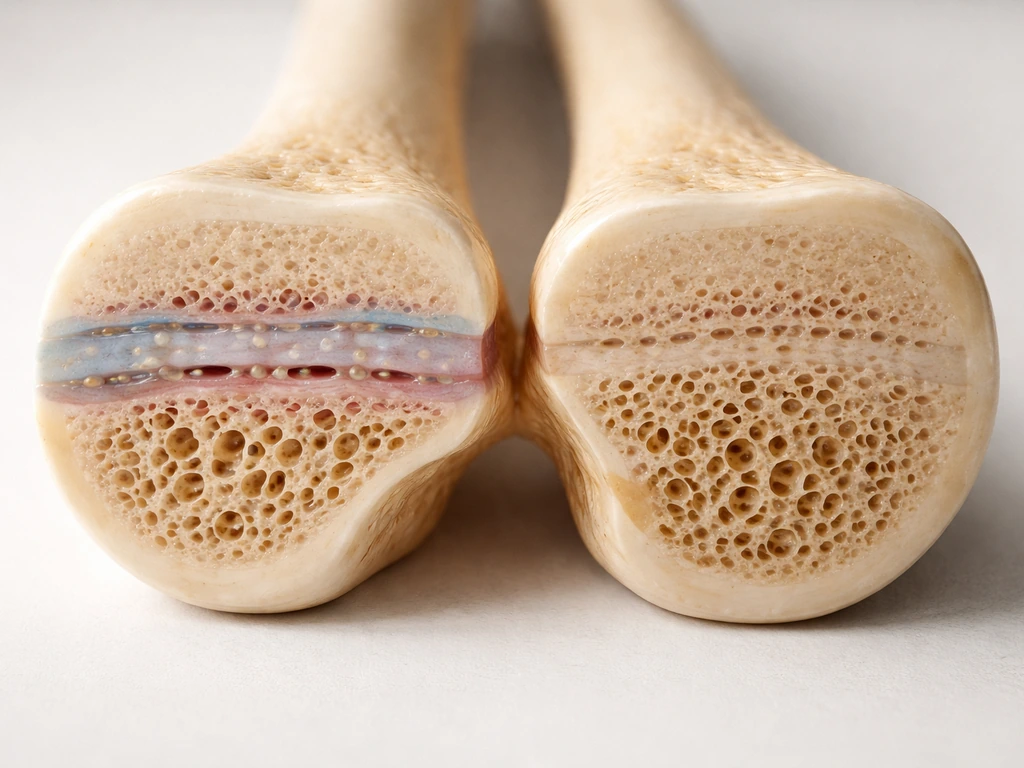
Height comes down to bone length, and bones lengthen at growth plates, also called epiphyseal plates. These are thin cartilage zones near the ends of your long bones (femur, tibia, humerus, and so on). During childhood and especially during puberty, growth hormone and IGF-1 stimulate cells in those plates to multiply, produce cartilage, and eventually mineralize into new bone tissue. That's how you get taller year by year.
The catch is that growth plates eventually fuse and harden into solid bone. In most people this process completes somewhere between age 16 and 18 for girls and 18 and 21 for boys, though there's real individual variation. Once the plates close, that's it. No diet, no exercise, and no supplement can reopen them. This is the single most important physiological fact to understand before asking whether any food, including beef, can make you taller.
So if you're a growing adolescent, nutrition during those plate-open years matters a lot. If you're a fully-grown adult, diet affects your health, body composition, posture, and muscle mass, but not your skeletal height.
What's in beef that relates to growth
Beef's nutritional profile lines up pretty well with what the body needs to grow. Here's what's relevant and why each one matters.
Protein
Protein is the raw material for bone matrix, muscle, and growth-related hormones. Adolescents need roughly 0.85 grams per kilogram of body weight per day as a minimum, and many sports nutrition guidelines push that higher for active teens. A 3-ounce (85g) cooked serving of lean beef delivers around 22 to 26 grams of complete protein with all essential amino acids, including leucine, which is a key trigger for muscle protein synthesis.
Zinc
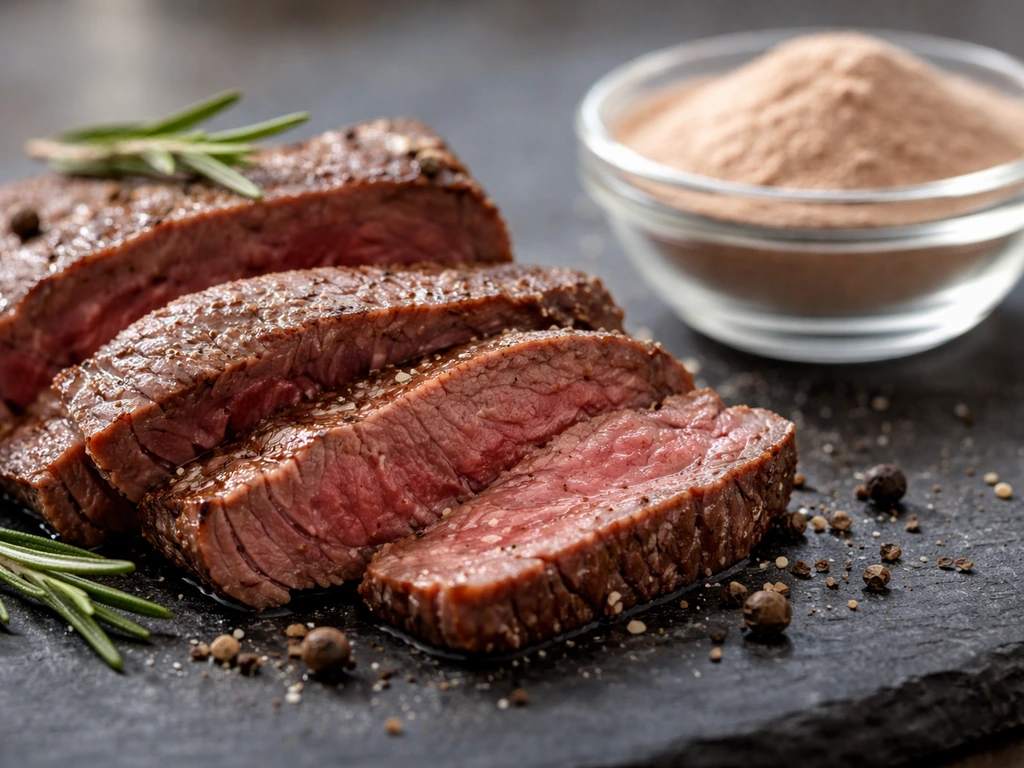
Zinc is directly involved in cell division and the activity of growth hormone at the receptor level. Zinc deficiency is one of the cleaner examples where a nutritional shortfall provably stunts growth, and correcting it can restore normal growth velocity in deficient children. Beef is one of the best dietary sources of bioavailable zinc, with about 4 to 5 mg per 3-ounce serving. The RDA for adolescent males is 11 mg and for adolescent females is 9 mg, so a single serving covers a substantial portion of that.
Iron
Iron deficiency anemia impairs growth because it reduces oxygen delivery to tissues, affects energy metabolism, and can blunt appetite. Beef provides heme iron, which is absorbed two to three times more efficiently than the non-heme iron in plant foods. A 3-ounce serving of beef provides roughly 2 to 3 mg of heme iron. Adolescents, especially menstruating teen girls, have higher iron needs and are at real risk of shortfall. Correcting iron-deficiency anemia, which a doctor evaluates with a simple blood test, can help normalize growth.
Vitamin B12
B12 is essential for red blood cell formation, nervous system function, and DNA synthesis. It's found almost exclusively in animal foods. The RDA for teens is 2.4 micrograms per day, and a single 3-ounce serving of beef provides around 2 micrograms, close to the full daily need. Severe B12 deficiency, which is more common in strict vegetarians and vegans, can cause a form of anemia that impairs growth and development.
Calories and overall energy
This one doesn't get enough credit. Chronic undereating is one of the most reliable ways to suppress growth. Your body prioritizes survival over growth when calories are tight, and growth hormone signaling gets downregulated in states of energy restriction. Beef is calorie-dense (roughly 175 to 215 calories per 3-ounce cooked serving depending on cut), which makes it genuinely useful for active, growing adolescents who have high energy needs.
Vitamin D
Beef is not a meaningful source of vitamin D on its own, so this is worth noting. Some cuts contain small amounts, but you're not going to meet vitamin D needs from beef. Since vitamin D is critical for calcium absorption and bone mineralization, you'll want to cover this separately through sunlight, fortified foods, or supplementation if levels are low.
Do you actually need beef, or just enough nutrients?
This is the honest question, and the honest answer is: you don't need beef specifically. What growing bodies need are adequate protein, zinc, iron, B12, vitamin D, calcium, and calories. Beef delivers several of those in a convenient, bioavailable package. But eggs, chicken, fish, dairy, and well-planned plant-based combinations can also meet those needs. Chicken can contribute protein and calories toward your growth needs, but it won't override genetics or closed growth plates But eggs, chicken, fish, dairy. NHANES data from 2001 to 2018 found that adolescent beef eaters showed better overall nutrient adequacy compared to non- or low-consumers, which is useful evidence, but it doesn't prove beef causes better growth outcomes. NHANES 2001, 2018 adolescent data are consistent with many adolescents being blank" rel="noopener noreferrer">below the Estimated Average Requirement for multiple nutrients, such as calcium, magnesium, and vitamins including D. It likely reflects that beef eaters were eating more nutrient-dense diets overall.
If you're comparing beef to chicken or eggs specifically, they all contribute to the same growth-supporting nutrients through different mixes. Beef tends to be higher in zinc and heme iron. Chicken is leaner and still high in protein. Eggs are excellent for protein and B12. For the question do eggs help you grow taller, the key idea is that eggs can support growth when they help cover protein and B12 needs, but they cannot override genetics or reopen closed growth plates. The practical takeaway is that variety across protein sources is more reliable than betting everything on one food. That said, for adolescents who aren't eating much meat at all, adding beef a few times a week is a concrete, efficient way to plug common micronutrient gaps.
When beef helps and when it won't
There's an important difference between correcting a deficiency and loading up on extra nutrients beyond what you need. Correcting a deficiency can genuinely restore normal growth velocity. Eating extra beef beyond your actual needs does nothing more for height. Growth isn't a dose-response relationship where more protein equals more inches. Once your body has what it needs, excess nutrients go toward energy storage or are excreted.
| Situation | Does beef help height? | Why |
|---|---|---|
| Teen with zinc or iron deficiency, growth plates open | Yes, meaningfully | Correcting deficiency can restore normal growth velocity |
| Teen eating adequate balanced diet, growth plates open | Marginally, if at all | Nutrient needs already met; extra beef adds nothing for height |
| Teen chronically undereating overall | Yes, as part of calorie correction | Energy deficit suppresses growth; more calories (from any source) helps |
| Adult with closed growth plates | No | Bone length cannot increase regardless of diet |
| Teen on a poorly planned vegan diet | Not directly, but nutrient-equivalent foods can help | Beef's specific nutrients (B12, heme iron, zinc) are the gap, not beef itself |
What matters more than beef for reaching your height potential
Genetics is the dominant factor in determining height. Studies of twins consistently show that 60 to 80 percent of height variation is heritable. That means your diet, sleep, and lifestyle choices operate within a genetic ceiling. They help you reach that ceiling, but they can't push you past it.
After genetics, here's where the evidence points for maximizing growth potential during the years it's still possible:
- Sleep: Growth hormone is secreted primarily during deep slow-wave sleep. Adolescents who consistently get less than 8 to 10 hours are literally reducing their growth hormone output. Sleep is arguably more directly tied to growth than any single food.
- Chronic illness and medications: Conditions like inflammatory bowel disease, celiac disease, uncontrolled asthma treated with high-dose steroids, and kidney disease can significantly impair growth. Treating the underlying condition matters far more than adding beef.
- Physical activity: Weight-bearing exercise supports bone density and can optimize the hormonal environment for growth, but there's no evidence it increases height beyond what you'd reach anyway. Excessive endurance training without adequate caloric intake can actually suppress growth in adolescent athletes.
- Overall diet quality: Chronic low intake of calories, protein, or micronutrients (particularly in food-insecure environments) is a well-documented cause of growth stunting globally. A varied, nutrient-sufficient diet across all food groups is more protective than any single food.
- Avoiding smoking and alcohol during adolescence: Both are associated with impaired growth and delayed puberty in teens.
Practical guidance: portions, targets, and meal ideas
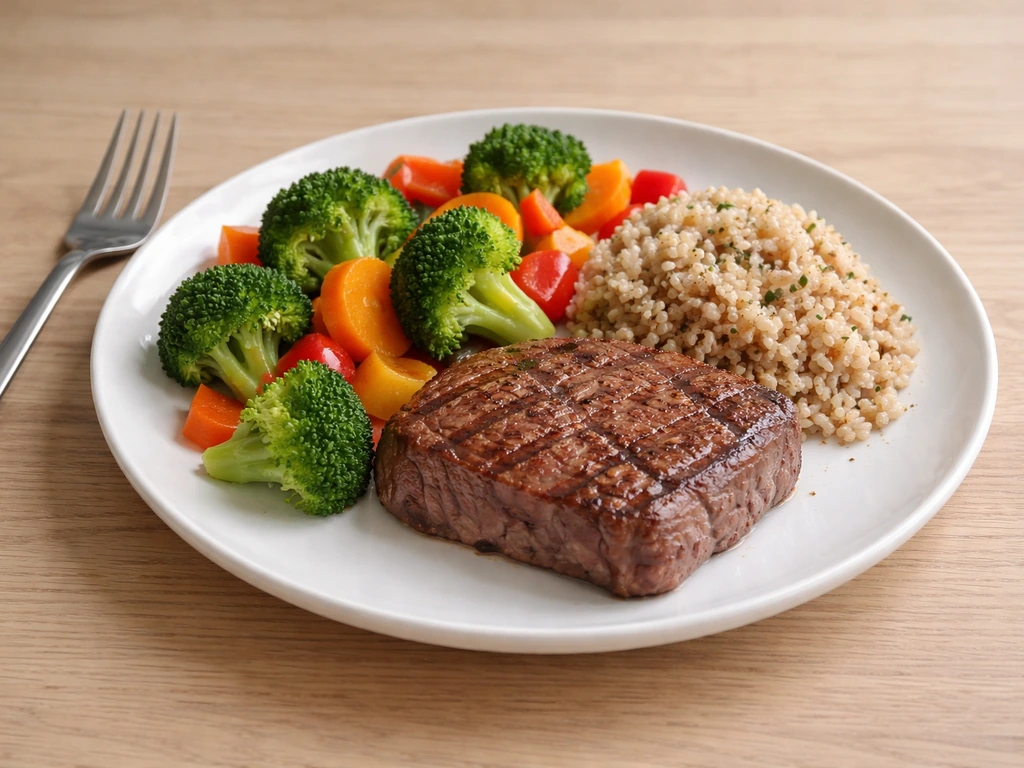
If you're a growing adolescent (or a parent feeding one) and you want to use beef strategically as part of a growth-supporting diet, here's a grounded approach.
Daily nutrient targets to aim for
| Nutrient | Adolescent Daily Target (approx.) | What beef contributes per 3 oz serving |
|---|---|---|
| Protein | 46–59g (girls), 52–59g (boys) | 22–26g |
| Zinc | 9mg (girls), 11mg (boys) | 4–5mg |
| Iron | 15mg (girls), 11mg (boys) | 2–3mg (heme, highly absorbed) |
| Vitamin B12 | 2.4 mcg | ~2 mcg |
| Calories | 1,800–3,200 kcal depending on age, sex, activity | 175–215 kcal |
Simple beef meal ideas
- Ground beef stir-fry with rice and vegetables: a 4-ounce portion of lean ground beef (90/10) over brown rice with broccoli and peppers covers protein, zinc, iron, and B12 in one meal
- Beef and bean burrito: combining beef with legumes adds fiber and non-heme iron, and the vitamin C from salsa or tomatoes boosts iron absorption from both sources
- Sirloin steak with sweet potato and spinach: the spinach adds folate and some iron; the sweet potato adds vitamin A, which supports immune function and overall development
- Beef and vegetable soup: a good calorie-dense option for teens who have high energy needs or who are recovering from illness
- Beef meatballs with pasta and tomato sauce: easy to batch cook and hit calorie and protein targets without excessive saturated fat when using lean cuts
Aim for two to four servings of beef per week as part of a varied diet rather than daily. Leaner cuts like sirloin, round, or 90/10 ground beef keep saturated fat in check while still delivering the growth-relevant micronutrients. You don't need to eat beef at every meal to benefit, and doing so at the expense of vegetables, dairy, and other food groups would likely backfire nutritionally.
When to bring a doctor into the picture
Most kids grow within a predictable range and don't need intervention. But there are situations where slowing or stalling growth warrants a medical evaluation rather than a dietary tweak. The Endocrine Society recommends a clinical evaluation when a child's growth pattern deviates from expected, particularly if height velocity is consistently low over six to twelve months.
A pediatrician or pediatric endocrinologist will typically look at growth history (height velocity over time), bone age via a wrist X-ray, and blood work that includes markers for anemia, zinc status, thyroid function, celiac antibodies, and sometimes IGF-1 levels. Endotext notes that the evaluation of growth failure includes assessing the growth pattern over time and excluding non, growth-hormone-related factors, with bone-age assessment and related laboratory testing as part of typical workups blank" rel="noopener noreferrer">bone age via a wrist X-ray, and blood work. Nutritional deficiency shows up in these tests, and if low iron or zinc is part of the picture, dietary changes including increasing beef or other nutrient-dense foods become part of the actual treatment plan. If you are wondering whether height works differently with vegetarian patterns, check out do vegetarians grow taller for how that side of the question is usually handled. But this is targeted correction of a real problem, not general optimization.
Watch for these signs that warrant a conversation with a doctor rather than just adjusting diet:
- Growth that has visibly slowed or stopped before typical pubertal completion
- A teen who is significantly shorter than peers and shorter than expected based on parents' heights
- Delayed puberty (no signs by age 13 in girls or age 14 in boys)
- Signs of fatigue, pallor, or reduced appetite that could indicate anemia or other deficiencies
- Chronic digestive problems, which can interfere with nutrient absorption regardless of how good the diet looks on paper
Diet, including whether to eat more beef, is one piece of the puzzle. But growth problems with a real underlying cause, whether it's celiac disease, hypothyroidism, or growth hormone deficiency, won't be fixed by diet alone. Getting the diagnosis right matters far more than optimizing any single food.
FAQ
I am a teenager, how can I tell if beef could actually affect my height?
If you are past the age when growth plates have closed (often mid to late teens, varying by person), beef will not add height. In that case it can only support overall nutrition and body composition, not bone length.
Does eating more beef than recommended make you grow taller faster?
More beef does not equal more inches. If you are already meeting protein and micronutrient needs, extra intake mainly adds calories, which can affect weight and health but not reopen growth plates or boost height beyond your genetic potential.
What if I eat beef but I am still dieting or not eating enough overall?
If you cut calories or constantly skip meals, growth can be suppressed even if you include beef. Beef may help you reach calorie and protein targets, but it cannot compensate for chronic under-eating.
Can a vegetarian or vegan diet support normal height growth without beef?
Vegetarians and vegans can still support healthy growth, but they need reliable alternatives for B12 and iron, plus enough zinc and total protein. If beef is off the table, planning protein sources (like dairy eggs for vegetarians) and getting B12 from fortified foods or supplements are typically the key steps.
How do I know whether I actually need beef versus just better overall nutrition?
Beef helps most when a specific nutrient gap is present, especially iron, zinc, or B12. If you do not have a deficiency, focusing on nutrient-dense variety across foods is more reliable than emphasizing one meat product.
Should I ask for blood work before increasing my child’s beef intake?
If your child’s growth is slowing, a blood test is often more informative than changing the diet alone. Doctors may check for anemia (iron), zinc status, thyroid function, celiac antibodies, and sometimes IGF-1 to identify a treatable cause.
Do I need vitamin D from other foods if beef is part of the plan?
Beef is not a major source of vitamin D, so you still need vitamin D coverage for healthy bone mineralization. This is usually handled via sunlight exposure, fortified foods, or supplements when levels are low.
What signs of poor growth should not be handled by diet changes alone?
If growth seems delayed, the pattern matters. A pediatrician typically looks at growth velocity over 6 to 12 months and may estimate bone age with a wrist X-ray, then decide whether nutrition changes are enough or whether an endocrine or other evaluation is needed.
Does evidence showing better nutrient adequacy in beef eaters mean beef directly increases height?
Adding beef can improve nutrient adequacy, but it does not prove cause and effect on height by itself. The most realistic goal is correcting shortages, not expecting measurable height changes from switching one protein source.
Is any type of beef better for growth, or does it not matter as much?
Lean cuts help keep saturated fat in check while still providing protein and key minerals. That said, the main height-related win is meeting micronutrient and protein needs, not choosing a particular cut name.
Next Article
Does Eating a Lot Help You Grow Taller? Evidence-Based Guide
Learn if eating more can increase height, how growth plates limit results, and what nutrients and calories support growt