
Coffee does not help you grow taller. There is no good evidence that caffeine stimulates height growth, activates growth plates, or boosts the hormones responsible for making you taller. If anything, the main ways coffee could affect growth are indirect and mostly unhelpful: it can disrupt sleep (which is when your body actually releases the most growth hormone), suppress appetite in some people, and potentially interfere with calcium absorption at high doses.
Does Coffee Help You Grow Taller? Evidence, Timing, Safety

Marcus Reeves
13 May 2026

For kids and teens who still have active growth plates, the honest answer is to skip or strictly limit coffee and focus on the things that genuinely move the needle. If you are looking for safer ways to support growth beyond caffeine, you can also consider how does running help you grow relates to exercise, sleep, and overall health.
How height growth actually works
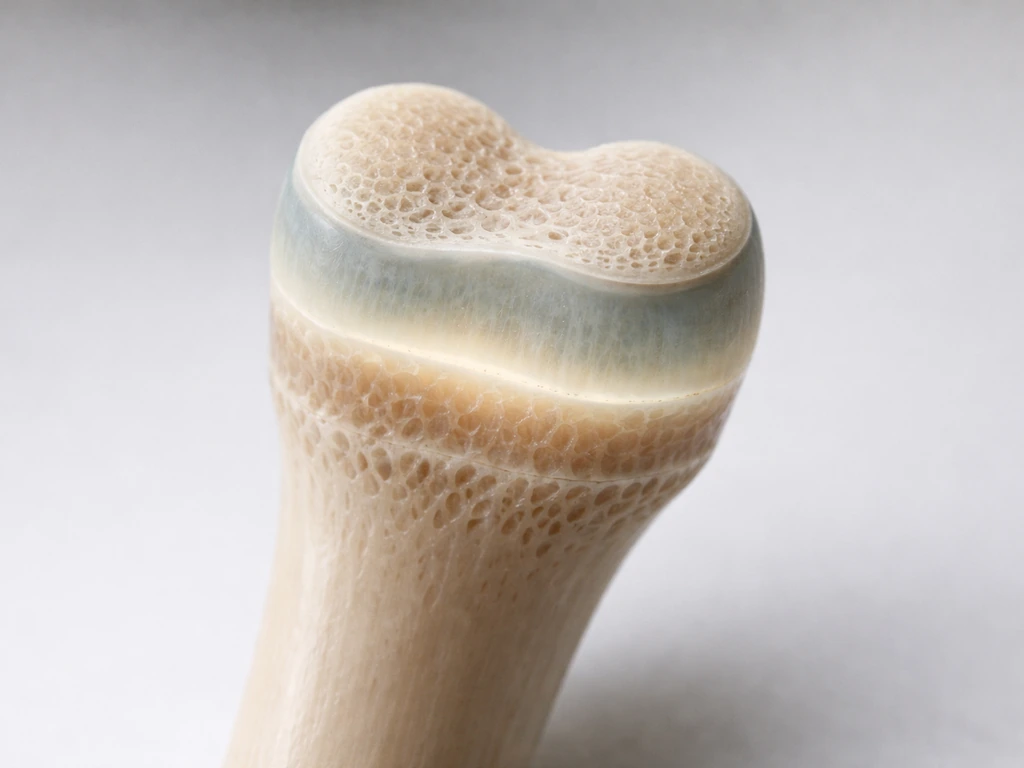
Your height is largely set by your genetics. Twin studies consistently show that somewhere around 60 to 80 percent of height variation between people comes down to the genes you inherited. But genetics sets a ceiling, not a guaranteed outcome. Whether you reach that ceiling depends on what happens during the years your growth plates are open.
Growth plates (the cartilage zones near the ends of your long bones) are active from childhood through puberty. Hormones drive the process: growth hormone signals the liver to produce IGF-1, which acts directly on the growth plates. Thyroid hormone and sex steroids (estrogen and testosterone) also play major roles during puberty, and estrogen is actually responsible for eventually closing the growth plates as you reach skeletal maturity, usually in the late teens. Once those plates close, linear height growth stops, full stop.
The key inputs that support this process are well established. Adequate total calories matter because growth is energetically expensive. Protein gives your body the amino acid building blocks for new bone and tissue. Calcium and vitamin D are the raw materials for bone mineralization: the NIH recommends children and adolescents get enough calcium to build bone mass, and the Recommended Dietary Allowance for vitamin D is 600 IU per day for most kids over one year old. Sleep is arguably the most underrated factor: prepubertal children secrete growth hormone almost exclusively during sleep, not while awake, which makes quality nightly sleep a genuine biological requirement for normal growth, not just a wellness platitude.
What the evidence actually says about caffeine, bones, and growth hormone
Researchers have looked at caffeine from a few different angles relevant to height: its effects on bone mineral density, its interaction with growth hormone, and its impact on growth-plate biology. None of these lines of evidence support the idea that coffee helps you grow.
Caffeine and bone mineral density
Reviews of the research on caffeine and bone mineral density (BMD) show mixed but cautionary results, particularly for young people. An NHANES-based analysis found associations between caffeine consumption and BMD outcomes, and a pediatric study examining urinary caffeine metabolites in children and adolescents found associations relevant to bone health in youth. The concern is plausible: caffeine can slightly increase urinary calcium excretion, and when calcium intake is already low, that matters. Bone mass peaks in the mid- to late-20s according to the NIH, so the years before that peak are exactly when you want to protect bone development, not chip away at it.
Caffeine and growth hormone
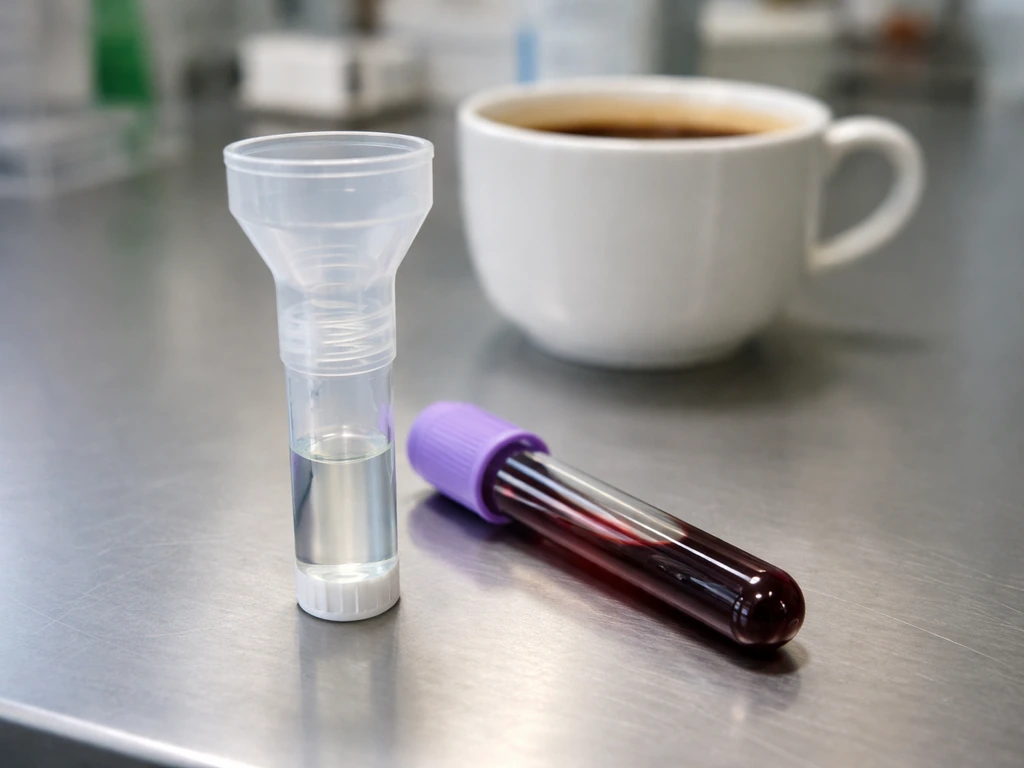
This is where a lot of the speculation about coffee and height comes from. In one study in adults, oral caffeine elevated certain hormone measures but showed no significant effect on plasma growth hormone levels. A separate study actually found that caffeine attenuated (blunted) the acute growth hormone response to resistance exercise in trained men. So not only is there no evidence that caffeine boosts growth hormone, there is some suggestion it may interfere with the normal GH spike you get from exercise. None of this research was done in growing children, and there is no mechanism by which coffee plausibly stimulates growth plate activity.
Coffee's indirect effects on growth: appetite, calories, and nutrients
Even if coffee were neutral on bones and hormones, it can still affect growth indirectly through what it does to eating habits and nutrient status. Caffeine is a well-known appetite suppressant in many people. A child or teen who drinks coffee regularly may eat less at meals, which cuts into the calorie and protein intake their growing body needs. That said, a controlled crossover study in healthy men found caffeinated coffee did not acutely reduce energy intake or appetite in that specific population, so the effect isn't universal. But for younger, lighter individuals who are more caffeine-sensitive, the appetite effect is worth watching.
There is also a displacement problem. If a teen is drinking coffee or energy drinks, they are probably not drinking milk, a fortified smoothie, or water in that slot. For a population that already struggles to meet calcium and vitamin D targets, swapping a nutrient-dense beverage for coffee is a net negative. The hydration concern is more nuanced: controlled studies in adults suggest moderate habitual caffeine intake does not meaningfully compromise hydration, but higher caffeine concentrations in coffee did increase fluid and electrolyte excretion in one study, so it is not something to completely ignore in active kids.
Age-by-age guidance: kids and teens versus adults
Children and teenagers (still growing)
For anyone under 18 with open growth plates, the answer is clear: coffee and caffeinated drinks offer no benefit to height growth and carry real risks. The American Academy of Pediatrics has stated directly that [caffeine and stimulant substances in energy drinks have no place in the diet of children and adolescents. ](https://www. cdc.
gov/school-nutrition/energy-drinks/index. html) The biggest practical concern is sleep. Research specifically in seventh, eighth, and ninth graders found that higher caffeine intake was associated with shorter sleep duration and more time awake during the night. Given that [growth hormone](https://www.
nature. com/articles/pr1975359) is released primarily during sleep in children, consistently disrupted sleep is a direct hit to the growth process. Health Canada sets a maximum of 2. 5 mg of caffeine per kilogram of body weight per day for children and teens under 18.
EFSA proposes 3 mg per kilogram per day as a threshold for no safety concern. For a 50 kg (110 lb) teen, that works out to roughly 125 to 150 mg per day at most, which is about one small coffee. But the practical guidance from pediatric authorities is to avoid it entirely.
Adults (growth plates closed)
Once your growth plates close, typically in the late teens for most people, you cannot get taller through any dietary or lifestyle intervention. Coffee is not going to help, but it is also much less of a concern for height specifically. For adults, the FDA cites 400 mg per day as an amount not generally associated with negative effects in healthy people. The focus shifts from height growth to bone maintenance: keeping calcium and vitamin D intake adequate, staying active with weight-bearing exercise, and not letting heavy coffee consumption crowd out nutrient-dense foods. Adults asking this question are more likely dealing with posture, body composition, and spinal health than true height gain.
What to do instead: things that actually support your height potential

If you are a parent, a growing teen, or someone trying to help a child reach their full height potential, here is where to put your energy.
- Prioritize sleep: The CDC recommends 9 to 12 hours per night for children aged 6 to 12 and 8 to 10 hours for teens aged 13 to 18. These are not suggestions — they are the windows during which growth hormone does its job.
- Eat enough protein: Adequate protein intake supports the tissue building required for growth. If you are eating varied whole foods and hitting your calorie targets, you are likely covering this, but undereating protein is common in picky eaters and restrictive diets.
- Hit calcium and vitamin D targets: The NIH recommends 1,000 to 1,300 mg of calcium per day for kids and teens depending on age. Vitamin D RDA is 600 IU for most children over one year old. Dairy, fortified plant milks, leafy greens, and fish are your best food sources.
- Stay active with sports and weight-bearing exercise: Running, jumping, and resistance training (done age-appropriately) apply mechanical load to bones, which stimulates healthy bone development. There is no evidence that any exercise directly adds height, but staying active protects the skeletal development process.
- Manage overall calorie intake: Growth requires energy. Chronic undereating is one of the most reliable ways to fall short of your genetic height potential. This is especially relevant for teen athletes and young people with very high activity levels.
- Skip the coffee and energy drinks: Replace them with water, milk, or a fortified alternative. That swap alone improves calcium intake, sleep quality, and removes the appetite-suppressing effect.
Nutrition topics like protein, vitamins, vegetables, and general eating habits all connect directly to how well children and teens develop physically. To support the height-growth process, it helps to get enough key nutrients, including the vitamins that help bone development vitamins help bone development. The common thread is that no single food or drink is a growth booster, and no single food ruins it either. It is the overall pattern that matters, and coffee is simply not useful in that pattern for growing kids.
Practical coffee limits and safety tips
| Age Group | Recommended Caffeine Limit | Notes |
|---|---|---|
| Children under 12 | None recommended | AAP advises against caffeine for children; no safe threshold established |
| Teens 13 to 18 | Max ~2.5 mg per kg body weight per day (Health Canada); EFSA suggests 3 mg/kg/day | A 50 kg teen = roughly 125 to 150 mg/day ceiling; pediatric guidance still recommends avoidance |
| Adults 18+ | Up to 400 mg per day | FDA guideline for healthy adults not generally associated with adverse effects |
A few safety points worth keeping in mind, especially for younger people. Energy drinks and caffeine shots are a separate category of concern: the FDA warns that concentrated and powdered caffeine products can pose toxic or even lethal risks if measured incorrectly, and energy drinks often contain far more caffeine than a standard cup of coffee plus other stimulants on top. One study in adolescents aged 13 to 19 found that caffeinated energy shots caused acute impaired blood sugar regulation, including hyperinsulinemia after a glucose challenge. These products are not just watered-down coffee and should be treated as genuinely risky for kids and teens.
For teens who are already drinking coffee, the most practical steps are to keep it to one small cup in the morning at most, avoid it in the afternoon or evening entirely (caffeine has a half-life of about 5 to 6 hours, so afternoon coffee directly disrupts overnight sleep), and make sure it is not replacing breakfast or a calcium-rich beverage. If sleep is already an issue, cutting caffeine is one of the cleanest interventions available. That single change can meaningfully improve both sleep duration and growth hormone release over time.
FAQ
What if my teen only drinks one small coffee, will it still affect height growth?
If you are under 18, coffee does not have a growth benefit. The “best-case” scenario is that it does not directly harm growth plates, but the practical issue is it often reduces sleep quality, and it can displace calories, protein, or calcium. If you are concerned, the highest impact change is stopping caffeine after late morning (or earlier) so your sleep schedule can protect the growth-hormone pattern.
Can timing coffee around workouts or bedtime help prevent any growth impact?
You can’t use caffeine blood levels to “optimize” height. Even if a particular day’s caffeine amount is moderate, repeated caffeine exposure can still shift sleep timing and sleep depth, and that is the pathway most connected to impaired growth hormone release. The safest approach for open growth plates is avoiding caffeine rather than trying to time it.
Is decaf coffee safe for growth since it has less caffeine?
“Decaf” is usually not caffeine-free. It typically contains small amounts, and the effect on sleep can still matter if decaf is consumed late in the day or if you are very caffeine-sensitive. For teens who are trying to maximize sleep, the practical rule is to avoid both caffeinated coffee and decaf after late morning.
If coffee doesn’t directly stunt growth, why is nutrient displacement such a big issue?
Because growth depends heavily on total nutrition and sleep, the “replacement” matters more than the coffee itself. If coffee is replacing milk, yogurt, or fortified alternatives, it can quietly lower calcium and protein intake. A better swap is keep coffee as an add-on only (if at all) and ensure calcium-rich intake still happens at meals.
How can I tell if coffee is suppressing my child’s appetite enough to matter?
Coffee’s effect on appetite is variable, so one teen may eat the same and another may eat less. If you notice skipping breakfast, smaller lunches, or reduced protein portions after coffee, treat that as a warning sign. For practical monitoring, compare average weekday intake and body-weight trends (especially in thinner teens).
Are energy drinks and caffeine shots okay if the caffeine amount is similar to coffee?
Energy drinks and caffeine shots are a different risk category because they deliver caffeine in concentrated forms and often include other stimulants. They can also make it easier to overshoot safe daily limits without realizing it. For adolescents, the safer move is to avoid them entirely rather than “choose a low-caffeine one.”
For adults, does coffee affect bone health enough that it matters?
If your main goal is bone health rather than height gain, coffee still should not be used as a “bone-building” strategy. For adults, heavy coffee intake can crowd out calcium-rich foods, and very high caffeine concentrations may affect urinary calcium excretion in some studies. Aim for consistent calcium and vitamin D first, and keep coffee moderate without using it to replace nutrient-dense drinks.
My child already struggles to fall asleep, should we stop coffee completely?
If your child has trouble sleeping, the link is more straightforward: caffeine can prolong time awake and shorten sleep duration, which can interfere with the sleep-centered growth-hormone pattern. If sleep is already short, even modest caffeine late in the day can tip it into a worse range, so cutting caffeine earlier can be more effective than just reducing the amount.
If we fix calcium and vitamin D, can that cancel out coffee’s downsides for height?
No dietary supplement can “protect” height growth from caffeine’s sleep and displacement effects. Calcium, vitamin D, and protein are important, but they do not cancel out reduced sleep. The best decision aid is to remove the stimulus (caffeine) and then ensure the basics are met.
Next Article
Does Eating Help You Grow Taller? Nutrition and Height
See how nutrition affects height growth by age, which nutrients help, why overeating won’t make you taller, and what to