
Yes, certain vitamins do help you grow, but with a very important condition: they help by correcting deficiencies and keeping the normal growth process running smoothly, not by pushing you beyond your genetic ceiling. If your body is short on vitamin D, vitamin A, or B12 during childhood or adolescence, your growth can genuinely fall short of what your genes intended. Fix the deficiency, and growth catches up. But if your nutrition is already adequate, stacking extra vitamins on top won't add a single centimeter. That distinction matters a lot, because most people searching this question are either buying supplements that won't do anything or missing a real deficiency that actually could.
What Vitamins Help You Grow: Evidence and Safe Guidance

Marcus Reeves
21 Apr 2026
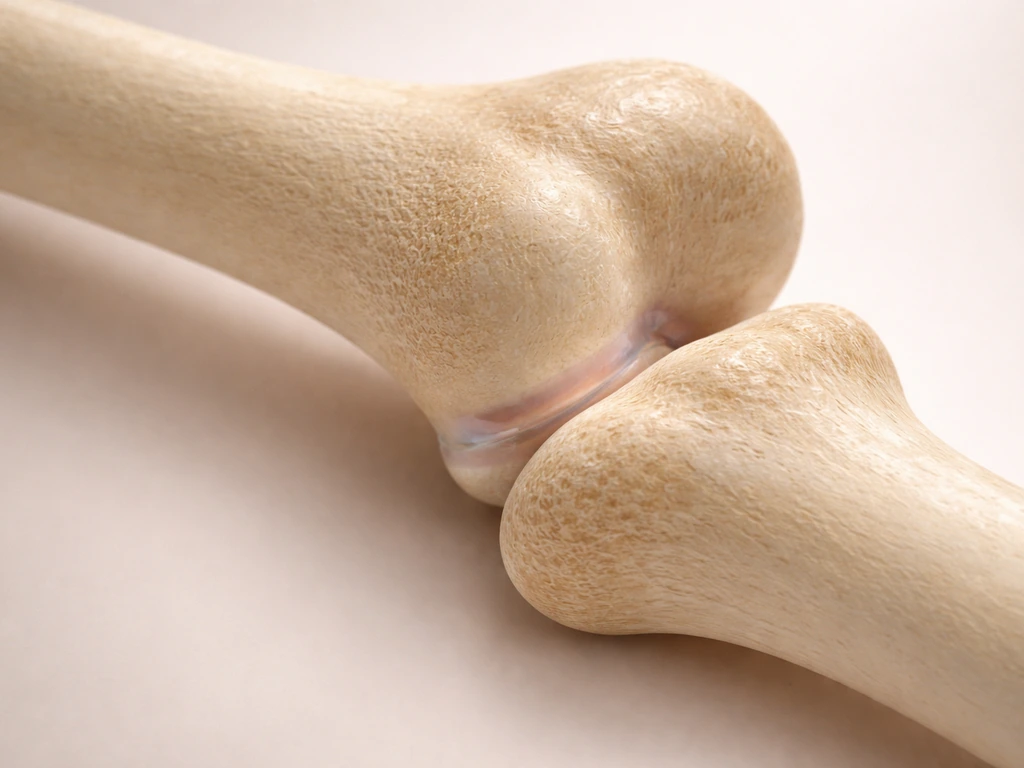
How height growth actually works
Height comes from your long bones, specifically from growth plates (also called epiphyseal plates), which are thin zones of cartilage near the ends of bones like your femur and tibia. When these plates are active, cartilage cells divide, multiply, and gradually get replaced by bone tissue, pushing the bone longer. The key word is active. Growth plates are only open during childhood and adolescence.
Once puberty completes, estrogen and testosterone signal the plates to fuse and harden into solid bone, permanently closing them. A review in the open-access literature discusses how estrogen influences growth plate senescence and epiphyseal fusion, which helps explain how altered estrogen exposure can change the timing of closure [estrogen and testosterone signal the plates to fuse and harden](https://pmc. ncbi. nlm.
nih. gov/articles/PMC34445/). After that, no supplement, stretch, or exercise changes your standing height.
The main hormonal drivers of growth are growth hormone (GH), which is produced by the pituitary gland, and insulin-like growth factor 1 (IGF-1), which the liver produces in response to GH. Together they regulate how fast growth plates produce new cartilage. During puberty, rising sex steroids (estrogen in females, testosterone in males) amplify the GH-IGF-1 axis dramatically, triggering the pubertal growth spurt. The peak of that spurt typically happens around Tanner stages 2 to 3.
For boys, peak height velocity usually falls between roughly ages 13 and 14, with gains exceeding 10 cm in a single year at the peak. For girls it happens a couple of years earlier. After the spurt, growth slows quickly and then stops entirely when plates fuse.
Vitamins don't control this system directly. What they do is supply the raw materials and co-factors that the growth machinery needs to function. When they're missing, the machinery stalls. When they're present in adequate amounts, it runs the way your biology intends.
Which vitamins and nutrients actually matter for growth

Vitamin D is the one with the strongest and most studied connection to height growth, but it's not alone. The full list of growth-relevant vitamins and minerals includes several players that work together, and since people often search for 'vitamins' when they really mean 'everything I should be eating,' it's worth covering the team rather than singling out one.
| Nutrient | Role in growth | Key risk if deficient |
|---|---|---|
| Vitamin D | Calcium absorption, bone mineralization, supports GH-IGF-1 pathway | Rickets, impaired bone growth, reduced height-for-age |
| Vitamin A | Bone remodeling, cell differentiation, growth plate function | Slowed long-bone growth; excess also damages bone |
| Vitamin C | Collagen synthesis essential for bone matrix (osteoid) | Scurvy, bone lesions, poor bone growth in children |
| Vitamin K | Activates osteocalcin, supports bone mineralization alongside vitamin D | Impaired bone protein activation |
| Vitamin B12 | Cell division, neurological function, red blood cell production | Growth retardation, developmental regression |
| Folate (B9) | DNA synthesis and cell division in rapidly dividing growth plate cells | Impaired cell replication during growth |
| Calcium | Primary mineral in bone tissue (works with vitamin D) | Poor bone density, weakened growth structure |
| Zinc | Required for GH signaling, protein synthesis, cell growth | Growth stunting, delayed puberty |
| Iron | Oxygen delivery to tissues; anemia suppresses growth | Fatigue, impaired growth in children |
Notice that several items on that list are minerals, not vitamins. That's intentional. Calcium and zinc in particular are so tightly linked to what vitamins like D and A do that you can't really separate them in a practical discussion. Protein is also part of this picture, since it provides the amino acid building blocks for IGF-1 and for the collagen matrix that bones are built on. The nutrients on this list work as a system, not in isolation.
Vitamin D: what the evidence actually shows
Vitamin D gets the most attention for good reason. It regulates calcium and phosphate absorption in the gut, and without adequate levels, bones can't mineralize properly. In severe deficiency, children develop rickets, a condition where soft, undermineralized bones cause bowed legs and stunted growth. That's the extreme. But even moderate insufficiency during the growth years is worth taking seriously.
What does the research say about vitamin D supplementation and height specifically? A systematic review of randomized controlled trials in children under five found that vitamin D supplementation versus placebo probably improves height-for-age z-score (moderate-certainty evidence), even though the raw centimeter difference in height was small and statistically uncertain (mean difference 0.66 cm, 95% CI -0.37 to 1.68). A separate meta-analysis found that maternal vitamin D supplementation during pregnancy was associated with significantly greater height in offspring at 3 months (around 1.09 cm more) and at 9 and 12 months. That early window, from gestation through the first few years, seems to be where vitamin D has the clearest growth signal.
The honest takeaway: supplementing vitamin D in children who are already sufficient doesn't appear to add meaningful extra height. The benefit shows up in populations where deficiency or insufficiency is present. This matches the broader principle that correcting a deficit helps; going beyond sufficiency doesn't.
How to know if you're low: the 25(OH)D test
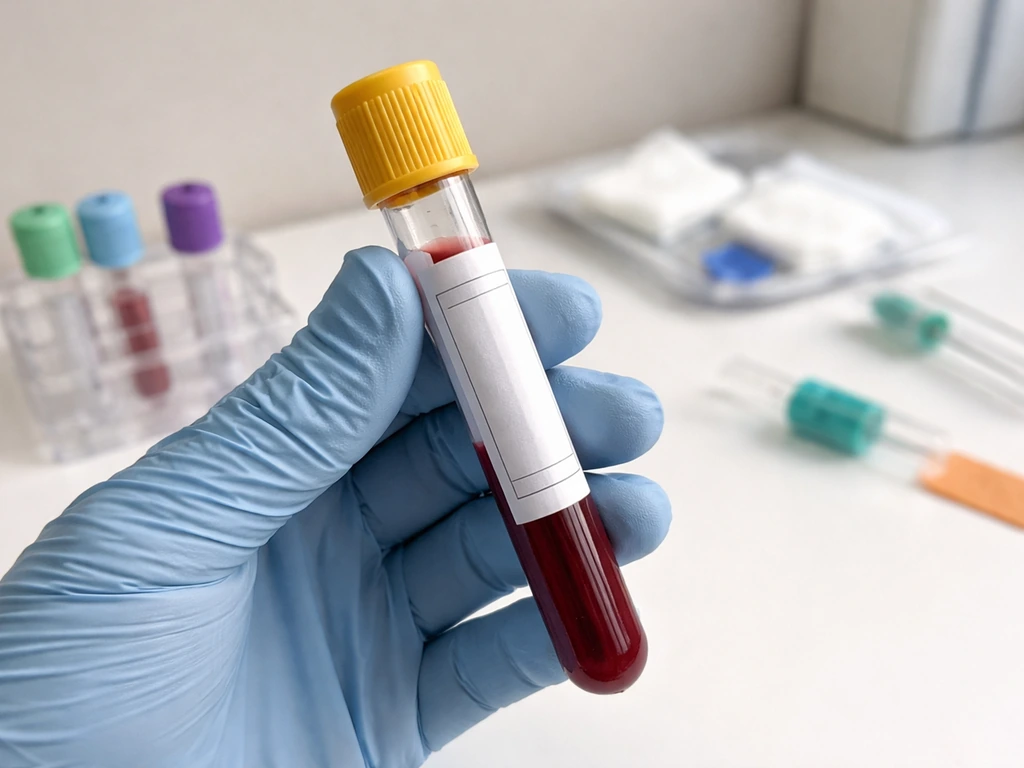
The standard test is serum 25-hydroxyvitamin D, written as 25(OH)D. Under the Endocrine Society's clinical framework, deficiency is defined as levels below 20 ng/mL, insufficiency as 21 to 29 ng/mL, and sufficiency as 30 to 100 ng/mL. It's worth noting that evidence standards have evolved: the Endocrine Society revisited some of these thresholds in 2024, acknowledging uncertainty about the net benefit of targeting specific levels across general populations. But for practical clinical use, these numbers remain the most commonly referenced benchmarks, and below 20 ng/mL is a clear flag.
Supplementing safely: dosing basics
For children and adolescents aged 1 to 18 who are confirmed deficient, the Endocrine Society guideline recommends either 2000 IU per day of vitamin D2 or D3 for at least 6 weeks, or 50,000 IU once weekly for at least 6 weeks, with the goal of bringing 25(OH)D above 30 ng/mL. After achieving that target, the guideline suggests a maintenance dose of 600 to 1000 IU per day. Retesting during treatment is recommended to confirm levels are responding before dropping to maintenance.
Safety matters here. The Tolerable Upper Intake Level (UL) set by the Institute of Medicine is 4000 IU per day for ages 9 and older (lower for younger children). Exceeding the UL regularly risks hypervitaminosis D, and clinical safety data shows that even at 4000 IU per day, mild hypercalcemia occurred in roughly 3% of participants in one trial (compared to about 9% at 10,000 IU per day).
In a randomized trial safety analysis of high-dose vitamin D, mild hypercalcemia occurred in 15 participants (4%) overall, with higher rates at 10,000 IU/day (9%) than at 4,000 IU/day (3%) and 400 IU/day (0%) even at 4000 IU per day, mild hypercalcemia occurred in roughly 3% of participants in one trial (compared to about 9% at 10,000 IU per day). .
Cases of hypercalcemia in children receiving pharmacologic vitamin D doses have been documented. The bottom line: stay within established dosing ranges, retest, and don't self-prescribe high-dose regimens without medical oversight.
B12, folate, vitamins A, C, and K, plus the minerals that team up with them

Vitamin B12 and folate
B12 is essential for cell division and red blood cell production, both of which are running at high speed during childhood and adolescent growth. Deficiency in children has been linked to growth retardation and developmental regression. This is particularly relevant for kids eating vegetarian or vegan diets, where B12 intake can fall short without deliberate supplementation. Folate (B9) works alongside B12 in DNA synthesis and cell replication, which matters enormously in the rapidly dividing cells of growth plates. One important safety note: high-dose folic acid supplementation can mask a B12 deficiency by correcting anemia while neurological damage continues silently. If you're supplementing both, this is a reason to get actual blood levels checked rather than just assuming you're covered.
Vitamin A
Vitamin A plays a role in bone remodeling and the differentiation of cells in growth plates. Deficiency can slow long-bone growth. But vitamin A is a case where both too little and too much cause problems. Preformed vitamin A (retinol, found in animal foods and supplements) has a real toxicity risk: excess intake has been associated with periosteal new bone formation and other bone-related harm in children. The upper intake level exists for a reason. Provitamin A from plant foods (beta-carotene) doesn't carry the same toxicity risk because the body regulates how much it converts. If you're eating a reasonably balanced diet, extra vitamin A supplementation is rarely needed and could be counterproductive.
Vitamin C

Vitamin C is critical for collagen synthesis, and collagen is the structural protein that forms the osteoid matrix that bone mineralizes onto. Severe deficiency causes scurvy, which in children produces bone lesions and impaired bone growth. In practice, frank scurvy is rare in developed countries, but mild insufficiency in kids with very limited vegetable and fruit intake is more common than most people assume. Vegetable and fruit intake also supports growth during the years when your growth plates are still open. Vegetables, by the way, are one of the most reliable sources of vitamin C, and the evidence linking vegetable intake to growth goes beyond just vitamin C alone.
Vitamin K
Vitamin K activates osteocalcin, a protein that binds calcium to bone matrix. It works closely with vitamin D in bone mineralization, and some research suggests the two nutrients have complementary effects on bone outcomes. Severe vitamin K deficiency is primarily known for causing bleeding problems, and its role in bone health is less conclusively proven than vitamin D's. Still, adequate intake is part of a well-rounded bone-support picture, and getting enough through leafy greens is straightforward.
Minerals: calcium, zinc, and iron

Calcium deserves a mention even though it isn't a vitamin. All the vitamin D in the world doesn't build bone without enough calcium to actually deposit. Zinc deficiency is directly linked to growth stunting and delayed puberty, partly because zinc is required for GH receptor signaling and protein synthesis. Iron rounds out the picture: iron-deficiency anemia impairs oxygen delivery to tissues and suppresses growth in children. Addressing these mineral gaps matters as much as addressing vitamin gaps, and they're worth screening for alongside vitamins if growth is a concern.
When vitamins won't change anything
If your growth plates have closed, vitamins cannot make you taller. does broccoli help you grow? Full stop. This typically happens by the late teens in most people, earlier for some. No supplement protocol changes bone structure after fusion. What vitamins and minerals do for adults is support bone density and skeletal health, which matters for long-term mobility and fracture resistance, but those are different goals than height.
Even during active growth, if someone's diet is already nutritionally adequate, adding more vitamins won't accelerate or extend growth beyond their genetic potential. The body doesn't use surplus nutrients to grow faster; it excretes or stores them, and at high enough doses, fat-soluble vitamins (A, D, K) accumulate to potentially harmful levels. The 'more is better' logic simply doesn't apply here.
The scenario where vitamins genuinely help is narrower than most supplement marketing implies: a child or adolescent with an open growth window who has a measurable or likely deficiency in one of the nutrients listed above. Correct that deficiency, and normal growth can resume or improve. That's meaningful, but it's not the same as a magic height booster.
How to build a smart plan today
The most practical approach starts with food, not supplements. A diet that consistently includes oily fish or fortified dairy (vitamin D), eggs and meat or fortified plant foods (B12), colorful vegetables and citrus (vitamins A, C, K, folate), and adequate protein and zinc from legumes, nuts, or animal sources covers most of this ground without any pills. If the diet genuinely hits those marks, the supplement case is weak.
If you're not sure whether there's a deficiency, the most useful step is a targeted blood panel rather than guessing. For vitamin D, that's a 25(OH)D level. For B12, serum B12 and optionally methylmalonic acid (a functional marker). Ferritin covers iron stores. A zinc level is less reliable as a standalone test but worth discussing with a clinician if diet is poor. These aren't expensive tests, and they tell you something real rather than leaving you supplementing blindly.
If supplementation is warranted, dose conservatively and stay below established upper limits. For vitamin D, routine supplementation at 600 to 1000 IU per day is generally considered safe and appropriate for children without confirmed deficiency. If deficiency is confirmed, follow the treatment protocol outlined earlier under medical supervision. Avoid mega-doses sourced from online protocols that aren't grounded in clinical guidelines. Fat-soluble vitamins accumulate, and toxicity is real.
- Audit the diet first: cover the food sources for vitamin D, C, A, K, B12, folate, calcium, zinc, and iron before buying anything.
- Test before you supplement: get a 25(OH)D level and, if relevant, B12 and ferritin checked through a clinician or standard lab.
- Match dose to need: use clinician-guided dosing if deficiency is confirmed; stick to standard daily intakes if levels are fine.
- Stay within upper intake limits: for vitamin D, the UL is 4000 IU/day for ages 9 and older. For preformed vitamin A, don't exceed established upper limits.
- Retest after treatment: if correcting a deficiency, confirm levels have normalized before dropping to maintenance doses.
- Don't combine high-dose folic acid with unmonitored B12 intake without checking actual B12 levels.
Next steps by life stage
Kids and teenagers
This is the window where nutrition has real leverage on height outcomes. If a child or teenager is growing more slowly than expected for their age, or tracking below their genetic height potential (roughly the average of parents' heights, adjusted), it's worth a clinician evaluation sooner rather than later. Red flags include dropping percentiles on a growth chart, delayed onset of puberty (no pubertal signs by age 13 in girls or 14 in boys), or signs of nutritional deficiency like fatigue, frequent illness, or bone pain. A pediatrician or pediatric endocrinologist can assess growth velocity, order relevant labs, and rule out underlying conditions like GH deficiency, celiac disease, or inflammatory bowel disease that impair nutrient absorption and growth.
For teens in or approaching the pubertal growth spurt, adequate protein, calcium, vitamin D, zinc, and iron are the nutritional priorities. These years see rapid bone accrual and the highest demand on the growth system. This is also the period where habits like skipping meals, crash dieting, or cutting out food groups can do real harm to reaching genetic height potential.
Adults
If your plates are closed (confirmed by X-ray, or just by the fact that you haven't grown since your late teens), vitamins and minerals are still worth caring about, but for different reasons: bone density maintenance, fracture prevention, and overall health rather than height. Vitamin D deficiency in adults is associated with bone loss, muscle weakness, and increased fracture risk. Correcting it won't make you taller, but it matters for your skeletal health over the next several decades.
If you were wondering whether anything can be done about adult height, the honest answer is that nutrition's window for that has passed, but supporting bone quality is a valid and worthwhile goal. Coffee helps some people feel more alert, but it does not replace the nutrients and deficiency corrections that actually drive growth.
One situation worth flagging for adults: if you believe you may not have reached your genetic height potential due to poor nutrition during childhood or adolescence, there's nothing reversible about that now through supplementation. But documenting family history and current bone density with a clinician can at least give you a baseline picture of where things stand and what to protect going forward.
When to see a clinician, not just a supplement shelf
- A child is falling off their growth curve (dropping percentile bands on standard growth charts).
- Puberty hasn't started by age 13 in girls or age 14 in boys.
- A child or teen shows signs of nutritional deficiency: bone pain, fatigue, frequent infections, poor wound healing.
- You suspect malabsorption (celiac disease, Crohn's, or similar), which impairs uptake of nearly every nutrient discussed here.
- A child is on a highly restrictive diet (vegan, severe food allergies) without professional dietary guidance.
- Vitamin D levels come back below 20 ng/mL on testing, especially in a still-growing child or adolescent.
The bottom line is that vitamins are not a height hack, but they are a genuine part of the growth story when deficiency is in the picture. Get the diet right, test if there's reason to suspect a gap, supplement conservatively if needed, and keep realistic expectations about what nutrition can and can't do at each stage of life.
FAQ
If I take a multivitamin, will it help me grow taller?
Many people use “vitamins” to mean “all nutrients,” but for height the most common missed gap is vitamin D, followed by calcium, zinc, iron, and B12 depending on diet patterns (for example, vegetarian or vegan). If you want a fast decision aid, start with a brief diet review, then test the highest-yield labs (25(OH)D, CBC plus ferritin, and B12 with methylmalonic acid if needed) instead of buying a broad multivitamin.
How will I know whether vitamin supplements will actually affect my growth?
Yes, but only if your blood levels show insufficiency and you correct it. If you already have sufficient vitamin D and other key nutrients, additional supplementation generally does not increase height, because growth plates respond to biology and genetics rather than extra “fuel.” A practical step is to retest vitamin D after starting treatment to confirm your dose is doing what you intended.
Which blood tests are most useful if I’m worried about nutrient-related growth delay?
Serum 25(OH)D is the standard vitamin D test, and it reflects vitamin D status rather than bone mineral itself. For B12, serum B12 is helpful, but methylmalonic acid can clarify borderline results because functional deficiency can exist even when serum values look “okay.” For iron, ferritin is more informative than hemoglobin alone.
Does vitamin D help more in toddlers than in teens?
Not exactly. Vitamin D may help more when deficiency exists, and the clearest growth signals appear in early life and during active growth windows. For older teens, deficiency correction can support normal growth, but it still cannot reopen fused growth plates, and it usually will not overcome other causes such as GH axis disorders or gastrointestinal malabsorption.
Why is it risky to take folic acid if I might be low in B12?
High-dose folic acid can improve anemia while a B12 deficiency is still damaging nerves, so it can “mask” the problem. If you are supplementing both folate and B12, or if your diet is low in animal foods, it is safer to confirm B12 status with labs rather than rely on dose alone.
What dosing approach is typically used when a child is confirmed deficient in vitamin D?
For children and adolescents, clinically guided regimens often use vitamin D2 or D3 either daily for at least several weeks or as a once-weekly high dose for a limited treatment period, then a maintenance dose. The key caveat is retesting to confirm response before switching to maintenance, which helps prevent under-treatment (levels still low) or unnecessary excess.
What about zinc, if zinc tests are sometimes inaccurate?
Zinc can affect growth through protein synthesis and GH receptor signaling, but zinc blood tests can be unreliable on their own. The practical mistake is treating a “normal” zinc result as proof you do not need zinc, or treating a low result without checking diet, iron status, and overall micronutrient balance. Discuss testing and supplementation with a clinician if intake is poor or puberty is delayed.
If my growth plates might be closed, do vitamins still matter?
If growth has stopped after the late teens, supplements cannot change your height because growth plates are closed. The next-best goal is skeletal health, mainly by ensuring adequate vitamin D and calcium, and addressing deficiencies that could raise fracture risk. In adults, “height expectations” should shift to posture, bone strength, and maintaining muscle function.
Can vitamin supplements fail if there’s an underlying gut or endocrine issue?
Yes, especially if malabsorption is involved. Conditions like celiac disease and inflammatory bowel disease can limit absorption of nutrients needed for growth, so supplements may not correct deficiencies without treating the underlying issue. If a child is “stuck” on growth despite a good diet, clinicians often evaluate absorption problems along with endocrine causes.
When should I stop trying to self-treat and see a pediatrician or pediatric endocrinologist?
Red flags include a clear drop across growth percentiles, slow growth velocity compared with peers, delayed puberty signs (no pubertal development by about age 13 in girls or 14 in boys), and symptoms that fit nutritional deficiency such as persistent fatigue or bone pain. If these show up, waiting for a supplement to “kick in” is usually the wrong next step, because diagnosis and targeted treatment matter.
Next Article
What Amino Acids Make You Grow Taller
Know which amino acids support growth via protein and IGF-1, why they can’t extend height after closure, and practical t