
Running does not directly make you grow taller. Height is determined by your growth plates, the cartilage discs near the ends of your long bones, and those plates only lengthen bones while they are still open and active during childhood and puberty. Once they fuse, which happens near the end of puberty, no amount of running (or any other exercise) can add bone length.
Does Running Help You Grow Taller? Evidence and Safe Tips

Marcus Reeves
5 May 2026

That said, running during the years when your growth plates are still open can support the conditions that allow you to reach your genetic height potential, mainly through hormonal benefits, healthy body weight, appetite stimulation, and bone-strengthening effects. So the honest answer is: running helps you grow in the indirect sense, but only while you're still growing, and it is far from the biggest lever you have.
What 'growth' actually means at your age
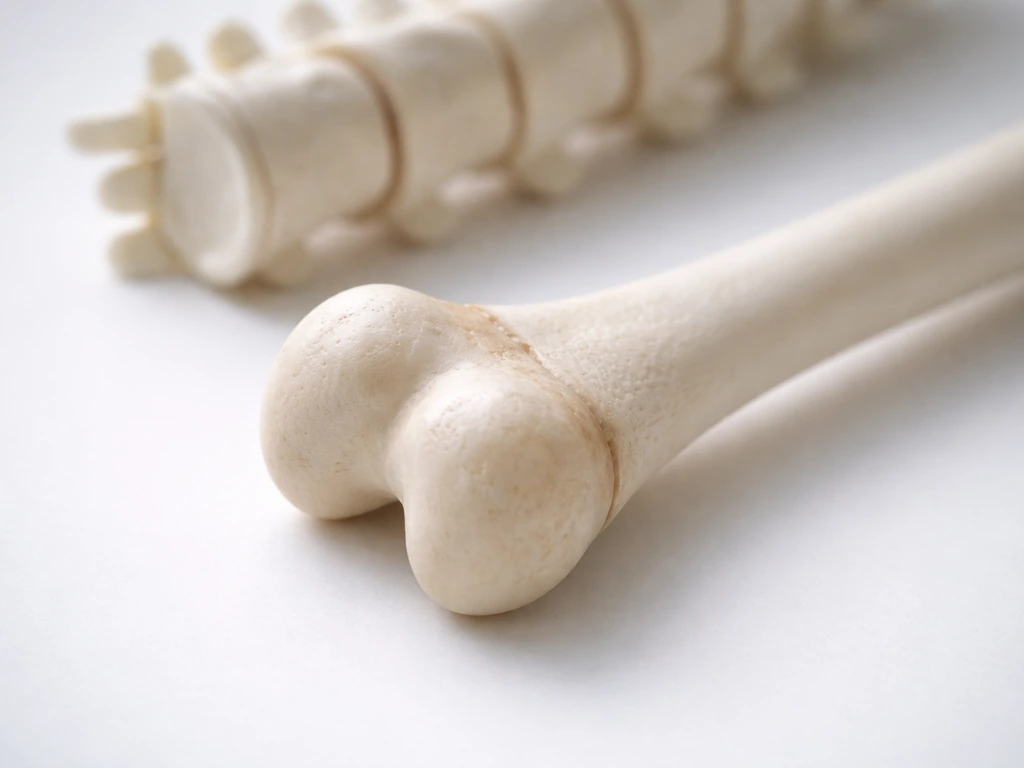
When people ask about growing taller, they are really asking about linear bone growth, the lengthening of your leg bones, spine, and other long bones. That process is entirely controlled by your epiphyseal plates, also called growth plates. These are bands of cartilage sitting near the ends of your long bones. Specialized cells there divide, lay down new cartilage, and then mineralize it into bone, pushing the ends of the bone apart and making you taller. While your plates are open and active, you grow. When they close, you stop.
Plate closure is driven by puberty hormones, particularly sex steroids like estrogen. As puberty progresses, those hormones accelerate growth-plate senescence and eventually fuse the plates permanently. Girls start puberty around age 10. 5 on average, boys around 11.
5, though there is wide normal variation. During the pubertal growth spurt, height velocity can hit roughly 9 to 10. 5 cm per year. After the spurt, growth slows, plates close, and that is usually it.
Most girls reach adult height within a couple of years of their first period, typically adding only about 2 to 3 more inches after menarche. Most boys finish growing somewhere between 16 and 18. After those plates fuse, no exercise reopens them. Adults who want to appear taller are working with posture and spinal decompression, not new bone tissue.
Does running increase height directly or indirectly?
Directly: no. Running cannot lengthen your bones. It does not stimulate growth plates to produce more cartilage in a meaningful way, and it has zero effect on fused plates in adults. In fact, running actually compresses the spine temporarily.
A systematic review found that, across 9 studies, 6 reported that running acutely and negatively impacts intervertebral disc measures while some cross-sectional data can show better disc parameters in runners than controls [Impact of Running Exercise on Intervertebral Disc](https://pmc. ncbi. nlm. nih.
gov/articles/PMC11531067/). Research on elite male runners has shown measurable reductions in vertebral column height immediately after a 9-mile run, caused by fluid loss in the intervertebral discs under load. That effect is temporary and reverses with rest, but it illustrates that if anything, running makes you fractionally shorter for a few hours, not taller.
Indirectly, during the growing years, running can be a useful supporting habit. It helps maintain a healthy body weight, which matters because excess body fat is associated with earlier puberty onset, which can actually shorten the total window of growth. Running can also stimulate appetite, making it easier to hit the caloric and nutritional intake that growing bones and muscles need. It supports cardiovascular health, improves circulation to skeletal tissue, and has clear bone-density benefits when load and recovery are managed well. None of these effects make you taller than your genetics allow, but they help you reach that ceiling rather than falling short of it due to avoidable lifestyle factors.
The science: hormones, appetite, and bone health

Exercise, including running, causes acute spikes in growth hormone (GH) and affects IGF-1 signaling, the hormonal axis most directly involved in childhood and adolescent growth. Studies using progressively intense running protocols have confirmed these acute hormonal responses. However, the picture gets more complicated with endurance training. Research on pre-pubertal and early pubertal males found that short-term endurance training periods actually reduced circulating IGF-1, which is the opposite of what you would want if the goal is maximizing growth. This does not mean running is harmful, but it does mean that the relationship between running volume and growth hormones is not simple and more is not always better.
For bones specifically, the evidence is fairly good that weight-bearing exercise during childhood improves bone mineral density and structural measures. A systematic review on exercise and pediatric bone confirmed beneficial effects of physical activity on bone health in kids. High-impact activities like jumping appear to have particularly strong bone-building effects, shown in a 4-year longitudinal study of pre- and circum-pubertal children where jumping produced skeletal benefits that persisted beyond normal developmental gains. Running also delivers meaningful impact loading, which is generally positive for bone density when volume and recovery are appropriate.
The risk side of the equation is low energy availability. If a young runner burns more calories than they eat, particularly if energy availability drops below roughly 30 kcal per kilogram of fat-free mass per day, the body prioritizes survival functions over growth and bone building.
In a narrative synthesis of low carbohydrate availability and RED-S, energy availability is commonly expressed as kcal/kg fat-free mass per day, and reduced or subclinical ranges are often discussed around 30, 45 kcal/kg FFM/day [reduced/subclinical energy availability ranges are often discussed around 30–45 kcal/kg FFM/day](https://pmc. ncbi. nlm. nih.
gov/articles/PMC10609849/). The 2023 International Olympic Committee consensus on Relative Energy Deficiency in Sport (RED-S) documents that low energy availability in adolescent athletes is directly linked to lower bone mineral density, higher fracture risk, and impaired hormonal function. A 3-year longitudinal study of male adolescent endurance athletes found RED-S indicators were associated with unfavorable metabolic and endocrine changes, including growth impairment.
This is arguably the most important physiological risk for a young runner who is also hoping to grow to full height potential.
What to realistically expect by age group
Children before puberty
Pre-pubertal kids typically grow about 6 cm per year during middle childhood. Running at this age supports general bone health, cardiovascular fitness, and healthy weight, all of which are good for long-term development. There is no evidence that running accelerates linear growth in pre-pubertal kids beyond what their genetics and nutrition allow. Coffee helps some people maintain alertness, but it does not have any proven effect on linear height growth Coffee helps you grow.
Yes, nutrition can help support growth while growth plates are still open help you grow. Do vegetables help you grow? They can support healthy growth indirectly by providing key nutrients like vitamins, minerals, and protein that growing bones and tissues need no evidence that running accelerates linear growth in pre-pubertal kids beyond what their genetics and nutrition allow. The priority should be fun, variety, and building movement habits, not structured mileage.
Growth plates are open and active but are also structurally softer than adult bone, making them more vulnerable to overuse injury.
Teenagers during puberty

This is when growth velocity peaks, and it is also when the interaction between running, nutrition, and hormones matters most. Puberty is the window where lifestyle factors can meaningfully affect whether someone hits their genetic height potential. Running is fine and beneficial here, but training volume needs to be matched with adequate caloric intake, quality protein, calcium, vitamin D, and enough sleep for GH release. Teens who are training seriously for cross-country or track while also restricting food intake (intentionally or not) are the most at-risk group for RED-S and growth disruption. If a teen girl's period stops or a teen boy stops gaining weight despite training, those are signals that energy availability has become a problem.
Adults with fused growth plates
Running after growth plate fusion will not make you taller. Period. Any claims to the contrary are not supported by evidence. What running does offer adults is maintaining bone density (which helps prevent the gradual height loss that happens with age and osteoporosis), improving posture through core and hip strengthening, and keeping a healthy body composition. Standing tall with good posture is not the same as being taller, but it does maximize your measured height. Adults worried about height should focus on posture, not mileage.
Running habits that actually support healthy development
If you are a growing kid or teen, or a parent supporting one, here are evidence-based running practices that protect health and support development without pushing into harm territory.
- Increase weekly mileage by no more than 10% per week to avoid overuse injuries. This is a standard AAP guideline for young runners.
- Limit speed work and intensity sessions to about 1 to 2 days per week. The rest of the mileage should be easy-paced.
- Run on softer, even surfaces when possible to reduce repetitive impact on developing bones and growth plates.
- Replace running shoes every 300 to 500 miles or roughly every 6 months, whichever comes first. Worn shoes reduce shock absorption.
- Cross-train with low-impact activities like cycling or swimming on non-running days to maintain fitness while reducing cumulative bone stress.
- Take at least 1 to 2 complete rest days per week. Growing athletes need recovery time more than adults do.
- Do not ignore shin pain. Focal, worsening shin pain in a young runner can indicate a stress fracture, which may not show on a standard X-ray and might need an MRI to diagnose properly.
- Eat enough. Match calorie intake to training load, and prioritize protein, calcium, and iron. Under-fueling while running is the most common way running interferes with growth.
For younger children who are not in competitive training, the guidance is simpler: keep running playful, do not enforce mileage targets, and make sure they are eating well and sleeping enough. Structured high-mileage training for children under 10 is not recommended by sports medicine organizations.
Common myths about running and height
Myth: Running stretches your bones and makes you taller
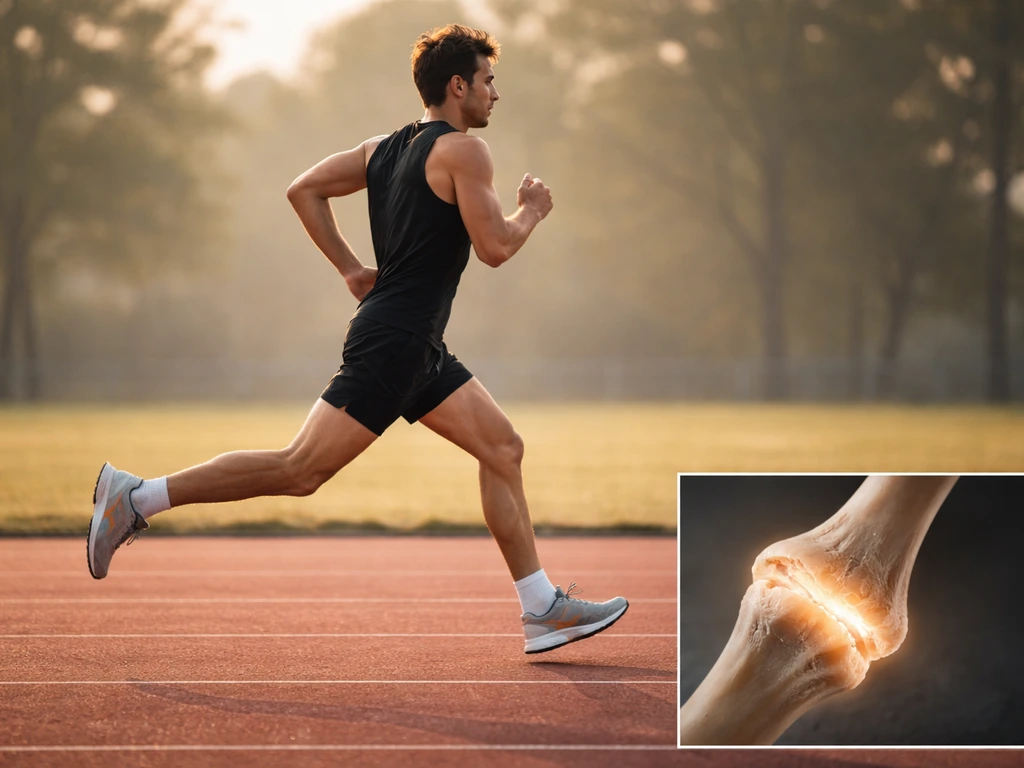
This one comes up constantly. Running does not stretch bones. Bones do not stretch. The only thing that lengthens bones is new bone tissue being produced at the growth plates. Running has no direct mechanism for stimulating that process, and in adults where plates have fused, it is simply impossible.
Myth: Impact sports damage growth plates and stunt kids' growth
This fear is understandable because growth plates are more vulnerable than mature bone, but routine running and impact sports do not stunt growth in healthy children following reasonable training loads. Growth plate injuries can happen from acute trauma or severe overuse, but the response to that risk is smart training progression, not avoiding impact entirely. The bigger threat to growth in young athletes is under-fueling, not the running itself.
Myth: More running means more GH, which means more growth
Running does cause acute GH spikes, but that does not translate linearly into more height. The hormonal environment driving the pubertal growth spurt is primarily sex steroids interacting with GH and IGF-1 in a complex, tightly regulated system. Heavy endurance training in young athletes has actually been associated with reductions in IGF-1 in some studies, not increases. Chasing GH spikes through hard running as a height strategy is not supported by the evidence.
Myth: Adults can gain height from running by decompressing the spine
You may have read claims that stretching or decompression exercises can add an inch or two of height. While spinal posture and disc hydration do affect measured height in the short term, none of these changes represent bone growth. They are temporary and do not alter your skeletal structure. Running actually compresses the spine during the activity, with measurable temporary height reduction that reverses with rest.
What matters more than running for reaching your height potential
If height is the goal, running is a supporting player at best. The factors with the strongest evidence for influencing whether you reach your genetic height ceiling are these, roughly in order of impact.
| Factor | Why it matters | Practical target |
|---|---|---|
| Genetics | Sets the ceiling for height potential; accounts for roughly 60-80% of height variation | Cannot be changed; knowing family history helps set realistic expectations |
| Sleep | Deep sleep is when the body secretes the most growth hormone; poor sleep directly blunts GH output | 8-10 hours per night for school-age kids and teens; consistent sleep schedule matters |
| Caloric intake | Under-eating suppresses IGF-1 and impairs growth; RED-S is a real risk for active teens | Eat to cover both basal needs and exercise expenditure; do not restrict food while training |
| Protein | Building block for bone matrix and muscle; adequate intake supports the anabolic environment for growth | Age-appropriate protein at each meal; roughly 1.2-1.7g per kg body weight for active teens |
| Calcium and Vitamin D | Calcium mineralizes new bone tissue; vitamin D enables calcium absorption and has its own effects on growth plate function | Dairy, leafy greens, fortified foods; safe sun exposure or supplementation for vitamin D |
| Iron | Iron deficiency is common in young runners and can impair growth and energy availability | Lean red meat, beans, fortified cereals; pair with vitamin C for absorption |
| Running and exercise | Supports bone density, healthy weight, and hormonal environment; indirect benefit during growth years | Gradual volume, adequate recovery, matched with good nutrition |
Sleep deserves extra emphasis here. Growth hormone secretion is highest during deep, slow-wave sleep. A teenager who trains hard but consistently sleeps 6 hours a night is actively undermining the primary hormonal driver of their growth. Nutrition is the other major lever that is often underestimated when active kids and teens are involved. Questions about whether specific foods or nutrients help growth are worth exploring in detail alongside the exercise angle: protein, vegetables, and overall caloric adequacy all play distinct roles in how well the body can use the hormonal signals that drive height development.
When to talk to a doctor about growth concerns
Most kids grow at their own pace, and variation within the normal range is wide. But there are specific patterns that warrant a medical conversation rather than just adjusting training or diet.
- Growing less than about 2 inches per year during childhood. The Endocrine Society flags this rate as a threshold for evaluation.
- Dropping across growth chart percentiles over time, not just falling below a particular line, but consistently drifting lower relative to earlier measurements.
- Being below the 2.3rd percentile for height compared to peers of the same age and sex.
- A young athlete whose period has stopped, or whose growth appears to have stalled alongside significant training volume and possible under-eating.
- Focal shin pain or limb pain in a young runner that does not resolve with rest, especially if it is worsening. Standard X-rays may miss early growth plate stress injuries; MRI is sometimes needed.
- Signs of very early or very late puberty onset. Precocious puberty can cause bones to mature too quickly, shortening the total growth window and resulting in shorter adult height than genetics would otherwise allow.
A pediatrician or pediatric endocrinologist can plot growth charts, order a bone-age X-ray to see how mature the growth plates are relative to chronological age, and assess whether any hormonal or nutritional issues are at play. Growth velocity calculations require at least 6 months of data between measurements to be meaningful, so a single visit showing a short height is much less informative than a pattern tracked over time. If something feels off about a child's growth trajectory, the right move is early evaluation, not waiting to see if more running helps.
FAQ
If I run regularly as a teen, will I maximize my chance of reaching my genetic height?
It can be a good supporting habit, but maximizing height usually depends more on adequate energy intake, enough sleep, and not delaying puberty growth signals. If running makes you tired all the time, causes weight loss, or you get repeated stress fractures, it may mean your training load is outpacing recovery.
How much running is too much for a kid or teen who wants to grow taller?
There is no universal mileage number, but red flags include declining weight or slowed weight gain during growth spurts, unusual fatigue, persistent injuries, and missed periods. A practical rule is to keep intensity and total load conservative enough that nutrition and sleep do not get compromised.
Does running on a treadmill or doing track running matter for growth plate safety?
For height and growth plate effects, the surface type does not change the core rule that fused plates cannot regrow. For injury prevention, consistency matters more, choose shoes with appropriate support, and avoid sudden increases in speed or hill work that spike impact and fatigue.
Can running replace strength training if I care about height and bone health?
Running helps with bone-loading, but it is not the only input. Adding age-appropriate lower body and core strengthening can support mechanics, reduce overuse risk, and improve posture, which can affect measured height even if it does not increase bone length.
Will stopping running make me grow taller if I suspect it is hurting my growth?
If the real issue is under-fueling or excessive training stress, simply stopping running may help by restoring energy availability and recovery. The key is to address the underlying imbalance, if a teen loses weight, has worsening fatigue, or has menstrual changes, a clinician should evaluate sooner rather than assuming rest alone fixes it.
Does jumping or sprinting work better than steady running for bone health?
High-impact activities generally have a stronger bone stimulus than low-impact cardio, but running can still contribute if volume and recovery are managed. If your goal is bone support, consider mixing short, controlled impact sessions with rest days rather than doing only long endurance runs.
If growth plates can be injured, does that mean running can permanently stunt height?
In most healthy children, reasonable running does not stunt growth, but severe injury or prolonged overuse can disrupt training and overall nutrition, which can indirectly affect growth outcomes. The bigger concern is prolonged low energy availability, not typical routine running.
What should a parent monitor to catch Relative Energy Deficiency in Sport (RED-S) early?
Track weight trends, appetite, menstrual regularity, training tolerance, and injury frequency. RED-S can show up as declining weight or slowed weight gain, stopped or irregular periods, frequent illness, persistent fatigue, and stress fractures, not just “thinness.”
How can I tell whether my short height is normal variation versus a growth problem?
A single short measurement is less meaningful than growth velocity over time. If height gain slows noticeably over months, puberty progression seems delayed, or there are symptoms like low energy, frequent injuries, or restrictive eating patterns, it is worth discussing with a pediatrician or pediatric endocrinologist.
Does improving posture make me look taller more than running does for adults?
Posture work can increase measured height by optimizing spinal alignment and reducing slouching, it does not rebuild bone length. Adults who add core and hip stability exercises often see better standing tall posture, but it will not reverse true height loss from aging-related bone changes without bone density protection.
Are there any supplements that can help running-related growth more than diet does?
Supplements are not a substitute for adequate total calories and protein, but nutrient adequacy matters. If vitamin D is low or calcium intake is insufficient, correcting those through diet or a clinician-guided supplement plan can support bone health during the years when growth is still occurring.
Does stretching before or after running affect height measurements?
Stretching may temporarily change posture and how you stand, but it does not create new bone tissue or reopen growth plates. If you notice improved height right after stretching or decompression, the effect is likely temporary and related to alignment or fluid shifts rather than actual growth.
Next Article
Do Vegetables Help You Grow? Nutrition Evidence for Height
Evidence on whether vegetables help you grow through protein, calcium, vitamin D, and key micronutrients.