Vegetables can support healthy growth in kids and teens, but not by directly making you taller on their own. What they actually do is supply key micronutrients like zinc, magnesium, vitamin K, folate, and vitamin A that keep the growth process running properly. If those nutrients are missing, growth can fall short of your genetic potential. But vegetables work as part of a bigger picture that also needs adequate calories, enough protein, calcium, and vitamin D.
Do Vegetables Help You Grow? Nutrition Evidence for Height

Marcus Reeves
29 Apr 2026
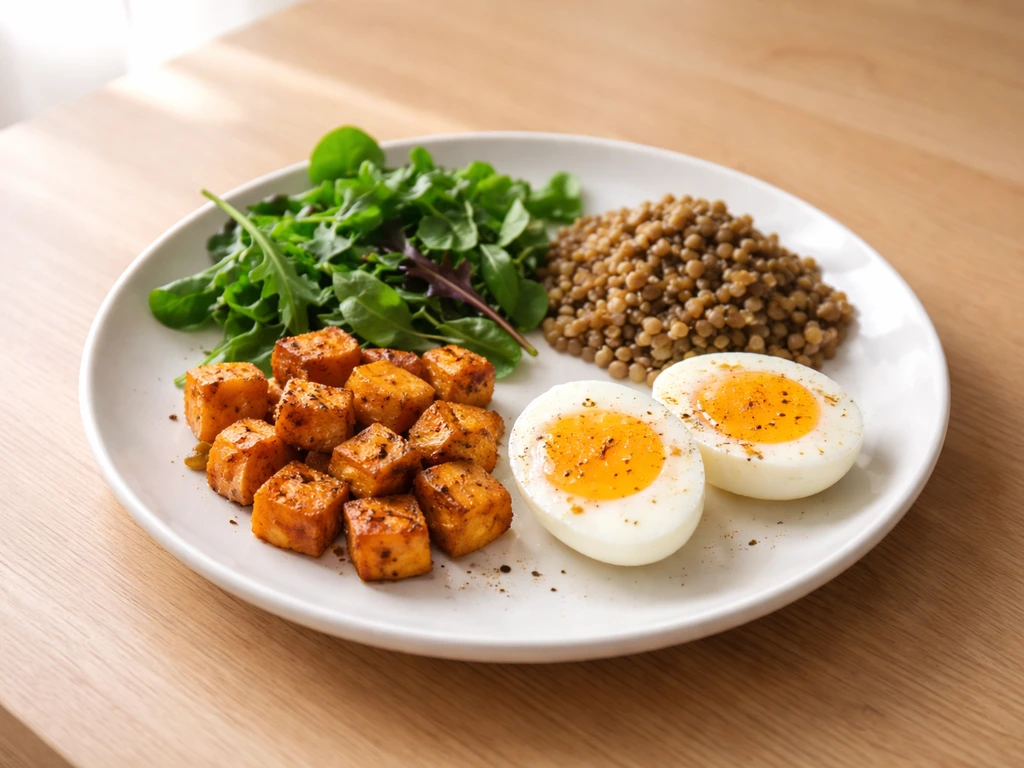
As with vegetables, no single habit like caffeine or coffee is a shortcut for does coffee help you grow, so focus on the broader diet that includes enough calories, protein, calcium, and vitamin D. Protein matters because it provides amino acids that help growth plates do their job during childhood and adolescence enough protein. No single food group does the job alone.
What does 'help you grow' actually mean in the body
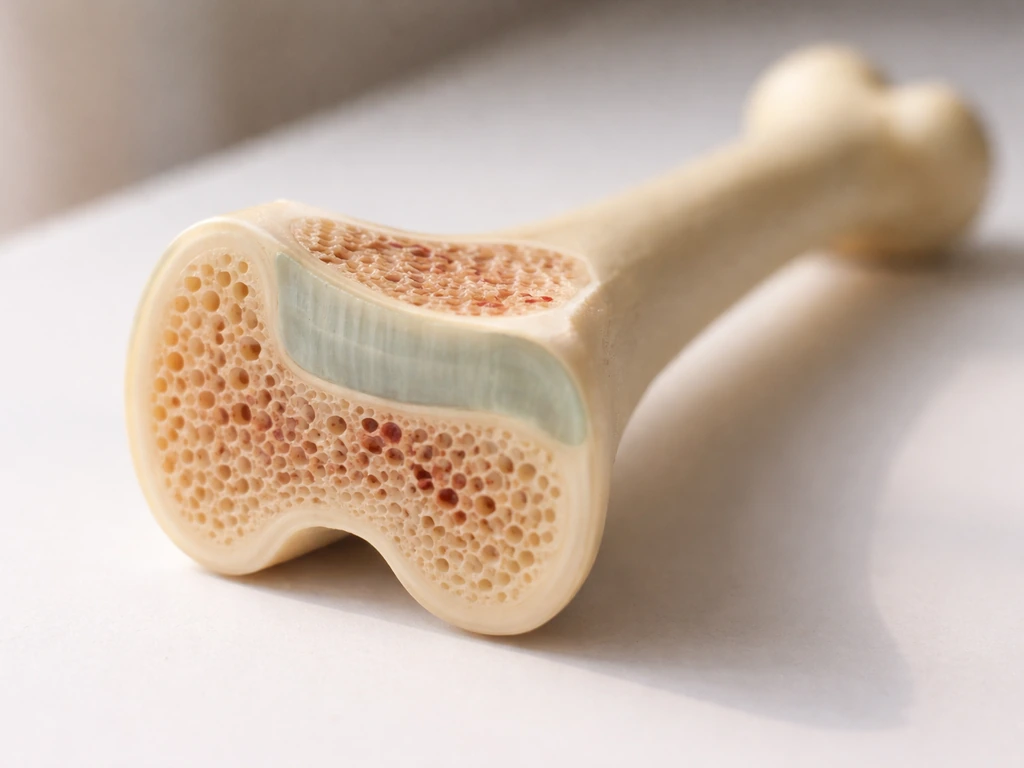
Height comes from your growth plates, thin cartilage zones near the ends of your long bones. During childhood and adolescence, cells in these plates multiply and lay down new bone through a process called endochondral ossification. Growth plate activity is regulated by hormones and signaling pathways, including IGF-1 and PTHrP, and it is directly influenced by the nutritional environment. When the body has enough calories, protein, and the right micronutrients, the growth plates can do their job.
When it doesn't, growth slows or stalls. Research consistently shows that poor dietary quality is one of the key drivers of stunting in children under five. So when people ask whether vegetables help you grow, the real question is: do they contribute meaningfully to that nutritional environment? The answer is yes, as long as the rest of the diet is also pulling its weight.
It's also worth being upfront about what growth plates cannot do. Once puberty ends and the plates fuse, usually in the late teens, linear height growth stops. No food, vegetable or otherwise, can reopen fused growth plates. That means the window where nutrition genuinely influences how tall you get is childhood through late adolescence.
The nutrients that actually move the needle on growth
Not all nutrients are equally important for height, but several have solid evidence behind them. Here is where the research points.
Protein
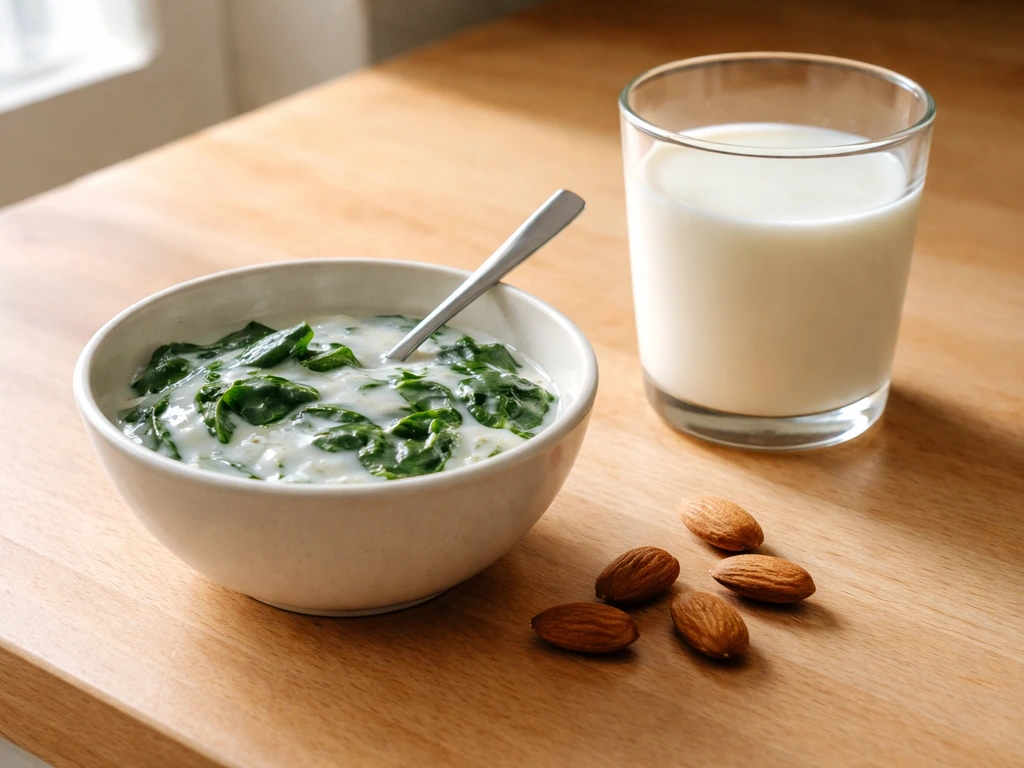
Protein is probably the most important single nutrient for linear growth. It supplies amino acids for building new tissue and it stimulates IGF-1, the main anabolic hormone that drives growth plate activity. Protein needs in growing children range from about 1.1 g/kg/day for 4 to 6-year-olds down to around 0.9 g/kg/day for teenage boys, but these are minimums to prevent deficiency, not necessarily optimal amounts for maximizing growth. Most vegetables are low in protein and don't provide complete amino acid profiles, so they work best alongside protein-rich foods like eggs, meat, dairy, legumes, or tofu.
Calcium
Calcium is the structural material of bone. Absorption is highest in early childhood (up to 60% in infants) and drops to about 25% in adults. The problem is that blank" rel="noopener noreferrer">nearly half of children aged 4 to 18 in the US consume less calcium than recommended, based on NHANES data. Some vegetables contribute meaningful calcium: cooked kale, bok choy, broccoli, and fortified plant foods are reasonable sources. But dairy and fortified alternatives are still the most efficient way to hit calcium targets, and vegetables alone won't get most kids there.
Vitamin D
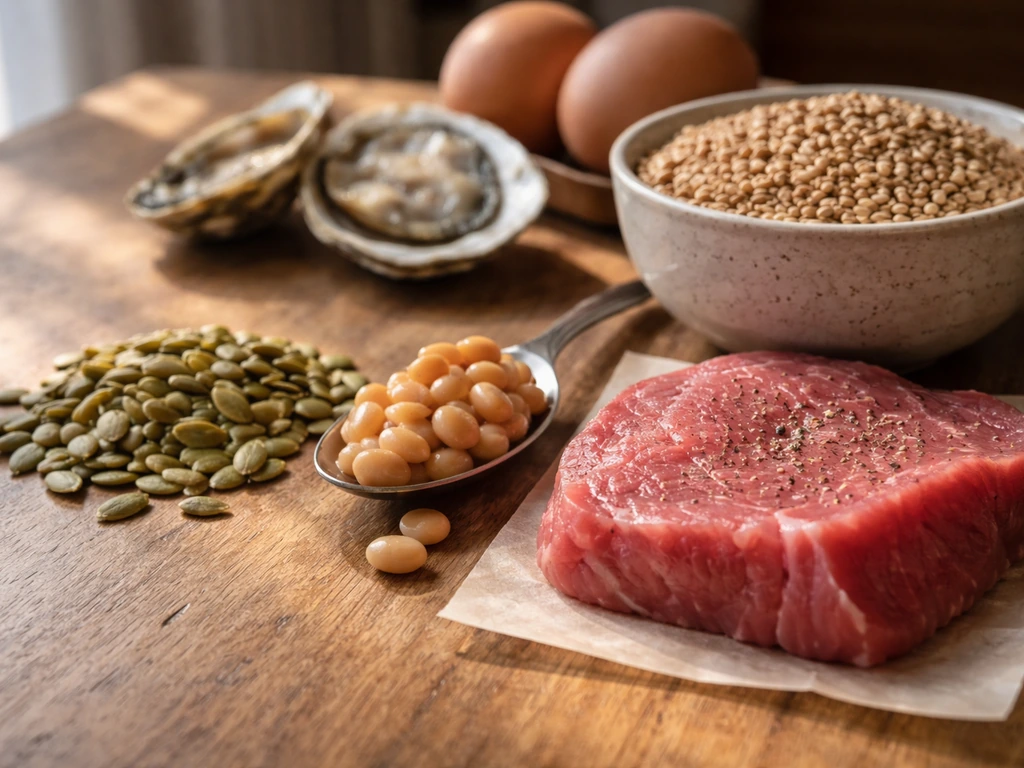
Vitamin D is essential for calcium absorption and bone mineralization, and the Endocrine Society recommends empiric supplementation for children and adolescents aged 1 to 18 to prevent rickets. Very few vegetables contain vitamin D, so this is the one nutrient where diet usually isn't enough on its own. A trial in stunted Afghan children found that vitamin D supplementation had a greater effect on height-for-age when children were also consuming over 300 mg/day of dietary calcium, which underlines how these nutrients work together rather than independently.
Zinc
Zinc deficiency is directly linked to growth retardation in children. A randomized controlled trial confirmed that zinc supplementation enhances linear growth in school-aged children, and NIH research identifies growth retardation as a core sign of zinc deficiency. Vegetables like pumpkin seeds, legumes, and leafy greens contribute zinc, but the zinc from plant sources is less bioavailable than from animal foods due to phytate content. If a child's diet is mostly plant-based, zinc is worth paying attention to.
Magnesium, vitamin K, vitamin A, and folate
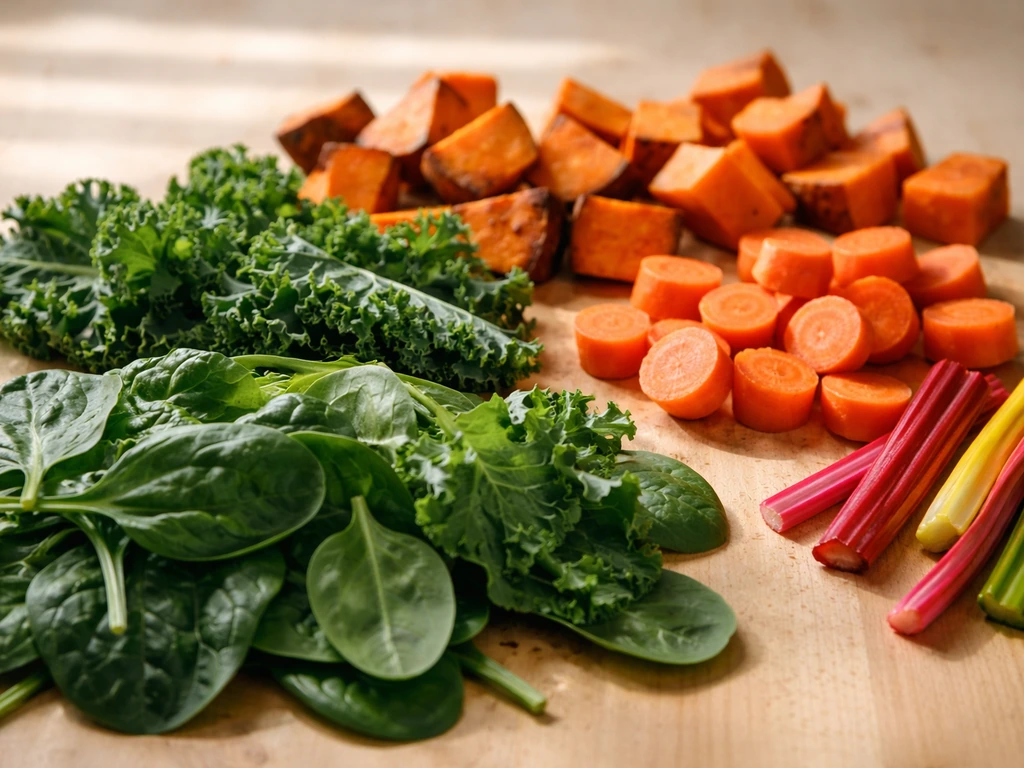
These are where vegetables genuinely shine. Dark leafy greens (spinach, kale, Swiss chard) are excellent sources of magnesium, vitamin K, and folate. Carrots, sweet potatoes, and squash provide beta-carotene, which converts to vitamin A. These nutrients support bone matrix formation, cell division, and overall growth plate health. They're hard to get in adequate amounts without eating vegetables regularly, so this is one of the strongest practical arguments for including them in a growth-focused diet.
| Nutrient | Role in growth | Best vegetable sources | Coverage from vegetables alone |
|---|---|---|---|
| Protein | Amino acids for tissue; stimulates IGF-1 | Legumes, edamame, peas | Partial (incomplete amino acids; needs animal or soy protein) |
| Calcium | Bone structure | Kale, bok choy, broccoli | Partial (dairy/fortified foods needed for full coverage) |
| Vitamin D | Calcium absorption, bone mineralization | Almost none | Very low (supplementation usually needed) |
| Zinc | Growth plate cell division; deficiency causes stunting | Pumpkin seeds, legumes | Moderate (bioavailability lower than animal sources) |
| Magnesium | Bone matrix, enzyme function | Spinach, Swiss chard, black beans | Good |
| Vitamin K | Bone protein (osteocalcin) synthesis | Kale, spinach, broccoli | Good |
| Vitamin A / beta-carotene | Cell growth and differentiation | Carrots, sweet potato, squash | Good |
| Folate | DNA synthesis, cell division | Leafy greens, asparagus, lentils | Good |
How to actually eat vegetables for growth support
Knowing which nutrients matter is only useful if you can put it into practice. A few principles make a real difference.
First, always pair vegetables with a complete protein source. A plate of spinach and roasted sweet potato is nutritious, but it won't drive growth the way it does when you add eggs, grilled chicken, canned salmon, Greek yogurt, or a combination of legumes and grains that together provide all essential amino acids. Every growth-focused meal should have both.
Second, cover your calcium and vitamin D gaps separately. Eat calcium-rich vegetables like cooked kale and bok choy regularly, but also include dairy, fortified plant milk, or fortified orange juice. For vitamin D, sunlight exposure helps (though it depends heavily on latitude, skin tone, and season), but most kids and teens in northern climates benefit from a daily supplement, consistent with Endocrine Society guidance.
Third, make the vegetables easy to eat. Research from a 2022 JAMA Network Open trial found that children ate significantly more vegetables simply when family meals lasted longer. That's a practical lever parents can pull without any dietary overhaul.
Some practical meal combinations that work well for growth nutrition:
- Scrambled eggs with spinach and a glass of fortified milk
- Chicken stir-fry with broccoli, bok choy, and brown rice
- Lentil soup with kale, served with whole grain bread and a yogurt side
- Sweet potato and black bean tacos with shredded cheese
- Salmon with roasted asparagus and a side of edamame
Age changes everything: kids vs. teens vs. adults
If you're a kid or teenager with open growth plates, optimizing nutrition genuinely matters. Children grow at roughly 6 cm per year on average through childhood, with faster spurts during puberty. During this window, filling micronutrient gaps, eating enough calories and protein, and keeping ultra-processed food to a minimum can all support reaching your genetic height potential. Research even suggests that diets high in ultra-processed foods can negatively affect growth plate biology.
If you're an adult, the honest answer is that vegetables won't make you taller. Your growth plates have fused. What good nutrition does for adults is protect bone density, reduce the risk of height loss from osteoporosis as you age, and support overall health. Those are genuinely worthwhile goals, just different ones. The good news is that the same dietary habits that support growth in kids are basically the same ones that protect bone health in adults.
This also connects to why questions like whether protein, specific foods, or general eating habits affect height are most meaningfully answered in the context of still-growing individuals. Once that window closes, the mechanism just isn't there.
Common myths worth clearing up
Myth: certain vegetables boost height quickly
No vegetable speeds up height gain in a noticeable short-term way. Growth is a slow, regulated biological process that happens over years. Claims that spinach, ashwagandha, or any other plant food will add inches within weeks are not supported by evidence. What good nutrition does is remove barriers to the growth that your genetics allow, and that plays out over the full course of childhood.
Myth: supplements can replace vegetables
This one comes up a lot, especially with multivitamins marketed for kids. Supplements can help fill specific gaps (vitamin D is a good example), but they don't replicate the full nutritional value of whole foods. NIH guidance is clear that supplements can't substitute for a healthy diet because whole foods contain fiber, phytonutrients, and combinations of nutrients that work together in ways a pill can't replicate. Supplements are a backup, not a replacement.
Myth: vegetables are the only food group that matters for growth
Vegetables are genuinely useful, but they're one piece of the puzzle. Protein is arguably more important for linear growth, and calcium and vitamin D are critical for bone development. Some of the most growth-relevant nutrients come from animal foods or fortified products. Focusing only on vegetables while ignoring protein adequacy, caloric intake, or sleep and physical activity would miss most of the picture. Growth is a whole-body process driven by overall nutrition quality, not any single food.
A simple plan to eat for growth support
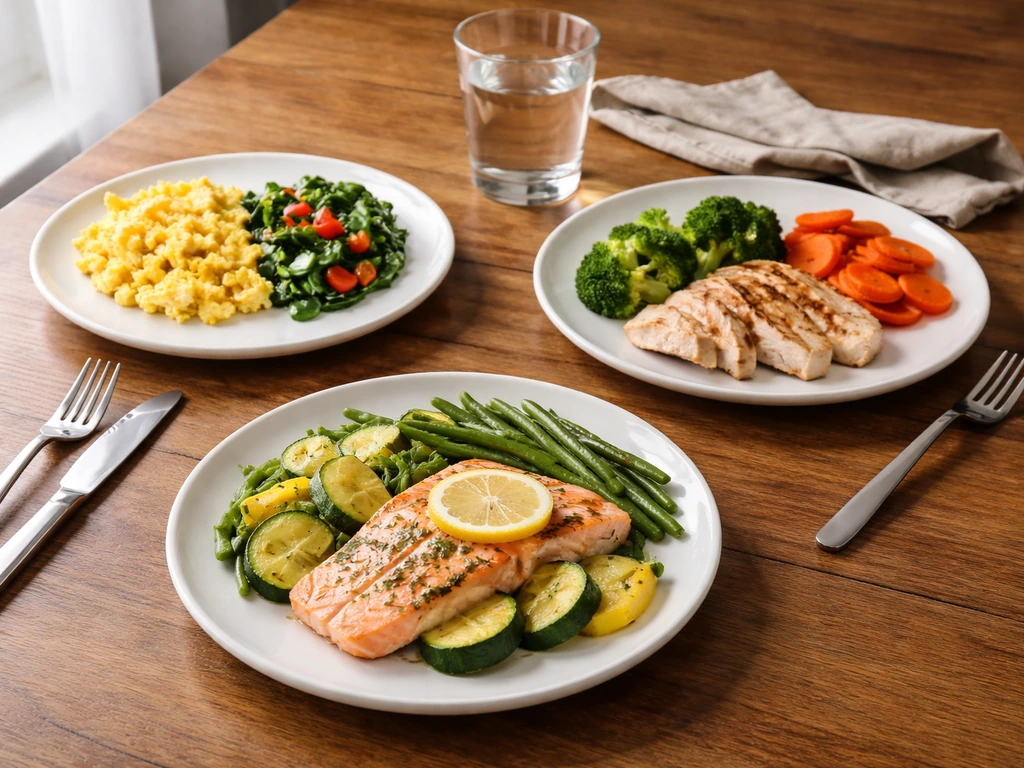
If you're trying to optimize growth nutrition for yourself or a child, here's a practical daily framework that covers the bases without overcomplicating things.
- Hit protein at every meal: aim for eggs, meat, fish, dairy, legumes, or tofu at breakfast, lunch, and dinner
- Include at least two servings of vegetables daily, prioritizing dark leafy greens and colorful options like carrots and sweet potato
- Cover calcium: two to three servings of dairy or fortified milk alternatives per day, plus calcium-rich vegetables when possible
- Talk to a pediatrician about vitamin D: most children in northern latitudes or with limited sun exposure benefit from a supplement (typically 600 IU/day for ages 1 to 18)
- Minimize ultra-processed foods: they crowd out nutrient-dense options and may negatively affect growth plate biology
- Prioritize sleep: growth hormone is released primarily during deep sleep, making adequate sleep non-negotiable for children and teens
- Stay active: regular physical activity, including weight-bearing exercise, supports bone density and overall growth hormone output
When to talk to a doctor about growth
Diet is just one piece of growth, and sometimes growth concerns go beyond nutrition. You should talk to a pediatrician or pediatric endocrinologist if a child's height falls below the 2nd percentile for their age and sex, if they're crossing downward percentile lines on a growth chart after age 3, or if their growth velocity drops below about 4 cm per year. These can be signs of underlying hormonal, genetic, or medical issues that no dietary change will fix on its own. Bone age X-rays and hormone testing can clarify what's actually going on. Getting a proper evaluation matters because if there is an underlying cause, addressing it early makes a significant difference to outcomes.
If growth is tracking normally but you're just trying to make sure a child reaches their full potential, the evidence points to the same practical approach every time: consistent, nutrient-dense eating with enough protein and calories, adequate calcium and vitamin D, good sleep, and regular activity. Vegetables are a meaningful part of that, but they work best as part of the whole package rather than as a standalone solution.
FAQ
If my child already eats vegetables, will more vegetables automatically make them taller?
For height, vegetables matter mainly by preventing micronutrient gaps, not by “pushing” growth. If a child is already meeting overall calories, protein, calcium, and vitamin D needs, adding more vegetables may help quality, but the biggest height gains usually come from fixing the limiting nutrient first (often protein, calcium, or vitamin D).
Can a mostly vegetarian diet still support healthy height growth?
Yes, but watch the overall diet. Plant-forward eating can raise risk for low zinc and low protein quality, especially if meals do not include legumes, tofu, tempeh, eggs, or dairy (as appropriate). The practical move is to pair vegetables with enough total protein and to ensure calcium and vitamin D are covered separately through fortified foods or supplementation when needed.
Do raw vegetables work as well as cooked vegetables for growth-supporting nutrition?
Cooked vegetables often help more than raw for meeting targets, especially for kids with low appetite. Cooking can improve palatability, increase intake, and make it easier to get consistent calcium-containing choices like cooked bok choy or kale; it also reduces the volume that can crowd out other needed foods like protein.
How much vegetable intake is enough to help support height?
Not usually. During childhood, the goal is consistent intake over months, not a daily “dose.” If you want a simple approach, aim for vegetables at multiple meals (for example, one serving at lunch and one at dinner) while ensuring each meal also includes protein and that calcium and vitamin D are not accidentally skipped.
Are multivitamins a good substitute if my child won’t eat vegetables?
Supplements can help only when they correct a specific deficiency, vitamin D being the most common for height-relevant outcomes. But multivitamins generally do not replace the whole-food nutrient pattern and fiber, so use supplements as a backup after checking likely gaps, ideally with a clinician if growth is a concern.
What if my child eats vegetables but is still not gaining height?
If a child has low weight, low caloric intake, or frequent restrictive eating, height can stall even with perfect vegetable intake. In that situation, the priority is meeting energy needs and protein adequacy first, then using vegetables to fill micronutrient gaps.
Does zinc from plant foods help as much as zinc from animal foods for growth?
Limitations matter, for example, zinc in plant foods can be less absorbable because of phytates. If most protein sources are legumes and grains, it can still work well, but it helps to use practical preparation strategies (like soaking, sprouting, or fermentation of legumes when culturally appropriate) and to ensure total protein is adequate.
If vegetables support micronutrients, what else should we change to actually see growth benefits?
Sleep, activity, and overall health influence growth plate signaling, so they can change outcomes even when nutrition is good. A common mistake is focusing only on food while under-sleeping (late bedtimes) or keeping activity very low; improving sleep routine and regular physical activity supports the same growth window you are trying to optimize nutritionally.
What if vegetables upset my child’s stomach or appetite?
Gastrointestinal tolerance can limit intake. If vegetables cause bloating, pain, or diarrhea, forcing large portions can backfire by reducing total calories and protein. Try smaller portions more often, choose cooked options, and consider whether an underlying issue (like constipation or food intolerances) should be discussed with a pediatrician.
I’m an adult, should I still focus on vegetables to affect height?
At older ages, linear height growth is mostly determined by whether growth plates are still open, which nutrition cannot reverse. For adults, the correct “next step” is bone-health protection through adequate calcium, vitamin D, protein, and resistance training, rather than expecting vegetables to increase height.
Next Article
Does Protein Help You Grow Muscle and Height?
Learn if protein helps you grow muscle and height, how it works, and exact daily targets and food tips.