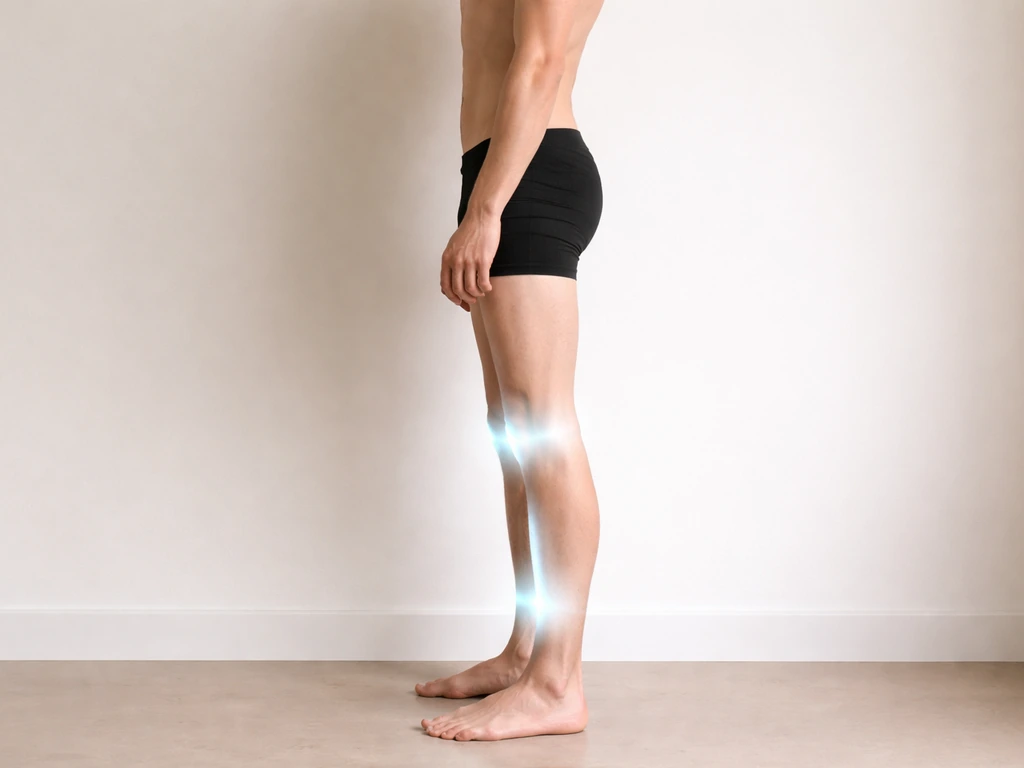
Most over-the-counter 'grow taller' supplements cannot make you taller once your growth plates have fused, and no pill can reopen them. If you're still in puberty with open growth plates, the right nutrients can help you reach your genetic ceiling, but only if you were deficient to begin with. For adults, the honest answer is that no supplement changes your bone length, full stop. What follows is a breakdown of what these products actually contain, what the reviews aren't telling you, and what genuinely does move the needle depending on where you are in your growth journey.
Grow Taller Supplements Reviews: Evidence, Side Effects, and What Works

Marcus Reeves
12 Jun 2026

Can supplements actually make you taller?
Your height is driven almost entirely by growth plate activity, specifically the epiphyseal plates at the ends of your long bones. During puberty, growth hormone secretion surges and IGF-1 levels rise more than threefold, causing those plates to generate new bone and push your height upward. That process ends when the plates fuse. In girls, epiphyseal closure typically completes around age 17; in boys, closer to age 19. Once those plates are fused, no supplement, stretch routine, or inversion table changes your skeletal length. That's basic physiology, not pessimism.
The realistic window for supplement use to support growth is narrow: you need to be actively growing (i.e., still in or approaching puberty) and have a genuine nutritional gap or a diagnosed condition like growth hormone deficiency or vitamin D insufficiency. Children with confirmed growth hormone deficiency who receive proper medical treatment can reach adult heights in the normal range, which shows that height outcomes are very much achievable when there's a real clinical problem being addressed. Generic OTC pills taken by a healthy 25-year-old with fused plates are a different story entirely.
So before you spend anything, the most useful question to ask is: how old are you, and do you know whether your growth plates are still open? A hand and wrist X-ray (bone age assessment) can answer that definitively. If you're under 18 and still growing, some of what follows may be genuinely useful. If you're an adult, the honest value of any 'grow taller' supplement is essentially zero for linear height.
What 'grow taller pills' usually contain
Most grow-taller supplements are a remix of the same ingredient pool. Understanding each category helps you quickly spot whether a product has any plausible mechanism or is just packaging hype.
| Ingredient Category | Common Examples | Claimed Mechanism | What the Evidence Actually Shows |
|---|---|---|---|
| Vitamins & Minerals | Vitamin D, Calcium, Zinc, Magnesium | Support bone mineralization and growth | Correcting deficiency in growing children can help reach genetic potential; no benefit when levels are already normal |
| Amino Acids | L-Arginine, L-Ornithine, L-Lysine, Glycine | Stimulate GH release | Some amino acids can cause modest, short-lived GH spikes in lab settings; no evidence of meaningful height gains in humans |
| Herbal/Adaptogen Blends | Ashwagandha, Shuddha Guggul, Centella asiatica | Vague 'growth support' or hormone balance | Very limited or no clinical data for height specifically; some adaptogens interact with thyroid or hormone pathways |
| Collagen Peptides | Hydrolyzed collagen, Collagen type II | Build cartilage and connective tissue | Supports joint health in some studies; no evidence it increases bone length |
| Proprietary Blends | Unlisted ratios of multiple ingredients | Synergistic height increase | Lack of ingredient transparency makes safety and efficacy impossible to evaluate |
| Homeopathic formulas | Ultra-diluted hormone extracts, HGH-listed products | Mimic HGH signaling | No plausible pharmacological mechanism; homeopathic dilutions contain no active molecules |
The recurring theme: most of these ingredients have a rational story on the surface (bones need calcium, GH drives growth, therefore amino acids that nudge GH must help you grow) but the logic breaks down when you look at actual human outcome data. A modest GH pulse from L-arginine does not translate to measurable skeletal growth in a person with healthy GH levels and closed plates. Supplement companies are very good at connecting those dots in ways the science doesn't support.
How to read grow-taller supplement reviews critically
Online reviews for height supplements are almost uniquely unreliable. The people most motivated to leave a positive review are those who grew during the months they happened to be taking a supplement, not realizing they were going to grow anyway because they were adolescents in the middle of puberty. That's pure coincidence dressed up as cause and effect. Here's a practical framework for evaluating any product you come across.
Check the label for ingredient transparency
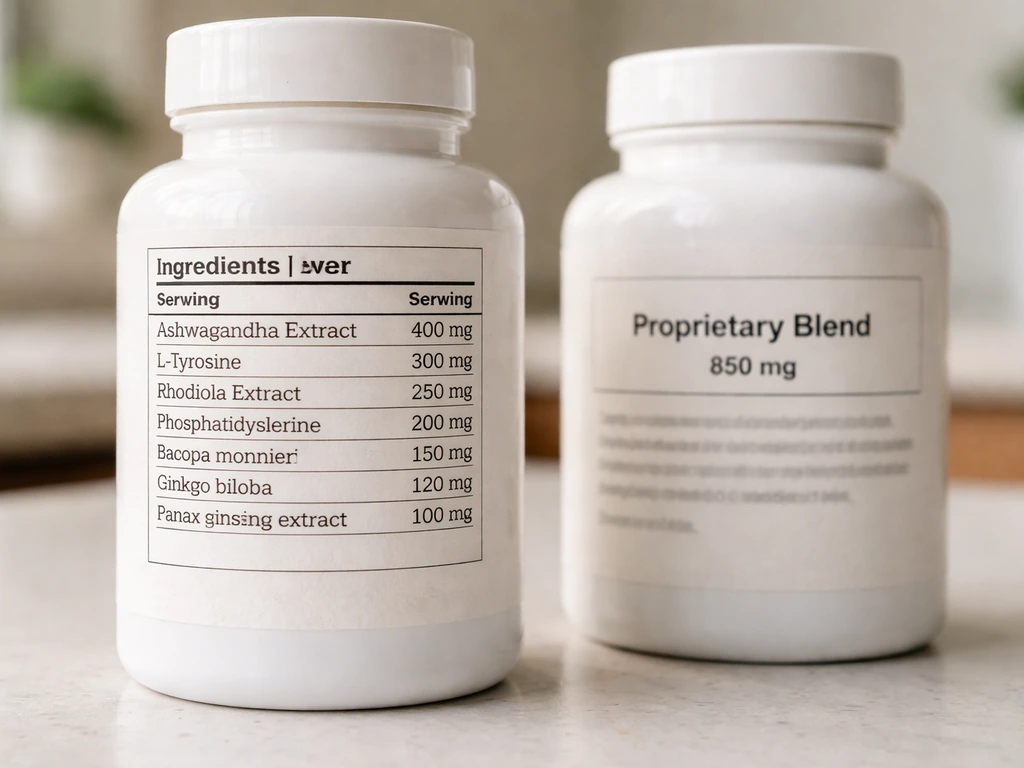
A legitimate supplement lists every ingredient with its exact dose. If you see the phrase 'proprietary blend' followed by a total weight, that means the manufacturer is hiding individual ingredient amounts. You can't assess safety or effectiveness without knowing the dose. Walk away from any product that does this.
Look for third-party testing
The supplement industry is not tightly regulated in most countries. Third-party certifications like NSF International, USP, or Informed Sport tell you the product was independently verified for label accuracy and contaminants. Height supplements very rarely carry these certifications, which tells you something. A product making bold height claims that hasn't bothered to verify its own label is not one you should trust.
Evaluate the plausibility of the claimed mechanism
Ask two questions: first, does this ingredient have human clinical trial data showing height increases, not just a theoretical role in bone biology? Second, does the dose in the product match the dose used in any supporting research? Supplement labels often cite studies that used 10 to 20 times the amount actually in the pill. That's not evidence the product works; it's evidence the marketing team read an abstract.
Red flags to screen for immediately
- Before/after photos showing dramatic height changes (these are almost always staged or involve adolescent growth that would have occurred anyway)
- Claims of 2 to 6 inches of height gain in adults
- Mentions of 'activating dormant growth plates' or 'reopening epiphyses'
- Hormone-sounding ingredients with no prescription required (listed HGH, IGF-1 precursors)
- No dosage breakdown, just a proprietary blend total
- No third-party testing certification
- Reviews that cluster around one time period (often a sign of incentivized reviews)
Side effects and safety risks worth knowing
Because grow-taller supplements are marketed as natural or herbal, many people assume they're automatically safe. Side effects can still be a concern even if a supplement can't change your height, including hormone disruption, vitamin overuse, and contamination risks. That assumption can cause real problems. The risk profile varies by ingredient category, and some of the concerns are serious enough that it's worth going through them category by category.
Fat-soluble vitamin overuse

Vitamin D and Vitamin A are both common in bone-support supplements and both are fat-soluble, meaning they accumulate in the body. Excess vitamin D can cause hypercalcemia, with symptoms including nausea, kidney problems, and heart rhythm issues. If a supplement stacks vitamin D with calcium at high doses, the risk compounds. Always check your existing dietary intake and any other supplements before adding more.
Hormone-modulating ingredients
Some products include herbs that claim to influence testosterone, estrogen, or GH pathways. For adolescents, interfering with the hormonal signaling that regulates puberty and growth plate maturation is genuinely risky. Ironically, anything that accelerates bone maturation (by mimicking or boosting sex steroids) can actually cause the growth plates to fuse earlier, potentially reducing final adult height rather than increasing it. The same growth plate senescence that ends puberty can be triggered prematurely.
Unknown blends and contaminants
Products without third-party verification have been found in independent testing to contain unlisted stimulants, heavy metals, and even prescription compounds. This is particularly relevant for products sourced from regions with limited regulatory oversight. Related products like height grow powders and certain branded height pills carry their own specific side effect profiles that have been documented, and the risks from unlisted ingredients are a consistent concern across that product category. Height grow powders and some branded height pills have documented side effect profiles, so review the ingredient list and safety concerns carefully before using them height grow powders side effects.
When to avoid height supplements entirely
- Children under 12, unless a specific deficiency has been confirmed by a doctor
- Anyone with kidney disease, liver conditions, or cardiovascular issues
- People taking prescription medications (herb-drug interactions are real and underreported)
- Pregnant or breastfeeding individuals
- Anyone with a hormone-sensitive condition
- Adults over 20 with no known deficiency (the risk-benefit ratio is simply not there)
Who might actually benefit vs who won't
The honest answer is that the pool of people who could meaningfully benefit from any supplement in this category is small and specific. Here's how to figure out which group you're in.
People who might see real benefit
- Adolescents still in puberty with confirmed vitamin D, calcium, or zinc deficiency: correcting these gaps supports growth plate function and bone mineralization during the period when it actually matters
- Children diagnosed with growth hormone deficiency: this is a medical situation requiring prescription treatment, not OTC supplements, but it illustrates that there is a real interventional window when a clinical cause is identified
- Adolescents with poor dietary intake who aren't reaching basic micronutrient targets from food alone: a standard multivitamin or targeted single-nutrient supplement may help fill the gap
- Anyone with a confirmed vitamin D deficiency (extremely common globally): supplementing to normal levels supports bone health and overall endocrine function, including the GH-IGF-1 axis
People who won't see height gains from supplements
- Adults with fused growth plates: no supplement restores growth plate activity in normal physiology
- Adolescents who are well-nourished and meeting micronutrient needs: adding more of what you already have enough of does not produce extra growth
- Anyone expecting the supplement to override their genetic height range: genetics set the ceiling; nutrition and lifestyle help you reach it, not exceed it
- People hoping to gain 2 to 6 inches as an adult: this is physiologically impossible through supplementation
What actually works: an evidence-based height-maximizing plan

If you're still in a growth window, the following strategies have real mechanistic support and are worth prioritizing before spending anything on supplements. If you're an adult, these same habits matter for posture, bone density, and how tall you appear, even if they won't add bone length.
Sleep: the most underrated growth factor
Growth hormone is secreted in pulses during sleep, with the largest release occurring in the early phases of slow-wave sleep. PubMed reviews of growth hormone secretion during sleep describe how secretion patterns across sleep stages support the idea that sleep duration and quality matter for growth during adolescence growth hormone is secreted in pulses during sleep. Sleep deprivation doesn't just make you tired; it directly disrupts the GH secretion pattern that drives bone growth in adolescents. Teenagers need 8 to 10 hours per night, and quality matters as much as quantity. Consistent sleep and wake times, a dark room, and cutting screen time before bed all support the deep sleep stages where GH peaks.
Nutrition: hitting your targets, not exceeding them
The key micronutrients for growth are vitamin D (600 to 2000 IU daily depending on baseline levels and age), calcium (1000 to 1300 mg daily from food and supplements combined for adolescents), zinc, and adequate protein. These are not magical height boosters; they are the raw materials bone growth requires. Get them from food where possible: dairy, fatty fish, eggs, legumes, and leafy greens cover most of the list. If dietary intake is genuinely limited, a basic multivitamin targeted at your age group is a reasonable and low-risk bridge.
Exercise: load the bones, not just the muscles
Weight-bearing and resistance exercise stimulates bone remodeling and supports overall hormonal health during development. Swimming, running, basketball, and resistance training are all associated with healthy skeletal development. Stretching and yoga don't add bone length, but they do improve posture and spinal decompression, which can reveal centimeters you're already carrying but not expressing due to muscle tightness and forward slouch.
Posture and spinal mechanics
Poor posture, particularly anterior pelvic tilt, thoracic kyphosis (rounded upper back), and forward head position, can compress the spine and make you appear noticeably shorter than your actual skeletal height. Corrective exercises targeting hip flexors, thoracic extensors, and deep core muscles can realistically add 1 to 2 cm of visible height in adults by restoring neutral alignment. This isn't growth, but it is real and measurable, and it happens without any supplement.
Get a medical check if growth seems off
If a child or adolescent is growing significantly slower than peers, falling off their growth curve, or showing signs of delayed puberty, that warrants a conversation with a pediatric endocrinologist, not a trip to a supplement store. A bone age assessment using a hand and wrist X-ray can clarify how much growth potential remains. Blood panels can identify vitamin D deficiency, thyroid issues, or other factors affecting growth. These are the levers that actually work in clinical practice. Diagnosed deficiencies corrected early produce real outcomes; generic supplements taken in the dark do not.
When to involve a clinician about a supplement
If you're a parent considering any height supplement for a child, or an adolescent who has been recommended one by peers, bring it to your doctor before starting. This is especially true for products with hormone-sounding claims, as some ingredients could interfere with the very pubertal process driving growth. The FDA approval status of supplements varies significantly by country, and products marketed in one market may not meet the regulatory standards of another.
If you're looking in the Philippines specifically, try to confirm the product’s regulatory status and third-party verification rather than relying only on brand claims FDA approved supplements. Understanding what has actually been reviewed and cleared versus what is simply sold legally is an important distinction worth checking before purchasing anything in this category.
FAQ
Do grow taller supplements ever work, or is it always a scam?
They can be useful for two narrow cases, correcting a confirmed nutrient deficiency (for example vitamin D insufficiency) or addressing a diagnosed medical driver of poor growth (for example growth hormone deficiency) under supervision. If you are healthy, and your growth plates are already closed, supplements will not add true bone length, even if they make you feel like you are “doing something.”
How can I tell if my growth plates are still open without guessing from my age?
The most reliable way to know is a bone age assessment, typically a hand and wrist X-ray interpreted by a clinician. If you do not have that, the next best approach is to check your stage of puberty and whether you are still gaining height year over year, but those are indirect and less definitive than imaging.
What ingredient-label red flags should I watch for when evaluating grow taller supplements reviews?
Look for exact ingredient amounts on the Supplement Facts panel, and avoid any product that relies on a proprietary blend without individual doses. Even if the total blend weight is listed, you cannot verify whether you are getting clinically relevant dosing, and “standardized extract” does not guarantee the amount used matches research.
Are third-party certifications really important for height supplements?
Third-party testing is not just a quality badge, it helps detect issues like label inaccuracies or contamination. If a height product makes aggressive claims but lacks independent verification (for example NSF, USP, or Informed Sport), treat it as higher risk, especially for imported products and “powder” formats.
What side effects can happen if a supplement cannot increase height?
Yes, even if they cannot change bone length. Examples include hypercalcemia from excess vitamin D, potential liver or endocrine stress from certain herbal blends, and contamination or unlisted stimulants in poorly controlled products. If you have kidney disease, a history of kidney stones, thyroid disorders, or you take other supplements, the risk side can be meaningfully higher.
How do I avoid overdosing on vitamin D or calcium when using grow taller supplements?
If you are already taking multivitamins, calcium, or vitamin D, stacking another product can unintentionally push fat-soluble nutrients too high. A simple next step is to total your daily vitamin D and calcium from everything you take before adding a height supplement.
Are herbal or testosterone/GH-support blends in height supplements a good idea for teens?
Herbs and “hormone support” ingredients need extra caution. Anything that could shift sex steroid signaling, or accelerate growth plate maturation, might reduce final height potential even if it is marketed as pro-growth.
Should parents ask a doctor before giving a grow taller supplement to a child?
Yes, because some products can alter how you feel during puberty, affect labs, or interact with prescribed medications. A practical rule is to ask a pediatrician or endocrinologist first, especially for products marketed for adolescents, and bring the exact label so they can check doses and interactions.
Why do grow taller supplement reviews seem so inconsistent or overly positive?
Reviews can be misleading because many users are still in their natural growth window, so the timing looks causal. To reduce bias, focus on whether the review describes age, pubertal status, baseline nutrient labs, and whether they show objective measures over a long period, rather than only “I got taller in a week.”
What should adults do instead of buying height supplements?
If you are an adult, supplements are more likely to affect posture-related appearance than bone length. The highest-ROI actions are correcting alignment (for example thoracic extension and core stability), maintaining bone health with protein and weight-bearing exercise, and addressing sleep and overall nutrition.
When should slow growth be treated as a medical issue, not a supplement problem?
If you are experiencing delayed puberty, falling off your growth curve, or growing much slower than peers, the priority is medical evaluation rather than trial-and-error supplements. Clinicians commonly use bone age and blood tests for deficiencies and endocrine causes, and fixing a true problem early is the most evidence-aligned path.
How do I decide whether a product is worth trying at all?
A “safe” supplement is not the same as a “useful” one. If a product cannot show exact dosages and has no human evidence at comparable dosing, you are paying for uncertainty. Consider a basic nutrient bridge only when diet is limited and you have a reason to suspect deficiency, ideally after discussing with a clinician.
Next Article
What Amino Acids Make You Grow Taller
Know which amino acids support growth via protein and IGF-1, why they can’t extend height after closure, and practical t