Height grow powders can cause a real range of side effects, from minor GI upset and headaches to more serious concerns like hormonal disruption, liver strain, allergic reactions, and harm from hidden or mislabeled ingredients. Whether that risk is worth taking depends heavily on your age, health status, and what the powder actually contains, because for most adults, no powder will add an inch to your frame regardless of the side effect risk.
Height Grow Powder Side Effects, Risks, and What to Do

Marcus Reeves
4 Jul 2026
What height grow powder actually is (and how to read the label)
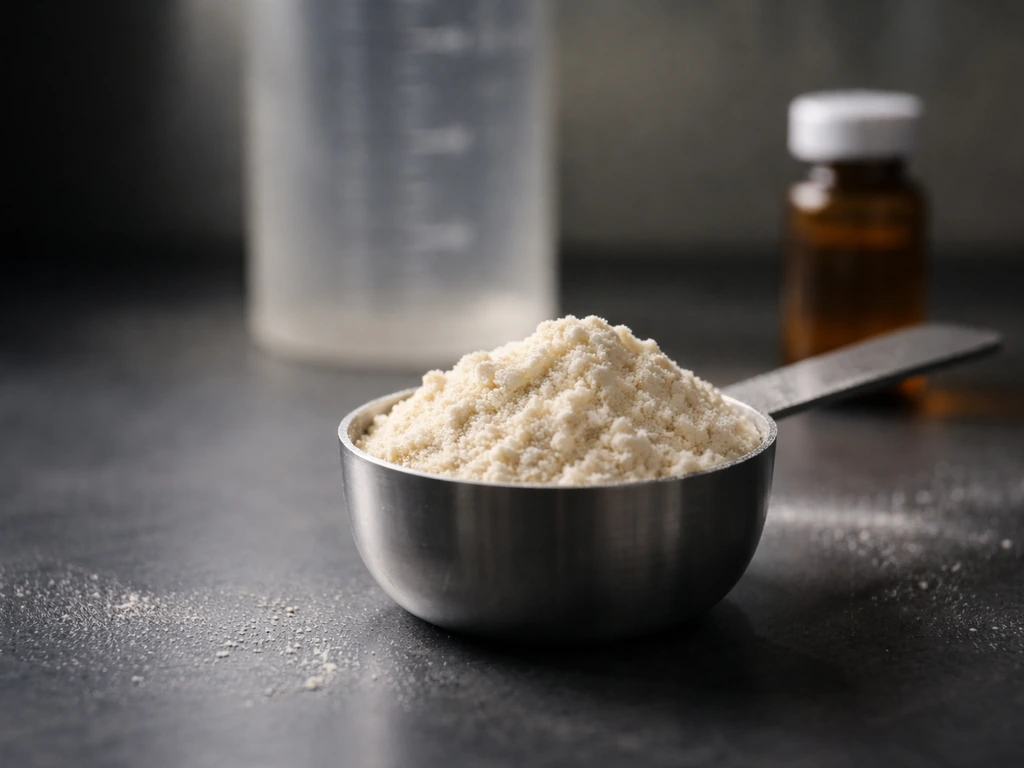
Most products marketed as height grow powders are dietary supplements, not regulated drugs. That distinction matters enormously. They typically come as a flavored powder you mix with water or milk, and their ingredient lists tend to cluster around a few recurring categories.
- Vitamins and minerals: calcium, vitamin D, zinc, magnesium, and vitamin K2 are the most common. These are legitimate nutrients that support bone health, and deficiencies in them genuinely can impair growth in children.
- Amino acids: arginine, lysine, ornithine, and glutamine show up frequently with claims that they stimulate growth hormone release. The evidence for meaningful height effects from amino acid supplements in healthy, well-nourished individuals is weak.
- Herbal extracts: ashwagandha, morinda root, deer antler velvet, and pituitary gland extracts are popular additions. Some carry their own side effect profiles and drug interactions.
- Collagen peptides or bone broth components: marketed as supporting cartilage and bone, though clinical evidence for height gain is essentially nonexistent.
- Proprietary blends: these are a red flag because exact ingredient amounts are hidden under a single listed weight, making it impossible to assess dosing safety.
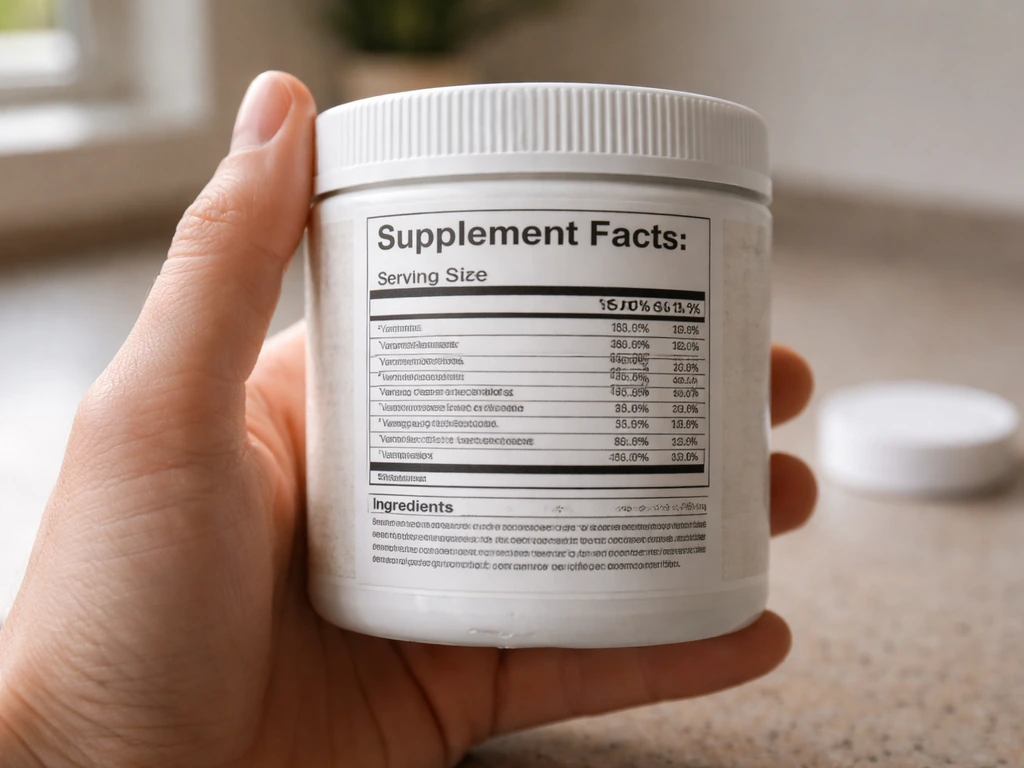
When you read a label, look for a few things: Is there a clear Supplement Facts panel with exact milligram amounts per ingredient? Is the serving size realistic? Are there third-party testing seals such as NSF International, USP, or Informed Sport? And critically, do any ingredients appear that sound like drugs or hormones? Terms like 'pituitary extract,' 'growth factors,' or anything ending in '-sterone' deserve serious scrutiny.
Common side effects and the more serious risks
Mild and moderate side effects
Most people who try height grow powders and experience problems report issues in the mild-to-moderate range. Height grow powders can also contribute to longer-term issues beyond common side effects, depending on the ingredients and dosing. These include digestive upset (bloating, nausea, loose stools, or constipation), particularly when the powder contains high doses of calcium, magnesium, or certain amino acids. Headaches are also commonly reported, especially during early use. Some products with herbal stimulants can interfere with sleep or cause restlessness, which is ironic given that deep sleep is when growth hormone secretion naturally peaks. Weight changes, either unexpected gain from caloric fillers or appetite suppression from certain herbs, are also reported.
Serious risks you need to know about
Beyond the mild stuff, there are legitimate serious concerns with some height supplement powders. High or chronic doses of fat-soluble vitamins like vitamin A and vitamin D are toxic and can cause hypercalcemia (too much calcium in the blood), leading to nausea, weakness, kidney problems, and in severe cases, heart rhythm issues. Some herbal extracts, particularly those from roots and barks, have documented liver toxicity.
Deer antler velvet and pituitary-derived ingredients may contain growth factors that can unpredictably interact with the endocrine system, and these effects are poorly understood in children. Perhaps most concerning: [products claiming aggressive results may contain undisclosed prescription drug ingredients, including anabolic steroids or steroid-like compounds](https://www. fda. gov/media/152680/download?
attachment=), exactly as the FDA has found in some bodybuilding and performance supplement products. Steroids in a child or adolescent can prematurely close growth plates, permanently reducing final adult height. That is the opposite of what these products promise.
Kidney and urinary warning signs
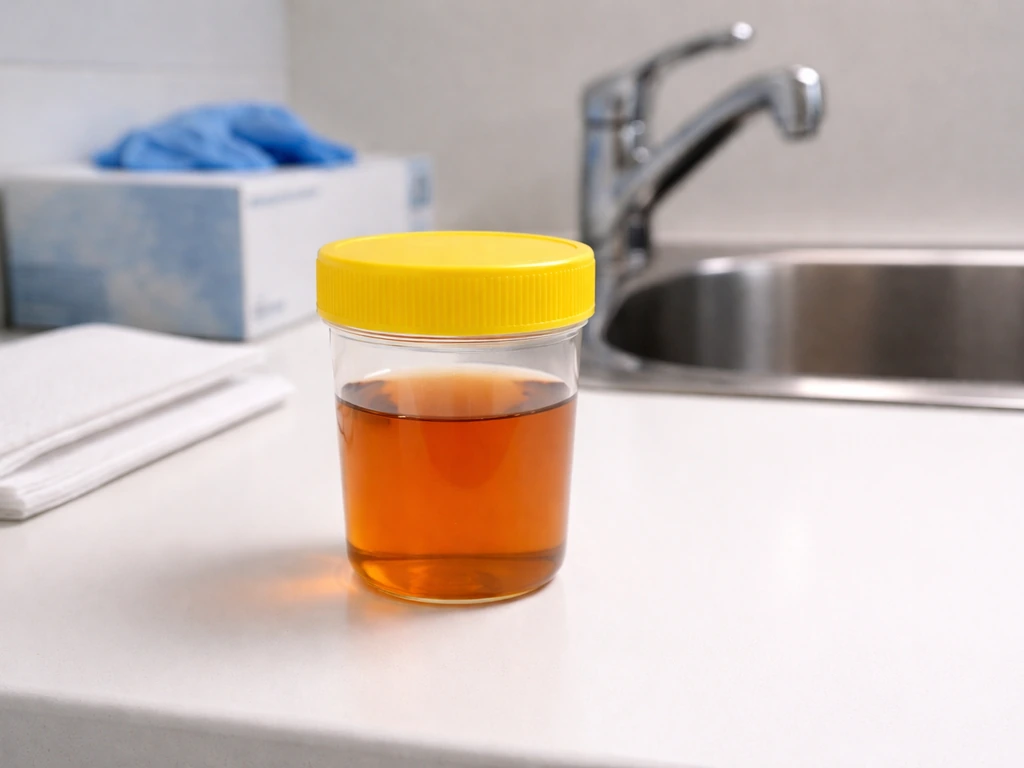
Pay particular attention to urinary changes after starting any supplement. Difficulty urinating, noticeably decreased urine output, or dark urine can signal kidney stress or toxicity. These are symptoms the FDA specifically lists as serious adverse events to report when associated with supplement use, and they should prompt you to stop the product and contact a healthcare provider right away.
Allergy, contamination, and hidden ingredient risks
Allergic reactions to height powders are more common than most people expect, partly because these products often combine many ingredients, some of which are derived from common allergens. Milk proteins, soy, tree nuts, shellfish-derived glucosamine, and various plant pollens can all appear in these formulations. Reactions range from mild skin rash or hives to serious anaphylaxis in sensitive individuals.
Contamination is a separate and arguably bigger problem. Unlike prescription medications, dietary supplements in most markets do not require pre-market safety approval. In the Philippines, you should still verify whether any height grow supplement is genuinely FDA approved and matches the label claims before using it FDA-approved height grow supplements in the Philippines. A supplement manufacturer can formulate, produce, and sell a product without proving it is safe or effective before it hits shelves.
Third-party testing labs have repeatedly found supplements to contain heavy metals (lead, arsenic, cadmium), microbial contaminants, and drug ingredients not listed anywhere on the label. The FDA has specifically documented cases where unapproved prescription drug ingredients were found hiding inside supplement products. For a product being given to a child, this is a particularly alarming reality.
Products manufactured outside regulated markets and sold online carry the highest contamination risk. If a product has no recognizable third-party certification, no clear manufacturing address, and is priced extremely cheaply relative to its claimed ingredients, treat it as high-risk.
Who is most at risk: kids, teens, and adults are not the same

Age is probably the single most important variable when assessing both risk and the pointlessness of most of these products.
| Group | Growth plate status | Real height potential | Risk level from powders |
|---|---|---|---|
| Young children (under 12) | Open and actively growing | Can influence final height through nutrition | HIGH: endocrine disruption, toxicity, contamination |
| Teenagers (12-18) | Open but closing; growth rate varies | Nutrition and sleep still meaningfully support growth | HIGH: hormone interference can prematurely close plates |
| Young adults (18-25) | Closing or recently closed | Minimal to no additional linear growth possible | MODERATE: waste of money, still risk side effects |
| Adults over 25 | Fully closed in nearly all cases | True height gain is not achievable without surgery | LOWER but still real: side effects apply to everyone |
Children and adolescents are the highest-risk group because their endocrine systems are actively regulating growth, and any interference, whether from steroids, excessive hormonal precursors, or even very high doses of zinc or vitamin A, can disrupt that process. Parents should be especially cautious about giving unregulated powders to kids, even ones marketed specifically for children's growth.
People with pre-existing health conditions face compounded risk. Kidney disease makes high protein and high mineral loads dangerous. Liver conditions make many herbal extracts risky. Those with endocrine disorders (hypothyroidism, growth hormone deficiency, or early puberty) may have their condition masked or worsened by supplement use, delaying proper diagnosis and treatment. Anyone on prescription medications needs to check for interactions: calcium can interfere with thyroid medication absorption, vitamin K2 interacts with blood thinners, and many herbal extracts inhibit liver enzymes that metabolize drugs.
How to actually evaluate if a product is safe and worth using
Before spending money or taking any risk, ask these questions honestly.
- Does the label show all ingredients with specific amounts, or does it hide behind a proprietary blend? Hidden blends mean you cannot assess safe dosing.
- Is there a third-party certification (NSF, USP, Informed Sport)? If not, you are trusting the manufacturer's own quality control, which is a gamble.
- Do the ingredients match the claimed mechanism? Calcium and vitamin D genuinely support bone mineralization. Claims that amino acids will 'stimulate HGH and add 3-6 inches' in adults are not supported by clinical evidence.
- Is the product claiming results for adults claiming actual height gain? That is a red flag. Growth plates fuse. No powder reverses that.
- Has the manufacturer or the specific product been flagged by the FDA or equivalent regulatory body in your country? A quick search of the FDA's warning letter database and the MedWatch adverse event reports takes five minutes.
- Is there any published clinical trial for this specific product or its core formula? Not a paid testimonial, not a white paper on the manufacturer's website, but an independently published study?
For children and teens specifically, the more useful question is not whether this powder is safe but whether their nutrition is actually adequate. Most genuine height-limiting deficiencies can be addressed through dietary changes and standard, low-risk supplements like basic calcium and vitamin D, without any need for a specialized and expensive 'height grow' formulation. It is also worth noting that some height supplement products are reviewed elsewhere, and a consistent finding is that dramatic claims rarely survive contact with the actual evidence. If you’re trying to decide whether any option is worth it, you’ll often see grow taller supplements reviews that summarize what users experienced, but those claims should be cross-checked against safety and ingredient evidence.
Evidence-based ways to actually support healthy height growth
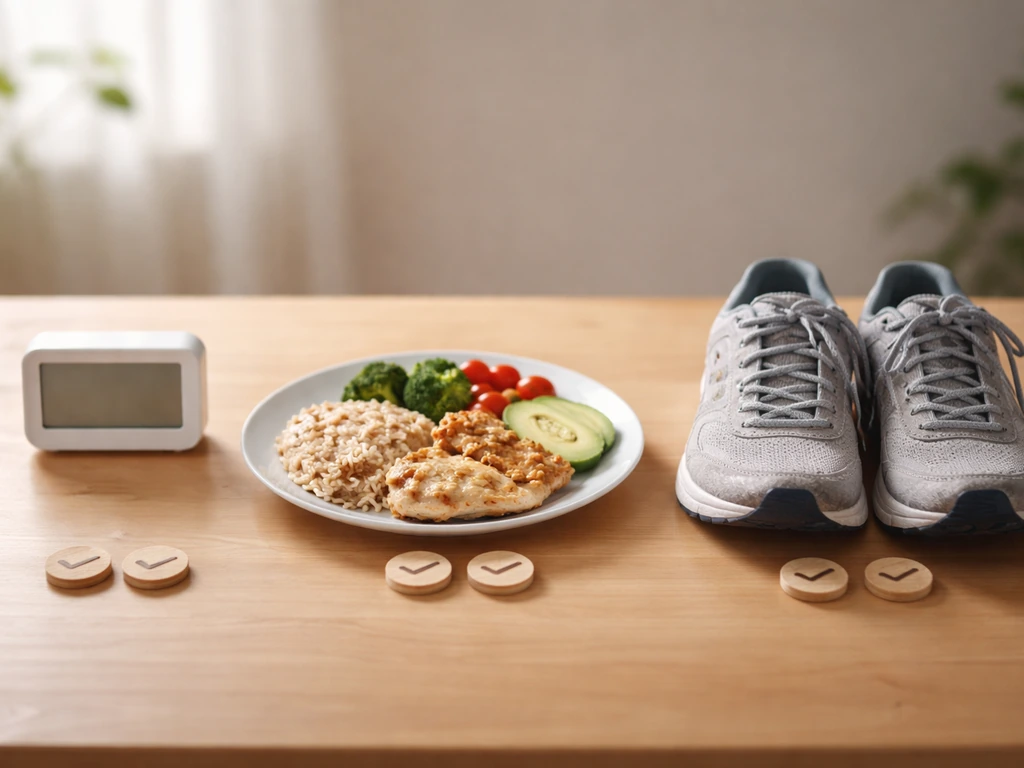
If someone is a child or adolescent who still has open growth plates, the genuinely evidence-supported tools for maximizing height potential are not exotic. They are the boring fundamentals that are hard to market as a product.
Nutrition
Adequate total calorie intake is the foundation. Chronic caloric restriction in growing children is one of the most reliably documented causes of stunted growth globally. On top of that, protein (roughly 1 to 1.5 grams per kilogram of body weight daily for children and teens) provides the amino acids needed for growth. Calcium from food sources like dairy, fortified plant milks, leafy greens, and tofu, combined with vitamin D from sunlight and foods, directly supports bone mineralization. Zinc deficiency specifically impairs linear growth and is correctable with diet or a standard supplement. Iron, vitamin A (within safe limits), and iodine also matter for overall growth and development.
Sleep
Growth hormone is secreted in pulses during slow-wave (deep) sleep. Children aged 6 to 12 need 9 to 12 hours per night, and adolescents need 8 to 10 hours. Consistently short or poor-quality sleep reduces growth hormone output. No supplement compensates for chronically inadequate sleep during active growth years.
Physical activity
Weight-bearing exercise, running, jumping, and sports that load the skeleton stimulate bone development and are associated with healthy growth in children and adolescents. There is no strong evidence that specific 'height-boosting' stretching routines add measurable centimeters, but overall physical activity supports the hormonal environment that promotes healthy growth.
Medical evaluation
If a child is tracking significantly below their expected growth curve, the right move is a pediatrician or pediatric endocrinologist, not a supplement. Conditions like growth hormone deficiency, hypothyroidism, celiac disease, and other chronic illnesses can all impair growth and are diagnosable and treatable. Replacing a proper medical workup with a height powder can delay diagnosis by months or years.
When to stop, when to call a doctor, and urgent red flags
Stop using the powder and seek medical advice promptly if you notice any of the following after starting a height supplement:
- Swelling of the face, lips, tongue, or throat (potential anaphylaxis, call emergency services immediately)
- Jaundice (yellowing of skin or eyes), which suggests liver stress
- Dark urine, decreased urine output, or difficulty urinating, which may signal kidney involvement
- Unusual or rapid changes in mood, energy, or sexual development in children or adolescents, which could indicate hormonal disruption
- Chest pain, irregular heartbeat, or significant shortness of breath
- Severe abdominal pain, persistent vomiting, or blood in stool
- Any symptom that is new, unexplained, and started shortly after beginning the supplement
If the reaction is serious, stop the product immediately and contact a healthcare provider. The FDA also wants to hear about it: reporting adverse events through MedWatch (fda.gov/safety/medwatch) helps the agency identify dangerous products and potentially protect others. When you report, keep the product container so you can provide the lot number, manufacturer name, and full ingredient list.
For milder situations where you are simply unsure whether a product is doing anything useful or safe, the practical default is to stop and assess. If symptoms resolve after stopping, you have your answer. If you or your child were taking it because of genuine concern about growth, that concern deserves a real clinical evaluation rather than a supplement refill. A bone age X-ray (left wrist, typically), a growth chart review, and basic labs can tell a pediatrician far more about a child's growth trajectory than any supplement label ever could.
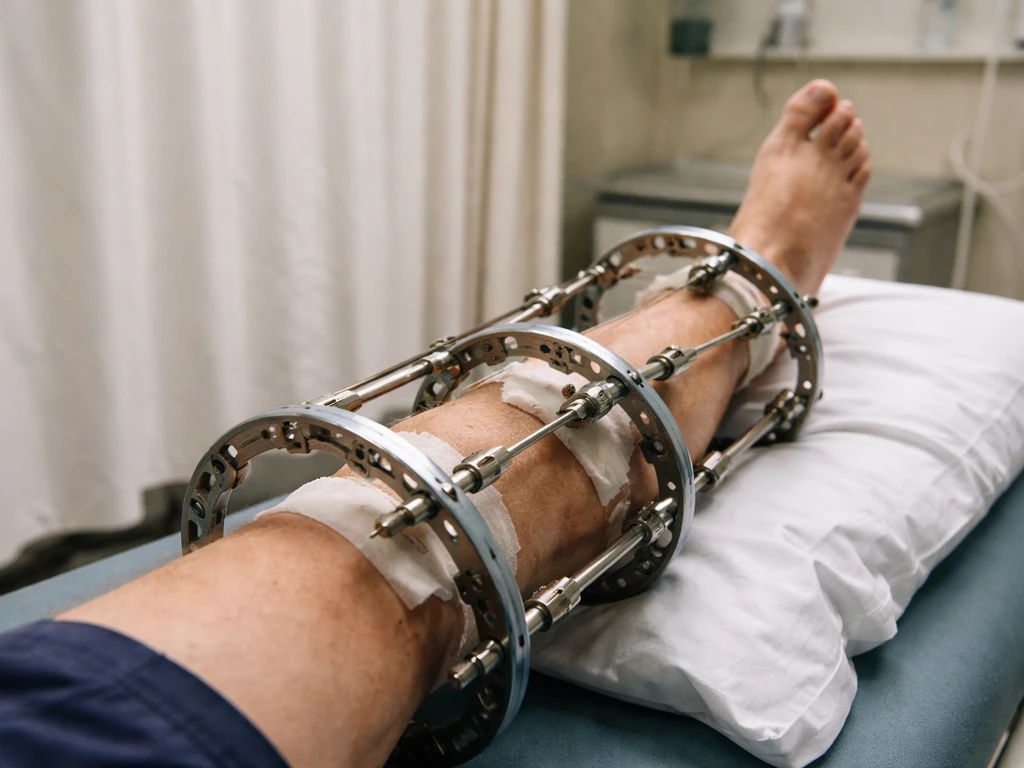
The bottom line is straightforward: height grow powders carry real side effect risks ranging from minor to serious, they are not regulated like drugs, and for most people especially adults, they are extremely unlikely to add any height. In some cases, the same kinds of risks discussed across height powders can show up as surgery to grow taller side effects, especially if hormones or hidden drug ingredients are involved. If you have already taken one and feel fine, that is good, but it does not mean the product is safe or effective over the long term. If you are choosing between spending money on a powder and scheduling a pediatric checkup for a child whose growth concerns you, choose the checkup every time.
FAQ
How long after starting a height grow powder do side effects usually show up?
Mild GI upset, headaches, and restlessness often appear within the first few days, especially if you are sensitive to calcium, magnesium, amino acids, or herbal stimulants. Allergic reactions can occur quickly after a dose, sometimes within minutes to hours. Severe symptoms like dark urine or markedly reduced urination can develop rapidly and should be treated as urgent rather than “wait and see.”
If I feel okay after taking it for a week, does that mean the product is safe and won’t cause long-term harm?
Not necessarily. You can tolerate a supplement short-term while still being at risk for delayed issues such as liver stress from certain herbal extracts, or vitamin A and vitamin D accumulation from repeated dosing. The absence of symptoms early on is not proof of safety, and you should stop if you notice any urinary, skin, or energy level changes.
What should I do if the label says one dose amount, but the powder’s effects feel stronger than expected?
Stop using it until you confirm the exact serving size and total ingredient amounts in the Supplement Facts panel. Many “flavored powders” can be mismeasured, and higher-than-intended intake is a common way people accidentally exceed safe levels of minerals or fat-soluble vitamins. If symptoms start, do not “halve the dose” and continue, contact a clinician, especially for kids.
Can height grow powders affect drug medications I’m already taking?
Yes. Calcium can interfere with absorption of some thyroid medications, and vitamin K2 may affect blood thinners. Herbal ingredients may also inhibit liver enzymes that break down medications. If you take any prescription drugs, check for interactions with your pharmacist or prescriber before using the powder.
Are side effects more likely with “children’s” height powders than adult ones?
Yes. Formulations marketed for kids can still contain high-risk ingredient categories, including hormone-like compounds, concentrated vitamins, or unlabeled drug ingredients. Also, children’s growth plate biology makes endocrine disruption harder to reverse, even if symptoms are mild initially. For a child, prioritize a pediatric or pediatric endocrinology evaluation over trying a growth powder.
Is it enough to buy a product with a third-party testing seal?
Third-party seals reduce some contamination risk, but they do not guarantee safety for every person or guarantee the product works as marketed. Still verify the exact milligram amounts, serving size realism, and that there are no hormone-sounding terms. If the product is missing clear manufacturing details or the label is vague, treat it as high-risk even if you see a seal.
What urinary symptoms mean “stop and seek care now”?
Difficulty urinating, noticeably decreased urine output, and dark urine are red flags for possible kidney stress or toxicity. If any of these occur, stop the product immediately and contact a healthcare provider the same day. For severe symptoms, urgent care or emergency evaluation is appropriate.
What are common early signs of an allergic reaction to these powders?
Look for rash, hives, itching, facial swelling, or wheezing after taking a dose, especially if symptoms recur with each use. If there is trouble breathing, throat tightness, faintness, or widespread hives, that can indicate anaphylaxis and requires emergency treatment. If you have known milk, soy, tree nut, or pollen allergies, you should check ingredient sources carefully before any use.
Can I safely combine multiple “growth” supplements along with height grow powder?
You generally should not. Stacking products is a common way to accidentally double-dose vitamins like A and D or overload minerals such as zinc, calcium, and magnesium. If you are already taking a multivitamin or bone supplement, compare totals across all products to avoid exceeding safe upper limits.
If a product does not improve height, what should I do next?
Stop the powder and re-check the reason you started it. If growth seems slower than expected, request a pediatric growth evaluation, which may include a growth chart review, and for appropriate cases, a bone age X-ray and basic labs. This is more informative than continuing the supplement trial.
Next Article
Surgery to Grow Taller Side Effects, Risks, and Recovery
Explains limb-lengthening surgery side effects, risks, recovery timeline, long-term complications, and how to decide saf