Height Grow Plus is unlikely to increase your height in any meaningful, measurable way, and whether it causes side effects depends heavily on which ingredients are included, your age, your health status, and the quality of the specific batch you receive. Be sure to watch for height grow powder side effects, especially liver-related symptoms when products contain ingredients like ashwagandha. That said, some of its ingredients, particularly ashwagandha, carry real (if rare) risks including liver injury, and anyone under 18 or with underlying health conditions should think carefully before using it. If you're still actively growing, the honest answer is that no supplement replaces the basics: sleep, protein, calcium, and vitamin D are what your body actually needs to hit its genetic height ceiling.
Height Grow Plus Side Effects, Safety, and Does It Work

What Height Grow Plus actually is and what it claims
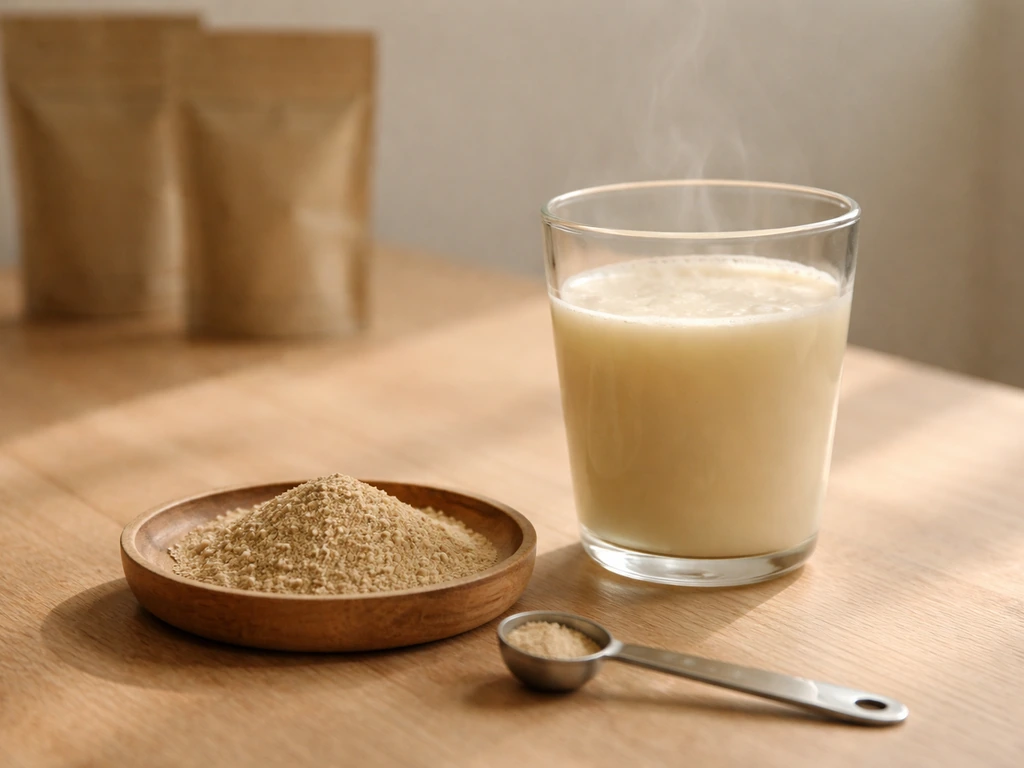
Height Grow Plus (sold as "Height Grow Plus +" by The Healthhealer Official) is an Ayurvedic-style herbal powder that you mix with warm milk and drink twice daily. The dosing instructions on the product page specify half a teaspoon twice daily for ages 5 to 16, and one full teaspoon twice daily for ages 16 and up, taken after breakfast and after dinner. The product is explicitly marketed as suitable only for "growing age individuals."
The marketing claims are specific enough to raise eyebrows. The product is sold in pack bundles tied to claimed height outcomes: one pack promises 2 inches of height gain, two packs claim 3 to 5 inches, and three packs claim 5 to 7 inches. Those are extraordinary claims for any supplement, let alone an herbal powder. Under FDA rules and similar international frameworks, supplement manufacturers are allowed to make "structure/function" claims, meaning they can say a product "supports growth" or "helps bone development" without having to prove it actually works the way a drug would. That legal loophole is what allows wording like this to appear on packaging without clinical trial evidence backing it up.
What's actually in it, ingredient by ingredient
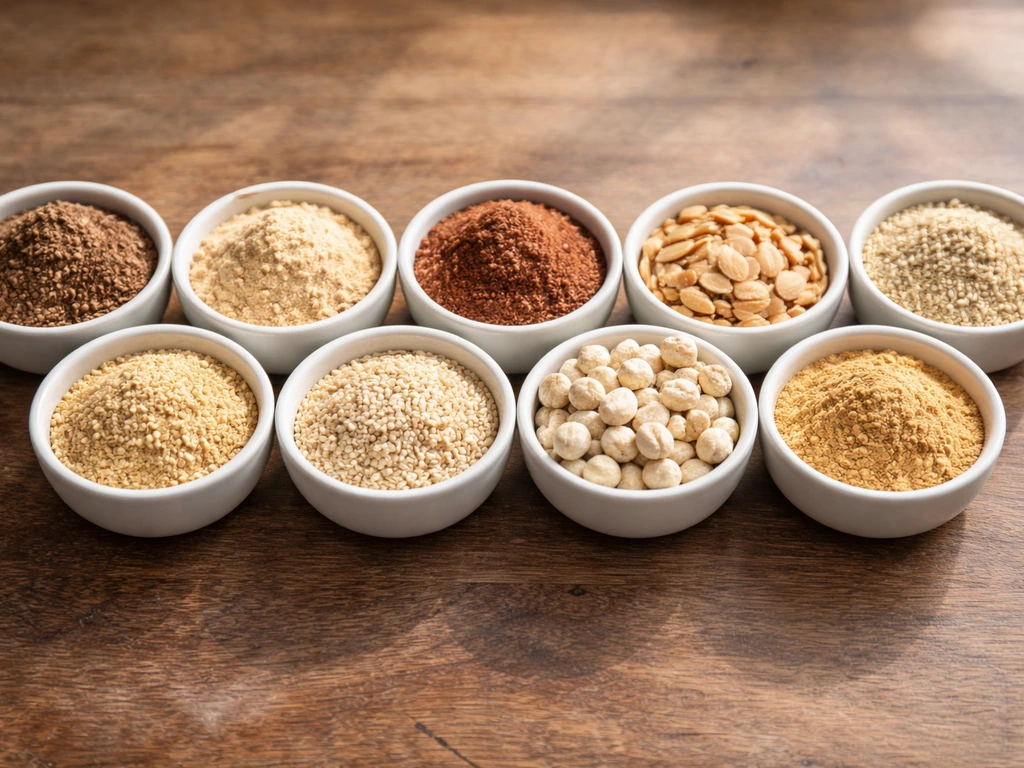
The product page lists ten ingredients: Ashwagandha, Safed Musli, Shatavari, Dry Dates Powder, Almonds, Sesame Seeds, Makhana (Fox Nuts), Soya or Chickpeas Powder, Fennel, and Dry Ginger. Let's go through the ones that matter most, both for their claimed benefits and their real safety profiles.
Ashwagandha
This is the most pharmacologically active ingredient in the formula and the one that deserves the most attention from a safety perspective. The product claims it "supports growth hormone and strength" and "improves bone density." There is some evidence that ashwagandha can modestly raise testosterone and reduce cortisol in adults, and a few small studies suggest benefits for strength and recovery. However, the direct link between ashwagandha and height increase in children or adolescents has not been established in rigorous clinical trials. More critically, LiverTox and the NIH Office of Dietary Supplements both document cases of clinically apparent liver injury attributable to ashwagandha-containing supplements. Symptoms in reported cases include jaundice and abnormal bilirubin levels. These events appear rare, but they are serious enough that the NIH's health professional fact sheet specifically flags the risk.
Safed Musli
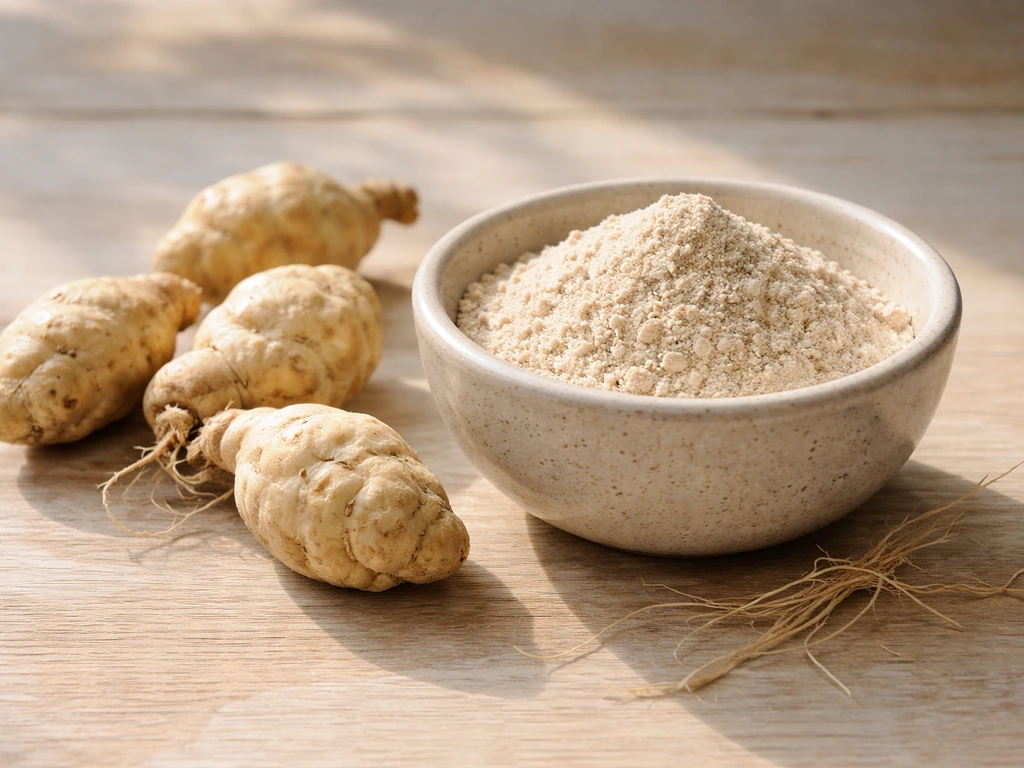
Safed Musli (Chlorophytum borivilianum) is a traditional Ayurvedic herb used to support hormonal balance and stamina. The product claims it "helps body development." There is limited peer-reviewed clinical research on safed musli's effects on height or growth hormone specifically. WebMD notes that dosing depends heavily on individual factors and recommends consulting a clinician. No standardized dose has been established, which means the amount in any given product is essentially a guess.
Shatavari
Shatavari is probably the best-studied ingredient in this formula from a recent clinical trial standpoint. A randomized, double-blind, placebo-controlled trial in women with PCOS found that shatavari root extract was generally well-tolerated: mild-to-moderate adverse events occurred in 11.4% of the shatavari group versus 8.5% in the placebo group, and events were transient. That's reasonably reassuring for short-term use in adults, but the study was in adult women with a specific condition, not in children or growing adolescents. The product claims shatavari "helps in growth and nourishment," which is a loose enough claim to be technically defensible but not evidence of actual height increase.
The food-based ingredients
Dry dates, almonds, sesame seeds, makhana (fox nuts), soy or chickpea powder, fennel, and dry ginger are all essentially food ingredients. They contribute protein, calcium, magnesium, zinc, and some fiber. These nutrients genuinely matter for bone development and growth, especially in children and adolescents who are not getting enough from their regular diet. Sesame seeds are a particularly good plant-based source of calcium. Soy and chickpea powder contribute protein. In this sense, the formula functions partly as a nutritional supplement, which is its most defensible use case.
Side effects: what to expect and what to watch for
Most people who take a product like this will not experience dramatic side effects because the doses of active herbal ingredients are likely low when spread across a half or full teaspoon of mixed powder. But that doesn't mean the risk is zero, and some side effects are more concerning than others.
Common, lower-severity side effects
- Digestive discomfort: bloating, gas, or loose stools, especially from soy, chickpea powder, or ginger at higher doses
- Nausea when taken on an empty stomach or with too little liquid
- Mild drowsiness, particularly from ashwagandha, which has mild sedative properties
- Allergic reactions to any of the food-based ingredients (particularly sesame, soy, or tree nuts like almonds)
- Changes in stool consistency or frequency from the fiber-rich ingredients
Serious side effects and red flags
- Liver injury: ashwagandha has been linked to clinically apparent liver injury in documented case reports. Symptoms to watch for include yellowing of the skin or eyes (jaundice), dark urine, unusual fatigue, and upper right abdominal pain.
- Hormonal disruption: ashwagandha and safed musli both influence hormonal pathways. In children and early adolescents, this raises legitimate questions about interference with natural puberty timing, though controlled data in this population is essentially nonexistent.
- Thyroid interactions: ashwagandha may increase thyroid hormone levels. Anyone with a known thyroid condition should avoid this product without medical supervision.
- Allergic reactions in sesame-sensitive individuals: sesame allergy is now recognized as a major allergen in many countries, and sesame seeds are a prominent ingredient here.
If you experience jaundice, severe abdominal pain, significant fatigue, or any sign of allergic reaction (hives, swelling, difficulty breathing), stop the product immediately and seek medical care. The FDA advises reporting serious adverse reactions from dietary supplements through the FDA Safety Reporting Portal. If you're outside the US, check your country's equivalent reporting system.
Will it actually make you taller? Honest expectations by age

This is the question most people searching for this product really want answered. The biology here is pretty straightforward, even if the marketing pretends it isn't.
Height growth happens at the growth plates, also called epiphyseal plates, which are cartilaginous zones near the ends of long bones. During childhood and adolescence, these plates are "open" and actively producing new bone tissue under the influence of growth hormone, IGF-1, estrogen, and testosterone. Once puberty ends, sex hormones cause the growth plates to fuse, turning cartilage into solid bone. After that point, no supplement, powder, or exercise can make you taller. None. The biology simply doesn't allow it.
| Age / Growth Stage | Growth Plate Status | Realistic Supplement Effect on Height |
|---|---|---|
| Ages 5 to 12 (pre-puberty) | Open, actively growing | Nutritional support may help reach genetic potential if diet is deficient; no evidence of exceeding genetic ceiling |
| Ages 13 to 17 (puberty, active growth) | Open, rapid growth phase | Same as above; optimizing nutrition matters, but herbal extracts have no proven additive effect on final height |
| Ages 17 to 20 (late puberty / tapering) | Partially to mostly fused | Minimal to no effect on height; growth is nearly complete |
| Ages 20+ (adulthood) | Fully fused | Zero effect on height; growth is biologically impossible through supplementation |
A bone age X-ray is the clearest way to know where someone stands. A doctor or pediatric endocrinologist can take a left-hand X-ray and compare bone maturity to chronological age, which tells you how much growth is realistically remaining and whether the growth plates are still open. This is standard practice when evaluating short stature, and it gives you actual information rather than a guess.
Genetics accounts for roughly 60 to 80 percent of final adult height. The rest comes from environment, nutrition, sleep, and general health during the growth years. A product like Height Grow Plus cannot override genetics, and the claimed outcomes of 5 to 7 inches from a three-pack have no peer-reviewed clinical evidence supporting them.
Who should not take this and what it might interact with
There are specific groups of people for whom taking Height Grow Plus carries meaningfully higher risk.
- Children under 5: the product's own dosing starts at age 5, and giving herbal adaptogens to very young children is not supported by safety data
- Anyone with thyroid disease: ashwagandha can raise T3 and T4 levels and interfere with thyroid medication
- Anyone with liver disease or elevated liver enzymes: given the documented association between ashwagandha and liver injury, this combination is high risk
- People with autoimmune conditions: ashwagandha is an immunomodulator and may worsen autoimmune activity
- Anyone with soy or sesame allergies: both are present in the formula
- Pregnant or breastfeeding women: shatavari is sometimes used to support lactation, but ashwagandha has uterine-stimulating properties and should be avoided during pregnancy
- People on sedatives, thyroid medication, immunosuppressants, or blood pressure medication: ashwagandha in particular has documented interactions with these drug classes
What actually works: the real levers for height during growth
If growth plates are still open, there are genuine, evidence-based ways to support reaching your genetic height potential. None of them come in a supplement bottle.
Sleep
Growth hormone is secreted in pulses, with the largest pulse occurring during slow-wave (deep) sleep, typically in the first few hours after falling asleep. Children aged 6 to 13 need 9 to 11 hours of sleep per night; teenagers need 8 to 10 hours. Consistently cutting sleep short is one of the most reliable ways to suppress your own growth hormone secretion. Fixing sleep is free, has no side effects, and has a direct, documented effect on growth hormone output.
Nutrition
Calcium and vitamin D are the non-negotiables for bone elongation. Adolescents need around 1,300 mg of calcium per day and 600 IU of vitamin D (higher if deficient). Protein is equally critical because bone matrix is built on a collagen scaffold, and collagen synthesis requires adequate dietary protein. Zinc deficiency specifically has been associated with growth faltering in children. A varied diet with enough dairy (or fortified alternatives), meat or legumes, eggs, and vegetables covers most of these needs. If diet is genuinely limited, targeted supplementation of calcium, vitamin D, zinc, and protein makes far more sense than a proprietary herbal blend.
Exercise
Weight-bearing exercise, including running, jumping, and resistance training appropriate for age, stimulates bone remodeling and can support bone density. It also stimulates growth hormone release. Hanging exercises and stretching can improve posture, which may make someone appear taller without changing skeletal height. Yoga and swimming help with spinal decompression and posture as well.
When to see a doctor about short stature
If a child or teenager is significantly shorter than peers and growth seems slow or has stalled, that deserves a proper medical evaluation, not a supplement purchase. MedlinePlus Medical Encyclopedia notes that when evaluating short stature, a bone age X-ray may be used to see if bones are growing normally and to assess how much time remains to grow, and that short stature is often not due to a medical cause. The Endocrine Society and Pediatric Endocrine Society both emphasize that evaluation aims to determine whether short stature is due to a treatable medical condition (like growth hormone deficiency, hypothyroidism, celiac disease, or delayed puberty) versus normal variation. A pediatric endocrinologist can assess bone age via X-ray, measure growth velocity over time, and determine if any intervention is appropriate. Actual growth hormone therapy, when prescribed for a diagnosed deficiency, is one of the few interventions with robust evidence for increasing adult height in children who are still growing.
If you're still considering taking it, how to do it more safely
If after reading all of this you still want to try Height Grow Plus, there are steps you can take to reduce the risk of harm. This isn't an endorsement; it's practical harm reduction. If you are deciding between options, comparing grow taller supplements reviews can also help you spot exaggerated marketing and missing safety details.
- Get a bone age assessment first. If your growth plates are already fused, there is no plausible mechanism for height increase, and taking the product is risk with zero benefit for height.
- Check for third-party testing. Look for products that have been independently tested by organizations like NSF International, USP, or Informed Sport. The Height Grow Plus product page does not appear to reference any third-party certification, which is a quality-control concern.
- Watch for proprietary blends. If the exact milligram amounts of each ingredient are not disclosed, you cannot know whether you're getting a therapeutic dose or a trace amount used to justify putting an ingredient on the label.
- Start with the lower dose. If you choose to try it, start at the children's dose regardless of age and monitor your body's response before increasing.
- Monitor for liver warning signs. Within the first four to eight weeks of use, pay attention to any fatigue, abdominal discomfort, nausea, or skin/eye yellowing. If any of these appear, stop and get liver function tested.
- Do not combine with other herbal supplements, thyroid medication, sedatives, or immunosuppressants without talking to a doctor first.
- Set a clear trial window. Decide in advance how long you'll try it (8 to 12 weeks is reasonable), and track your height with a stadiometer under consistent conditions. If there's no measurable change, that's your data.
It's worth noting that other height-related supplement formats exist, including powders and capsules with different ingredient profiles, and the side effect profiles can differ significantly depending on formulation. Some people also explore much more drastic options entirely, but those carry incomparably greater risks. For most people, the honest risk-benefit calculation on herbal height supplements like this one lands in the same place: the upside is speculative, the downside (especially liver risk from ashwagandha) is real, and the money and effort are better spent on sleep, food, and a doctor's appointment if growth is a genuine concern. Surgery to grow taller is not a safe or predictable substitute for healthy growth, and it can carry serious side effects liver risk from ashwagandha.
FAQ
Can Height Grow Plus be used if my teen is already through puberty, but growth still seems slow?
If puberty is largely finished, growth plates may be close to fusing, so a supplement is unlikely to help. The most useful next step is to ask a clinician about growth velocity and consider a bone age X-ray if height is substantially below peers. Slow growth can also reflect treatable issues like delayed puberty or endocrine problems, which should be evaluated rather than self-treated.
How can I tell whether the product I received has different ingredients or different amounts than what’s listed?
Check the Supplement Facts for the exact ingredient list and amounts per serving, and keep the batch or lot number. If the label changes between batches or the seller provides unclear details, treat it as a higher safety and predictability risk, especially for ashwagandha. If liver-safety is your main concern, you should not rely on marketing claims alone.
What liver side effects should I watch for specifically, and when should I seek care?
Stop the product and seek prompt medical care if you notice yellowing of the eyes or skin (jaundice), dark urine, severe or persistent right upper abdominal pain, marked fatigue, or lab-type symptoms such as abnormal bilirubin. These warrant evaluation even if the symptoms seem mild at first, because herbal-associated liver injury can worsen after exposure stops.
Is it safe to continue if I feel minor stomach discomfort or nausea after taking it?
Mild digestive symptoms can occur with many herbal powders, but you should not push through persistent or worsening effects. If symptoms continue beyond a day or two, or you develop additional signs like rash, itching, swelling, or breathing difficulty, discontinue and get medical advice. For any concerning pattern, consider that the main risk ingredient may not be causing the symptom immediately.
If ashwagandha is the main concern, can I take it separately instead of Height Grow Plus to reduce risk?
That does not eliminate risk, it just removes other ingredients. Ashwagandha has documented rare but serious liver injury, and dosing can be unpredictable across products. If your goal is growth-related, the bigger issue is that height outcomes are not established, so focusing on diet, sleep, and a clinician evaluation is typically safer than experimenting with ashwagandha.
What groups should avoid Height Grow Plus or get medical clearance first?
Avoid or get clinician guidance first if the user is under 18 with any medical complexity, has known liver disease, is pregnant or breastfeeding, takes medications that can affect the liver, or has a history of herbal supplement-related reactions. If there is any autoimmune condition, immunosuppressive therapy, or abnormal liver enzymes in recent labs, it’s especially important to discuss it before use.
How long would someone need to take it to know whether it works, and what results are realistic?
Because the claimed height gains are not supported by solid clinical evidence, there is no reliable timeline to expect measurable height changes. A more practical approach is to track actual growth using pediatric growth charts and growth velocity over months, but if height is a concern, bone age and medical evaluation are more informative than waiting on an unproven product.
Does taking it with warm milk twice daily increase safety risk compared with taking it once?
The key factor for safety is total exposure to potentially active herbs, not just the milk. Following a higher dose schedule increases exposure, so doubling frequency or volume can raise risk if sensitive individuals exist. If you are determined to try it, you should not exceed the label dosing and should discontinue immediately for any warning symptoms.
Will it interact with common supplements like vitamin D or calcium?
Calcium and vitamin D generally do not pose liver-risk concerns, so interactions are less likely than with ashwagandha-focused formulas. However, you should still consider the whole supplement stack, especially if you also take other herbal products. If you have a history of abnormal liver tests, talk to a clinician before adding multiple supplements.
What should I do if a child takes it and develops symptoms, but I’m not sure whether it’s from the supplement?
Treat the timing as important. If symptoms like jaundice, dark urine, significant fatigue, widespread rash, or swelling occur after starting the product, stop it and get medical evaluation. Bring the exact product label, ingredient list, and batch number so clinicians can assess supplement-related causes and decide whether liver labs are needed.
Grow Taller Supplements Reviews: Evidence, Side Effects, and What Works
Research-backed grow taller supplement reviews: real height potential, ingredients, side effects, and how to judge quali