There are no supplements in the Philippines, or anywhere else, that are FDA-approved specifically to make you grow taller. The Philippine FDA registers food supplements as safe products, not as height-increasing drugs. What you can verify is whether a supplement has a legitimate Certificate of Product Registration (CPR) or Notification Number (NN) through the FDA's portal at verification.fda.gov.ph. That check tells you the product is registered and meets basic safety standards. It tells you nothing about whether it will add centimeters to your height. Whether a supplement can actually influence your height depends almost entirely on your age, whether your growth plates are still open, and whether you have a nutritional deficiency that's holding back your natural growth.
Grow Taller Supplements That Are FDA Approved in the Philippines

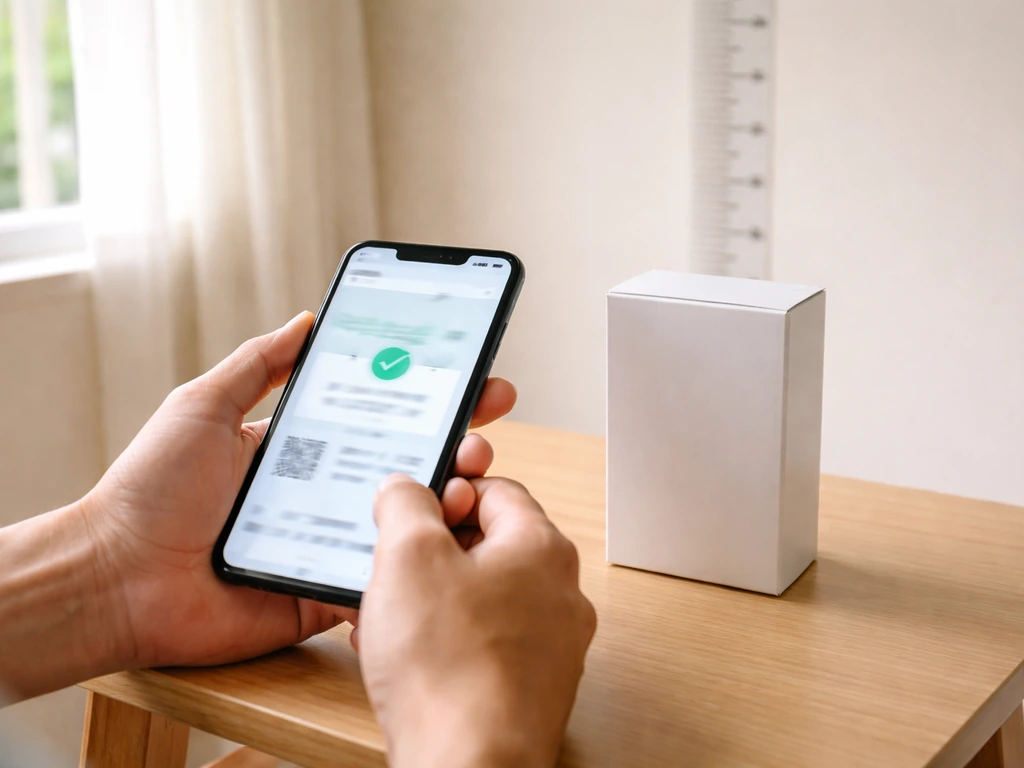
What "FDA approved" actually means in the Philippines
When Filipinos say a product is "FDA approved," they usually mean it has been registered with the Philippine Food and Drug Administration. But that phrase covers a few different things, and understanding the difference protects you from being misled by marketing.
For food supplements, the FDA issues either a Certificate of Product Registration (CPR) or a product Notification Number (NN), depending on the product category. Both confirm that the manufacturer submitted documentation and that the product passed the agency's review for safety and labeling compliance. Neither is an endorsement of the product's effectiveness. A supplement with a CPR can legally be sold in the Philippines. It cannot legally claim to treat, cure, or prevent any disease, and claiming it will make you grow taller is a marketing statement, not a medical claim the FDA has validated.
The Philippine FDA also requires manufacturers and distributors to hold a License to Operate (LTO), which confirms the establishment itself is authorized to handle health products. You can check both establishment LTOs and product registrations in one place.
How to verify a supplement's registration today

The FDA's verification portal at verification.fda.gov.ph is free, public, and regularly updated. The Philippine Information Agency reports that the FDA launched an upgraded voice-activated virtual verification portal at verification.fda.gov.ph to help consumers verify medicine and product legitimacy blank" rel="noopener noreferrer">verification.fda.gov.ph is free, public, and regularly updated. The DOH and FDA have both actively urged consumers to use it before buying any health product. DOH and FDA also urged consumers to verify a health product’s registration status using the blank" rel="noopener noreferrer">FDA verification portal at verification.fda.gov.ph, including checking the registration number. Here's how to use it practically:
- Go to verification.fda.gov.ph on any browser.
- Search by product name, registration number, or company name. The upgraded portal accepts keyword searches, so you don't need an exact match.
- Look for the Registration Number, Product Name, and the listed company/account name in the results.
- Cross-check the registration number on the physical product label with what appears in the portal. If the number on the label doesn't appear in the portal, the product is either unregistered or using a fake number.
- If you can't find a product at all, contact the FDA directly via their official channels before purchasing.
One practical tip: some supplement brands print "FDA Reg. No." on their packaging but the number belongs to a different product from the same company, or is outdated. Always verify the exact number, not just the brand name.
Can supplements actually make you grow taller? The honest science
This is where most of the confusion lives, and it's worth being very direct. A supplement cannot generate new bone length on its own. Height is primarily determined by genetics (roughly 60 to 80 percent of your final height), with the remaining variance coming from nutrition, sleep, hormones, and overall health during your growing years. The mechanism that makes you taller is growth at the epiphyseal plates, commonly called growth plates, which are cartilaginous zones near the ends of your long bones.
Growth plates close progressively through puberty and are typically fully fused in females between ages 14 and 16, and in males between ages 16 and 18, though there's individual variation. Once they close, no supplement, exercise, or hormone treatment will increase your bone length. This is basic physiology, not a matter of finding the right product.
The realistic role for supplements is narrower but still meaningful in specific cases. If a child or teenager is deficient in a key nutrient, like vitamin D, calcium, zinc, or protein, that deficiency can genuinely suppress growth hormone signaling and bone development, meaning they may not reach their genetic potential. Correcting that deficiency through diet or supplementation can allow normal growth to resume. That is not the same as "growing taller than you would have anyway." It's removing a bottleneck.
For adults with closed growth plates, no commercially available supplement will increase skeletal height. Some adults report feeling or measuring slightly taller after addressing posture, spinal compression, and core strength, which are real physical changes, but they involve the spine and soft tissue, not bone growth.
Nutrients that actually matter if you're still growing
If you or your child is still in a growth phase and there's reason to think nutritional gaps exist, the following nutrients have genuine evidence behind their role in normal skeletal development. These are not magic height boosters. They are essential building blocks that, when absent, limit what your body can do.
| Nutrient | Role in Growth | Food Sources | Supplement Note |
|---|---|---|---|
| Calcium | Primary mineral in bone matrix; essential for bone density and elongation | Milk, cheese, tofu, small fish with bones (bangus, sardines), malunggay | Most useful when dietary intake is consistently low; 1,000-1,300 mg/day for growing children |
| Vitamin D | Regulates calcium absorption; supports growth plate activity and bone mineralization | Sunlight exposure, egg yolk, fatty fish, fortified milk | Deficiency is common in the Philippines despite sun exposure due to indoor lifestyles; 600-1,000 IU/day is a typical range |
| Zinc | Supports growth hormone receptor function and bone-forming cell activity | Meat, shellfish (oysters), legumes, seeds | Zinc deficiency directly stunts growth; supplementing without confirmed deficiency adds little benefit |
| Protein | Provides amino acids for bone collagen framework and growth hormone production | Eggs, fish, chicken, beans, dairy | Total protein adequacy matters more than any single supplement; protein powders are generally unnecessary if diet is adequate |
| Magnesium | Works alongside calcium in bone mineralization; involved in vitamin D metabolism | Leafy greens, nuts, whole grains, legumes | Often overlooked; low magnesium reduces vitamin D effectiveness |
| Vitamin K2 | Directs calcium into bones rather than soft tissue | Fermented foods, egg yolk, chicken liver | Less commonly discussed but important for bone quality, especially when calcium intake is high |
A note on growth hormone supplements specifically: over-the-counter products claiming to "boost growth hormone" through herbal extracts or amino acid blends have very limited clinical evidence for actually increasing height. Prescription human growth hormone (HGH) is a different matter entirely and is used medically for diagnosed growth hormone deficiency, but it requires a doctor's prescription and monitoring. It is not a supplement you buy at a pharmacy or health store.
Red flags: claims, ingredients, and fake registrations to watch for
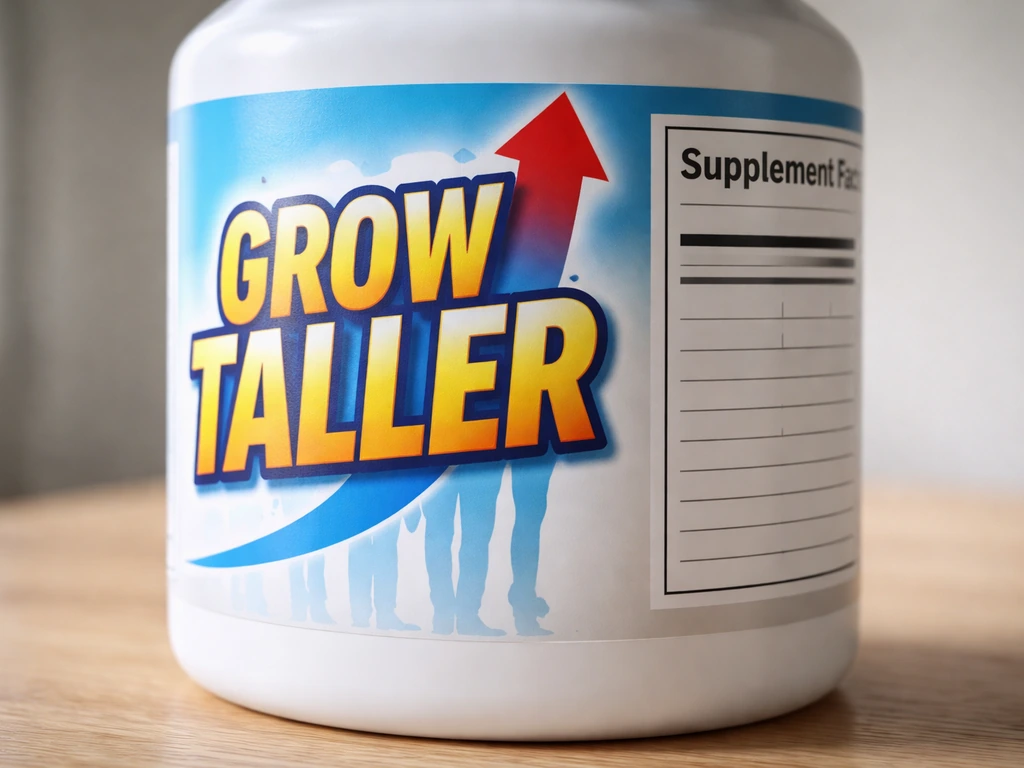
The "grow taller supplement" space in the Philippines has a significant problem with misleading marketing and outright fraud. Knowing what to look for protects your wallet and your health.
Marketing claims that should make you skeptical
- "Clinically proven to increase height" (ask for the actual published clinical trial, not a testimonial)
- "Grow 3 to 5 inches in 3 months" (physiologically impossible after growth plate closure; implausible even before it)
- "Activates dormant growth plates" (growth plates don't become dormant; they fuse permanently)
- "Stimulates HGH naturally" backed only by vague herbal claims with no dosage data
- "FDA approved for height increase" (the Philippine FDA does not approve supplements for this specific claim)
- Before-and-after photos without disclosed age, time frame, or methodology
Ingredient concerns
Some products marketed for height in the Philippines have been found to contain undisclosed active ingredients, including steroids or hormonal compounds, to produce short-term effects. These can cause serious hormonal disruption, especially in children and teenagers. These side effects are part of why the height grow plus side effects concern is so common with misleading products serious hormonal disruption. If a product's label lists only herbs but the product produces unusually fast or dramatic changes, that's a serious warning sign. The FDA has issued advisories against several unregistered or misdeclared health products in this category. Checking the FDA's list of advisories and warnings (available on fda.gov.ph) before buying any height supplement is a practical step.
Fake registration numbers
Counterfeit and unregistered products sometimes display made-up FDA registration numbers or copy numbers from other legitimate products. This is why physically checking the number on verification.fda.gov.ph matters. A number that doesn't appear in the portal, or that matches a completely different product, is a clear sign to walk away. This issue is particularly common with supplements sold through social media, online marketplaces, and informal health stores, which are harder for the FDA to monitor continuously.
If you're looking at reviews of specific height supplements, keep in mind that many online reviews in this space are not independent. For a more grounded look at what consumers are experiencing, a critical read of grow taller supplements reviews can help you separate patterns from noise. If you are considering any grow taller supplements, reading grow taller supplements reviews alongside the registration and labeling details can help you spot patterns and red flags more reliably.
How to choose and use a supplement safely
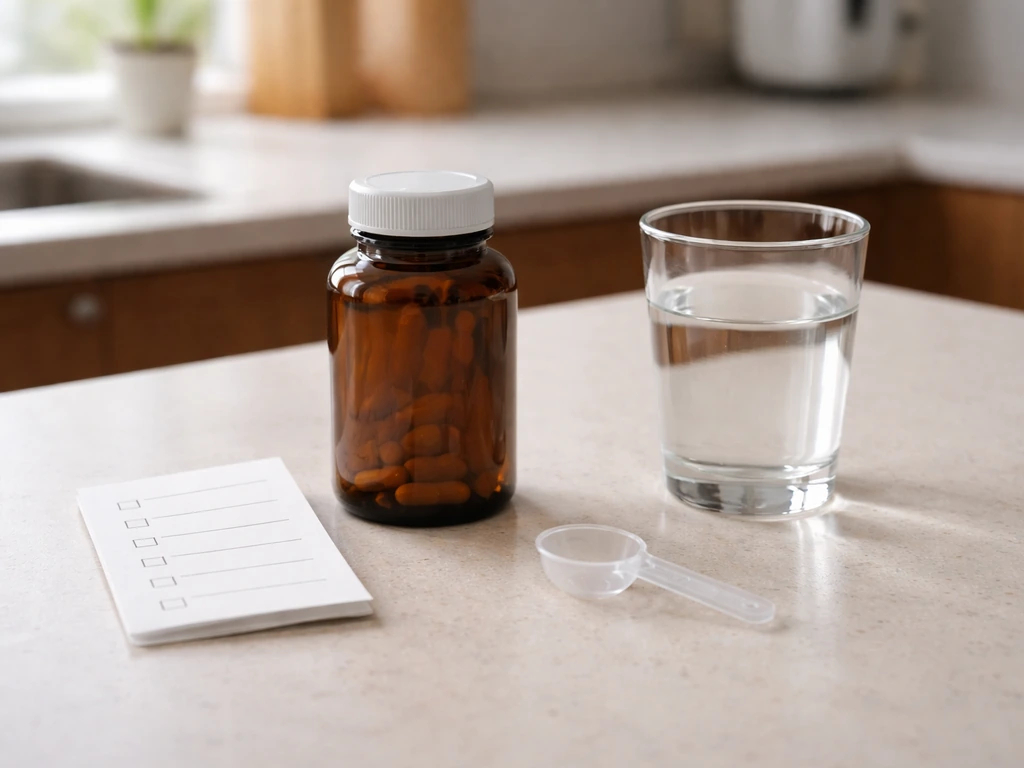
If after all of this you've decided that addressing a specific nutritional gap makes sense for you or your child, here's how to approach it practically and safely.
Before you buy anything
Get a basic nutritional assessment first if possible. A doctor or pediatrician can order a simple blood panel to check for vitamin D deficiency, zinc levels, and other markers. Supplementing without knowing your baseline means you might be spending money on something you don't need, and at high doses, fat-soluble vitamins like A and D can accumulate and cause harm. Targeted supplementation based on actual deficiency is always more effective and safer than broad "growth support" stacks.
Choosing a product
- Verify the product at verification.fda.gov.ph before purchasing. Look for the CPR or NN number on the label and confirm it in the portal.
- Choose single-ingredient or simple combination supplements (e.g., calcium + vitamin D) over complex proprietary blends. Simpler formulas are easier to verify, dose correctly, and identify if a reaction occurs.
- Check the manufacturer's LTO as well as the product registration. A product can have a valid registration number while the selling establishment has an expired or missing LTO.
- Prefer products from established, traceable brands with a physical Philippine address you can verify.
- Be cautious of products sold only through direct messaging or social media without a verifiable retail presence.
Dosage and timing
Follow label doses and, where possible, your doctor's recommendation over any online advice. For calcium, splitting the dose (morning and evening) improves absorption compared to taking the full amount at once. Vitamin D is better absorbed with a fat-containing meal. Zinc competes with copper for absorption, so high-dose zinc supplementation over extended periods should be monitored. For children, age-specific dosing matters significantly since adult doses can be too high. Products that market a single dose for "ages 5 and up" without adjustment are a minor red flag worth noting.
Interactions to be aware of
Calcium can reduce the absorption of iron and zinc if taken together. If a child is also iron-deficient (common in the Philippines), timing supplements apart by at least two hours matters. High-dose vitamin D supplements interact with certain medications, including some cardiac and antifungal drugs. If the person taking supplements is on any prescription medication, checking with a pharmacist or physician before adding supplements is not optional. It's also worth noting that some height grow powder products and combination formulas can have side effects not apparent from label reading alone, particularly with long-term use. Some “height grow” powder products can also lead to surgery-related risks if people delay proper medical evaluation for real causes of short stature surgery to grow taller side effects.
Height maximizers that actually work: beyond the supplement aisle
For children and teenagers who still have open growth plates, the highest-impact levers for reaching their genetic height potential are not in a supplement bottle. These are the factors with the strongest evidence behind them.
Sleep
Growth hormone is secreted primarily during deep sleep, specifically in the first few hours after falling asleep. Children aged 6 to 13 need 9 to 11 hours per night; teenagers need 8 to 10 hours. Chronic sleep deprivation during growth years demonstrably reduces growth hormone output. Getting enough quality sleep is arguably more impactful for height than any supplement currently on the market.
Adequate total calories and protein
Chronic caloric restriction stunts growth even when micronutrients are adequate. Many Filipino children, particularly in lower-income households, may not be deficient in any single vitamin but are simply not eating enough total food to fuel bone elongation. Protein quality and quantity directly affect growth hormone receptor sensitivity. Practical local protein sources like eggs, galunggong, tilapia, chicken, and legumes are not just affordable but genuinely effective when consumed consistently.
Physical activity

Weight-bearing exercise, running, jumping, and sports stimulate bone-forming cells (osteoblasts) and support healthy growth plate activity in growing children. Swimming and hanging exercises can improve posture and spinal decompression. For adults with closed growth plates, regular exercise including core strengthening and stretching can improve posture, which realistically adds 1 to 3 centimeters of apparent height for people with habitual poor posture or mild spinal compression.
Posture
Poor posture, particularly forward head posture and thoracic kyphosis from prolonged phone and desk use, is increasingly common among Filipino youth and young adults. Addressing these through targeted exercises, ergonomic adjustments, and conscious habit changes can produce a visible and measurable improvement in standing height. This isn't a growth hack, it's recovering height that poor alignment was masking.
Sun exposure
Given the Philippines' tropical climate, vitamin D deficiency might seem unlikely, but indoor schooling, indoor work, and sun-avoidance habits (sunscreen, staying indoors during peak hours) mean it's more common than expected. Twenty to thirty minutes of midday sun exposure on the arms and legs several times per week maintains adequate vitamin D levels for most people without supplementation.
Before you buy: your next steps today
Here's a practical checklist you can actually act on today, before spending any money on supplements.
- Identify the specific supplement you're considering (or narrow it down to one or two options).
- Go to verification.fda.gov.ph and search for the product by name and registration number. Confirm both appear correctly in the portal.
- Check fda.gov.ph for any advisories or warnings against the product or its manufacturer.
- Look at the ingredient list critically. If it contains a complex proprietary blend with vague herbal extracts and height-increase claims, treat that as a red flag.
- Assess the age and growth stage of the person taking the supplement. If growth plates are closed (typically post-adolescence), recalibrate expectations: supplements will not increase skeletal height.
- Consider seeing a doctor or pediatrician to check for actual nutritional deficiencies before buying anything. A blood test costs less than most supplement courses.
- If a deficiency is confirmed, choose a simple, single-nutrient or basic combination supplement (e.g., vitamin D3 + calcium) from a verifiable brand with a confirmed FDA registration number.
- Pair any supplement use with the higher-impact basics: consistent sleep, adequate total calories and protein, regular physical activity, and posture correction.
- Set a realistic timeline for reassessment. Nutritional corrections take months to show effect, not weeks. If a product promises dramatic height increases in weeks, that is a marketing claim, not a physiological reality.
The goal here isn't to talk you out of supplements entirely. For a growing child or teenager with a confirmed deficiency, the right supplement at the right dose genuinely matters. The goal is to make sure you're making that decision based on verified safety, real science, and honest expectations, rather than marketing designed to exploit a very human desire to grow.
FAQ
If a supplement label says “FDA approved” in the Philippines, is that enough to trust it?
No. “FDA approved” can be marketing shorthand for product registration, but you still need to match the exact CPR or Notification Number in the verification portal. Also check the product name, strength, and dosage form, because the same brand may have different registered items and outdated numbers are common on older packaging.
What’s the difference between a CPR and a Notification Number, and which should I look for?
Both generally mean the product was registered or notified as a food supplement category, but the type depends on classification. Your practical step is the same for either: confirm the number on verification.fda.gov.ph for that exact product and variant (not just the company or brand).
How can I tell if a “grow taller” supplement is likely unsafe or misleading even if it has a valid registration number?
Valid registration does not validate height claims. Red flags include labels that suggest disease treatment or dramatic height changes in short timeframes, formulas that look like they are targeting hormones, or mismatch between what the label says and what buyers report. If the product is not transparent about ingredients or dosing, treat it as high risk and stop before buying.
Can a grown adult use height supplements to increase bone length?
If growth plates are closed, supplements cannot lengthen bones. What some people measure as “taller” is usually posture change, temporary swelling reduction, improved spinal alignment, or measurement differences. If you cannot get a credible medical reason for open growth plates, avoid spending on height-targeted supplements.
My child is 15, can supplements still help them grow?
Possibly, but mainly if there is an actual deficiency or a medical reason growth is impaired. At this age, growth plates may still be open in some individuals, but you need targeted assessment (often via a pediatrician and blood tests) rather than generic “growth support” blends and adult-style dosing.
What nutrient levels should be checked first before buying any “growth” supplement?
If you are screening for common growth-limiting gaps, start with vitamin D and, when appropriate, calcium and zinc, guided by a doctor. Because fat-soluble vitamins can accumulate, avoid supplementing at high doses without labs or clinical guidance, especially for repeated use over months.
Is “growth hormone booster” the same as prescription HGH?
No. Prescription HGH is a medical treatment for diagnosed growth hormone deficiency and requires close monitoring. Many over-the-counter “growth hormone booster” supplements have limited evidence and can include ingredients that provide little to no height benefit, so treat them as low-confidence unless a clinician confirms an underlying deficiency or condition.
Can I stack multiple supplements labeled for “height,” “bone,” and “growth” at the same time?
Be careful. Stacking increases the chance of overdosing certain nutrients, especially vitamin D and minerals that compete for absorption. It can also raise the risk of side effects and drug interactions. Instead of stacking, use the lowest effective approach based on deficiency testing and label dosing, and confirm safety with a pharmacist if the person takes medications.
Does timing supplements (morning vs night) change how well they work?
Yes for some nutrients. Calcium absorption often improves when the dose is split, zinc can compete with copper, and vitamin D is typically better absorbed with a fat-containing meal. Timing also matters if the child needs iron, since taking certain minerals together can reduce absorption.
What should I do if the supplement’s FDA number does not appear on the verification portal?
Do not buy it. A missing or mismatched number (including numbers that belong to a different product variant) is a strong sign of counterfeit or misdeclared labeling. Report the listing to the appropriate authorities if you encountered it through online marketplaces or social media.
Why do online reviews for height supplements seem wildly inconsistent?
Because many reviews are influenced by expectation bias, inconsistent dosing, and non-independent sampling (same sellers, affiliates, or similar cohorts). Reviews may also reflect posture changes or short-term water or inflammation shifts rather than actual growth. Use reviews only as a secondary signal after you verify registration details and ingredient safety.
Height Grow Powder Side Effects, Risks, and What to Do
Learn height grow powder side effects, risky ingredients, safety checks, and what to do instead of supplements.