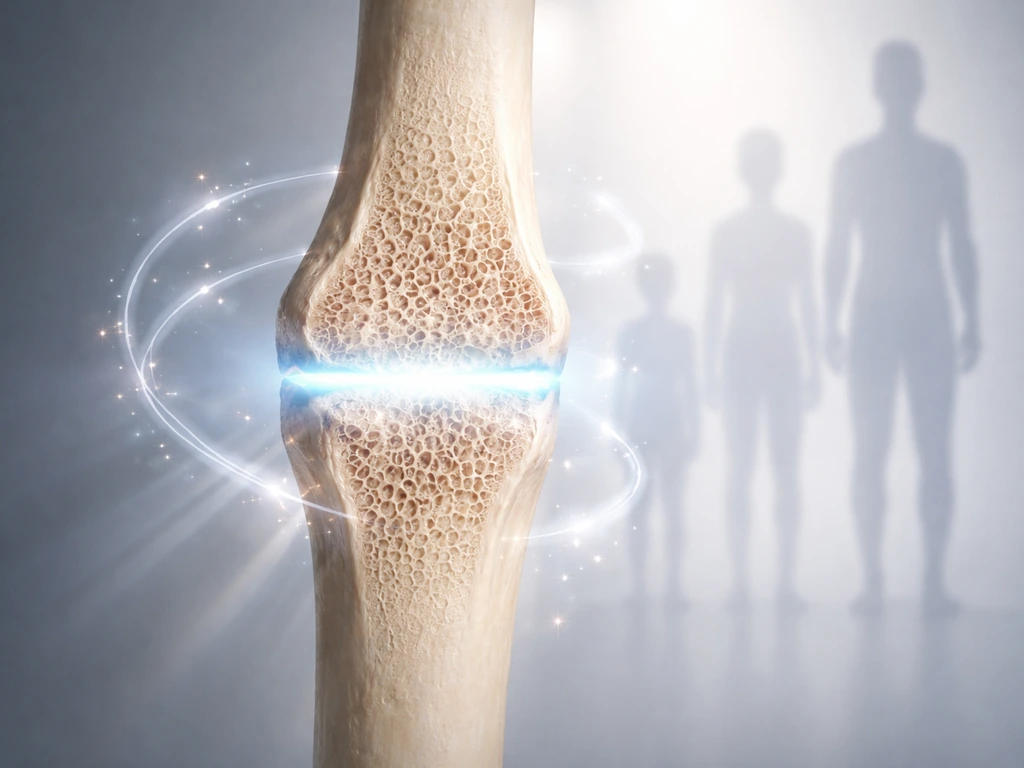
Several things can make you grow shorter, and they fall into two completely different categories: true height loss (where you actually lose permanent stature) and apparent shortening (where posture, spinal compression, or measurement error makes you seem shorter than you are). For kids and teens, the main concern is whether something is interrupting normal growth before the growth plates close. For adults, the question flips: blank" rel="noopener noreferrer">height loss is normal with aging, but losing more than about 2 to 4 cm is a clinical signal worth investigating, especially for bone health and spine problems.
What Makes You Grow Shorter: Causes and Next Steps

Marcus Reeves
25 Jun 2026

Normal height change vs. true height loss
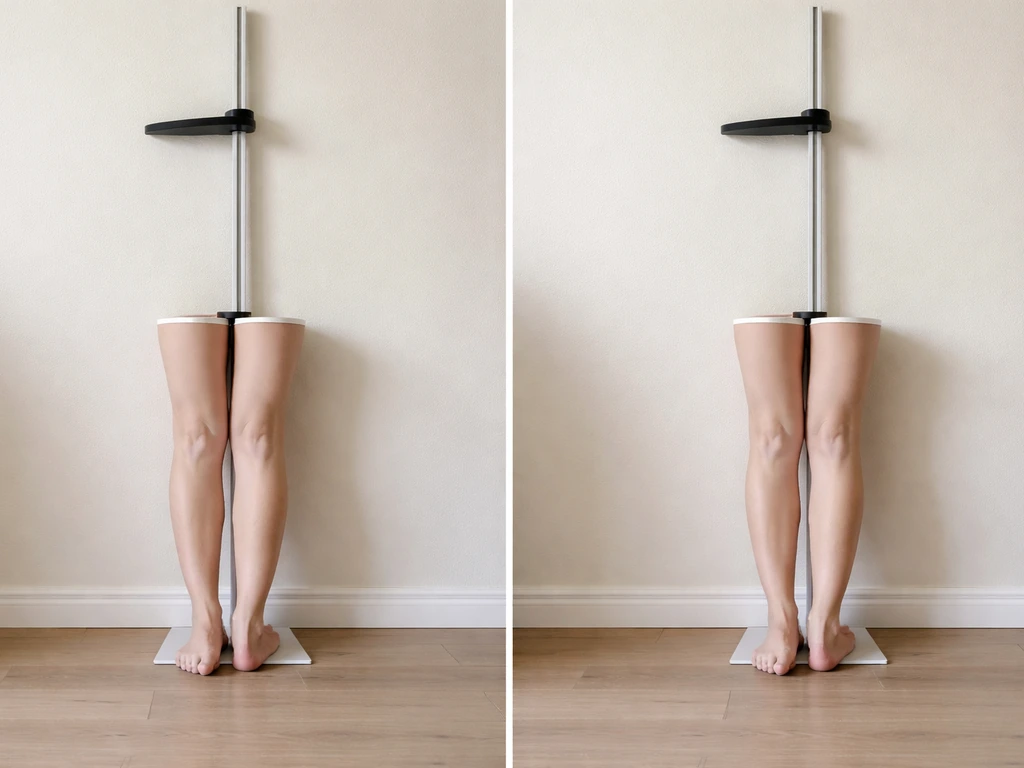
Not every change in your height reading is meaningful. Your spine compresses and rebounds throughout the day just from gravity and movement. MRI studies have documented that spinal height can shrink by close to 2 cm from morning to evening and then recover overnight as your intervertebral discs rehydrate. Those discs lose roughly 16% of their volume after a full day of activity and then bounce back while you sleep. So if you measure yourself in the morning versus the evening, you will almost always be taller in the morning. That is not height loss; that is normal disc physiology.
True height loss means your maximum morning height, measured properly and consistently over time, is genuinely declining. In adults, some of this is expected: longitudinal studies put average adult height loss at roughly 0. 5 cm per year, with most people losing somewhere between 1. 5 and 5 cm across midlife and older age depending on bone health, spine condition, and lifestyle factors.
Loss beyond those ranges, or loss happening more quickly, is where the concern starts. Clinically, height loss of 4 cm or more (about 1. 5 inches) is used as a threshold for imaging assessment of vertebral fractures. Loss of 5 cm or more has been associated with roughly a 50 to 60 percent increased risk of hip fracture and mortality, independent of bone density scores.
Those numbers are not meant to scare you, but they do tell you that significant height loss is a real physiological signal, not just cosmetic.
Measurement error is also a genuine issue. Height changes of less than 1 cm between two readings can easily come from inconsistent technique, different times of day, different shoes or hair, and even who is doing the measuring. Studies comparing measurement methods show that reliable repeated height measurements require a proper wall-mounted stadiometer, a right-angle headboard, and consistent posture with the head in the same neutral position each time. If your "height loss" came from two casual measurements years apart, treat it as uncertain until you can verify it under consistent conditions.
Why kids and teens stop growing earlier than expected
Children and teenagers do not grow shorter in the way adults do. What the question really means for this age group is: why has growth slowed down or stalled? The biological engine of height gain in young people is the epiphyseal growth plate, a layer of cartilage at the ends of long bones where new bone tissue is laid down. When those plates fuse and harden at the end of puberty, longitudinal growth stops permanently. Girls typically complete growth plate fusion about two years earlier than boys, which is why most girls stop growing in their mid-teens while boys often continue into their late teens.
The concern for kids is not height loss per se but insufficient height gain, meaning growth velocity has dropped below what is expected for their age. Short stature is clinically defined as height more than 2 standard deviations below the mean for age and sex (roughly below the 3rd percentile on standard growth charts), but a sudden drop in growth velocity can be significant even if a child is still within normal range. Common growth-slowing causes in this age group include constitutional delay (a normal variant where puberty and growth just run late), chronic illnesses like inflammatory bowel disease or celiac disease, and endocrine problems such as growth hormone deficiency or hypothyroidism.
Puberty timing plays a big role. Early puberty can actually make a child appear to grow well initially because of the early growth spurt, but it also means the growth plates fuse earlier, which can cut adult height short. Delayed puberty, on the other hand, postpones the growth spurt and can make a teenager look like they are behind their peers, even if their final height ends up normal. The tricky part is that delayed puberty can also be a sign of an underlying condition like a chronic illness or an endocrine disorder, which is why it warrants evaluation if it is significantly outside the typical range.
Why adults actually get shorter over time
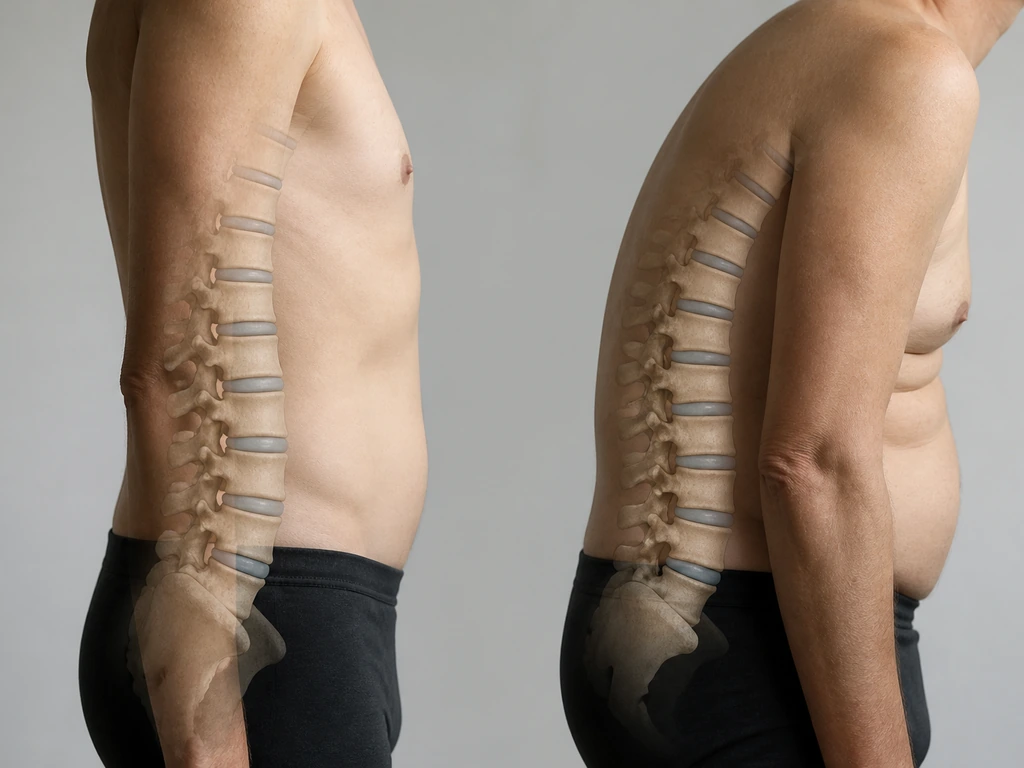
Once your growth plates have fused, there is no mechanism to add new bone length. From that point forward, the direction of height change is only one way. The main contributors to adult height loss are spinal disc degeneration, vertebral compression fractures, spinal curvature changes, muscle weakness, and posture decline.
Intervertebral discs lose hydration and height with age, and this is a significant driver of gradual stature loss. Disc degeneration reduces the space between vertebrae, and when you add up small losses across all the lumbar and thoracic discs, the cumulative effect on standing height is measurable. On top of that, spinal curves change with age: kyphosis (forward rounding of the upper back) and scoliosis (lateral curvature) can both reduce standing height by altering how the spine stacks vertically. A 34-year longitudinal cohort study found that excessive height loss in adults correlates significantly with spinal malalignment from kyphosis and scoliosis.
Vertebral compression fractures are the most clinically important cause of sudden or accelerated height loss in older adults. These fractures, most commonly caused by osteoporosis, involve the vertebral body collapsing and losing roughly 15 to 20 percent of its height. They are often painless, which is why they can go unnoticed for years while quietly robbing centimeters of height. If you have lost more than 4 cm, imaging for vertebral fractures is a reasonable clinical step regardless of whether you have back pain.
Posture and muscle strength matter more than most people realize. Weak core and back extensor muscles allow the spine to settle into a more compressed, rounded position during the day. Poor posture does not cause structural height loss in the true sense, but it absolutely affects measured standing height and can accelerate the functional changes that lead to real structural loss over time.
How nutrition, sleep, and stress affect growth
For children and adolescents, nutrition is one of the most powerful modifiable factors in height development. Chronic calorie shortfalls, protein deficiency, and specific micronutrient gaps all compromise growth. The micronutrients with the strongest evidence for linear growth effects include zinc, vitamin A, and iron. Zinc deficiency in particular has a well-documented history of causing impaired growth and stunting.
Multiple micronutrient interventions and zinc supplementation in particular show meaningful positive effects on height in studies of children beyond age two. Vitamin D is more complicated: while it is critical for bone health, the evidence that supplementing vitamin D actually increases linear growth in children who are not severely deficient is mixed. The bigger picture is that overall diet quality matters more than any single nutrient.
Sleep is when most of your growth hormone gets released. The bulk of GH secretion happens during slow-wave sleep, so consistently short or poor-quality sleep during childhood and adolescence is not just a general health issue; it directly affects the hormonal axis driving growth. The American Academy of Sleep Medicine recommends 9 to 12 hours of sleep for children aged 6 to 12. Teenagers who are chronically sleep-deprived are undermining one of the key biological levers of their growth potential.
Chronic stress is genuinely growth-suppressing. Elevated cortisol from prolonged psychological or physical stress suppresses the GH/IGF-1 axis and can blunt growth plate responsiveness. Similarly, systemic inflammation from chronic infections or inflammatory conditions like Crohn's disease disrupts IGF-1 signaling and directly impairs linear growth. This is one of the reasons that children with poorly controlled inflammatory conditions often show growth faltering even when their calorie intake looks adequate on paper.
Medical and hormonal causes, including medication effects

Several endocrine disorders can slow or stop growth in children or accelerate height loss in adults. Growth hormone deficiency is the classic example in pediatrics: the GH/IGF-1 axis is responsible for driving longitudinal growth, and children with true GH deficiency show characteristically low growth velocity alongside low IGF-1 and IGFBP-3 levels. Hypothyroidism is another important one, since thyroid hormone is required for normal bone metabolism and GH sensitivity. Both conditions are treatable, and children with GH deficiency who receive appropriate therapy typically reach adult heights within the normal range.
Delayed puberty and absent puberty affect growth by pushing back or eliminating the pubertal growth spurt. But early puberty can be just as problematic from a final-height standpoint: the early estrogen surge accelerates growth plate fusion, which cuts off growth sooner. Any child whose puberty timing seems significantly off from their peers deserves evaluation, especially if growth velocity has stalled.
Medications are an underappreciated cause of growth effects. Chronic systemic corticosteroids have well-documented suppressive effects on growth and bone density. Inhaled corticosteroids for asthma are associated with more modest growth effects that depend on dose and duration.
The FDA guidance on orally inhaled and intranasal corticosteroids recommends evaluating growth effects in children and considering bone age and growth abnormalities when designing and interpreting studies [Inhaled corticosteroids for asthma are associated with more modest growth effects that depend on dose and duration. ](https://www. fda. gov/files/drugs/published/Orally-Inhaled-and-Intranasal-Corticosteroids--Evaluation-of-the-Effects-on-Growth-in-Children.
pdf). Stimulant medications for ADHD have shown some association with early growth perturbations in studies, though the evidence on long-term height outcomes is mixed, with many studies showing no significant final-height difference. Antiepileptic drugs, particularly enzyme-inducing ones like carbamazepine, phenytoin, and phenobarbital, are linked to decreased bone mineral density and increased fracture risk through effects on vitamin D metabolism.
If a child or adult is on long-term medication and you are concerned about height or bone health, that medication history is a critical part of any evaluation.
In adults, the medical causes of accelerated height loss converge around bone health. Osteoporosis, hyperparathyroidism, long-term steroid use, and conditions causing chronic malabsorption (like celiac disease) all increase the risk of vertebral fractures and accelerated disc degeneration. Low IGF-1 in adults can reflect undernutrition, celiac disease, or hypothyroidism, not just GH deficiency, so context and exclusion of other causes matter before jumping to any hormonal conclusion.
How to figure out what is actually going on
Before you can interpret a height change, you need to know whether it is real and how large it is. Here is how to self-assess systematically.
Getting a reliable height measurement
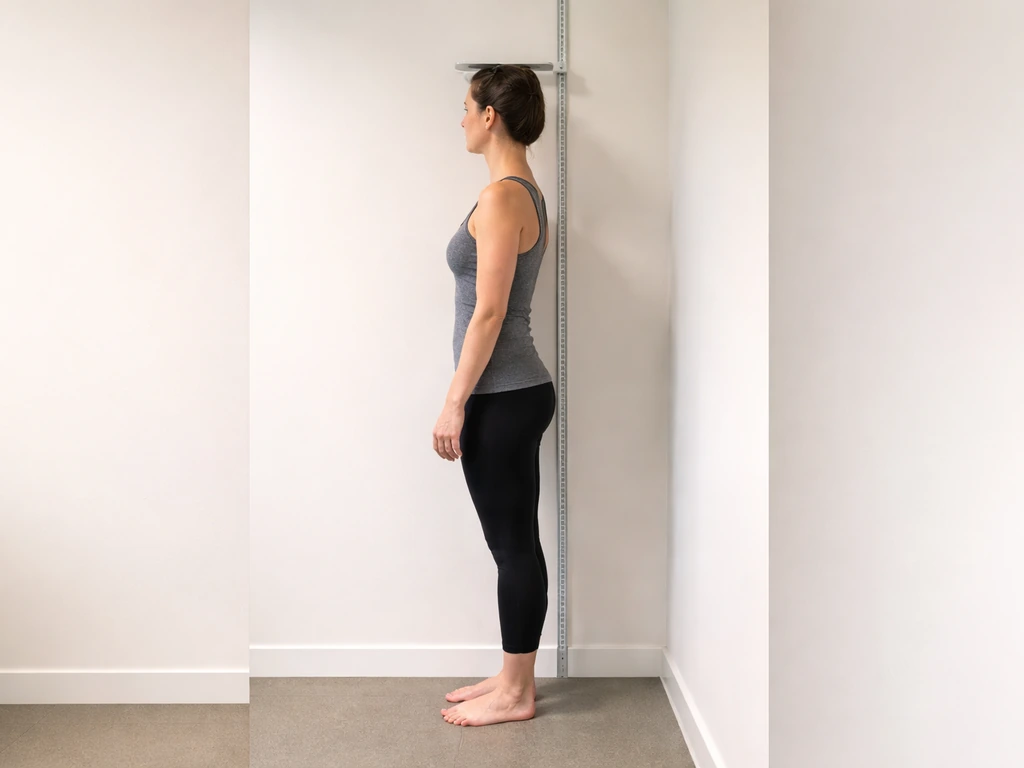
Measure yourself in the morning, within an hour of waking, using a proper stadiometer or a right-angle flat board against a wall-mounted measuring tape. If you want to understand how does the body grow taller versus why height can change later, consistent measurements are a key first step. Stand barefoot with your back straight, heels together and touching the wall, and look straight ahead (not up or down). Have someone else read the measurement rather than looking down yourself, which shifts your posture. Repeat the measurement two or three times and average them. Studies show intra-tester reliability is very high when technique is consistent, but inconsistent technique is where errors creep in.
History questions to gather before any clinic visit
- For children: previous growth chart measurements, birth weight and gestational age, puberty timing (when did it start, is it progressing), parents' heights and when they stopped growing
- Diet history: overall calorie adequacy, protein intake, dairy/calcium intake, any restricted or elimination diets, signs of absorption problems (loose stools, bloating)
- Sleep: average hours per night, sleep quality, any obstructive sleep apnea symptoms
- Chronic illnesses or inflammatory conditions: asthma, IBD, celiac disease, recurrent infections
- Medications: current and past, especially steroids (any form), stimulants, and anticonvulsants
- Stress and mental health history, including any periods of significant psychological stress or disordered eating
- For adults: any known osteoporosis, back pain, history of falls or fractures, family history of osteoporosis or fractures
When to see a doctor and what tests might help
For children, a clinician visit is warranted if measured height is below the 3rd percentile for age and sex, if growth velocity has clearly dropped (crossing two major percentile lines on a growth chart), or if puberty timing seems significantly off. The initial workup includes accurate serial measurements, calculation of growth velocity, midparental height calculation to contextualize the child's trajectory, and a bone age X-ray of the left hand and wrist. Blood work typically includes a complete blood count, comprehensive metabolic panel, thyroid function, IGF-1 and IGFBP-3, and screening for celiac disease. If GH deficiency is suspected, GH stimulation testing and brain MRI (to evaluate the pituitary and hypothalamus) may follow.
For adults, a clinic visit is appropriate when height loss exceeds about 4 cm from your peak (roughly 1.5 inches), especially without an obvious explanation like expected aging. At the 5 cm threshold, the evidence for significantly elevated fracture and mortality risk is strong enough that investigation becomes genuinely important, not just precautionary. Relevant assessments for adults include a DXA bone density scan, spinal X-ray or vertebral fracture assessment (VFA by DXA), and labs for calcium, vitamin D, kidney and liver function, and thyroid function. If osteoporosis medications or antiepileptics are in the picture, those warrant their own monitoring conversations.
| Age Group | Trigger for Evaluation | Key First Steps | Possible Tests |
|---|---|---|---|
| Children/Teens | Height below 3rd percentile, slowing growth velocity, off-schedule puberty | Accurate serial measurements, growth chart review, midparental height | Bone age X-ray, CBC, metabolic panel, thyroid, IGF-1, celiac screen |
| Adults under 50 | Noticeable height loss, medication concerns, family history of osteoporosis | Consistent morning height measurement, medication review | DXA bone density, thyroid, calcium, vitamin D, celiac screen if malabsorption suspected |
| Adults 50 and older | Height loss ≥4 cm or ≥5 cm, new back pain, history of falls | Measurement verification, fracture risk assessment | DXA, vertebral fracture assessment (VFA), spinal imaging if clinically indicated |
What you can realistically do right now
The honest reality is that what you can do depends almost entirely on your age and the cause. There is no intervention that reverses growth plate fusion or adds centimeters to adult height. Anyone promising otherwise is selling you something. But there are real things you can do at every stage.
If you are still growing (child or teen)
The most impactful things you can do are the least glamorous: eat enough protein and calories consistently, make sure micronutrient gaps are covered (zinc, iron, and vitamin A in particular if your diet is restricted), get 9 to 12 hours of sleep per night, and manage any chronic illness aggressively. If there is an endocrine problem, early detection and treatment genuinely matters for final height outcome. Children with treatable causes of growth failure, like hypothyroidism or GH deficiency, typically respond well to therapy and reach normal adult heights when treated early. Do not wait and see for more than a few months if a child's growth seems to have stalled.
If you are an adult trying to minimize further height loss
Your realistic targets are preserving bone density, maintaining spinal health, and correcting posture. For people wondering, minimize further height loss. That means adequate calcium (1000 to 1200 mg daily through diet and supplementation combined, depending on age and sex), vitamin D sufficiency, regular weight-bearing and resistance exercise, and not smoking.
If you have osteoporosis, working with a physician on appropriate treatment, including bisphosphonates or other agents when indicated, is the most evidence-backed thing you can do to prevent the vertebral fractures that cause the most significant height loss. Postural strengthening, especially exercises targeting thoracic extensors and core stability, can genuinely reduce the functional height loss that comes from kyphosis and muscle weakness.
It will not undo structural changes, but it can slow them and improve measured standing height in the process.
Setting realistic expectations
Some degree of height loss in adulthood is biologically inevitable. Losing 1 to 2 cm between your 30s and 60s is normal. What you are trying to avoid is the accelerated loss that comes from preventable causes: osteoporosis, vertebral fractures, and severe postural decline. The science is clear that lifestyle factors, particularly bone-protective nutrition and exercise, genuinely influence how much you lose and how quickly.
Related to this, it is worth understanding that growing taller and avoiding becoming shorter are two entirely different questions with different mechanisms and windows of opportunity. In adults, the focus is usually on maximizing posture and spinal health rather than reversing growth plate closure growing taller. The factors that drive height gain during childhood and the interventions that protect height in adulthood do not overlap as much as most people assume.
FAQ
How can I tell if my height change is real height loss or just daily compression?
A key difference is whether the change affects your maximum morning height. Measure within an hour of waking for 2 to 3 consecutive mornings, using the same barefoot setup, and track the highest value each day. If morning peak height keeps dropping over weeks to months, that suggests true height loss, while a morning-to-evening swing is more consistent with normal disc rehydration and spinal loading.
At what point should an adult stop trying to self-correct and get checked?
For most people, “growing shorter” in adulthood is mainly about preventing accelerated decline, not restoring length. Focus on bone and spine risk reduction, especially if you have risk factors like prior fractures, long-term steroid use, smoking, low body weight, or strong family history of osteoporosis. If you have any red flags, talk with a clinician rather than relying on posture changes alone.
Can spinal manipulation or chiropractic care make you grow taller again?
Yes. Chiropractic adjustments and massage can temporarily improve how you stand, but they do not reverse vertebral compression fractures or rebuild compressed vertebrae or fused growth plates. If you have sudden loss, new back pain, or a “step” deformity in your spine, the safest first step is medical evaluation for fractures and bone fragility.
My child’s height percentile is similar, but they seem slower, is that still a problem?
If you are still growing, the most useful measurement is growth velocity, not a single height number. Have a clinician track serial measurements over at least 6 to 12 months, ideally with the same device and technique. A child can look “normal” on the chart yet still have a clinically important decline in growth rate.
How do early or late puberty affect whether someone ultimately grows shorter?
Puberty can create confusing height patterns. Early puberty can lead to an initial growth spurt followed by earlier plate fusion, so the concern becomes predicted adult height. Late puberty can make teens look shorter now but end normally, so clinicians often combine growth velocity, bone age, and puberty staging rather than relying only on percentiles.
If my teen sleeps 8 to 9 hours, can growth still be affected?
Sleep timing and consistency matter as much as total hours. For teens, frequent late bedtimes can reduce slow-wave sleep and blunt growth hormone secretion even if they reach the recommended window sometimes. If sleep is disrupted by snoring, restless sleep, or breathing pauses, treating possible sleep apnea can be a major next step.
Should I give my child vitamin or mineral supplements to prevent them from growing shorter?
Supplements only help when there is a deficiency or a diet that reliably fails to meet requirements. If a child has restricted calories, poor protein intake, or limited diet variety, zinc, iron, and overall energy adequacy can be more important than adding one nutrient alone. Avoid high-dose supplementation without labs, since excess iron or zinc can cause other problems.
What if my child eats enough but still seems to be growing slower?
Stunting is not a simple calories issue, it can be inflammation or malabsorption. If a child has chronic diarrhea, abdominal pain, poor weight gain, or fatigue, celiac disease or inflammatory bowel disease should be considered, because untreated inflammation can suppress IGF-1 signaling and growth even when intake seems “okay.”
If posture correction helps, does that mean the height loss is not structural?
In adults, posture programs can reduce functional shortening, but they are unlikely to change structural causes like compression fractures or advanced kyphosis. For people with vertebral fracture risk, strengthening and alignment work can still help symptoms and measurement, yet it should be paired with bone protection steps like DXA-guided management and adequate calcium and vitamin D.
Do the 4 cm and 5 cm rules apply if I have symptoms or risk factors?
For adults, thresholds help guide urgency, but symptoms and context matter. New rapid loss, particularly with back pain, should raise concern even if the total loss is under 4 cm. Also consider evaluation after a low-trauma fall, long-term corticosteroid exposure, or known osteoporosis, since fractures can be painless.
Next Article
Why Do We Grow Taller? Science, Hormones, and What Helps
Explain how growth plates, hormones, genetics, sleep, nutrition, and stress shape height from childhood to adulthood.