Your body grows taller because cartilage in your long bones gets replaced by new bone tissue in a process called endochondral ossification. If you want the short answer, you grow taller because cartilage in your long bones is replaced by new bone tissue at the growth plates. This happens at specific regions near the ends of your bones called growth plates, and it continues as long as those plates stay open. Once they close, usually in your late teens or early twenties, your bones stop lengthening and your height is set. Everything else, including nutrition, sleep, hormones, and exercise, either supports or disrupts that process while it's still happening.
How Does the Body Grow Taller? Growth Science and What Helps

Marcus Reeves
7 May 2026
How height growth works: growth plates and bone lengthening
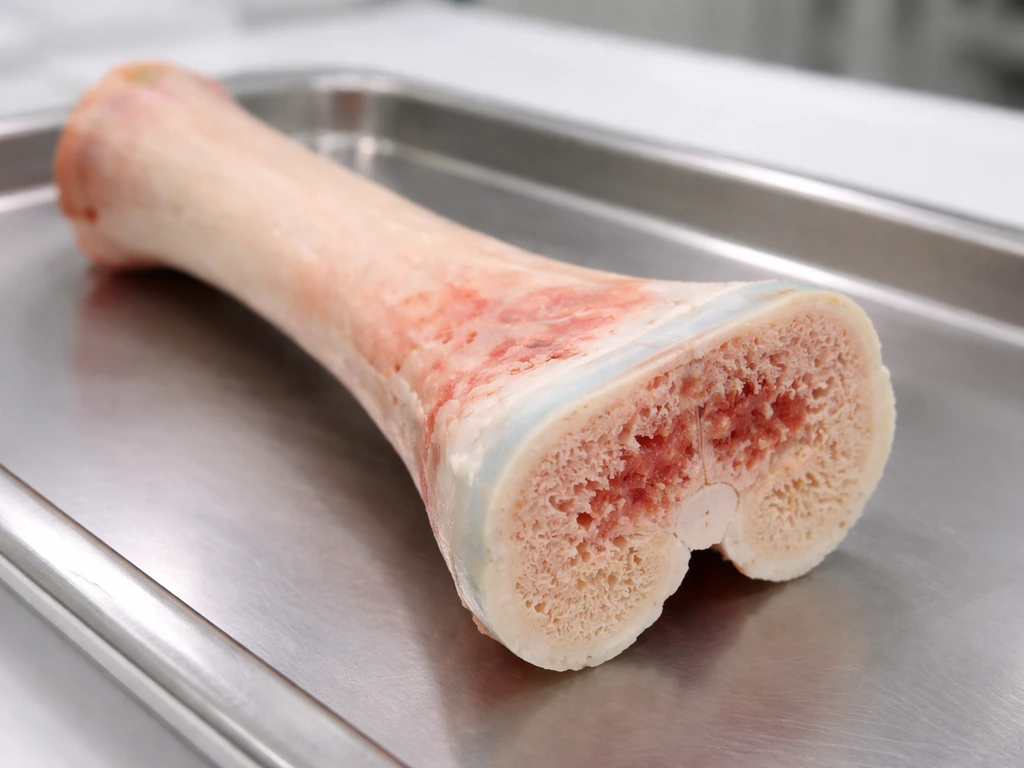
The real engine of height is the epiphyseal plate, commonly called the growth plate. These are thin layers of cartilage located near the ends of your long bones, like your femur (thigh bone) and tibia (shin bone). They're made up of specialized cells called chondrocytes, and their job is to divide, multiply, and build the scaffolding that eventually becomes solid bone.
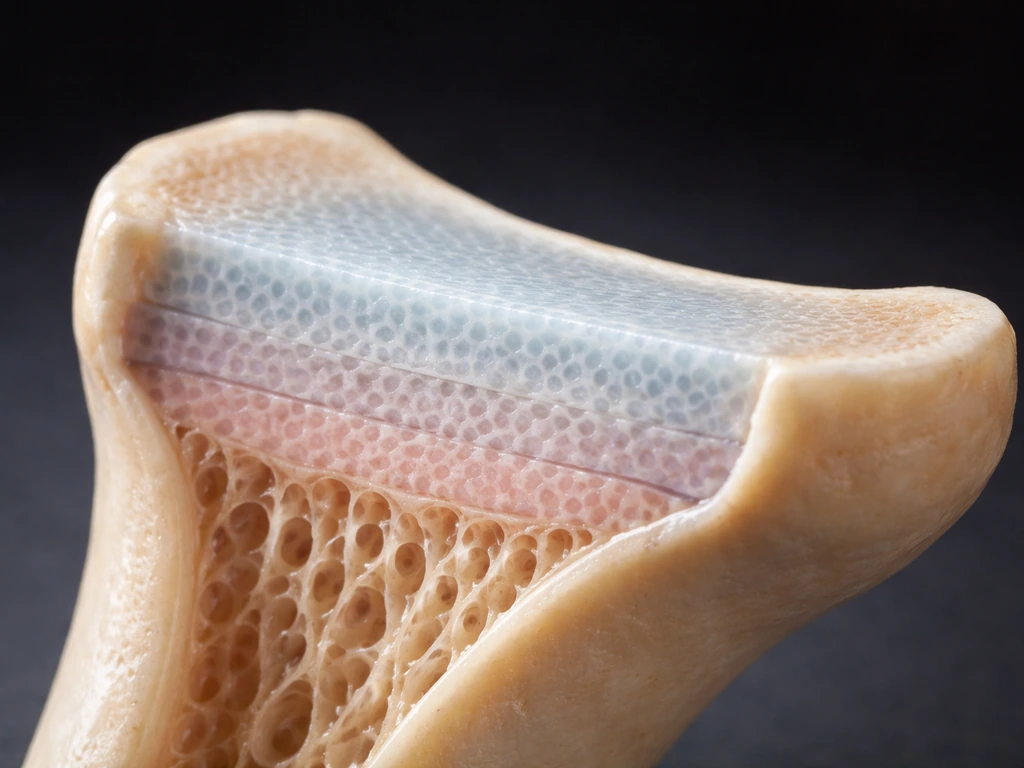
Here's how the process actually works, from the inside out. The growth plate has several distinct zones, each with a different job. At the top is the resting (reserve) zone, where chondrocytes sit quietly waiting to be activated. Below that is the proliferative zone, where those cells divide rapidly, stacking up in columns and physically pushing the end of the bone further away from the center. Next comes the hypertrophic zone, where chondrocytes swell to several times their original size and begin producing collagen type X, which helps mineralize the surrounding tissue. Finally, in the calcification and ossification zones, blood vessels invade the hardening cartilage, osteoblasts (bone-building cells) move in, and the cartilage matrix is gradually replaced by organized bone tissue.
That replacement is what makes you taller. Each cycle of proliferation, hypertrophy, and ossification adds a small amount of length to the bone. Over years of childhood and adolescence, those small increments add up to several inches of height gain. When chondrocytes in the hypertrophic zone eventually undergo apoptosis (programmed cell death) and stop proliferating entirely, no new cartilage scaffold is produced, the growth plate calcifies completely, and the epiphysis (end of the bone) fuses with the shaft. That's the end of longitudinal growth.
What's actually happening in your body when you grow
Bone lengthening doesn't happen on its own. It's coordinated by a cascade of hormones, and understanding which ones matter tells you a lot about why some people grow faster than others.
Growth hormone (GH), produced by the pituitary gland in your brain, is the primary driver. GH doesn't act directly on the growth plates in most cases. Instead, it signals the liver to produce insulin-like growth factor 1 (IGF-1), which then travels through the bloodstream to the growth plates and stimulates chondrocyte proliferation. More IGF-1 generally means more activity in the proliferative zone and faster growth. GH secretion isn't constant, it pulses throughout the day, with the largest pulse occurring during deep sleep. This is one of the main reasons sleep quality matters so much for growing children and teens.
Sex hormones (estrogen and testosterone) play a dual role during puberty that's worth understanding clearly. Early in puberty, these hormones amplify GH secretion and IGF-1 production, which is why you see a significant growth spurt in the early-to-mid puberty years. But over time, estrogen in particular accelerates the maturation of the growth plate, pushing chondrocytes toward terminal differentiation faster. This is why girls, who experience estrogen surges earlier, typically stop growing earlier than boys. It's also why conditions involving early estrogen exposure can close growth plates prematurely, limiting final height.
Thyroid hormones and cortisol also play supporting roles. Thyroid hormones are necessary for normal chondrocyte maturation, and chronically elevated cortisol (the stress hormone) suppresses GH secretion and can interfere with bone formation. This isn't just theoretical, kids under prolonged stress or with conditions like Cushing's syndrome show measurably reduced growth rates.
Age ranges: when growth happens and when it stops
Growth follows a fairly predictable pattern, though the timing varies meaningfully between individuals. If you want to know when do you grow taller, your growth plate status and pubertal timing matter more than your age alone. Here's a practical breakdown by stage.
| Life Stage | Typical Age Range | Growth Rate | What's Happening |
|---|---|---|---|
| Early childhood | Ages 2–5 | About 2.5–3.5 inches/year | Steady GH-driven growth; no sex hormone influence yet |
| Middle childhood | Ages 6–11 (girls), 6–12 (boys) | About 2–2.5 inches/year | Slower but consistent growth; growth plates fully active |
| Early puberty growth spurt | Girls: 10–13 | Boys: 12–15 | Up to 3–4 inches/year at peak | Sex hormones boost GH/IGF-1; fastest post-infancy growth |
| Late puberty | Girls: 13–15 | Boys: 15–17 | Growth slowing to 1–2 inches/year | Estrogen/testosterone accelerating plate maturation |
| Post-puberty | Girls: 15–17 | Boys: 17–21 | Minimal to none | Growth plates closing or fully closed; height largely set |
One thing worth noting: there's real individual variation in this timeline. Some boys are still adding height at 19 or 20; some girls are done by 14 or 15. An X-ray that checks bone age (looking at growth plate closure) is a much more reliable indicator of remaining growth potential than calendar age alone.
What actually influences how tall you get
Genetics is the single biggest factor in determining your final height. Estimates from twin studies suggest that somewhere between 60 and 80 percent of height variation between people is explained by genetics. A rough but useful predictor of your expected adult height is mid-parental height: add both parents' heights together (in inches), add 5 inches for boys or subtract 5 inches for girls, then divide by 2. Most people end up within about 2 to 4 inches of that number, either above or below.
But genetics sets a ceiling, not a fixed number. Whether you reach the top of your genetic range or fall short depends heavily on the environment your body is in during the growing years. The modifiable factors that genuinely matter are nutrition (including overall calorie adequacy), sleep, stress levels, and to a lesser extent physical activity. None of these will push you above your genetic ceiling, but falling short on any of them during childhood and adolescence can absolutely prevent you from reaching it.
Nutrition and the nutrients that matter most for growth

Chronic undernutrition is one of the most well-documented causes of reduced height worldwide. When the body doesn't get enough total calories, it prioritizes survival functions over growth. This means GH resistance can develop, IGF-1 levels drop, and bone elongation slows or stalls. Getting enough total food is foundational before any specific nutrient even matters.
Beyond total calories, several specific nutrients have solid evidence behind them when it comes to growth.
- Protein: The raw material for IGF-1 production and bone matrix (osteoid) formation. Low protein intake is directly associated with lower IGF-1 levels and reduced growth rates. Growing children and teens need around 0.8–1.2 grams per kilogram of body weight daily, and active adolescents may need more.
- Calcium: The primary mineral in bone tissue. During peak growth periods, especially the adolescent growth spurt, calcium needs are higher than at any other point in life, around 1,300 mg per day for ages 9–18. Dairy, fortified plant milks, leafy greens, and tofu are reliable sources.
- Vitamin D: Needed for calcium absorption in the gut and for normal chondrocyte function in the growth plate. Deficiency is surprisingly common, especially in northern latitudes or in kids who spend little time outdoors. Low vitamin D impairs bone mineralization and can contribute to growth delays.
- Zinc: Often overlooked but important for cell division, including chondrocyte proliferation. Zinc deficiency is associated with growth stunting in children.
- Overall micronutrient adequacy: Iron, iodine, and B vitamins each play supporting roles. Severe deficiency of any of these can impair overall health in ways that cascade into slower growth.
A practical takeaway: for most kids and teens in developed countries who eat reasonably varied diets, gross deficiencies are uncommon. The bigger risk is borderline inadequacy in vitamin D (consider a supplement if sun exposure is limited) and possibly protein if the diet skews heavily toward processed carbohydrates. In particular, the NIH Office of Dietary Supplements notes that vitamin D recommendations include age-based RDA and upper limit (UL) ranges and describe the Endocrine Society’s guidance for routine vitamin D supplementation for children and teens ages 1, 18 in certain contexts vitamin D (consider a supplement if sun exposure is limited). Exotic supplements marketed for height, things like special powders or herbal blends, have no meaningful evidence behind them and aren't worth the money.
Sleep, stress, and the hormone connection
Sleep is where a huge portion of your daily growth hormone is released. The pituitary gland fires its largest GH pulse during slow-wave (deep) sleep, typically within the first few hours of falling asleep. If sleep is short, fragmented, or of poor quality, that pulse is blunted and cumulative GH exposure over time is lower. For growing children, the recommendation is 9–11 hours of sleep per night; for teens, 8–10 hours. This isn't just about feeling rested, it's literally when your bones are being told to grow.
Chronic stress is a real but often underappreciated growth inhibitor. Elevated cortisol suppresses GH secretion directly, and prolonged stress can also reduce appetite and disrupt sleep, compounding the problem. This is sometimes called psychosocial short stature or stress dwarfism in severe cases, where children in high-stress environments show dramatically reduced growth that can partially reverse when the stressor is removed. Most kids won't experience it at that extreme, but the physiology is the same at a milder level: ongoing stress and poor sleep add up.
Practical steps here are straightforward even if they're not always easy: protect sleep as a non-negotiable priority during the growing years, keep evening screens in check (blue light delays melatonin and delays sleep onset), and take psychological stressors seriously in children and teens rather than dismissing them as minor.
Exercise and posture: what actually helps (and what's a myth)
Regular physical activity supports healthy growth in a few real ways. Weight-bearing exercise and resistance training stimulate bone formation, and physical activity promotes better sleep quality, which in turn supports GH secretion. Some studies suggest that moderate physical activity during childhood and adolescence is associated with slightly greater bone density and bone dimensions, which is a good thing for long-term skeletal health.
What exercise cannot do is directly lengthen your bones. That means the most reliable way to support growth is to help keep growth plates open through healthy sleep, nutrition, and overall well-being. Stretching, hanging from bars, yoga, swimming, and basketball are popular examples of activities sometimes claimed to make you taller. They don't. Swimming and basketball are associated with taller athletes, but that's largely because taller people self-select into those sports, not because the sports made them taller. There's no evidence that specific exercises stimulate growth plate activity beyond what normal healthy activity already does.
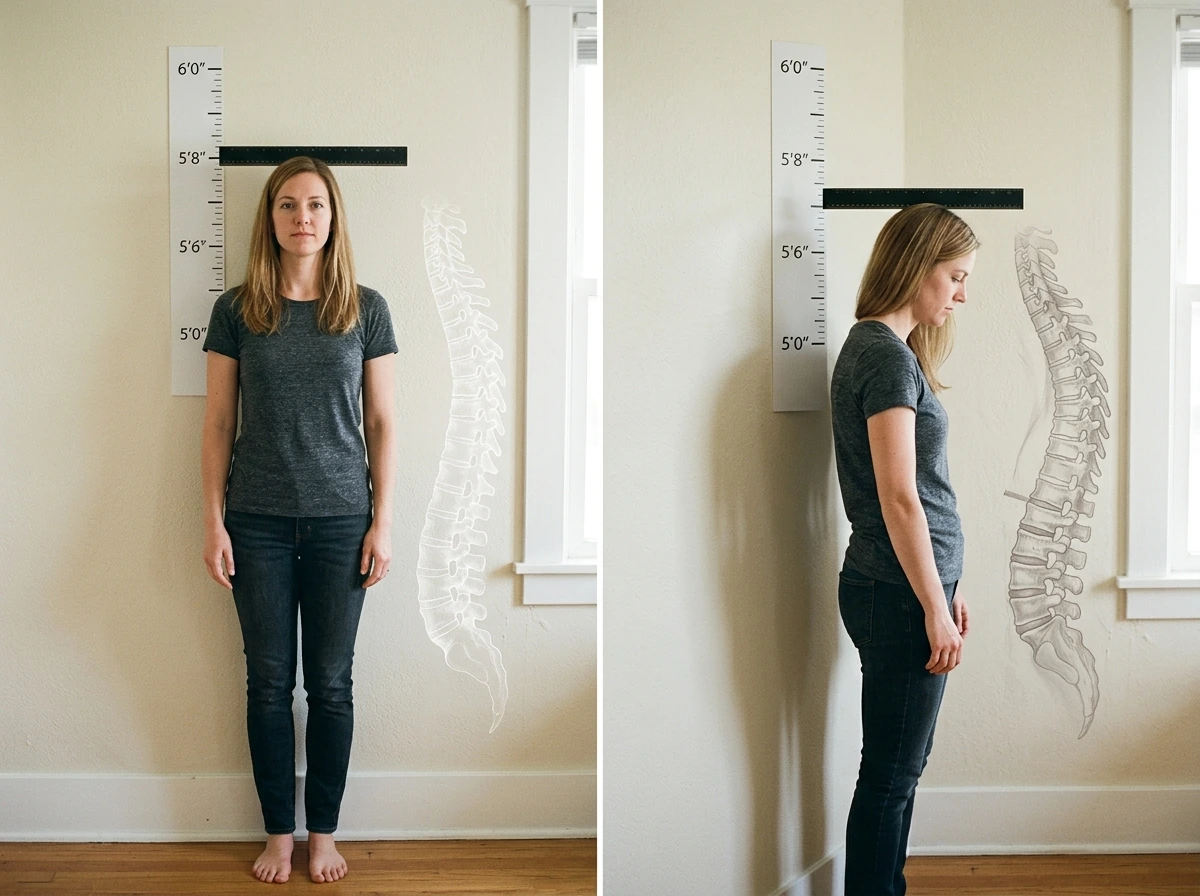
Posture is a different story. Poor posture, especially forward head position and thoracic kyphosis (rounding of the upper back), can make you appear noticeably shorter than your skeletal height. If you feel like you're growing shorter because of stress, sleep, or nutrition, it can also affect the hormones that regulate growth plate activity appear noticeably shorter. Strengthening the core, glutes, and upper back muscles, and being mindful of how you hold yourself while sitting and standing, can genuinely recover an inch or more of apparent height that was always there but being compressed by habitual slouching. This isn't growing taller, but it's a real and immediate improvement that's worth pursuing at any age.
One caution worth raising: very high-intensity training in young children before puberty, especially with heavy loads, carries some theoretical risk of growth plate stress, though evidence for lasting harm in otherwise healthy kids is limited. Moderate, varied physical activity is the sweet spot during childhood.
Adults: can you grow taller after your growth plates close?
Once your growth plates have fully closed and fused, your long bones will not lengthen. This is not a matter of trying hard enough or finding the right supplement; the biological mechanism no longer exists. If you are already an adult with closed growth plates, this is why you generally cannot grow taller by any supplement or routine can you grow taller after your growth plates close. No pill, powder, stretch routine, or device changes that reality. Anyone marketing a height-increase product for adults is either talking about posture (legitimate) or misleading you (very common). On r/heightgrowth, users similarly emphasize that height changes after growth plate closure are usually anecdotal and can reflect different growth-plate closure timing, posture, or measurement timing rather than true longitudinal height gain blank" rel="noopener noreferrer">height changes after growth plate closure are often posture or measurement timing rather than true longitudinal growth.
That said, there are a few legitimate things adults can do that affect how tall they appear or feel. Posture correction is the biggest one, as mentioned above. Spinal decompression through activities like swimming or simply lying down can temporarily reduce compression in the intervertebral discs, which is why you're technically slightly taller in the morning after sleeping than you are at the end of the day, typically by half an inch to three-quarters of an inch. This isn't permanent, but it illustrates that disc hydration and spinal health do affect standing height measurement.
Treating conditions that cause height loss in adulthood is also worthwhile. Osteoporosis, vertebral compression fractures, and severe postural problems can cause measurable height reduction over decades, and addressing them early through resistance training, adequate calcium and vitamin D intake, and appropriate medical care preserves the height you have. For bone health, NIAMS recommends calcium 1,300 mg per day and vitamin D 600 IU per day for preteens/teens and young adults ages 9, 18, and it notes that many people do not get enough vitamin D addressing them early through resistance training, adequate calcium and vitamin D intake.
Surgical limb lengthening exists and is medically performed in cases of significant limb length discrepancy or very short stature. It's invasive, expensive, carries meaningful risks, and is not something to pursue casually. It's outside the scope of what most people asking this question are looking for.
A realistic plan based on where you are right now
The right approach depends entirely on your current stage of life. Here's a simple breakdown.
If you're a child or early teen (still growing)
- Eat enough total food. Undereating is the most controllable thing that limits growth. Prioritize protein, whole foods, and variety.
- Get calcium and vitamin D through diet and, if sun exposure is limited, a vitamin D supplement (check with a doctor for dosing).
- Protect sleep. Aim for 9–11 hours for younger kids, 8–10 for teens. Treat sleep as a growth tool, not just rest.
- Stay active with varied, weight-bearing exercise. You don't need a special program, just consistent movement.
- Reduce chronic stress where possible, and don't underestimate how much it matters for growing bodies.
- If you're concerned about slow growth, ask a doctor about checking bone age and ruling out any treatable underlying cause.
If you're a late teen or young adult (growth plates may still be open)
- Same fundamentals apply: protein, sleep, stress management, and adequate micronutrients.
- An X-ray of the hand or wrist (bone age study) can tell you whether your growth plates are still open, which determines whether there's still biological potential to maximize.
- Don't waste money on height supplements or programs. The window either exists or it doesn't, and the basics are what fills it.
- Focus on posture now. The habits you build in your late teens shape how you carry yourself for decades.
If you're an adult with closed growth plates
- Work on posture: strengthening your posterior chain (back, glutes, core) and being deliberate about how you sit and stand can recover meaningful apparent height.
- Support spinal health with resistance training and adequate calcium and vitamin D to prevent long-term height loss from osteoporosis.
- Set realistic expectations. Your skeletal height is set. Posture and disc health are the only levers left, and they're worth pulling.
Understanding the mechanism behind height growth, the growth plate, endochondral ossification, and the hormonal signals that drive it, makes it a lot easier to separate what's real from what's marketing. The body grows taller through a beautifully coordinated biological process that has a natural endpoint. Supporting it well while it's happening is genuinely meaningful. Trying to restart it after it's done is not. If you're wondering whether the growth plate can reopen, the answer for adults with closed plates is essentially no restart it after it’s done.
FAQ
How can I tell if I still have growth left, besides my age?
The most useful clue is bone age, usually assessed with an X ray of the hand or wrist to estimate growth plate closure. Two people the same age can have very different remaining growth because puberty timing and growth plate maturation vary, so calendar age alone is a poor predictor.
Can supplements like calcium, magnesium, or collagen make someone grow taller?
They help only if you are deficient or not getting enough from food. In kids and teens who already eat adequately, extra calcium or collagen generally does not reopen growth plates or override closed plates, so the bigger priority is adequate total calories, protein, vitamin D, and sleep.
Will drinking more milk or adding protein always increase height?
Not automatically. Protein supports growth when overall intake is adequate, but very limited benefit occurs if total calories are still too low or if sleep and chronic stress are undermining GH release. Aim to meet energy needs first, then ensure enough protein as part of a varied diet.
Is vitamin D the only vitamin that matters for height?
Vitamin D is a common bottleneck, especially with limited sun exposure, but it is not the only one. Serious deficiencies in multiple nutrients can impair growth, so a practical approach is to check diet quality, correct vitamin D if needed, and avoid megadoses unless guided by a clinician.
Does growth happen every day, or only during sleep and puberty?
Bone growth is heavily influenced by deep sleep, because GH pulses are largest during slow-wave sleep. That said, growth is not “on” for one season and “off” for the rest, it is an ongoing process that depends on hormones, nutrition, and recovery across the whole week.
If my parents are short, is it still possible to reach a tall height?
Yes, because genetics sets a ceiling but does not guarantee the exact outcome. You can still reach closer to your genetic potential if you avoid growth blockers like chronic undernutrition, persistent poor sleep, and prolonged high stress, but you generally cannot exceed your genetic range dramatically.
Can exercise make me taller by directly lengthening bones?
No, workouts do not directly lengthen long bones in the way marketing sometimes suggests. Exercise can support healthy bone formation and better sleep, which helps you maximize the growth you would otherwise get naturally during open growth plates.
At what point should I worry about slow growth and get checked?
If a child’s growth curve drops, growth pauses for a sustained period, or there are signs of delayed or unusually early puberty, a clinician can evaluate growth velocity and consider labs or bone age. Early assessment matters because the window to support open growth plates is time-limited.
Does being overweight or underweight change how tall someone ends up?
Yes. Chronic undernutrition can slow growth by reducing IGF-1 signaling and limiting bone elongation, while severe obesity can be associated with altered puberty timing and growth patterns. The goal is not a specific weight, it is adequate nutrition and healthy growth velocity tracked over time.
If growth plates are closed, is there anything at all that can change measured height?
Measured height can still change due to posture, spinal compression, and treatable conditions like vertebral compression or osteoporosis. In adults, posture changes can produce an immediate apparent height gain, and morning height is often slightly higher due to disc hydration, but true bone lengthening is not possible with closed plates.
Can hanging, stretching, or yoga increase height permanently?
They may improve posture and reduce temporary compression, which can change how tall you look or how you measure day to day, but they do not restart growth plate activity. If the growth plates are closed, any height gain from these approaches is typically not permanent bone growth.
How much sleep is “enough” to support growth?
For many growing children and teens, typical targets are 9 to 11 hours per night for children and 8 to 10 hours for teens. The more important factor is consistent enough sleep to protect the deep sleep window, because fragmented or short sleep blunts GH pulses.
If a child has severe stress at home, can that really reduce height?
In some cases, yes. Prolonged psychosocial stress can elevate cortisol, suppress GH release, and reduce appetite or sleep quality, which can lower growth velocity. The good news is that growth may partially improve when the stressor is removed and sleep and nutrition normalize, but persistent issues warrant medical evaluation.
When measuring height, how do I avoid mistakes that make me look shorter?
Measure at the same time of day (morning is usually taller), use the same technique (barefoot, heels together, level head position), and track over multiple weeks rather than day to day. Posture and spinal compression can change results by noticeable amounts even if bones are not changing.
Next Article
Is It Possible to Grow Shorter? What Actually Works
Can you grow shorter? Learn what changes adult height vs posture, growth plates, and when to see a doctor.