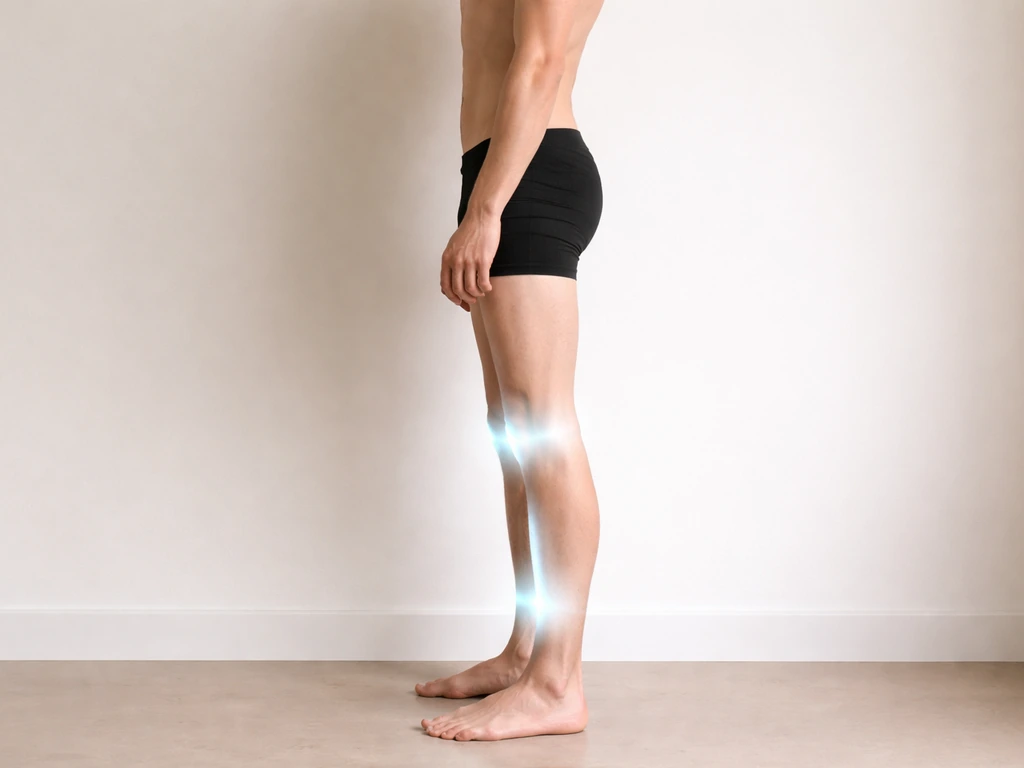
Height is determined by a combination of genetics, hormones, nutrition, sleep, and overall health, with genetics setting the ceiling and everything else influencing how close you get to it, see also when do you grow taller and what to expect at different ages. Most of what drives height happens during childhood and adolescence, inside the growth plates of your long bones. Once those plates close, adding height through natural means is no longer possible. That said, understanding exactly what drives growth, and what slows it down, gives you a clear picture of what you can actually do at any age.
What Makes a Person Grow Taller: Science, Limits, and Next Steps

Marcus Reeves
24 Mar 2026

How height growth actually works in the body
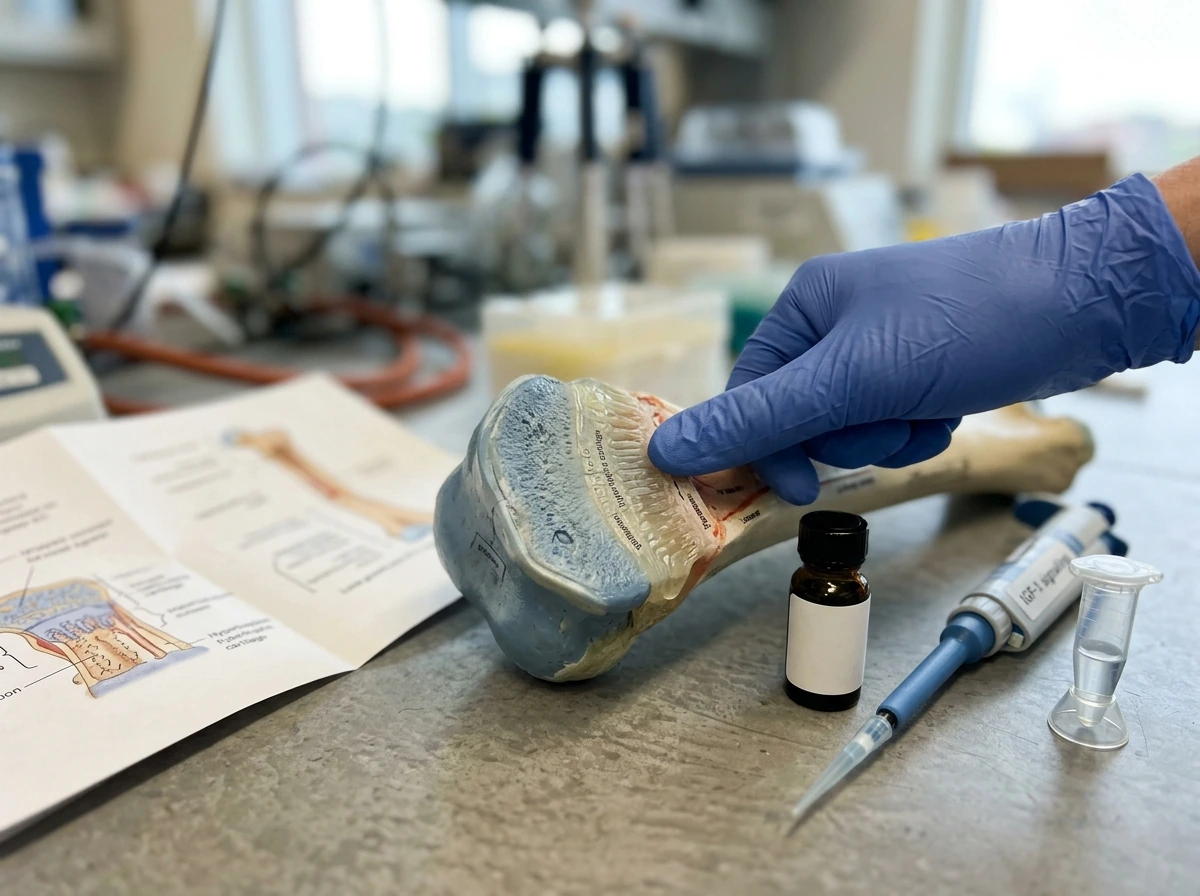
Your height increases because of activity in structures called epiphyseal plates, or growth plates. These are thin layers of cartilage near the ends of your long bones, like the femur and tibia. When cells in these plates divide and new cartilage is produced, it gradually hardens into bone, pushing the bone ends further apart and making you taller. This process is driven by two main hormonal systems: growth hormone (GH), produced by the pituitary gland, and sex hormones (estrogen and testosterone) that surge during puberty.
Growth hormone works largely through a secondary messenger called IGF-1 (insulin-like growth factor 1), which is produced mainly in the liver and acts directly on bone and other tissues. Research has shown that serum IGF-1 levels and pubertal timing are both strongly associated with final adult height. In girls specifically, height velocity between ages 10 and 16 correlates strongly with GH-related measures (correlation values around r=0.86 have been reported in the literature). The relationship in boys is less straightforward, partly because testosterone plays a more dominant direct role in their growth spurt.
The pubertal growth spurt is a significant event, accounting for roughly 15 to 20 percent of your final adult height. In girls, peak height velocity averages around 9 cm per year and typically occurs about two years after the growth spurt begins, around ages 10 to 12. After a girl's first period (menarche), she usually grows no more than about 5 cm before her growth plates close roughly two years later. In boys, the growth spurt starts later, around ages 11.5 to 12 on average, and tends to be larger in total magnitude.
Growth plate closure is the key cutoff point. Once the growth plates fully fuse into solid bone, longitudinal growth stops. This can happen as early as age 12 in some girls and age 14 in some boys, though the most common range is 14 to 15 for girls and 15 to 17 for boys, with variation by individual bone and person. After fusion, no lifestyle change, supplement, or exercise can make your bones longer.
Genetics: your family sets the blueprint
Genetics is the single biggest driver of how tall you end up. Twin studies estimate that around 60 to 80 percent of height variation between people is explained by genetic factors, making height one of the most heritable complex traits in human biology. That means if both your parents are tall, you have a strong genetic tailwind. If they are on the shorter side, that is your likely range regardless of what else you do.
Clinicians use a practical calculation called mid-parental height (MPH) to estimate a child's target height range. For boys, the formula is: (mother's height in cm + 13 + father's height in cm) divided by 2, then add 6.5 cm. For girls, it is: (father's height in cm minus 13 + mother's height in cm) divided by 2, then subtract 6.5 cm. The result gives a target range of roughly plus or minus 8 to 10 cm, meaning most children end up within that window unless something medical or environmental interferes significantly.
It is worth being clear about what this means practically: you can optimize the conditions for growth, but you cannot override your genetic ceiling with food, exercise, or supplements. The goal of everything in the sections below is to make sure you actually reach your genetic potential, not surpass it, which is also what makes you grow shorter when growth plates are closed.
Nutrition: the fuel your body needs to grow

Nutrition is the most actionable environmental factor for height during childhood and adolescence. The most important thing is simply eating enough, because chronic caloric restriction is one of the clearest ways to fall short of your genetic height potential. Beyond total calories, several specific nutrients matter.
Protein
Protein is essential for bone matrix formation and IGF-1 production. Growing children and teens need adequate daily protein, and populations with chronically low protein intake consistently show reduced height outcomes. This does not mean you need to load up on protein shakes, but it does mean a diet with regular high-quality protein sources (meat, fish, eggs, dairy, legumes) is non-negotiable during growth years.
Calcium and vitamin D

Calcium provides the mineral backbone of bone tissue, and vitamin D is what allows your gut to absorb calcium efficiently. Deficiency in either during childhood results in softer, weaker bones and can impair normal growth. Good calcium sources include dairy products, fortified plant milks, leafy greens, and fish with soft bones. Vitamin D is synthesized through sunlight exposure and is found in fatty fish, egg yolks, and fortified foods.
One nuance worth noting: supplementing vitamin D in children who are not deficient does not appear to produce extra height gains. A large Finnish cohort study found that high-dose vitamin D supplementation of around 2,000 IU per day had no measurable effect on linear growth in children who were not deficient. A separate randomized trial in school-aged children with high rates of vitamin D deficiency also found that supplementation did not significantly boost linear growth beyond correcting the deficiency itself. The takeaway is to correct deficiency if it exists, not to chase supraphysiological doses as a height hack.
Overall diet quality
Zinc, iron, iodine, and B vitamins all play supporting roles in normal growth and development. A varied whole-food diet during the growth years covers these bases without requiring detailed micronutrient tracking for most children. The diets most associated with poor height outcomes are those that are calorically restricted, heavily processed, or severely lacking in food diversity.
Sleep and growth hormone: why this is not optional

Sleep is when a large portion of your daily growth hormone is released. Nearly half of GH secretion occurs during the deep stages of non-REM sleep (stages 3 and 4), in pulsatile bursts timed to the sleep cycle. This is not a minor detail. If a child or teenager is chronically sleep-deprived, they are consistently cutting into the window when their body is doing some of its most important growth-related work.
The American Academy of Pediatrics endorses specific sleep targets based on age: children aged 6 to 12 years need 9 to 12 hours per 24-hour period, and adolescents aged 13 to 18 need 8 to 10 hours. These are not soft suggestions. They come from an expert-panel consensus review using established evidence methods and cover outcomes including healthy growth and physical development.
Consistency matters as much as duration. Irregular sleep schedules, late nights on screens, and frequent disruptions all fragment the deep sleep stages where GH is released most heavily. For a growing child or teenager, protecting sleep is one of the highest-leverage things a family can prioritize.
Exercise and posture: what movement can and can't do
There is a persistent myth that certain exercises will make you taller and others will stunt your growth. The reality is more nuanced. Physical activity during childhood and adolescence supports healthy growth indirectly by improving body composition, stimulating GH release, encouraging outdoor sunlight exposure (which helps vitamin D synthesis), and promoting overall metabolic health. Research on outdoor physical activity in children aged 9 to 15 has found associations between regular outdoor activity of at least about two hours per day and better height growth velocity, with vitamin D and bone mineralization proposed as part of the mechanism.
Strength training specifically is not harmful to growth plates when done properly. The American Academy of Pediatrics has stated clearly that supervised strength training with appropriate low-weight, high-repetition programming does not damage growth plates in children. The old concern about weightlifting stunting growth in kids is not supported by current evidence.
What exercise cannot do is directly lengthen bones once growth plates have closed. If you are asking is it possible to grow shorter or recover height after growth plates close, the key point is that you cannot change actual bone length at that stage. After epiphyseal fusion, no exercise program will add centimeters to your skeleton. Where posture and core strength do make a real difference is in how tall you appear and function. Poor posture, spinal compression from weak core muscles, and chronically slouched positions can make you look noticeably shorter than your actual skeletal height. Improving posture through strength and mobility work can recover some of that visual height, but that is presentation, not actual bone length.
Health conditions that can slow or stop growth

A child or teenager who is falling behind their expected growth trajectory deserves a medical evaluation, because several treatable conditions can interfere significantly with height. This is not about normal variation within the genetic range. It is about cases where something is actively working against growth.
Celiac disease is a good example. When children with undiagnosed celiac disease eat gluten, their small intestine becomes inflamed and absorption of calories, protein, calcium, and other nutrients is severely impaired. Growth failure can be the first visible sign. Screening children with unexplained short stature for celiac disease using tissue transglutaminase (tTG) antibody testing is a recognized diagnostic step, and treating the condition by eliminating gluten can result in catch-up growth if the growth plates are still open.
Hypothyroidism is another condition that directly suppresses growth, since thyroid hormone is required for normal GH action and bone development. Kidney disease, inflammatory bowel disease, and other chronic illnesses create ongoing metabolic demands or absorption problems that redirect the body's resources away from growth. Endocrine disorders, including growth hormone deficiency and conditions that cause early or late puberty, can significantly alter the timing and magnitude of the growth spurt, affecting final adult height.
When a clinician evaluates a child for growth concerns, they typically screen with blood tests covering kidney function, anemia, celiac antibodies, thyroid function, and IGF-1 or other GH-axis markers, with additional endocrine testing as needed. For children with severe short stature and growth hormone deficiency, genetic testing including next-generation sequencing panels may also be recommended, especially when there are anatomical abnormalities in the hypothalamic or pituitary region.
The practical message: if a child's growth curve is flattening, dropping percentiles consistently, or sitting well outside what the mid-parental height formula would predict, that is worth discussing with a pediatrician rather than assuming it is normal variation.
What you can actually do, depending on your age
Your realistic options depend almost entirely on whether your growth plates are still open. Here is how to think about it by life stage.
Children and teenagers (growth plates still open)
This is the window where lifestyle genuinely influences how close you get to your genetic ceiling. The levers that matter are well-supported by evidence and they are not complicated: eat enough food with adequate protein and micronutrients, sleep the recommended hours consistently, stay active outdoors regularly, and address any medical issues that might be limiting growth. If something seems off, like growth falling off the expected curve or pubertal timing being significantly early or late, bring it to a doctor early. Timing matters because catch-up growth after treating a cause like celiac disease or hypothyroidism requires open growth plates.
- Eat enough calories and protein every day, with a varied diet covering calcium, zinc, iron, and vitamin D
- Protect sleep by aiming for 9 to 12 hours (ages 6 to 12) or 8 to 10 hours (ages 13 to 18) with a consistent bedtime
- Get regular outdoor physical activity, ideally at least around 2 hours daily, which also supports vitamin D synthesis
- Avoid extreme restriction diets or prolonged caloric deficits during active growth phases
- If growth seems slow relative to family expectations, ask for a growth evaluation including bone age assessment and basic screening labs
Adults (growth plates closed)
Once the growth plates have fused, the conversation shifts. In postpubertal men, blank" rel="noopener noreferrer">quantitative growth hormone secretion and serum IGF-I have been found to relate to final adult height characteristics after linear growth completion (ages 18, 27). If you are wondering what makes you grow taller at different ages, the most important factor is whether your growth plates are still open what make you grow taller. You cannot grow taller in the skeletal sense. What you can do is make sure you are expressing your full existing height through posture, spinal health, and avoiding factors that contribute to height loss over time. If your growth plates are already closed, the focus becomes managing factors that might make you appear taller rather than changing your actual bone length, so can you grow smaller is often more about height loss or posture changes than adding new height. Adults gradually lose height across decades due to spinal disc compression and postural changes, so maintaining core strength, staying active, and supporting bone density through adequate calcium and vitamin D intake are worthwhile long-term investments. If you are curious about whether your growth plates are open or closed, a bone age X-ray can give a definitive answer.
It is also worth noting that some adults are shorter than their genetic potential because of nutritional deficiencies, illness, or other factors during childhood that were never addressed. Understanding this context does not change current height, but it does explain why the gap between siblings or relatives sometimes exists and why it is not always purely genetic.
Genetics vs. environment: a quick comparison
| Factor | What it influences | How much control you have | When it matters most |
|---|---|---|---|
| Genetics | Sets the upper limit of height potential | None (inherited) | Always |
| Nutrition (calories + protein) | Fuels bone growth and IGF-1 production | High (modifiable) | Childhood and adolescence |
| Calcium and vitamin D | Bone mineralization and calcium absorption | High (diet/sunlight) | Childhood and adolescence |
| Sleep | GH release during deep sleep stages | High (habit-based) | Childhood and adolescence |
| Physical activity | Supports growth indirectly; posture in adults | High (modifiable) | All ages, mechanism differs |
| Medical conditions | Can significantly suppress growth if untreated | Moderate (treatable) | Childhood and adolescence |
| Pubertal timing | Affects timing and magnitude of growth spurt | Low (partly genetic) | Adolescence |
The clearest myth to put to rest
No supplement, stretch, or exercise makes you taller beyond your genetic potential or after your growth plates have closed. The products and protocols claiming otherwise are not backed by credible evidence. What is backed by evidence is this: giving a growing body the nutrition, sleep, and health conditions it needs allows it to reach the height it was always capable of reaching. That is the realistic, evidence-based version of maximizing your height, and it is genuinely worth doing during the years when it counts.
FAQ
How can I tell if my growth is normal for my age, even if my height seems “short”?
Look at growth over time, not a single number. A pediatrician will use serial measurements (ideally every 3 to 6 months) and compare you to age- and sex-specific percentiles. Even within the “normal” range, consistent crossing of multiple percentile lines or a clearly flattened growth curve is a better trigger for evaluation than being below average once.
Can growth plates close early, and what signs might suggest that?
Yes. Puberty timing, chronic illness, and certain endocrine problems can shift the timetable for epiphyseal fusion. Practical signs include early puberty onset (for example, breast development before about 8 years in girls or testicular enlargement before about 9 years in boys), a growth spurt that never arrives, or a rapid slowdown in height velocity compared with prior years.
What is height velocity, and why is it more useful than your height number?
Height velocity is how many centimeters (or inches) you grow per year. It reflects whether your growth plates and hormonal signals are actively driving growth. Two people with the same height can have very different velocity, and the latter is often the clue clinicians look for when assessing whether growth is still ongoing.
If vitamin D supplements do not increase height in non-deficient kids, should we still test levels?
Often yes, but only when there is a reason, such as low sun exposure, darker skin, limited dietary intake, or prior lab-confirmed deficiency. Testing helps distinguish “correct a deficiency” from “trying a dose for height.” If levels are normal, higher dosing generally is unlikely to add extra linear growth.
Does eating “healthy” but not enough calories still limit height?
It can. Chronic under-eating reduces the energy available for growth-related processes, even if the diet is high quality. The most common pattern behind inadequate growth potential is insufficient total calories combined with protein and micronutrient gaps, not one specific food.
Are protein shakes necessary to reach height potential?
Usually no. What matters is total daily protein consistently, spread across meals. Many growing kids meet needs with regular foods (dairy, eggs, fish, meat, beans, yogurt). Protein shakes only become relevant when overall intake is hard to reach through meals.
Can my child’s height be affected by being overweight or obese?
Yes, weight status can influence growth patterns. Excess body fat can alter puberty timing and hormonal signals, sometimes leading to earlier puberty and different height trajectories. A clinician can interpret this using growth velocity and pubertal staging rather than weight alone.
If my child starts exercising a lot, can it stunt growth?
Not typically when training is appropriate and nutrition and sleep are adequate. The bigger risk comes from low energy availability (not eating enough relative to activity), which can suppress growth in some athletes. If training increases, ensure calories and protein keep up and that sleep remains consistent.
Does posture training truly make me taller?
It can make you look taller, but it does not change bone length after growth plates have closed. Improved posture can reduce apparent height loss from forward-head posture or spinal compression patterns. The benefit is functional and visual, and it is most helpful after periods of slouching or weak core endurance.
What medical tests are most likely when a child’s growth is concerning?
Often a clinician starts with targeted blood work for common, treatable causes, such as thyroid function, celiac screening, anemia/iron status, and kidney-related markers, sometimes plus IGF-1 as part of the growth hormone axis evaluation. The exact panel depends on age, growth pattern, pubertal stage, and history, and imaging may follow if results suggest an endocrine or systemic issue.
Is a bone age X-ray safe, and when is it actually useful?
It is generally used when there is a real question about growth plate status or delayed or advanced maturation. It helps estimate skeletal maturity, which can clarify whether a child still has meaningful growth potential. It should be ordered by a clinician, weighing the benefit of decision-making against radiation exposure.
Can late growth be “fixed” with supplements, stretching, or special programs?
If growth plates are still open, supplements only help if they correct a deficiency or an otherwise missing nutrient. Stretching and “lengthening” programs cannot extend bones, and many height-promise products are not supported by good evidence. The highest-yield actions remain adequate food intake, sufficient sleep, outdoor activity, and addressing medical causes if growth is off track.
Next Article
What Amino Acids Make You Grow Taller
Know which amino acids support growth via protein and IGF-1, why they can’t extend height after closure, and practical t