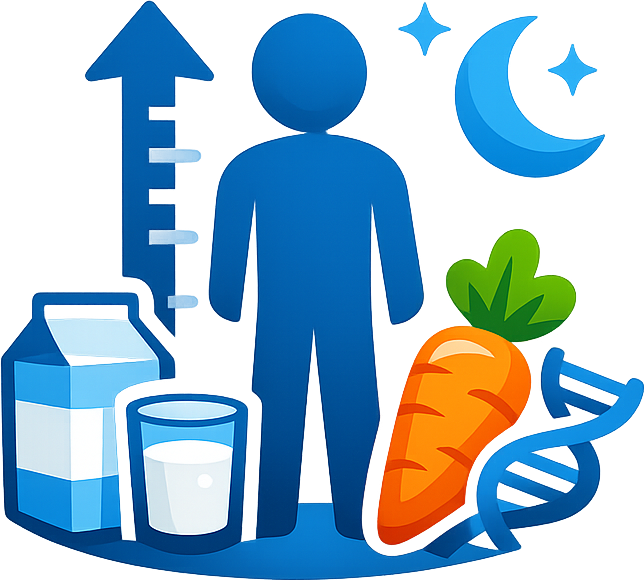
Orange juice will not make you taller on its own, and no single food or drink can. Height is driven by genetics, growth hormones, and whether your growth plates are still open, not by any one item in your glass. If you wonder what fruit makes you grow taller, the key takeaway is that fruit can support growth only by helping you meet overall nutrition needs.
Does Orange Juice Help You Grow Taller? Evidence and Tips

Marcus Reeves
17 Jun 2026

That said, orange juice does contain nutrients, particularly vitamin C, that support the normal biological processes behind bone development. If someone is genuinely deficient in those nutrients during a critical growth window, correcting that deficiency can help the body reach its genetic potential. But if you are already well-nourished, drinking more OJ adds nothing to your final height.
What actually determines how tall you grow
Before looking at orange juice specifically, it helps to understand the real machinery behind height growth, because this context changes everything about how to interpret nutrition claims.
Growth plates: the biological on/off switch
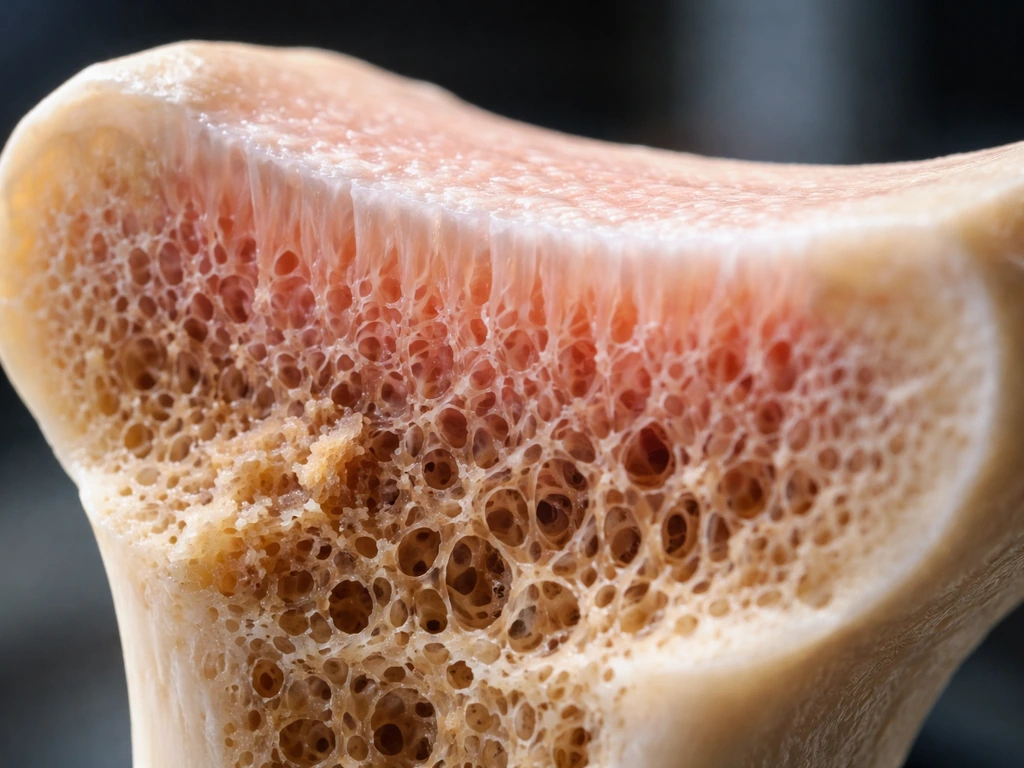
Long bones grow from regions near each end called growth plates, or epiphyseal plates. These are cartilage zones where new bone tissue is produced. As long as growth plates are open, the bones can lengthen. Once they fuse, which typically happens in the late teens for most people, linear growth stops permanently. No food, drink, or exercise can reopen fused growth plates. This is why age matters so much in any conversation about growing taller. In practice, that means grapes or any other single food cannot restart growth plate activity or guarantee that you will grow taller.
Hormones and genetics set the ceiling
Growth hormone (produced by the pituitary gland) and insulin-like growth factor 1 (IGF-1) drive the rate and duration of bone lengthening. Sex hormones, particularly estrogen and testosterone, eventually trigger growth plate fusion. Genetics determine your growth hormone sensitivity, the timing of puberty, and the upper range of your height potential. The Endocrine Society is direct about this: for most causes of short stature, there is no specific food, diet, or exercise that will improve growth. When a child does have a growth hormone deficiency, medical treatment, not diet, is what allows them to reach a normal adult height.
Where nutrition fits in
Nutrition is not irrelevant, but its role is more of a floor than a ceiling. Adequate calories, protein, and micronutrients are required for the body to express its genetic height potential. WHO research on micronutrients confirms that insufficient micronutrient intake can impair normal growth and development. Think of it this way: good nutrition removes obstacles to growth; it does not push height beyond what genes and hormones allow.
If you’re asking whether almonds can raise height, the evidence is limited, but they can support overall nutrition when they help you meet calories, protein, and key micronutrients good nutrition removes obstacles to growth. Multiple micronutrients, including zinc, vitamin A, and protein, have shown meaningful effects on linear growth in deficient populations. Single nutrients in already-sufficient people almost never do.
What orange juice actually contains
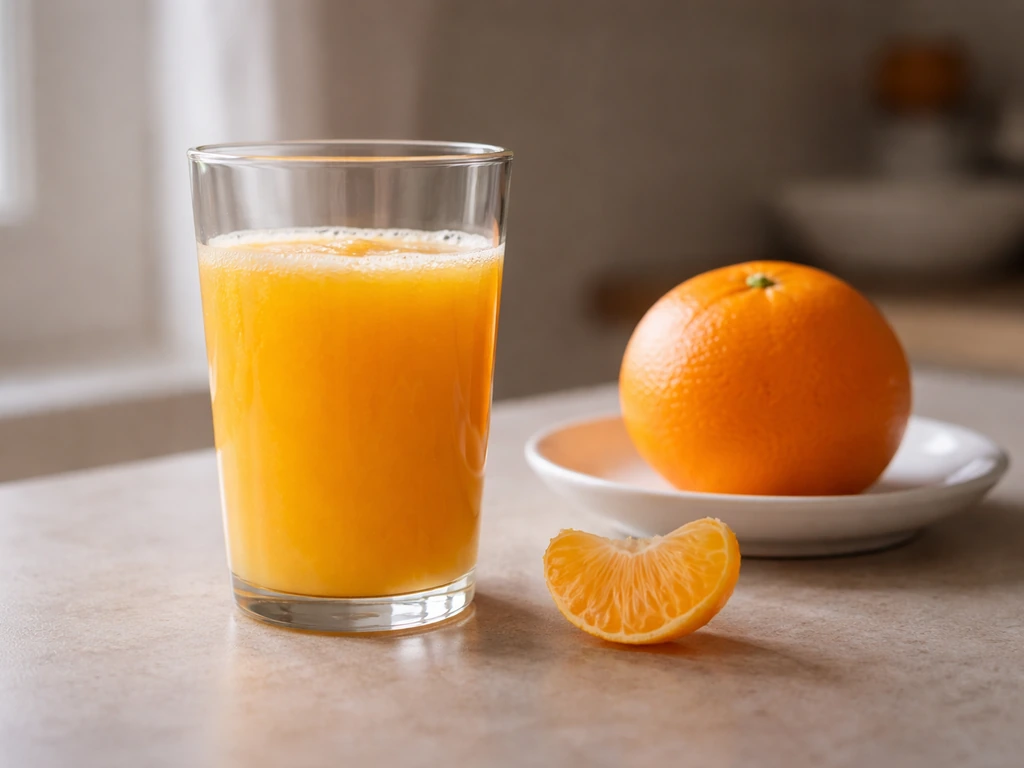
A standard cup (about 240 mL) of raw orange juice provides roughly 124 mg of vitamin C, 74 mcg of folate, and 496 mg of potassium. Commercial versions like fortified Minute Maid deliver around 72 mg of vitamin C per 8 oz serving, and some products add vitamin D3. There is no meaningful protein, calcium, or zinc in orange juice, which are all nutrients more directly tied to bone growth than vitamin C is.
Vitamin C's specific role in bone
Vitamin C is a cofactor for enzymes that stabilize collagen, the structural protein in bone matrix. Without adequate vitamin C, collagen formation breaks down, and in severe deficiency (scurvy), children can develop impaired bone growth, bone pain, and characteristic changes visible at the growth plate junction on X-ray. Vitamin C also enhances the absorption of non-heme iron, which matters because iron deficiency can independently impair growth. One controlled study found that increasing vitamin C intake raised non-heme iron absorption from 0.8% to 7.1%, and systematic review evidence supports that ascorbic acid meaningfully improves iron biomarker status over time.
The sugar and calorie side of the equation
Orange juice is a relatively calorie-dense liquid with natural sugars and no fiber compared to eating a whole orange. A cup contains roughly 110 calories and 20 to 25 grams of sugar. For a growing child with a good appetite, that is not alarming in small amounts, but drinking large quantities displaces food with more protein, calcium, and zinc, the nutrients that matter more for bone growth. Excess juice consumption can also contribute to dental erosion and, in some children, excess caloric intake.
What the research actually shows
Here is where it is important to be honest about what the science does and does not tell us. There is solid mechanistic evidence that vitamin C deficiency harms bone development in growing children. Scurvy disrupts collagen at the growth plate, and case reports document that children with severely restricted diets (such as some with neurodevelopmental conditions) can develop scurvy within two to three months of near-zero vitamin C intake. Correcting that deficiency matters.
However, there is no credible evidence that consuming more vitamin C than you need pushes height beyond your genetic range. That same idea applies to kiwi too: getting vitamin C is helpful when you are deficient, but it will not make you grow taller than your genetic range does kiwi help you grow taller. The NIH Office of Dietary Supplements is clear that vitamin C cannot be stored in the body, so daily adequacy is the goal, not accumulation.
Some observational studies have looked at orange juice intake and anthropometric measures in children and found associations, but observational data in nutrition research is routinely confounded by overall diet quality. Children who drink moderate amounts of 100% juice often have better overall diets, which is the more likely driver of any height associations.
A broader meta-analysis of nutritional interventions found that zinc, vitamin A, and protein-containing interventions produced statistically significant improvements in linear growth in deficient populations, while single-nutrient interventions without a pre-existing deficiency rarely did the same.
Who might actually benefit, and who probably won't
| Who | Situation | Does OJ help with height? |
|---|---|---|
| Young children (under 10) in low-variety diets | Risk of vitamin C or iron deficiency; growth plates wide open | Possibly, by correcting deficiency that was limiting growth |
| Older children and teens with good diets | Adequate nutrition, growth plates still open | Unlikely to add height beyond what diet already provides |
| Teens near the end of puberty | Growth plates closing or nearly fused | No meaningful effect on final height |
| Adults (growth plates fused) | Linear growth is biologically over | No effect on height whatsoever |
| Children in food-insecure settings | Multiple micronutrient gaps, active growth window | Vitamin C from OJ could support overall diet quality alongside other interventions |
The honest summary is this: if a growing child has a restrictive diet and is not getting enough vitamin C, adding orange juice could help the body function more normally, which supports reaching genetic height potential. That is a deficiency-correction effect, not a height-boosting effect. For well-nourished kids and virtually all adults, orange juice adds no height benefit at all. For most people, the real height limits come from growth plates, hormones, and genetics, not from drinking apple juice or apples.
What actually works: evidence-based ways to maximize height potential
If you are serious about supporting height growth, especially for a child still in their growth window, these are the habits with the clearest evidence behind them. Orange juice can be part of a healthy diet, but it is a minor supporting player, not a lead.
Prioritize total calories and protein

Chronic under-eating is one of the most reliable ways to limit height. The body simply cannot allocate resources to growing bones if it is in an energy deficit. Protein is particularly important because it provides the amino acids for IGF-1 production and the structural material for bone matrix. Lean meats, eggs, dairy, legumes, and fish are all strong sources. Getting enough total food each day matters more than any single beverage.
Calcium and vitamin D are the real bone nutrients
Calcium is the primary mineral in bone, and vitamin D is required for calcium absorption. Dairy products, fortified plant milks, leafy greens, and fish with bones are the best calcium sources. Sunlight exposure and vitamin D-rich or fortified foods cover vitamin D needs for most people. It is worth noting that randomized trials have not consistently shown vitamin D supplementation increases height-for-age z-scores even in deficient children, which reinforces the broader point: individual nutrients correct deficiencies, they do not reliably generate extra height beyond baseline.
Sleep is non-negotiable
The majority of growth hormone release happens during deep sleep. Consistently short or poor-quality sleep is one of the clearest modifiable threats to growth hormone secretion during childhood and adolescence. School-age children need 9 to 12 hours and teens need 8 to 10 hours per night. This is genuinely one of the most powerful levers available for supporting normal growth in young people.
Exercise: load the bones appropriately
Weight-bearing and resistance exercise stimulates bone remodeling and healthy IGF-1 levels. Activities like running, jumping, basketball, gymnastics, and resistance training are all appropriate for growing children and teens. There is no credible evidence that specific exercises can override genetics, but physical activity is a consistent part of normal healthy development and supports the hormonal environment that allows growth to proceed normally.
Eat a varied, micronutrient-complete diet
Zinc stands out from the research as a micronutrient where deficiency reliably impairs linear growth and supplementation in deficient children produces measurable height gains. Walnuts are also a useful source of zinc, so they can help cover micronutrient gaps that may limit healthy linear growth. Vitamin A, iron, and iodine are similarly linked to growth in deficient populations. The practical implication is that diet variety, not any single food, is the most reliable way to cover your micronutrient bases. Fruits including oranges, apples, kiwi, bananas, and grapes each contribute different micronutrient profiles, and eating a range of whole fruits is a smarter approach than relying heavily on juice from one source.
Avoid things that impair growth
- Chronic sleep deprivation: suppresses growth hormone release
- Severe caloric restriction or disordered eating: starves bone growth of the energy and protein it needs
- Excessive alcohol (in teens): disrupts hormonal signaling and bone metabolism
- Smoking: negatively affects bone density and growth-related hormone levels
- Extreme, high-volume endurance training in young athletes: can disrupt hormone levels and delay puberty if energy availability is insufficient
How much orange juice is reasonable, and when to be cautious

The American Academy of Pediatrics recommends limiting 100% fruit juice to 4 to 6 oz per day for children ages 1 to 6, and 8 to 12 oz per day for ages 7 to 18. Children under 12 months should not have juice at all. These limits exist because juice delivers sugar and calories without the fiber of whole fruit, and large amounts can crowd out more nutritious foods and contribute to dental erosion. The American Academy of Pediatric Dentistry reinforces this with similar guidance, specifically noting that juice is not recommended for under-ones and should stay around 4 oz for toddlers.
If you want the vitamin C benefit of orange juice, eating a whole orange is genuinely better. You get the same vitamin C (around 70 mg per medium orange), plus fiber that slows sugar absorption and keeps you fuller. For people who enjoy juice, keeping it to a small 4 to 6 oz glass alongside a meal is a reasonable approach. Drinking multiple large glasses per day adds sugar load and crowds out milk, water, and actual food, which is counterproductive to the goal of supporting growth.
One last practical note: if you are concerned about a child's growth, the right move is a conversation with a pediatrician, not a dietary overhaul centered on orange juice. Growth that is genuinely slower than expected often has an underlying endocrine or medical cause that requires evaluation, not a specific food fix. No amount of vitamin C addresses a growth hormone deficiency or premature growth plate closure. This same principle applies to questions like whether bananas make you grow taller do bananas make you grow taller. Getting those answers early is always the more useful investment.
FAQ
How much orange juice is safe if I’m trying to support a child’s growth?
If you choose juice, keep it within pediatric limits (typically 4 to 6 oz daily for ages 1 to 6, and 8 to 12 oz daily for ages 7 to 18), and serve it with meals rather than between meals. This reduces the odds that juice crowds out protein-, calcium-, and zinc-rich foods and lowers the risk of dental issues.
Will vitamin C supplements help more than orange juice for height?
Not for “extra height.” Vitamin C helps when you are deficient, but once needs are met, additional vitamin C does not push growth beyond genetic potential. Supplements can still be reasonable for correcting a documented deficiency or poor dietary intake, but they should not replace getting enough protein, calories, zinc, calcium, and vitamin D.
Can orange juice help if my child seems short for their age?
It might help only indirectly, by correcting an inadequate overall diet or a specific nutrient shortfall, like low vitamin C intake. If height velocity is slow or growth has dropped across percentiles, the better first step is a pediatric evaluation, because endocrine problems or medical causes cannot be fixed by vitamin C or juice.
Does orange juice work differently for teens versus younger kids?
Yes, mainly because the growth plate stage matters. Younger children are more likely to still have open growth plates, so deficiency correction can matter. In most teens, growth plates are near fusion, so no diet change, including orange juice, can reopen them or reliably increase final height.
Is “100% orange juice” always better than orange-flavored drinks or juice cocktails?
Yes for sugar quality, but not for height. 100% juice has less added sugar than many juice drinks, yet it still delivers sugar and calories without the fiber of whole oranges. For growth support, whole food patterns (protein, calcium, zinc, total calories) matter more than choosing one orange product over another.
What’s the bigger concern with orange juice, sugar or micronutrients?
Both, but sugar load is the practical issue when juice replaces more nutrient-dense foods. Orange juice has vitamin C, but it lacks protein, zinc, and much calcium, so heavy juice drinking can indirectly reduce intake of the nutrients most tied to linear growth.
If I eat oranges instead of drinking juice, will it change the height outcome?
It can improve diet quality even if it does not directly boost height. Whole oranges provide similar vitamin C plus fiber, which slows sugar absorption and helps children feel full, making it easier to maintain adequate protein and overall calories that support growth.
Does drinking orange juice before bed affect growth hormone release?
There is no evidence that orange juice timing triggers growth hormone in a way that changes height outcomes. Since most growth hormone release is linked to deep sleep, protecting sleep duration and quality is the more evidence-backed timing strategy.
What signs suggest a nutrient deficiency instead of a height problem that needs medical care?
Nutrient deficiency signs include very limited food variety, poor appetite with weight gain failure, dietary restrictions, or symptoms consistent with micronutrient lack (for example, signs of iron deficiency or signs of inadequate vitamin C intake). Even then, if growth is clearly slower than expected, you still need clinician input rather than relying on juice.
Can orange juice make adults taller?
No. After growth plates fuse, linear height growth stops permanently. Orange juice may support general nutrition, but it cannot increase height in adults.
Next Article
Do Apples Help You Grow Taller? What Science Says
Learn if apples can make you taller and what truly affects growth: nutrition, sleep, vitamin D, calcium, and timing.