
Apples will not make you taller. They are a genuinely healthy food, but there is no specific food, apple included, that triggers height gain on its own. Height is controlled by genetics, hormones, and the overall nutritional environment your body operates in during the years your growth plates are still open. If you are a child or teenager who is not eating enough or missing key nutrients, fixing your diet can help you reach your genetic height ceiling. But eating extra apples when you are already well-nourished will not add a single centimeter, and once your growth plates close in late adolescence, no food changes your skeletal height at all.
Do Apples Help You Grow Taller? What Science Says

Marcus Reeves
11 Jun 2026

Why people connect apples to height in the first place
The question makes sense on the surface. You grow up hearing "an apple a day keeps the doctor away" and you know that diet influences development, so it is reasonable to wonder whether a specific fruit might help. The deeper logic usually goes: apples are healthy, healthy eating supports growth, therefore apples support growth. That chain is not completely wrong, but it skips an important step. Apples contribute some calories, fiber, potassium, and a modest amount of vitamin C. What they do not meaningfully provide are the nutrients most tightly linked to bone growth: protein, calcium, vitamin D, and zinc. A medium apple (about 182 g) delivers roughly 95 calories, 0.5 g of protein (about 1% of daily needs), and only about 11 mg of calcium (around 1% of the daily value). For context, a growing teenager needs 1,300 mg of calcium per day. Apples are nutritionally real but they are not a growth-specific food in any meaningful sense.
The other reason the apple question comes up is that people searching for height answers are often in a stage of genuine curiosity or mild anxiety about growth, either for themselves or for a child. That is worth taking seriously, because the underlying question, "am I doing everything I can to support normal growth?" is a good one. Apples just are not the answer to it.
How height growth actually works

Height is determined by what happens at the growth plates, areas of cartilage near the ends of your long bones. During childhood and adolescence, growth hormone stimulates the liver to produce IGF-1 (insulin-like growth factor 1), which drives the growth plates to produce new bone tissue. This process gradually adds length to the femur, tibia, humerus, and spine. At some point during puberty, sex hormones cause the growth plates to harden and fuse. Once that happens, typically in the late teens, linear skeletal growth stops entirely.
This system is regulated by physiology, not by any single food. The Endocrine Society is explicit on this point: there is no specific food, diet, or exercise that improves growth in general. What can disrupt normal growth is an underlying medical problem (thyroid disease, celiac disease, growth hormone deficiency) or sustained nutritional deprivation. Treating those problems can restore normal growth velocity. But in an otherwise healthy, adequately nourished child, there is no nutritional "hack" that pushes growth above its genetic set point.
Nutrition does matter, but not the way most people think
Here is the nuanced version: nutrition matters enormously for reaching your height potential, but the effect is about preventing deficiency rather than adding height on top of what genetics allows. Stunting, the chronic shortfall in height seen in populations with inadequate nutrition, is a real and well-documented phenomenon. WHO data links micronutrient-poor diets and inadequate energy intake to growth faltering in children globally. A double-blind randomized trial found that micronutrient-fortified milk improved height gain in children ages 1 to 4 by about 0.51 cm per year compared to a control group. That is a meaningful effect, but it reflects correcting a deficient environment, not boosting a child who is already well-nourished.
The nutrients with the strongest direct link to skeletal growth are calcium, vitamin D, protein, zinc, and total energy intake. Calcium and vitamin D are particularly important during the adolescent growth spurt (ages 9 to 18), when the skeleton is mineralizing rapidly and calcium needs jump to 1,300 mg per day. NIH data from NHANES shows that a high proportion of children ages 4 to 18 already fall short of calcium requirements from food and supplements. NIH ODS calcium fact sheet summarizes NHANES findings showing that many children ages 4, 18 do not meet calcium requirements and notes that calcium deficiency can contribute to rickets with impaired growth cartilage mineralization that can be irreversible in children blank" rel="noopener noreferrer">a high proportion of children ages 4 to 18 already fall short of calcium requirements from food and supplements. Vitamin D improves calcium absorption, which is why the two are often discussed together in the context of bone growth. Protein provides the amino acid building blocks for new tissue. These are the variables that move the needle. Apples contribute almost none of them in meaningful amounts. Orange juice is just another fruit-based source of calories and micronutrients, but it still does not contain the nutrients that directly drive bone growth like calcium, vitamin D, protein, and zinc.
Age is everything: growth windows and their limits
Whether nutrition can influence your height at all depends almost entirely on where you are in the growth timeline.
| Life stage | Growth plates | Can nutrition affect height? | What actually helps |
|---|---|---|---|
| Childhood (roughly 2–9 years) | Open and active | Yes, if deficiency is present | Adequate calories, protein, calcium, vitamin D, zinc |
| Adolescence (roughly 9–17 years) | Open but narrowing | Yes, especially during the growth spurt | Same nutrients, plus consistent sleep and activity |
| Late teens (girls ~16–17, boys ~18–19) | Closing or fused | Minimal to none | Posture, core strength, realistic expectations |
| Adulthood | Fully fused | No effect on skeletal height | Posture, spinal decompression exercises, seeing a doctor if concerned |
Clinicians use bone age X-rays of the left hand and wrist to estimate how much growth time a child has remaining. A child whose bone age is younger than their chronological age may have more growing time ahead. A child whose bone age matches or exceeds their chronological age is closer to the end of their growth window. This is why timing matters so much: the same nutritional intervention will have a larger effect on a 9-year-old with open plates than on a 17-year-old whose plates are nearly fused.
Adults sometimes ask whether they can grow taller by improving their diet or trying certain supplements. The honest answer is no, not in any meaningful skeletal way. You might gain a small amount of functional height from better posture or reduced spinal compression, but your bones themselves are not going to lengthen after the growth plates close.
What actually moves the needle on height

If you are a child or teenager still in a growth window, here is what the evidence actually supports:
Sleep: the most underrated growth factor
Growth hormone is secreted in pulses, with the largest pulse occurring during deep sleep, particularly in the first few hours of the night. This is not a minor effect. The AAP recommends 9 to 12 hours of sleep per night for children ages 6 to 12, and 8 to 10 hours for teenagers ages 13 to 18. Chronic short sleep during the growth years is a genuine physiological problem, not just a lifestyle issue. Consistent sleep timing matters too: going to bed at the same time each night supports the hormonal rhythms that regulate growth.
Enough total calories and protein

You cannot grow optimally in a calorie deficit. The body prioritizes basic survival over growth when energy is restricted, and chronically undereating is one of the clearest nutritional causes of growth faltering. Beyond total energy, protein is essential because it supplies the amino acids needed to build new tissue. Clinically, short stature combined with low BMI raises a flag for malnutrition or gastrointestinal issues like celiac disease. For growing children and teens, hitting protein targets through a varied diet that includes meat, fish, eggs, dairy, or well-combined plant proteins is more important than any single fruit.
Calcium and vitamin D
Given that a large share of children and teens are already falling short of calcium, this is a genuinely practical concern. Good calcium sources include dairy products, fortified plant milks, canned fish with bones, tofu set with calcium, and leafy greens. Vitamin D is harder to get from food alone (fatty fish and fortified foods help), and many people, especially those in northern latitudes or who spend little time outdoors, benefit from a supplement. A 12-month randomized trial in preadolescent girls that tested calcium and vitamin D supplementation measured height as an outcome, which reflects how seriously researchers take these nutrients in the context of skeletal development.
Physical activity
Exercise supports healthy growth through several mechanisms: it stimulates growth hormone release, supports bone density, and promotes overall metabolic health. Weight-bearing activities like running, jumping, and sports are particularly relevant for bone health. There is no evidence that specific exercises make you taller than your genetic potential allows, but being physically active during the growth years supports the environment in which normal growth happens.
Posture (the adult version of this conversation)
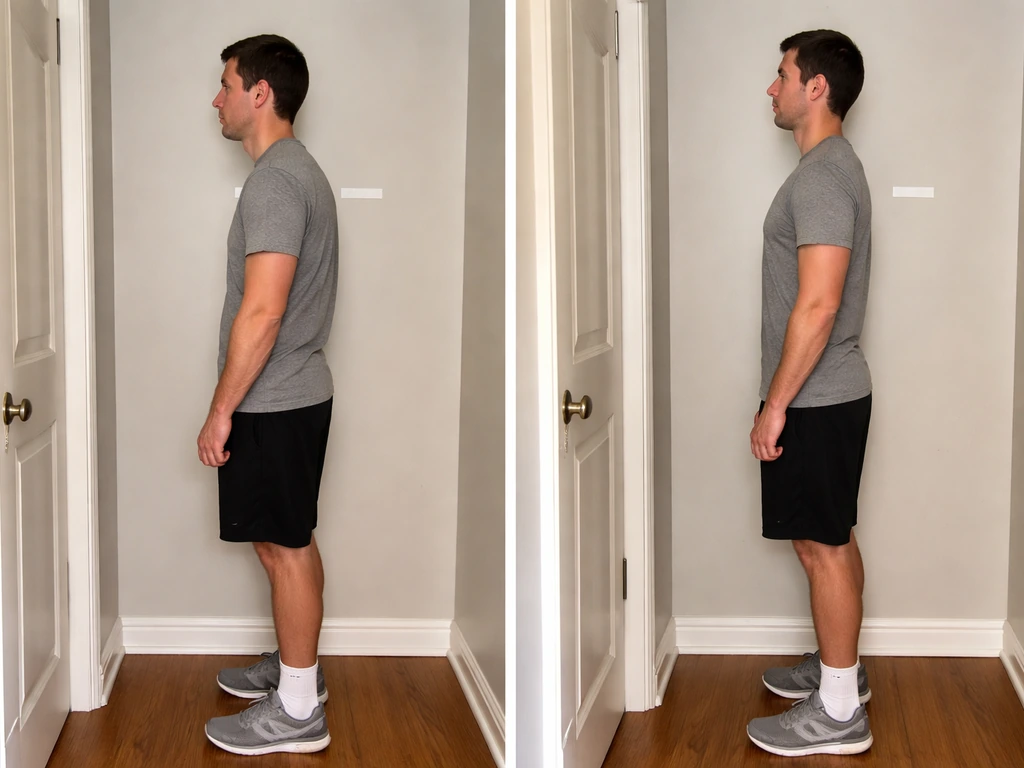
For adults, posture is the most realistic target. Habitual slouching, forward head posture, and thoracic kyphosis can subtract visible height. Strengthening the core, posterior chain, and upper back muscles, and being deliberate about how you sit and stand, can recover some of that lost functional height. It will not change your skeleton, but it can meaningfully affect how tall you appear and how your spine feels.
Putting apples in perspective alongside other foods
Apples are not uniquely valuable for height, but they are not irrelevant to a healthy diet either. Questions similar to this one come up for bananas, grapes, kiwi, walnuts, almonds, and orange juice. The honest answer for all of them is the same: no single fruit or nut specifically causes height gain. Walnuts are healthy, but they are not a growth-specific food that can make you taller. What matters is the overall dietary pattern. Grapes follow the same rule as other fruits: they can be part of a healthy diet, but they do not specifically make you grow taller do grapes help you grow taller. A diet that includes fruit alongside adequate protein, dairy or calcium-rich alternatives, vitamin D sources, whole grains, and sufficient calories gives a growing child the best nutritional environment for reaching their genetic height potential. Fruit plays a supporting role in that picture by contributing micronutrients, fiber, and energy variety. Apples fit into that pattern without being the star of it.
Next steps: what to do today and when to see a doctor
If you are a parent concerned about a child's growth
- Track height every three to six months and plot it on a WHO or CDC growth chart. Consistent tracking reveals growth velocity, which is more meaningful than a single measurement.
- A normal growth rate in childhood is at least about 2 inches (roughly 5 cm) per year. Growth velocity below about 4 to 5 cm per year is a threshold that warrants a conversation with a pediatrician.
- Focus the diet on the nutrients that matter: calcium (1,000 mg/day for ages 4 to 8, 1,300 mg/day for ages 9 to 18), adequate protein, and vitamin D.
- Protect sleep. Nine to twelve hours for school-age children is a real recommendation from the AAP, not a suggestion.
- See a doctor if your child is below the 3rd percentile for height, if their growth velocity has slowed noticeably, or if you notice other symptoms (fatigue, digestive problems, delayed puberty). A basic workup can include blood tests for thyroid function, celiac disease, IGF-1, and a bone age X-ray.
If you are a teenager still growing
- Do not restrict calories. Under-eating during the growth spurt is one of the most effective ways to leave height on the table.
- Hit calcium and protein targets consistently. If you are dairy-free, be intentional about finding calcium from other sources.
- Get outside for sun exposure or discuss vitamin D supplementation with a doctor, especially in winter months.
- Sleep eight to ten hours, and take it seriously. This is when growth hormone does its work.
- If you have concerns about your growth pace, ask your doctor about a bone age X-ray. It will give you a concrete sense of how much growing time you likely have left.
If you are an adult
Diet changes, including eating more apples, will not increase your skeletal height. What you can do is optimize posture through targeted exercises, maintain bone density through calcium, vitamin D, and weight-bearing activity (which protects against the gradual height loss that comes with age), and see a doctor if you have had an unexplained significant height loss, which can sometimes signal vertebral compression fractures or other medical issues worth addressing.
Setting realistic expectations
Genetics accounts for roughly 60 to 80 percent of your final height. Nutrition, sleep, and health during the growth years influence the remaining portion. The goal of all the evidence-based habits above is to get as close as possible to the height your genes allow, not to exceed it. If you do all of these things well during the growth window, you will likely hit that ceiling. If you do not, you might fall short of it. Eating apples is a fine part of a healthy diet, but the ceiling is set by biology, not by any specific food.
FAQ
How many apples would I need to actually grow taller, if it were possible?
No amount. Even if apples add calories and fiber, they do not provide enough of the nutrients most directly tied to bone growth (protein, calcium, vitamin D, and zinc). For height, the issue is correcting nutrient gaps and energy deficit, not increasing a single fruit beyond normal serving sizes.
If apples do not help, what should I prioritize in a teen’s diet for height potential?
Prioritize consistent total energy (no chronic dieting), adequate protein across the day, and enough calcium plus vitamin D. If you routinely miss dairy or fortified foods, that is where you are most likely falling short, so planning around fortified milk or calcium-set tofu, plus a vitamin D strategy, often matters more than adding fruit.
Could eating apples help if my child is undernourished?
Apples alone are unlikely to fix undernutrition because they have relatively little protein, calcium, and vitamin D. If weight gain, energy intake, or nutrient adequacy is the problem, a more comprehensive approach is needed, and clinicians may also evaluate for causes like celiac disease or other gastrointestinal issues.
What about calcium in apples, does it meaningfully support height?
The calcium in apples is small and not enough to meet the daily calcium target for growing kids and teens. Calcium typically needs to come from dairy, fortified plant milks, canned fish with bones, calcium-set tofu, and some leafy greens, with vitamin D helping your body absorb calcium.
Do height supplements or “growth” gummies that include fruit extracts work?
Most do not increase skeletal height if your growth plates are already near closure or if basic nutrition is already adequate. Supplements are most useful when there is a specific deficiency or medical issue, so check protein, calcium, vitamin D intake, and sleep first, and discuss supplements with a clinician if you suspect a deficiency.
At what age should we worry about growth concerns instead of focusing on diet tweaks?
If growth is noticeably slowing, height is far below peers, or there has been significant height loss, it is worth medical evaluation. Bone age (often via an X-ray of the hand/wrist) can clarify how much growth time may remain, which helps decide whether nutrition changes are likely to make any difference.
My child eats well but still seems short, what are common medical or lifestyle causes?
Common causes to consider include insufficient total calories, low protein intake, poor sleep, or underlying conditions that affect absorption or growth (for example, thyroid issues or celiac disease). A doctor may review growth charts, puberty timing, BMI trends, and sometimes labs rather than attributing it to a lack of apples.
Can I grow taller as an adult by fixing my diet and taking vitamins?
Diet changes cannot lengthen bones after growth plates close. You may see small changes in measured height from improved posture or reduced spinal compression, but supplementation will not add true skeletal height unless there is a separate deficiency affecting bone health.
Could “functional height” improve even if bones cannot grow?
Yes. Better posture, core and upper-back strengthening, and reducing slouching can make you look taller and may relieve discomfort. This improves how you stand, not your bone length, and it is especially relevant if you have kyphosis or forward head posture.
How can I tell whether my child’s diet is missing what’s needed for growth?
Look beyond fruit: ask whether your child consistently gets protein at meals, whether calcium sources are daily (dairy or fortified alternatives), and whether vitamin D is addressed through food plus sunlight exposure or supplements when appropriate. If you notice low BMI, fatigue, gastrointestinal symptoms, or inconsistent meal intake, consider a clinician’s assessment rather than adding more fruit.
Does exercise help with height, or is it only for posture and fitness?
Exercise supports growth-related physiology in children and teens by promoting bone health and healthy hormonal rhythms, but it will not exceed genetic height potential. Weight-bearing, regular activity is helpful for bone density, which can also reduce age-related height loss.
Next Article
Do Grapes Help You Grow Taller? What the Evidence Says
Find out if grapes make you taller, what drives height growth, and the habits and nutrients that matter by age.