
Kiwi won't make you taller. No single fruit will. But kiwi is genuinely one of the better foods to include in a growth-supportive diet, because it delivers a concentrated dose of vitamin C, folate, and potassium that help your body build and maintain the tissues involved in normal growth. The catch is that 'supports healthy growth' and 'increases your height' are two very different claims, and the research only backs the first one.
Does Kiwi Help You Grow Taller? Evidence and Tips

Marcus Reeves
22 May 2026
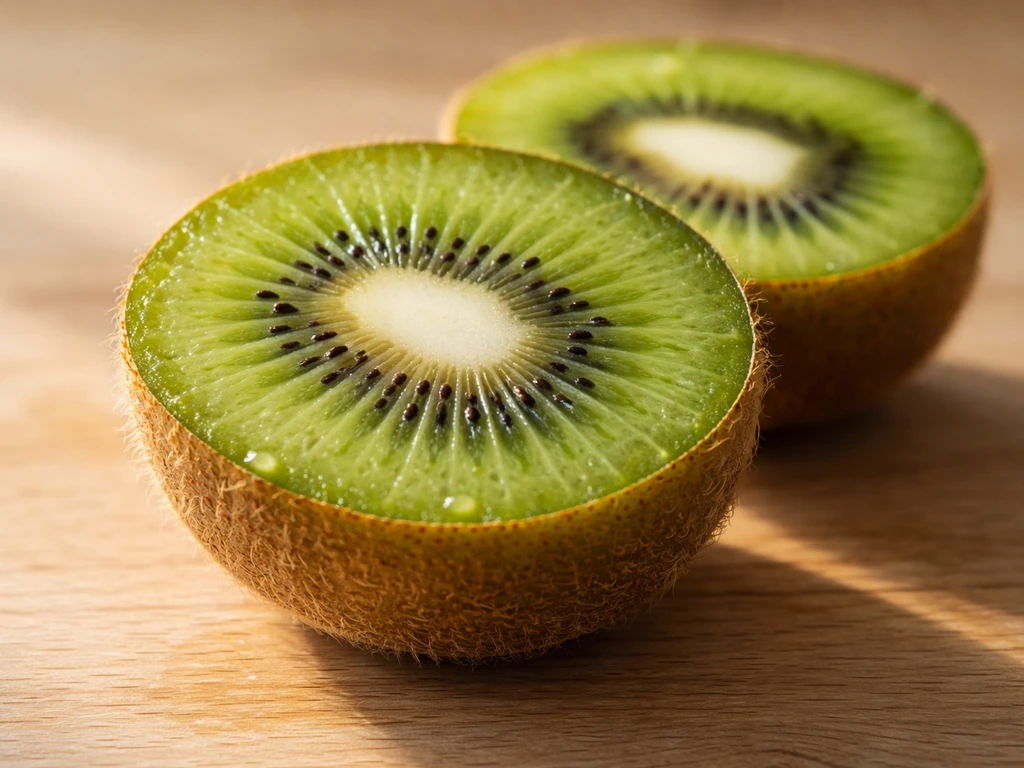
Does kiwi actually affect how tall you grow?
The honest answer is: not directly, and not in any measurable way on its own. I searched the literature for human clinical trials or cohort studies that measured kiwifruit intake and reported actual height gains in children or teens. None exist. What does exist is mechanistic evidence that vitamin C, one of kiwi's headline nutrients, plays a real role in collagen biosynthesis and bone tissue formation.
Severe vitamin C deficiency (scurvy) can genuinely impair bone growth in children because collagen is the scaffolding that bones and connective tissues depend on. But scurvy is rare in developed countries today, meaning most kids eating a remotely reasonable diet are not operating in the deficiency range where correcting intake would change their height trajectory. If you are already meeting your vitamin C needs, eating more kiwi will not push your growth plates to close later or produce extra centimeters.
Observational data does show that better overall diet quality and higher fruit and vegetable intake are associated with better height-for-age outcomes in children. A longitudinal study found associations between fruit and vegetable patterns in preschool years and height at school entry, and NHANES-based analyses link dietary adequacy to standardized height-for-age. But these findings point to diet quality broadly, not kiwi specifically, and association is not causation. The takeaway is that kiwi is a useful piece of a well-rounded diet, which in turn supports the conditions your body needs to reach its genetic height potential.
How height actually works: growth plates, hormones, and the age cutoff that matters most
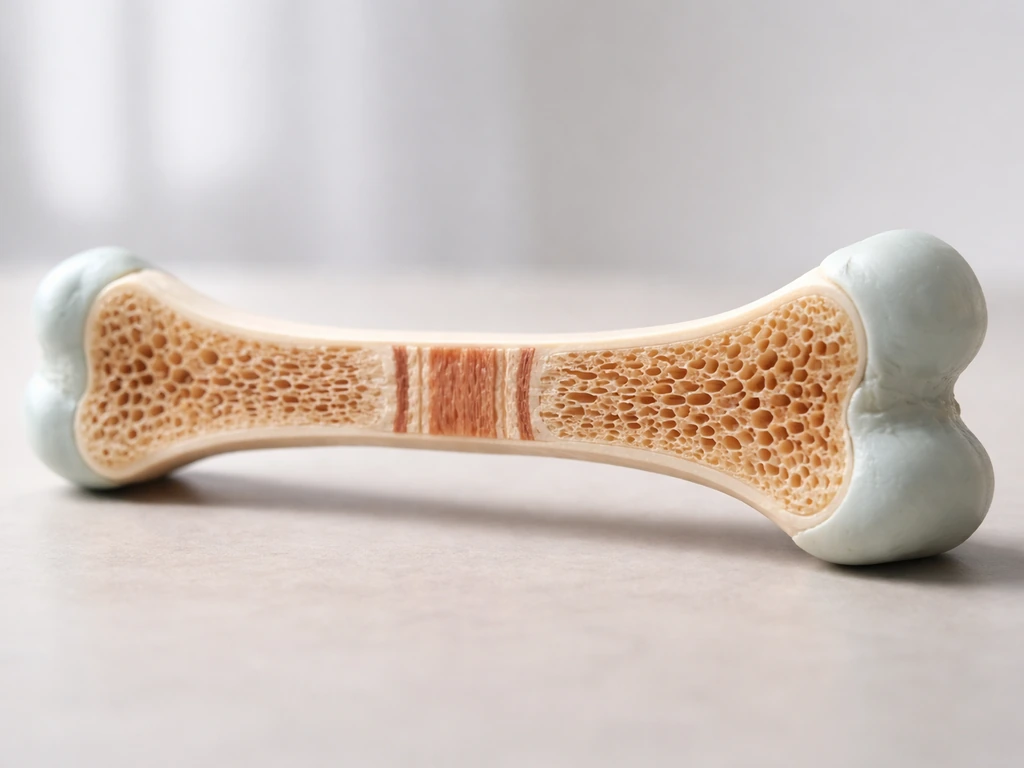
Linear growth happens at the growth plates, which are zones of cartilage near the ends of your long bones (femur, tibia, humerus, and others). Cartilage cells in these plates multiply, get replaced by bone tissue, and that process physically lengthens your bones. The whole system is regulated primarily by growth hormone (secreted by the pituitary gland), which stimulates the liver to produce insulin-like growth factor 1 (IGF-1), the direct driver of growth plate activity. Thyroid hormone and sex steroids (estrogen and testosterone) also play major roles, especially during puberty.
The age limit piece is critical. At the end of puberty, rising sex hormone levels cause the growth plates to mineralize and fuse, a process called epiphyseal closure. Once the plates are fused, no amount of nutrition, exercise, or supplementation can make your bones grow longer. For most girls, plates close between ages 14 and 16. For most boys, it is typically 16 to 18, though some individuals close as late as 20 or 21. Before closure, nutrition genuinely matters because deficits can slow growth velocity. After closure, the conversation shifts entirely to posture, spinal health, and medical evaluation if there is a real concern.
What's actually in kiwi, and which nutrients are relevant to growth
One medium kiwi (without skin, roughly 76 g) delivers about 70 mg of vitamin C, 19 mcg of folate, and 237 mg of potassium. That single fruit covers roughly 75 to 90 percent of the daily vitamin C RDA for a school-age child, depending on their age group. The green variety and the SunGold variety differ slightly in nutrient density, but both are strong vitamin C sources. Here is how those nutrients connect to growth biology:
- Vitamin C: essential for collagen synthesis, which is the structural protein in bone matrix, cartilage, tendons, and skin. Deficiency weakens all of these tissues and can slow bone growth in children.
- Folate: needed for DNA synthesis and cell division, both of which are happening constantly at active growth plates.
- Potassium: supports normal muscle and nerve function; indirectly relevant to overall body composition and cellular health.
- Antioxidants (including vitamin C itself): help reduce oxidative stress, which can otherwise impair normal cellular processes including those in growing bone tissue.
None of these nutrients, in amounts above adequacy, have been shown to produce extra height. They function more like prerequisites: your body needs them to run normal growth processes. Getting enough is essential; getting extra does not accelerate the process beyond what your genetics and hormones allow.
What the research can and can't tell us about fruit, supplements, and height

Nutrition intervention research on height is actually pretty interesting, and it is worth understanding what it does and does not show. Systematic reviews of micronutrient interventions in children under 18 find that multiple micronutrient combinations can improve linear growth, but the effects are most consistent when correcting specific deficiencies, particularly in stunting contexts in low- and middle-income countries.
Systematic reviews and meta-analyses of micronutrient interventions report improved linear and possibly ponderal growth with multiple micronutrients, whereas vitamin A or iron interventions alone do not show the same growth benefits [multiple micronutrient combinations can improve linear growth](https://pubmed. ncbi. nlm. nih.
gov/15465753/). A well-designed zinc supplementation RCT in school-age children showed that zinc can meaningfully improve linear growth in children who are deficient. The same pattern holds across the literature: the measurable height benefit comes from fixing a deficit, not from adding nutrients on top of adequacy.
No equivalent trial exists for kiwi or for vitamin C as a height-increasing intervention in well-nourished children. This also means the idea behind questions like do bananas make you grow taller is really about whether any single fruit can override growth biology, and the answer is usually no. Mechanistically, you can build a plausible story (vitamin C supports collagen, collagen supports bone growth, therefore kiwi supports growth), and that story is not wrong, but it stops well short of proving that adding kiwi to an already-adequate diet produces measurable centimeters.
If you are wondering about other fruits like grapes, the same rule generally applies: they can support health, but they cannot override growth-plate timing or your genetics grapes help you grow taller. The honest scientific position is: kiwi helps prevent the kind of deficiency that could hold growth back, but it does not push height beyond what your biology has already set in motion.
The same is true for almonds: they do not have evidence showing they help you grow taller in well-nourished children or teens do almonds help you grow taller.
This same logic applies to other fruits that come up in similar questions. Bananas, apples, grapes, and oranges all contribute micronutrients that support overall health and help fill potential gaps, but none of them have a direct, proven height-boosting effect either. Do bananas make you grow taller? The evidence suggests they support general nutrition but do not directly increase height Bananas, apples, grapes, and oranges. Variety across fruit types is actually more useful than stacking one fruit heavily, because different fruits cover different nutritional gaps.
How to use kiwi practically in a height-support diet
If you are trying to optimize nutrition for a growing child or teen (or for yourself, if your plates are not yet fused), kiwi earns its place but needs to be part of a bigger picture. The most important nutritional drivers of height potential are total calories, protein, calcium, vitamin D, and zinc. Kiwi contributes meaningfully to micronutrient coverage but cannot substitute for those foundations.
| Nutrient | Why it matters for growth | Better sources than kiwi alone |
|---|---|---|
| Total calories | Supports energy for growth; deficits directly suppress growth hormone signaling | Balanced meals with whole grains, healthy fats, lean protein |
| Protein | Provides amino acids for bone matrix, muscle, and IGF-1 production | Meat, fish, eggs, legumes, dairy |
| Calcium | Primary mineral in bone tissue; low intake limits bone density and length | Dairy, fortified plant milks, leafy greens, canned fish with bones |
| Vitamin D | Regulates calcium absorption; deficiency is a documented cause of poor bone growth | Sunlight, fatty fish, fortified foods, supplements if indicated |
| Zinc | Directly involved in growth plate cell division; deficiency slows linear growth | Meat, shellfish, legumes, nuts, seeds |
| Vitamin C | Collagen synthesis, antioxidant support | Kiwi is excellent here; also citrus, bell peppers, strawberries |
| Folate | DNA synthesis at growing cells | Kiwi, leafy greens, legumes, fortified grains |
Practically, one or two kiwis per day is a reasonable way to consistently hit vitamin C targets without needing supplements. Slice them into yogurt with granola for a breakfast that also hits protein and calcium. Blend them into smoothies with milk or a protein source. Add them to a fruit bowl alongside other varieties so you are covering a broader nutrient range. SunGold kiwi tends to be sweeter and lower in acidity, which some kids prefer. The key is consistency over time, not large amounts in a single sitting.
The real levers for height you can actually control
Nutrition is only one piece. If you are serious about optimizing height potential for a growing child or yourself as a teen, these factors carry significantly more weight than any single food choice.
Sleep is probably the most underrated height factor

Growth hormone is secreted primarily during slow-wave (deep) sleep, with the largest pulse happening in the first few hours after falling asleep. Research tracking sleep habits and stature in school-age children has found associations between shorter sleep duration and smaller height. A classic study reported a weak negative association between shorter sleep and height in school-age children associations between shorter sleep duration and smaller height. This is not a subtle effect: consistently poor sleep during active growth years genuinely blunts the growth hormone axis. Children aged 6 to 12 need 9 to 12 hours per night; teenagers need 8 to 10 hours. Getting this right matters more than any specific food.
Physical activity and load-bearing exercise
Weight-bearing activity (running, jumping, resistance training appropriate for age) stimulates bone remodeling and supports the hormonal environment for growth. This does not mean intense training in young children, which can actually stress growth plates negatively. It means regular, age-appropriate physical activity as a baseline habit.
Maintaining a healthy weight
Significant underweight can suppress growth hormone signaling and delay puberty. On the other end, early-onset obesity can accelerate skeletal maturation and actually lead to earlier plate closure, potentially reducing final adult height. Neither extreme is helpful, which is one reason that chasing height through restrictive dieting is counterproductive.
A word on posture
Standing and sitting with better posture can make you appear taller by a centimeter or two because you are fully extending your spine rather than compressing it. That is real and worth doing for health reasons. But it is not growing taller. Posture optimization does not lengthen bones, and it is sometimes oversold as a height hack. Correcting posture is about how much of your existing height you express, not about increasing it.
When to see a doctor about height concerns
Most people searching this question are parents worried about a child's growth, or teens wanting to maximize their own potential. The nutrition advice above applies to both groups. But there are specific signs that warrant a clinical evaluation rather than a dietary tweak.
For children and teens still growing
Pediatric endocrinologists and the Pediatric Endocrine Society use growth velocity and percentile tracking as the primary tools for identifying real growth problems. Key flags include: height consistently below the 3rd percentile (more than 2 standard deviations below the mean for age and sex), a noticeable downward crossing of height percentiles after age 3, or growth velocity below expected ranges (clinically, this can be as specific as falling below certain cm/year thresholds by age band). These patterns suggest something beyond diet is at play: growth hormone deficiency, hypothyroidism, celiac disease, inflammatory bowel disease, or chromosomal conditions are all examples of treatable causes. Adding kiwi or any other food will not resolve these problems, and delaying evaluation can mean missing a window where treatment is most effective.
For adults whose plates are fused
If you are an adult (typically 18 and older, or confirmed by bone age X-ray), your growth plates are closed and your height is set biologically. No food, supplement, or exercise regimen will change that. If you have concerns about height loss (which can happen with age due to spinal compression, disc thinning, or osteoporosis), that is a conversation about bone density, posture, and spinal health with your doctor, not a nutrition optimization problem for growth. Focusing energy on strength, posture, and overall bone health is the productive path forward.
If a child's growth genuinely looks off, the Endocrine Society's guidance is clear: the goal of evaluation is to distinguish treatable medical causes from normal variants. Getting that evaluation early, rather than waiting to see if more fruit helps, is the right call.
FAQ
If a child eats more kiwi, could it speed up growth before puberty?
Only if the child is not already meeting key nutrients. In well-nourished kids, extra kiwi usually won’t measurably accelerate height gain because growth rate is mainly driven by growth plates being active, growth hormone signaling, and overall adequacy (especially calories, protein, calcium, vitamin D, and zinc).
How much kiwi per day is “enough” without overdoing it?
For most growing children, one to two kiwis daily is a practical range to help meet vitamin C targets. There is no evidence that very large intakes boost height, and higher amounts can increase the chance of stomach upset or diarrhea in some kids, especially if they already eat a lot of fiber-rich foods.
Does kiwi help if my child is already eating healthy foods?
It can still support overall nutrition, but it should not be expected to change height trajectory. If the child’s growth velocity and height percentiles are on track, kiwi is unlikely to produce extra centimeters beyond what genetics and hormones already allow.
What if my child is a picky eater and only wants kiwi for fruit, could that be enough?
Kiwi should be treated as one part of fruit variety, not the entire fruit plan. Different fruits contribute different micronutrients, and focusing heavily on one food can leave gaps in the nutrients that matter most for growth, like protein, calcium, vitamin D, and zinc.
Can kiwi or vitamin C supplements replace eating kiwi?
They may help prevent deficiency, but supplements are not a proven height-boosting strategy. Whole kiwi also brings fiber and provides a practical way to consistently reach vitamin C needs. If you consider supplements, it’s best to talk with a clinician, especially for children, to avoid megadoses.
My teen is worried about height loss, is kiwi helpful after growth plates close?
After epiphyseal closure, kiwi cannot increase height. For adults and post-pubertal teens, nutritional value mainly supports bone health, while concerns about height change should shift toward posture, spinal health, and possibly evaluation for bone density or other medical causes.
What signs mean we should stop trying food changes and see a doctor?
If growth looks abnormal, prioritize medical evaluation over dietary tweaks. Red flags include crossing downward across height percentiles after age 3, height persistently very low for age, or slow growth velocity compared with expected ranges. In those cases, the issue is often medical (for example thyroid problems, celiac disease, inflammatory bowel disease, growth hormone deficiency), and kiwi will not fix it.
Does kiwi affect puberty timing or growth plate closure?
There’s no evidence that kiwi alters puberty timing or causes earlier or later growth plate closure. Growth plate closure is more closely tied to sex hormone patterns and overall health, so kiwi’s role is supportive nutrition, not a driver of maturation timing.
Could kiwi upset my child’s stomach and indirectly affect growth?
Some children experience loose stools or discomfort with higher fiber or acidic foods. If kiwi causes frequent gastrointestinal symptoms, it’s better to reduce the amount, try different varieties (some find SunGold easier), and make sure overall intake still supports calories and protein rather than unintentionally reducing total food intake.
What is the best “next step” if I want to use kiwi for growth support?
Treat it as a consistency tool for vitamin C, then audit the bigger growth checklist: adequate total calories, protein, calcium, vitamin D, and zinc, plus sufficient sleep and age-appropriate activity. If growth still seems off, use growth chart and growth velocity information to guide when to seek pediatric endocrinology input.
Next Article
Do Bananas Make You Grow Taller? Science and Nutrition Facts
Find out if bananas affect height, what controls growth, and how nutrition gaps may help without changing genetics