
Sleeping without a pillow does not help you grow taller. Pillow use, or the lack of it, has no effect on the biological process that makes bones longer. Your height is determined by growth plates, growth hormone output, and overall health during your developmental years, none of which are influenced by whether your head rests on a pillow at night. What pillow choice does affect is spinal alignment and comfort, which matters for sleep quality, but that is a very different thing from stimulating bone growth.
Does Sleeping Without a Pillow Help You Grow Taller?

Marcus Reeves
3 Jul 2026

Pillow vs height growth: the direct answer
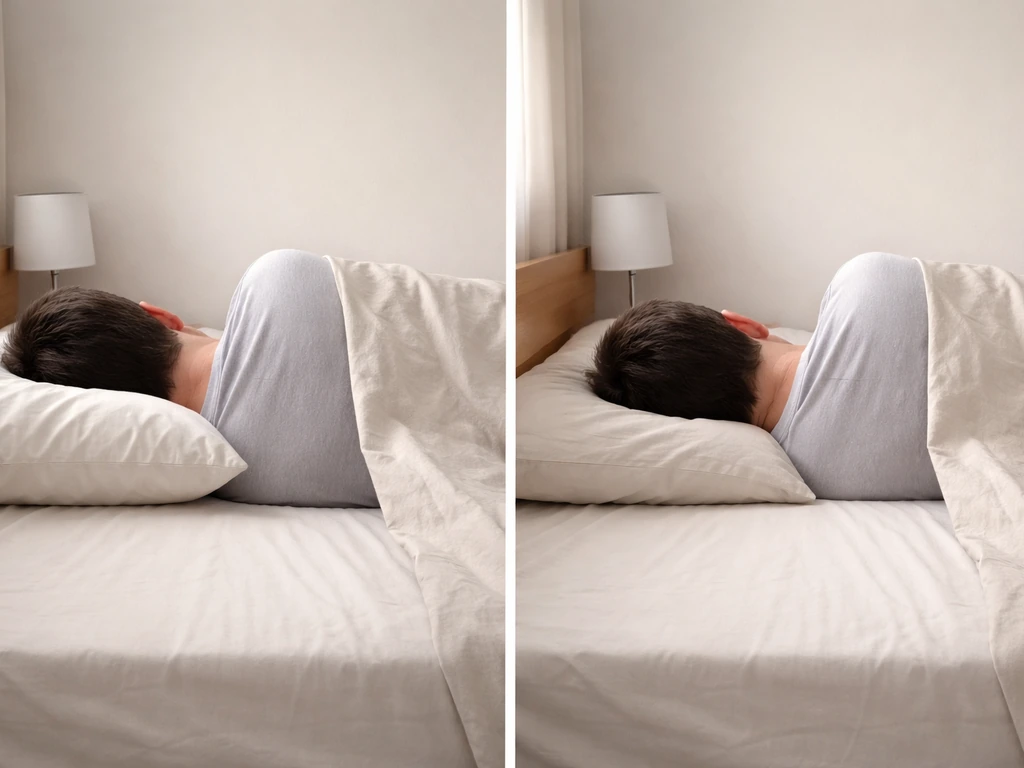
The idea that ditching your pillow could help you grow taller comes from a loose chain of reasoning: no pillow means a flatter spine at night, a flatter spine means better posture, better posture means you look taller. If you are looking for what sleeping position helps you grow, the evidence still points to sleep quality and comfort, not pillow height or going pillow-free. That last part is partially true, poor posture can make you look shorter than you are, and improving it can help you stand at your full height. But looking taller and actually growing taller are completely different things. No credible research connects pillow height (or absence) to growth plate activity, growth hormone levels, or bone lengthening. The Sleep Foundation's pillow guide puts it plainly: pillow decisions are a comfort and pain management issue, not a growth issue.
There is also a practical downside to going pillow-free that cuts against the logic entirely. When you sleep on your back or side without adequate neck support, your cervical spine can fall out of neutral alignment, which increases muscle tension and can disrupt the sleep quality you actually need for growth hormone release. A biomechanics study found that pillow height measurably affects cranio-cervical pressure and spinal alignment, and a separate review found that specific pillow designs can shift waking pain and stiffness scores. In other words, the wrong pillow choice (including no pillow for many sleepers) can make your sleep worse, not better.
How height actually increases: growth plates and hormones
Your bones grow longer at structures called growth plates, also known as epiphyseal plates, which sit near the ends of long bones like the femur and tibia. These are cartilage-based zones where new bone tissue is produced during childhood and adolescence. When stimulated by growth hormone (GH) and its downstream mediator insulin-like growth factor 1 (IGF-1), cells in the growth plate divide and push the bone ends further apart, making you taller. This process is entirely biological and systemic, it responds to hormones circulating in your bloodstream, not to the angle of your spine on a mattress.
Sleep is genuinely important to this process, but not because of position. Because sleeping position affects comfort and sleep quality, it can indirectly support the hormones involved in growth not because of position. Growth hormone is secreted in pulses, and the largest and most reproducible pulse occurs within minutes of entering slow-wave sleep (stage 3 or 4) shortly after you fall asleep. Multiple physiology reviews confirm this tight link between slow-wave sleep and peak GH release. Research also shows that reduced slow-wave sleep in children is associated with an increased risk of short stature. This means that how well and how long you sleep matters a great deal, but it is the depth and duration of sleep that counts, not whether your neck is elevated by a pillow.
Sleep basics for growth: duration, timing, and quality
If you want sleep to support growth as effectively as possible, the levers that actually matter are total sleep time, sleep consistency, and sleep architecture (meaning enough slow-wave sleep). The American Academy of Sleep Medicine, endorsed by the American Academy of Pediatrics and referenced by the CDC, has published recommended sleep ranges by age. These are the targets worth focusing on.
| Age Group | Recommended Sleep Per 24 Hours |
|---|---|
| Infants (4–12 months) | 12–16 hours (including naps) |
| Toddlers (1–2 years) | 11–14 hours (including naps) |
| Preschool (3–5 years) | 10–13 hours (including naps) |
| School age (6–12 years) | 9–12 hours |
| Teens (13–18 years) | 8–10 hours |
| Adults (18+) | 7–9 hours |
Two studies reinforce why hitting these targets matters during development. A large pediatric study found that lower total sleep duration in children ages 5 to 11 was associated with shorter stature. A separate Japanese cohort study found that nighttime sleep duration at 18 months correlated with height at age 3. Neither study examined pillow use, they measured total sleep time. Separately, research on children with obstructive sleep apnea found that disrupted sleep negatively affected linear growth, reinforcing that sleep quality and continuity are what drives the growth benefit, not sleep accessories.
Timing also matters. GH release is both pulsatile and circadian, meaning it follows a daily rhythm that is anchored to when you fall asleep relative to the clock. Staying up late and sleeping in does not cleanly substitute for a consistent bedtime. The NIH recommends using the hour before bed for quiet, low-stimulation activity to make it easier to fall into deep sleep faster, which gets you to that first slow-wave phase sooner.
Body alignment myths: posture, spinal decompression, and looking taller
There are a few related ideas worth separating out clearly. One is spinal decompression: when you lie down, gravity stops compressing the intervertebral discs, and they rehydrate slightly overnight. This is why many people measure a few millimeters taller in the morning than in the evening. Some people interpret this as 'sleeping makes you grow,' but this is a daily fluctuation in disc hydration, not permanent bone growth. It reverses as soon as you stand up and gravity does its work again.
The other idea is posture. Chronic forward head posture or a rounded upper back can genuinely subtract from your standing height, sometimes by an inch or more in severe cases. Improving your posture, whether through better sleeping position, core strengthening, or simply being more aware of how you stand, can help you reach your actual skeletal height. But this is recovering height you already had, not generating new bone. Sleeping flat (with or without a pillow) does not straighten your spine permanently; your habitual daytime posture has far more influence on how you carry yourself than your nighttime pillow height.
As for pillow choice specifically: Harvard Health frames pillow and mattress decisions as a comfort and pain management question. The primary role of a pillow is to support your cervical spine in a neutral position while you sleep. Sleeping with your legs straight may affect comfort or posture, but it does not make your growth plates work any differently. For back sleepers, a lower, thinner pillow or no pillow at all can sometimes work without straining the neck. For side sleepers, removing the pillow typically leaves the neck dropped toward the mattress, which is a misalignment that can cause morning stiffness, not a posture benefit. Stomach sleeping with no pillow is the one scenario where going flat is sometimes recommended by physical therapists to reduce neck rotation strain, though stomach sleeping in general is not ideal for spinal health.
Age-by-age reality check
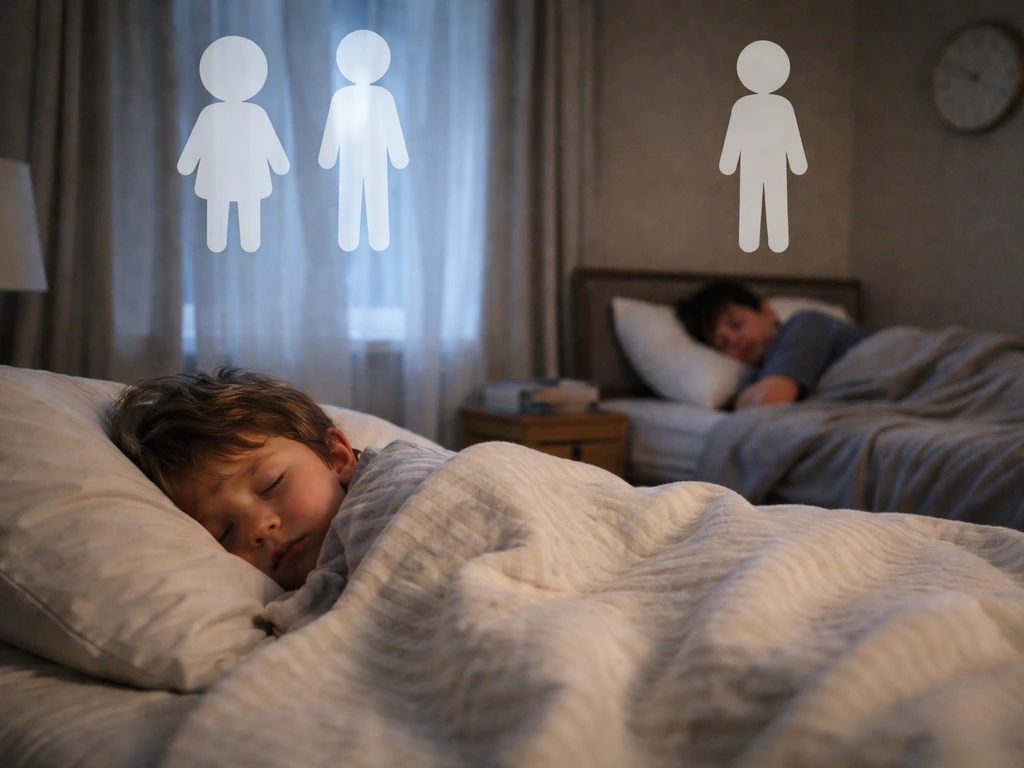
Children (roughly 3–11)
This is when sleep matters most for growth. Growth plates are wide open, GH pulses are frequent and strong, and the body is actively using nutrients and hormones to lengthen bones. Sleep duration has epidemiological links to height outcomes in this age group. The priority here is consistent, adequate sleep (9–12 hours for school-age kids), not pillow experimentation. A comfortable sleep setup that keeps the child sleeping through the night is exactly what supports growth.
Teenagers (13–18)
Adolescence is the last meaningful window for linear growth. Growth plates are still open but are progressively closing as puberty advances. An MRI study found that complete growth plate fusion occurs roughly 2 years earlier in girls than boys, with 50% fusion in boys occurring somewhere between ages 15 and 18 depending on skeletal site, and 90% fusion between 17 and 20. That window is real but finite. Teens who consistently get 8 to 10 hours of quality sleep are giving their bodies the best hormonal environment for the remaining growth. Teens who stay up late on screens and run on 6 hours are likely leaving some potential on the table, not because of pillow choice, but because of inadequate slow-wave sleep and disrupted GH pulsing.
Adults (18+)
Once the growth plates have fused, no amount of sleep optimization, pillow removal, stretching, or supplementation will lengthen your bones. This is not pessimism, it is basic skeletal physiology. After fusion, the cartilage zones that produced new bone tissue are replaced by solid bone, and the mechanism for lengthening simply does not exist anymore. The Sleep Foundation is direct about this: while sleep and height are linked in youth, there is not sufficient evidence to conclude that sleeping more increases adult height. For adults, the value of good sleep shifts to maintaining overall health, managing inflammation, and, yes, preserving good posture so you stand at your full existing height.
What you can do today: evidence-based height supports
If you are in your growth years (or supporting a child who is), here is what the research actually points to. These are not guarantees of extra inches, genetics sets the ceiling, but they are the factors that help you reach that ceiling.
Hit your sleep targets every night
Use the age-based ranges above as your benchmark. Consistency matters as much as total hours, going to bed and waking at the same time daily anchors your circadian rhythm, which keeps GH pulses on schedule. Cut screens an hour before bed, keep the room cool and dark, and prioritize the conditions that make it easy to fall into deep, slow-wave sleep quickly.
Get your nutrition right
Growth requires building blocks. Calcium is essential for bone mineralization, the NIH provides age-specific daily intake targets ranging from 700 mg for young children up to 1,300 mg for adolescents. Adequate vitamin D status is clinically important for pediatric bone health, and the Endocrine Society has published treatment guidelines specifically addressing deficiency in children. Zinc is worth mentioning too: randomized controlled trials have found that zinc supplementation significantly enhanced linear growth in school-age children in populations where deficiency was relevant. Adequate protein from whole food sources supports tissue synthesis without the risks associated with extreme supplementation. The goal is a balanced, nutrient-sufficient diet, not megadoses of anything.
Stay physically active
Regular physical activity during childhood and adolescence supports general health and hormonal balance. It also builds the muscular strength that supports good posture, helping you stand at your full height. One note of context: the same MRI study that tracked growth plate closure found that physical activity did not significantly affect the timing of plate fusion, so exercise will not 'keep your plates open' past their natural timeline, but it remains important for overall development and long-term posture.
Choose a pillow for comfort and alignment, not growth
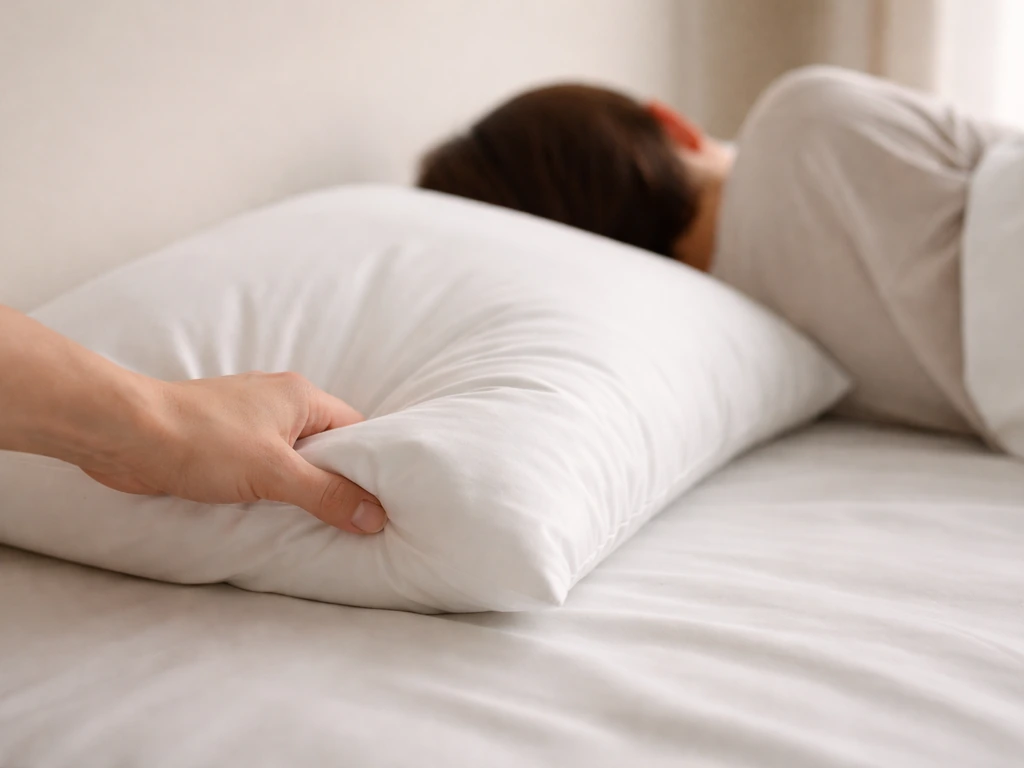
Pick a pillow that keeps your neck in a neutral position for the way you sleep. If you are wondering does sleeping on your back help you grow, the key takeaway is to choose a pillow for comfort and alignment, not growth. Back sleepers usually do best with a low-to-medium loft pillow. Side sleepers need more support to fill the gap between the shoulder and the ear. If you wake up with neck stiffness or headaches, your pillow fit is worth reviewing, not because fixing it will make you taller, but because neck pain can fragment your sleep and reduce the slow-wave time your body needs for GH release. A conference abstract reported that adjusting pillow and cervical posture management improved sleep disorders and neck pain metrics in a study context adjusting pillow/cervical posture management. Comfort and sleep quality are the real connection between your pillow and your growth potential.
Know when to talk to a doctor
If a child is falling below the 3rd or 5th percentile on growth charts, or if growth has visibly stalled, that warrants a conversation with a pediatrician. The Endocrine Society and the American Academy of Pediatrics both emphasize that short stature can reflect normal variation or a treatable medical condition, and telling the difference requires proper evaluation, including bone age assessment. Delayed puberty, nutritional deficiencies, hormonal conditions, and sleep disorders like obstructive sleep apnea are all examples of addressable factors. None of them are fixed by removing a pillow, but many are fixable with the right medical care.
The bottom line is this: if you are in your growth years, focus on the things that genuinely move the needle, enough high-quality sleep every night, solid nutrition, regular activity, and medical attention if growth seems off track. Sleeping position and pillow choice are worth optimizing for comfort and sleep quality, which indirectly supports the hormonal environment for growth. But skipping the pillow itself is not a growth hack. It is just a choice about neck support.
FAQ
If I sleep without a pillow but sleep longer, will I grow taller?
No. If you go pillow-free, you might change how your neck feels and therefore how easily you fall into deep sleep, but that does not translate into increased growth plate activity. What matters for growth is whether you get enough total sleep and enough slow-wave sleep early after you fall asleep.
Can changing my pillow help with growth if I wake up with neck pain?
Possibly, but it is indirect. A better pillow that reduces neck stiffness and morning headaches can improve sleep continuity, helping you maintain more slow-wave sleep. The growth benefit would come from better sleep quality, not from the pillow height itself.
Does pillow height matter more than bedtime for getting the best growth benefit?
If the goal is growth, prioritize sleep timing consistency first, then duration. A short sleep deficit (for example 6 hours instead of 9) is unlikely to be offset by using a pillow differently, because growth-related hormone pulses track with slow-wave sleep and overall sleep time.
What pillow setup is most likely to improve sleep quality by keeping my neck neutral?
It depends on the fit. A low-to-medium pillow often works better for back sleepers to keep the neck neutral, while side sleepers usually need more loft to fill the shoulder-into-neck gap. If you remove the pillow as a side sleeper and your neck drops toward the mattress, you are more likely to get stiffness that can fragment sleep.
After I stop growing, can sleeping differently still increase my height?
For many people it is not, because growth-related effects are limited to years when growth plates are open. Once fusion has occurred, sleep optimization supports health and posture but cannot increase bone length.
Why am I a little taller in the morning, and does that mean I am growing?
The morning height difference you notice is usually temporary disc hydration and posture effects, not longer bones. Permanent change would require growth plate activity, which pillow height or mattress position does not control.
Could sleep apnea affect height more than pillow choice?
Not reliably. If you have obstructive sleep apnea or frequent nighttime breathing disruptions, you may lose slow-wave sleep, which can affect linear growth in children. In that case, the priority is medical evaluation and treatment, not experimenting with pillows.
What should I do if my child seems shorter than expected, should we change pillows first?
If a child is truly growing slowly, the first step is to review growth chart trends with a pediatrician, especially if they are below about the 3rd or 5th percentile or crossing percentiles downward. Bone age and screening for causes like nutrition gaps, delayed puberty, or hormonal issues can guide treatment, and pillow changes will not substitute for that care.
Will supplements make up for poor sleep if pillow choice is not helping?
It is unlikely to be meaningful. Supplements like calcium and vitamin D support bone health, and zinc can help in deficiency-related cases, but these do not reopen closed growth plates. They work within a window of growth and still require adequate total sleep and overall nutrition.
If I fix posture with sleep position, will I actually become taller or just look taller?
Not permanently. Sleeping position can influence how you carry yourself temporarily, and severe forward head posture can reduce apparent height. However, posture improvement that restores your standing height is different from true bone lengthening.
How does staying up late affect growth-related sleep hormones compared with pillow removal?
If you fall asleep late or inconsistently, you can delay the early slow-wave window, reducing the largest growth hormone pulse for that night. That means inconsistent bedtime and screen time are higher-impact than pillow experiments for supporting the growth-related sleep pattern.
When is it a bad idea to try sleeping without a pillow?
Consider stopping the pillow experiment if you get recurring morning neck stiffness, headaches, or frequent waking. Those symptoms suggest sleep quality is worsening, which undermines the slow-wave sleep your body needs.
Next Article
What Sleeping Position Helps You Grow Safely
Best sleep position to support healthy growth indirectly: neutral spine alignment, comfort tips, and what cannot make yo