
Sleeping with your legs straight does not make you grow taller. There is no credible evidence that any specific sleep position, including keeping your legs extended, increases long-bone length or adds height. True height growth depends on open growth plates, hormones, genetics, and nutrition, not on how you arrange your limbs at night. That said, sleep itself genuinely matters for growth, just not in the way most people imagine. If you're wondering, does sleeping make you grow, the key answer is that sleep supports growth through hormones and deep sleep, not through leg position.
Does Sleeping With Legs Straight Make You Grow Taller?

Marcus Reeves
19 May 2026
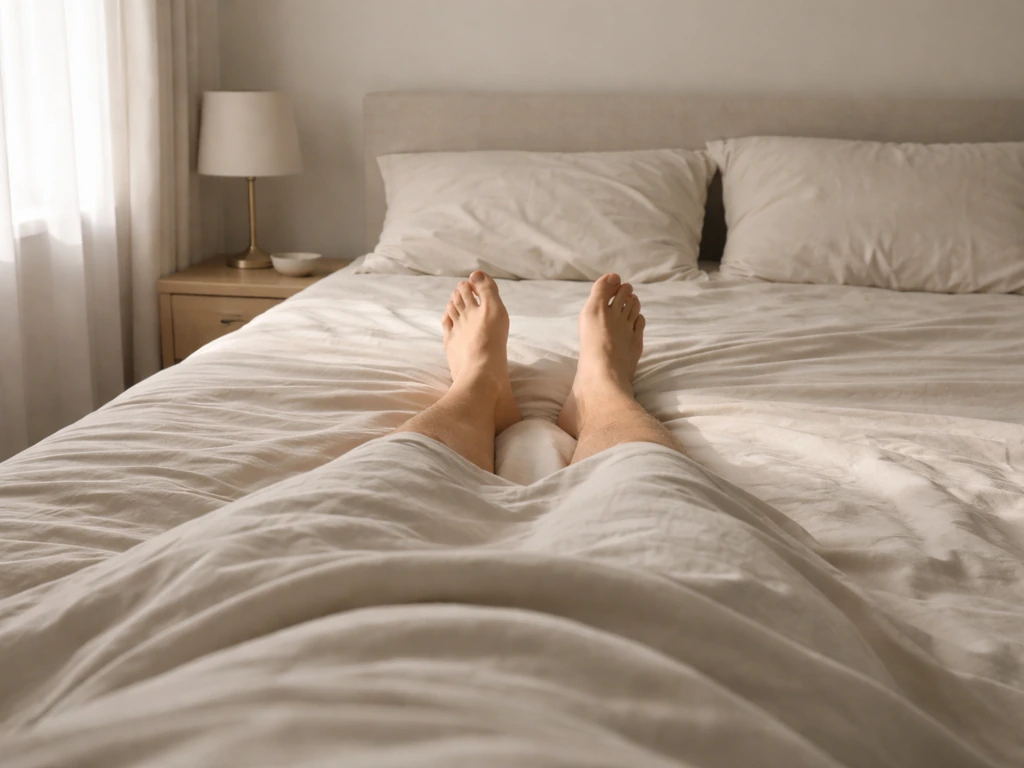
Why leg position during sleep doesn't move the needle on height
The idea that stretching your legs out while you sleep could lengthen your bones sounds intuitive, but it doesn't match how bone growth actually works. Bones don't grow because they're held in an extended position overnight. They grow at specific sites called epiphyseal plates, or growth plates, located near the ends of long bones like the femur and tibia. New cartilage is produced at those plates, then gradually hardens into bone. That process is driven entirely by biology, not by the mechanical position of your legs while you sleep.
There is one real, measurable height change that happens overnight, but it has nothing to do with leg position. Research on circadian variation in stature found a trough-to-peak difference of about 19.3 mm (roughly 0.75 inches) across a 24-hour period in adult males. That variation comes from spinal disc compression during the day and rehydration of those discs during sleep, not from bone lengthening. You're genuinely slightly taller in the morning than at night, but that recovers and reverses every single day. It's not growth, it's a daily mechanical cycle.
How growth actually happens
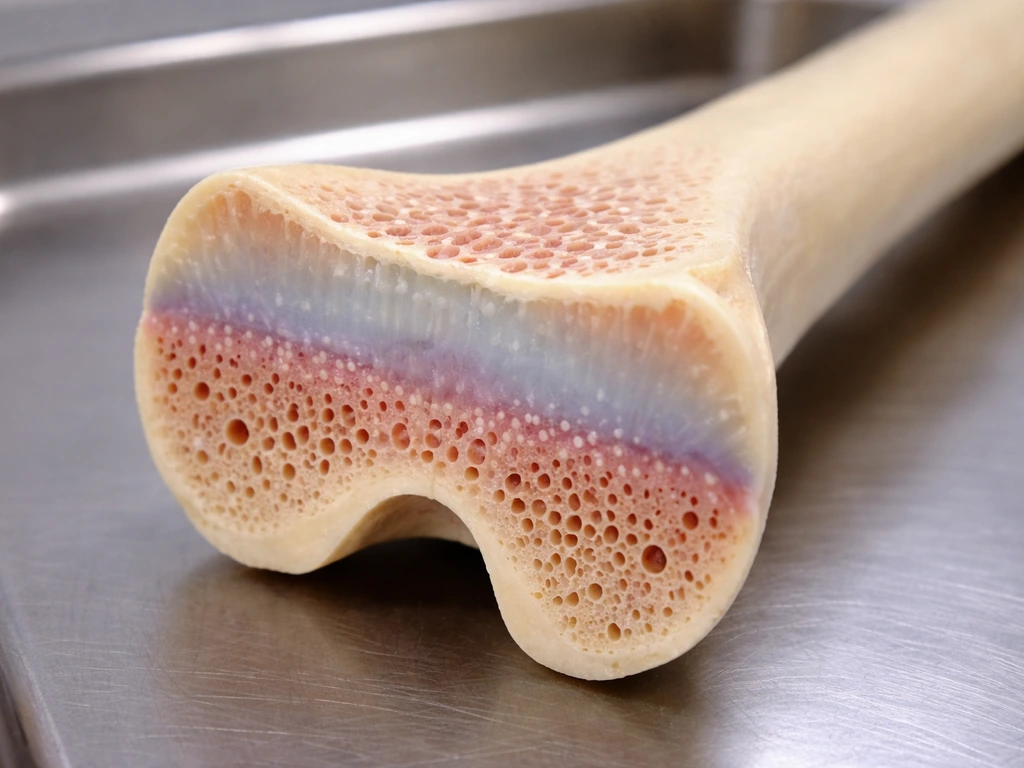
Height growth during childhood and adolescence is controlled by open growth plates, which are responsive to growth hormone (GH) and insulin-like growth factor 1 (IGF-1). Growth hormone is released in pulses, mostly during deep sleep, and tells those plates to produce new bone tissue. When puberty ends, the plates fuse and close, after which no amount of nutrition, sleep, or positioning can lengthen your long bones.
Plate closure timing varies by sex. According to Rady Children's Health, growth plates typically close around ages 13 to 15 in girls and 15 to 17 in boys, though this varies based on individual puberty timing. Genetics sets the ceiling for most people, but whether you actually reach that genetic potential depends heavily on nutrition, overall health, and, yes, quality sleep during those growth years.
Medical conditions can interfere with this process. The Endocrine Society notes that causes of impaired growth include endocrine disorders, inflammatory bowel disease, celiac disease, severe heart disease, diabetes, and blood disorders. If a child's growth rate slows noticeably or they drop across percentile lines on a growth chart, that warrants a pediatrician's attention, not a change in sleep posture. The AAP considers height below the third percentile, or crossing percentile lines, a potential sign of an underlying medical issue worth evaluating.
Sleep basics for height: what actually connects the two
Sleep is genuinely connected to growth, but through hormones and sleep architecture, not position. Growth hormone secretion is closely tied to slow-wave (deep) sleep. Do naps help you grow by improving deep, slow-wave sleep, which supports growth hormone pulses in children. Research published in Pediatric Research found that in cases of psychosocial dwarfism, improving slow-wave sleep correlated with increased growth velocity and normalization of GH secretion. Separately, a PubMed study found that reduced slow-wave sleep is associated with an increased risk of short stature in children. The mechanism makes physiological sense: disrupt the deep sleep stages where GH pulses are highest, and you blunt one of the key signals driving bone growth.
Obstructive sleep apnea (OSA) is a clear example of how disrupted sleep harms growth. OSA fragments sleep, reduces time in restorative slow-wave sleep, and has been specifically linked to impaired growth outcomes in children. Importantly, effective treatment of OSA, such as adenotonsillectomy, is associated with catch-up growth in affected children. That reinforces the point: it's sleep quality and continuity that matter for growth, not sleep posture.
How much sleep does a growing child actually need?
The American Academy of Pediatrics endorses the American Academy of Sleep Medicine's recommended sleep durations for children and teens. If you're trying to support growth in a child or teen, hitting these targets consistently matters far more than any positional tweak.
| Age Group | Recommended Sleep per Night |
|---|---|
| Children (6–12 years) | 9–12 hours |
| Teenagers (13–18 years) | 8–10 hours |
| Adults (18+) | 7–9 hours |
Consistency matters as much as duration. Irregular sleep schedules, late bedtimes, and frequent nighttime disruptions all chip away at slow-wave sleep. A child getting 9 hours of fragmented, low-quality sleep is getting less hormonal benefit than one getting 8 hours of solid, uninterrupted sleep.
What straight legs can and can't actually change

Sleeping with your legs straight is a posture and comfort choice, not a growth strategy. For some people, extended legs during sleep can reduce hip flexor tension and promote a more neutral spinal alignment, which may improve how they feel in the morning or reduce lower back strain. That's a legitimate reason to try it if it's comfortable for you.
What it cannot do is increase bone length. Once growth plates are closed, which happens by the late teens for most people, the skeleton is structurally fixed. No sleep position changes that. For adults, any perceived height difference from adjusting sleep posture is about spinal decompression and postural alignment, which ties back to that ~19 mm daily disc fluctuation mentioned earlier, not new bone tissue.
That said, posture does affect perceived height, and poor posture habits (slouching, forward head position, collapsed thoracic spine) can make someone appear and measure shorter than they actually are. Sleeping in a position that supports neutral alignment can modestly reinforce better posture habits over time. It's a real benefit, just a very different thing from growing taller.
If you're curious about related sleep positioning questions, like whether sleeping on your back, sleeping without a pillow, or sleeping on the floor might have different effects on posture or growth, the mechanisms are broadly similar: sleep quality and hormonal output matter far more than the specific surface or position chosen. If you're wondering does sleeping on the floor help you grow taller, the evidence still points to sleep quality and growth plates, not the sleeping surface. Sleeping without a pillow is a posture choice, and it won't change whether your growth plates are open or closed. Sleeping on your back may feel comfortable for posture, but it still doesn't change growth-plate biology.
Practical next steps if you're serious about growth potential
If you're a parent of a child or teen, or a teen yourself, the best levers you actually have are not about leg position. If you’re wondering what sleeping position helps you grow, the main takeaway is that sleep quality and deep, uninterrupted stages matter far more than posture. Here's what's worth focusing on:
- Protect sleep duration and quality. Aim for the age-appropriate targets above. Set a consistent bedtime, limit screen time in the hour before sleep (blue light suppresses melatonin), and keep the sleep environment cool and dark.
- Rule out sleep-disordered breathing. Snoring, gasping, restless sleep, or unexplained daytime fatigue in a child are worth flagging with a pediatrician. Treating OSA has shown real catch-up growth effects.
- Support nutrition. Growth hormone does the signaling, but it needs raw material. Adequate protein, calcium, vitamin D, and total caloric intake are all necessary for growth plates to actually produce new bone.
- Track growth on a chart. If you notice a child dropping percentile lines (not just sitting low, but actively falling from their established curve), that's a signal to consult a pediatrician. The AAP flags crossing percentile lines as a potential warning sign.
- Know the window. If you're still within the typical growth plate closure age range (roughly under 15 for girls, under 17 for boys), the growth window is likely still open. Optimizing sleep, nutrition, and health now has real potential payoff.
- See a specialist if warranted. If a child's growth velocity seems low, a pediatric endocrinologist can evaluate growth hormone status, order growth hormone stimulation testing, and determine whether there's a treatable cause. Don't let a myth about sleeping positions delay that conversation.
For adults specifically
If your growth plates have closed, no sleep habit will increase your bone length. What you can realistically improve is posture and spinal health, which affect how tall you appear and how you feel. Sleeping in a position that keeps your spine in neutral alignment, staying physically active, and strengthening the muscles that support upright posture are the honest options available. They won't add inches to your skeleton, but they can help you stand closer to your actual height rather than below it.
The bottom line is this: sleep matters for growth, but the quality and duration of that sleep matter, not the position of your legs. If you're in a growth window, focus on getting enough deep, uninterrupted sleep, eating well, and staying on top of any health issues. If you're an adult, good sleep supports overall health and posture, and that's genuinely worth optimizing, just with realistic expectations about what it will and won't do.
FAQ
If I feel taller after sleeping with my legs straight, does that mean I grew overnight?
No. Even if straight legs keep your spine more neutral, bone lengthening requires open growth plates at the epiphyseal sites, which is controlled by biology and hormones, not overnight leg alignment.
Should I change my leg position to improve deep sleep for growth?
Straight-leg positioning is fine if it is comfortable, but it should not replace improving sleep continuity. The growth-related benefit comes mainly from deep, uninterrupted sleep, so prioritize consistent bed and wake times and reducing awakenings.
What should I do if my child seems to not be growing, but their sleep posture is already good?
If a child has truly slowed growth, crossing percentile lines, or new symptoms (fatigue, poor appetite, frequent stomach issues), sleep posture is unlikely to be the cause. A pediatrician should evaluate growth rate, puberty timing, nutrition, and any medical conditions.
Does straight-leg sleep help adults become taller permanently?
Adults cannot reopen fused growth plates, so leg positioning cannot add skeletal height. Any morning-to-night change is typically from spinal disc hydration and compression, plus posture differences you carry through the day.
Could sleeping with straight legs reduce back or hip pain, even if it will not increase height?
Straight legs can feel helpful for comfort, but stretching a lot right before bed or forcing a position that triggers pain can worsen sleep quality. Better strategy, gentle mobility earlier in the day, then choose the most comfortable position that supports neutral alignment at night.
What if my child snores or seems restless at night, will leg positioning affect growth?
If someone is experiencing breathing pauses, loud snoring, gasping, or persistent daytime sleepiness, they should consider evaluation for sleep apnea. Treating disrupted sleep can improve growth outcomes in children with OSA, whereas posture changes will not fix the underlying breathing fragmentation.
Will an inconsistent sleep schedule cancel out any possible benefit from sleeping with straight legs?
Yes. If a person gets less slow-wave sleep due to an irregular schedule or frequent awakenings, the hormone pulses associated with deep sleep can be reduced. Keeping consistent timing and minimizing nighttime disruptions matters more than whether the legs are straight.
Besides sleep, what else most influences whether a child can reach their growth potential?
For most people with open growth plates, sleep duration and sleep quality have the biggest impact, but total nutrition and overall health set the ceiling for growth. If growth is lagging, check intake (especially adequate calories, protein, and key micronutrients) and address health issues alongside sleep.
Next Article
Does Sleeping on Your Back Help You Grow Taller?
Find out if sleeping on your back helps you grow taller or just improves posture, with realistic tips for kids and adult