
For kids and teenagers who are still actively growing, naps can genuinely support the growth process, but only as part of getting enough total sleep overall. Naps aren't a magic height booster, but they help protect the deep sleep stages where growth hormone gets released, and that matters. For adults whose growth plates have already closed, naps won't add a millimeter to your height, though they do meaningfully support muscle recovery and training performance. The honest answer is: naps help you grow in proportion to how much they improve your overall sleep quality and duration.
Do Naps Help You Grow Taller or Build Muscle? Evidence-Based Guide

Marcus Reeves
30 Apr 2026

What the answer looks like by age
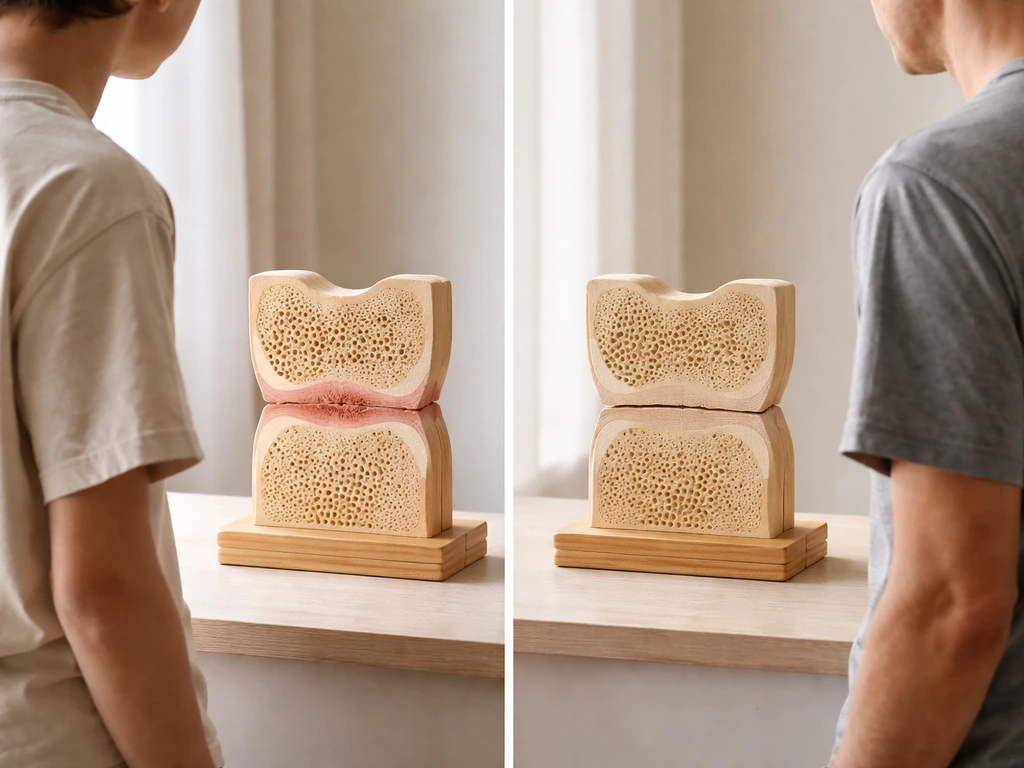
The biology of growth changes dramatically depending on how old you are, so a one-size-fits-all answer doesn't work here.
Kids and teenagers (still growing)
If you're under 18 and your growth plates are still open, sleep is one of the most important levers for normal development. The NHLBI confirms that deep sleep triggers the release of growth hormone in children and teens, and the AASM recommends 10 to 13 hours of total sleep per 24 hours for kids aged 3 to 5 (including naps), and 9 to 12 hours for kids aged 6 to 12.
For teenagers aged 13 to 18, the target is 8 to 10 hours. When a child or teen consistently falls short of those targets, naps can genuinely make up some of that deficit. In that sense, yes, naps can help a growing kid reach their height potential, not by doing something special on their own, but by contributing to the total sleep budget the body needs.
Adults (growth plates closed)

Once your growth plates fuse, typically in the late teens to early twenties, you're done growing taller. No amount of napping changes that. For adults, the question shifts entirely to recovery: can naps help with muscle growth, mental sharpness, and physical performance? The answer there is a clearer yes, with some important nuance about how you structure them.
How sleep and naps actually affect growth hormones and growth plates
Growth hormone (GH) isn't released at a steady drip throughout the day. The biggest pulse happens during slow-wave sleep, which is the deep, restorative stage you typically hit roughly 30 to 60 minutes into a sleep cycle. During childhood and adolescence, this GH release is essential for stimulating the growth plates (the cartilage zones at the ends of long bones) to produce new bone tissue, which is how you physically get taller.
Naps can reach slow-wave sleep, but only if they're long enough, roughly 90 minutes or more for a full sleep cycle. A short 20-minute nap gives you mostly lighter sleep stages and a boost of alertness, which is useful but doesn't deliver a meaningful GH pulse. For the purposes of height growth, what matters most is nighttime sleep length and quality. Naps are a supplement to that, not a replacement. Sleep position can also affect comfort and sleep quality, which may influence how well your body supports healthy growth what sleeping position helps you grow.
It's also worth understanding that growth plates respond to cumulative hormonal signaling over months and years, not to a single nap. So the framing shouldn't be 'this nap will help me grow today.' It's closer to 'consistent, adequate sleep over time protects the physiological conditions that allow normal growth to happen.'
Do naps help you grow taller specifically?
There's no direct clinical research showing that adding a daily nap will make a child taller than they would have been otherwise. What the evidence does show is that chronic sleep deprivation in children is associated with disrupted growth hormone secretion and poorer developmental outcomes. Even though naps may support growth indirectly by protecting sleep quality, sleeping on the floor does not have evidence showing it helps you grow taller.
Sleep, especially when it is enough and consistent, is closely tied to growth, which is why the question does sleeping make you grow matters most for kids chronic sleep deprivation in children. The CDC's 2026 data brief on children's sleep reinforces that adequate sleep duration and quality are genuinely important for physical health, not just behavior and cognition.
If you want to support growth, prioritizing enough total sleep and good sleep quality is the most reliable way to do it genuinely important for physical health.
So the practical implication is this: if a growing child or teen is consistently under-sleeping, fixing that through better nighttime sleep or supplementary naps could help them grow closer to their genetic potential. But if they're already hitting their sleep targets, adding more naps on top of that probably won't push them any taller. Genetics set the ceiling; sleep helps you reach it.
For adults, the height question is simply off the table biologically. If you've read that certain posture habits, like sleeping on your back or without a pillow, can affect how tall you appear or how your spine decompresses overnight, those are separate questions from actual skeletal growth and don't change your bone length permanently.
Do naps help you grow muscle?

This is where naps have a more direct and well-supported role for adults. Muscle protein synthesis, the process by which muscle tissue is actually repaired and built after training, is amplified during sleep. Growth hormone released during slow-wave sleep plays a key role here too, and adults do still get GH pulses during sleep, they just don't affect bone length anymore.
Research on athletes and resistance training consistently shows that sleep restriction impairs recovery, reduces training performance, and blunts the gains from exercise. Sleep restriction has been shown to reduce postprandial skeletal muscle protein synthesis, a form of anabolic resistance, and this paper also discusses the hormonal mechanisms that may drive the effect. A well-timed nap can partially offset those effects if nighttime sleep was short. Studies on elite athletes have found that a 20 to 30 minute nap improved reaction time, sprint performance, and mood within hours. For strength and hypertrophy specifically, a longer 60 to 90 minute nap that includes slow-wave sleep may contribute more meaningfully to the hormonal environment that supports muscle repair.
The important caveat: naps support muscle growth as part of a system. They work best alongside adequate protein intake, progressive training stimulus, and sufficient nighttime sleep. A nap doesn't cause muscle growth on its own, it removes a barrier to it.
How to nap for maximum benefit
Not all naps are equal. Duration and timing make a significant difference in what you actually get out of them.
| Nap type | Duration | Best for | Watch out for |
|---|---|---|---|
| Power nap | 10–20 minutes | Quick alertness boost, reducing grogginess | Won't reach slow-wave sleep |
| Recovery nap | 60–90 minutes | Muscle recovery, GH release, deeper rest | Can cause sleep inertia if interrupted mid-cycle |
| Full cycle nap | 90 minutes | Maximum restoration, full sleep stage coverage | May interfere with nighttime sleep if taken too late |
For timing, try to nap between 1 PM and 3 PM. This aligns with a natural dip in alertness that most people experience after lunch, and it leaves enough gap before your regular bedtime so you're still tired when you need to sleep at night. Napping after 4 PM is where things start to interfere with nighttime sleep quality, especially if you go to bed before midnight.
For kids, the guidance is more flexible. Young children's naps are a normal, expected part of their sleep schedule, and they naturally consolidate out of daytime napping between ages 3 and 5. If a school-age child still benefits from an afternoon rest, that's fine, but it shouldn't come at the cost of being unable to fall asleep at a reasonable bedtime. Consistency matters more than perfection: regular nap and sleep times help regulate the body clock and improve sleep quality overall.
What to do alongside naps to actually support growth
Naps are one piece of a larger picture. If growth (whether height in kids or muscle in anyone) is the goal, here's what actually moves the needle alongside better sleep.
Nutrition
Growth hormone does very little if the raw materials aren't there. For children and teens, that means enough total calories to support their energy needs, plus adequate protein (roughly 0.8 to 1.2 grams per kilogram of body weight), calcium and vitamin D for bone development, and zinc which plays a specific role in growth hormone signaling. For adults building muscle, protein needs climb to around 1.6 to 2.2 grams per kilogram, and timing a protein-containing meal within a couple of hours post-training helps maximize synthesis during the sleep window that follows.
Exercise
Weight-bearing exercise and resistance training stimulate bone density and muscle hypertrophy respectively, and both also naturally amplify GH release. For growing kids, activities like running, jumping, and strength-appropriate resistance work support healthy bone development. For adults, progressive overload in resistance training creates the muscle damage that sleep and GH work to repair. Naps and sleep don't build muscle if there's no training stimulus to respond to.
Total nighttime sleep
This is the non-negotiable. Naps should complement nighttime sleep, not substitute for chronic short nights. A teenager consistently getting 6 hours of nighttime sleep won't fully compensate with a one-hour nap. The goal is to hit recommended total sleep targets first, then add naps where useful.
How you sleep (position, pillow use, mattress) is a separate question from how much you sleep, but total duration is the bigger driver for growth-related physiology. If you are wondering whether body position during sleep affects height, see whether sleeping with your legs straight makes you grow taller as a related consideration does sleeping with your legs straight make you grow taller.
Some people also wonder whether sleeping without a pillow affects growth, but the evidence is limited compared with the role of total sleep and sleep quality.
When naps aren't the real issue
If you or your child is sleeping plenty of hours but still feels unrefreshed, fatigued, or isn't growing as expected, nap optimization probably isn't the lever to pull. There are several situations where it's worth talking to a doctor.
- Loud snoring or gasping during sleep in a child or adult can be a sign of obstructive sleep apnea, which fragments sleep and significantly disrupts the growth hormone release that happens in deep sleep stages.
- A child who is consistently sleeping the recommended hours but still falling well below expected height or weight percentiles for their age deserves a pediatric evaluation, not just more naps.
- Chronic insomnia or difficulty falling and staying asleep reduces the quality and restorative value of every sleep period, nap or overnight.
- Excessive daytime sleepiness despite adequate nighttime sleep can indicate underlying conditions like narcolepsy, anemia, thyroid issues, or mood disorders.
- If a teenager is sleeping more than 10 to 11 hours regularly and still feels exhausted, that pattern warrants investigation rather than encouragement to nap more.
A primary care doctor or pediatrician can order basic bloodwork, review growth charts, and refer to a sleep specialist if needed. Getting a sleep study (polysomnography) is the gold standard for diagnosing sleep-disordered breathing and is often covered by insurance when there's a documented concern. Fixing an underlying sleep disorder will do far more for growth and recovery than any nap strategy.
The realistic takeaway
Naps help you grow when they're solving a real problem, which is a gap between the sleep your body needs and the sleep it's actually getting. For a sleep-deprived child or teenager, a consistent afternoon nap can genuinely protect the hormonal conditions needed for healthy development. For an adult trying to build muscle and train hard, a 20 to 90 minute nap improves recovery and performance in measurable ways.
A PMC study that compared 90-minute versus 40-minute nap opportunities found the [90-minute nap was better for physical performance, attention, and perceived recovery](https://pmc. ncbi. nlm. nih.
gov/articles/PMC7369743/) while reducing fatigue perception. But neither group should treat napping as a shortcut. The baseline has to be solid: enough nighttime sleep, enough protein and calories, appropriate exercise, and no undiagnosed sleep disorders. Get those right, and naps become a useful tool rather than a workaround for a bigger problem.
FAQ
If I add more nap time, will my child grow taller faster?
Yes, but only indirectly. If a child or teen is already hitting their total daily sleep target, adding extra naps usually does not create additional growth hormone pulses that meaningfully increase height. The practical move is to first verify total sleep over 24 hours, including naps, then adjust nap timing and length only if the total is still short.
Is a 20-minute nap enough to help you grow?
A 20-minute nap often helps alertness, but it may not reliably include enough slow-wave sleep to produce a strong growth-hormone pulse. If the goal is maximizing the growth or recovery benefit, many people do better with about 90 minutes (one full cycle) rather than short “quick naps,” while still keeping the nap early enough to protect nighttime sleep.
What should I do if naps make my child go to bed late?
For kids, aim to protect a consistent bedtime. The best strategy is usually to keep naps earlier in the afternoon and adjust total nap duration so the child can still fall asleep at the usual time. If nap timing pushes bedtime later or causes frequent bedtime resistance, the nap is likely subtracting from the most important sleep window.
Do naps help adults grow taller?
Naps do not change fused growth plates, so they will not increase adult height. For adults, the “growth” question translates to muscle building and recovery, where naps can help more when they reduce sleep loss from training or schedule constraints.
How do I nap without ruining nighttime sleep?
Set the timing first, then the length. For most adults, try 1 PM to 3 PM, and avoid naps after about 4 PM if they interfere with bedtime or increase the time it takes to fall asleep. If you regularly struggle with sleep onset at night, treat that as a sign the nap schedule is too late.
Can I compensate for short sleep at night with naps?
You can, but it depends on your overall sleep debt. If you are already getting recommended total sleep, a midday nap might offer modest benefits, but it typically will not “pay back” chronic short nights. As a rule, prioritize fixing total sleep duration first, then use naps as a supplement on days you cannot meet your usual baseline.
Are naps useful for muscle growth if I’m training hard?
Yes, but only when the nap actually helps slow-wave sleep and reduces fatigue. The most useful naps for training are the ones that prevent next-day performance drop, for example a 20 to 30 minute nap before an afternoon or evening workout, or a longer 60 to 90 minute nap when you need deeper recovery. The best test is performance changes and how quickly you feel recovered.
Why do I feel worse after a long nap even if I slept more?
Wake-up performance can trick people. If you sleep too long, you may feel groggy and less motivated, which can reduce training quality even if you got more sleep stages. A practical approach is to set an alarm, start with 20 to 30 minutes for quick recovery, and only go longer if you know you wake up refreshed.
My child sleeps enough and still isn’t growing, should I focus on naps?
If someone is not growing as expected despite adequate sleep duration, nap optimization is not the first lever. Ask about medical or behavioral causes like sleep-disordered breathing, insufficient calories or protein, low vitamin D, or an underlying growth issue. A clinician can review growth charts and decide whether a sleep study or basic bloodwork is warranted.
What if my child or I get the hours but still feel tired after naps?
If you feel unrefreshed even after the total sleep seems “enough,” consider sleep quality problems rather than just adding naps. Common causes include snoring, irregular schedule, restless sleep, or circadian rhythm issues. Since a nap cannot fully correct these, getting evaluated may improve growth or recovery more than changing nap length.
Next Article
Does Sleeping Make You Grow Taller? What Sleep Really Does
Sleep supports growth in kids via growth hormone and growth plates, but won’t increase adult height.