
Sleeping in the afternoon does not make you permanently taller. If you are asking, sleep. What it can do is temporarily restore some of the height you lose throughout the day as gravity compresses your spine. That recovery is real and measurable, but it is not growth. True height increase only happens when your growth plates are still open, which is a window that closes near the end of puberty regardless of when or how much you sleep.
Do You Grow Taller When You Sleep in the Afternoon?

Marcus Reeves
13 Jun 2026
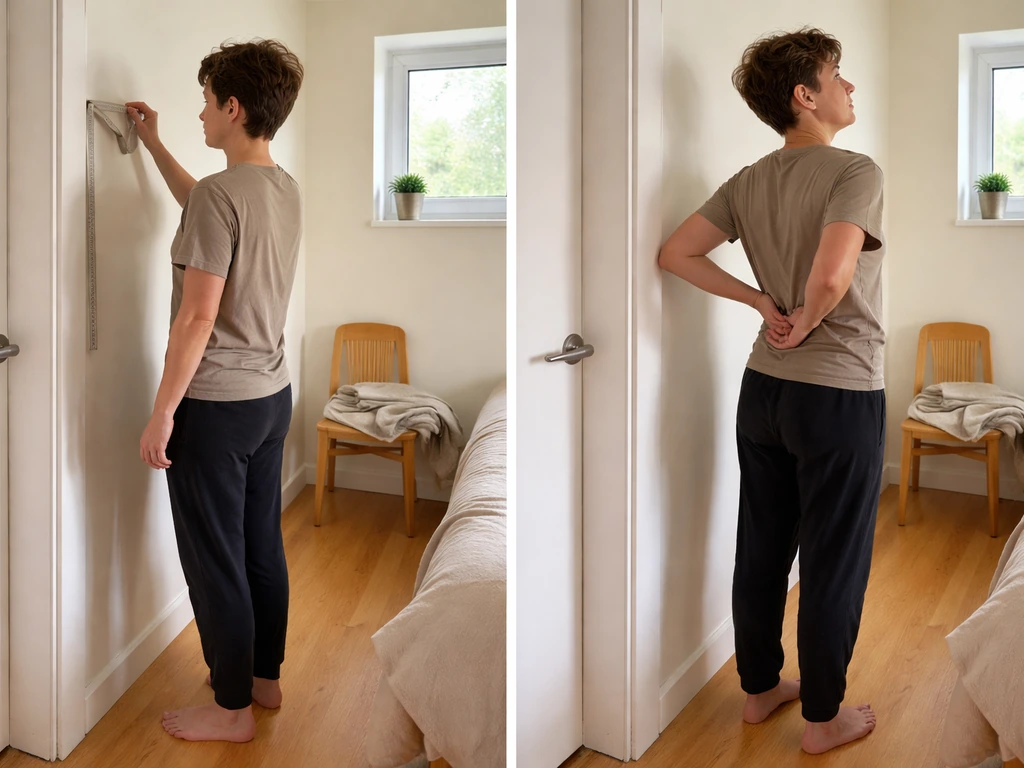
Does an afternoon nap make you taller? The direct answer
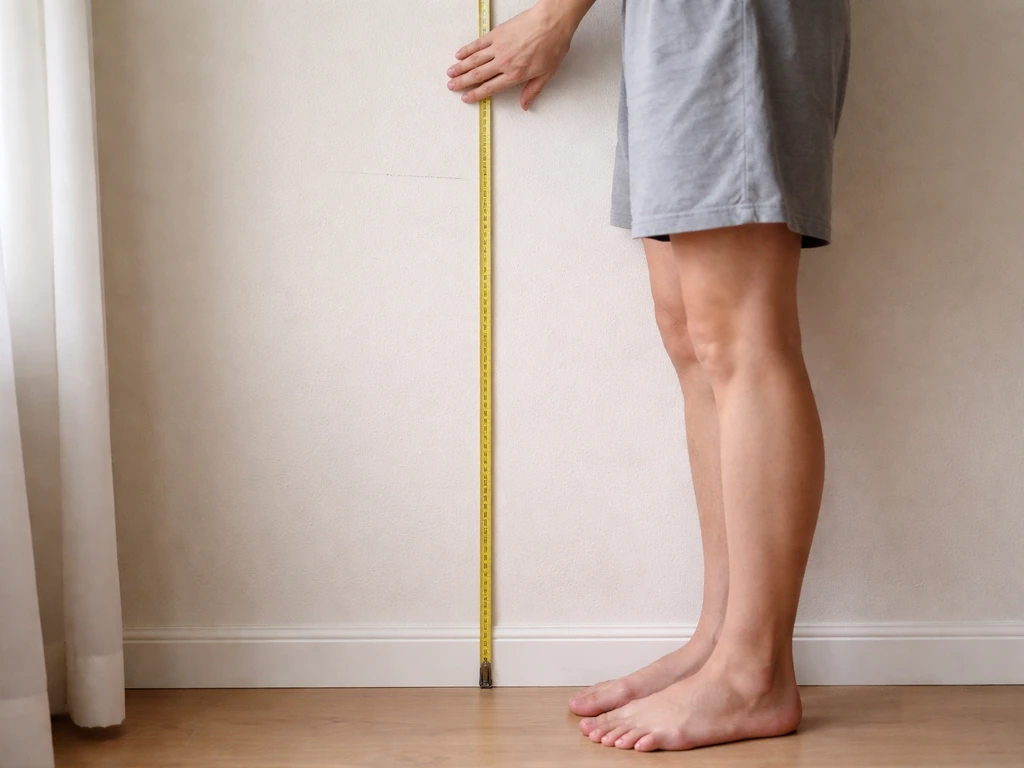
No, an afternoon nap will not add permanent height. You might measure slightly taller right after waking from a nap than you did just before lying down, but that difference is your spine temporarily decompressing, not a growth event. The same thing happens every night when you sleep for a full eight hours.
Researchers have measured morning-to-evening height differences of up to 18 to 19 mm, meaning people are meaningfully taller first thing in the morning than they are by late afternoon. Sleeping late does not cause permanent height growth, because actual growth depends on whether your growth plates are still open. A nap can partially recover some of that daily loss, but it does not change your skeletal length in any lasting way.
How height changes actually work during sleep
Your spine is made up of vertebrae separated by intervertebral discs. Those discs are largely water-based structures that behave like sponges. During the day, as you stand, sit, and move around, gravity and muscular loading gradually squeeze fluid out of the discs, compressing them and reducing your overall height. StatPearls notes that stature can vary by up to about 2 cm throughout a single day purely because of this effect, which comes from reduced elasticity in the discs and surrounding vertebral muscles.
When you lie down and take the load off your spine, whether at night or during an afternoon nap, the discs reabsorb fluid. MRI studies using T2 mapping have tracked this disc hydration directly, confirming that height recovery is driven by time-dependent fluid flow back into disc tissue rather than anything resembling growth. Research using both stadiometry and quantitative MRI found a mean recovered height difference of around 19 mm in young adults after a full night of rest. Longer periods of unloading allow more recovery, which is why night sleep restores more height than a 20-minute nap.
One interesting extreme of this same mechanism is what happens to astronauts in microgravity, where the spine lengthens noticeably during spaceflight without any loading. That observation, along with the disc hydration data, confirms that these are biomechanical and physiological processes, not growth.
What naps actually do to your height measurements
Research has looked at growth hormone levels during naps taken at different times of day, specifically comparing morning naps (roughly 8 to 10 AM, when REM sleep tends to dominate) versus afternoon naps (around 4 to 6 PM, when slow-wave sleep is more prominent). Slow-wave sleep is the stage most associated with growth hormone release, so there is a physiological case that an afternoon nap could produce a slightly more favorable hormonal pulse than a morning nap. However, this does not translate into meaningful long-term height increase, especially in adults whose growth plates are already fused.
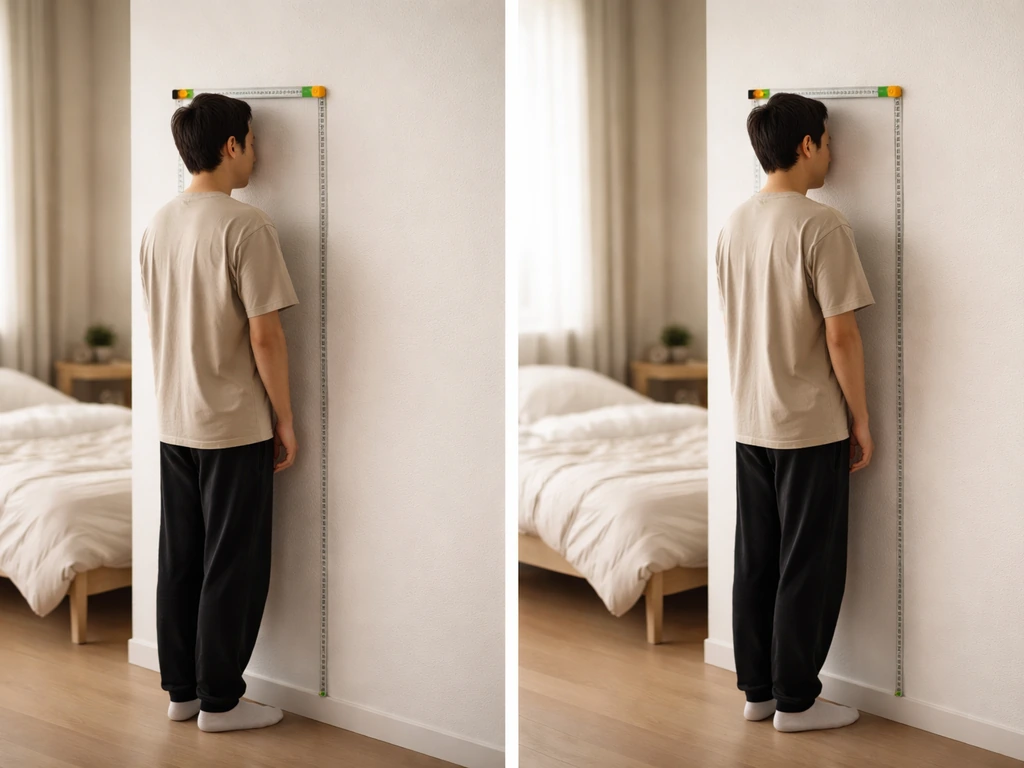
The practical takeaway is straightforward: if you measure your height right after an afternoon nap you will likely be a millimeter or two taller than you were before lying down, because your discs have partially rehydrated. That effect is real but temporary. Within an hour or two of being upright again, compression returns and your height drops back. This is worth knowing if you care about accurate height measurement, the most consistent time to measure is in the morning, after waking but before prolonged standing.
Age is everything: growth plates in kids and teens versus adults
Permanent height increase is only possible while your growth plates, the cartilaginous zones near the ends of long bones, are still open. During childhood and through most of the teen years, growth hormone and other signals stimulate these plates to produce new bone tissue, gradually lengthening the skeleton. Growth velocity peaks during puberty and then slows as puberty nears its end. Once the epiphyseal plates fuse, longitudinal bone growth stops completely, and no amount of sleep, napping, nutrition, or exercise can reopen them.
MRI-based studies have shown that growth plate closure timing varies by bone location, sex, and factors like BMI and physical activity, but the closure process is tied primarily to pubertal development (Tanner staging) rather than chronological age alone. For most people, the plates are fully fused by the late teens to early twenties.
For children and teenagers who still have open growth plates, sleep quality and duration genuinely matter for growth. For the specific amount of sleep that supports height growth, see how much sleep you need for growth taller how much sleep do i need to grow taller. Growth hormone is secreted in pulses during sleep, particularly during slow-wave (deep) sleep stages. Consistently getting enough total sleep, including naps for younger children, supports the hormonal environment that drives growth.
The American Academy of Sleep Medicine recommends age-specific total sleep amounts, including naps in the totals for younger children, because that cumulative sleep time is associated with better health outcomes. If you are asking whether 7 hours of sleep is enough to grow taller, the key factor is whether your growth plates are still open is 7 hours of sleep enough to grow taller. Children aged 1 to 2 years, for example, need 11 to 14 hours per 24-hour period including naps. Meeting those targets regularly matters; missing them chronically does not support optimal growth.
| Age Group | Recommended Sleep (per 24 hrs) | Growth Plates Status | Can Napping Increase Height? |
|---|---|---|---|
| Infants/Toddlers (1-2 yrs) | 11-14 hours (including naps) | Wide open, rapid growth | Naps count toward total sleep that supports growth hormone environment |
| School-age children (6-12 yrs) | 9-12 hours | Open, active growth | Adequate total sleep (including naps) supports growth; naps alone do not add height |
| Teenagers (13-18 yrs) | 8-10 hours | Open but closing late in puberty | Same principle; plates fuse as puberty ends |
| Adults (18+) | 7-9 hours | Fused, no longitudinal growth | Naps only temporarily restore disc height, no permanent gain |
What you can actually do to support your height potential

If your growth plates are still open, the levers worth pulling are sleep, nutrition, and general physical health. The AAP describes growth faltering as being associated with inadequate nutrition and other health problems, and advises clinicians to evaluate energy supply and contributing illnesses when growth falters sleep, nutrition, and general physical health. None of them guarantee a specific final height because genetics sets the ceiling, but they can help you reach that ceiling rather than falling short of it.
Prioritize consistent, quality sleep over afternoon naps alone
A nap cannot substitute for adequate nighttime sleep when it comes to growth hormone release. The body's main growth hormone pulses happen during deep slow-wave sleep at night, and most children and teenagers in the US are already not hitting recommended sleep targets. You generally cannot make up for poor sleep, so the question is really whether you can grow without sleep, and the evidence points to no can you grow without sleep. If you or your child is sleeping less than the age-appropriate amount, fixing that is more impactful than adding an afternoon nap. That said, for toddlers and young children, naps count meaningfully toward their total daily sleep needs and should be included, not skipped.
Get the right nutrients for bone growth
Three nutrients stand out as most directly tied to bone development in growing children and teens: calcium, vitamin D, and protein. Calcium is the primary mineral in bone tissue, and deficiency severe enough to cause rickets can damage growth cartilage in ways that leave lasting skeletal changes. Vitamin D deficiency has been directly linked to impaired height growth in young children, and research confirms children may not get enough vitamin D from food alone. Protein provides the structural amino acids needed for bone matrix formation. Getting adequate overall calories matters too, since chronic undernutrition is one of the clearest causes of growth faltering.
Stay active and skip the gimmicks
Weight-bearing and bone-strengthening activities support bone density and overall skeletal health during the growth years. Activities like running, jumping, and resistance exercise are genuinely good for bones. What does not work are the stretching routines, inversion tables, hanging protocols, and supplements marketed as permanent height-boosters after puberty. The evidence for permanent height gain from any of these methods in adults with fused growth plates is not there. They are not harmful in most cases, but setting realistic expectations matters.
On posture: improving your posture will make you stand taller and can recover some of the visible height lost to habitual slouching. That is worth doing for health and appearance reasons, but it is also a temporary or positional change, not a skeletal one. Similarly, footwear and measurement technique account for more variation in recorded height than most people realize.
When to take growth concerns seriously
If you are worried about your own height or a child's growth, the most useful thing is to track growth over time rather than fixate on a single measurement. Growth velocity, how fast a child is growing from one visit to the next, is a more meaningful indicator than height at any one point. A child who is consistently at the 10th percentile but growing at a normal rate is very different from a child who has dropped across percentile lines over several months.
Common and benign explanations for being shorter than expected include familial short stature (simply running shorter in the family) and constitutional growth delay (growing at a slower pace but ultimately reaching a normal height). Both are diagnosable from growth curve patterns and family history.
Reasons to bring growth concerns to a doctor include the following situations:
- A child's height has crossed two or more major percentile lines downward on a growth chart over time
- Growth seems to have stalled for six months or more in a child who has not yet completed puberty
- Signs of delayed puberty by mid-teen years, since the timing of puberty directly affects how long growth plates stay open
- Chronic illness, poor appetite, or signs of nutritional deficiency alongside slow growth
- An adult noticing significant unexpected height loss, which can signal vertebral compression fractures or serious bone density issues worth evaluating
A pediatric endocrinologist or your primary care doctor can use growth charts, bone age X-rays (which show how mature the growth plates are relative to chronological age), and hormonal testing to figure out whether anything is driving unusual growth patterns. Early evaluation matters because some treatable conditions, such as growth hormone deficiency or hypothyroidism, respond better when caught before the growth plates close.
The bottom line: an afternoon nap will not make you taller in any lasting sense, but good sleep habits as part of a broader healthy routine genuinely support growth during the years when it is biologically possible. When you sleep, you may recover some lost height temporarily, but true permanent growth depends on whether your growth plates are still open when you sleep do you grow taller. Focus on the fundamentals, keep realistic expectations about what sleep can and cannot do, and get a professional opinion if something about a growth pattern seems off. If you are wondering whether 7 hours of sleep is enough to grow taller, it helps to compare that with age-appropriate sleep needs and remember that sleep supports growth only while your growth plates are still open is 7 hours of sleep enough to grow taller.
FAQ
If I measure taller after a nap, does that mean I gained permanent height?
Yes, you can look slightly taller after an afternoon nap, but only because your spine and discs rehydrate during unloading. For the most consistent comparison, measure height right after waking from a nap (before standing for long), then recheck after 1 to 2 hours upright to see the temporary difference return.
Can an afternoon nap help me make up for lost sleep and still grow taller?
In adults with fused growth plates, an afternoon nap is not a reliable way to “catch up” on height. In children and teens, make naps part of total daily sleep, but prioritize total nighttime sleep first because most growth hormone pulses tied to height potential are strongest during overnight deep sleep.
Is it better to take a short nap or a long nap for growth and sleep benefits?
A very long nap can reduce your ability to fall asleep at night, which may lower total overnight deep sleep. If you nap, keep it short and earlier in the afternoon (and avoid very late naps), so you do not trade nap time for reduced night sleep.
How should I measure my height if I want to track progress (especially if I nap)?
For accurate height tracking, use the same conditions each time: morning measurement soon after waking, same footwear or no shoes, similar posture, and ideally after using the bathroom. Body water, time since waking, and disc compression can shift readings by millimeters to centimeters across the day.
How can I tell whether my growth plates are still open?
Growth plate closure timing varies by person and bone location, so a single birthday does not predict it. The most practical way to know whether height potential remains is through a clinician assessment, often using growth charts and bone age, rather than relying on whether you can still “grow” after changing sleep habits.
Could better posture after lying down make me look taller even if my discs are not the cause?
Posture improvements can make you look taller without changing bone length. If you measure height after focusing on posture and it changes, that is likely positional (spinal alignment) rather than true growth, which is why consistent measurement technique matters.
What if my naps make it harder to fall asleep at night?
If a nap helps you fall asleep at night less, you can end up with less total sleep overall, which is counterproductive for growth in kids. Use a simple check: total time asleep over 24 hours should meet age-specific targets, not just the nap duration.
What should I do if my child’s height growth seems slower than expected?
Some conditions that affect growth are not fixed by sleep timing, for example growth hormone deficiency, hypothyroidism, chronic undernutrition, or long-term inflammatory disease. If growth velocity slows, height percentile drops, or puberty seems unusually early or late, talk to a pediatric endocrinologist rather than assuming it is a sleep issue.
Do naps matter for toddlers and young children the same way they do for teens?
Yes. In toddlers and young children, naps count toward total daily sleep needs, and consistently short or missed naps can reduce the overall sleep required for healthy development. The key is cumulative sleep time, not replacing nighttime sleep with naps.
Next Article
Will I Not Grow If I Sleep Late? Sleep and Height
Late bedtime doesn’t stop height growth by itself. Learn how sleep timing, total sleep, and puberty affect growth.