
Yes, sleep genuinely supports height growth, but with a critical caveat: it only works if your growth plates are still open. For children and teenagers, sleep is one of the most important windows for the body to release growth hormone, which drives real, measurable bone lengthening. For adults, whose growth plates have already fused, sleep cannot increase your height in any permanent, structural way.
When You Sleep Do You Grow Taller? What Science Says

Marcus Reeves
22 Apr 2026

If you sleep more, you may support growth only if your growth plates are still open, otherwise the effect on permanent height is not there if you sleep more do you grow taller. What you might notice as a 'height increase' after sleeping is simply your spine re-hydrating and decompressing overnight, which is temporary and reverses by the end of the day. That distinction matters a lot, so let's walk through exactly what's happening.
How your body actually grows taller
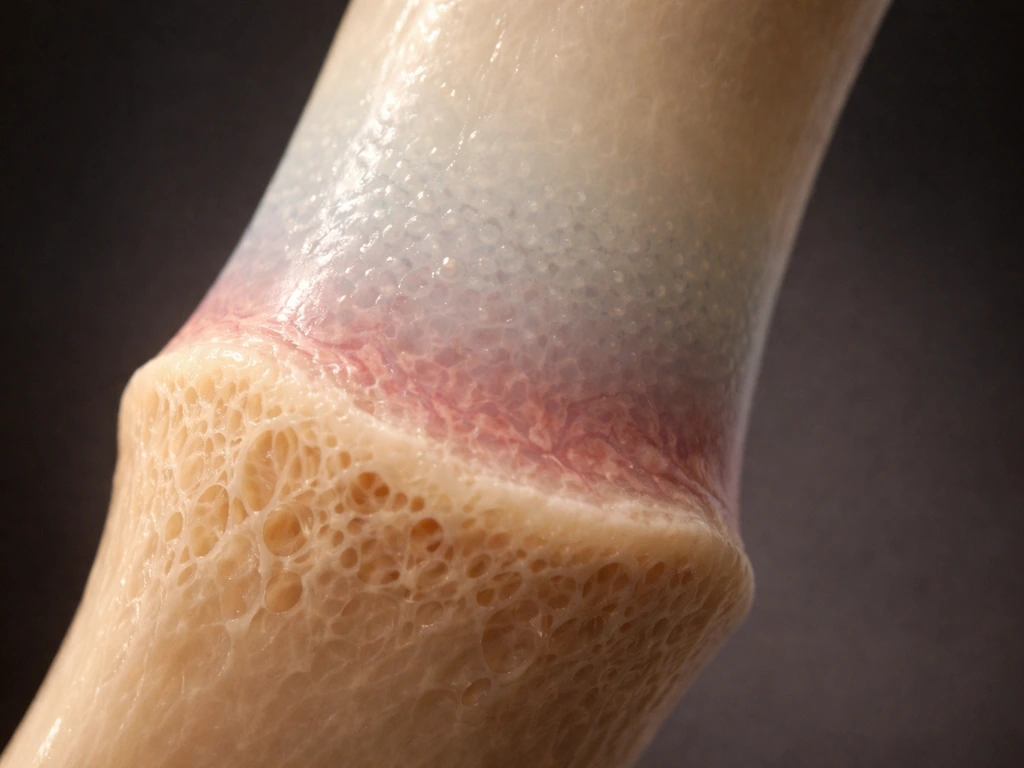
Height is determined by the length of your long bones, primarily the bones of your legs and spine. Those bones grow through a process called endochondral ossification, which happens at specialized zones called growth plates, or epiphyseal plates. These growth plates are regions of cartilage near the ends of long bones where chondrocytes (cartilage cells) continuously divide and stack up, then gradually get replaced by hard bone tissue. That process is what makes your femur longer, your tibia taller, and your overall stature greater over time.
The catch is that growth plates eventually close. During puberty, rising levels of sex hormones, especially estrogen and testosterone, accelerate growth velocity dramatically but also signal the growth plates to begin fusing. Once those plates close and the chondrocytes have died off, longitudinal bone growth stops permanently. No supplement, sleep regimen, or exercise routine changes that biology. Girls typically reach peak height velocity around ages 10 to 11 and finish growing around 14.5; boys hit their peak growth spurt closer to ages 12 to 13 and generally finish by 16.5 to 17, though individual variation is real and normal.
What sleep actually does for growth hormone
Growth hormone (GH) is the key driver behind that bone-lengthening process, and its release is tightly linked to sleep. Classic research published in the Journal of Clinical Investigation documented a major plasma GH peak that emerges with the onset of deep sleep, specifically slow-wave (stage III and IV) sleep, lasting roughly 1. 5 to 3. 5 hours after you fall asleep.
If you are wondering whether 7 hours of sleep is enough to grow taller, the amount and timing of deep sleep matter most is 7 hours of sleep enough to grow taller. This is not a small blip. It is the largest GH pulse your body produces in a 24-hour period, and it happens regardless of blood sugar or cortisol changes, meaning sleep itself is the trigger, not some indirect metabolic effect.
In children, separate pediatric research has confirmed that the highest GH levels during sleep appear in the first three to four hours after bedtime, aligning directly with deep sleep stages. This is also the window when puberty hormones interact with the GH axis: LH pulse onset (a key puberty signal) temporally associates with deep sleep, and rising estradiol during puberty amplifies linear growth velocity through that same hormonal chain. So sleep is not just passively allowing growth to happen. It is actively orchestrating the hormonal environment that makes growth possible.
There is also downstream evidence that sleep disruption hurts this system. Children with obstructive sleep apnea show measurable differences in plasma IGF-1 levels, which is the primary mediator through which GH does its work at the growth plate. Disrupted sleep equals disrupted GH signaling equals less growth stimulus, especially during the years when growth plates are wide open and most sensitive.
The morning height thing: spinal compression vs real growth
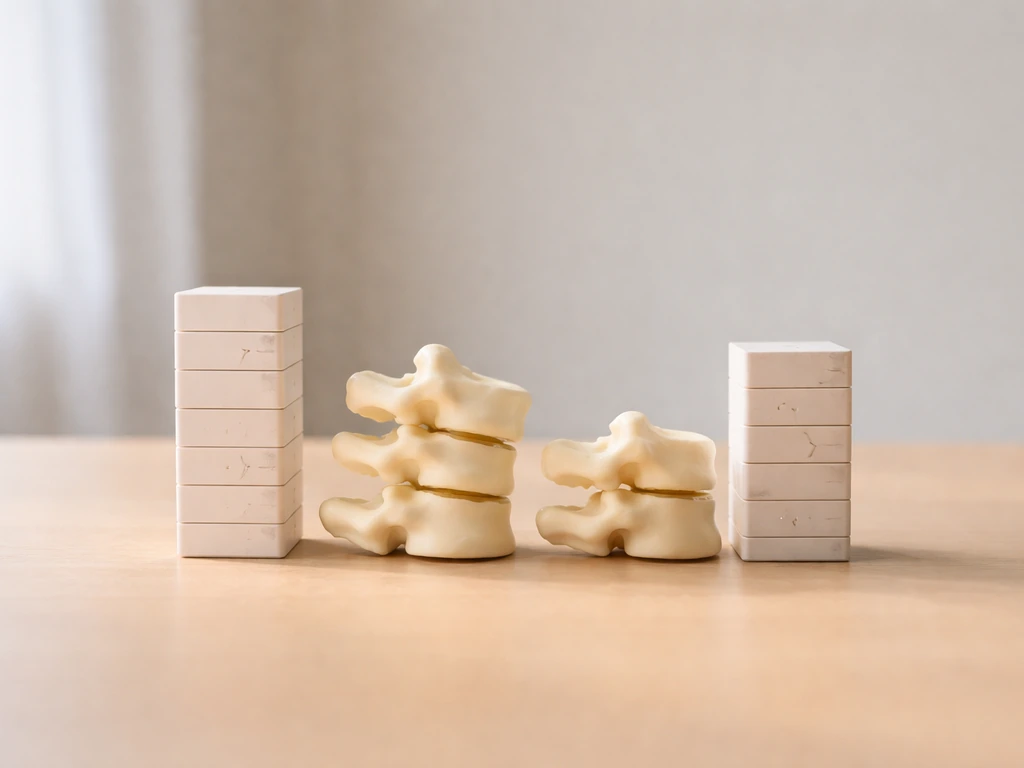
Most people are about 1 to 2 centimeters taller first thing in the morning than they are by evening. MRI-based research measuring lumbar intervertebral discs found that after a night of rest, disc hydration and volume increase measurably, with one study reporting a mean total height increase of roughly 19. In a quantitative study of diurnal variation in lumbar intervertebral discs, researchers reported a mean overnight height increase of 19.
3 mm in seven young women, attributed to diurnal water and volume changes [diurnal disc hydration and volume increase](https://www. research. ed. ac.
uk/en/publications/quantitative-analysis-of-diurnal-variation-in-volume-and-water-co). 3 mm attributable to disc water-content changes. Cervical disc studies using T2 mapping have shown the same morning-to-evening hydration pattern in the neck. Studies specifically measuring diurnal height variation in children found the largest differences between morning measurements (around 7:00 to 8:00 AM) and evening measurements (around 7:00 to 8:00 PM).
This change is entirely about spinal loading and disc rehydration, not bone lengthening. During the day, gravity and body weight compress your intervertebral discs, squeezing out water and reducing disc height. When you lie down, that compressive load disappears, discs reabsorb fluid from surrounding tissue, and you regain a bit of height. It is real and measurable, but it is temporary. By mid-morning of your next day, that height is gone again. For adults, this is the only 'height change' sleep produces. It is not growth.
There is also a persistent idea that sleeping in a very straight, aligned position can somehow make you permanently taller. It cannot. Good spinal alignment during sleep can reduce muscle tension and keep your spine from being held in a compressed or twisted position overnight, which may help you reach your true morning height more consistently. But it does not change bone length. Think of it as optimizing recovery, not triggering growth.
Children and teens vs adults: the age gap that changes everything
For children and teenagers with open growth plates, sleep is genuinely one of the most impactful levers for maximizing height potential alongside genetics and nutrition. The GH release that peaks during slow-wave sleep is providing a real, repeated signal to growth plate chondrocytes to divide and produce more cartilage, which eventually becomes bone. Miss enough of that deep sleep consistently, and you are likely leaving some growth potential unrealized. That does not mean a few bad nights will stunt a child permanently, but chronic sleep deprivation during the peak growth years is a real concern.
For adults with fused growth plates, the biology is fundamentally different. GH is still released during deep sleep and still serves important functions, including tissue repair, metabolism, and body composition. But since there are no active growth plates left, that GH cannot lengthen bones. The Endocrine Society's guidelines on adult GH deficiency make clear that even in clinical GH replacement therapy for adults, the goal is metabolic health and well-being, not height. Adults do not grow taller. Period.
| Age Group | Growth Plates Status | Sleep's Effect on Height | Height Change from Sleep |
|---|---|---|---|
| Children (under ~10) | Open and active | Directly supports bone lengthening via GH | Real longitudinal growth is possible |
| Teens during puberty | Open, closing progressively | Critical window for GH-driven growth spurts | Real growth still occurs; sleep is high-leverage |
| Late teens (post-puberty) | Closed or nearly closed | GH released but growth plates no longer respond | No new bone length; only spinal decompression |
| Adults (18+) | Fully closed | Sleep supports health, not height | Temporary ~1–2 cm from overnight disc rehydration only |
What you can actually do to support growth through sleep

If you are a child, teen, or the parent of one, the practical upshot is straightforward: prioritize consistent, sufficient, high-quality sleep during the growth years. If you are wondering how much sleep you need to grow taller, the key is getting enough high-quality sleep consistently during the years your growth plates are open how much sleep do i need to grow taller. Here is what that looks like in concrete terms, based on evidence-backed guidance from the American Academy of Sleep Medicine. AASM patient education guidance (AASM-aligned) gives practical sleep-duration targets for teens and adults, such as 13, 18 hours for teens and 7+ hours for adults blank" rel="noopener noreferrer">American Academy of Sleep Medicine.
Sleep duration targets by age
| Age Group | Recommended Sleep Duration |
|---|---|
| Infants 4–12 months | 12–16 hours per 24 hours (including naps) |
| Toddlers 1–2 years | 11–14 hours per 24 hours (including naps) |
| Children 3–5 years | 10–13 hours per 24 hours |
| Children 6–12 years | 9–12 hours per night |
| Teens 13–18 years | 8–10 hours per night |
| Adults 18+ | 7–9 hours per night |
Timing matters, not just total hours
The GH pulse is anchored to the first bout of deep sleep after falling asleep. That means going to bed at a reasonable hour matters. A teenager who stays up until 2 AM and sleeps until 10 AM may technically log eight hours but could be shifting the timing of that critical first deep-sleep GH release window later than is optimal, especially since school schedules may cut sleep short.
Sleeping late is mainly an issue if it shifts your total deep sleep later or shortens it, which can reduce the growth signals you get at night. If you are wondering, will i not grow if i sleep late, the key issue is whether late timing reduces your total and deep sleep, which can affect growth signals.
The question of whether sleeping late actually compromises growth is one that comes up a lot, and the short answer is that consistency and total deep sleep quality probably matter more than the exact clock time, but chronic late bedtimes often lead to shorter total sleep, which does matter.
Practical habits that protect sleep quality
- Keep a consistent bedtime and wake time, even on weekends, to anchor deep sleep cycles at the right time of night
- Avoid screens and bright light for at least 30 to 60 minutes before bed, as these delay melatonin onset and push back sleep stage timing
- Keep the bedroom cool, dark, and quiet, since the first deep-sleep stage is the most GH-productive and any disruption shortens it
- Avoid caffeine in the afternoon and evening, especially for teenagers who are often consuming it regularly
- Do not treat sleep as optional time to recover from other activities. During active growth phases, sleep is when the work of growing actually happens
- If a child snores heavily, gasps, or has restless sleep, get it evaluated. Sleep apnea impairs the GH/IGF-1 axis and is both common and treatable
What about naps?
For younger children, naps count toward total daily sleep and are included in the AASM recommendations for a reason. Whether afternoon sleep specifically drives height growth the same way nighttime sleep does is a more nuanced question, and one worth understanding separately. Whether an afternoon nap can help you grow taller depends on your age and whether your growth plates are still open. The short version: naps can supplement total sleep and contribute to GH secretion to some degree, but the major GH pulse is predominantly tied to the first deep sleep of the night, making nighttime sleep the priority.
Keep your expectations realistic
Genetics set your height ceiling. Sleep, nutrition, and overall health determine how close you get to that ceiling during the years your growth plates are open. Optimizing sleep for a growing child or teen is genuinely worthwhile, not because it will push someone beyond their genetic potential, but because consistently poor sleep can meaningfully reduce the height they would otherwise reach.
For adults, the value of sleep for height is essentially zero in the structural sense, though good sleep remains critical for everything else. If you have been searching for a way to grow taller as an adult, be skeptical of anything claiming otherwise. The biology just does not support it once those growth plates close. It also explains why people often ask, can you grow without sleep, and what the biology says about that.
FAQ
If I’m an adult and I sleep longer, why don’t I get permanently taller, even if my morning height is higher?
Because the morning increase is mostly spinal disc rehydration and reduced compression after lying down, not new bone lengthening. By mid-morning it reverses, so extra sleep can change how tall you look at a specific time, but it cannot change your underlying bone structure once growth plates have fused.
Can I estimate whether sleep could affect my height based on my age?
Age is a rough clue, but the more practical indicator is whether you have completed puberty and are no longer having significant height spurts. Many people finish closing growth plates in the mid-to-late teens, but there can be individual variation, so the only reliable confirmation is a clinician assessment, sometimes using imaging for growth plate status.
How can I tell if my sleep problem is reducing growth hormone in my child or teen?
Common signs include consistent short sleep, frequent awakenings, snoring, gasping, or daytime sleepiness, all of which can disrupt slow-wave sleep. If you notice loud snoring or breathing pauses, ask a clinician about obstructive sleep apnea, since disrupted sleep can reduce downstream growth signals like IGF-1 during the growth years.
Is it better to catch up with sleep on weekends if my child’s weekday bedtime is late?
Weekend catch-up may help total sleep, but it can still shift the timing of the first deep-sleep period. The growth-relevant issue is both enough total sleep and enough deep sleep early in the night, so keeping a stable bedtime schedule generally works better than large weekday-weekend swings.
Do naps help with height growth, and how should they be scheduled?
Naps can contribute to total sleep and may support GH secretion, but the largest GH pulse is linked to the first bout of deep sleep at night. If naps are used, aim to avoid pushing bedtime too late or reducing nighttime deep sleep, since that tends to matter more for the growth signal.
If a child sleeps “long enough” but the sleep quality is poor, will growth still be affected?
Yes. Total hours are not the whole story, because slow-wave sleep timing and continuity drive the largest GH surge. Conditions that fragment sleep, like restless sleep, frequent awakenings, or untreated sleep-disordered breathing, can reduce deep sleep even when a child is in bed for many hours.
Does sleeping in a certain position, like staying perfectly straight, make you grow taller permanently?
No, alignment can support comfort and may help you reach a more consistent morning height by reducing overnight muscle tension or unusual spinal loading. It still does not change bone length, so it cannot create permanent height gains after growth plates close.
What’s a realistic height change expectation from sleep for children versus adults?
Children and teens may show improved morning height and better growth potential when deep sleep is sufficient, but noticeable daily changes from overnight are still largely hydration and disc re-expansion. Adults typically see only the temporary “time-of-day” height difference, usually greatest in the morning, because they cannot add new bone length.
Can I improve growth outcomes by focusing on a single habit, like bedtime timing or sleep duration?
If you have to pick, start with consistent bedtime and enough total nightly sleep to protect the early-night deep sleep window. After that, address sleep quality factors like noise, light, screen use before bed, and breathing problems, because deep sleep can be reduced even with adequate time in bed.
Next Article
What Amino Acids Make You Grow Taller
Know which amino acids support growth via protein and IGF-1, why they can’t extend height after closure, and practical t