
Technically, some growth can happen without adequate sleep, but you're leaving a significant biological lever unpulled. Sleep is when your body releases the majority of its growth hormone (GH), repairs tissues, and drives the metabolic processes that actually build height in children and teens. If you often sleep late, the bigger issue is usually getting enough total sleep consistently, since growth hormone pulses rely on deep sleep in the early night can i grow taller if i sleep late. Cutting sleep doesn't flip growth off like a switch, but chronic sleep restriction does blunt the hormonal signals that fuel it, and there's no clean way to fully make up for that loss afterward.
Can You Grow Without Sleep? Evidence and Realistic Goals

Marcus Reeves
28 Jun 2026

What growth processes actually depend on sleep
Sleep isn't just passive rest. It's the window during which your body handles a surprising amount of active biological work related to growth. The most important piece is growth hormone secretion. GH is released in pulses throughout the day, but the largest and most consistent pulse happens during early-night slow-wave sleep (deep sleep). Research on GH physiology shows this timing is largely driven by growth hormone-releasing hormone (GHRH) activity that's tied to sleep stages themselves, not just the passage of time. So it's not just that you happen to be resting when GH peaks. The sleep stage itself is triggering the release.
Beyond GH, sleep is when the body does most of its cellular repair and protein synthesis, which matters a lot for the bone and cartilage growth at the growth plates in children and adolescents. Metabolic regulation also improves during sleep: insulin sensitivity stays tighter, cortisol (a stress hormone that can oppose growth signals) stays lower, and IGF-1, the downstream growth signal that GH triggers in the liver, can stay at healthier levels when sleep is consistent and adequate. Miss enough sleep and you start disrupting all of these at once.
Does poor sleep stop height growth completely?
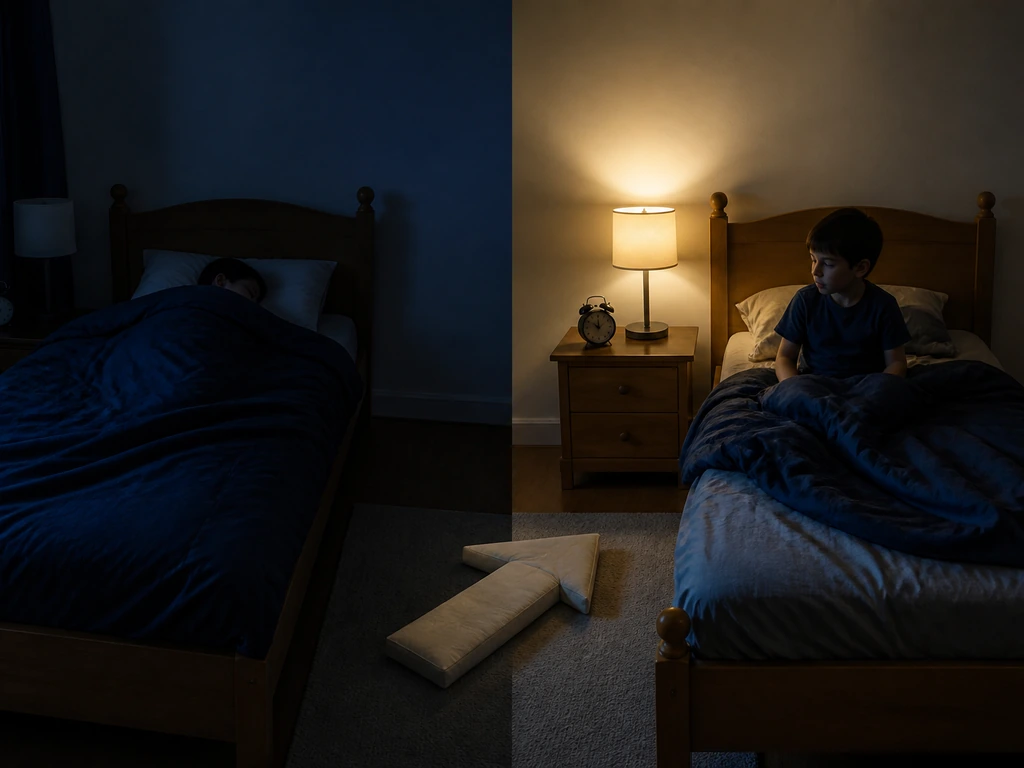
No, not completely, but the impact depends heavily on your age and where you are in development. For many growing kids and teens, getting enough sleep is key, so you may wonder whether 7 hours is sufficient sleep stop height growth completely. Here's how the picture breaks down across life stages.
Children (roughly 5 to 12 years)
This is the life stage with the most observational evidence linking sleep to stature. A large UK cohort study (the National Study of Health and Growth) found that shorter sleep duration in children aged 5 to 11 was associated with shorter height, even after accounting for confounders. That's not proof that sleep loss caused shorter stature, but the direction of the association is consistent with what we'd expect given the GH physiology. In younger children, where growth plates are wide open and the body is growing fast, chronic sleep restriction is probably the most meaningful threat to growth potential.
Teenagers (13 to 18 years)
Adolescence is both the most critical window and the one where sleep deprivation is most common. The American Academy of Sleep Medicine and the AAP both recommend 8 to 10 hours per night for teenagers on a regular basis, and the NHLBI echoes this range. Yet most teens fall well short of it. During puberty, GH pulses are already elevated compared to childhood, and blunting them with poor sleep carries real cost. Research on age-dependent GH suppression during sleep deprivation suggests the impact is not uniform across ages, which means the effect on a 14-year-old in the middle of a growth spurt could be different from its effect on a 17-year-old winding down. Growth plates in females typically close around age 17, and in males closer to 19, so the window for sleep to influence height is narrowing through the later teen years.
Late teens and young adults (18+)
Once growth plates fuse, no lifestyle factor, including sleep, can add height. That's not pessimism, that's just bone biology. After epiphyseal closure, improved sleep can still benefit your health, your hormonal profile, your muscle repair, and your body composition, but it won't make you taller. If you're a fully grown adult asking this question, the realistic answer is that your height is set, and the focus shifts to maximizing everything else sleep supports.
Growth hormone and why sleep loss matters so much

The GH-sleep connection is the core mechanism behind most of what we know here. GH doesn't just stimulate long bone growth directly. It also signals the liver to produce IGF-1, which then acts on growth plates, muscles, and connective tissue. One of the clearest pieces of clinical evidence for how sleep quality affects this system comes from studies on obstructive sleep apnea (OSA). When OSA patients were treated with CPAP to restore normal sleep architecture, their pulsatile GH secretion and circulating IGF-1 levels increased over time. In other words, fixing disrupted sleep normalized GH and IGF-1 outputs, which is strong mechanistic evidence that poor sleep suppresses these signals and better sleep restores them.
There is one genuine nuance worth flagging: acute sleep deprivation combined with vigorous exercise can actually spike GH in the short term, as one study on 24-hour sleep deprivation with exercise demonstrated. This doesn't mean sleep deprivation is good for growth. It reflects the body's stress response under extreme conditions, not a sustainable growth-promoting state. Chronic sleep restriction, which is the real-world concern for most teenagers and kids, consistently moves GH and IGF-1 in the wrong direction.
One study from NIEHS also found that disruptive noise during sleep didn't clearly reduce GH production in adolescents, suggesting that sleep disruption from external sources may not always blunt GH as strongly as total sleep reduction. The science here has real nuance, and it's worth being honest that not every study finds a clean suppression signal. But the overall weight of the physiology still points toward consistent, quality sleep as the best environment for normal GH secretion.
Can you make up lost growth with naps or catch-up sleep?
This is one of the most common questions, and the honest answer is: maybe partially, but not reliably. Behavioral sleep-extension interventions can meaningfully increase total sleep duration, and at least one study found that sleep extension increased IGF-1 concentrations in healthy young men before and during subsequent sleep deprivation. That's an encouraging signal that the endocrine system is somewhat responsive to catch-up sleep. But there are no well-powered human trials showing that catch-up sleep restores height velocity that was lost during a period of chronic restriction. The endocrine data is promising, the height data is not there yet.
Naps are a related but different question. Afternoon naps can provide extra slow-wave sleep, and there's some evidence that GH is released during daytime naps too. The sibling topic of whether afternoon sleep contributes to growth gets into this more directly. Do you grow taller when you sleep in the afternoon? The short answer is that daytime naps may add some sleep, but they do not reliably replace the growth-supporting timing and architecture of nighttime sleep. For practical purposes, a nap is better than nothing, but it's not a clean substitute for a full night of consolidated sleep. The largest GH pulse of the day happens in that early-night window, and naps don't replicate that timing or architecture consistently.
The other myth worth busting here: supplements marketed as GH boosters or sleep-growth enhancers have no strong evidence behind them for increasing height in people who are otherwise sleeping adequately. The baseline is consistent, quality nighttime sleep. Everything else is noise.
Practical sleep fixes to support healthy growth starting now
If you're in a growth window (roughly under 17 for girls, under 19 for boys), these are the most evidence-supported sleep habits to prioritize.
Know your target sleep duration

| Age Group | Recommended Sleep Per Night | Source Basis |
|---|---|---|
| Children 6–12 years | 9–12 hours | NHLBI / AASM / AAP consensus |
| Teenagers 13–18 years | 8–10 hours | AASM / AAP endorsed guidelines |
| Adults 18+ | 7–9 hours | General adult recommendations (growth plates closed) |
Fix the most common blockers
- Screen time before bed: blue light from phones and screens suppresses melatonin, delaying sleep onset. Set a hard cutoff 30 to 60 minutes before your target bedtime.
- Caffeine timing: caffeine has a half-life of roughly 5 to 6 hours. A coffee or energy drink at 4pm is still half-active at 10pm. Aim to cut caffeine before early afternoon.
- Irregular bedtime: your body's GH pulse is partly anchored to sleep timing, not just hours slept. Going to bed at wildly different times on different nights disrupts the rhythm. Consistency matters more than most people realize.
- Sleep environment: a cool, dark, quiet room meaningfully improves slow-wave sleep quality, which is the stage most linked to GH release. Even small improvements here add up.
- Late eating: large meals close to bedtime can disrupt sleep quality. Try to finish eating 2 to 3 hours before sleep.
Build a schedule you can actually stick to

Pick a consistent wake time first, then work backward to a bedtime that gives you the right window. Most teens need to be lights-out by 9:30 to 10pm to hit 8 to 10 hours before a typical school morning. This is especially true for the question “if you sleep more do you grow taller,” because longer, consistent sleep supports the hormone signals tied to growth. Weekends are where most sleep schedules fall apart. Sleeping in more than an hour past your weekday wake time creates social jet lag that makes it harder to fall asleep on Sunday night and compounds into the week. It's one of the most underappreciated drivers of chronic teen sleep debt.
The other levers: nutrition, exercise, and genetics
Sleep is critical, but it's one part of a system. Here's where the other evidence-based factors fit in.
Nutrition
Adequate caloric intake is foundational. Growth requires energy, and chronic caloric restriction in children and adolescents is one of the clearest causes of growth faltering. Beyond total calories, protein is the building block for bone matrix, muscle, and connective tissue. Vitamin D and calcium directly support bone mineralization, which is necessary for the growth plates to function and eventually fuse properly. Zinc also plays a role in GH signaling pathways. You don't need exotic supplements if you're eating enough varied whole foods, but deficiencies in any of these can independently limit growth even if sleep is perfect.
Exercise
Regular physical activity, especially weight-bearing exercise and activities that load the skeleton, supports bone density and has some evidence behind it for supporting GH secretion during and after exercise. This doesn't mean intense training adds height directly. What it does mean is that being sedentary removes a stimulus that the body uses to keep bone and muscle in an anabolic state. Activities like running, jumping, sports, and even safe resistance training for teens are positives, not negatives, for growth as long as they're not displacing sleep time.
Genetics
Genetics set the ceiling. Roughly 60 to 80 percent of adult height variation between individuals is explained by genetic factors. Constitutional growth delay, where kids grow more slowly but eventually catch up, and familial short stature are common patterns that get sorted out by looking at parental heights and bone age. No amount of sleep optimization, nutrition, or exercise overrides a genetic program that was set at conception. The realistic goal of optimizing sleep and lifestyle factors is to reach your genetic ceiling, not to exceed it.
Realistic expectations and when to talk to a clinician

If you're a child or teenager who's been consistently undersleeping and you're now fixing that, the most realistic outcome is that you'll support your growth rather than guarantee a specific number of extra centimeters. One Taiwanese prospective cohort in the Puberty Longitudinal Study evaluates lifestyle practices, including sleep duration, in adolescents 6 to 17 and relates them to changes in annualized growth velocity, supporting sleep as an actionable correlate of height change within study-design limits blank" rel="noopener noreferrer">support your growth rather than guarantee a specific number of extra centimeters. If you routinely sleep late and cut into your total sleep time, it can mean you miss the sleep stages that support normal growth signaling. Growth is a long-term, multi-factor process. Improving sleep is genuinely valuable and evidence-supported, but it's not a guaranteed height-boosting intervention you can measure on a timeline of weeks.
See a doctor if any of these apply. A clinician can assess growth velocity, bone age via an X-ray of the wrist or hand, and rule out treatable medical causes of growth concerns like hypothyroidism, GH deficiency, or sleep-disordered breathing. For infants and young children, the American Academy of Pediatrics also advises evaluating abnormal growth using growth velocity and percentiles along with the clinical context, rather than relying on any single measurement assess growth velocity. The Endocrine Society's approach to short stature evaluation distinguishes between constitutional delay (often a normal variant), familial patterns, and conditions that genuinely benefit from treatment. Don't try to diagnose this from a symptom checklist alone.
- A child or teen is consistently falling well below expected growth velocity for their age or is dropping percentile channels on a growth chart.
- Suspected obstructive sleep apnea: loud snoring, witnessed pauses in breathing, excessive daytime sleepiness despite adequate time in bed, or restless sleep.
- Persistent difficulty sleeping despite fixing the common behavioral causes above.
- A teenager past the typical age of puberty who hasn't started or hasn't progressed through pubertal development.
- Any parent or young person who is worried and wants a professional assessment, not internet reassurance.
The bottom line is that sleep is not optional if you want to support your growth potential. It's where a large portion of the biology actually happens. You can grow some without it, but you can't grow as well, and once the growth window closes, that's the end of the conversation on height. Fix your sleep now if you're still in that window. It's one of the few growth-related levers that costs nothing and has benefits well beyond height.
FAQ
If I only miss a few nights of sleep, will it permanently stunt my height?
Usually not. Height velocity is influenced most by chronic, repeated sleep restriction, not occasional shortfalls. If you miss sleep, the best move is to restore a consistent schedule for at least 2 to 4 weeks and track whether your sleep duration is back to target.
Can I “make up” for lost sleep on weekends, like sleeping in to catch up?
To a point, extra weekend sleep can reduce overall sleep debt, but large delays in your schedule often create social jet lag that makes falling asleep on Sunday night harder. A better strategy is to keep weekend wake times within about 1 hour of weekdays so early-night deep sleep stays more consistent.
What’s the biggest problem, sleeping late or not getting enough total hours?
Total sleep time is the major driver, but sleep timing matters too. Early-night deep sleep is where the largest growth hormone pulse tends to occur, so shifting bedtime later can reduce that critical window even if you still get “about” the same hours.
If I have trouble falling asleep, does that still affect growth even if I eventually sleep enough?
It can. Delayed sleep onset can reduce the time you spend in early-night slow-wave stages, depending on when you actually fall asleep and when you wake up. If possible, prioritize an earlier lights-out routine so you fall asleep at a consistent time.
Do sleep supplements or “GH booster” pills help me grow if I’m already sleeping enough?
There’s no solid evidence that these reliably increase height in people who already get adequate sleep. They also vary in quality and ingredients, so the safer first step is to correct the basics: sleep duration and schedule, nutrition, vitamin D and calcium adequacy, and treating any sleep-disordered breathing.
How do naps fit in for growth if I can’t get enough nighttime sleep?
Naps may add some slow-wave sleep and may contribute to daytime GH release, but they do not consistently replace nighttime architecture, especially the early-night window. If you are short on sleep, prioritize getting nighttime hours first, then consider naps as an add-on rather than a substitute.
Does obstructive sleep apnea affect height more than normal poor sleep?
It can. Sleep apnea fragments sleep architecture and can blunt the normal GH and IGF-1 pattern. Treatment such as CPAP can improve these signals over time, so if snoring, breathing pauses, or restless sleep are present, it’s worth getting evaluated rather than trying to fix things with bedtime changes alone.
Is it safe to use exercise to support growth if I’m also sleep deprived?
Exercise is supportive when paired with adequate sleep, but it cannot compensate for chronic under-sleeping. Intense training plus low sleep can increase stress and worsen recovery, so if you’re trying to improve growth-supportive conditions, fix sleep first, then use weight-bearing activities in reasonable amounts.
Should I see a doctor if I’m worried about my growth and I also have sleep issues?
Yes, especially if growth seems slow (low growth velocity over time), puberty seems unusually delayed/early, or there are red flags like heavy snoring or daytime sleepiness. A clinician can assess growth velocity and, when needed, bone age and rule out causes such as hypothyroidism or sleep-disordered breathing.
If I’m already past the teen years, is there any reason to improve sleep for “height”?
Improving sleep won’t add height after growth plates have fused, but it still matters for hormones, muscle repair, bone health, and body composition. For grown adults, the goal shifts from gaining height to supporting long-term skeletal health and overall wellbeing.
Next Article
Can I Grow Taller If I Sleep Late? Evidence and Tips
Can sleeping late stunt height? Get evidence on sleep duration, growth hormone, growth plates, and age-based sleep targe