Sleeping more than you currently do can help you reach your genetic height potential during childhood and adolescence, but it won't push you beyond it. Sleep is when the body releases most of its growth hormone, so consistently getting enough high-quality sleep is genuinely important for normal height development in kids and teens. However, "more sleep" doesn't mean unlimited height gain, and for most adults whose growth plates have already closed, extra sleep won't add measurable height at all.
If You Sleep More Do You Grow Taller? Evidence-Based Guide

Marcus Reeves
4 May 2026

How sleep actually affects growth in children and teens

The connection between sleep and height is real, but it runs through a specific biological mechanism: growth hormone (GH) secretion. The largest GH pulse of the day happens shortly after sleep onset, timed closely with the first period of slow-wave (deep) sleep. This isn't a coincidence. Research consistently shows that GH release during the night is tied to sleep physiology itself, not just the passage of time. If that deep sleep is disrupted or cut short, the GH pulse can be blunted.
Studies on sleep deprivation show a measurable drop in overall 24-hour GH output, and the suppression appears to be age-dependent, meaning growing children and teens are especially vulnerable. On the positive side, longitudinal data from large cohort studies, including a Japanese birth cohort that followed children from 1.5 years to age 3, found that longer nighttime sleep duration was associated with greater height later on. Extreme cases make this even clearer: children with severe psychosocial dwarfism, a condition where chronic stress and disrupted sleep suppress GH secretion, have shown catch-up growth and normalized GH pulses after their sleep environment improved.
Obstructive sleep apnea (OSA) in children offers another window into this relationship. Kids with untreated OSA often show impaired growth velocity, and multiple studies report that children who received adenotonsillectomy to treat their OSA experienced a clear acceleration in height gain afterward. This isn't just a sleep-duration effect; it's about sleep quality and uninterrupted deep sleep cycles allowing GH secretion to do its job.
Why sleeping more than you need probably won't add extra height
Here's the important caveat: the growth-promoting benefits of sleep kick in when you're getting adequate sleep, not when you sleep beyond your body's actual need. The major GH pulse is tied to the first slow-wave sleep cycle, so once you've had that, extending sleep by another two hours doesn't automatically trigger extra GH output. One study even found that an acute bout of sleep disruption in pubertal children didn't significantly diminish pulsatile GH secretion in the short term, suggesting the relationship is more nuanced than "more hours always equals more growth hormone."
The more accurate framing is this: insufficient sleep can actively undercut your growth potential, while sufficient sleep allows normal growth to proceed. For most children and teens, meeting the recommended sleep range for their age is the most practical way to support healthy growth. Think of it as a floor, not an accelerator. Sleeping 12 hours when your body needs 9 won't make you taller than your genes allow. But regularly sleeping only 6 hours when you need 9 could genuinely leave height on the table during the years your growth plates are still open. So, can you grow without sleep? If you are consistently under-sleeping, you can end up leaving real height potential on the table while your growth plates are still open. If you're wondering whether 7 hours of sleep is enough to grow taller, the answer depends on your age and whether you consistently get enough quality sleep for growth.
For adults, the picture is even more straightforward. Once growth plates (epiphyseal plates) fuse, typically in the late teens to early twenties, bone lengthening stops. No amount of sleep will reopen those plates. Adults do still release GH during sleep and benefit from good sleep for muscle repair, metabolic health, and posture, but height gain is essentially off the table.
How much sleep you actually need by age
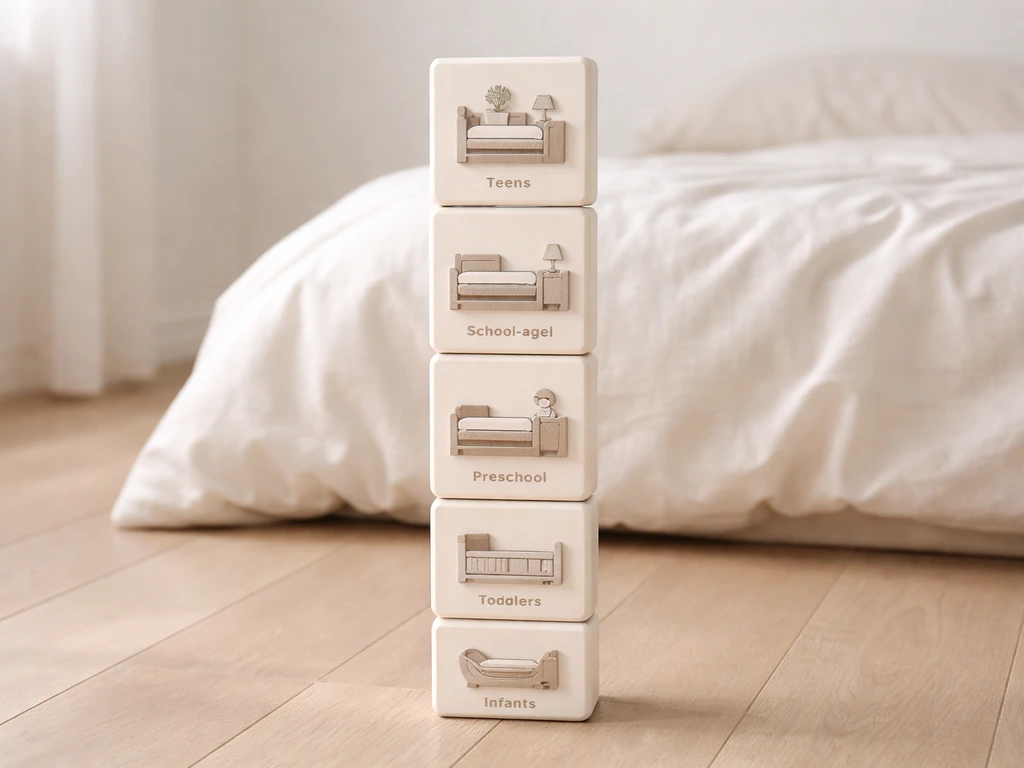
The American Academy of Sleep Medicine, endorsed by the American Academy of Pediatrics, sets clear recommended ranges by age group. These cover total sleep in a 24-hour period, which for younger children includes naps.
| Age Group | Recommended Sleep (per 24 hours) |
|---|---|
| Infants (4–12 months) | 12–16 hours (including naps) |
| Toddlers (1–2 years) | 11–14 hours (including naps) |
| Preschool (3–5 years) | 10–13 hours (including naps) |
| Children (6–12 years) | 9–12 hours |
| Teens (13–18 years) | 8–10 hours |
| Adults (18–64 years) | 7–9 hours |
| Older adults (65+) | 7–8 hours |
Duration is only part of the picture. Consistency matters just as much. Research shows that irregular sleep timing, where a child goes to bed at very different times from night to night, is independently associated with worse outcomes even when average total sleep hours look acceptable. The CDC specifically highlights consistent bedtimes and wake times as a core pillar of sleep health, not just clocking enough hours.
Practical ways to improve sleep quality starting tonight
- Set a fixed bedtime and wake time every day, including weekends. Shifting by more than an hour on weekends works against the body clock.
- Dim lights and cut screens at least 60 to 90 minutes before bed. Evening screen use, especially interactive apps, video games, and social media, suppresses melatonin and delays sleep onset. Systematic reviews show this is one of the strongest modifiable factors for sleep timing in kids and teens.
- Keep the bedroom dark and cool. Even low-level light can fragment sleep architecture and reduce slow-wave sleep.
- For teens specifically, earlier bedtimes produce more total sleep than simply telling them to sleep in later. Research testing earlier-bedtime interventions in adolescents showed objectively measured increases in total sleep time.
- If a child snores loudly, gasps during sleep, or breathes with obvious effort at night, get it evaluated. This could be obstructive sleep apnea, which actively impairs GH secretion and growth velocity.
- Reduce caffeine (yes, even in kids, via energy drinks and sodas) especially in the afternoon and evening.
Other evidence-based factors that work alongside sleep

Sleep is one piece of a larger puzzle. Height during childhood and adolescence is driven primarily by genetics, but the gap between your genetic floor and ceiling is filled (or not) by how well your body is nourished and supported during growth years. Here's what actually moves the needle:
- Nutrition: Adequate protein, calcium, vitamin D, and zinc are all directly tied to bone growth and GH signaling. Chronic undernutrition is one of the most common reasons children fall short of their genetic height potential worldwide.
- Overall health: Repeated or chronic illnesses, especially gastrointestinal conditions that impair nutrient absorption, can cause periods of slowed growth velocity. Treating underlying health problems often produces catch-up growth.
- Physical activity: Weight-bearing exercise and play support bone density and stimulate GH release during the day. There's no evidence that specific exercises make you taller beyond your genetic potential, but staying active supports healthy bone development during growth years.
- Posture: This won't change your skeletal height, but chronic slouching can mean you measure shorter than you actually are. Strengthening core and back muscles through exercise can help you stand at your full measured height.
- Avoiding growth-suppressing factors: Chronic stress, smoking exposure, and excessive corticosteroid use are all known to suppress GH secretion or bone growth in children.
Related questions worth exploring alongside this one include how much sleep is specifically needed to support growth, whether sleeping late at night (rather than sleeping less) affects the hormonal timing of growth, and whether afternoon naps contribute to the total sleep needed for normal development. If you’re wondering specifically about sleeping late, it helps to consider sleep timing consistency and whether late schedules disrupt your hormonal sleep cycle. If you’re wondering whether you grow taller when you sleep in the afternoon, the key is whether those naps help you meet your total daily sleep needs afternoon naps. If you wonder, “will I not grow if I sleep late,” the key issue is whether late sleep reduces your total quality and duration, especially during the years your growth plates are still open sleeping late at night. The timing and consistency of when you sleep matters, not just how many hours you log.
When to talk to a doctor about growth concerns
Most kids who are short are simply constitutionally small or following a family pattern. But there are situations where growth concerns warrant a clinical evaluation, and catching them early matters because some causes of poor growth are treatable.
A commonly used clinical threshold is a growth velocity below about 4 to 5 cm per year in school-age children. Pediatric endocrinology guidelines flag growth velocity under 4 cm/year and patterns of dropping across height centile lines on a growth chart as signals for further workup. A single height measurement in isolation tells you less than a growth curve plotted over time.
The Endocrine Society recommends that evaluation start with a thorough medical and family history, including parents' heights and the ages at which parents went through puberty. A child who is short but tracking normally along a low-centile line with parents who are also short is in a very different category from a child who has been crossing downward through centile lines over two years.
- Your child's growth has noticeably slowed over 6 to 12 months and their curve is dropping across centile lines on a standard growth chart.
- Growth velocity is consistently below 4 to 5 cm per year during the school-age years.
- You notice your child snoring loudly, pausing in breathing during sleep, or waking frequently. Untreated pediatric OSA is a real, treatable cause of growth impairment.
- Puberty hasn't started by age 13 in girls or 14 in boys, which may indicate delayed puberty and associated slower growth.
- Your child seems unusually fatigued despite getting adequate sleep hours, which could signal a sleep disorder, thyroid issue, or other condition affecting GH regulation.
- You have a family history of growth hormone deficiency or other endocrine conditions.
A pediatrician is the right first call. They can plot growth over time, assess bone age with a wrist X-ray if needed, and refer to a pediatric endocrinologist if the pattern warrants it. The takeaway here is that if sleep is genuinely disrupted by a medical issue like OSA, fixing that problem can genuinely improve a child's growth trajectory. That's not extra sleep making someone taller so much as removing an active obstacle to normal growth.
FAQ
I sleep 1 to 2 extra hours on weekends, will that make me taller?
If you are already getting enough sleep for your age, adding extra time usually does not produce additional height gain. The growth-related GH pulse is tied mainly to the early part of the night, especially the first deep-sleep period, so once you cover your body’s sleep need, extra hours are more likely to help recovery and mood than to increase growth.
Does sleeping in late on weekends help growth or can it hurt?
For kids and teens, consistent bed and wake times matter because deep sleep quality and timing depend on a stable circadian rhythm. If weekend sleep shifts your schedule by a large amount (for example, going to bed much later), some growth-supportive sleep architecture may be less optimal even if the total hours look higher.
Will afternoon naps help a child grow taller?
Napping can support growth only insofar as it helps the child reach their total 24-hour sleep requirement. A nap that replaces nighttime sleep might not help if it reduces the overnight deep-sleep window. In practice, prioritize nighttime sleep first, then use age-appropriate naps to reach the recommended total.
If I add more hours but I wake up a lot, will I grow taller?
To grow taller, the key is not just total hours but uninterrupted sleep quality. Frequent awakenings, restless sleep, or snoring that suggests sleep-disordered breathing can blunt deep sleep and lower GH output, so addressing sleep quality issues often matters more than adding extra time.
Can adults grow taller by sleeping more?
Adults generally cannot increase height after growth plates fuse. Even though adults still produce GH during sleep, it mainly supports tissue repair and metabolic functions, not bone lengthening. If an adult is concerned about height change, it is usually more about posture, spinal health, or conditions affecting height loss.
What if my child sleeps longer but still isn’t gaining height as expected?
One of the most common mistakes is trying to “dose” extra sleep as a strategy when the real issue is an underlying problem like iron deficiency, chronic allergies, or obstructive sleep apnea. If a child snores, has breathing pauses, or shows daytime sleepiness, an evaluation can prevent growth from being held back by an obstacle to normal sleep.
How do I know if poor growth is more than a sleep issue?
Growth concerns are best judged by growth velocity and trends on a chart, not by a single measurement or by sleep alone. If a child’s growth rate is under about 4 to 5 cm per year in school-age years, or if they cross downward through centile lines over time, it is reasonable to ask a pediatrician about workup.
Will one bad night of sleep stop a child from growing?
A single night of shortened sleep is unlikely to permanently affect height. The risk is more about chronic under-sleep over weeks to months while growth plates are still open, along with repeated disruptions that reduce deep sleep consistently.
How should we “catch up” on lost sleep without disrupting the schedule?
If you need to catch up, focus on consistent scheduling rather than extreme oversleeping. For example, aim to return to the child’s regular bedtime and wake time within a few days, because large, repeated schedule swings can still reduce sleep quality even when average hours increase.
Next Article
How Much Sleep Do I Need to Grow Taller? Hours by Age
Sleep helps growth while you’re still developing. Get 9 to 12 hours for kids, 8 to 10 for teens, plus better sleep habit