Drinking enough water supports healthy growth, but there's no magic amount that will make you taller on its own. If you're a child or teenager still growing, staying well-hydrated helps your body do what it's already programmed to do: support bone development, nutrient transport, and hormone function. The practical daily target for most kids and teens ranges from about 2.1 to 3.3 liters of total water per day depending on age and sex, with adults generally aiming for around 2.7 to 3.7 liters. But hitting that number won't add inches to your height if your growth plates are closed, your diet is lacking, or you're not sleeping well. Water is one piece of a much bigger picture.
How Much Water Should I Drink to Grow Taller

Marcus Reeves
21 May 2026
Does drinking more water actually make you taller?
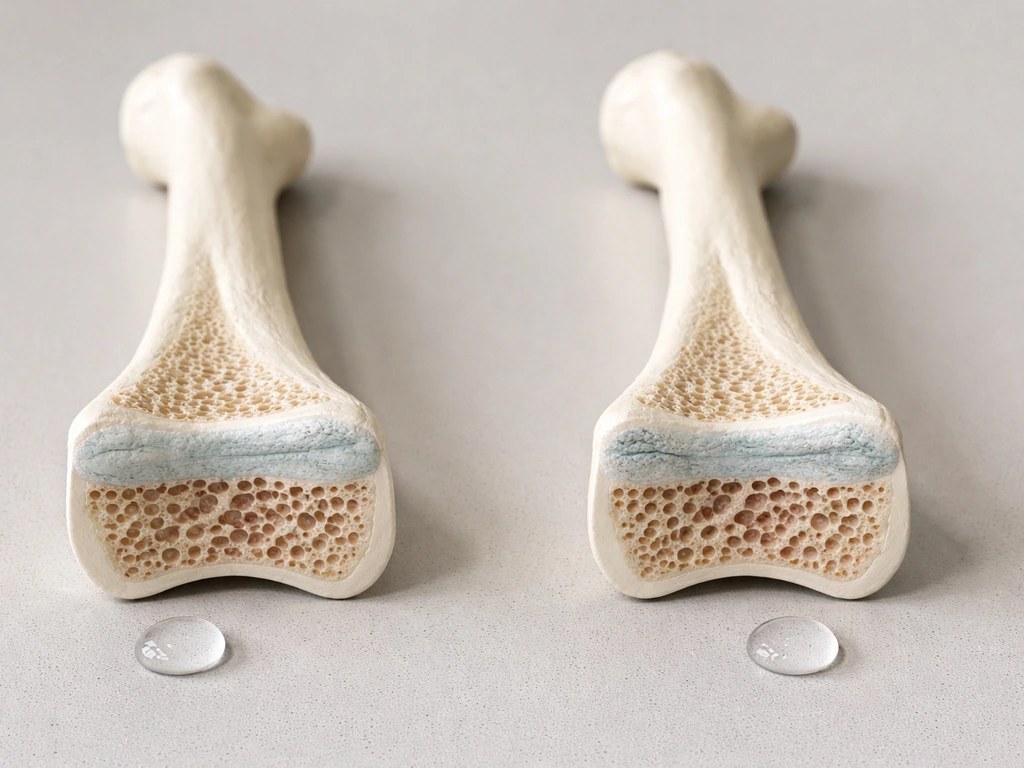
The direct answer is no, drinking extra water does not stimulate bone growth or cause growth plates to produce more cartilage. No major medical or scientific guideline recommends increasing water intake as a specific strategy for increasing linear height. Hydration works more as a maintenance issue: when you're chronically dehydrated, your body diverts resources away from non-urgent functions, which can include growth processes. But going from adequately hydrated to "over-hydrated" does nothing beneficial for height, and can actually cause problems (more on that later).
Where water genuinely matters is in preventing the drag that dehydration places on every system in your body. Growth hormone needs to be secreted, transported, and received by target tissues. Nutrients like zinc, protein, and calcium need to be absorbed and delivered to bones. All of that depends on adequate fluid. So the goal isn't to drink as much water as possible; it's to drink enough that dehydration never becomes a bottleneck. Think of hydration as the floor your growth potential sits on, not the ceiling that determines how tall you'll get.
It's also worth separating height from spinal compression. You're actually slightly taller in the morning than at night because the discs in your spine rehydrate overnight. Some people interpret this as "water makes you taller," and technically, adequate hydration does help maintain disc height. But this is not the same as actual skeletal growth. The difference between your morning and evening height, usually around half an inch to a full inch, is not permanent and has nothing to do with growth plate activity.
Daily water targets for kids, teens, and adults
The National Academies set Adequate Intake (AI) values for total water, which includes water from all beverages plus water found naturally in food (fruits, vegetables, cooked grains, etc.). These aren't minimums you have to hit from a water bottle alone. About 20 percent of daily water intake typically comes from food, so these numbers account for that.
| Age Group | Sex | Total Water AI (per day) |
|---|---|---|
| 9–13 years | Boys | 2.4 liters |
| 9–13 years | Girls | 2.1 liters |
| 14–18 years | Boys | 3.3 liters |
| 14–18 years | Girls | 2.3 liters |
| 19+ years | Men | 3.7 liters |
| 19+ years | Women | 2.7 liters |
These values reflect the age ranges where most linear growth is actually happening. Boys aged 14 to 18 have the highest target because they're typically in their peak growth spurt phase, which coincides with the highest overall metabolic demands. Girls hit their spurt earlier, usually around age 11 to 12, which is why the 9 to 13 range is particularly important for them. CDC data shows that many children and adolescents in the US don't consistently meet these targets from plain water alone, which is worth keeping in mind if you're tracking intake.
For adults, the AI values shift to about 3.7 liters per day for men and 2.7 liters for women. Once growth plates have fused, the rationale for hydration shifts entirely toward general health rather than height potential. That said, good hydration still matters for posture, disc health, and overall physical performance, all of which affect how tall you actually look and feel.
How to calculate your actual intake
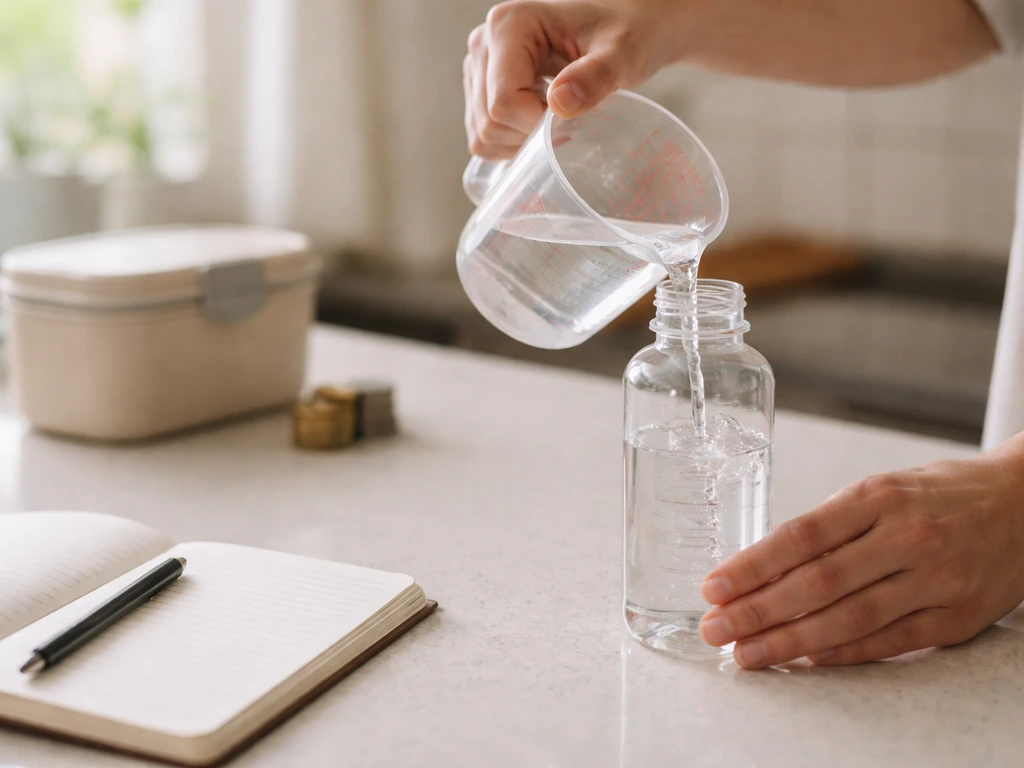
The National Academies AI values are population-level estimates, not personalized prescriptions. Your real needs depend on your body size, how active you are, where you live, and what the weather is like. A practical starting estimate used in many clinical and sports contexts is around 30 to 35 milliliters per kilogram of body weight per day for a baseline sedentary adult. For a 60 kg (132 lb) person, that's roughly 1.8 to 2.1 liters from beverages, before accounting for food water or any activity.
Then you add on top of that based on your situation. These are rough additions, not precise formulas, but they give you a sensible direction:
- Light exercise (30 to 60 minutes): add roughly 0.5 to 1 liter on top of your baseline
- Intense exercise or training: add 1 to 1.5 liters, and replace electrolytes if sweating heavily for over an hour
- Hot or humid environment: add 0.5 to 1 liter even without formal exercise
- Illness with fever, vomiting, or diarrhea: increase intake and consider electrolyte solutions, especially in children (consult a doctor)
The important caveat here is that these are approximations. Kidney function, certain medications, and medical conditions like heart or kidney disease can significantly change safe fluid targets. If any of those apply to you or your child, don't use generic formulas; talk to a clinician about appropriate targets. Late-stage kidney disease in particular increases the risk of overhydration because the kidneys can't excrete excess water efficiently.
How to tell if you're drinking the right amount
Numbers are helpful starting points, but your body gives you real-time feedback that's easy to read once you know what to look for. The two most practical markers are thirst and urine color.
Thirst as a signal
In healthy children and adults, thirst is a reasonably reliable indicator that your body needs fluid. The problem is that many people, especially kids in school settings, override or ignore thirst because they're busy or don't have easy access to water. Making water consistently available and building drinking habits around meals and activity removes the need to rely on thirst alone.
Urine color as a guide
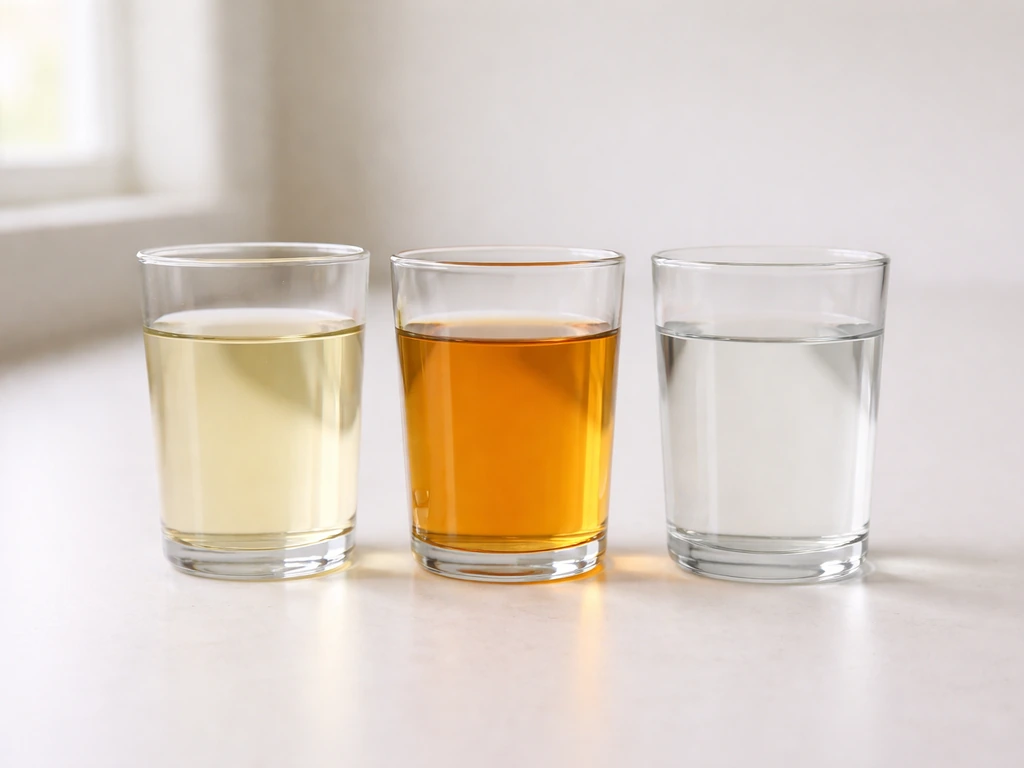
Urine color is a useful, free, real-time hydration check. Pale straw to light yellow is your target. Dark yellow to amber suggests you need more fluid. Clear or colorless urine can mean you're over-hydrating, which carries its own risks.
The MSD Manual Consumer Edition notes that overhydration can lead to low blood sodium (hyponatremia) and can be dangerous when you drink much more water than your body needs [Clear or colorless urine can mean you're over-hydrating, which carries its own risks. ](https://www. msdmanuals. com/en-gb/home/hormonal-and-metabolic-disorders/water-balance/overhydration?
media=print). Lab-grade assessment uses urine specific gravity, where a value above 1. An AAFP review notes that urinary specific gravity correlates with urine osmolality and provides interpretation ranges, such as normal values around 1. 003 to 1.
030 and lower values suggesting relative overhydration urine specific gravity.
020 suggests relative dehydration and below 1. 010 suggests relative overhydration, but for everyday purposes the color chart works well enough.
One important nuance: urine color can be affected by B vitamins (which turn urine bright yellow regardless of hydration), certain foods like beets, and some medications. First-morning urine is also naturally more concentrated and darker, so don't panic if it's deep yellow right after waking up.
Signs you're under or overdoing it
- Underhydration signs: dark urine, infrequent urination, headaches, fatigue, dry mouth, difficulty concentrating
- Overhydration signs: very frequent urination, colorless urine, nausea, headache, confusion in severe cases (hyponatremia), swelling in hands or feet
- Exercise-associated overhydration risk: drinking large amounts of plain water during extended intense exercise can dilute blood sodium to dangerous levels (serum sodium below 135 mmol/L); this is most common in endurance sports
Hydration is just one part of what actually drives growth
If your goal is to support healthy height development, water is genuinely necessary but nowhere near sufficient on its own. The research on growth consistently points to a set of overlapping factors, and dehydration is only one of many things that can undermine them. Here's how they connect:
Calories and protein
Severe, prolonged undernutrition is one of the clearest documented causes of reduced linear growth in children. Your bones need raw material: adequate total calories to sustain growth processes, and protein specifically for the collagen matrix that bone is built on. If caloric intake is consistently insufficient, growth slows regardless of hydration status. This is why growth faltering assessments focus first on energy and protein supply, not fluid intake.
Micronutrients
Specific micronutrients have documented roles in linear growth. Zinc deficiency in particular has been linked to impaired growth in children, and randomized controlled trials show zinc supplementation can improve height outcomes in deficient populations. Calcium and vitamin D are essential for bone mineralization. Iodine matters for thyroid function, which regulates growth hormone. Water carries and helps absorb these nutrients, but it can't substitute for them.
Sleep
Growth hormone is released primarily during deep sleep, particularly in the first few hours of the night. Consistently poor or insufficient sleep disrupts this pulse, directly affecting the hormonal environment needed for growth plate activity. For growing children and teens, sleep quality and duration are probably more directly tied to height potential than hydration is.
Exercise and posture
Weight-bearing physical activity stimulates bone density and may support healthy growth patterns during childhood and adolescence. There's also a posture component worth mentioning: strong core and back muscles from regular exercise help you stand at your full height. This isn't the same as growing taller, but poor posture can make you look and measure shorter than you actually are.
Age, growth plates, and what's actually realistic
Understanding where you are in the growth timeline changes everything about what's achievable. Height growth only happens while your epiphyseal growth plates (the cartilage zones near the ends of long bones) are still open and active. Once those plates fuse, linear bone growth stops, full stop. No amount of water, nutrition, or exercise changes that biology.
Growth plate fusion is tied to puberty stage, not just age. In girls, growth plates typically begin fusing around age 12 to 14 and are largely complete by 16, though some girls continue growing slowly until around 18 to 20. In boys, the process starts later and often finishes between 17 and 21. The critical windows for maximizing growth potential are childhood and early-to-mid adolescence, which is exactly when hydration, nutrition, sleep, and activity habits matter most.
Johns Hopkins Medicine notes that girls typically grow about 2 to 3 more inches after their first menstrual period, and boys' growth spurts occur roughly two years later than girls'. Puberty timing and sex hormone levels, not hydration, drive the velocity of height gain during these years.
When to talk to a doctor
Most variation in height is genetic and normal. But there are signs that warrant a clinical conversation rather than just adjusting water intake or diet at home. Consider seeing a doctor if a child is consistently falling off their growth curve over multiple checkpoints, if a teen is showing no signs of puberty by 14 (girls) or 16 (boys), if there's unexplained weight loss alongside slow growth, or if a child seems significantly shorter than both parents' heights would predict. Underlying conditions like thyroid issues, growth hormone deficiency, celiac disease, or chronic infections can all affect growth, and these need diagnosis and treatment, not just better hydration.
For adults asking this question: if your growth plates have already fused, more water won't add height. But staying well-hydrated still supports spinal disc health, posture, physical performance, and the dozens of other processes that affect how you feel and function every day. The related question of whether water has any indirect role in growth-related processes is genuinely interesting science, and the connection between hydration and overall growth support is worth understanding in depth if you want the full picture.
Your practical starting point
Here's a simple action plan that covers hydration in the context of supporting healthy growth:
- Match your intake to the National Academies AI for your age and sex as a baseline: roughly 2.1 to 3.3 liters total water per day for teens, 2.7 to 3.7 liters for adults
- Use the mL per kg estimate (30 to 35 mL per kg of body weight) to personalize your beverage target, then add for activity and heat
- Check your urine color daily: aim for pale straw to light yellow; adjust up if it's dark, down if it's consistently clear
- Don't rely on expensive sports drinks for normal daily hydration; plain water and water-rich foods cover the vast majority of needs for non-athletes
- Pair your hydration goal with adequate sleep (8 to 10 hours for growing teens), a protein-sufficient diet, weight-bearing exercise, and key micronutrients like zinc, calcium, and vitamin D
- If growth seems slow or off-pattern for a child or teen, see a pediatrician rather than trying to solve it with fluid intake
The bottom line is that water matters for growth, but it matters as part of a system. Water matters for growth, but you may also be wondering about foods like watermelon. Chronic dehydration is something you want to avoid if you're in a growth phase. But drinking double the recommended amount won't accelerate anything. Get to adequate, stay there consistently, and focus your real energy on the factors that actually move the needle: nutrition density, sleep quality, activity, and for cases where something looks clinically off, professional evaluation.
FAQ
If I drink the recommended amount every day, how long would it take to see any height-related changes?
You should not expect height to change from hydration alone, so there is no reliable timeline. Any measurable linear growth depends on your growth plates being open and on multiple factors like calories, protein, sleep, and puberty timing. Hydration can affect day-to-day posture or spinal disc rehydration, which may change how tall you look in the morning versus at night.
Is it better to drink water all at once or spread it out during the day?
For comfort and steady hydration, spreading intake is usually better than chugging. Large amounts at once can cause stomach upset, and for kids it often leads to inconsistent total intake. A simple approach is to tie drinks to meals and activity, then top off with additional sips during the day.
Does coffee, tea, or soda count toward the water I need for growth?
Tea and coffee add to total fluid, but soda is not a good strategy because added sugar and caffeine can displace more nutrient-dense options. Also, many people tolerate coffee differently, so if caffeine makes you miss sleep, it can indirectly hurt growth-related hormone patterns. Focus on water and other low-sugar fluids for most of your daily intake.
What if my urine is clear or nearly clear all the time, am I over-hydrating for height purposes?
Yes, consistently very pale or colorless urine can indicate you are drinking more than you need, which may increase the risk of electrolyte imbalance. If you are peeing frequently with no other signs of adequate hydration, scale back to achieve pale straw to light yellow most of the day.
How can I tell the difference between dehydration and urine that is dark for other reasons?
B vitamins can make urine bright yellow even when hydration is adequate, and some foods like beets can alter color. First-morning urine is also commonly darker due to overnight concentration. Look at the overall pattern (thirst, frequency, urine color over several voids), not a single sample.
Should children drink more water during sports to support growth?
They should drink enough to prevent dehydration, but extra water beyond what replaces sweat is not a growth booster. For active kids, prioritize regular sips before, during, and after play, and consider electrolyte-containing fluids during long or very hot sessions, especially if they sweat heavily.
Can electrolyte drinks or sports drinks help me grow taller compared with water?
They can help maintain hydration and performance during prolonged sweating, but they do not directly increase linear height. If a child or teen uses sports drinks, keep sugar in mind and avoid making them the default daily choice, since sleep and nutrition quality matter more for growth.
What are signs I should get my child's fluid targets checked by a clinician instead of adjusting water alone?
Seek medical advice if a child is dropping off their growth curve across multiple visits, has symptoms like persistent fatigue, frequent vomiting or diarrhea, excessive thirst with weight changes, or if they have known kidney or heart disease. These conditions can require individualized fluid and electrolyte plans.
Do growth plate closure and puberty stage change what I should do about hydration?
Yes. When growth plates are fused, extra hydration will not add height, but it still supports general health, disc hydration, posture, and physical performance. At that stage, prioritize comfortable, adequate hydration rather than trying to hit aggressive “growth” amounts.
What is a practical daily way to estimate whether I’m meeting my fluids if I do not track liters?
Use a “pattern” method: aim for pale straw to light yellow urine much of the day, drink with meals and activity, and keep thirst from being constantly ignored. Also consider your beverage choices and environment, hotter weather and higher activity generally increase needs.
Are there medical conditions or medications that make the usual hydration advice unsafe?
Yes. Kidney disease, heart failure, some diuretic medications, and certain endocrine conditions can change safe fluid targets and increase the risk of over- or under-hydration. If any of these apply, ask a clinician for a personalized intake range rather than using general formulas.
Next Article
Does Watermelon Help You Grow Taller? Evidence-Based Answer
Evidence-based answer: watermelon can’t directly make you taller, but its nutrients may support healthy growth in kids.