
Drinking more water will not directly make you grow taller. Water doesn't trigger bone growth, stimulate growth plates, or boost the hormones that drive height. That said, being chronically dehydrated or drinking contaminated water can genuinely hold back growth in children, so hydration is not irrelevant, it's just not the lever most people think it is. If you're trying to maximize your height potential, the real drivers are genetics, sleep, nutrition, and whether your growth plates are still open.
Does Water Make You Grow? What Hydration Can and Cant Do

Marcus Reeves
12 May 2026
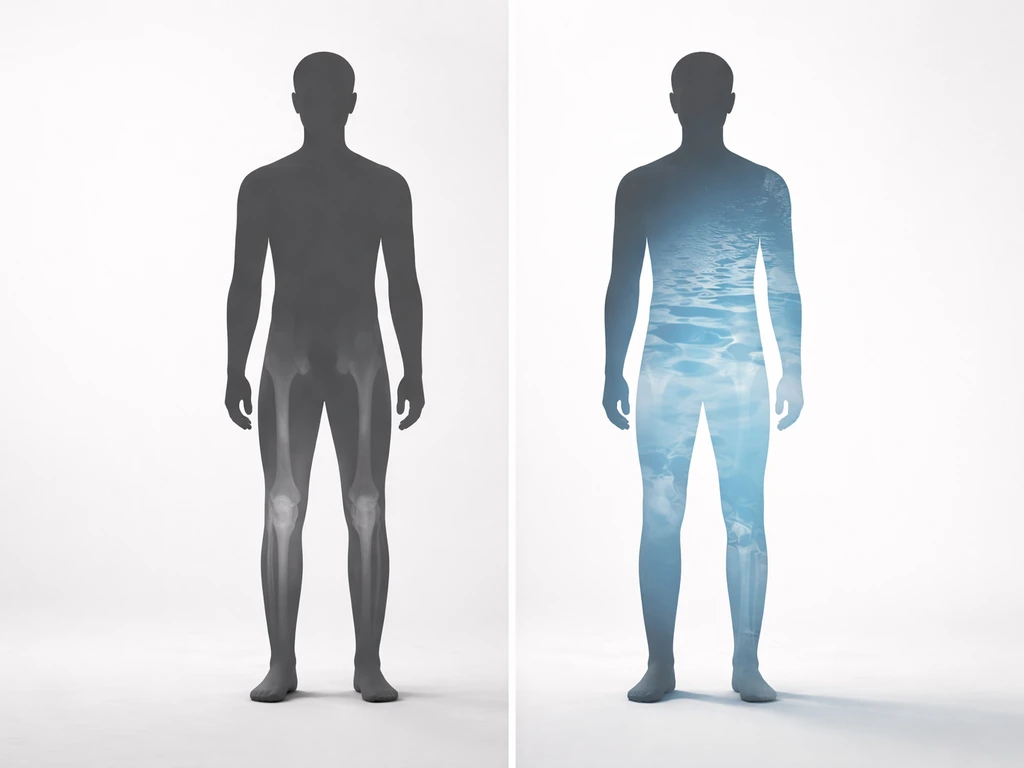
How height actually changes in the human body
Your height is determined almost entirely by what happens at your growth plates, also called epiphyseal plates. These are thin layers of cartilage near the ends of your long bones (mainly the femur and tibia in your legs). During childhood and adolescence, specialized cells called chondrocytes proliferate and differentiate inside these plates, gradually pushing the bones longer. When that cellular activity slows and eventually stops, the plates harden and fuse, and longitudinal bone growth ends. That's it. Once your growth plates are fused, no supplement, habit, or amount of water can add centimeters.
The system that drives this plate activity is hormonal. The growth hormone and IGF-1 axis is the central regulator. The pituitary gland releases growth hormone (GH), which triggers the liver to produce insulin-like growth factor 1 (IGF-1), and IGF-1 directly stimulates chondrocyte proliferation at the growth plate. Thyroid hormone, sex steroids (testosterone and estrogen), and glucocorticoids all interact with this system too. Glucocorticoids, for example, can suppress GH-IGF-1 signaling and slow chondrocyte activity, which is one reason long-term steroid use can impair growth in children. Water intake plays no meaningful role in this hormonal cascade.
Timing matters a lot here. Growth plates typically fuse in girls between ages 14 and 16, and in boys between 16 and 18, though there's meaningful individual variation tied to when puberty started and progressed. If you're an adult whose plates have already fused, the conversation about "growing taller" changes completely. Nothing you eat, drink, or do will elongate bones that have stopped growing. For children and younger teens who are still actively growing, the goal shifts to making sure the conditions for growth are as good as possible.
What water can and can't actually do for growth
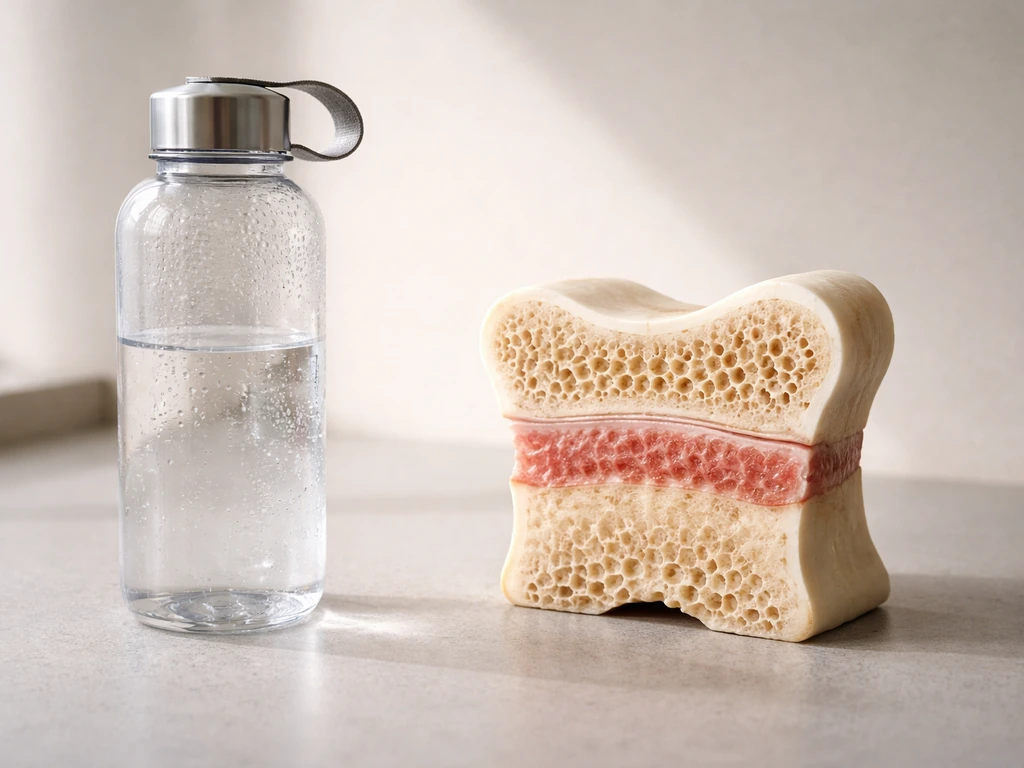
Water doesn't build bone. It doesn't stimulate growth hormone. It doesn't push your growth plates to work harder. So let's be honest about where hydration fits in the picture.
What hydration genuinely supports
- Exercise performance and recovery: Research consistently shows that even mild dehydration (around 1.9% body mass loss) degrades physical performance, raises cortisol, and disrupts the testosterone response during resistance exercise. For a growing child or teen, being able to train and move well matters for bone loading and overall health.
- Nutrient absorption and circulation: Water is the medium through which nutrients are transported around the body. Being well-hydrated helps the body efficiently use the calories, protein, calcium, and vitamin D that actually feed growth.
- Preventing growth setbacks from illness: Dehydration raises the risk of infections and illness, particularly in children. Repeated illness, poor appetite, and the associated stress hormones can indirectly slow growth over time.
- Safe water specifically: A 2026 systematic review found that access to unsafe or contaminated drinking water, not just low intake, is associated with stunting in children, with odds ratios for stunting reaching as high as 4.14 in some comparisons. This is a real effect, but it is driven by pathogens and toxins in water, not by water volume itself.
What hydration cannot do
- It cannot stimulate growth plate activity or chondrocyte proliferation.
- It cannot raise baseline GH or IGF-1 levels meaningfully.
- Simply increasing water intake, without other changes, does not produce measurable height gains. A systematic review on water intake interventions in children found no rigorous evidence that increasing water consumption leads to greater linear growth.
- It cannot reopen fused growth plates in adults.
- Drinking more water than your body needs does not accelerate any growth-related process.
The myth that water makes you taller
The idea that drinking lots of water will make you grow taller circulates widely online, especially in content aimed at teenagers who are anxious about their height. It's part of a broader category of height myths that include things like specific foods, stretching routines, and even essential oils. Experts reviewing such products consistently find no proof they influence height, and the same logic applies to water claims. The confusion probably comes from the fact that hydration is genuinely important for health and that severe dehydration is harmful, but that doesn't mean drinking above your needs delivers any additional growth benefit.
A related myth is that coffee stunts growth, which has a similar pattern: a kernel of plausibility (caffeine can affect sleep, and sleep matters for GH release) gets stretched into an oversimplified rule. Harvard Health has addressed this directly, noting the association is weak and that avoiding coffee won't make someone taller. Both myths reflect the same underlying misunderstanding: that individual food or drink choices can override the hormonal and genetic machinery that actually controls bone growth.
WASH (water, sanitation, and hygiene) research does show that improving access to clean water and sanitation in low- and middle-income countries can produce small positive effects on height-for-age in very young children (a pooled mean difference of around 0.07 in HAZ scores for children under 2). But this effect is about removing barriers to growth, specifically disease burden and contamination, not about water volume boosting growth in healthy, already-adequately-hydrated children.
When hydration matters most during growth years

For children and teenagers who are still actively growing, staying properly hydrated is worth paying attention to, not because it makes you taller on its own, but because it supports everything else that does. The CDC has noted that school-aged children are frequently underhydrated, and poor hydration can affect concentration, physical activity tolerance, and general wellbeing, all of which have downstream effects on the conditions that support normal growth.
Recommended daily water intake varies by age, sex, and activity level. Those values come from the National Academies’ Dietary Reference Intakes, which set adequate intake for total water at 3.
7 L/day for men and 2. 7 L/day for women (ages 19, 30), counting drinking water, other beverages, and water in food. Recommended daily water intake varies by age, sex, and activity level. For adults, the National Academies set adequate intake at 3.
7 liters per day for men and 2. 7 liters per day for women, counting all fluid sources including food. The NHS recommends around 6 to 8 cups of fluid per day as a practical target for most people. For children, the targets are lower and scale with body size.
These are general baselines, not specific "grow taller" prescriptions.
The period when hydration matters most for growth outcomes is early childhood, particularly the first two years of life. This is when rapid growth occurs and when the effects of repeated illness, poor sanitation, and nutritional deficits compound most severely. A 2026 systematic review reports that microbiologically unfit water is associated with increased odds of stunting and reductions in height-for-age z-scores, linking these effects to water quality and pathogens rather than to higher water volume. During adolescence, maintaining good hydration supports the intense physical activity that often accompanies puberty and helps the body manage the hormonal changes driving the pubertal growth spurt. But in both cases, water is supporting the conditions for growth, not causing it.
What you can actually do to maximize height potential
If you or your child are still in the growing years, these are the levers that actually move the needle, based on what the physiology supports.
| Factor | Why it matters | Practical target |
|---|---|---|
| Sleep | Deep sleep is when GH secretion peaks. Poor or insufficient sleep suppresses GH pulses directly. | Children: 9-12 hours. Teens: 8-10 hours. Consistent sleep schedule matters as much as total duration. |
| Protein intake | IGF-1 production is sensitive to dietary protein. Low protein intake suppresses IGF-1 even when GH is adequate. | Age-appropriate dietary protein from whole food sources (meat, eggs, dairy, legumes). Avoid chronic under-eating. |
| Calcium and vitamin D | Both are required for bone mineralization. Vitamin D also plays a role in growth plate function. | Vitamin D: 600-1000 IU/day for children and teens. Calcium: 1000-1300 mg/day during peak growth years. |
| Overall calorie intake | Chronic caloric restriction, even without obvious malnutrition, can suppress the GH-IGF-1 axis. | Eat enough to support growth and activity. Restrictive dieting during growth years is a real risk factor. |
| Physical activity | Weight-bearing exercise stimulates bone development and supports hormonal health. Hydration directly affects how well kids can exercise. | Daily activity including running, jumping, or sport. Not extreme training that causes overuse injury. |
| Avoiding growth-impairing factors | Glucocorticoid medications, smoking exposure, chronic stress, and untreated illness can all suppress growth hormone signaling. | Address chronic illness early. Discuss long-term steroid use with a clinician if growth is a concern. |
| Hydration | Supports exercise capacity and nutrient delivery. Prevents setbacks from illness. Doesn't drive growth directly. | Meet age-appropriate daily fluid targets. Prioritize safe, clean drinking water. |
One practical step that many people overlook: if a child's growth seems to be lagging, especially if they're consistently tracking below expected height-for-age percentiles or have slowed their growth velocity, that's worth discussing with a pediatrician. Growth charts exist for a reason. A clinician can check whether growth plates are still open (via a hand X-ray to assess bone age), evaluate thyroid and IGF-1 levels, and identify any treatable causes before the growth window closes. This is far more useful than adjusting water intake.
If you're an adult asking this question about yourself, the honest answer is that your height is set. Hydration, posture, and spinal decompression through stretching can slightly affect how tall you measure at different points in the day (spinal discs compress with loading), but none of this represents real height change. The useful frame for adults is not "how do I grow taller" but "how do I support the health of my musculoskeletal system," which is a different and more answerable question.
Related questions worth exploring alongside this one include how much water specifically you'd need to drink to theoretically support growth, whether other foods like watermelon (which is high in water content) contribute anything meaningful, and what the broader evidence says about whether water helps you grow at all. The short version across all of those: the mechanism isn't water itself, it's overall nutritional adequacy and health, and water is one supportive piece of a much larger picture.
FAQ
If water does not make you taller, should I still drink extra to “maximize” growth?
Not in a direct way. If you are adequately hydrated, extra water usually provides no added height benefit because the growth-plate process is controlled by hormones and genetics, and bone lengthening cannot be “boosted” by drinking more than you need.
How can I tell whether my hydration is adequate for a child who is still growing?
The best target is normal hydration, not a higher-than-needed dose. A practical approach is to aim for pale-yellow urine most of the day and adjust for heat, sports, and sweating, rather than chugging large volumes on days you are already drinking enough.
Can drinking too much water stunt growth or cause problems?
Excessive intake can be harmful. In extreme cases it can lead to low blood sodium (hyponatremia), which is especially risky if water is consumed rapidly without electrolytes, so follow age-appropriate guidelines and do not force unusually high amounts.
Could dehydration still affect growth even if water is not a growth-trigger?
Water can matter indirectly if dehydration contributes to poor sleep, low appetite, or reduced ability to train or play, which can affect overall health habits that support growth. But if the goal is actual bone length, hydration alone is not the lever.
What’s the difference between clean water benefits and “drinking more water” claims?
If the issue is contaminated water, the risk is not “water harming growth directly,” it is that water-borne illness and chronic inflammation can reduce nutrient absorption and slow growth in young children. The fix is clean water and sanitation, not higher water volume.
If a child drinks enough water, why might they still grow slowly?
Yes, but the mechanism is overall nutrition. If adequate calories and protein, calcium, vitamin D, and other micronutrients are missing, children can grow slowly, and they may drink more water because they feel thirsty or unwell, but correcting water without correcting diet will not solve the underlying problem.
Does drinking water at certain times (morning, after workouts) help growth more?
The growth plate timing is the key, so water timing will not override biology. Still, hydration can support performance during puberty, so for teens who are active, regular drinking around school and sports can help them stay energetic and train consistently, which supports healthy development.
Can hydration help adults measure taller or improve posture enough to matter?
For adults, you cannot meaningfully increase bone length after the growth plates close. Drinking water can improve comfort, reduce constipation, and support exercise, which can influence posture and how tall you look, but it does not change true height.
My child’s height percentile dropped, what should we do first besides adjusting water?
If growth seems delayed, do not rely on hydration changes first. A clinician can assess growth velocity, review nutrition and medical causes, and if needed evaluate bone age and relevant labs like thyroid status or IGF-1 rather than trying to “treat” growth with water intake.
Do high-water foods like watermelon count toward hydration for growth support?
Avoid assuming that watermelon or other watery foods can replace fluid needs. They contribute to total fluid intake, but they also bring sugars and limited electrolytes, so the goal is still meeting overall hydration and nutrition needs appropriate for age and activity.
Next Article
Does Water Help You Grow Taller? What Science Says
Hydration helps health and performance, but drinking more water does not directly increase height beyond genetics and gr