Drinking water supports your health in dozens of ways, but it won't make you taller on its own. There's no clinical evidence that drinking more water than you need directly stimulates bone growth or adds inches to your height. What water does do is keep the systems that support normal growth running properly, and being chronically dehydrated can definitely hold you back. So the honest answer is: adequate hydration matters, but it's a foundation, not a growth trigger.
Does Water Help You Grow? What Hydration Can and Cannot Do

Marcus Reeves
25 Apr 2026

Does drinking water actually increase your height?
No, drinking extra water doesn't directly increase your height. Bone growth happens at the growth plates, cartilaginous zones near the ends of long bones that gradually harden and fuse as you mature through puberty. That process is driven by growth hormone, IGF-1, estrogen, testosterone, and adequate nutrition, not by water intake itself. Drinking an extra liter a day won't signal your growth plates to produce more bone tissue. Once those plates fuse, usually in the late teens to early twenties, no amount of water (or anything else short of medical intervention) will add length to your bones.
That said, being well-hydrated is a real prerequisite for the body to do all the work that indirectly supports healthy development. The distinction is important: water is necessary, not sufficient.
How hydration supports growth behind the scenes
Water is involved in nearly every physiological process relevant to growth and development. Think of it less as a growth driver and more as the operating environment everything else depends on.
- Nutrient delivery: Water is the medium that transports amino acids, glucose, vitamins, and minerals through your bloodstream to the cells and tissues that need them, including the cartilage and bone tissue at growth plates.
- Digestion and absorption: Breaking down food and absorbing nutrients across the gut lining requires adequate fluid. Chronic dehydration can impair digestive efficiency, reducing how much you actually extract from what you eat.
- Temperature regulation: During exercise and physical activity, water helps regulate core temperature through sweat. Without it, you fatigue faster and reduce the quality of physical activity that supports healthy development.
- Hormone transport: Growth hormone and other signaling molecules travel through blood, which is largely water. Circulation efficiency depends on adequate hydration.
- Cognitive function: Research shows that even mild dehydration impairs attention, memory, and mood in children. For kids and teens, this can affect school performance, activity levels, and overall patterns of daily life that matter for healthy development.
- Joint and tissue health: Synovial fluid that cushions joints, the intervertebral discs in your spine, and connective tissue all rely on water. This is relevant to posture and how tall you stand day to day, even if it doesn't change bone length.
What hydration can and can't do for your height (myths vs. reality)
There's a version of this question that gets closer to real: does water quality and access affect child growth outcomes? Research does show that children in areas without safe drinking water tend to have lower height-for-age scores. But the mechanism there isn't "more water makes you taller." It's that contaminated water causes repeated illness and infection, which diverts nutritional resources away from growth and damages gut health. Clean, safe water matters for development, but that's a disease-burden issue, not a volume issue.
A related claim you'll see is that drinking lots of water "flushes toxins" in a way that unlocks growth. A similar “more water equals growth” myth is that drinking extra water flushes toxins in a way that unlocks growth, but it has no solid basis drinking lots of water "flushes toxins". There's no physiological basis for this. Your kidneys filter blood continuously, and they do that job fine under normal hydration. Flooding your system with excess water doesn't speed that process up in any meaningful way for growth purposes, and it can actually cause problems.
On the other end, don't go overboard chasing hydration goals. Drinking far more water than your kidneys can excrete, roughly more than about one liter per hour under most conditions, can dilute blood sodium levels and cause a condition called hyponatremia. Symptoms range from nausea and headaches to, in serious cases, dangerous neurological effects. This is rare in everyday situations but is a documented risk for people who massively overdrink, particularly during endurance exercise. The takeaway: more water is not always better.
Age matters a lot: kids and teens vs. adults
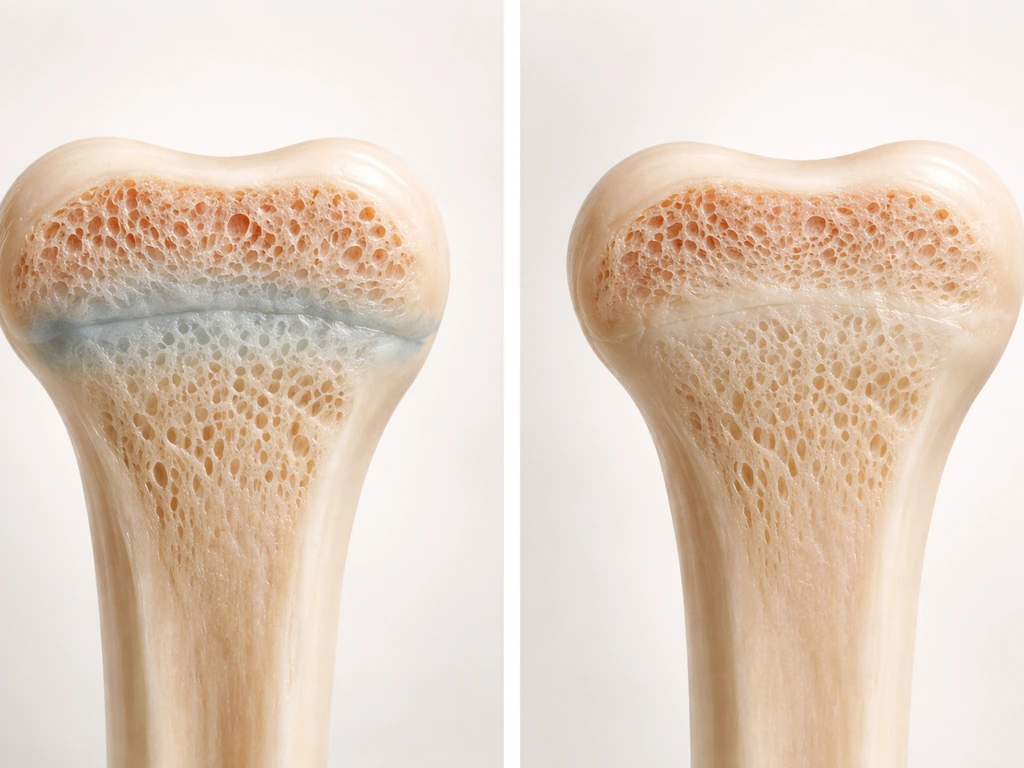
Children and teenagers (growth plates still open)
For kids and teens, growth is still biologically possible because their growth plates haven't fused yet. In this phase, hydration genuinely matters as a supporting factor. [Dehydration impairs cognitive function](https://pubmed. ncbi.
nlm. nih. gov/27510536/), exercise performance, and energy levels, all of which affect whether a young person is eating enough, sleeping well, and staying physically active. A PMC review proposes that even [mild dehydration in children](https://pmc.
ncbi. nlm. nih. gov/articles/PMC3257694/) can impair cognition and that providing about 300 mL of water can improve cognitive performance.
These behaviors collectively support normal growth. So while water won't make a child grow taller than their genetic potential, being chronically dehydrated creates conditions that are mildly hostile to reaching that potential. Think of it as removing an obstacle rather than adding a boost.
Adults (growth plates fused)
For adults, height is essentially set. Growth plates close sometime in the late teens for most girls and the early-to-mid twenties for most guys. After that, no hydration strategy changes your skeletal length. There are very small, temporary, day-to-day variations in how tall you measure, related to spinal disc compression over the course of a day, posture, and how hydrated your intervertebral discs are, but we're talking about a few millimeters at most, not a meaningful height change. Adults can absolutely benefit from good hydration for energy, cognition, kidney health, skin, and exercise performance, but not for gaining height.
How much water you actually need (and how to tell if you're getting it)

The National Academies set Adequate Intake (AI) values for total daily water, which includes water from beverages and moisture in food. These aren't precise prescriptions but reflect what healthy people with moderate activity levels typically consume. Your actual needs shift based on body size, climate, activity level, and diet.
| Age Group | Total Water AI (per day) |
|---|---|
| Boys 9–13 years | 2.4 liters |
| Boys 14–18 years | 3.3 liters |
| Girls 9–13 years | 2.1 liters |
| Girls 14–18 years | 2.3 liters |
| Adult men (19+) | 3.7 liters |
| Adult women (19+) | 2.7 liters |
Keep in mind these totals include water from food, which typically accounts for around 20% of daily intake depending on your diet. If you eat lots of fruits, vegetables, and soups, you're getting meaningful fluid from food alone.
Simple ways to check your hydration
You don't need to count every ounce. Two practical checks work well for most people:
- Urine color: Pale yellow (like lemonade) is the target zone. Dark yellow or amber means you need more fluids. Completely clear might mean you're drinking more than necessary.
- Thirst: Thirst is a reliable indicator for most healthy people. If you're frequently thirsty, you're probably behind on fluids. Drink before thirst becomes intense, especially in hot weather or during exercise.
- Signs of underhydration to watch for: headaches, fatigue, difficulty concentrating, dry mouth, decreased urine output, and feeling lightheaded when standing.
During intense activity or in hot climates, plain water may not be enough because you also lose electrolytes through sweat. In those situations, foods or drinks that include some sodium and potassium help maintain the balance.
What actually moves the needle on growth potential
If you're trying to support healthy growth, particularly for a child or teenager who still has growth potential, here's where the evidence actually points. Water is one piece of a much larger puzzle.
- Adequate calories and protein: Growth is energy-expensive. Children and teens need enough total calories to fund bone and tissue synthesis, along with sufficient protein (amino acids are the literal building blocks of new tissue). Caloric restriction, intentional or not, is one of the clearest ways to suppress growth potential.
- Key micronutrients, especially zinc and calcium: Zinc has randomized controlled trial evidence showing improved linear growth in school-aged children when correcting deficiency. Calcium and vitamin D support bone mineralization. These nutrients matter far more directly for bone growth than water volume does.
- Sleep: Growth hormone is secreted primarily during deep sleep, particularly in the first half of the night. Consistent, sufficient sleep, roughly 9 to 11 hours for school-age children and 8 to 10 hours for teens, isn't optional for normal development.
- Physical activity: Weight-bearing exercise and play support bone density and overall health. It doesn't directly make bones longer, but physical activity patterns matter for healthy development across childhood.
- Genetics: The single biggest determinant of your adult height is your genetic makeup, specifically the height of your biological parents and extended family. Adequate nutrition, sleep, and hydration help you reach your genetic potential; they don't exceed it.
- Avoiding chronic illness and stress: Repeated infections, chronic stress, and untreated health conditions all divert resources from growth. This is partly why access to clean water matters in developing contexts: it reduces the disease burden that suppresses growth.
If you're curious about how specific foods or nutrients factor in alongside water, questions like how much water to drink at different ages, whether certain foods like watermelon contribute meaningfully to hydration and growth, and what the actual relationship is between water intake and growing taller are all worth exploring individually because the specifics do matter.
The bottom line: drink enough, but don't expect inches
Stay well-hydrated because it supports everything your body does, including the systems that allow normal growth to happen in kids and teens. Aim for the target ranges, use urine color as your day-to-day guide, and don't fall for the idea that flooding your system with extra water will accelerate growth. The real levers are nutrition quality, sleep, activity, and the genetic hand you were dealt. Water keeps those levers functioning. That's its job, and it's an important one.
FAQ
If water doesn’t increase height, how do I know I’m drinking enough for growth support in kids and teens?
Use urine color and day-to-day energy as practical signals, pale yellow usually means adequate hydration. If a child is often tired, complains of headaches, or has dark urine most of the day, they may be under-hydrated, but persistent issues should be discussed with a clinician, especially if there are appetite changes or growth concerns.
Can drinking too much water affect growth or health in a young person?
Yes. Overdrinking can dilute blood sodium and lead to hyponatremia, which is rare but documented when water intake far exceeds what the kidneys can remove. This risk is higher during intense endurance activities or when large volumes are consumed in a short time.
Should children or teens drink electrolyte drinks to support growth and performance?
Electrolytes are most helpful when there is significant sweating, for example during long practices in heat. For normal daily activity, water plus regular meals usually covers sodium and potassium, and frequent sugary sports drinks can add unnecessary calories.
Does “water helps you grow” mean water quality matters for height outcomes?
Quality matters mainly because unsafe water increases illness and infection risk, which can interfere with nutrition absorption and divert energy away from growth. Clean water helps by reducing disease burden, not by directly stimulating bone lengthening.
Is urine color a reliable way to judge hydration for everyone?
It’s a useful quick check, but it’s not perfect. Dark urine can also occur after intense exercise, in the morning, or with certain vitamins. If hydration status is unclear, consider overall intake, thirst, frequency of urination, and symptoms like dizziness.
How much total water do I need if I’m not tracking ounces?
Instead of counting, aim for an overall daily pattern that matches your activity and climate, then use urine color as feedback. Total intake includes water from beverages and from food, since fruits, vegetables, and soups contribute a meaningful share.
Does hydration change adult height measurement from day to day?
It can change the way you measure slightly. Adults often look a bit taller in the morning due to less spinal disc compression and may be a little shorter later in the day. Hydration can influence disc conditions, but any difference is usually small and not true growth.
Can increasing water intake improve sleep, digestion, or exercise enough to indirectly support growth?
If dehydration is part of the problem, yes. Better hydration can support energy and cognitive function, which can help a child eat enough, move regularly, and maintain consistent routines that support their natural growth potential. But water won’t replace key drivers like adequate calories, protein, and sleep.
Do “detox” or “flush toxins” claims mean I should drink extra water?
No. The kidneys continuously filter the blood, and under normal hydration they handle waste without needing large extra volumes. Flooding with excess water doesn’t meaningfully accelerate cleanup and can be harmful if it leads to low sodium.
If a child isn’t growing as expected, when should hydration be ruled out versus other causes?
If growth faltering persists, hydration alone is unlikely to be the main cause. Consider discussing with a pediatrician to evaluate nutrition intake, chronic illness, sleep issues, and hormonal or gastrointestinal factors, because repeated dehydration signs plus poor weight gain deserve medical attention.
Next Article
What Amino Acids Make You Grow Taller
Know which amino acids support growth via protein and IGF-1, why they can’t extend height after closure, and practical t