
Drinking water does not make you grow taller. If you are wondering whether <a data-article-id="BDBEE869-82F0-4961-800E-0A76BDF1D0D2">watermelon helps you grow taller, it is still the same idea: the fruit provides water, but water itself is not a driver of linear bone growth. </a> Staying well-hydrated supports normal body function, but water intake is not a driver of linear bone growth and there is no research showing that drinking more water increases your height. If you are also considering foods like watermelon, see does watermelon help you grow taller for why hydration from fruits still does not drive linear bone growth. What water does do is keep your body running properly, which matters indirectly for growth, but it is far from the lever people sometimes hope it is.
Does Water Help You Grow Taller? What Science Says


What water actually does for your growing body
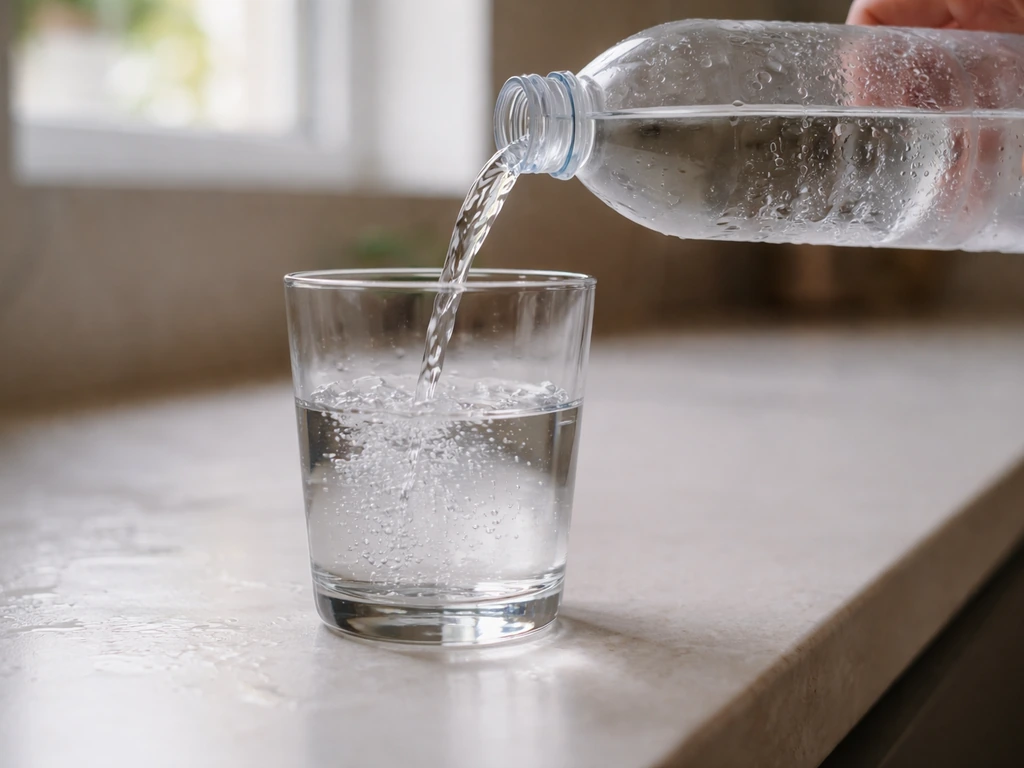
Water is the largest component of the human body. Infants are roughly 75% water, and children, teens, and adults sit somewhere between 50% and 60%. Every meaningful process in your body, from digesting food and absorbing nutrients to regulating temperature and moving waste out of cells, depends on adequate hydration. The American Academy of Pediatrics frames hydration around this general health function, not around height.
Body water is constantly in flux. You lose it through urine, sweat, breathing, and even stool, and you replace it through drinks and food. When that balance tips too far toward deficit, things start to go wrong: fatigue, reduced concentration, poor exercise performance, and in serious cases, dangerous physiological stress. The NHS and Cleveland Clinic both flag warning signs like dark urine, dry mouth, fast heart rate, and fewer wet diapers in young children as signals that you need to act. But correcting a hydration deficit brings you back to normal, it does not push you above your baseline height potential.
There are a few indirect pathways worth knowing about. Good hydration helps you perform better during exercise, which matters because physical activity, especially weight-bearing and resistance exercise, supports the hormonal environment that promotes growth during childhood and adolescence. A randomized controlled trial in athletic youth found that improving hydration status enhanced exercise performance in children exercising in heat. A PubMed-indexed clinical trial in adolescent athletes in the heat examined how voluntary fluid intake and hydration status relate to aerobic performance voluntary fluid intake, hydration status, and aerobic performance. Better training capacity can support growth indirectly, but that is a long chain of causation and a far cry from drinking water directly building bone.
The myths around drinking lots of water and height
The idea that drinking a lot of water will make you taller probably comes from the general (and correct) understanding that your body needs water to grow. The leap to "more water equals more height" does not hold up, though. A 2025 systematic review of safe drinking water interventions, which specifically examined whether better water access and quality improved children's height outcomes (height-for-age z-scores, stunting rates), found no measurable effect on linear growth. These were real-world programs improving water safety for kids, and height was not moved.
Another common variation of the myth is that dehydration is secretly stunting your height and that fixing it will unlock growth. Chronic severe dehydration can absolutely impair health and, in extreme cases of malnutrition and illness, compromise development. But the everyday hydration levels most people in high-income countries experience do not meaningfully limit height. Once you are adequately hydrated, adding more water on top does not stimulate the growth plates in your long bones to do anything extra.
It is also worth knowing that you can drink too much water. The Mayo Clinic explicitly notes overhydration risk, and Boston Children's Hospital flags that excessive fluid intake during prolonged exercise can cause nausea and other symptoms. More is not always better, and chasing height by drinking excessive amounts of water is both ineffective and potentially counterproductive.
What actually determines how tall you get

Genetics is the dominant factor. MedlinePlus Genetics estimates that around 80% of height variation between people comes down to inherited DNA. That is a substantial constraint on what any lifestyle intervention can realistically achieve. Your genes set the range; everything else influences where in that range you land.
Within that genetic ceiling, the evidence-backed factors that support reaching your full height potential are nutrition, sleep, and physical activity. On the nutrition side, research specifically points to adequate total caloric intake, protein, zinc, and vitamin A as nutrients with measurable effects on linear growth in children. Calcium and vitamin D matter for bone mineralization. These are the nutrients where deficiency genuinely holds kids back. A systematic review and meta-analysis on nutritional interventions and linear growth found effects from specific nutrients, not from hydration as a stand-alone variable.
Sleep is when most growth hormone is released. Consistently getting enough high-quality sleep during childhood and adolescence is one of the most underappreciated height-supporting habits. Physical activity, particularly during the growing years, also stimulates growth hormone and supports bone development. Puberty timing plays a role too, since the growth spurt tied to puberty is one of the biggest height-determining windows in a person's life.
| Factor | Effect on Height | Evidence Strength |
|---|---|---|
| Genetics | Sets ~80% of height potential | Very strong |
| Adequate nutrition (calories, protein, zinc, vitamin A) | Supports linear growth; deficiency causes stunting | Strong |
| Sleep (growth hormone release) | Supports growth during childhood and teens | Strong |
| Physical activity | Indirect support via hormonal environment | Moderate |
| Water / hydration | No direct effect on linear bone growth | No supporting evidence |
| Sugary drinks / poor diet replacing nutrition | Negative indirect effect if displacing key nutrients | Moderate |
How much water to drink and practical daily habits
Even though water will not make you taller, being well-hydrated is still worth prioritizing for general health, energy, and the indirect benefits it provides. The guidance below reflects consensus recommendations from sources including the AAP, EFSA, and a January 2025 consensus statement on beverage consumption in school-age children and adolescents.
| Age Group | Total Daily Water Intake (approx.) | Notes |
|---|---|---|
| 2–3 years | ~1,300 mL (~44 fl oz) | Includes water from food and all beverages |
| 4–8 years | ~1,600 mL (~54 fl oz) | Plain water and milk as primary beverages |
| 9–13 years | ~1,900–2,100 mL (~54–61 fl oz) | Boys slightly higher than girls |
| 14–18 years | ~2,100–2,600 mL (~61–88 fl oz) | Higher end for active teens and boys |
| Adults (general) | ~2,000–3,500 mL/day | Varies by body size, activity, climate |
These numbers are total intake from all sources, including water in food, not just glasses of plain water. A reasonable practical rule is to drink when you are thirsty and check that your urine is pale yellow. Dark urine usually signals you need more fluid. Clear or nearly colorless urine can mean you are drinking more than you need.
A few habits that genuinely help, without chasing myths. First, make plain water the default drink, especially for kids. Sugary drinks, sodas, and fruit juices tend to displace better food and drink choices without adding nutritional value. If anything, habitually swapping nutritious milk for juice or soda can undercut the calcium and protein intake that actually matters for bone growth. Second, stay ahead of thirst during exercise, heat, and illness, when losses spike. Third, if appetite is a concern, there is some evidence from Harvard Health that drinking water before meals may modestly reduce caloric intake in some people, which could support a healthy weight and better overall nutrition habits.
What to focus on depending on your age and situation
Children and teenagers: growth windows are still open

If you are a parent or a teen still going through puberty, the growth plates in the long bones are still active, and this is when nutrition, sleep, and activity actually matter for final height. The priority list here is: eat enough total calories and protein, get adequate zinc, calcium, and vitamin D, sleep 8 to 10 hours consistently, and stay physically active. Hydration supports all of this in the background, mainly by keeping you energized enough to exercise and absorb nutrients properly, but it is not a primary lever to pull.
If a child seems to be growing more slowly than expected, or you notice consistent dehydration signs like dark urine, extreme fatigue, or significant drops in activity, speak with a pediatrician. Growth concerns in children can sometimes signal underlying conditions (thyroid issues, growth hormone deficiency, celiac disease) that have nothing to do with water intake. A pediatrician can check height-for-age charts and, if warranted, refer to a pediatric endocrinologist.
Adults: what hydration can (and cannot) do for you
Once growth plates fuse, typically in the late teens to early twenties, linear bone growth stops. No amount of water, supplements, or exercise will increase your skeletal height at that point. If you are an adult searching for whether water can help you grow taller, the honest answer is no. What good hydration does for adults is support kidney function, cognitive performance, exercise recovery, joint lubrication, and skin health. Those are real and meaningful benefits, just not height-related ones.
Adults who are frequently dehydrated may notice fatigue, headaches, and reduced exercise capacity, all of which can indirectly affect how active and healthy they stay. Fixing that is worthwhile. If you are an adult with persistent concerns about your height or posture, a doctor or physiotherapist can assess whether factors like spinal compression (which does change across the day), posture, or underlying conditions are relevant to your situation.
When to get medical input
- A child or teen is consistently tracking below the growth curve for their age on standard height-for-age charts
- You notice signs of significant dehydration: sunken eyes, no urination for many hours, rapid breathing, extreme lethargy, or in infants fewer than six wet diapers per day
- A child has stopped growing or growth has clearly slowed outside of expected periods
- There is a suspected underlying condition such as thyroid dysfunction, celiac disease, or inflammatory bowel disease that could be affecting nutrient absorption and growth
- An adult is concerned about unexplained height loss, which can signal bone density issues worth evaluating
The bottom line is straightforward: drink enough water to stay hydrated, choose plain water as your default, and focus your energy on the factors that genuinely influence height, which means genetics you cannot change and nutrition, sleep, and activity that you can. If you want a quick, specific target, see the guidance on how much water should i drink to grow taller and use it as a baseline rather than expecting it to increase height. Water is a supporting player in your overall health, not the reason you will or will not reach your height potential.
FAQ
If water does not make you taller, will it at least prevent dehydration from hurting growth?
It can help indirectly only by preventing dehydration during exercise and illness, which supports normal training and nutrient absorption. But once you are adequately hydrated, drinking extra water does not add height or stimulate growth plates.
Can drinking too much water actually affect my health or growth?
Overhydration is possible, especially if you drink very large amounts in a short time. Signs can include nausea, headache, and feeling “washed out,” and in rare cases very serious electrolyte imbalance. A safer approach is drink to thirst and track urine color.
Does replacing soda or juice with water help you grow taller?
For height, nutrition and total calories matter much more than fluid intake. If hydration is adequate, focus on protein and key bone nutrients (calcium, vitamin D, zinc) plus enough calories, because dehydration would be a separate issue from growth.
What if a child’s growth is slow, but they are drinking plenty of water?
Yes, children can be stunted by factors like inadequate total calories, protein, and micronutrients, and by chronic illness. But simply adding water or improving water access alone has not been shown to measurably increase linear growth when other needs are already met.
Does better water quality or water access improve height in children?
Water access matters for safety and illness prevention, which can indirectly support healthy development. However, “better water access” is not the same as “water as a height supplement,” since the evidence does not show increased height-for-age from water interventions alone.
How accurate is urine color or “pale yellow” as a hydration check?
Dark urine can mean you need more fluids, but it is not a perfect measure. If you are worried about growth or dehydration, also look at symptoms like persistent fatigue, dizziness, reduced urination in young children, and difficulty keeping up with normal activity.
How should hydration work during sports if I am trying to support healthy growth?
During sports and hot weather, hydration helps you perform and recover, which supports the lifestyle factors linked to growth. But it still will not directly increase bone length, so it should be planned around performance and safety, not height goals.
When should I suspect a medical problem instead of blaming water intake for slow growth?
If puberty is delayed or there are symptoms like poor growth velocity, fatigue, or other systemic signs, a pediatrician can evaluate causes unrelated to hydration, such as thyroid disease, celiac disease, or growth hormone issues. Height concerns should be assessed using growth charts and targeted testing when needed.
What can an adult realistically expect from improving hydration if they are concerned about height or posture?
Adult height cannot be increased by hydration once growth plates are closed. What water can change is how you feel and move (energy, reduced headaches from dehydration), and posture can vary through the day due to spinal compression.
What is the best order of operations if I want to maximize height potential?
If you are already drinking enough, prioritize sleep and nutrients first. Water becomes the “default support” for your routine, so the best plan is keep hydration consistent, then focus on protein and calories, calcium and vitamin D, zinc, and regular sleep and activity.
Does Water Help You Grow? What Hydration Can and Cannot Do
Yes, hydration supports healthy growth, but drinking more water won’t make you taller without genetics, calories, protei