
Turmeric does not make you grow taller. There are no human clinical trials, no observational studies, and no credible medical evidence showing that turmeric or its active compound curcumin produces measurable increases in height in children, teenagers, or adults. If someone is telling you otherwise, they are selling something.
Does Turmeric Make You Grow Taller? Evidence and Next Steps

Marcus Reeves
17 Jun 2026
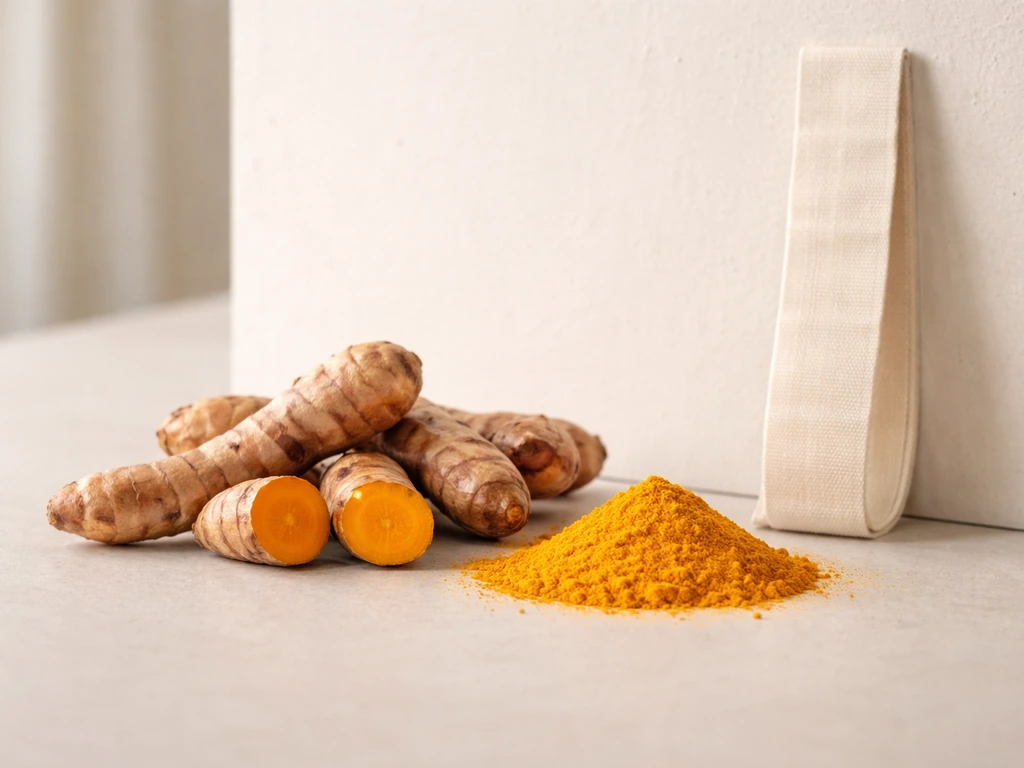
That said, the question is worth taking seriously, because turmeric does have real biological effects, and some of those effects touch on systems that are loosely connected to growth. Understanding where the logic breaks down, and what actually does drive height, is genuinely useful, especially if you are a parent tracking a child's growth or a teenager trying to figure out whether you still have room to grow.
How your body actually grows taller
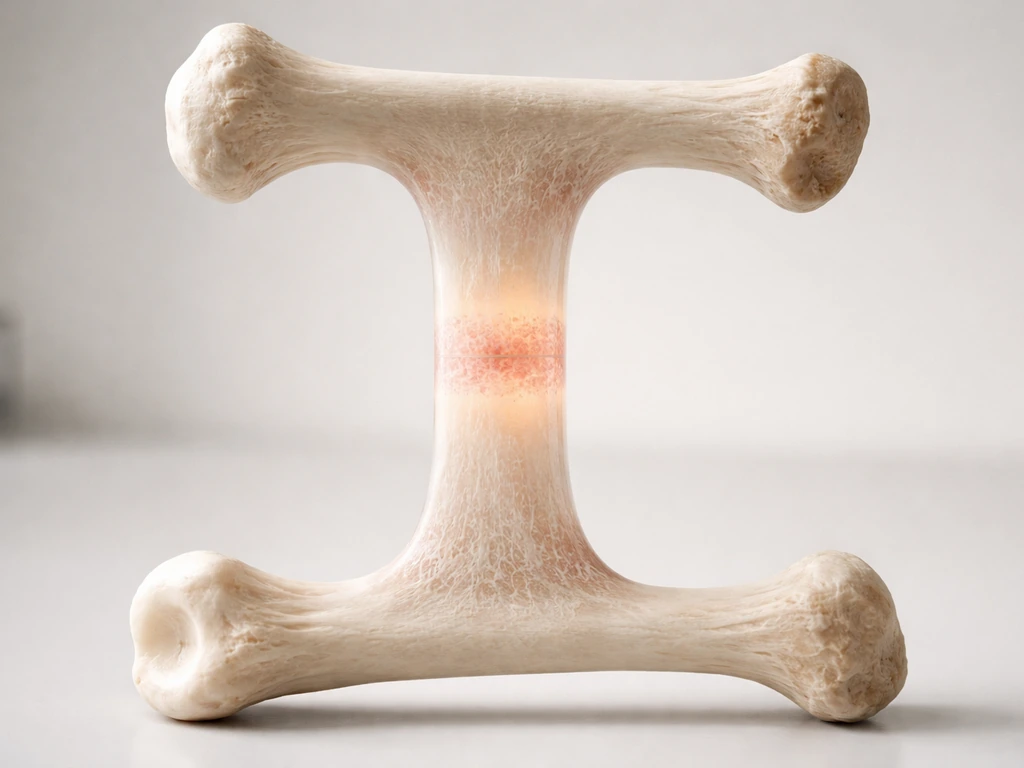
Height increase is almost entirely driven by one mechanism: the lengthening of your long bones (femur, tibia, humerus, and others) through a process happening at the growth plates, also called epiphyseal plates. These are thin zones of cartilage tissue located near the ends of your long bones. During childhood and adolescence, specialized cells called chondrocytes in the growth plates divide and produce new cartilage, which then gradually mineralizes into bone. Each round of that process adds a tiny increment of length to the bone.
What drives the chondrocytes to keep dividing? Primarily hormones. Growth hormone (GH), secreted by the pituitary gland, stimulates the liver to produce insulin-like growth factor 1 (IGF-1), and it is really IGF-1 that acts directly on the growth plates to accelerate bone lengthening. Thyroid hormone, sex hormones (estrogen and testosterone during puberty), and adequate nutrition all feed into this system in different ways. Without sufficient GH, IGF-1, or thyroid hormone, growth slows dramatically, which is why medical evaluation for short stature always checks these first.
The critical limiting factor is time. Toward the end of puberty, rising estrogen levels (in both males and females) cause the growth plates to harden and fuse into solid bone, a process called epiphyseal fusion. Once your plates are fused, typically in the mid to late teens for girls and late teens to early 20s for boys, longitudinal bone growth stops permanently. No supplement, food, or exercise changes that after the fact.
What turmeric and curcumin actually do in the body
Curcumin is the primary bioactive polyphenol in turmeric root. It is a well-studied anti-inflammatory and antioxidant compound. In research settings, curcumin has been shown to lower inflammatory markers like hs-CRP and IL-6, reduce oxidative stress, and modulate several intracellular signaling pathways. These are real effects with genuine applications in managing chronic inflammation and related conditions.
There is also some mechanistically interesting in vitro and animal research showing curcumin can protect chondrocytes, the very cells in your growth plates, from oxidative stress-induced damage. One study found curcumin promoted SIRT1 expression in rat chondrocytes under oxidative stress, reducing cell damage and apoptosis. That sounds relevant on the surface. But protecting cells from damage in a lab dish is not the same as stimulating those cells to divide faster and produce more bone in a living, growing child. The jump from chondrocyte protection in vitro to measurable height gain in humans is enormous, and no research has actually made that jump.
What the human evidence actually shows (and does not show)

One randomized placebo-controlled trial did study curcumin supplementation specifically in adolescent girls and measured both inflammatory biomarkers and anthropometric data. Curcumin did reduce inflammatory markers in that group. But height gain was not a primary or even secondary endpoint, and the study was not designed or powered to detect growth effects. There is simply no randomized trial, no longitudinal cohort study, and no population-level data showing that turmeric consumption, at any dose, in any form, meaningfully increases final adult height or growth velocity in children.
Mainstream medical and endocrine sources addressing height concerns do not mention turmeric at all. The clinical approach to a child with short stature or slow growth involves ruling out underlying causes like celiac disease, hypothyroidism, GH deficiency, or chromosomal conditions, not adding curcumin to their diet. Endocrine Society guidance on growth and short stature likewise emphasizes medical evaluation to identify treatable causes of impaired growth, such as hypothyroidism and celiac disease, rather than relying on supplements for height ruling out underlying causes like celiac disease, hypothyroidism, GH deficiency, or chromosomal conditions. That tells you everything about where turmeric sits in the hierarchy of evidence-based growth interventions: it does not appear there at all.
Could turmeric help growth indirectly? The honest answer
There is one indirect scenario worth acknowledging honestly. Chronic systemic inflammation can, in theory, interfere with normal growth by disrupting the GH/IGF-1 axis and creating a catabolic environment that pulls resources away from growth. Conditions like juvenile arthritis, chronic infections, or inflammatory bowel disease do suppress growth in children. If curcumin's anti-inflammatory effects reduced that burden meaningfully, there could theoretically be a downstream benefit.
But that is a long chain of hypotheticals applying to a narrow clinical population, not to a generally healthy teenager who just wants to be taller. For a healthy child or adolescent with no diagnosed inflammatory condition, reducing already-normal inflammation levels with a supplement is not going to meaningfully shift growth velocity. The effect size, even in a best-case theoretical scenario, would be trivially small.
Nutrients and habits that actually can influence growth
While turmeric falls flat as a height booster, several nutritional factors genuinely do matter, especially during the active growth window. If you are looking for other foods that people claim might affect height, you might also ask can yogurt help you grow taller, but the strongest answers still come from growth-plate biology and adequate nutrition. These are not supplements to chase; they are foundational inputs the body needs to run its growth program at full capacity.
Calories and protein

Chronic energy restriction is one of the clearest nutritional suppressors of growth. If a child or teenager is not eating enough total calories, the body downregulates IGF-1 and prioritizes essential functions over growth. Protein is similarly critical: IGF-1 synthesis depends directly on dietary protein intake, and inadequate protein is associated with stunted growth across populations. Getting enough food, particularly enough protein from meat, dairy, eggs, legumes, or fish, is genuinely one of the most impactful nutrition levers available.
Vitamin D and calcium
Vitamin D is essential for calcium absorption and bone mineralization. Deficiency during childhood and adolescence is associated with impaired bone development and can contribute to reduced linear growth. Calcium provides the raw mineral material that calcifies the cartilage matrix produced by growth plates. Both are foundational, and both are frequently inadequate in modern diets. Getting vitamin D levels tested and correcting a deficiency is a practical, evidence-based step, unlike adding a turmeric supplement.
Zinc and iron
Zinc plays a direct role in GH signaling and IGF-1 production. Zinc deficiency in children is associated with growth retardation, and supplementation in deficient populations has been shown to improve growth velocity. Iron deficiency anemia, which is common in adolescents, creates a systemic stress that can suppress growth. Addressing actual micronutrient deficiencies through diet or targeted supplementation, guided by lab work, has real evidence behind it. Turmeric does not.
For context, some other foods and ingredients get similar attention from people curious about height, including milk, oatmeal, bee pollen, and yogurt. Milk and honey get a lot of online hype, but there is no good evidence that they meaningfully increase height. Like turmeric, none of them are magic growth triggers. The common thread in anything that genuinely supports growth is that it provides or enables the core nutritional and hormonal inputs the body already needs, rather than adding some novel signal the body was waiting for.
Using turmeric safely: dosage and who should be careful
Even if turmeric will not make anyone taller, some people take it for other reasons, particularly for its anti-inflammatory properties. If that is the goal, the picture is more nuanced.
| Form | Typical Intake | Bioavailability Note |
|---|---|---|
| Cooking spice (ground turmeric) | 1 to 3 g per day in food | Very low absorption without piperine (black pepper) |
| Curcumin supplement (standard) | 500 to 2,000 mg curcumin per day | Improved but still moderate; look for piperine or phospholipid formulations |
| High-dose curcumin | Above 8,000 mg/day | Associated with GI distress; not recommended without clinical supervision |
Turmeric used as a cooking spice at normal food quantities is safe for virtually everyone. Curcumin in supplement form at typical doses (500 to 2,000 mg/day) is generally well tolerated in adults. The concerns start with higher doses or specific populations:
- People taking blood thinners (warfarin, aspirin, clopidogrel): curcumin has antiplatelet properties that can amplify bleeding risk
- People with gallbladder disease or bile duct obstruction: curcumin stimulates bile production and can worsen symptoms
- Pregnant women: high-dose curcumin supplements are not recommended; culinary use is fine
- People scheduled for surgery: curcumin should typically be stopped two weeks before any surgical procedure
- Children and adolescents: supplemental curcumin has not been adequately studied in growing children; culinary turmeric is fine, but concentrated supplements should only be used under medical guidance
- People on immunosuppressants or chemotherapy: curcumin can interact with drug metabolism via CYP450 enzymes
One more practical note: curcumin is poorly absorbed on its own. Most of it passes through the gut unabsorbed unless taken with piperine (the active compound in black pepper, which improves bioavailability by up to 2,000%) or in a specialized lipid or nanoparticle formulation. Eating turmeric in food without these co-factors means you are absorbing very little curcumin at all, which further undermines any theoretical mechanism for height effects.
What to actually do to maximize your height potential
The practical steps differ depending on whether you are still growing or have already reached your final height.
If you are still growing (children and teenagers)

- Prioritize sleep: 85% to 95% of growth hormone is secreted during deep sleep, particularly in the first few hours of the night. Teens need 8 to 10 hours. This is not optional if growth is the goal.
- Eat enough, especially protein: aim for at least 0.8 to 1.0 g of protein per pound of body weight during active growth years, from whole food sources. Do not restrict calories during puberty.
- Get vitamin D levels tested: a simple blood test (25-OH vitamin D) tells you whether you are deficient. Target levels are generally 40 to 60 ng/mL. Supplement if needed under a doctor's guidance.
- Stay physically active: load-bearing exercise and sports support bone density and healthy growth plate function, though they do not extend the growth window. Avoid extreme chronic endurance training during puberty, which can suppress GH and delay development.
- Avoid things that suppress growth: chronic stress, smoking, alcohol, very low calorie diets, and sleep deprivation all have documented negative effects on growth hormone secretion and growth velocity.
- Get a medical evaluation if growth seems slow: if a child is consistently below the 3rd percentile for height, has dropped growth percentiles, or has not started puberty by age 13 (girls) or 14 (boys), see a pediatric endocrinologist. Treatable causes like hypothyroidism, GH deficiency, or celiac disease are far better addressed early than late.
If your growth plates are already fused (adults)
Once your growth plates are fused, no supplement, exercise, food, or intervention will increase your skeletal height. That is simply the biology. What you can do is optimize your functional height and posture: core and back strengthening (addressing kyphosis or poor posture can recover 1 to 2 cm of apparent height), maintaining bone density to prevent the height loss that comes with age-related compression, and staying at a healthy body weight. If you were diagnosed late with a condition that suppressed your growth (celiac disease, hypothyroidism), treating it now will not reverse lost height but will protect your bone health going forward.
When to see a doctor specifically
- A child under 2 years old growing less than 7 cm per year
- A child aged 2 to puberty growing less than 5 cm per year
- An adolescent who has not started puberty at the expected age
- Any child tracking consistently below the 3rd height percentile on growth charts
- A teenager whose growth suddenly slows or stops significantly before they appear physically mature
- Any adult with unexplained bone pain, significant height loss, or concern about a condition that may have affected childhood growth
The bottom line is straightforward: turmeric is a genuinely useful spice with real anti-inflammatory properties and a solid safety record at culinary doses. Does oatmeal help you grow taller? For the same reasons, it is not a direct growth plate booster either turmeric is a genuinely useful spice. It just has nothing to do with making you taller. Spend your energy on sleep, protein, vitamin D status, and medical evaluation if something seems off. Those levers are real. Turmeric as a height supplement is not.
FAQ
If turmeric is not proven to increase height, can it still help a child who has a growth problem from inflammation?
Possibly only in a very specific medical context, such as a diagnosed inflammatory condition that is actively suppressing growth. Even then, turmeric or curcumin is not an evidence-based treatment to “replace” the standard care, and any benefit would be indirect and uncertain. If a child’s growth is slow, the priority is evaluation and treating the underlying disease, not adding a supplement.
Is it safe for a teenager to take curcumin supplements for general health if height is the goal?
Cooking turmeric in food is generally safe for most people. Supplement curcumin is different because higher-dose products can increase side effects and drug interactions, and some formulations have much more bioavailable curcumin than plain spice. If the teen uses any medication (especially blood thinners, antiplatelet drugs, diabetes drugs, or blood pressure meds), they should check with a clinician before starting supplements.
Does taking turmeric “with black pepper” change the height discussion?
It changes absorption, not the evidence. Piperine can dramatically increase curcumin bioavailability, but even with higher absorption there is still no reliable human evidence that turmeric or curcumin increases growth velocity or final adult height. Higher absorption may increase side-effect risk without providing height benefits.
What dose of turmeric or curcumin would be needed to affect growth, and is that realistic?
No dose has been shown to measurably increase height in humans, so there is no credible target to aim for. Mechanisms seen in lab or animal studies have not translated into meaningful human growth outcomes, and chasing very high doses is not a rational strategy given the lack of proof.
Could turmeric affect growth by improving vitamin D or calcium status?
Turmeric does not reliably improve vitamin D levels or calcium absorption in a way that would translate into better growth. Vitamin D and calcium matter because they support bone mineralization, but you usually need direct assessment and appropriate supplementation or dietary intake if you are deficient.
I’m close to the end of puberty. Is there any chance turmeric can still increase my height before growth plates fuse?
The key limiter is timing of epiphyseal fusion, which is driven mainly by hormones, genetics, and nutrition. Turmeric has no human evidence showing it can meaningfully alter growth plate activity or extend the window of growth. If growth potential seems limited, discussing growth tracking and medical evaluation is more useful than supplements.
How do I know whether my child’s growth issue is something turmeric would even be relevant to?
Look for red flags and get objective measurements: growth velocity, weight trends, pubertal stage, and any symptoms like fatigue, chronic diarrhea, joint swelling, or signs of thyroid problems. Clinicians typically rule out specific medical causes first (for example celiac disease or hypothyroidism). If those are not present, turmeric is not a substitute for addressing calories, protein, sleep, and micronutrients.
If turmeric does not increase height, what should I do instead if I am worried about being short?
Start with measurable steps: track height using consistent technique, ensure adequate total calories and protein, and consider lab testing if there are concerns about vitamin D, iron status, thyroid function, or other common contributors. If growth is clearly slowing, a pediatrician or pediatric endocrinologist can determine whether a targeted treatment is needed.
Can turmeric affect posture-related “apparent height” changes?
Turmeric is not a posture treatment. The only realistic way to improve apparent height is through posture and strength work (core and back), plus addressing factors that contribute to compression or spinal alignment. If back pain, scoliosis, or kyphosis is present, evaluation matters.
What are common mistakes people make when trying turmeric for height?
They often assume lab or animal findings translate to human growth, use very high-dose supplements without medical guidance, rely on bioavailability tricks without evidence of a growth effect, or delay appropriate evaluation for growth failure. The most practical mistake is treating turmeric as a growth-plate booster instead of addressing sleep, nutrition adequacy, and medical causes.
Next Article
Can Yogurt Help You Grow Taller? Evidence and Practical Tips
Find out if yogurt can help taller growth: evidence on calcium, vitamin D, protein, probiotics, and practical daily tips