Bee pollen does not have any meaningful, proven ability to make you grow taller. There are no human clinical trials showing that bee pollen increases height, growth velocity, or growth hormone levels in children or adults. It contains a real mix of nutrients, but so do many foods you already eat, and nutritional variety alone does not override the biological systems that determine how tall you get. If height matters to you or your child, there are practical, evidence-backed steps worth taking. Bee pollen is not one of them.
Does Bee Pollen Help You Grow Taller? Evidence, Safety, Next Steps

Marcus Reeves
7 Jun 2026
What bee pollen actually is and why people connect it to height
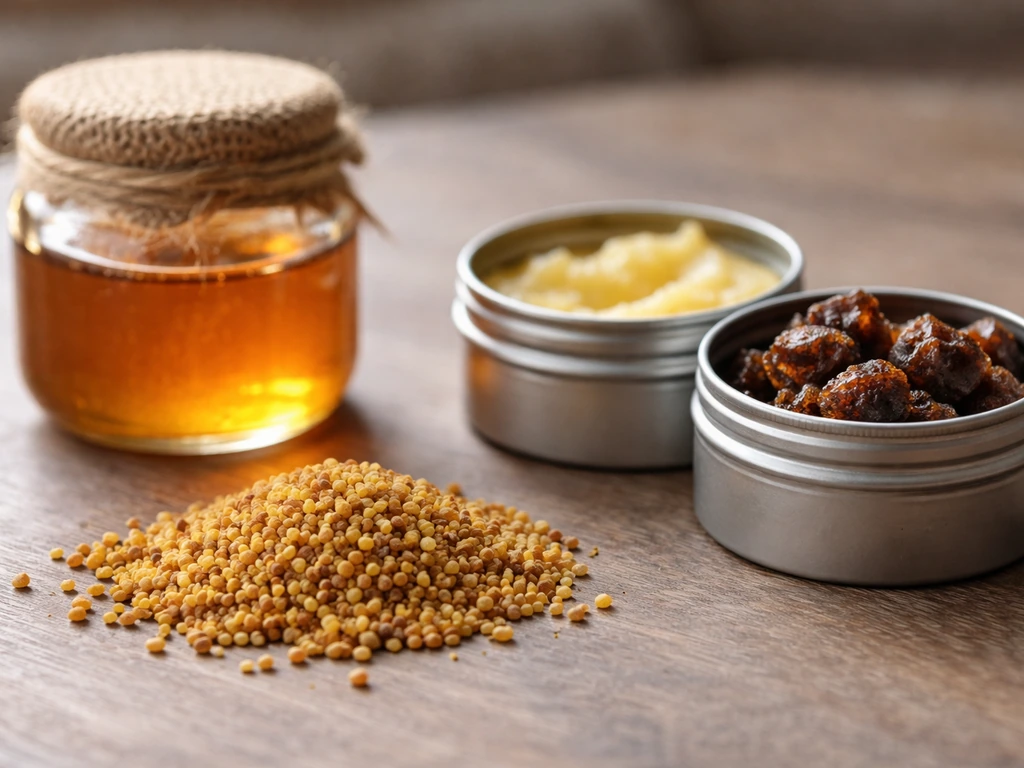
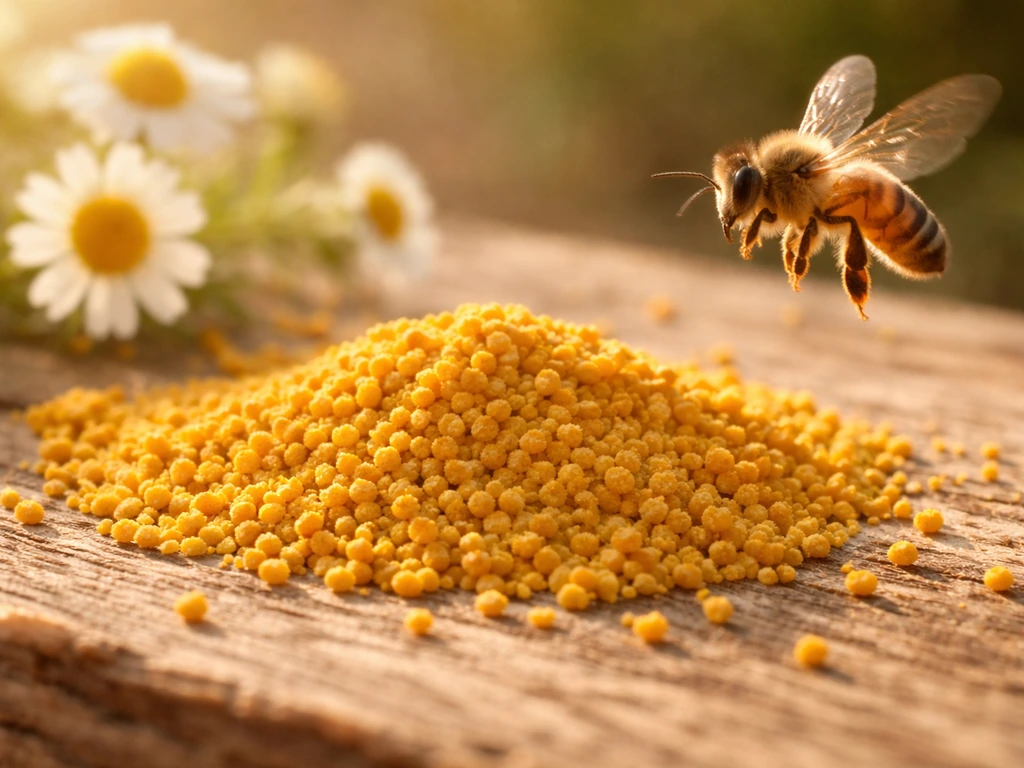
Bee pollen is the protein-rich powder that bees collect from flowering plants and pack into small granules. It is not honey, and it is not the same as bee propolis or beeswax. Dry bee pollen is a genuinely varied food: depending on its botanical and geographical origin, it typically contains roughly 10 to 40 percent protein, 13 to 55 percent carbohydrates, and smaller fractions of fats, fiber, and minerals including potassium, magnesium, phosphorus, calcium, zinc, and iron. It also carries phenolic antioxidants, carotenoids, and a range of amino acids.
That nutrient list is why bee pollen has attracted so much wellness attention. Protein and zinc are both involved in normal growth, calcium and vitamin D matter for bone density, and amino acids are the raw material for tissue-building. The logical leap people make is: bee pollen has all of these, growth needs all of these, therefore bee pollen supports growth. The problem is that this reasoning skips the most important question: does eating bee pollen actually change anything about how a person grows? The nutrient content of a food and its effect on a complex physiological process like height are two very different things.
What the research actually says about bee pollen and height
The honest answer here is: almost nothing, because there is almost no relevant human research. Reviews of bee pollen's therapeutic literature have found that the mechanistic evidence for any growth-related effect is entirely preclinical, meaning it comes from cell studies and animal experiments. There are no well-designed human trials measuring whether bee pollen increases height or growth velocity in children, and there are no trials demonstrating an effect on growth hormone or IGF-1 levels in people. Clinical trial reviews of bee pollen do document some studied uses, including effects on menopausal symptoms and urinary symptoms, but height and growth are simply not on that list.
This is not a small gap in the evidence. It means that anyone telling you bee pollen helps you grow taller is making a claim that has never been tested in humans. Nutritional composition data does not fill that gap. A food can be packed with vitamins and still have zero measurable impact on height, particularly in someone who is already eating an adequate diet.
How height is actually determined
Height is largely genetic. Studies of twins consistently show that somewhere between 60 and 80 percent of the variation in adult height between people comes down to inherited factors. Your genes set the ceiling. What nutrition, sleep, and overall health do is help you reach that ceiling, or prevent you from falling short of it.
Growth plates: where height actually happens
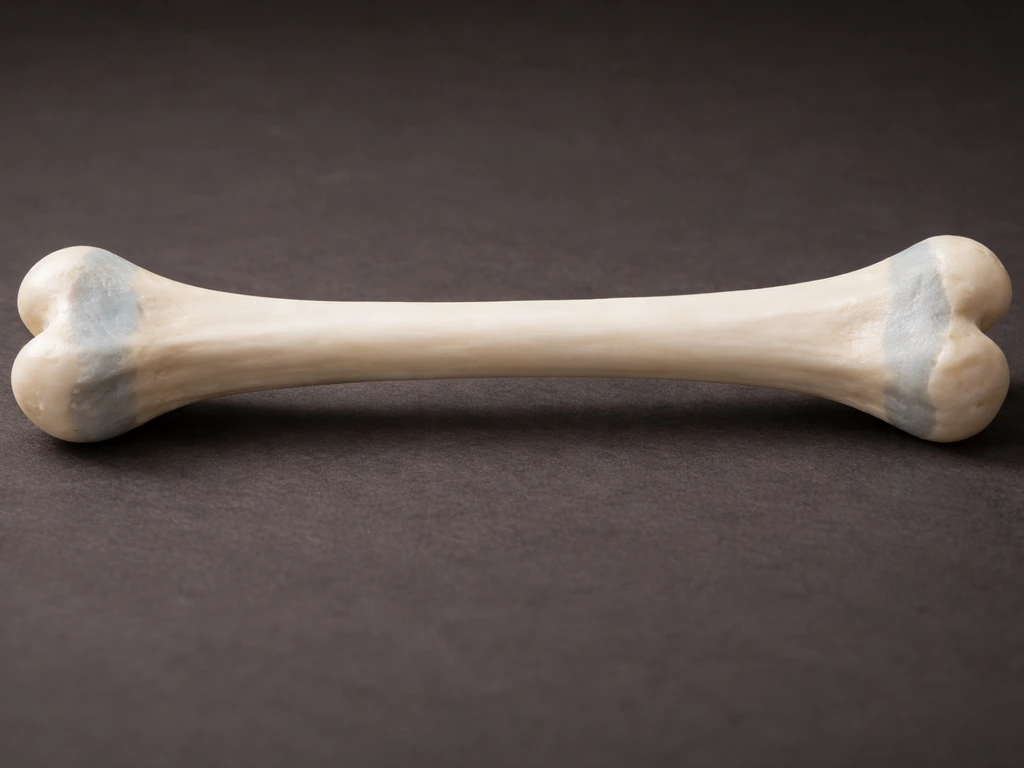
Height increases because of activity at growth plates, which are zones of cartilage near the ends of long bones. During childhood and adolescence, these plates produce new bone tissue in response to growth hormone, which is released by the pituitary gland, and IGF-1, which is produced mainly in the liver. When puberty ends and sex hormones rise high enough, the growth plates fuse and linear growth stops. After that point, no supplement, food, or exercise routine can reopen those plates or add height. In most people, plates fuse somewhere between the mid-teens and early twenties.
Where nutrition fits in
Adequate nutrition matters enormously for growth, but it matters as a floor, not a booster. Children who are chronically undernourished, deficient in protein, zinc, or vitamin D, or who have undiagnosed conditions like celiac disease often grow more slowly than they should. Correcting those deficiencies can restore normal growth velocity. But if a child is already well-nourished, adding extra protein, extra zinc, or bee pollen granules will not push growth beyond the genetic ceiling. This question about whether does milk and honey help you grow taller is also about separating marketing claims from what human evidence shows.
The same logic applies to calcium and vitamin D: critical for bone density, especially during adolescence when roughly 25 percent of lifetime bone mass is accrued in the two years around peak height velocity, but not a height-boosting supplement once baseline needs are covered.
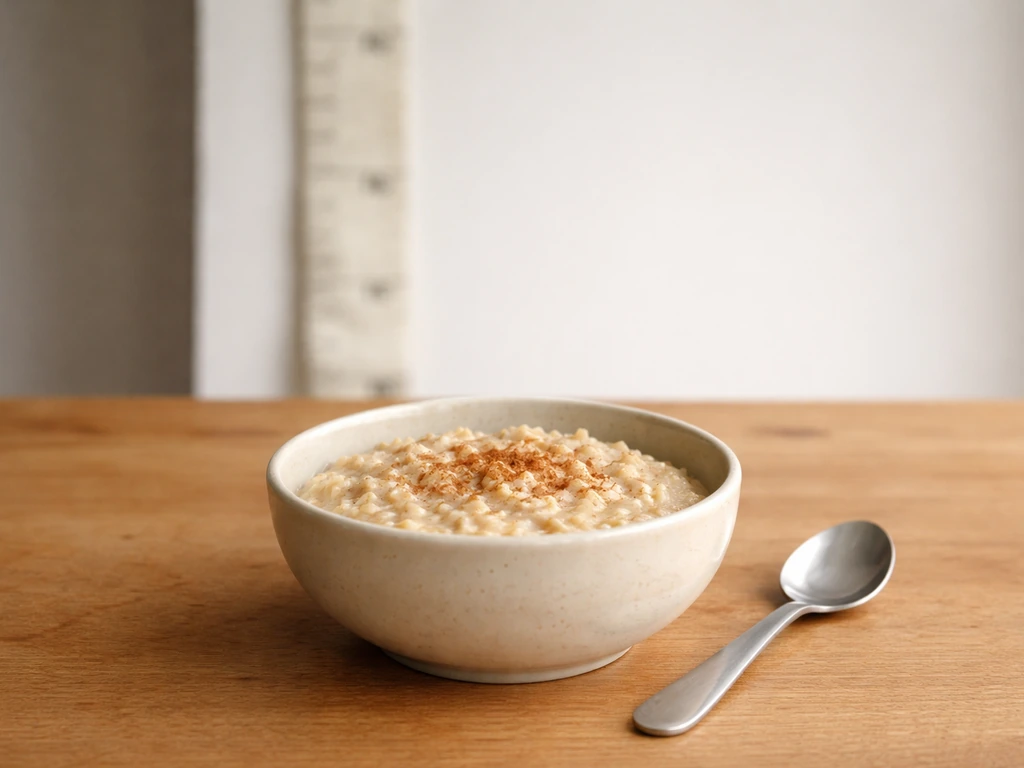
Foods and supplements like milk, oatmeal, and yogurt that are sometimes discussed for height work through the same mechanism: they matter when they fill a real nutritional gap, not because they have a special height-promoting effect.
Sleep is another underrated factor. Most growth hormone is secreted in pulses during deep slow-wave sleep. Consistently poor sleep in growing children can blunt the normal growth hormone secretion pattern. Getting adequate sleep is one of the most evidence-consistent modifiable factors available, and it costs nothing.
The safety side: bee pollen is not as harmless as it sounds
If someone in your household is considering bee pollen, especially a child, the safety picture deserves serious attention before the efficacy question even matters.
Allergic reactions, including severe ones
Bee pollen can trigger genuine allergic reactions, and in some cases those reactions are severe. A published case report describes a 40-year-old man developing urticaria, facial swelling, and breathing difficulty within an hour of taking about one tablespoon of bee pollen, with confirmatory skin-prick testing. A pediatric case report documents a child experiencing exercise-augmented anaphylaxis after ingesting bee pollen. These are not theoretical risks. People with pollen allergies, asthma, or known sensitivities to bee products are at elevated risk, and even people without a known allergy history can react because bee pollen contains dozens of allergenic plant proteins that vary by source batch.
Quality control and contamination risks
Bee pollen is sold as a dietary supplement, which in the United States means it does not require FDA premarket approval for safety or effectiveness. The FDA does not test supplements before they reach store shelves. Manufacturers are responsible for quality, and that system has documented failures. The FDA has issued a public notification warning consumers away from a specific bee pollen product (SBF Bee Pollen) because it contained an undeclared drug ingredient. As recently as January 2026, the FDA issued a warning letter to a bee pollen supplement manufacturer citing failures in identity testing of pollen lots before manufacturing. These are not isolated incidents but examples of a broader quality-control gap in the supplement category.
Who should avoid bee pollen
- Anyone with known pollen or bee-product allergies
- Children under one year old (as with honey, caution applies to bee products in infants)
- People with asthma, as respiratory reactions are possible
- Pregnant or breastfeeding individuals, given insufficient safety data
- Anyone taking medications that could interact with bee-derived compounds
- People with autoimmune conditions, as immune-modulating effects are theoretically possible
Given that bee pollen has no demonstrated benefit for height and carries real allergic and product-quality risks, there is no good reason to try it specifically for growth purposes, especially in children.
What actually helps with height: practical steps by age

The steps that genuinely support reaching your genetic height potential are not exciting, but they are evidence-grounded and worth doing consistently.
For children and teens (still growing)
- Eat enough total calories and protein for your age and size. Chronic caloric restriction or very low protein intake is one of the clearest nutritional drags on growth velocity.
- Get adequate calcium and vitamin D. Teens need roughly 1,300 mg of calcium daily and sufficient vitamin D, ideally from food sources like dairy, fortified foods, and fatty fish, with supplementation if a deficiency is confirmed by blood test.
- Prioritize sleep. Adolescents need 8 to 10 hours per night. Growth hormone secretion is heavily concentrated in those deep sleep phases.
- Stay physically active. Weight-bearing exercise supports bone strength and overall health, though no specific exercise routine has been shown to add height beyond what genetics allows.
- Track growth regularly. Pediatricians plot height and weight on standardized CDC growth charts. The pattern over time, meaning growth velocity, is often more informative than a single measurement.
- Address any underlying nutritional deficiencies. Low iron, zinc deficiency, celiac disease, and thyroid conditions can all impair growth. A blood panel, not a supplement, is the right first step.
For adults (growth plates already closed)
If your growth plates have fused, your height is set. No supplement, food, or protocol will change that. What adults can do is optimize posture, core strength, and spinal health, which affect how tall you appear and how you feel. Chronic poor posture, tight hip flexors, and weak core muscles can cause visible height loss over time, and addressing those things through exercise and body mechanics is a legitimate and useful goal. Adults concerned about height loss as they age should also focus on bone density through calcium, vitamin D, and resistance training, since vertebral compression from osteoporosis is a real driver of height loss in older adults.
When to see a clinician about height
Most children who are shorter than their peers are completely healthy. Familial short stature, meaning having shorter parents, and constitutional delay of growth, meaning a later-than-average start to puberty, account for the large majority of short stature cases. But some situations do warrant a clinical evaluation.
See a pediatrician or pediatric endocrinologist if a child's height falls more than two standard deviations below the mean for their age and sex, if growth velocity appears to be slowing significantly, if puberty seems markedly delayed or early, or if there are other symptoms suggesting an underlying condition. Clinically, short stature evaluation typically starts with careful growth charting and a detailed history, and may include a bone age assessment (an X-ray of the left hand and wrist to estimate skeletal maturity and predict adult height), thyroid function tests, IGF-1 levels, celiac antibody screening, and a complete blood count. These tests exist because treatable conditions such as growth hormone deficiency, hypothyroidism, and celiac disease can all suppress growth, and identifying them early makes a real difference in outcomes.
Growth hormone therapy is approved for specific diagnosed conditions, including growth hormone deficiency and idiopathic short stature under certain criteria, and decisions about its use follow evidence-based guidelines developed by the Pediatric Endocrine Society, not supplement marketing. If you have genuine concerns about a child's growth, a specialist evaluation is the right move. A tablespoon of bee pollen is not.
| Factor | Does it affect height? | What to actually do |
|---|---|---|
| Genetics | Yes, accounts for 60-80% of height variation | Know your family history; it sets realistic expectations |
| Adequate protein and calories | Yes, deficiency impairs growth | Eat enough for age; fix deficiencies via food first |
| Calcium and vitamin D | Yes, critical for bone mass accrual | Meet age-specific targets; supplement if blood test shows deficiency |
| Sleep | Yes, growth hormone peaks during deep sleep | Prioritize 8-10 hours for children and teens |
| Weight-bearing exercise | Supports bone health, not height per se | Stay active for bone density and overall health |
| Bee pollen | No human evidence for height effect | Skip it; the risk-benefit ratio does not support use |
| Treating underlying conditions | Yes, conditions like hypothyroidism suppress growth | Get a blood panel if growth velocity is a concern |
The bottom line is straightforward. Bee pollen is nutritionally interesting but clinically unproven for height, and it carries meaningful allergy and product-quality risks that make casual experimentation inadvisable, especially in children. If you want to give a growing child the best chance at reaching their genetic height potential, focus on consistent sleep, adequate total nutrition, appropriate physical activity, and regular growth monitoring with a clinician.
Turmeric is another popular supplement people ask about for height, but the same evidence standard applies: it should have good human trial data, not just hopeful claims. Many people also ask whether milk and honey can boost height, but there is no evidence that they can override genetics or reopen fused growth plates milk and honey help you grow taller. Those steps are not glamorous, but they are actually supported by evidence.
FAQ
If a child takes bee pollen, can it still increase height later, after puberty starts?
Not in the way people mean. Once growth plates have fused, height cannot increase from diet or supplements. If you want to know whether a child might still be growing, the most useful next step is to chart height over time (and, if needed, ask the pediatrician about a bone age X-ray to estimate remaining growth potential).
Who is most at risk of an allergic reaction from bee pollen?
A single negative reaction is a warning sign, not reassurance. If someone has pollen allergies, asthma with known allergen triggers, eczema flares after exposures, or prior reactions to honey or bee products, avoid bee pollen unless an allergist specifically advises otherwise. Reactions can be fast and unpredictable because allergenic proteins vary by plant source and batch.
What should you do if someone reacts after taking bee pollen?
If bee pollen is taken despite allergy risk, the practical safety move is to watch for early symptoms (itching, hives, lip or face swelling, wheeze, throat tightness) and stop immediately if they occur. For any breathing difficulty or widespread swelling symptoms, treat it as an emergency and seek urgent care. Do not try to “test” tolerance with a tiny amount.
How can you tell whether bee pollen is helping growth, without guessing?
There is no reliable way to self-test whether bee pollen will affect growth hormone, IGF-1, or growth velocity. The only evidence-backed approach to “catching” growth problems is monitoring growth over time and getting targeted labs or imaging when patterns suggest an issue, like slowing growth velocity or major deviations from the growth curve.
My child is shorter than peers, should we try bee pollen before seeing a doctor?
If a child is short, bee pollen should not replace evaluation. A common mistake is focusing on a supplement rather than checking growth velocity and nutrition adequacy. Seek care when height is more than about two standard deviations below the mean for age and sex, when growth seems to be slowing, or when there are signs of thyroid problems, delayed puberty, or chronic illness.
What if a child’s diet seems healthy, will bee pollen “top up” growth needs?
If a child already eats enough protein and key micronutrients, adding bee pollen is unlikely to create an extra “growth boost,” because growth depends on genetics and the functioning of growth plates, not extra nutrients alone. A better approach is to confirm the basics: total calories, protein adequacy for age, and vitamin D status when at risk.
Can bee pollen help adults who feel like they are losing height with age?
Yes, adults can still experience changes in perceived height from posture and spinal alignment, but that is different from increasing true height. Exercises that improve core strength, hip flexor tightness, and thoracic posture can help reduce height loss appearance, and resistance training supports bone density to lower risk from vertebral compression.
How do you choose a bee pollen product if you decide not to give up on it?
If a product is being used anyway, quality controls matter, because supplement identity and purity issues have occurred in this category. Practical steps include choosing brands with strong, independent quality testing for identity and contaminants and avoiding products that make unsubstantiated medical claims. Still, none of this changes the lack of human evidence for taller height.
Next Article
Does Oatmeal Help You Grow Taller? Evidence-Based Guide
Evidence on whether oatmeal or oat milk increases height, plus diet tips to support growth and posture safely