
Oatmeal will not make you taller. No single food will. But if you're still growing (meaning your growth plates haven't fused yet), eating oatmeal as part of a nutritionally complete diet genuinely supports normal height development by delivering energy, protein, iron, zinc, and fiber. For adults whose growth plates have already closed, oatmeal is a great food for overall health, but it won't add a single millimeter to your height. The same logic applies to oat milk, with some important nutritional differences worth knowing.
Does Oatmeal Help You Grow Taller? Evidence-Based Guide

Marcus Reeves
28 May 2026
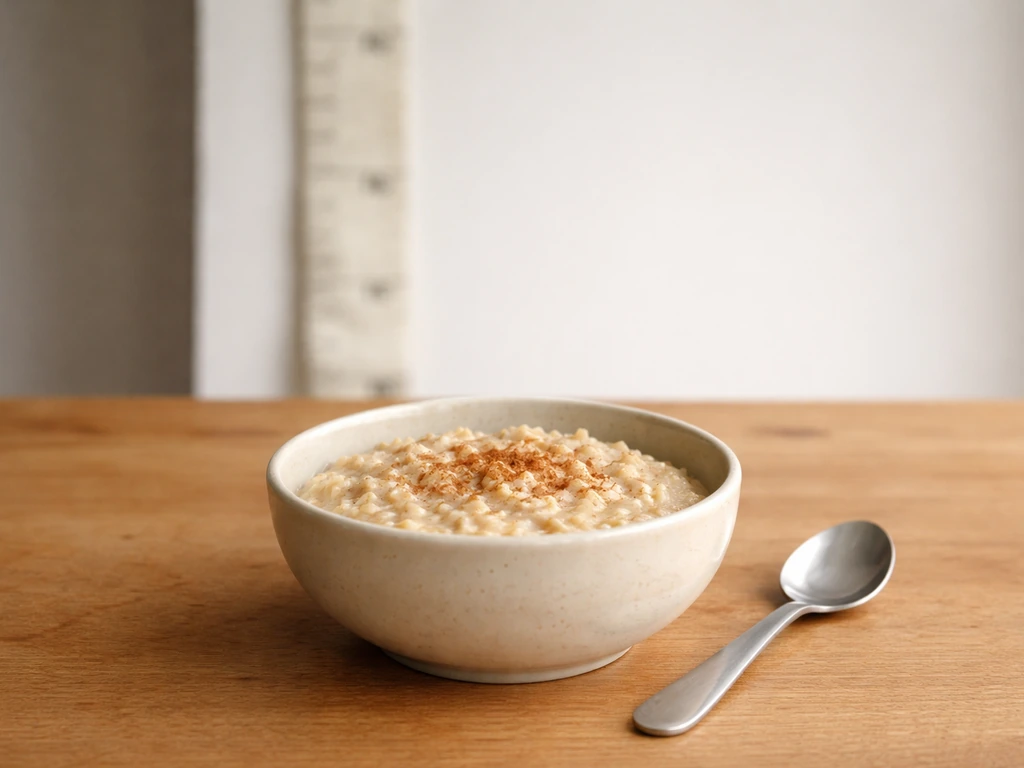
What the science actually says about oatmeal and height
There's no study showing that eating oats specifically makes people grow taller. What research does show is that adequate overall nutrition during childhood and adolescence is genuinely tied to reaching your genetic height potential. A large longitudinal study from the China Health and Nutrition Survey found that low dietary calcium during adolescence was associated with reduced linear growth outcomes into young adulthood. U.S. data from NHANES-based analyses confirm that height-for-age in children tracks with multiple nutrient intakes, including calcium, iron, energy, and protein together, not any one food in isolation.
So where does oatmeal fit? A bowl of cooked oats gives you around 5–6 grams of protein, about 150 calories, meaningful amounts of iron and zinc, and beta-glucan fiber that supports gut health and steady energy. Those nutrients matter for growth, not because oats are magic, but because deficiencies in any of them can hold growth back. If a kid is undereating or lacking iron and zinc due to a poor diet, adding oatmeal helps close those gaps. If their diet is already solid, the oats just keep it solid.
Oatmeal vs oat milk: which one is better for growth support?
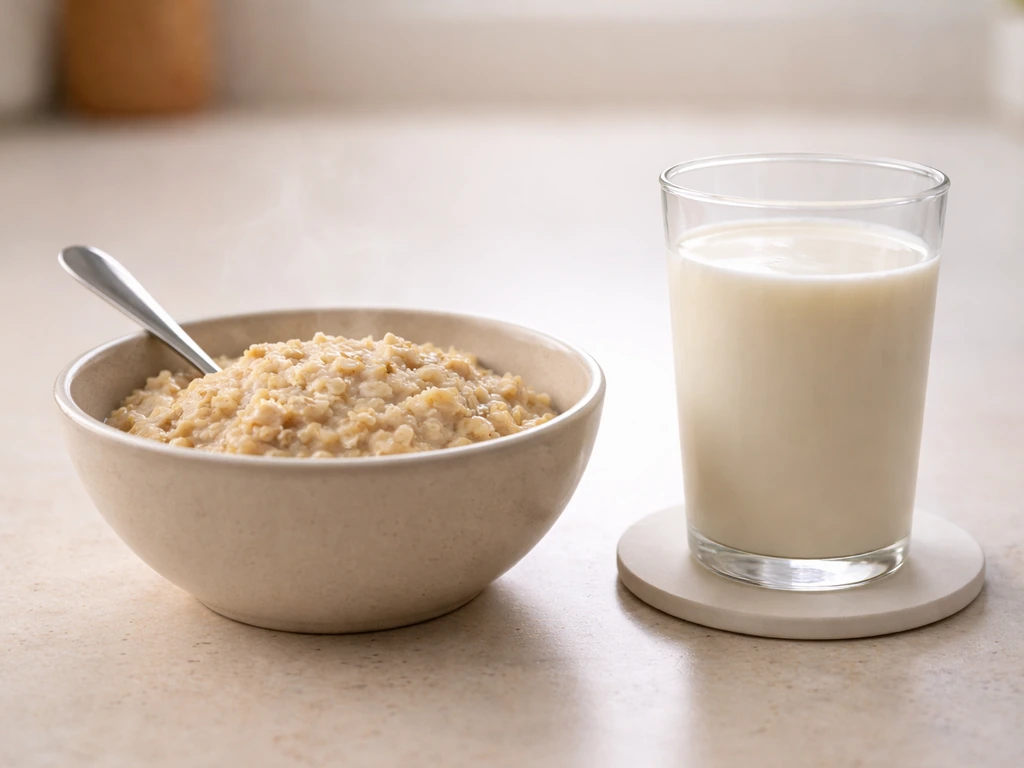
These two products look related but are nutritionally quite different, and that distinction matters if you're trying to support healthy growth.
| Factor | Oatmeal (cooked, 1 cup) | Oat milk (fortified, 1 cup) |
|---|---|---|
| Calories | ~150 kcal | ~120–130 kcal |
| Protein | ~5–6 g | ~3–4 g (much lower) |
| Calcium | ~20 mg (low) | ~300–350 mg (if fortified) |
| Vitamin D | Minimal | ~100–120 IU (if fortified, check label) |
| Iron | ~2 mg | ~0.5–1 mg |
| Zinc | ~1.3 mg | ~0.5 mg |
| Fiber | ~4 g (beta-glucan) | ~2 g |
| Added sugars | None (plain) | Varies by brand |
Oatmeal wins on protein, iron, zinc, and fiber. Oat milk wins on calcium and vitamin D if it's fortified, which most commercial brands are. The NIH notes that fortified plant milks, including oat milk, are often fortified at levels similar to cow's milk (roughly 120 IU vitamin D per cup), but you should always check the Nutrition Facts label because formulations vary. For growing kids and teens who don't consume dairy, fortified oat milk can be a useful way to hit calcium and vitamin D targets: 1,300 mg of calcium and 600 IU of vitamin D per day for ages 9–18.
The practical recommendation: use both if you can. A breakfast of oatmeal made with or served alongside fortified oat milk covers more nutritional ground than either one alone. If you're choosing one, oatmeal gives more overall nutrient density for growth-supporting macros and micronutrients like zinc and iron. Oat milk is a better calcium and vitamin D vehicle but is not a high-protein food. This contrasts with cow's milk or even yogurt, which delivers substantially more protein per cup. If you're comparing dairy alternatives, fortified oat milk is a reasonable option but shouldn't be assumed to be nutritionally identical to cow's milk.
Growth plates, genetics, and age: the hard limits no food can change
Height growth happens at growth plates, which are cartilage zones near the ends of long bones. Once those plates fuse, longitudinal bone growth stops permanently, and no food, supplement, or stretch routine changes that. An MRI study of nearly 1,000 healthy subjects aged 14 to 21.5 years found that plate fusion follows a predictable pattern. By age 17, about 75% of females had complete distal radius fusion. By age 19, that figure was around 90% in males. Most people have fully closed growth plates by their early twenties, with females typically finishing earlier than males.
Genetics determine roughly 60–80% of your final height. The rest comes down to environmental factors during growth years, primarily nutrition, sleep, physical activity, and general health. This means that good nutrition (including oats) can help you reach the upper range of your genetic potential if you're still growing, but it cannot push you past it. For adults, the ceiling is already set.
One more thing worth flagging: more protein doesn't automatically mean more height. A cross-sectional study actually found an inverse association between very high protein intake and height measures in children and adolescents after accounting for calcium, zinc, and vitamin D status. Overloading on protein while neglecting other nutrients doesn't help and may displace more important dietary components. Balance across nutrients matters far more than maximizing any single one.
How to actually use oats to support growth if you're still growing
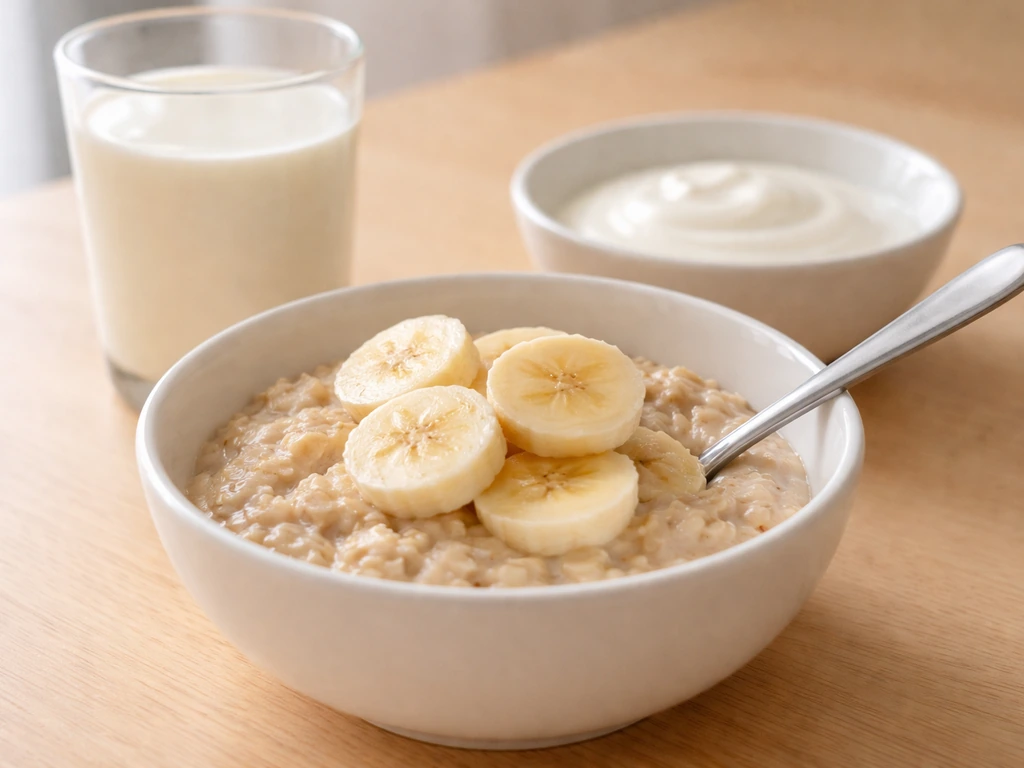
If you're a teen or the parent of a growing child, here's how to make oats work as part of a genuinely growth-supporting diet rather than expecting them to do something they can't.
- Pair oatmeal with calcium and vitamin D sources. Plain oats are low in both. Make it with fortified oat milk or low-fat dairy milk, or serve it alongside a calcium-rich food. Teens need 1,300 mg of calcium daily and 600 IU of vitamin D, and most fall short of both.
- Add protein boosters. A plain bowl of oats has about 5–6 g of protein, which isn't much on its own. Stir in a tablespoon of nut butter, add Greek yogurt on the side, or mix in seeds to get protein closer to what growing teens actually need per meal.
- Include iron-rich toppings. Oats themselves contain non-heme iron (~2 mg per cup), but absorption is improved with vitamin C. Add strawberries, orange slices, or kiwi to the bowl. Iron needs spike during adolescent growth spurts, especially for females.
- Don't rely on oats as the only zinc source. Zinc supports growth hormone function and cell division. Teens need 8–11 mg per day depending on age and sex. Oats contribute about 1.3 mg per cup, so round out the day with meat, legumes, or pumpkin seeds.
- Watch for added sugars in packaged oat products. Instant oat packets, oat-based cereals, and flavored oat milks can carry significant added sugar, which adds empty calories without nutrient benefit. Plain rolled oats are the better base.
What actually moves the needle on height: the bigger picture
Oatmeal is a good food. But if you're focused on maximizing height potential during growing years, your energy is better spent on these fundamentals than obsessing over any single food.
- Sleep: Growth hormone is secreted primarily during deep sleep. Teens need 8–10 hours per night. Chronic sleep deprivation during growth years is a real risk factor for blunted growth, and no food compensates for it.
- Overall diet quality: Systematic reviews consistently show that nutrition interventions improve linear growth only when children are actually undernourished or deficient. A varied, calorie-adequate diet with sufficient protein, calcium, vitamin D, iron, and zinc is the target. No single food replaces that.
- Physical activity: Weight-bearing exercise and sports support bone density and overall musculoskeletal health. There's no evidence that exercise makes bones longer after a certain point, but staying active during growth years helps maintain the infrastructure that supports your height.
- Posture and spinal health: Poor posture compresses the spine and can make someone appear shorter. Core strength and upright posture don't increase bone length but do affect how tall you actually look and feel, which matters especially in adults.
- Addressing deficiencies early: If a growing child or teen has an undiagnosed iron deficiency, zinc deficiency, celiac disease, or thyroid issue, those conditions directly impair growth. Catching and treating them early matters far more than optimizing any food choice.
Other foods in the same conversation, like milk, honey, yogurt, or turmeric, follow the same logic as oats: they contribute useful nutrients to a growth-supporting diet, but none of them override genetics or open closed growth plates. If you are eating yogurt, think of it as another nutrient source, not a guaranteed way to grow taller.
Turmeric works the same way: it can be part of a nutritious diet, but it does not override genetics or reopen closed growth plates. This also applies to does milk and honey help you grow taller, since they can support nutrition but they do not override genetics or open closed growth plates. The pattern across all of them is the same: nutrient adequacy supports normal growth, but no individual food ingredient is a height booster.
Common myths, safety notes, and realistic expectations
Myth: oats contain a special compound that stimulates height
There's no ingredient in oats that stimulates bone elongation or growth hormone release in a clinically meaningful way. Beta-glucan is a well-studied fiber with cardiovascular and gut health benefits, but it has no documented effect on linear growth. The idea that oatmeal is uniquely height-promoting likely comes from its reputation as a wholesome, nutrient-dense food, which it is. That's not the same as being a height intervention.
Myth: adults can grow taller by optimizing diet
Once growth plates are fused, no dietary change can lengthen bones. Full stop. Adults who improve their nutrition may gain better bone density, better posture, and better overall health, all genuinely valuable. But skeletal height does not increase. This applies to oatmeal, oat milk, calcium supplements, collagen products, and everything else marketed in this space.
Safety and portion context
Oats are safe, cheap, and well-tolerated for most people. Those with celiac disease should use certified gluten-free oats since oats are frequently cross-contaminated during processing. Oat milk is also generally safe but is not appropriate as a primary milk replacement for infants, and toddlers under 2 years need full-fat dairy or formula rather than plant-based milks as their primary calorie and fat source. For older children, teens, and adults, both plain oatmeal and fortified oat milk are solid dietary additions.
Next steps: quick self-checks and when to see a doctor

For most people reading this, the takeaway is simple: eat varied and well, sleep enough, stay active, and don't expect a single food to do the heavy lifting. But there are specific situations where this goes beyond diet optimization and a clinician needs to be involved.
Self-checks you can do now
- Track height every 6 months for children and teens. A child over age 2 who is growing less than about 4–5 cm per year may warrant evaluation, regardless of diet.
- Check whether your diet is hitting calcium and vitamin D targets. Teens aged 9–18 need 1,300 mg of calcium and 600 IU of vitamin D daily. Most Americans fall short, especially on vitamin D.
- Look at overall dietary variety. If a child's diet is heavily restricted or they're avoiding whole food groups, that matters more than whether they eat oats.
- For adults, ask whether 'growing taller' is actually a height goal or a posture and body composition goal. Those are different problems with different solutions.
When to talk to a doctor
The Endocrine Society and the American Academy of Pediatrics both emphasize that children with growth concerns deserve a thorough medical evaluation, not just dietary advice. See a pediatrician or pediatric endocrinologist if a child's growth curve is dropping across percentiles, if they're growing less than expected for their age, if puberty is very early or very delayed, or if there are other symptoms like fatigue, digestive problems, or weight changes. A good workup typically includes growth velocity assessment, bone age X-ray, thyroid function, celiac screening, and IGF-1 levels, among other things depending on the clinical picture. These evaluations can identify treatable causes like growth hormone deficiency, hypothyroidism, or celiac disease that no amount of oatmeal will address.
For teens who are simply shorter than they'd like to be, constitutional growth delay and familial short stature are the most common explanations, both of which are normal variants rather than medical problems. In a Pediatric Care Online summary from the American Academy of Pediatrics, [constitutional growth delay and familial short stature](https://publications. aap. org/pediatriccare/article/doi/10.
1542/aap. ppcqr. 396110/1538/Short-Stature) are highlighted as common explanations for short stature, and growth curve and history are among the most helpful evaluation tools. Understanding what's driving slow growth, whether that's biology, timing, or a correctable deficiency, is the only way to take genuinely useful action.
Oatmeal can be part of a good diet that supports that process. Some people ask whether bee pollen can help, but it is not a proven way to increase height beyond your genetic potential and growth-plate limits does bee pollen help you grow taller. It just can't be the whole answer.
FAQ
At what age should a child or teen focus on nutrition for maximum height potential?
The key window is childhood and adolescence, while growth plates are still open. If you know your child’s growth pattern and puberty timing, that helps, because later puberty can shift when most linear growth happens. If height is dropping across percentiles, the right next step is a medical evaluation, not trying to “boost” height with oats or supplements.
If oatmeal has nutrients for growth, how much should a growing teen eat?
A practical target is to treat oatmeal as a regular breakfast or snack that supports total calories and protein adequacy, not as a mega-dose. For many teens, one serving (about 1/2 to 1 cup dry oats, depending on appetite and calorie needs) fits well, especially when paired with other protein sources and fortified oat milk if dairy is avoided. Exact needs vary by age, weight, and activity level.
Does adding lots of protein powder or “high-protein oats” increase height?
Not in a height-targeting way. Very high protein intake can displace other nutrients, and taller height still requires open growth plates and adequate calcium, zinc, vitamin D, energy, and sleep. If you want to change macros, focus on balanced total diet quality rather than pushing protein to extremes.
Can oatmeal help if my child is already eating a healthy diet?
If the overall diet is solid, oatmeal is unlikely to produce additional height gains beyond normal genetic potential. Its value is in filling nutrient gaps efficiently (fiber, iron, zinc, protein) and supporting overall health, which indirectly supports normal growth. The most height-relevant “fix” is correcting deficiencies or insufficient calories rather than swapping in a single superfood.
What if a teen avoids dairy, will fortified oat milk plus oatmeal cover height-related needs?
Fortified oat milk can help you reach calcium and vitamin D targets, but it does not replace dairy’s protein. Oatmeal adds some protein and iron and zinc, so combining them can improve coverage. Still, ensure the overall diet includes enough protein and vitamin D sources (fortified drinks, fatty fish, or other fortified foods) and enough calories for growth.
Is oat milk always a good substitute for cow’s milk for growing kids?
Only if it’s fortified appropriately and used in a way that meets daily calcium, vitamin D, and protein needs. Different brands vary in vitamin D and calcium amounts, so check the Nutrition Facts label rather than assuming all oat milks are equivalent. Also note that oat milk is typically lower in protein than dairy.
Can gluten-free oats affect height or growth differently for children with celiac disease?
The main issue is safety, not height magic. Kids with celiac disease need certified gluten-free oats to prevent intestinal damage, which can interfere with nutrient absorption and indirectly affect growth. If gluten-free oats are not used, even a nutrient-dense diet can fail because absorption is impaired.
Do oats or oat milk help with growth hormone or stimulate bone elongation?
No evidence supports a clinically meaningful effect on growth hormone release or bone elongation from oats. Oats can support normal growth indirectly by helping meet nutrient and energy needs, but they do not override genetics or reopen closed growth plates.
My child is shorter than peers, should I treat it as a diet problem first?
Not automatically. If height is falling across percentiles or growth velocity is low, the more useful first step is a pediatric evaluation. A clinician may assess growth velocity, bone age, thyroid function, celiac screening, and sometimes IGF-1 to identify treatable causes that diet alone cannot fix.
What are warning signs that mean “get checked” rather than “add more oats”?
Consider prompt evaluation if a child is growing much more slowly than expected, height percentile is dropping, puberty is very early or very delayed, or there are symptoms like fatigue, persistent digestive issues, weight change, or poor appetite. These patterns suggest something beyond general nutrition quality.
If growth plates are fused, can diet still improve my height-related appearance?
While diet cannot increase bone length after plate fusion, better nutrition can support bone density, muscle function, and posture. That can affect how tall you look, especially if you improve calcium, vitamin D, protein, and overall fitness, but it will not change measured skeletal height.
Are supplements like calcium, vitamin D, collagen, or magnesium “better than oats” for height?
They may help only if you are deficient, and even then they support health and potentially bone density rather than adding centimeters once plates are closed. Collagen products do not reopen growth plates, and magnesium’s role is mainly supportive of normal physiology. The practical approach is to verify nutrient gaps and focus on a balanced diet first.
Next Article
Does Milk and Honey Help You Grow Taller? Evidence-Based Answer
Milk and honey wont make you taller; height depends on growth plates, genetics, nutrition, sleep, and deficiencies.