
Milk and honey will not make you grow taller beyond what your genetics and biology already allow. Milk does supply real growth-supporting nutrients like calcium, protein, and vitamin D, so it can help a growing child reach their genetic height potential rather than fall short of it. Honey, on the other hand, is mostly sugar and adds very little that matters for height. Neither one is a height-boosting remedy, and if your growth plates are already closed (typically by the late teens), no food combination will add inches to your frame.
Does Milk and Honey Help You Grow Taller? Evidence-Based Answer

Marcus Reeves
1 May 2026

What the evidence actually says
Let's get the myths out of the way first. The idea that a specific food or drink combination can trigger extra height growth is appealing but not supported by science. Research consistently shows that genetics accounts for roughly 70 to 80 percent of a person's final height, with environmental factors including nutrition making up the remaining 20 to 30 percent. That nutrition window matters, but it works by preventing deficiency-related shortfalls, not by pushing height above your genetic ceiling.
Dairy research is probably the most relevant here since milk is the bigger player in the milk-and-honey combination. A systematic review of controlled trials found that dairy's effect on height in children is real but not large or guaranteed, and a separate meta-analysis found that height gains from dairy supplementation were significant mainly in children who already had relatively low calcium intake. In other words, milk helps most when nutrition was lacking to begin with. It doesn't stack on top of an already-adequate diet and produce bonus growth.
Honey has almost no credible research connecting it to height growth. It is approximately 82 percent simple sugars (mostly glucose and fructose) delivering around 3.4 kcal per gram. It contains trace minerals and antioxidants, but nothing in a quantity or form that drives bone growth or hormone signaling in a meaningful way. Any article claiming honey is a height superfood is not working from evidence.
How height actually works: growth plates, timing, and hormones
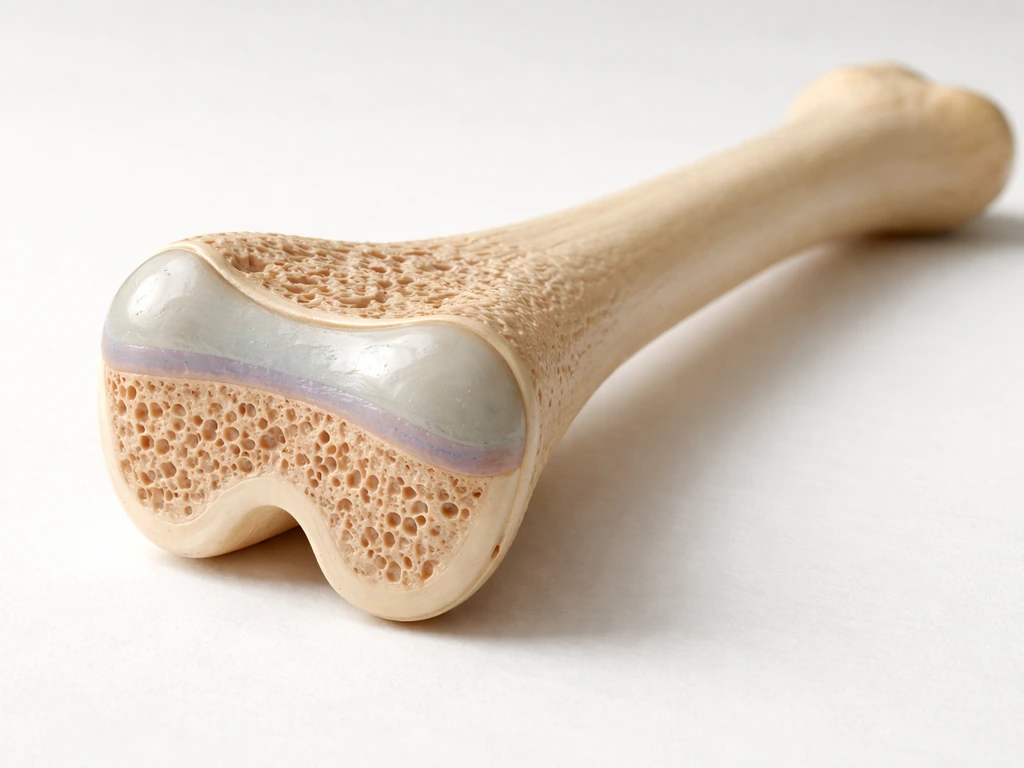
Height growth happens at the growth plates, which are areas of cartilage near the ends of long bones. During childhood and adolescence, these plates are active and respond to growth hormone, insulin-like growth factor 1 (IGF-1), and sex hormones. Once puberty is complete and the plates ossify (harden into bone), height growth stops entirely. A bone age x-ray of the left hand and wrist can show how much growth plate activity remains, which is the most direct way to assess how much growing potential someone still has.
Growth velocity changes a lot by age. Infants grow roughly 2.5 cm per month in the first six months of life, slowing to about 1.3 cm per month in the second half of the first year, then settling to around 7.6 cm per year through much of childhood. The big spike comes during the pubertal growth spurt. Girls typically hit it around age 11 to 12 (though anywhere from 8 to 14 is considered normal), and boys hit theirs about two years later on average. After that spurt, growth slows sharply and then stops as the plates close.
The Endocrine Society flags a growth rate below about 5 cm (2 inches) per year after age two as a potential concern worth evaluating. The Endocrine Society also uses this rule of thumb, noting that poor height growth rate is typically defined as failing to grow at least 2 inches per year (or falling downward across height percentiles) and may warrant evaluation a growth rate below about 5 cm (2 inches) per year after age two. If that applies to a child you are thinking about, the issue is almost certainly not about milk and honey. It warrants an actual clinical workup, including growth curve review, thyroid testing, and possibly a bone age assessment.
The nutrients that actually matter for height
Nutrition influences height primarily by keeping the growth process from being derailed by deficiency. Here are the nutrients with the clearest evidence:
| Nutrient | Role in growth | What happens if deficient | Main food sources |
|---|---|---|---|
| Protein | Builds bone matrix and soft tissue; stimulates IGF-1 production | Slowed growth, muscle loss, impaired recovery | Meat, fish, eggs, dairy, legumes |
| Calcium | Primary mineral in bone; supports bone density and length | Reduced bone mineralization, increased fracture risk | Dairy, fortified plant milks, leafy greens, sardines |
| Vitamin D | Regulates calcium absorption; supports bone metabolism | Rickets in children, poor bone mineralization | Sunlight, fortified milk, fatty fish, eggs |
| Zinc | Supports cell division and growth hormone signaling | Stunted growth, delayed puberty | Meat, shellfish, legumes, nuts, seeds |
| Overall calories | Provides the energy budget for all growth processes | Undernutrition is one of the biggest causes of stunting worldwide | Balanced varied diet with adequate total intake |
Zinc is worth calling out specifically because it often gets overlooked. Randomized controlled trials have shown that zinc supplementation meaningfully improves linear growth in school-aged children who are zinc-deficient, and multiple micronutrient supplements containing zinc have outperformed single-nutrient approaches in stunted children. If a child is growing poorly and the diet is limited, zinc status is one of the first things worth checking.
Vitamin D is a bit more nuanced. A large Cochrane review found that vitamin D supplementation in children under five years old 'may make little to no difference' in linear growth overall, with a mean height difference of only about 0.66 cm and wide confidence intervals crossing zero. It probably offers a modest benefit in children who are genuinely deficient, but supplementing when levels are already adequate is unlikely to add height. The American Academy of Pediatrics recommends testing for vitamin D deficiency in children with bone fragility concerns, rather than blanket supplementing everyone.
Milk vs. honey: what each one actually contributes
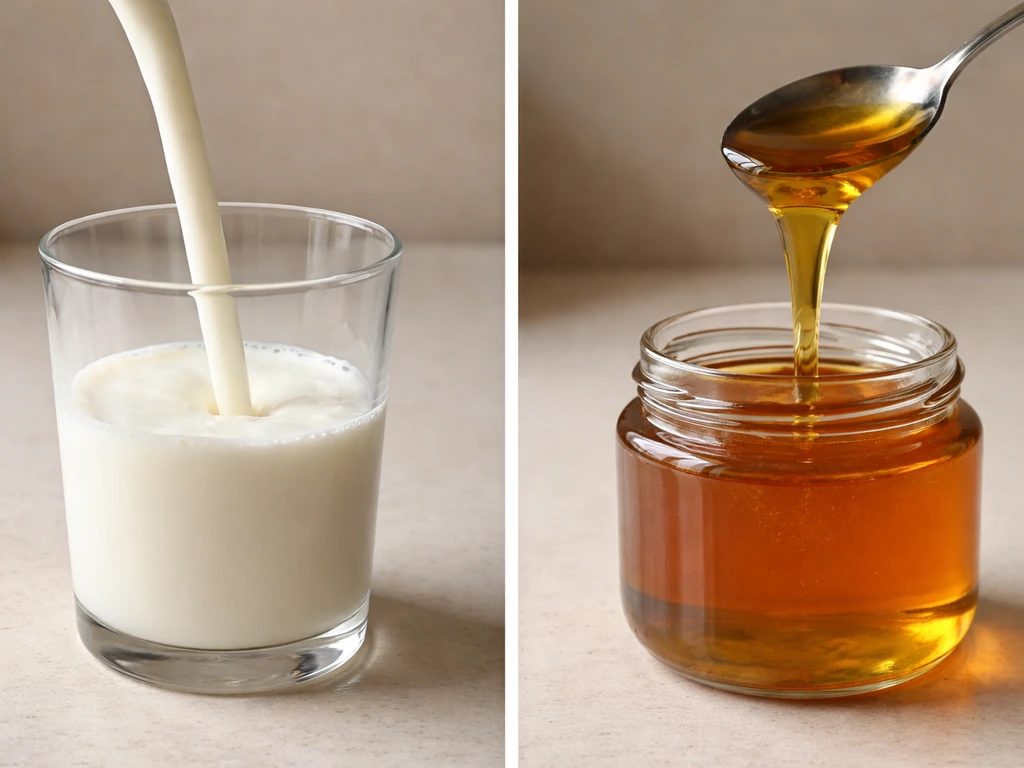
Milk: genuinely useful, but not magic
Milk delivers calcium, vitamin D (when fortified), protein, and phosphorus in a convenient package. There is also a plausible biological mechanism around IGF-1: one study in prepubertal boys found that high milk intake raised fasting serum IGF-1 by about 19 percent. IGF-1 is a key growth factor that acts on the growth plates, so this is not a nothing finding. However, elevated IGF-1 from milk during childhood does not automatically translate into more centimeters of adult height, especially if nutrition is already adequate. Among 19 studies of preschool-aged children, 17 found a positive association between milk intake and linear growth, which is meaningful. But association studies reflect that kids who drink more milk often have better overall diets, not that milk alone is the driver.
The bottom line on milk: it is a legitimate, nutritionally dense food that supports normal growth in children and adolescents. Drinking it regularly as part of a balanced diet is genuinely a good idea for a growing person. It just will not push you past your genetic ceiling. Can yogurt help you grow taller? The evidence is similar to milk, meaning it can support healthy growth if your child is getting enough key nutrients, but it will not push height beyond genetics.
Honey: mostly sugar, minimal growth relevance
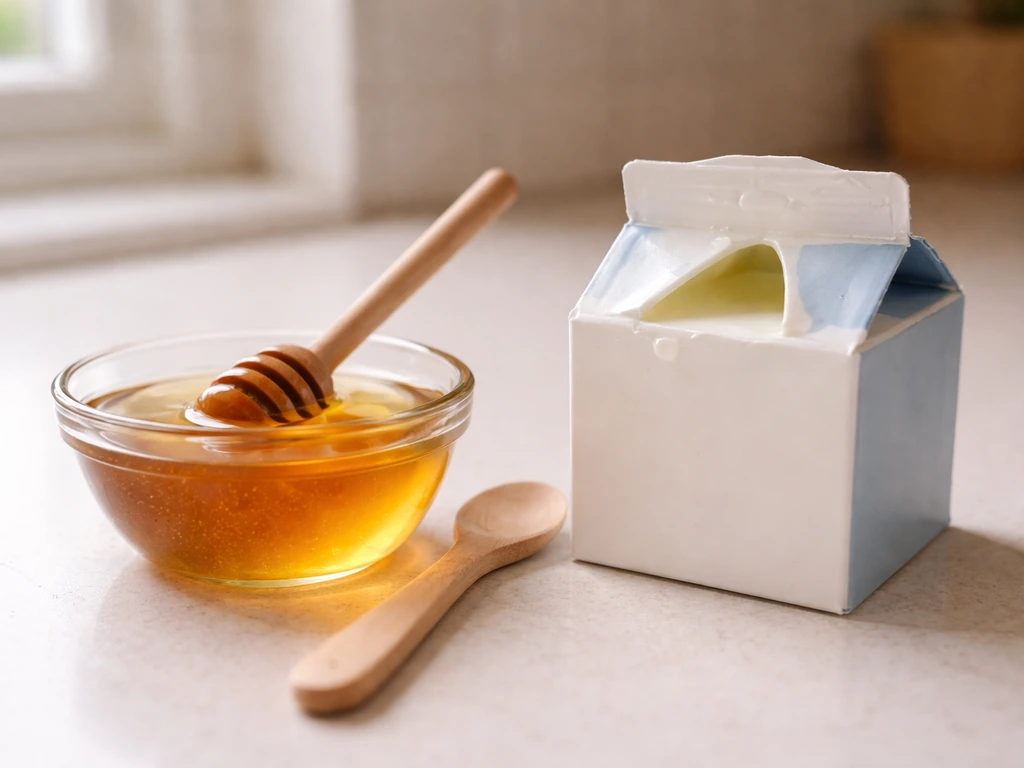
Honey does have some antioxidant and antimicrobial properties that make it more interesting than plain table sugar. But for height growth specifically, there is no meaningful evidence that any component of honey acts on growth plates, stimulates growth hormone, or improves bone density. If adding honey to warm milk helps a child who otherwise refuses milk drink it willingly, that is a perfectly fine way to use it. Otherwise, it is contributing calories and sweetness, not height.
How they compare side by side
| Factor | Milk | Honey |
|---|---|---|
| Primary nutrients | Protein, calcium, vitamin D, phosphorus | Simple sugars (glucose and fructose, ~82% of content) |
| Evidence linking to growth | Moderate: associations in children, IGF-1 mechanistic data | None specific to height |
| Likely role in height | Supports reaching genetic potential if calcium/protein intake was low | Provides calories; no direct growth pathway |
| Useful for growing kids? | Yes, as part of a balanced diet | Only as a palatability aid; not for growth itself |
| Works in adults? | No height effect once growth plates close | No height effect at any age |
What you can actually do today, by age and situation
If you are a child or the parent of a young child (under ~10)
This is the window where nutrition makes the most difference relative to eventual height. Focus on consistent, adequate intake of total calories, protein, calcium, and zinc rather than any single food. Dairy fits naturally here if tolerated, but fortified plant milks or other calcium-rich foods work just as well. Make sure vitamin D levels are checked if there is a concern, and do not assume supplementation is needed without a baseline. If growth velocity is below 5 cm per year, bring it up with your pediatrician rather than trying dietary fixes on your own.
If you are a teenager still in a growth spurt
Puberty is the last major growth opportunity, and it is a real one. Growth hormone and IGF-1 levels are elevated, and the plates are still open. Eating enough total food matters here more than most teenagers realize, especially athletes or anyone in a caloric deficit from dieting or intense training. Prioritize protein at every meal, keep calcium intake up (the AAP supports the IOM recommendations for this age group), get adequate sleep (growth hormone secretion peaks during deep sleep), and avoid smoking or heavy alcohol, both of which impair growth signaling. If your growth spurt seems late or has not happened, your pediatrician can check your bone age to see where you stand.
If you are in your late teens or an adult
Once the growth plates close, which typically happens by the late teens for most people (somewhat earlier in girls, somewhat later in boys), height is set. No food, supplement, or drink will change that, including milk and honey. This is not pessimism; it is just anatomy. The focus shifts to maintaining bone density and posture rather than adding height. If you are concerned that you may have stopped growing earlier than expected, a bone age x-ray can confirm whether the plates are fully closed.
When to see a doctor
Dietary changes should not be the primary response to a growth concern. Reach out to a clinician if a child is growing less than about 5 cm per year after age two, if their height is dropping across percentile lines on a growth chart, if puberty seems significantly delayed or absent, or if there are signs of chronic illness, fatigue, or hormonal symptoms alongside slow growth. Short stature is most often due to familial patterns or constitutional delay, both normal variants. But ruling out thyroid problems, celiac disease, growth hormone deficiency, and other treatable causes requires actual evaluation, not a change in beverage choices.
Sleep, movement, and the other stuff that matters
Nutrition is only part of the picture. Growth hormone is released in pulses during deep sleep, so consistently poor sleep during childhood and adolescence is a real growth disruptor. School-aged children need 9 to 11 hours and teens need 8 to 10. Physical activity supports overall health and bone density, though there is no specific exercise that makes you taller. Chronic stress and illness also suppress growth signaling, which is one reason why children with untreated conditions like celiac disease or inflammatory bowel disease often show catch-up growth once the underlying problem is treated.
If you are also curious about other foods sometimes marketed for height, the honest answer is similar across the board. Turmeric is often discussed for health benefits, but there is no strong evidence that it can increase height beyond your genetics. Oatmeal, yogurt, turmeric, bee pollen, and similar foods all have nutritional merit in varying degrees, but none of them unlock height beyond your genetic potential. What ties the evidence together is this: correcting genuine deficiency helps, optimizing an already-adequate diet does not produce bonus centimeters, and genetics remains the dominant factor regardless of what ends up in the glass. Bee pollen is sometimes marketed for height, but it falls into the same category as other specific foods: there is no solid evidence that it produces extra inches beyond your genetic limit specific food or drink combination can trigger extra height growth.
FAQ
If my child eats well and still does not seem to grow much, should I add milk and honey to help anyway?
Adding milk can help mainly if the child is not meeting key nutrients like calcium, vitamin D (if fortified), protein, and sometimes zinc. Honey is unlikely to add any height benefit. If growth velocity is low (for example, under about 5 cm per year after age two), the better next step is to review the growth curve with a pediatrician rather than rely on a beverage change.
Can milk and honey increase height if my growth plates are already closed?
No. Once growth plates are fully ossified (often by the late teens), no food or supplement can lengthen long bones. If you are concerned about stopping earlier than expected, a bone age x-ray is the most direct way to check whether growth potential remains.
What if my child drinks milk but skips other nutrients, will milk still help their height?
Milk supports growth most when the overall diet is adequate. If total calories, protein, calcium, and zinc are lacking, the limiting nutrient may not be calcium or milk intake. For picky eaters, focus on meeting protein at each meal and using other calcium sources (fortified plant milks or dairy alternatives) rather than assuming milk alone will “cover” everything.
Is it better to drink milk with honey or honey in tea, does warm milk matter?
Temperature does not change height outcomes. The only practical benefit is behavioral, if warm milk with a small amount of honey helps a child actually drink enough calories and nutrients. From an evidence standpoint, honey is not a height driver, so the amount should be limited for general health and dental reasons.
Can honey make up for a low-calcium diet?
No. Honey has mostly sugar, and it does not provide the minerals or protein needed for bone growth. If calcium is low, prioritize calcium-rich foods (milk, yogurt, fortified alternatives, or other calcium sources) plus adequate vitamin D status rather than adding honey.
Does the type of milk matter for height, like whole milk vs low-fat or dairy-free?
Type matters mainly for nutrient content and total calories. Whole or reduced-fat dairy can both support growth if protein and calcium needs are met, but very low-calorie patterns can hinder growth. For dairy-free options, choose fortified products for calcium and often vitamin D, since unfortified plant milks may not supply enough of these for growth support.
How much milk is usually enough to support normal growth?
There is no magic dose for “extra inches,” but the goal is consistency and meeting nutrient targets for calcium, protein, and (if fortified) vitamin D. A practical approach is to align intake with age-based dietary recommendations from your pediatrician or dietitian, then adjust based on the rest of the child’s diet.
Could a child appear short because of delayed puberty, and would milk and honey fix it?
Delayed puberty can affect height timing, sometimes causing a child to grow later than peers but still reach a normal adult range. Milk and honey will not correct delayed puberty. If puberty seems significantly late or absent, evaluation may include growth pattern review and, when appropriate, tests such as bone age and hormone-related workup.
If a child is deficient in vitamin D or zinc, will correcting it automatically lead to catch-up height?
It can. Deficiency correction removes a barrier to normal growth, and evidence is stronger for zinc in zinc-deficient children than for vitamin D in generally adequate children. Catch-up is not guaranteed, but it is one reason clinicians check for deficiencies instead of focusing on single foods like honey.
Are there any supplements or “bee” products that are more likely than milk and honey to grow height?
Most height-specific claims beyond standard nutrition are not supported. Bee pollen and similar products fall into the same category, meaning they may have nutritional components but no solid evidence that they increase adult height beyond genetics. If you are considering supplements, it is safer to discuss with a clinician after checking what nutrients are actually low.
When should I stop trying diet changes and ask for medical evaluation?
Do not wait if growth is clearly slowing on the growth chart, if a child’s growth velocity is under about 5 cm per year after age two, if height crosses percentile lines, or if there are other symptoms like fatigue, chronic diarrhea, bone pain, or signs of hormonal issues. These situations can reflect treatable causes such as thyroid problems, celiac disease, or growth hormone deficiency.
Next Article
What Amino Acids Make You Grow Taller
Know which amino acids support growth via protein and IGF-1, why they can’t extend height after closure, and practical t