
Yogurt can support height growth in children and teenagers, but only as part of adequate overall nutrition, and only while growth plates are still open. It won't push you past your genetic ceiling or add inches once those plates have fused. What it does offer is a concentrated package of calcium, high-quality protein, and probiotics that help create the physiological conditions your body needs to grow as tall as your genes allow. That distinction matters, and the rest of this article unpacks exactly what the evidence says.
Can Yogurt Help You Grow Taller? Evidence and Practical Tips

Marcus Reeves
10 Jun 2026

How height growth actually works
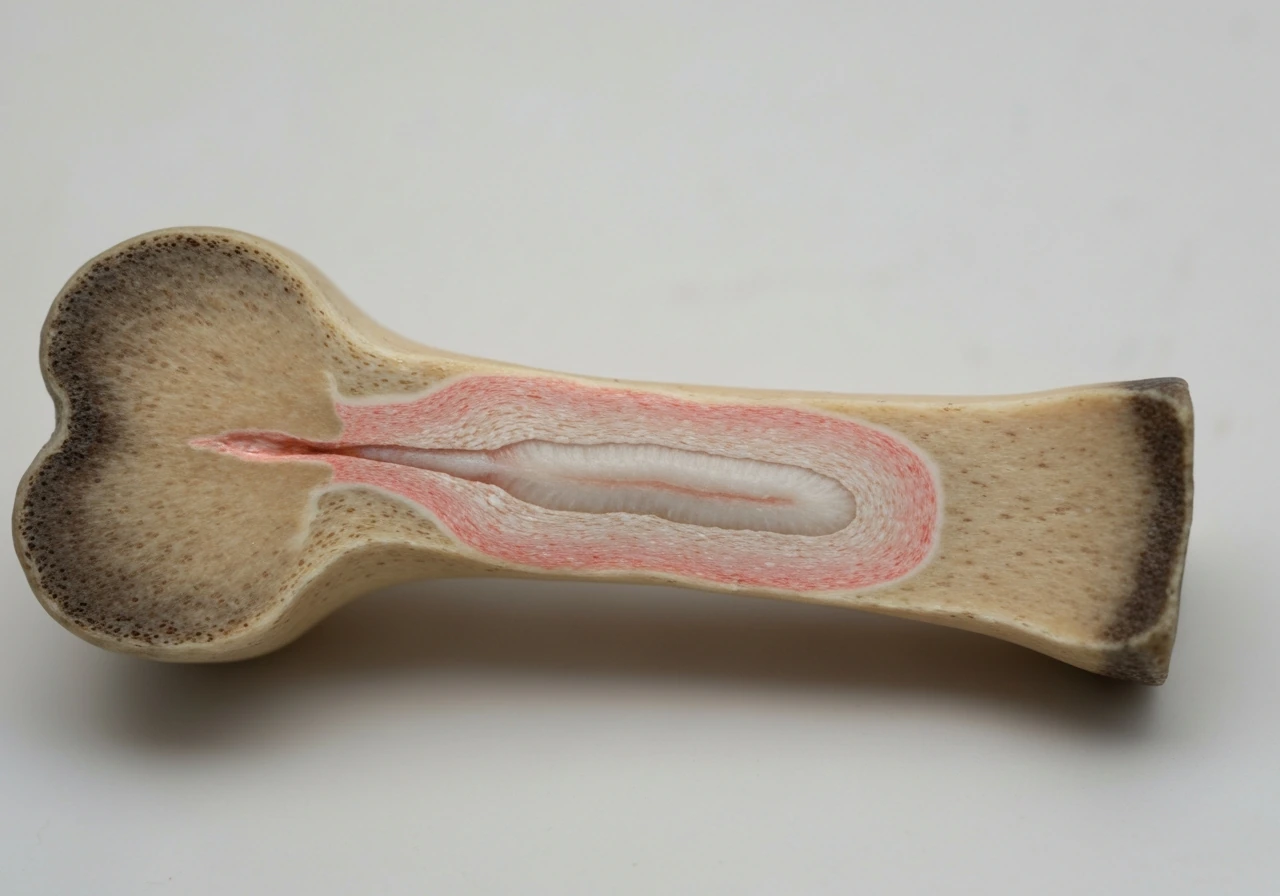
Height increases happen at growth plates, also called physes, which are thin cartilage zones near the ends of your long bones. Chondrocytes (cartilage cells) in those plates divide, stack up, and eventually ossify into bone, pushing the bone longer in the process. During childhood, you typically grow around 5 cm (roughly 2 inches) per year; during the pubertal growth spurt that pace surges significantly before tapering off. Once the growth plates calcify and fuse, linear growth stops, full stop.
Timing matters a lot here. Epiphyseal fusion generally completes around age 17 in females and age 19 in males, though there is real individual variation. Clinicians use a left-hand and wrist x-ray (bone age) to estimate how much growing room is left, because skeletal maturity can differ from chronological age. The practical takeaway: if you are a parent of a 10-year-old, there is meaningful growth runway ahead. If you are a 22-year-old, yogurt is excellent food but it cannot reopen fused plates.
What's actually in yogurt, and what does the evidence say?
Yogurt earns its reputation as a growth-supportive food because of its nutrient density, not magic. A standard 8-ounce serving of plain nonfat yogurt delivers roughly 488 mg of calcium, which covers more than a third of the 1,300 mg daily calcium target for children aged 9 to 18. It also provides complete protein (all essential amino acids), which is critical for bone matrix formation and for stimulating IGF-1, an insulin-like growth factor that mediates much of the growth-hormone-driven bone elongation that happens at those plates.
The research linking dairy (including yogurt specifically) to height is real but requires careful reading. The GUTS prospective cohort study of girls found that baseline yogurt and dairy intake was positively associated with subsequent one-year height growth and peak height growth velocity, even after adjusting for energy intake. Crucially, the study design measured diet before growth outcomes, reducing the chance that the association was just hungry, fast-growing kids eating more. That is meaningful directional evidence.
At the same time, a systematic review of controlled trials on dairy and linear growth found mixed results across studies, with substantial heterogeneity, so it is not a slam-dunk effect you can count on regardless of context. And a small pilot RCT giving 50 g of yogurt daily to malnourished infants for three months saw no significant linear growth benefit in that short window.
The honest read of all this: yogurt's nutrients plausibly support growth when intake fills a genuine gap, but yogurt alone is not a growth intervention. You might also be wondering does bee pollen help you grow taller, but the best-supported approach is still meeting calcium, protein, and overall nutrition needs during the years when growth plates are open.
The calcium and vitamin D connection

Calcium and vitamin D work as a team for bone mineralization. Children aged 9 to 18 need 1,300 mg of calcium and 600 IU of vitamin D daily, and a large portion of U.S. kids fall short of the calcium estimated average requirement from food alone. Yogurt is one of the most efficient dietary calcium sources available. But calcium absorption depends heavily on vitamin D status, so if a child is vitamin D deficient, even excellent yogurt intake will not translate as well into bone growth. Pairing yogurt with vitamin-D-rich foods (fatty fish, fortified foods) or adequate sunlight exposure addresses this.
Who actually benefits, and who doesn't
The clearest beneficiaries are children and teenagers whose diets are currently low in calcium and high-quality protein. If a growing child is not meeting their calcium or protein needs, adding yogurt regularly can help close that gap and, in doing so, support the growth their genes are capable of. Studies looking at low-dairy-consuming populations, including Chinese preschoolers, find associations between dairy intake and better linear growth outcomes that make biological sense given the IGF-1 pathway and calcium's role in bone mineralization.
If a child already eats a well-balanced diet rich in protein and calcium from multiple sources, adding more yogurt is unlikely to produce a measurable height boost. Nutrition supports growth up to your potential; it does not extend that potential beyond what your genetics set. Adults with fused growth plates are in a completely different situation: yogurt is still a great food for bone density and overall health, but it cannot add height after the plates close.
| Who | Likely benefit from yogurt for height | Why |
|---|---|---|
| Child (2–12) with low dairy/protein intake | Meaningful, can close a real nutritional gap | Growth plates open; calcium/protein shortfall is limiting factor |
| Teen (13–18) in pubertal growth spurt | Moderate to meaningful if diet is otherwise inadequate | Peak growth velocity period; calcium/protein needs are highest |
| Teen (13–18) with already adequate nutrition | Minimal for height; still good for bone density | Nutritional needs already met; yogurt won't push past genetic ceiling |
| Adult (19+) with fused growth plates | None for height; beneficial for bone health | Plates fused; linear growth impossible regardless of diet |
Probiotics, gut health, and growth: what's plausible versus proven

Yogurt contains live bacterial cultures (most commonly Lactobacillus bulgaricus and Streptococcus thermophilus), and the idea that better gut health could improve nutrient absorption and therefore growth is biologically plausible. A healthy gut lining absorbs calcium, zinc, and amino acids more efficiently, all of which matter for bone growth. This is where the story gets interesting but also where the evidence gets much thinner.
When researchers test probiotic supplementation directly for growth outcomes in children, the results are underwhelming. A systematic review and meta-analysis covering over 2,100 children found that probiotics may have little to no effect on height-for-age, with low-certainty evidence overall. Another systematic review found some weight and length gains in undernourished contexts but noted that heterogeneity across studies limits firm conclusions.
A 10-year follow-up randomized trial looking at childhood probiotic and calcium supplementation found no significant differences in adolescent height outcomes after adjustment. The honest summary: the gut health angle is theoretically interesting, but you should not choose yogurt primarily for its probiotics if height growth is the goal. Choose it for the calcium and protein. The probiotics are a nice bonus for general gut health.
How to actually use yogurt for growth potential
What type to choose
Plain, low-fat or nonfat yogurt is the best choice. It delivers the calcium, protein, and probiotics without the added sugar that comes with most flavored varieties. Added sugars are a real concern here: federal guidance recommends limiting added sugars to less than 10% of total daily calories, and flavored yogurts can easily load 10 to 20 grams of added sugar into a single serving. That added sugar does not help growth and can crowd out more nutritious foods. If plain yogurt is too tart for a child, sweeten it yourself with fresh fruit rather than buying flavored versions.
If lactose intolerance is an issue, lactose-free dairy yogurt is an excellent alternative that preserves the calcium, protein, and probiotic content. Fortified soy yogurt is another reasonable option recommended by federal dietary guidance, though calcium content varies by brand, so check the label. Fortified soy yogurt is one of the options in the MyPlate dairy group guidance, alongside low-fat or fat-free milk or yogurt and lactose-free or fortified versions. Greek yogurt is higher in protein than regular yogurt, which can be an advantage for teenagers with high protein needs during peak growth.
How much and how often
Federal MyPlate guidance recommends 2.5 cups of dairy equivalents per day for children aged 4 to 8, and 3 cups per day for ages 9 and up (including teens). One cup of yogurt counts as one cup-equivalent. So one 8-ounce serving of yogurt per day gets a child or teenager roughly a third of their daily dairy target. Combine it with a glass of milk or some cheese during the day and you are in the range where the evidence suggests nutritional support for growth. You do not need to overdo it; more is not better once needs are met.
- Choose plain, low-fat, or nonfat yogurt to maximize nutrients and minimize added sugar
- One 8-ounce serving per day contributes ~488 mg calcium, covering over a third of a teen's 1,300 mg daily target
- Pair with vitamin D sources (fortified milk, fatty fish, or sunlight) to maximize calcium absorption
- Use Greek yogurt for a higher protein boost, especially useful during the teen growth spurt
- Lactose intolerant? Lactose-free dairy yogurt or fortified soy yogurt preserves most of the nutritional benefit
- Add fresh fruit instead of buying pre-sweetened flavored yogurts to avoid unnecessary added sugar
The real height-growth checklist: yogurt is just one piece
Yogurt fits into a broader picture, and that picture matters more than any single food. Nutrition, sleep, physical activity, and overall caloric adequacy all feed into whether a child reaches their genetic height potential. Focusing only on yogurt while ignoring the rest is like tuning one instrument in an orchestra and wondering why the concert sounds off.
- Adequate total calories: undernourishment is the most powerful nutritional brake on growth; children need enough energy to fund the metabolic demands of bone lengthening
- Complete protein from varied sources: aim for 0.8–1.5 g per kg of body weight daily depending on age and activity; dairy, eggs, lean meat, legumes, and soy all contribute
- Calcium and vitamin D: hit the age-appropriate targets (1,300 mg calcium and 600 IU vitamin D for ages 9–18); yogurt, milk, and fortified foods are your primary tools
- Zinc and other micronutrients: zinc deficiency specifically impairs linear growth; whole grains, legumes, meat, and dairy provide it
- Sleep: growth hormone is secreted in pulses during deep sleep; children need 9–12 hours, teens 8–10 hours; poor sleep genuinely blunts the hormonal environment for growth
- Physical activity: weight-bearing exercise (running, jumping, sports) stimulates bone formation and is associated with better bone mineral density; it supports the structural side of growth
- Avoid growth inhibitors: chronic illness, prolonged steroid use, and severe nutritional restriction can all impair growth velocity; address these before worrying about yogurt brands
Other foods in this category follow similar logic. Dairy in general, including the milk-and-honey combination often asked about, works through the same calcium and protein pathways as yogurt. Milk and honey may seem like a “growth” hack, but it still mainly works by supplying nutrients like calcium and protein, and it cannot override genetics or reopen fused growth plates milk-and-honey combination. Oatmeal contributes zinc and overall caloric density.
Oatmeal can be part of a healthy diet, but it is not a guaranteed way to increase height beyond your genetic potential does oatmeal help you grow taller. The common thread is that no single food drives height, but a consistently nutrient-rich diet across childhood and adolescence gives a growing person the best shot at their full potential.
If you are wondering about turmeric specifically, the same bottom line applies: no supplement can reliably override your genetic height potential once growth plates are done.
When to stop worrying about yogurt and see a doctor instead
Most children who seem short are simply on the shorter end of normal, reflecting familial short stature or constitutional growth delay, both of which are healthy variants. But there are real warning signs that warrant medical evaluation, and no amount of dietary optimization fixes a genuine endocrine or metabolic problem.
The Endocrine Society defines typical childhood growth as at least 2 inches (about 5 cm) per year. Short stature is clinically flagged when height falls below the 3rd percentile for age and sex. More concerning than a single height measurement is a pattern of percentile crossing: a child who was tracking at the 50th percentile and has progressively dropped toward the 10th or lower is showing a growth velocity problem that needs investigation, not more yogurt.
- Height consistently below the 3rd percentile for age and sex on a standard growth chart
- Dropping across two or more major height percentile lines after age 3
- Growth rate below 2 inches (5 cm) per year during childhood outside of normal infancy deceleration
- Delayed puberty combined with slow growth (no pubertal signs by age 13 in girls, 14 in boys)
- Signs of chronic illness, fatigue, or unexplained weight loss alongside slow growth
A pediatric endocrinologist can order a bone age x-ray of the left hand and wrist to estimate remaining growth potential, check IGF-1 and other hormone levels, and rule out treatable causes like growth hormone deficiency, hypothyroidism, or celiac disease that impairs nutrient absorption. These are actionable medical problems. If any of the flags above apply, that conversation with a doctor is the most useful next step, not changing yogurt brands.
FAQ
How do I know whether adding yogurt will actually help my child grow taller?
If your child already gets enough protein and calcium from multiple foods, switching to more yogurt usually will not translate into extra height. Use yogurt as a gap-filler when dairy intake, calcium intake, or protein intake is low, and focus first on meeting overall daily targets rather than trying to “stack” beyond them.
What’s a reasonable amount of yogurt per day for height support?
Pick an age-appropriate portion and keep it consistent. For many kids, one 8-ounce serving per day is enough to meaningfully contribute to the dairy-equivalent goal, and going much higher can displace other nutrient-dense foods (especially iron-rich foods) without adding height once needs are met.
Is flavored yogurt better than plain yogurt for growth?
Look at the added sugar. If flavored yogurt has high added sugar, it can crowd out more nutritious calories and does not improve the calcium and protein-driven growth pathways. If you want flavor, add fruit to plain yogurt at home (this keeps the focus on nutrients rather than added sugars).
What should I do if my child is lactose intolerant but I still want yogurt for growth?
If lactose intolerance affects your child, lactose-free yogurt is the better first choice because it generally preserves the same protein and calcium benefits, and it often still contains live cultures. If you use fortified soy yogurt instead, verify the label for calcium content, since it varies by brand.
Will yogurt help if my child is near the end of puberty?
Timing does not reopen closed growth plates. What matters is whether the child is still in the window before epiphyseal fusion and whether current nutrition is supporting growth. For older teens, bone age may be more informative than adding dairy, because remaining growth potential can be limited even when they still eat “growth-supportive” foods.
Can yogurt help with height if my child has low vitamin D?
If you suspect low vitamin D, yogurt alone may not work as well because calcium absorption depends on vitamin D status. A practical step is to discuss vitamin D testing with your pediatrician, especially if there is limited sun exposure, darker skin, or dietary insufficiency.
Does yogurt still help if my child eats very little overall?
Yes, but only if you are addressing the bigger picture. Yogurt can support growth when it helps correct calcium and protein gaps, yet it will not compensate for inadequate total calories, poor sleep, or low physical activity. A child who is under-eating or frequently sick can still have impaired growth even with yogurt.
Should I choose yogurt specifically for probiotics if my goal is height?
The gut-probiotics idea is not a reliable height-growth strategy. Evidence suggests probiotics may have little to no effect on height outcomes overall, so choose yogurt primarily for calcium and protein, and treat probiotics as a secondary benefit for general digestive health.
My child’s height percentiles dropped, does that mean yogurt will not help?
A single height measurement can be misleading. The more useful sign is growth velocity and percentile trend, especially if height drops across percentiles over time. If that pattern is happening, it points to a growth-rate issue that diet changes alone cannot fix.
What if my child already eats dairy and still seems short for age?
Yes, and it is a common mix-up. If a child is already meeting calcium, protein, and vitamin D needs, the limiting factor is often genetics or a medical issue affecting growth rate. In those cases, a pediatric evaluation (including bone age or labs when indicated) is more actionable than increasing yogurt.
What warning signs mean I should see a doctor instead of adjusting yogurt?
Seek medical evaluation when there is concerning growth patterning, not only when a child is short. Examples include height falling below the 3rd percentile, crossing percentiles downward over time, or symptoms suggesting hormonal or absorption problems. Diet optimization is supportive, but it cannot replace diagnosing treatable causes.
What’s the most realistic expectation of yogurt for height?
Strengths include providing calcium and complete protein, but it is not a growth “supplement” and it cannot override genetics or reopen fused growth plates. For practical decisions, focus on meeting daily calcium and protein needs with yogurt (and other foods), ensure vitamin D adequacy, and keep sleep and activity consistent.
Next Article
Does Bee Pollen Help You Grow Taller? Evidence, Safety, Next Steps
Science check on whether bee pollen increases height, plus safety, allergy risk, and age-based next steps.