
Growth hormone (GH), produced by the pituitary gland, is the primary hormone that drives height increase in humans. It works mainly by triggering the liver and other tissues to release a second hormone called insulin-like growth factor-1 (IGF-1), which is the molecule that actually tells the growth plates in your bones to lengthen. That GH-to-IGF-1 pathway is the engine behind almost all the height you gain from infancy through the end of puberty.
What Hormone Makes You Grow? Growth Hormone and IGF-1

Marcus Reeves
6 May 2026
How growth hormone actually works in the body
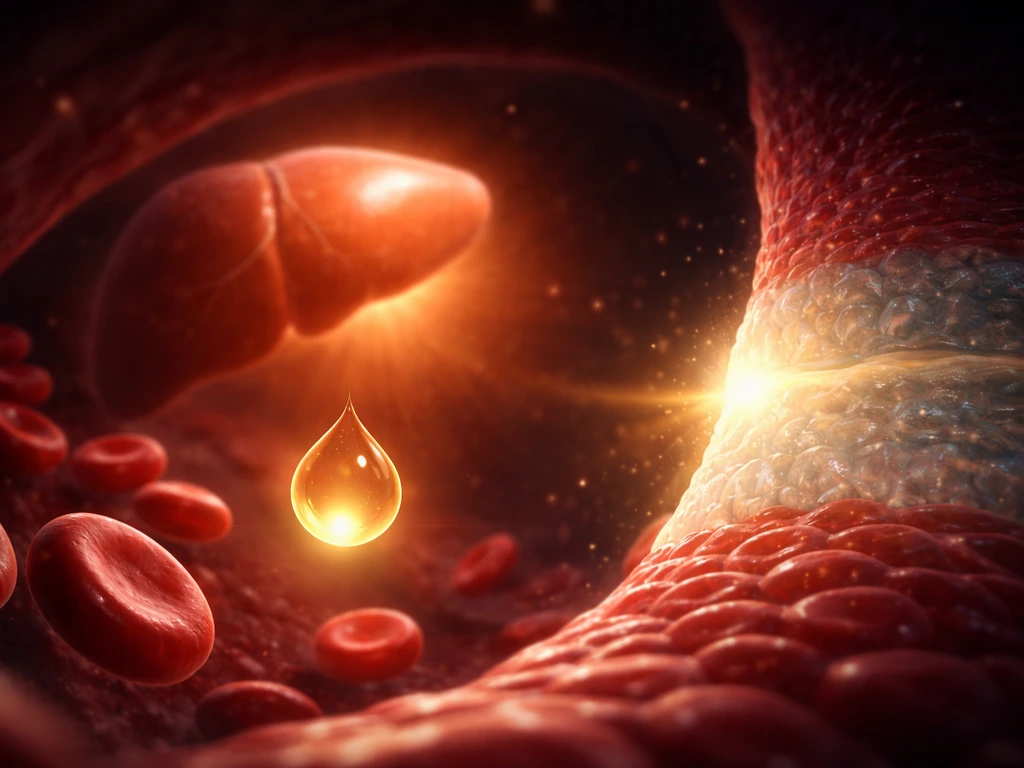
When the pituitary gland releases a pulse of GH into the bloodstream, the hormone travels to the liver (and to a lesser extent other tissues) and activates signaling pathways that ramp up IGF-1 production. That IGF-1 is then released into circulation, where it finds target cells throughout the body, including chondrocytes, the cartilage cells sitting inside the epiphyseal growth plates at the ends of your long bones.
Once IGF-1 binds to its receptor (IGF-1R) on chondrocytes, it activates intracellular signaling cascades including the mitogen-activated protein kinase pathway, which pushes those cells to replicate and enlarge. This process, called chondrocyte hypertrophy, is the cellular event that physically makes your bones longer. The hypertrophied cartilage is gradually replaced by mineralized bone through a process called endochondral ossification, and that is what adds centimeters to your height over the years.
IGF-1 also acts locally within the growth plate itself. Research shows IGF-1 expression is concentrated in the hypertrophic zone of the epiphyseal plate, meaning the hormone can act in a paracrine fashion right at the site of bone lengthening, not just as a circulating signal. So GH sets the overall tone, and IGF-1 handles much of the hands-on work.
When growth hormone matters most: childhood, puberty, and adulthood
GH is active throughout childhood, but its impact on height isn't equal at every stage of life. Understanding where you are in that timeline is honestly the most important piece of context for any question about growing taller.
Childhood (birth through early adolescence)
During early childhood, GH pulses drive steady linear growth of roughly 5 to 6 centimeters per year once the rapid infant growth phase slows down. GH deficiency at this stage leads to noticeably slowed growth velocity, and treatment with recombinant GH is approved and effective at restoring normal growth in diagnosed cases. Genotropin states that its recombinant human growth hormone is FDA-approved for treating growth disorders in children and adults, including growth hormone deficiency. This is the stage where identifying and addressing hormone deficiencies makes the biggest long-term difference in final height.
Puberty (the major growth surge)
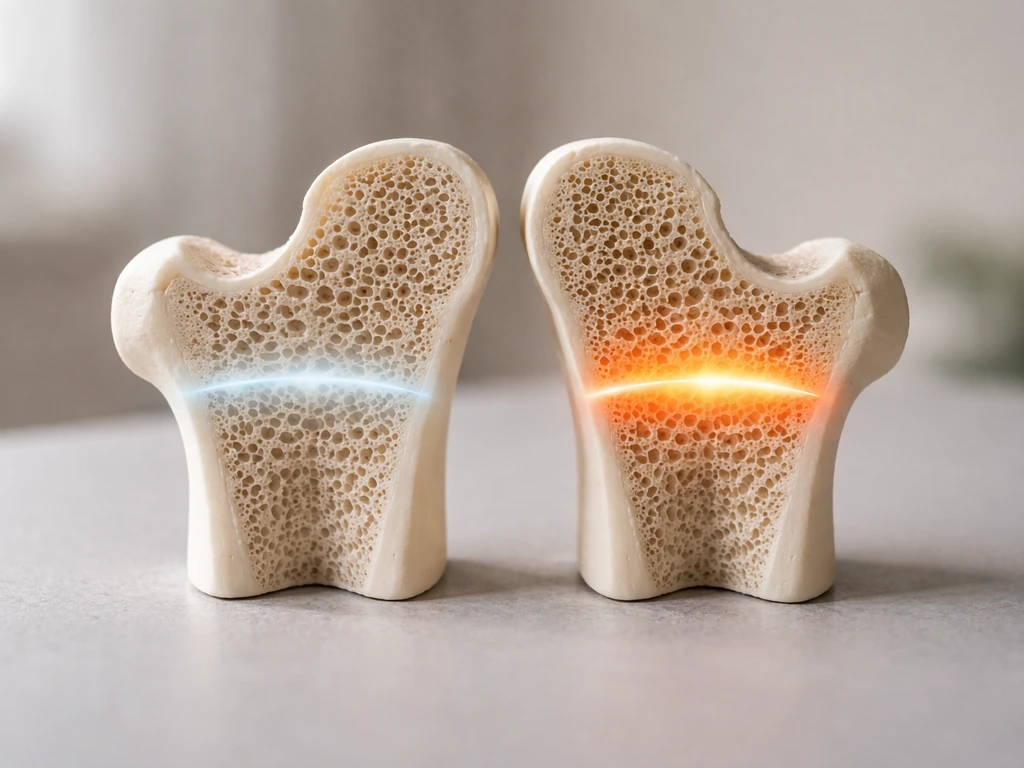
Puberty is when the GH-IGF-1 axis really hits its peak. GH secretion during puberty rises by roughly 1.5 to 5 times compared to pre-pubertal levels. Sex hormones, particularly estrogen (in both sexes), amplify GH pulses and also act on growth plates directly. This combination is why the pubertal growth spurt can add 8 to 12 centimeters in a single year at its peak. The tradeoff is that estrogen also accelerates growth plate fusion, which is what eventually ends height growth. Growth plates closing is a one-way door.
Adulthood (after growth plates close)
Once the epiphyseal growth plates fuse, which typically happens in the late teens for girls and early-to-mid twenties for boys, no amount of GH, IGF-1, or any other hormone can make those bones longer again. The mechanism for bone elongation no longer exists. GH treatment in adults diagnosed with GH deficiency improves body composition, metabolism, and bone density, but it does not increase height. That distinction matters a lot when evaluating any product or protocol claiming to make adults taller.
What else shapes how tall you actually get
GH and IGF-1 are the primary hormonal drivers, but height is genuinely a multi-factor outcome. Several other variables interact with that hormonal system in ways that matter.
Genetics
Genetics account for roughly 60 to 80 percent of the variation in adult height. Your genetic blueprint determines how sensitive your growth plates are to GH and IGF-1 signals, how long your growth plates stay open, and what your theoretical maximum height is. No lifestyle intervention changes that ceiling. What good nutrition, sleep, and health do is help you reach closer to your genetic potential, not exceed it.
Nutrition

Adequate protein intake is especially important because IGF-1 production is highly sensitive to protein availability. Children and adolescents who are protein-deficient tend to have suppressed IGF-1 levels even when GH secretion is normal. Beyond protein, micronutrients like zinc, vitamin D, and calcium directly support bone mineral deposition and growth plate function. Chronic undernutrition is one of the most common causes of impaired height worldwide, and it is also one of the most reversible ones when identified early.
Sleep
GH is released in pulses, and the largest pulse of the day occurs during slow-wave (deep) sleep, typically within the first few hours after falling asleep. Poor sleep quality or insufficient sleep duration disrupts this pulsatile release pattern. Research linking sleep duration to growth outcomes in children is still limited, but the physiological connection between deep sleep and GH secretion is well established. Getting consistent, adequate sleep is genuinely one of the simplest ways to support normal GH output during growth years.
Overall health and medical conditions
Chronic illnesses that impair nutrient absorption or cause sustained inflammation can significantly reduce growth rate even when GH secretion is normal. Celiac disease, inflammatory bowel disease, severe congenital heart disease, and untreated hypothyroidism are all recognized causes of growth impairment. Hypothyroidism in particular directly blunts GH action at the growth plate. Chronic high-dose steroid treatment (for asthma or autoimmune conditions, for example) also suppresses growth. Treating the underlying condition often allows catch-up growth to resume, especially if identified before growth plates close.
How to tell whether growth is actually on track
A single height measurement tells you relatively little on its own. What matters is growth velocity, meaning how fast someone is growing over time, compared to what is expected for their age and sex.
Using growth charts correctly

In the U.S., clinicians use WHO growth charts for children from birth to age 2 and CDC stature-for-age charts for ages 2 through 20. These charts plot height as a percentile, and the key is tracking whether a child's percentile stays reasonably stable over time. A child who consistently tracks at the 25th percentile is not concerning. A child who drops significantly across percentile lines over 6 to 12 months, say from the 50th to the 10th, warrants a closer look. A height below the 3rd percentile or a Z-score below negative 3 is generally considered in the severe short stature range and is worth a clinical evaluation regardless of whether it has been stable.
Red flags that warrant talking to a doctor
- Height dropping significantly across two or more major percentile lines on the growth chart over any 12-month period
- Growth velocity falling below about 4 to 5 cm per year in a school-age child outside of puberty
- Very short stature relative to both parents' heights (more than two standard deviations below the mid-parental height target)
- Delayed puberty alongside slow growth
- Signs of an underlying condition: chronic diarrhea, fatigue, weight loss, or other systemic symptoms alongside poor growth
- A child or teenager who appears to have stopped growing before expected age of growth plate fusion
What medical testing looks like
If a clinician is concerned about growth, the evaluation typically starts with blood tests: IGF-1 and IGFBP-3 levels (a more stable marker of GH axis activity), thyroid function (TSH and free T4), and sometimes a celiac panel or other disease screening. A bone age X-ray of the left hand and wrist is also standard because it tells you how much growth potential remains regardless of chronological age.
If those initial tests point toward GH deficiency or resistance, the next step is a growth hormone stimulation test, where a medication is given intravenously and GH output is measured over several hours. That is how true GH deficiency is confirmed, and it is the necessary step before any GH treatment would be considered.
What you can actually do to support healthy growth right now
The honest answer here depends heavily on age. If growth plates are still open, there are real, evidence-supported things you can do. If they are closed, the focus shifts to something else entirely.
| Life Stage | What Actually Helps | What Doesn't Change Height |
|---|---|---|
| Childhood (still growing) | Adequate protein and micronutrients, consistent deep sleep, treating underlying illness, monitoring growth charts | Supplements without diagnosed deficiency, extra GH without diagnosis |
| Puberty (active growth spurt) | Same as childhood, plus addressing delayed puberty early with a clinician if needed | Testosterone or GH without diagnosis, height supplements |
| Adulthood (plates fused) | Posture improvement, exercise for spinal health, body composition work | Nothing increases bone length once plates are fused |
For anyone in the childhood or adolescent phase: prioritize protein at every meal (around 1 to 1.5 grams per kilogram of body weight daily is a reasonable target for growing kids and teens), make sure vitamin D and calcium intake meets age-appropriate recommendations, protect sleep by aiming for 8 to 10 hours with a consistent bedtime, and stay on top of regular well-child visits so growth velocity is being tracked over time. If something looks off on the chart, ask specifically about growth velocity, bone age, and whether an IGF-1 level makes sense to check.
For adults wondering whether something can still be done: focusing on maximal spinal decompression through core strengthening and good posture can recover some of the height compressed by daily gravity and slouching, but that is not the same as growing. Bone length is fixed after plate fusion.
Myths vs. science about growth hormones and getting taller
There is a lot of noise in this space, and some of it is genuinely misleading. Here is where the evidence actually lands on the most common claims.
Myth: height supplements can make kids or teens grow taller
The FTC has taken enforcement action against multiple supplement brands, including blank" rel="noopener noreferrer">TruHeight (Vanilla Chip LLC) and a product called HeightMax, for making unsubstantiated claims about making children or teens taller. TruHeight products have been marketed with height-related promises, but the science does not show they can increase growth in children who are not nutritionally deficient. The FTC found these claims to be deceptive. No over-the-counter supplement has been shown in rigorous clinical trials to increase height in children or teens who are not already nutritionally deficient. If a child is getting adequate nutrition, adding more of a particular micronutrient or herbal blend is not going to push the GH-IGF-1 axis beyond its genetic set point.
Myth: GH injections will make you taller if you're not deficient
GH treatment for children without a confirmed clinical indication, such as GH deficiency, Turner syndrome, or a few other approved conditions, is not recommended and carries real risks including glucose metabolism disruption and other side effects. The Endocrine Society is explicit that GH should not be given without appropriate diagnosis. Even in children with true GH deficiency, treatment is continued only until adult height is reached or growth plates have fused. After that, more GH accomplishes nothing for height.
Myth: testosterone or other sex hormones boost height
Sex hormones do interact with the GH axis during puberty, and they amplify the growth spurt in the short term. Testosterone is mainly tied to height changes through puberty-related hormone effects, and it does not reopen growth plates once they have fused. But they also accelerate growth plate fusion. Giving testosterone or estrogen to someone who is already producing normal levels during puberty is more likely to close the growth plates faster than it is to add height. This is a topic worth understanding carefully, especially given questions about whether testosterone makes you grow taller, because the relationship is genuinely more nuanced than most people assume.
Myth: adults can increase height by boosting GH levels
This is probably the most persistent myth. GH-boosting supplements, peptides, and even prescribed GH in adults do not add height because the growth plates are gone. Wearing bigger shoes may make your feet feel more comfortable, but it does not make your body grow new bone growth plates are gone. The mechanism for bone elongation does not exist post-fusion. Adult GH therapy has real and legitimate applications for metabolic health in diagnosed GH-deficient adults, but height is not one of the outcomes.
The bottom line on myths: if something is being marketed specifically to make you taller and it is not a clinically supervised intervention for a diagnosed deficiency, the evidence simply does not support the claim. The GH-IGF-1 axis is a precise biological system, not a dial you can turn up with a capsule from the supplement aisle.
FAQ
If growth hormone still exists in my body as an adult, why can’t it make me taller?
In adults who have finished puberty, the growth plates are typically fused, so the GH-IGF-1 pathway cannot create new bone length. GH treatment may help other issues in confirmed GH deficiency, like body composition and bone density, but it will not increase height after plates are closed.
Can you be “deficient in growth hormone” if your GH levels look normal on a test?
Some people can have normal GH secretion but still have low IGF-1 activity (for example, due to undernutrition, hypothyroidism, or liver problems), which can still impair growth. That is why clinicians often check both IGF-1 and IGFBP-3 rather than relying on GH levels alone.
How reliable is an IGF-1 blood test for diagnosing growth problems?
IGF-1 is not a perfect stand-in for GH in every situation. Its level can be affected by protein intake, nutritional status, thyroid function, and chronic illness, so a low IGF-1 result often leads to more searching questions rather than assuming isolated GH deficiency.
If my child eats more protein, will IGF-1 rise and growth speed up automatically?
It helps, but it is not the only driver. IGF-1 production is sensitive to protein availability, so protein deficiency can suppress the pathway even when GH pulses are present. However, if there is a medical cause like celiac disease or untreated hypothyroidism, improving diet alone may not correct growth velocity.
Does bedtime timing matter, or is sleep quantity the main issue for GH release?
“Normal” sleep duration matters because the largest GH pulses occur during deep sleep. If a child is sleeping too little or has fragmented sleep (for example, from sleep apnea), GH pulse patterns can be disrupted even if bedtime is technically consistent.
What is more important, my child’s current height percentile or their growth over time?
Height concerns should be judged by growth velocity, not a single number. A child can be in a low percentile but growing along their own curve steadily, while another child with a similar percentile may be concerning if they drop across percentile lines over 6 to 12 months.
Why do doctors order a bone age X-ray instead of only tracking height?
Clinicians use bone age to estimate remaining growth potential because chronological age does not capture when growth plates are closing for an individual. Two children the same age can have different bone ages due to genetics, puberty timing, nutrition, and medical conditions, which changes the “window” for intervention.
Are GH-boosting supplements ever useful for height in kids who are already healthy?
Yes, supplements marketed as GH-boosters or height enhancers can be misleading. If a child already has adequate nutrition, adding extra micronutrients or herbs usually will not push the GH-IGF-1 system beyond the genetic and growth-plate limits, and some products may carry risks if they contain high-dose ingredients.
Why can testosterone or estrogen increase growth temporarily, but still prevent more height later?
Testosterone and estrogen amplify the growth spurt during puberty, but they also accelerate the timetable for growth plate closure. That means giving sex hormones when endogenous levels are already appropriate during puberty is unlikely to add meaningful height and can shorten the growth window.
What should be the next step if a doctor suspects GH deficiency but wants to confirm it?
If growth hormone is being considered, the key decision point is whether the diagnosis is confirmed, typically after screening labs and sometimes a GH stimulation test. Starting GH without a clear indication can expose the child to risks without improving height outcomes, especially if growth plates are near or already fused.
Next Article
Does Testosterone Make Your Feet Grow? What to Know
Find out if testosterone can increase foot size or true bone growth, and what happens after growth plates close