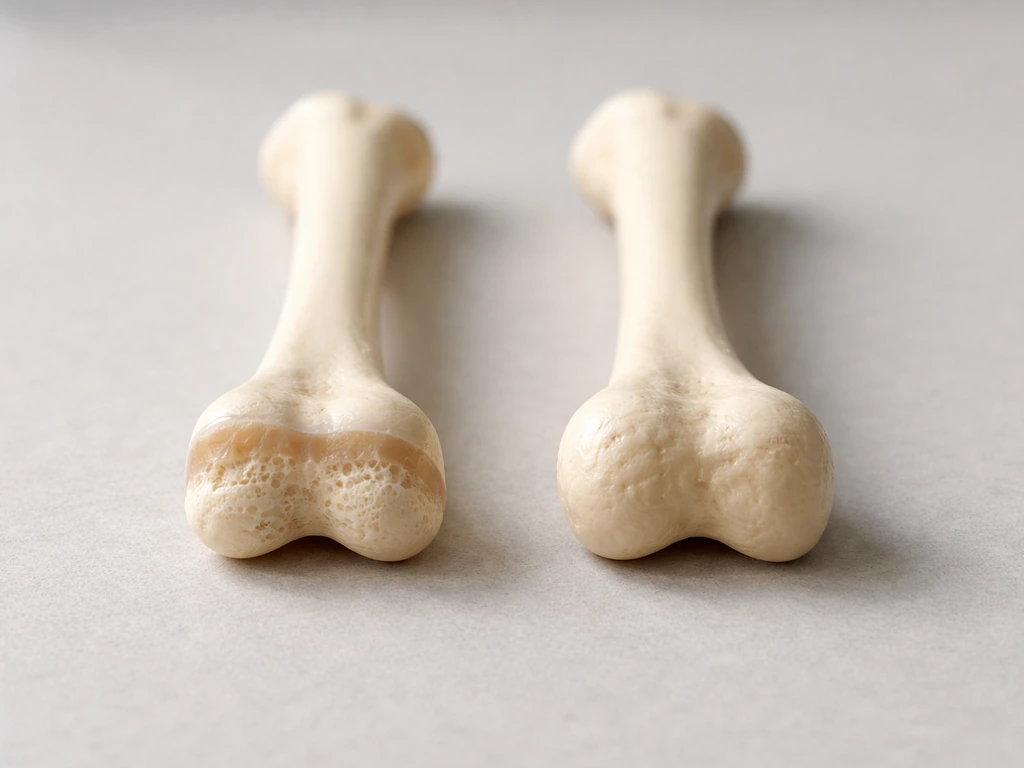
Testosterone can support height growth during puberty in males, but it does not make you taller once your growth plates have closed. That distinction matters more than almost anything else in this conversation. If you're a teenager still going through puberty, testosterone plays a real role in your growth spurt. If you're an adult with fused growth plates, adding more testosterone won't lengthen your bones, full stop.
Does Testosterone Make You Grow Taller? Evidence-Based Guide

Marcus Reeves
2 May 2026

How height actually grows: growth plates, puberty, and hormones
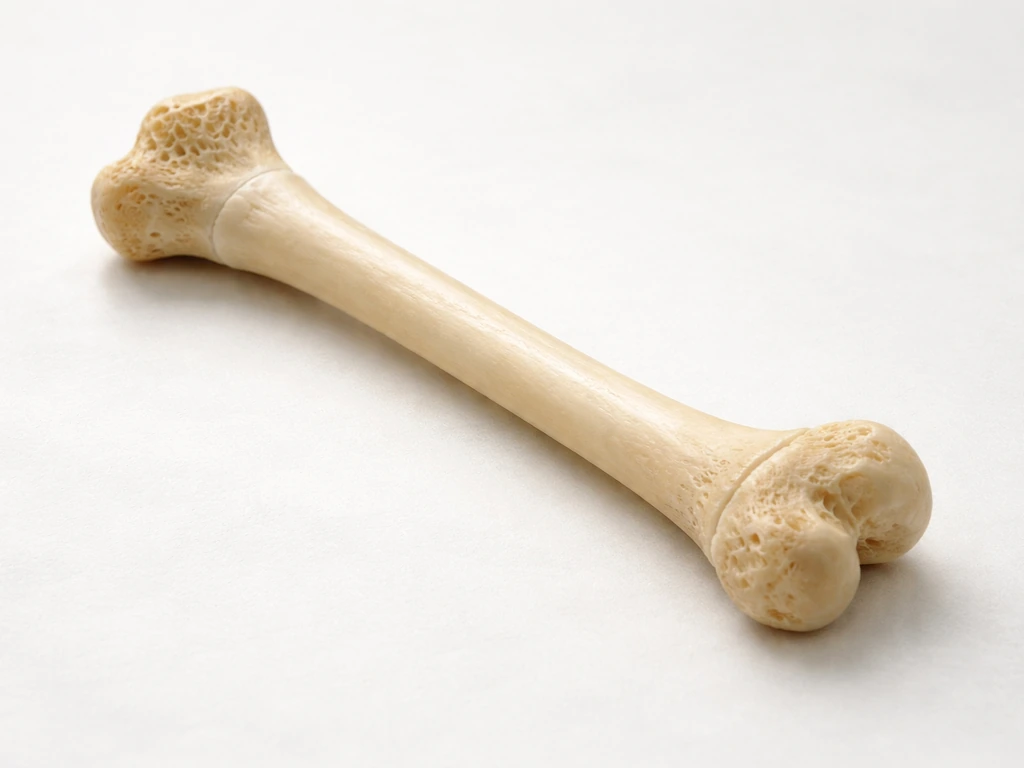
Your height is determined by what happens at the growth plates, also called epiphyseal plates. These are thin cartilage zones near the ends of your long bones (think femur, tibia, humerus) where new bone tissue is produced. As long as those plates are open and active, you can grow taller. Once they fuse, that's it for linear height.
The timing and tempo of puberty are huge drivers of how tall you end up. Puberty triggers a surge in sex hormones that dramatically speeds up bone growth, causing the classic adolescent growth spurt. But here's the catch: those same sex hormones also push the growth plates toward closure over time. Genetics set your target height range, but puberty timing and overall health determine whether you actually reach it.
Several hormones are involved in this process. Growth hormone and IGF-1 drive the actual proliferation of cartilage cells in the growth plates. Sex steroids, including testosterone and estradiol, amplify the growth spurt and then, critically, signal the plates to fuse. Estradiol in particular is the main driver of epiphyseal closure in both males and females. Testosterone contributes to growth partly on its own and partly by converting to estradiol through a process called aromatization.
Where testosterone fits in normal male height development
During male puberty, rising testosterone levels are directly responsible for the growth spurt that typically adds somewhere around 25 to 30 centimeters of height over a few years. Testosterone promotes bone formation, increases muscle mass, and stimulates growth-plate activity. At the same time, testosterone aromatizes into estradiol, which eventually triggers growth-plate fusion. So testosterone is both a growth accelerator and, indirectly, a growth stopper.
This dual role is why the timing of puberty matters so much for final height. Boys who go through puberty earlier get a growth spurt sooner but also close their plates earlier. Boys who go through puberty later (constitutional delayed puberty) often end up with similar final heights because their plates stay open longer, giving them more time to grow, even if they're shorter than peers during their teen years.
There's a fascinating natural experiment that illustrates this mechanism perfectly: men with aromatase deficiency (a rare genetic condition where testosterone can't convert to estradiol) keep growing into adulthood because their growth plates never receive the estradiol signal to close. They end up very tall, with delayed bone maturation. This confirms that it's the estradiol arm of the testosterone pathway, not testosterone itself, that ultimately closes the plates.
Can testosterone increase final height? Teens vs. adults

For teenagers with open growth plates
For adolescent males who have a medical reason for low testosterone or delayed puberty, clinically supervised testosterone therapy can meaningfully improve growth velocity. Studies in boys with constitutional delay of growth and puberty have shown that low-dose testosterone undecanoate significantly increased height velocity compared to placebo over six months. That's real, measurable growth.
However, the goal of that therapy isn't to push height beyond your genetic ceiling. The goal is to get you to your target height, the height range your genetics intended, that was being delayed by late puberty. Clinical trials in this population note that testosterone therapy improved first-year height velocity but did not significantly change the final predicted height. It gets you there; it doesn't exceed what was always biologically possible.
There's also research on the opposite end of the spectrum: boys with constitutional tall stature treated with high-dose testosterone to accelerate plate closure and potentially reduce final height. Short-term high-dose testosterone in that context was found not to reduce adult height when stopped before complete epiphyseal closure. This reinforces the point that growth-plate status governs outcomes, not just hormone levels.
For adults with closed growth plates

If you're an adult and your growth plates have already fused, testosterone therapy will not make you taller. blank" rel="noopener noreferrer">The Endocrine Society's clinical guidelines on testosterone therapy in men with hypogonadism don't even mention height increase as an outcome, because it isn't one. What adult testosterone therapy targets are things like sexual function, bone density, body composition, and energy levels. Those are real and clinically significant benefits for men with diagnosed hypogonadism, but taller isn't on the list.
Long bones can't lengthen once the epiphyseal plates have closed. No amount of testosterone, growth hormone, or any other hormone changes that anatomy. If someone is trying to sell you on testosterone or anything else as a height booster in adulthood, that's a red flag.
Medical testosterone use: when it helps and why timing matters
There are legitimate medical scenarios where testosterone is used in adolescents for growth-related purposes, and timing is everything in those cases. Boys who show no signs of pubertal development or skeletal maturation by age 13 to 14 may be given a short course of low-dose testosterone, typically testosterone enanthate or cypionate once monthly for four to six months. This is specifically designed to kick-start puberty without prematurely closing the growth plates.
The word 'low-dose' isn't casual here. The clinical approach uses carefully calibrated doses precisely because higher or longer-duration treatment risks accelerating bone maturation and potentially compromising final height. If the delayed puberty turns out to be constitutional (just naturally late), a single short course often gets things moving, and puberty continues on its own. If it's due to a permanent condition like hypogonadism, hormone therapy is escalated gradually toward adult replacement doses over 18 to 24 months, still managed carefully to protect growth potential.
The key principle across all of this is that testosterone therapy for growth purposes should happen under endocrinological supervision with bone age monitoring. Doing it without that oversight, either by self-administering testosterone or taking unregulated supplements, removes the safeguards that make the difference between helping and harming your growth outcome.
Myths to avoid: testosterone 'boosts,' supplements, and miracle protocols

The internet is full of products and protocols claiming to raise your testosterone and, by extension, make you taller. Wearing bigger shoes does not make your feet grow or change your bone growth, so it cannot increase your adult height taller. Most of these don't work as advertised, and some are genuinely counterproductive.
- Testosterone-boosting supplements: Products marketed to raise testosterone (often containing ingredients like DHEA, tribulus, or zinc) have extremely limited evidence of any meaningful effect on actual testosterone levels, and essentially zero clinical evidence that they translate to height gains. The NIH Office of Dietary Supplements notes that DHEA, one of the most commonly marketed compounds, has not been shown to benefit athletic performance or muscle in men, and its conversion to sex hormones creates unpredictable effects.
- Height supplements marketed to teens: Products like TruHeight have faced legal challenges over claims that they meaningfully promote growth. These products can't override growth-plate biology. A supplement can't open a closed growth plate or generate new bone at a fused epiphysis.
- HGH-adjacent marketing: Some products imply they stimulate growth hormone or mimic its effects. Unless you have a diagnosed growth hormone deficiency confirmed by clinical testing, adding growth hormone (or things claiming to simulate it) won't add meaningful height after normal pubertal growth.
- High-dose testosterone for height in teens without medical supervision: This is particularly dangerous. High doses can accelerate bone maturation and actually cause earlier plate closure, potentially reducing final height compared to doing nothing.
- Stretching and posture 'protocols' claiming permanent height gains: Posture correction can improve how tall you stand and may recover some compressed spinal height, but it doesn't grow new bone.
The honest reality is that no supplement or lifestyle hack reliably adds inches beyond your genetic potential. ClassAction.org’s reporting on the TruHeight lawsuit echoes this, arguing that height-based growth claims tied to children’s supplements were not meaningfully supported as advertised no supplement or lifestyle hack reliably adds inches beyond your genetic potential. The real levers are addressing actual medical deficiencies (nutrition, hormonal conditions, chronic disease) that are holding you below your genetic ceiling, and that requires proper evaluation, not a product from an online store.
How to figure out your real situation: signs, bone age, and when to see a specialist
Before doing anything, you need to understand where you actually stand physiologically. The key question is whether your growth plates are still open, because that determines whether any intervention can realistically affect your height.
Signs that growth may still be possible
- You're a male under roughly 18 to 21 and puberty started late or is still progressing
- You haven't yet reached your parents' average height and are still growing on your growth chart
- You have no or minimal pubic/axillary hair, no voice change, or other early-to-mid puberty signs as a teen
- A clinician or recent growth chart review shows your height velocity is below expected for your age and pubertal stage
The bone age X-ray: the most important test you've probably never had

Bone age (also called skeletal age) is determined by an X-ray of the left hand and wrist. A radiologist compares the appearance of your growth plates to reference standards to estimate your skeletal maturity. If your bone age is 14 but your chronological age is 16, your growth plates are likely still quite open, suggesting meaningful growth potential remains. Bone age at least two years behind chronological age is a common finding in constitutional delayed puberty, and it's one of the most important data points an endocrinologist will use to guide decisions. This is the first test to ask for if you have any serious concern about growth.
When to see an endocrinologist
You should see a pediatric endocrinologist (for teens) or an endocrinologist (for adults) if you have any of the following: no pubertal development by age 14 in males, a growth rate that has slowed or stalled, height significantly below your mid-parental target height, or symptoms suggesting hormonal deficiency (fatigue, low libido, lack of muscle development alongside delayed puberty). A full evaluation typically involves a detailed history including your parents' heights and when they went through puberty, blood work checking testosterone, LH, FSH, and possibly thyroid and IGF-1, and a bone age X-ray. This combination gives the clearest picture of where you are and what, if anything, can be done.
Practical next steps to maximize height potential safely
Whether you're a teenager still growing or an adult wanting to understand your options, here's what actually makes a difference, roughly in order of impact.
- Get a bone age X-ray if you're under 21 and have any concern about growth: This is the single most useful piece of information you can get. It takes minutes and tells you definitively whether growth potential remains. Ask your primary care doctor for a referral.
- See a pediatric endocrinologist if you're a teen with delayed puberty signs: Don't self-diagnose or self-treat. If there's an underlying condition (hypogonadism, growth hormone deficiency, thyroid issues), treating it properly can make a real difference to your final height.
- Optimize nutrition: Chronic undernutrition is one of the most common reversible reasons people fall short of their genetic height potential. Adequate protein, calcium, vitamin D, and overall caloric sufficiency during the growing years genuinely matters. This isn't a hack; it's the foundation.
- Prioritize sleep: The majority of growth hormone secretion happens during deep sleep, particularly in adolescents. Consistently getting seven to nine hours of quality sleep is one of the most evidence-aligned things a growing teen can do.
- Stay physically active but avoid excessive load on growing bones: Regular weight-bearing activity supports bone health and overall growth, but extreme training loads in adolescence can stress growth plates. Balanced activity is the goal.
- Avoid alcohol and smoking during adolescence: Both have documented negative effects on growth hormone secretion and bone development during the growing years.
- Skip the unregulated supplements: Save your money. No supplement on the market has credible clinical evidence for increasing height beyond what proper nutrition and medical care can achieve.
- If you're an adult and already done growing: Focus on what testosterone (if medically indicated for a diagnosed deficiency) can actually do for you, including bone density, body composition, and energy, rather than expecting height changes that biology won't allow.
The bottom line is this: testosterone matters for height during puberty, but it's a supporting actor in a process governed by growth-plate biology and genetics. For example, the question "does testosterone make you grow" depends on whether your growth plates are still open and active. It's not a dial you can turn up to get taller on demand. Testosterone cannot make your feet grow or otherwise increase your height after your growth plates close not a dial you can turn up to get taller. If you're a teenager and something seems off with your puberty timing or growth, that's worth proper medical evaluation because there may be something real to address. If you're an adult, the growth chapter is closed, and the honest, useful path forward is optimizing your health overall rather than chasing height gains that physiology won't deliver.
FAQ
If I increase testosterone naturally (sleep, lifting, supplements), will I grow taller as an adult?
No, if your growth plates are already closed, raising testosterone will not lengthen long bones. Natural approaches can improve energy, body composition, and sometimes bone density, but they cannot recreate epiphyseal growth, so you should avoid framing it as an adult height strategy.
How can I tell whether my growth plates are still open without guessing?
The most useful check is a skeletal or bone age X-ray, typically of the left hand and wrist. If bone age is meaningfully behind chronological age, there may still be growth potential, but only an endocrinologist can interpret it alongside puberty stage and growth rate.
Can testosterone therapy make me grow taller even if I do not have low testosterone?
In most cases, no. Giving testosterone to someone without a medical indication is unlikely to increase final height because the key limiter is growth-plate status. There are also risks, like accelerating maturation and potentially reducing growth potential if dosing is inappropriate.
Why do some people claim testosterone boosters make them taller, and is there any valid mechanism?
Claims are usually confounded by timing. If someone is still in active puberty, they may grow due to normal pubertal progression while testosterone levels rise, making it look like the supplement caused it. In adulthood, there is no legitimate mechanism to lengthen bones once plates are closed.
Is estradiol more important than testosterone for height gain during puberty?
Yes, estradiol is a major driver of growth-plate closure, and testosterone contributes partly by converting to estradiol through aromatization. This is why conditions that block that conversion can lead to continued growth into adulthood, and why the testosterone story is partly indirect.
What happens if testosterone is started too early or given at too high a dose in a teenager?
It can speed up bone maturation and push growth-plate closure earlier than expected, which may reduce final adult height. That is why clinically supervised regimens for delayed puberty use carefully calibrated doses and include bone age monitoring.
If I have constitutional delayed puberty, will a short course of testosterone guarantee that I will reach my final height?
It often helps increase growth velocity and kick-start puberty, but it is not a guarantee. The goal is typically to move you toward your genetic target height, and final predicted height depends on remaining growth-plate activity, baseline bone age, and how puberty progresses afterward.
Are there situations where testosterone is used to reduce final height, and how safe is that?
Yes, in rare cases of constitutional tall stature, short-term higher-dose testosterone may be used to accelerate plate closure. Safety and decision-making are individualized, require close monitoring, and the key caveat is that results depend on whether epiphyseal closure is incomplete at the time of treatment.
If I’m already an adult, what should I do instead of chasing testosterone to increase height?
Focus on what testosterone can actually affect in adults, like bone density, muscle mass, energy, and metabolic health when there is true hypogonadism. If height concerns are from poor posture, spinal issues, or past vertebral compression, those should be evaluated separately rather than treated with testosterone.
What red flags suggest you should not try testosterone or “height” protocols from the internet?
Any plan that promises guaranteed height gains, provides no bone age monitoring, uses unclear dosing, or encourages self-injection or unregulated supplements is a major red flag. For growth-related decisions, supervision by a pediatric endocrinologist with skeletal maturity assessment is the safe pathway.
What symptoms should prompt a growth or hormone evaluation rather than experimenting with testosterone?
Delayed or absent pubertal signs by around age 13 to 14 in males, stalled growth rate, or being significantly below predicted genetic targets can warrant evaluation. Symptoms like low libido, fatigue, or lack of muscle development alongside delayed puberty raise the priority for blood work and bone age imaging.
Next Article
If I Take Testosterone, Will I Grow Taller? Facts and Next Steps
Testosterone rarely increases height; growth plates and puberty stage decide. Learn when it might help and next steps.