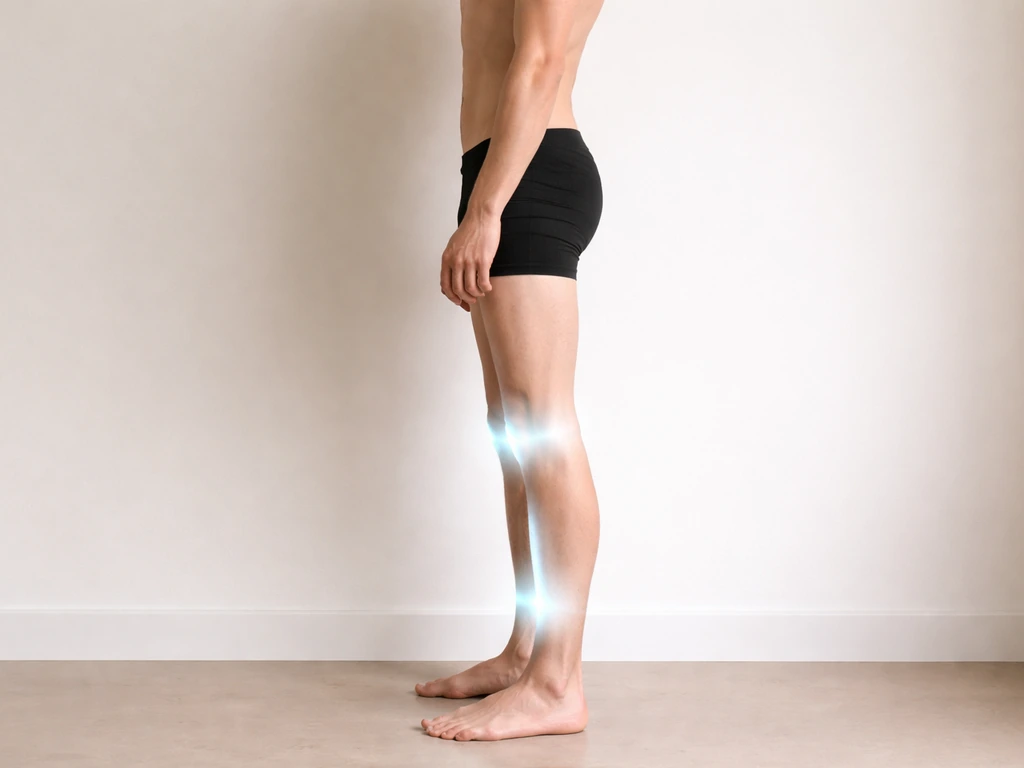
Testosterone does make you grow, but what it grows depends almost entirely on your age and whether your growth plates are still open. If you still have open growth plates, testosterone can support the growth spurt that influences final height. During puberty, testosterone drives the growth spurt that adds inches to your height and triggers muscle development at the same time. Once your growth plates fuse, usually in your late teens, height growth stops permanently regardless of how much testosterone you have or take. After that, testosterone's main growth role shifts to muscle: it boosts protein synthesis, activates satellite cells, and supports lean mass gains when you're training and eating enough. So the honest answer is: yes to height, but only during the window when your body is still growing; yes to muscle at any age, but only if you're actually putting in the work. If you are asking about TruHeight specifically, the same growth-plate rules apply: it only helps in the limited window when your growth plates are still open and you are actually short because of a treatable hormone issue how much does TruHeight make you grow. The idea that bigger shoes make your feet grow is also linked to growth timing, not to testosterone or shoe size itself does wearing bigger shoes make your feet grow.
Does Testosterone Make You Grow? Height vs Muscle Growth


Testosterone and "growing": height vs. muscle are two very different things
People searching this question usually want to know one of two things: will testosterone make me taller, or will it make me bigger and more muscular? The mechanisms behind those two outcomes are completely different, and conflating them leads to a lot of bad decisions, especially around supplements and injections. Height growth requires open epiphyseal growth plates, the cartilaginous zones near the ends of long bones where new bone tissue is deposited. Muscle growth (hypertrophy) requires resistance training, adequate protein, and hormonal signaling, none of which needs open growth plates. Testosterone influences both processes, but it only has real leverage over height during the years when those plates are actively working.
What testosterone actually does during puberty and at the growth plates
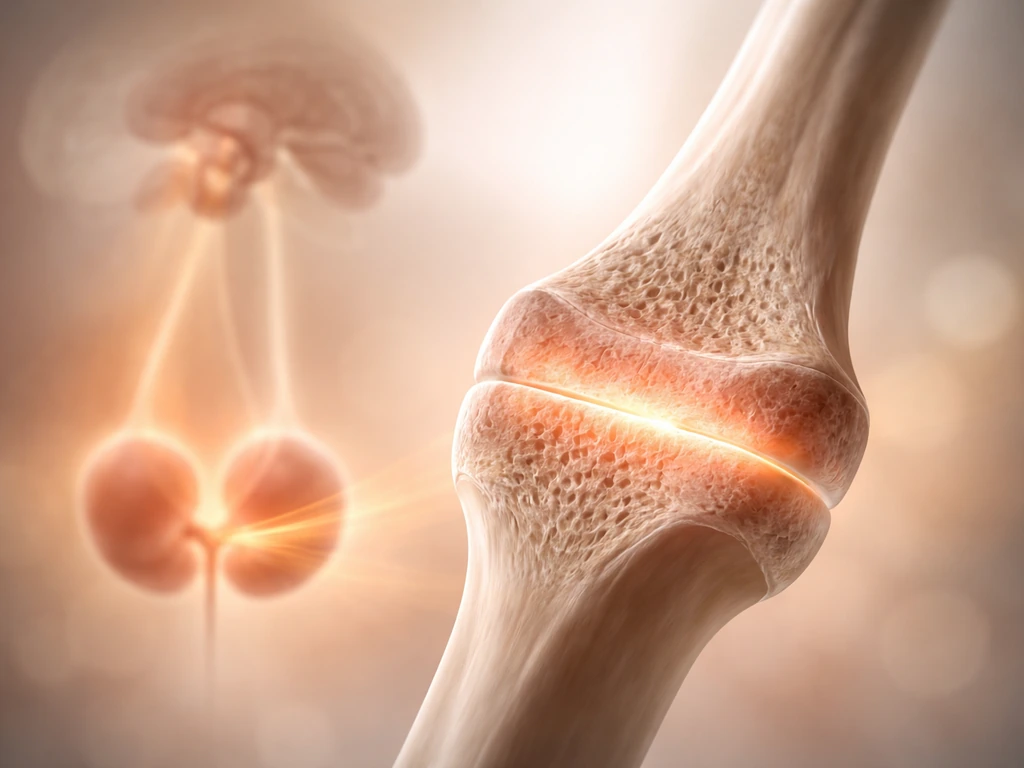
When puberty kicks in, the hypothalamus signals the pituitary to release LH and FSH, which then trigger the testes to produce testosterone. That surge in testosterone does several things relevant to height. It stimulates growth hormone secretion from the pituitary, which drives the liver to produce IGF-1. Research confirms that testosterone increases serum IGF-1 (along with IGF-II and IGFBP-3) even in prepubertal patients, establishing a clear physiologic link between sex steroids and the IGF signaling axis. Rising IGF-1 correlates directly with the timing of peak height velocity, which is the fastest point of the pubertal growth spurt.
Here is the part most people miss: testosterone does not act on growth plates purely as an androgen. A significant portion of it gets converted to estradiol through a process called aromatization, and estradiol is actually the key driver of growth plate maturation and eventual fusion. Estradiol affects chondrocyte behavior in the growth plate, including cell proliferation, collagen synthesis, and calcification, all of which progressively close the plate. So testosterone is a double-edged signal: it promotes the growth spurt through GH and IGF-1, but the estrogen it converts into also pushes the plate toward fusion. This is why timing matters so much in pediatric endocrinology, and why giving too much androgen too early can accelerate bone age and actually reduce final adult height.
Does testosterone or TRT increase adult height? What the evidence actually shows
For adults whose growth plates have already fused, testosterone does not increase height. Full stop. There is no credible clinical evidence that testosterone replacement therapy (TRT) adds height in adults, because there are no functional growth plates left to respond to the hormonal signal. The bone is already hardened. TRT is FDA-approved only for men with low or lacking testosterone levels associated with a diagnosed medical condition, and the FDA has explicitly stated that safety and efficacy for age-related testosterone decline have not been established. Height gain is nowhere in the approved indication list.
There is one nuanced exception worth knowing: adolescents who undergo puberty suppression (with GnRH analogues) and then receive testosterone, such as in transgender boys, have been studied for adult height outcomes. Research published in JCEM found that this approach had a neutral to positive effect on adult height, meaning it did not cause the height loss some feared. But this involves carefully timed, medically supervised hormone management during an open growth plate window, not simply taking testosterone as an adult hoping to get taller. If i take testosterone will i grow taller, the key point is that adult height only changes when growth plates are still open, which testosterone alone cannot create taking testosterone as an adult hoping to get taller. It is a specialist situation, not a template for self-experimentation.
When low testosterone actually affects growth: children and teens

This is where testosterone levels genuinely matter for height. If a child or teenager has delayed puberty or hypogonadism, the reduced testosterone can mean the growth spurt either starts late or is blunted. In boys, delayed puberty is clinically defined as no testicular enlargement by age 14. The evaluation typically includes morning LH and FSH levels, testosterone, bone age assessment via X-ray of the wrist, Tanner staging, and sometimes IGF-1 and thyroid function. Bone age is particularly useful because a delayed bone age means growth plate closure is also delayed, which actually preserves future height potential.
Low-dose testosterone treatment in genuinely hypogonadal children has shown real promise when used carefully. One study reported that growth rate roughly doubled over a six-month course, bone age did not advance disproportionately, and participants ended up reaching adult heights significantly above their pre-treatment trajectory. A short 3-to-6 month course of sex steroid therapy followed by a treatment-free interval is also a recognized approach to distinguish constitutional delay (just a late bloomer) from true hypogonadotropic hypogonadism. The takeaway: in kids and teens with confirmed hormonal deficiency, appropriate medical treatment can genuinely protect or improve final height. But this requires diagnosis and specialist management, not over-the-counter supplements.
Signs that warrant a medical evaluation for a child or teen
- No signs of puberty (no testicular growth in boys) by age 14
- Significantly shorter than peers with no family history of late puberty
- Growth that has slowed or stalled for more than 6 months
- Fatigue, low energy, or mood changes alongside delayed development
- History of conditions affecting the pituitary or hypothalamus
How testosterone relates to building muscle (and what actually makes muscles grow)

Testosterone's role in muscle growth is real and well-established, but it is frequently overstated in supplement marketing. The mechanism goes like this: testosterone binds to androgen receptors in skeletal muscle cells, upregulating protein synthesis and activating satellite cells, which are the stem cells that repair and grow muscle tissue. Research in human skeletal muscle and satellite cell cultures confirmed that androgen treatment increases androgen receptor protein levels, providing a molecular basis for the anabolic effect. Testosterone also increases myonuclear number, essentially giving muscle fibers more genetic machinery to produce contractile proteins.
A systematic review and meta-analysis of randomized controlled trials found that testosterone replacement therapy increases lean mass in elderly men with hypogonadism, with effect sizes varying by dosing method and treatment duration. But notice the population: men with low testosterone being brought back to normal range. The muscle-building effect of testosterone is most pronounced when correcting a deficiency, not when stacking on top of normal levels. If your testosterone is already healthy, the marginal benefit of adding more is small and comes with real risks. Resistance training and adequate protein intake drive the vast majority of muscle growth in people with normal hormone levels.
The other hormones worth knowing about here are growth hormone and IGF-1, which are the more direct drivers of tissue growth across the body. If you want the direct answer to what hormone makes you grow, growth hormone and IGF-1 are the most direct drivers of height-related tissue growth. If you are curious about the broader hormonal picture of growth, the relationship between testosterone, GH, and IGF-1 is worth understanding as a system rather than focusing on any single hormone. Testosterone is one input into that system, not the whole engine.
Practical next steps based on where you are right now
If you're still growing (teen or young adult)
The best things you can do to support your growth potential are not hormonal at all. Sleep is the most underrated lever: growth hormone is primarily released in deep sleep, so consistently getting 8-10 hours matters more than most people realize. Nutrition needs to be adequate in total calories, protein (roughly 1.2-1.6 grams per kilogram of body weight daily), calcium, vitamin D, and zinc, all of which directly support bone and tissue development. Resistance training at moderate loads is safe and beneficial for teenagers; it does not stunt growth, which is a persistent myth. If you suspect delayed puberty or abnormally slow growth, get a bone age X-ray and a hormone panel (LH, FSH, testosterone, IGF-1, thyroid) through a pediatric endocrinologist before considering any hormone intervention.
If you're an adult focused on muscle
Focus on progressive resistance training, eat enough protein consistently, and sleep well. If you suspect low testosterone (symptoms include persistent fatigue, reduced libido, difficulty building muscle despite consistent training, and mood changes), get your total and free testosterone measured with validated assays, ideally in the morning when levels peak. The Endocrine Society recommends confirming low testosterone with at least two measurements and evaluating the underlying cause before any treatment. Do not self-treat with over-the-counter testosterone boosters; the evidence for most of them is weak, and some products contain undeclared or adulterated substances.
| Life Stage | Does Testosterone Affect Height? | Does Testosterone Affect Muscle? | Best Action |
|---|---|---|---|
| Prepubertal child | Potentially, if deficient and treated carefully | Minimally | Medical evaluation if puberty is delayed |
| Puberty (active growth) | Yes, through GH/IGF-1 and growth plate activity | Yes, alongside the growth spurt | Optimize sleep, nutrition, and evaluate if delayed |
| Late teen (plates closing) | Diminishing rapidly | Yes | Focus on training and nutrition; check bone age if concerned |
| Adult (plates fused) | No | Yes, especially if correcting deficiency | Resistance training, protein, sleep; see a doctor if symptomatic |
Myths, safety, and realistic expectations around testosterone supplements and injections

The supplement industry loves the word "testosterone booster," but published analyses of these products found their labeling claims to be misleading, and some contained undeclared or adulterated substances. The FDA took regulatory action against androstenedione, a common supplement ingredient, treating it as an adulterated product under dietary supplement law. The FTC has also warned companies making hormone-related health claims without reliable evidence to back them up. If a product promises height growth, anti-aging benefits, or dramatic muscle gains via testosterone boosting, that is a marketing claim, not a clinical outcome.
Actual testosterone injections and TRT are prescription medications for a reason. The Endocrine Society's clinical practice guidelines include monitoring for adverse effects like erythrocytosis (elevated red blood cell count), which can require withholding treatment until hematocrit normalizes and then resuming at a lower dose. There are also risks related to cardiovascular health, fertility, and prostate health that require ongoing medical monitoring. Using testosterone without a confirmed diagnosis and medical supervision is not just ineffective for height, it carries real physiological risks.
The realistic expectation for someone with normal testosterone levels: taking more testosterone will not make you taller as an adult, and it will not dramatically increase muscle mass beyond what training and diet can achieve. If you are wondering, “if i take testosterone will i grow taller,” the key point is whether you still have open growth plates. Testosterone can matter for height only when growth plates are still open, and if you want the full mechanism behind puberty growth you can also review how growth hormone and IGF-1 contribute: growth hormone and IGF-1. For someone with genuinely low testosterone confirmed by testing: treating the deficiency can meaningfully improve energy, body composition, and muscle-building response to training. The difference between those two scenarios is a blood test and a doctor's assessment, not a supplement label.
One final note: if your core question is really about height specifically, whether testosterone makes you grow taller, the honest answer is that adult height is largely set by genetics and the hormonal environment during your growth years. The question of which hormones most directly drive height, and whether any intervention can realistically add inches, is worth exploring beyond testosterone alone. Growth hormone and IGF-1 are at least as central to that story as testosterone is, and understanding the full picture helps set realistic expectations and avoids wasted money on products that simply do not work.
FAQ
If I start taking testosterone, will I get taller even if I’m already an adult?
For most people, no. Testosterone will not lengthen bones after growth plates are fused. If you are still in puberty, it can influence the timing and size of your growth spurt, but the deciding factor is your growth-plate status (often estimated with bone age), not your testosterone dose.
Can testosterone make an adult look bigger or more muscular without increasing height?
You can think of “taller” as two different goals: increasing remaining height potential (only with open plates) versus changing body composition. In a typical adult, TRT may improve lean mass and strength if you are truly hypogonadal, but it will not increase height because there are no growth plates left to respond.
Do testosterone boosters help you grow taller, or do they just increase testosterone a little?
Testosterone boosters do not reliably raise testosterone to therapeutic levels. Even when they slightly change lab values, that does not equal open growth plates or guaranteed height gain. If a product promises growth, the safest interpretation is that it is a marketing claim, not an outcome you can count on.
What tests should a teen get to find out if testosterone could affect height?
A key practical step is getting a bone age X-ray if you suspect growth issues. It helps distinguish delayed puberty, constitutional delay (late bloomer), and true hormone deficiency. Without bone age and a proper hormone panel, it is easy to treat the wrong problem and miss the window where height could be protected.
Could taking testosterone too early or at too high a dose actually reduce final adult height?
Yes, testosterone-related therapy can affect final height indirectly through bone maturation. Because testosterone can convert to estradiol, higher-than-needed dosing can accelerate bone age and potentially reduce remaining height potential. This is why dosing and timing under a pediatric endocrinologist matter so much.
If my puberty is delayed, does correcting low testosterone help my height?
If puberty is delayed, low sex hormones can blunt the growth spurt, so treating the underlying condition can improve the growth trajectory. But the treatment plan depends on the cause (for example, constitutional delay vs hypogonadotropic hypogonadism), which is determined by labs like LH/FSH and often baseline and follow-up evaluation.
How do clinicians confirm that low testosterone is real before treating?
Morning total and free testosterone, plus confirmation on at least a second separate day, are commonly recommended to reduce false “low” results from normal daily variation and illness-related changes. Also review symptoms and contributing factors, such as sleep loss and medications, because these can change levels without you having a permanent disorder.
If I have low-energy and can’t build muscle, how can I tell whether low testosterone is the cause?
Common symptoms are not specific, fatigue, reduced libido, mood changes, and difficulty gaining muscle despite training, but many other issues can cause similar signs. The most reliable next step is lab confirmation paired with an evaluation for the underlying cause, such as pituitary issues, testicular dysfunction, or other endocrine problems.
What are the key safety checks when someone is prescribed TRT?
TRT monitoring often includes hematocrit (to watch for erythrocytosis), cardiovascular risk assessment, fertility evaluation, and prostate-related considerations depending on age and risk profile. Skipping monitoring is a common mistake, because testosterone can produce side effects even if height gain is not a concern.
Is there any situation where testosterone treatment after puberty suppression can affect adult height?
A growth-related exception involves carefully timed puberty suppression and then hormone induction, studied in transgender youth. It still requires specialist protocols and an open growth-plate window. It is not the same as self-administering testosterone at adulthood or without puberty context.
What Amino Acids Make You Grow Taller
Know which amino acids support growth via protein and IGF-1, why they can’t extend height after closure, and practical t