
Athletes don't grow taller through any special training secret. Height growth happens at the growth plates inside your long bones, and that process is driven almost entirely by genetics, hormones, and puberty timing. What athletes can actually do is protect and maximize that natural potential by eating enough, sleeping well, recovering properly, and avoiding the training mistakes that can slow growth down. If your growth plates are still open, the levers are real and worth using. If they're fused, true height gain isn't on the table, no matter what you try.
How Do Athletes Grow Taller? Growth Science and Safe Steps

Marcus Reeves
6 Jun 2026
How real height growth actually works
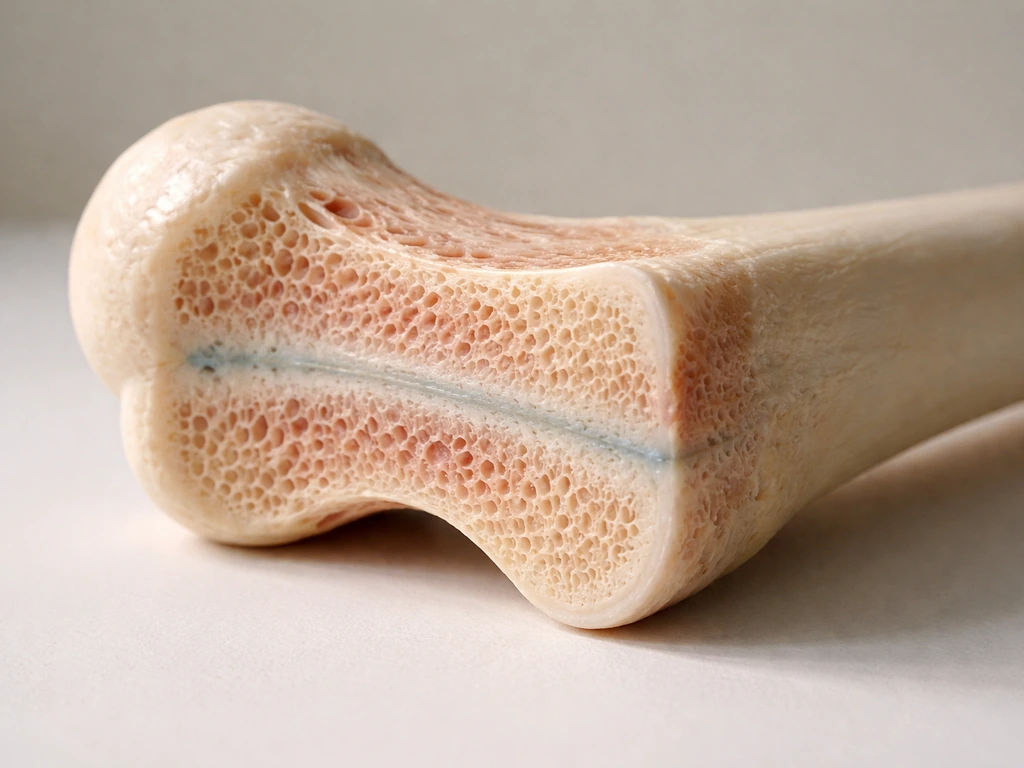
Every centimeter of height you've ever gained came from a thin layer of cartilage called the epiphyseal growth plate, located near the ends of your long bones (femur, tibia, humerus, and others). Specialized cells in that cartilage called chondrocytes multiply and expand, and their cartilage scaffold gets gradually replaced by bone in a process called endochondral ossification. Long-bone longitudinal growth occurs through endochondral ossification at the epiphyseal (growth) plate, where chondrocytes proliferate and hypertrophy before the cartilage template is replaced by bone, and longitudinal growth stops after epiphyseal fusion endor chondral ossification at the epiphyseal (growth) plate. That replacement is what makes bones longer.
Puberty is what supercharges this process. The hormonal surge of adolescence, particularly growth hormone (GH) and insulin-like growth factor 1 (IGF-1) combined with sex steroids, drives the pubertal height spurt where kids can gain 8 to 12 cm per year. But here's the catch: those same sex hormones that produce the growth spurt also signal the growth plates to stop working. Chondrocytes gradually lose their proliferative capacity, the cartilage layer disappears, and the plate fuses into a solid bony scar. Once that fusion is complete, longitudinal bone growth is finished. This typically happens somewhere between ages 14 to 16 in females and 16 to 18 in males, though timing varies significantly between individuals.
Genetics determines roughly 60 to 80 percent of your final height, setting the ceiling. Nutrition, sleep, hormonal health, and disease history are the environmental factors that determine whether you reach that ceiling or fall short of it. Athletes who are still in their growth years are squarely in that second category: the goal is to protect and express whatever genetic potential they were handed.
What training, sports stress, and recovery actually do to growth
The relationship between athletic training and height is more complicated than most people think. Exercise, particularly resistance and high-impact loading, can stimulate GH and IGF-1 release acutely. That's a good thing for bone health and lean tissue development. Some research suggests that moderate physical loading during childhood and adolescence actually supports healthy bone development. So, no, lifting weights or playing basketball won't stunt your growth, provided training is appropriate and recovery is adequate. Basketball is a sport many people ask about, but the key factor is still whether your growth plates are open and whether you recover and fuel appropriately.
The problem comes with chronic overtraining, excessive training volume, or sports that restrict weight or body size. In those contexts, athletes can develop Relative Energy Deficiency in Sport (RED-S), a state where calorie intake doesn't meet the energy demands of both training and normal physiological function, including growth. When your body doesn't have enough fuel, it deprioritizes growth. GH secretion can be disrupted, IGF-1 levels drop, and the hormonal environment needed to drive growth plate activity deteriorates. For a teenager still growing, this is a serious problem.
High-stress training can also delay puberty in some athletes, which temporarily extends the growth window but can create long-term hormonal and bone health consequences. This is common in gymnastics and endurance sports with early specialization and significant energy restriction. A delayed or disrupted puberty isn't a growth advantage, it's a warning sign worth addressing with a doctor.
Injury to the growth plate itself is another real concern for young athletes. A physeal fracture (a break through the growth plate) can, if not managed correctly, cause localized growth arrest or bone deformity. This is one of the strongest reasons to follow age-appropriate training loads and get imaging done for any joint injury that doesn't resolve quickly in a still-growing athlete.
Nutrition: the single biggest lever athletes can pull
If there's one area where athletes genuinely harm their growth potential without realizing it, it's undereating. Growing teenagers who are also training need significantly more calories than their sedentary peers. A teenage male athlete can need 3,000 to 4,500 kcal per day depending on sport and training volume. Falling short chronically is the fastest way to limit growth.
Calories first

Total energy intake is the foundation. You cannot optimize protein synthesis, hormone production, or bone mineralization if you're running a significant calorie deficit day after day. Athletes in weight-class or aesthetic sports are especially vulnerable here. If your weight isn't tracking reasonably with your height increase during puberty, that's a signal to reassess intake.
Protein for bone and tissue growth
Protein is the structural raw material for bone matrix and muscle. For growing athletes, targets in the range of 1.4 to 2.0 grams per kilogram of bodyweight per day are appropriate. This isn't about bulking, it's about giving the body what it needs to build and maintain tissue while supporting anabolic hormone signaling, including IGF-1, which is closely tied to protein intake.
Calcium and vitamin D for bone density

The growth plate is building new bone constantly. Calcium and vitamin D are the direct inputs for mineralization of that new bone. Adolescents need about 1,300 mg of calcium per day, which is hard to hit without dairy or fortified foods. Vitamin D (target 600 to 2,000 IU daily depending on sunlight exposure and baseline levels) is critical for calcium absorption and IGF-1 signaling in bone. Deficiency in either is surprisingly common in athletes, especially indoor sport athletes or those training in low-sunlight climates.
Iron and other micronutrients
Iron deficiency is common in teenage athletes, particularly females, and it doesn't just affect endurance: it can interfere with energy metabolism and recovery in ways that compound the effects of energy deficit. Zinc and magnesium also play supporting roles in GH signaling and bone metabolism. These are best addressed through a varied whole-food diet rather than aggressive supplementation, though a sports dietitian can help identify gaps if labs suggest deficiency.
Sleep is where growth hormone actually does its job

The majority of daily GH secretion happens during slow-wave (deep) sleep, with the largest pulse occurring in the first few hours after falling asleep. For growing athletes, this isn't a metaphor: sleep is literally when the hormonal signal for growth is strongest. Chronically short or disrupted sleep suppresses GH output, and that has downstream effects on IGF-1, tissue repair, and bone turnover.
Teenagers need 8 to 10 hours of sleep per night. Most don't get it, and athlete schedules with early training, school, and late competition make this harder. Practically, this means prioritizing consistent sleep timing (going to bed at the same time even on weekends), minimizing screens for 30 to 60 minutes before bed, and treating rest days as genuine recovery rather than just days off from sport. Athletes who are chronically sleep-deprived are also more likely to overeat or undereat, compounding the nutritional problems above.
Training guidelines to protect height potential
Training smart during the growth years isn't about doing less, it's about doing the right things with appropriate load and recovery. Here are practical principles grounded in current sports medicine guidance:
- Follow the 10 percent rule: don't increase weekly training volume by more than 10 percent in any single week to reduce overuse injury risk at growing bones.
- Include strength training with proper supervision. Resistance training is safe for adolescents and supports bone density; the risk is in poor technique and excessive loads, not lifting itself.
- Build in at least one full rest day per week, and periodize training so that high-load periods are followed by lower-load recovery weeks.
- Avoid early single-sport specialization before age 12 to 14. Multi-sport athletes tend to have better overall development and lower overuse injury rates.
- Monitor for RED-S signs: unexplained fatigue, stress fractures, disordered eating behaviors, irregular or absent menstrual cycles in females, and slower-than-expected growth velocity.
- Get any growth plate area injury evaluated by a sports medicine physician or orthopedist, not just a general practitioner, to rule out physeal involvement before returning to full training.
- For sport-specific concerns about height and growth, the question of whether particular sports affect growth is worth exploring in context of individual sport demands.
Posture vs. real height: what you can and can't change
This one needs to be stated clearly: stretching, yoga, hanging from bars, decompression exercises, and spine mobility work do not make your bones longer. Your bone length is fixed once growth plates close. Nothing you do mechanically changes that. However, posture and spinal compression are real, and they do affect how tall you appear and feel.
Most people lose 1 to 2 cm of functional height during the day due to intervertebral disc compression from standing and loading. Athletes with significant thoracic kyphosis (rounded upper back) or anterior pelvic tilt can look 2 to 4 cm shorter than they measure lying down. Corrective work for posture, specifically strengthening the posterior chain (glutes, spinal extensors, mid-traps), improving thoracic extension mobility, and building core stability, is genuinely useful. Not because it grows bone, but because it helps you stand at your actual height rather than a compressed version of it.
For still-growing athletes, good posture habits are also worth building early because spinal alignment during adolescence can influence how the vertebrae develop. But let's be realistic: posture work is a functional and aesthetic improvement, not a growth intervention.
Teens still growing vs. adults: very different situations
If you're a teenager
You almost certainly still have open growth plates if you're under 15 (females) or under 17 (males), though this varies. Everything in this article, the nutrition, sleep, training approach, and injury management, applies directly to you and can meaningfully affect whether you reach your genetic height ceiling. The biology is on your side; the job is to not undercut it.
Growth velocity (how fast you're growing) is the key metric to watch. During the peak pubertal growth spurt, 8 to 12 cm per year is typical. After the spurt, growth slows to 2 to 3 cm per year and then stops. If you're in mid-puberty and growing less than 4 to 5 cm per year, or if your growth seems to have stalled compared to peers, that's worth discussing with a pediatrician.
If you're an adult
Once your growth plates are fused, which is typically confirmed by the late teens to early twenties, you won't gain true skeletal height through any natural method. In fact, if you ask did Ronaldo grow taller, the key answer is whether he was still growing and had open growth plates during his development years. There's no supplement, stretch protocol, or training program that reopens fused growth plates.
The honest options for adults are: optimize posture to stand at your full functional height, maintain healthy body weight and composition (which affects perceived and functional height), and in rare medical cases, consult an orthopedic specialist about limb-lengthening procedures (which are surgeries, not natural growth, and carry significant risks). Adult athletes asking about growing taller are usually better served by focusing on performance, posture, and body composition than chasing height.
In the NBA, whether someone can actually grow taller depends mainly on age, genetics, and whether their growth plates are still open, not on the sport itself growing taller in the NBA.
When to get medical help
There are situations where slow growth or short stature in an athlete warrants a proper medical workup rather than just nutrition advice. See a pediatrician or pediatric endocrinologist if any of these apply:
- Height is below the 3rd percentile for age and sex on a standard growth chart.
- Growth velocity has dropped below 4 cm per year during a period when growth should still be active.
- Puberty hasn't started by age 13 in females or age 14 in males.
- There are signs of RED-S: stress fractures, absent periods (in females), significant unintentional weight loss, or chronic fatigue.
- A parent has a history of growth hormone deficiency, thyroid disorder, celiac disease, or other conditions affecting growth.
- Height is significantly below predicted mid-parental height (calculated as the average of both parents' heights, plus 6.5 cm for males or minus 6.5 cm for females).
A proper growth assessment typically includes a detailed history and physical, growth chart review over time (growth velocity is more informative than a single height measurement), bone age X-ray (left hand and wrist), and baseline labs including IGF-1, thyroid function, and sometimes a full metabolic panel. If growth hormone deficiency or another endocrine disorder is identified, treatment options exist and are most effective when started early.
What to do starting today: your action checklist
Whether you're a teenager optimizing growth or an adult looking for honest next steps, here's a practical starting point:
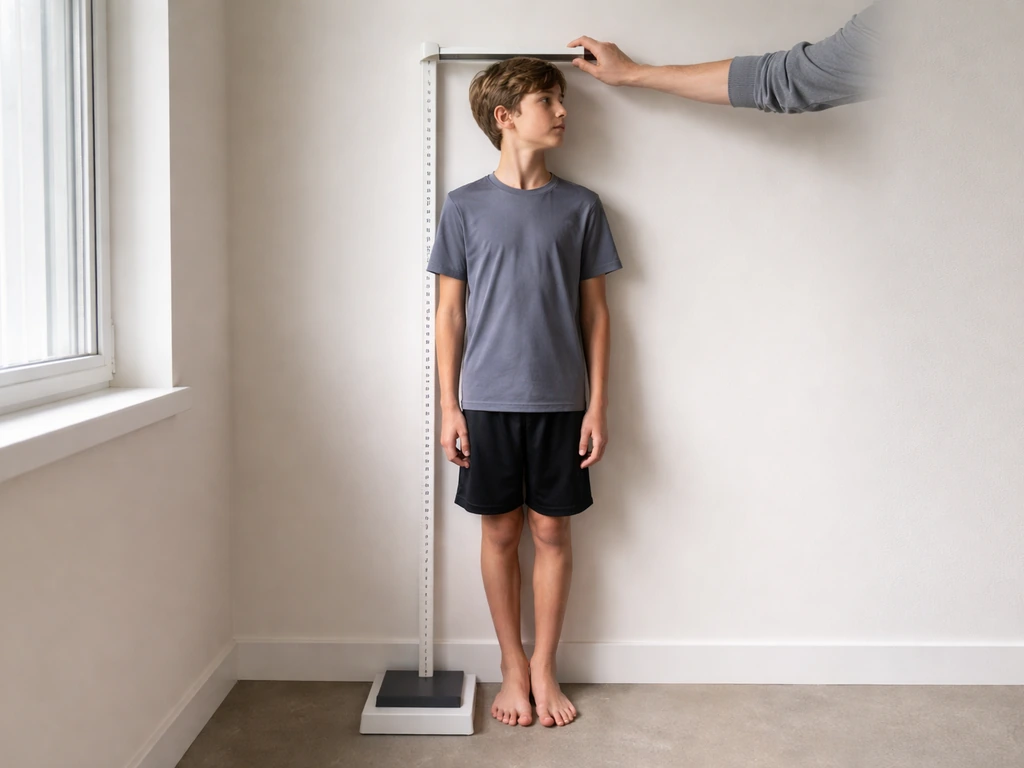
- Track your height every 3 months, same time of day (morning is best), same method. Note your growth velocity. This is the most important metric to follow.
- Log your food for one week using a tracking app. Check whether total calories and protein are meeting your needs given training load. Most growing athletes are surprised by how short they fall.
- Hit calcium and vitamin D targets consistently. If you don't eat much dairy, talk to a sports dietitian about dietary sources or supplementation. Consider getting a vitamin D blood test if you train indoors or live in a northern climate.
- Commit to 8 to 10 hours of sleep per night. Set a consistent bedtime, not just a wake time. Treat sleep as a training variable, not a luxury.
- Review your training schedule for RED-S red flags: are you eating enough on high-volume days? Are rest days actual rest? Do you have at least one full day off per week?
- For any joint or bone pain that lingers more than a week, see a sports medicine physician and specifically ask about growth plate involvement if you're under 18.
- If you're a teen and your growth seems slow, or if you haven't started puberty on schedule, make an appointment with your pediatrician and bring your height measurements over the past year.
- Work on posture regardless of growth status. Three to four times per week: thoracic extension mobility work, posterior chain strengthening (rows, deadlifts, glute bridges), and core bracing. This won't grow bone, but it will help you stand at your actual height.
For athletes curious about specific sports and their relationship to height, whether that's basketball players and their growth patterns or whether playing certain sports correlates with taller stature, those are questions worth exploring through a sport-specific lens. If you're wondering what supplements basketball players take to grow taller, the key takeaway is that supplements usually matter only when they correct a proven deficiency.
The underlying biology of growth is the same, but how training demands, nutrition culture, and selection effects play out varies a lot between sports. The fundamentals here apply universally: protect the growth plate, fuel the body, sleep enough, and get medical eyes on anything that looks off.
If you are wondering can youth players grow taller, start by checking whether your growth plates are still open and whether your sleep and calorie intake are on track get medical eyes on anything that looks off. That's the actual plan.
FAQ
How can I tell if I still have open growth plates?
You cannot confirm growth plate status by feeling “growth.” The practical method is a clinician evaluation, which may include growth charts, growth velocity tracking, and, if needed, a bone age X-ray (often left hand and wrist). If growth seems to have clearly slowed for your age, or you are late in puberty, ask about bone age rather than assuming you still have time.
What growth rate is considered normal for a teen athlete?
Normal varies by where someone is in puberty, but growth velocity is more useful than one height measurement. If you are in mid-puberty and gaining less than about 4 to 5 cm per year, or your growth has stalled compared with your peers and your own earlier trend, discuss it with a pediatrician. Comparing against your own curve over 6 to 12 months is usually more informative than comparing to others.
Can resistance training, sprinting, or heavy impact actually reduce height?
Training itself does not “turn off” growth if energy intake and recovery are adequate. The bigger risk is chronic underfueling, excessive volume, and poor sleep, which can disrupt puberty-related hormones and growth plate activity indirectly. A useful rule is, if training is intense enough to worsen appetite, cause frequent fatigue, or stop weight gain during normal growth years, that is a red flag to reassess nutrition and workload.
Do growth supplements like collagen, “height powders,” or hormones help athletes grow taller?
Most supplements do not reopen fused growth plates or meaningfully increase height if you are not deficient in something. Collagen and similar products are not the bottleneck for bone length. The most likely supplement “wins” are fixing proven deficits (for example vitamin D or iron) based on diet history and labs. If you cannot point to a deficiency, a supplement is usually not the limiting factor.
If I stretch a lot or hang from a bar, why don’t I get taller?
Stretching and hanging may temporarily change posture and spinal compression, which can make you look taller for a short period, but they do not lengthen long bones. Once growth plates close, bone length cannot increase naturally. If your goal is appearance, posture and loading patterns matter, but they do not change skeletal height.
Can posture work make me taller permanently?
Posture improvements can make you measure closer to your true functional height by reducing chronic compression and alignment issues (for example rounded upper back). That can persist, but it is not the same as adding bone length. If you want a realistic expectation, measure height consistently at the same time of day (for example morning vs evening) and compare after posture changes over weeks, not after a single session.
What role does body weight play during puberty for athletes?
Body weight and energy availability strongly influence whether you reach your genetic height potential. If you lose weight unintentionally or your weight stops tracking appropriately while you are still growing, that can signal an energy deficit that deprioritizes growth. Weight-class and aesthetic athletes are especially vulnerable, so tracking weight trend alongside growth velocity is often a better warning system than body image alone.
How much protein and calories do growing athletes actually need?
Protein targets in the range of about 1.4 to 2.0 grams per kilogram per day are commonly used for growing athletes. Calories are more individualized, but chronically under-eating is the frequent problem. A practical next step is to review whether you gain weight and or height at expected rates through puberty, and whether performance and recovery are intact. If recovery is poor or menstrual cycles become irregular, that can also indicate inadequate fueling.
Is vitamin D or calcium testing worth it for athletes?
If you train indoors, live in low-sunlight regions, or rarely eat calcium-rich foods, deficiency is more likely, and it can affect bone mineralization and related growth signaling. Testing is useful when diet and sun exposure are uncertain or when you have fatigue or stress injuries. If you cannot get labs, improving intake through dairy or fortified alternatives and using sensible vitamin D dosing based on clinician advice can still be helpful.
How does iron deficiency affect growth in teen athletes?
Iron deficiency can interfere with energy metabolism and recovery, which can make it harder to train well, sleep well, and meet the demands of growth. In females especially, heavy menstrual bleeding and restrictive diets increase risk. Because symptoms overlap with normal athlete fatigue, consider labs when performance drops, endurance worsens, or periods are affected.
What sleep schedule change has the biggest impact on growth for athletes?
Consistency matters more than one extra long night. Because the largest growth hormone pulses occur soon after falling asleep, shifting bedtime earlier and keeping it steady (including weekends) often yields the biggest benefit. If training ends late, protecting that 30 to 60 minutes before bed from screens and keeping a calm wind-down routine can improve sleep onset and total sleep time.
I have a joint injury, could it affect height?
Yes, injuries near growth plates can matter. A physeal fracture, if not treated and followed appropriately, can lead to localized growth arrest or deformity. If a still-growing athlete has a persistent joint injury that does not improve on a normal timeline, ask clinicians whether growth plate involvement is possible and whether imaging is needed.
When should a teen athlete see a pediatric endocrinologist instead of just changing diet and training?
Seek medical evaluation if growth velocity is low for your stage of puberty, if puberty is delayed or absent, if there are signs of systemic illness, or if height patterns deviate strongly from your historical curve. A focused workup often includes growth chart review, bone age X-ray, and labs such as IGF-1 and thyroid function, because these identify treatable endocrine causes that nutrition and training alone cannot fix.
Next Article
What Supplements Do Basketball Players Take to Grow Taller
Evidence-based guide to supplements basketball players use for bone health, growth support, safe dosing, and realistic h