
Yes, youth players can still grow taller, but only while their growth plates are still open, and the window varies a lot from one kid to the next. You can also support height by protecting growth plates through good nutrition, adequate sleep, and smart training. What you can realistically do right now is make sure nothing is cutting that growth short: poor nutrition, chronic sleep debt, overtraining, or an undiagnosed medical issue. You cannot add inches beyond what genetics and biology allow, but you absolutely can protect and maximize what remains.
Can Youth Players Grow Taller? What Research Says and What to Do

Marcus Reeves
19 Jun 2026
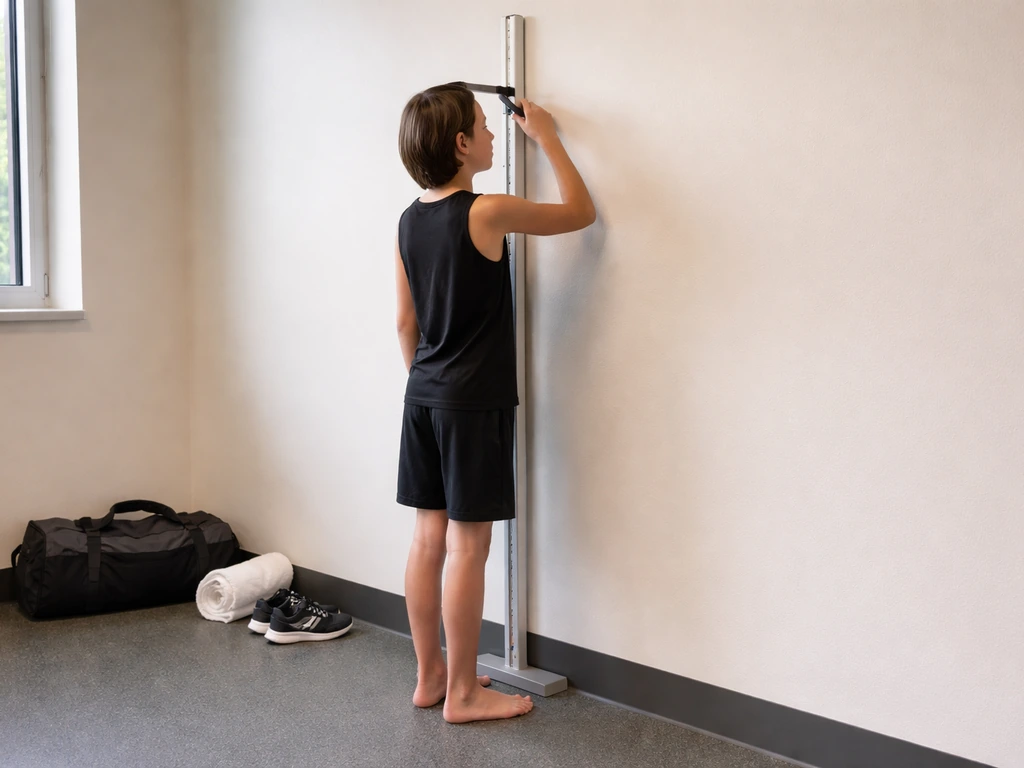
How height growth actually works
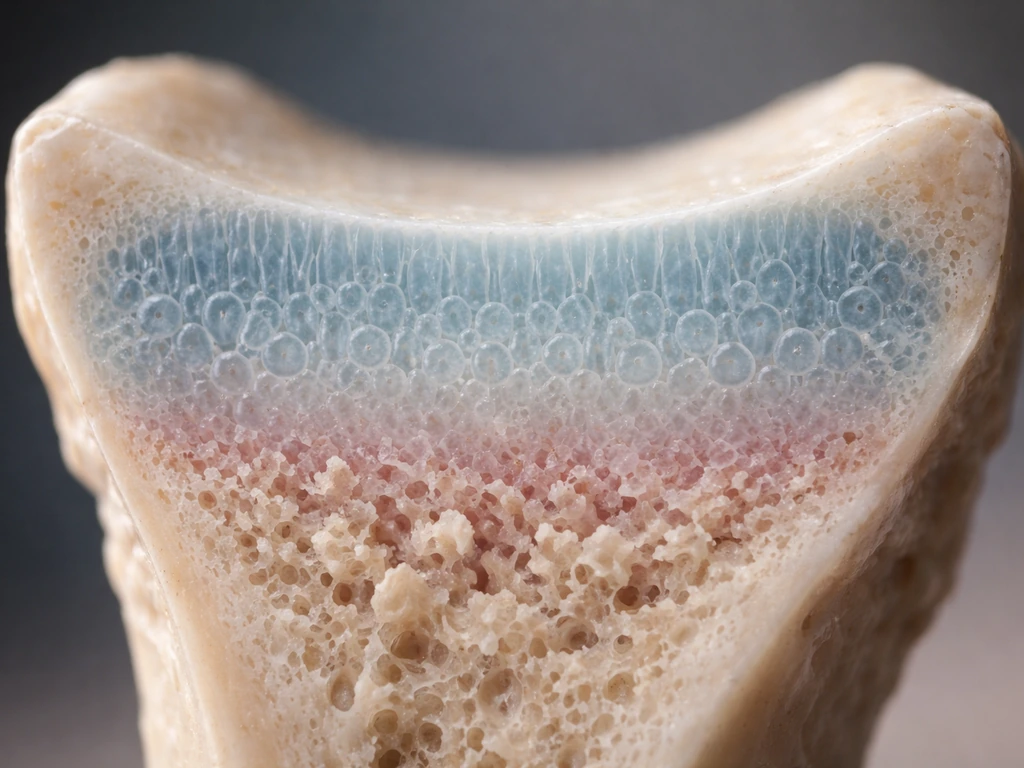
Bones grow longer at the growth plate, a thin layer of cartilage near the end of each long bone called the physis. Specialized cells called chondrocytes multiply and then calcify through a process called endochondral ossification, pushing the bone ends further apart and adding length. This process is driven by growth hormone and, as puberty advances, by sex hormones from the ovaries or testes. The critical point: once those chondrocytes mature, die off, and the growth plate closes, longitudinal bone growth stops permanently. Bones can still thicken and become denser in response to exercise and mechanical stress after that, but they will not grow longer.
Puberty timing determines a lot of this. Early developers may start their growth spurt at 10 or 11 and finish by 15 or 16. Late developers might not hit their peak growth velocity until 14 or 15 and could still be growing at 18 or even 19. This is why two 13-year-olds on the same team can be five inches apart in height, and why the shorter one sometimes ends up taller by senior year. The closure of the growth plate near the end of puberty is what marks the true end of height growth, not a specific age.
Can youth players realistically get taller?
If a youth player still has open growth plates, yes, they will grow taller as a natural part of development. The more useful question is whether the things they do day to day are helping or hurting that process. Playing sports does not directly cause a child to grow taller than their genetic ceiling, but it also does not stunt growth when training loads are appropriate and recovery is sufficient. The science is clear on one thing: the biggest driver of how tall someone ends up is genetics, which accounts for roughly 80% of height variation according to large twin and sibling studies. The remaining 20% is where modifiable factors like nutrition and sleep matter, and that is where parents and coaches actually have leverage.
One more clarification worth making: stretching, hanging from bars, yoga, or any other exercise that claims to lengthen bones does not change bone structure. These activities may improve posture, which can make someone appear slightly taller, but they do not alter the growth plate or add structural height. Any product or program guaranteeing extra inches through exercises or supplements should be treated with serious skepticism.
Genetics vs. what you can actually change

A useful starting point is mid-parental height: add both parents' heights, divide by two, then add 2.5 inches (6.5 cm) for boys or subtract 2.5 inches for girls. Most children end up within about 4 inches (10 cm) of that target. That range is not destiny, but it is a realistic window. A pediatrician can refine the estimate further using a bone age X-ray of the hand and wrist, which remains the most accurate method for predicting adult height because it shows how much growth potential is physically remaining in the growth plates.
Genetics cannot be changed, but several things can chip away at a child's potential if left unaddressed. Chronic undernutrition, vitamin deficiencies, poor sleep, and certain medical conditions can all suppress growth hormone output or disrupt the hormonal environment needed for the growth plate to function properly. Protecting that remaining potential is the entire point of the practical steps below.
Nutrition: what youth players actually need
The single biggest nutritional risk for a growing athlete is not eating enough. Relative energy deficiency in sport, known as RED-S, occurs when calorie output from training exceeds calorie intake, and the consequences go well beyond performance. Low energy availability disrupts the endocrine system, suppresses growth hormone output, and compromises bone health. Young athletes training hard need to eat more than their peers, not less, and parents should be alert to any weight loss or plateau in a growing child who is training regularly.
Beyond total calories, protein supports the tissue repair and growth that accompanies a growth spurt, and calcium and vitamin D are the primary nutrients for bone mineralization. The NIH recommends 600 IU of vitamin D per day for children ages 1 to 13, and the Endocrine Society recommends routine vitamin D supplementation for children and teens ages 1 to 18. Calcium is best obtained through diet (dairy, fortified non-dairy milks, leafy greens, fortified cereals) since Cochrane review evidence does not support blanket calcium supplementation in healthy children as a public health measure. If the diet is adequate, extra calcium supplements are unlikely to add benefit and are not a substitute for whole-food intake.
Zinc is another nutrient worth watching in active kids: the NIH recommends 8 mg per day for children ages 9 to 13 and 9 mg per day for teen females ages 14 to 18. Deficiency can impair growth, but supplementing beyond what a varied diet already provides offers no additional height benefit. The same principle applies to iron: most needs can be met through diet and fortified foods, and supplementing without confirmed deficiency can cause harm. Unless a blood test has shown a specific deficiency, the priority should always be building a varied, calorie-sufficient diet first.
| Nutrient | Who needs to pay attention | Best sources | Supplement needed? |
|---|---|---|---|
| Total calories | All young athletes in heavy training | Whole foods across all food groups | No, just eat more whole food |
| Protein | All growing athletes | Meat, fish, eggs, dairy, legumes | Rarely necessary if diet is varied |
| Calcium | All children and teens | Dairy, fortified plant milks, leafy greens | Only if diet is consistently deficient |
| Vitamin D | Children and teens ages 1-18 | Sunlight, fatty fish, fortified foods | 600 IU/day widely recommended |
| Zinc | Kids with restricted diets | Meat, shellfish, seeds, legumes | Only if deficiency is confirmed |
| Iron | Teen athletes, especially females | Red meat, beans, fortified cereals | Only if blood test confirms deficiency |
Sleep is where most of the actual growing happens

Growth hormone is secreted in pulses during deep, slow-wave sleep. Cutting sleep short does not just cause fatigue: it literally reduces the hormonal signal that drives the growth plate. The American Academy of Sleep Medicine, endorsed by the American Academy of Pediatrics, recommends 9 to 12 hours of sleep per night for children ages 6 to 12, and 8 to 10 hours for teens ages 13 to 18. These are targets for regular nightly sleep, not averages that can be paid back on weekends.
For young athletes managing school, training, and social schedules, consistent bedtimes often matter more than perfect total hours. A 10:00 PM to 7:00 AM window is better than 11:30 PM to 8:00 AM even when total hours look similar, because early sleep cycles contain the deepest stages where most growth hormone is released. Screen time before bed, late evening practices, and overnight travel for tournaments are all practical threats to sleep quality that coaches and parents can work to minimize.
Training: what helps, what hurts, and what is just a myth
Sport and exercise support healthy bone development and do not stunt growth when training is age-appropriate and recovery is built in. Weight-bearing activity actually stimulates bone density and thickness. The problem arises with overuse: repetitive stress on an immature growth plate can cause injury, and growth plate injuries are different from the same injury in an adult because the cartilage zone is the weakest point in a young bone. Conditions like Little League shoulder and Little League elbow happen specifically because the growth plate in the shoulder and elbow cannot handle the same volume of repetitive throwing that a mature adult skeleton can.
The practical takeaway is not to stop training, but to build appropriate rest days, vary sport demands through the year (specializing in one sport year-round before age 14 or 15 increases overuse injury risk), and take suspected sprains seriously. What looks like a sprain in a young athlete can actually be a growth plate injury, and an untreated one can disrupt normal bone growth. Any persistent joint pain, especially around the knee, shoulder, elbow, or ankle, warrants evaluation before pushing through it.
There is also an important connection to other sibling topics here. Questions about how elite athletes like pros grow taller, or what supplements basketball players use, often come from parents hoping there is a secret protocol. The honest answer is that no exercise, supplement, or training method reliably adds height beyond what genetics and biology already allow. Lebron’s height has changed due to normal development during childhood and adolescence, but once NBA growth plates close, adult height cannot be added how elite athletes like LeBron grow taller. The focus should be on protecting, not engineering.
When to talk to a doctor about growth concerns
Most kids growing at a steady pace and tracking along a consistent CDC growth chart percentile are doing fine. That kind of curiosity also applies to athletes, since questions like whether Ronaldo grew taller after puberty should be answered by looking at growth-plate timing and age-related patterns rather than assumptions. What warrants a closer look is when a child's growth crosses percentile lines downward over time, when their growth velocity slows significantly, or when their height is falling below the 5th percentile for their age. CDC growth chart training materials note that children whose measurements fall at or beyond the outermost percentile cutoffs, such as the 5th or 95th percentiles, may represent abnormal growth patterns that deserve closer evaluation. The Endocrine Society flags abnormal slowing of height growth, specifically dropping percentiles, as a trigger for a full growth evaluation. The AAFP notes that after age 3, abnormal growth velocity warrants careful observation and sometimes evaluation.
A pediatrician evaluating growth concerns will typically start with a growth velocity calculation in centimeters per year, a mid-parental height calculation, and a bone age X-ray of the hand and wrist. Bone age that is more than about two standard deviations behind chronological age may suggest either constitutional delay (a normal variant where growth and puberty are simply late) or a pathological cause worth investigating further. Further workup can include blood tests for the GH-IGF-1 axis, thyroid function, celiac disease, kidney function, and in some cases an MRI of the pituitary gland.
- Height crossing two or more percentile lines downward on a CDC growth chart over 6 to 12 months
- Growth rate that seems to have stalled completely for 6 months or more after age 3
- Height below the 5th percentile for age, especially if parents are both average or above
- Delayed puberty combined with poor growth velocity (no signs of puberty by age 14 in boys, 13 in girls)
- Signs of chronic illness (fatigue, poor appetite, frequent illness, joint pain) alongside slow growth
- Any persistent joint or bone pain in a growing athlete that is not resolving with rest
Tracking progress and making the most of what's left
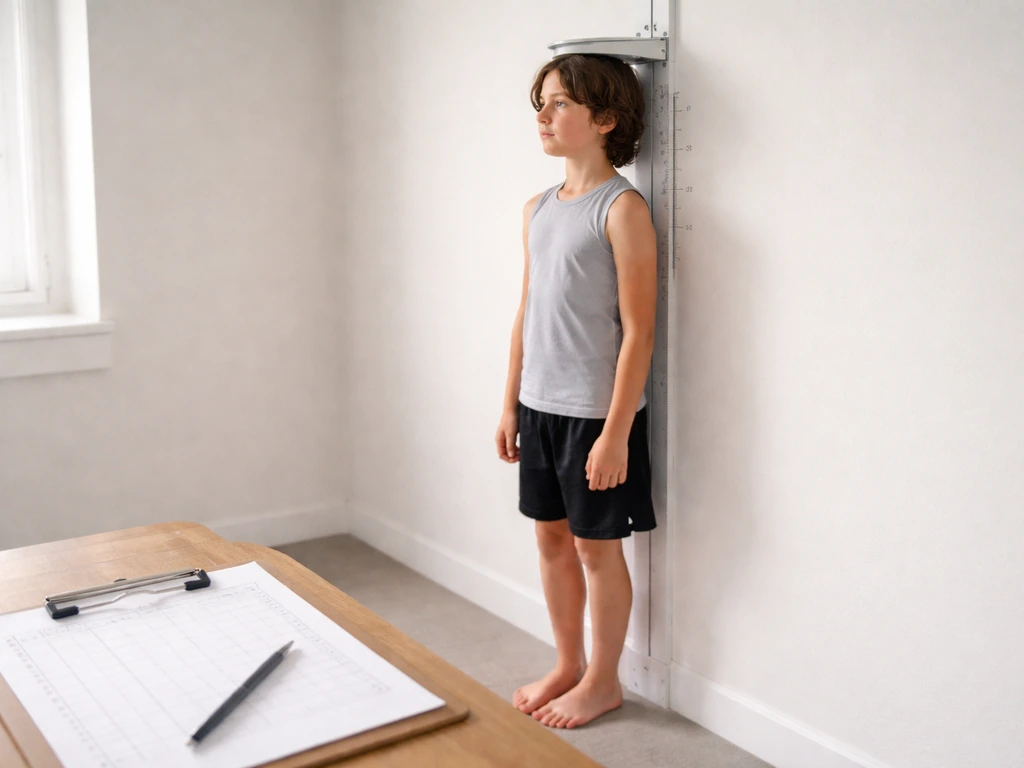
The most useful thing a parent or coach can do right now is measure height accurately every three to four months and log it with the date. Use a wall-mounted stadiometer or measure against a flat wall without shoes, at the same time of day (morning measurements are slightly taller than evening because spinal discs compress throughout the day). Plotting these measurements on a CDC growth chart over time is far more informative than any single height reading, because the trend matters more than the number.
For a youth player who still has clear growth potential, the practical checklist is short but genuinely effective: eat enough to support both training and growth, prioritize consistent sleep every night, train smart with rest days built in, avoid year-round single-sport specialization before mid-adolescence, and get any joint pain evaluated before it becomes a chronic overuse injury. If there is any doubt about whether growth is on track, a pediatrician visit with a growth chart review is the most useful next step, not a supplement purchase.
Realistic expectations matter here too. A youth player who does everything right will end up close to their genetic ceiling, which is a real and meaningful outcome. A youth player who chronically undersleeps, undereats, or plays through growth plate injuries may end up meaningfully shorter than that ceiling. The gap between ceiling and floor is the space where good habits actually live, and for most kids it represents a real few centimeters worth protecting.
FAQ
At what age can youth players still grow taller, if they are already “teenagers” ?
There is no single cut-off age, because growth plates close at different times. The practical rule is to look at growth velocity and, if needed, bone age from a hand and wrist X-ray. If growth velocity is slowing sharply or percentiles drop, a clinician can estimate how much potential is left rather than guessing by calendar age.
How do I tell if a youth player is losing growth potential versus just having a late growth spurt?
Track height every 3 to 4 months and plot it on a CDC growth chart, then compare the slope to their previous trend. A late developer often stays on a consistent curve with gradual changes, while abnormal slowing shows up as crossing percentiles downward over time. If that pattern appears, ask a pediatrician about growth evaluation and bone age.
Can a youth player grow taller by “fixing” posture, like with stretching or core work?
Posture work can make someone look taller by improving spine alignment and how they stand, but it does not lengthen long bones or reopen growth plates. If the goal is true height change, posture improvements should be treated as cosmetic or functional, not as growth replacement.
Do sports and weight training stunt growth in kids?
Age-appropriate training does not permanently stunt height, as long as overall load is reasonable and recovery is sufficient. The main risk is not “lifting,” it is chronic overuse or ignoring pain (for example, repetitive throwing stressing the growth plate). Programs that build in rest days and vary demands are generally safer.
What is RED-S, and could it be the reason my athlete is not growing?
RED-S is relative energy deficiency in sport, when calorie intake does not keep up with training output. It can affect the endocrine system, and one sign can be weight loss or a plateau in growth despite regular practice. If a player is training hard but eating less, address total calories and consider medical input if growth is not tracking.
Should we supplement vitamin D, calcium, zinc, or iron to gain height?
Supplements are not a height “boost” when dietary intake is already adequate. The safer approach is to prioritize enough calories, protein, and foods that provide calcium and vitamin D, then supplement only when a clinician flags a deficiency or specific risk. Extra iron or zinc without confirmed need can cause harm.
Is it normal for height to slow down during the school sports season?
It can be normal for growth velocity to fluctuate, especially around puberty timing, but a sustained drop in percentiles or a clear plateau over multiple measurements is not something to ignore. Because nutrition and sleep often change during seasons, check whether intake is consistent and whether training overload or pain is affecting recovery.
How much sleep is “enough” for growth, and does napping help?
The recommended ranges are 9 to 12 hours for ages 6 to 12, and 8 to 10 hours for ages 13 to 18, aimed at consistent nightly sleep, not weekend catch-up. Short naps can help daytime fatigue, but they do not replace the importance of regular deep sleep at night for growth hormone pulses.
If a growth plate injury is suspected, what should we do before continuing practice?
Stop and get evaluated if there is persistent joint pain, especially around the knee, ankle, elbow, or shoulder. A growth plate injury can be missed if it is treated like an adult sprain, and pushing through can disrupt normal development. Ask about appropriate rest, return-to-play criteria, and whether imaging is needed.
What tests should I ask about if a child’s height trend is concerning?
Common starting points are growth velocity calculation, mid-parental height estimate, and bone age X-ray. Depending on the case, clinicians may consider blood work for thyroid function, the GH-IGF-1 axis, screening for celiac disease, kidney function, and other contributors. The key is to evaluate trend and growth speed, not just a single measurement.
How should we measure height so we do not misread growth changes?
Use a wall-mounted stadiometer or a flat wall, measure without shoes, and record the date. Measure at the same time of day each time (morning is often slightly taller). Repeat every 3 to 4 months, because single readings can be misleading due to normal day-to-day variation in spinal compression.
Do “height increase” products or programs work for youth athletes?
If a program guarantees extra inches through exercise or supplements, treat it as a red flag. Exercises may improve posture, but they do not change bone length or growth plate biology. The most reliable strategy is protecting nutrition, sleep, and training recovery, plus medical evaluation if growth seems off.
Next Article
Do Basketball Players Grow Taller? Why and What Works
Learn why basketball players are tall and which real habits support height during puberty, plus myths and next steps.