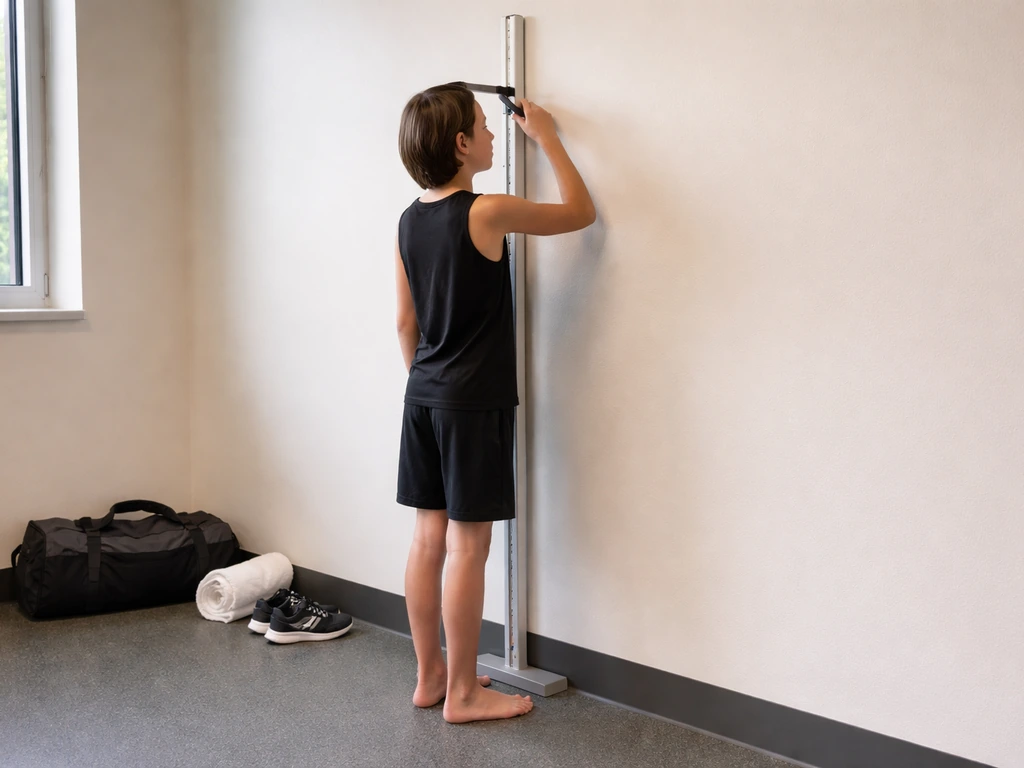
Cristiano Ronaldo is listed at 185 cm (about 6'1") by UEFA and 1.87 m by some other sources. That small discrepancy already tells you something important: precise height measurements are trickier than they look, and what people call "growing taller" often involves a mix of real bone growth, posture changes, and measurement noise. There's no documented record of Ronaldo's height at every age, so we can't trace his exact growth trajectory. What we do know is that the biology of adolescent growth is well understood, and Ronaldo almost certainly had a normal male pubertal growth spurt that would have added 10 cm or more in a single peak year during his early teens.
Did Ronaldo Grow Taller? Height Growth Science Explained

Marcus Reeves
27 Jun 2026

What the question is really asking (height vs posture vs measurement)
When people search "did Ronaldo grow taller," they usually mean one of a few different things. Some are genuinely curious whether he had a late growth spurt or grew during his professional career. Others are looking for a role model to justify the idea that hard training or a specific diet can make you taller. And some are asking because they're teenagers themselves and want to know what's realistic for their own bodies.
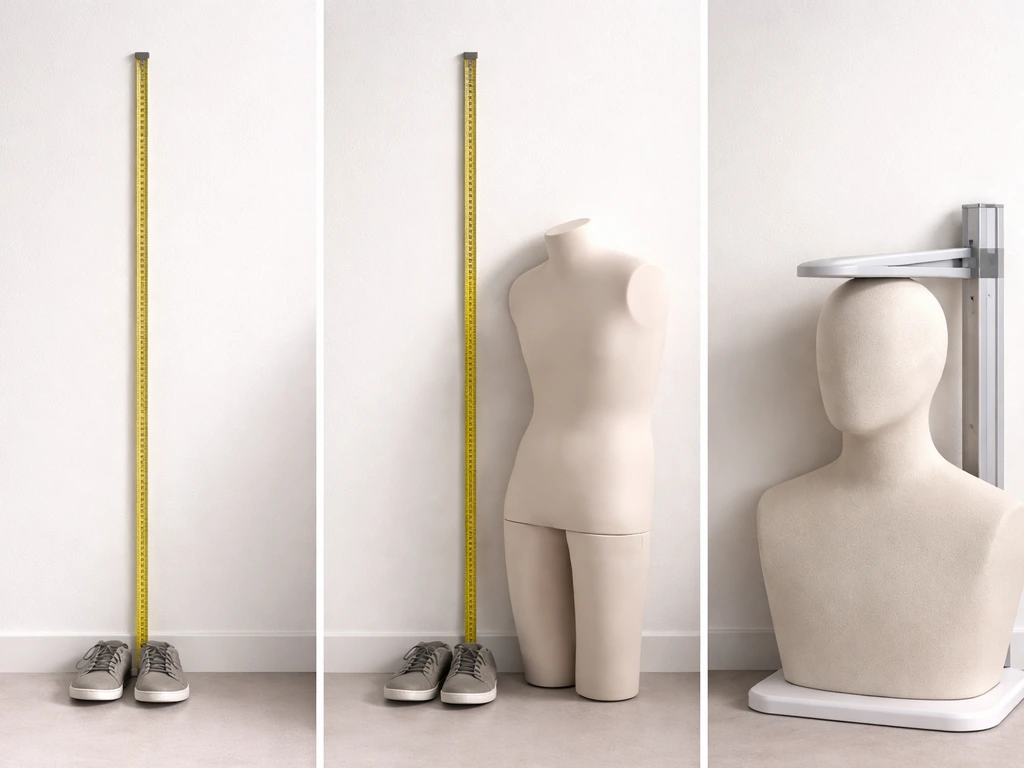
Before getting into Ronaldo specifically, it's worth separating the types of "height change" that actually exist. True height increase means your long bones are literally getting longer, driven by active growth plates. That only happens during childhood and adolescence. Then there's apparent height change from posture: standing taller, reducing a forward head position, or strengthening the core can make you look meaningfully taller without adding a single millimeter of bone. Finally, there's measurement variation. Your height is genuinely different at different times of day. You're typically about 1 to 2 cm taller in the morning than in the evening because spinal discs decompress overnight. A hyperextended supine position during measurement can shift the reading further still. So when someone says Ronaldo "looks taller" in one photo versus another, or one source lists him 2 cm higher than another, that's almost certainly measurement and posture, not new bone growth.
What we actually know about Ronaldo's height
Official sources list Ronaldo at 185 cm. UEFA's player profile uses that figure. Some databases and Wikipedia list him at 187 cm. That 2 cm gap is entirely within normal measurement variation and doesn't indicate he grew as a professional footballer. No credible primary source has documented a before-and-after height change for Ronaldo during his adult career.
What we can piece together from his biography is that he was born in 1985 and signed his first professional contract with Sporting CP at 16. At that age, most males are either in or just past their peak growth spurt. He joined Manchester United at 18, and by then his skeletal development would have been largely complete. There are no verified reports of him growing measurably taller after his mid-teens. His physique changed dramatically in his late teens and early twenties, but that's muscle mass and body composition, not height.
One thing worth noting is that posture and body composition genuinely change how tall an athlete appears. Ronaldo is famously lean and upright. Athletes who carry less abdominal weight and maintain strong postural muscles can appear taller compared to earlier phases of their career, even when their measured standing height hasn't changed. That's likely part of what fuels the perception that he "grew" after entering elite football.
How you actually get taller: growth plates, puberty, and genetics
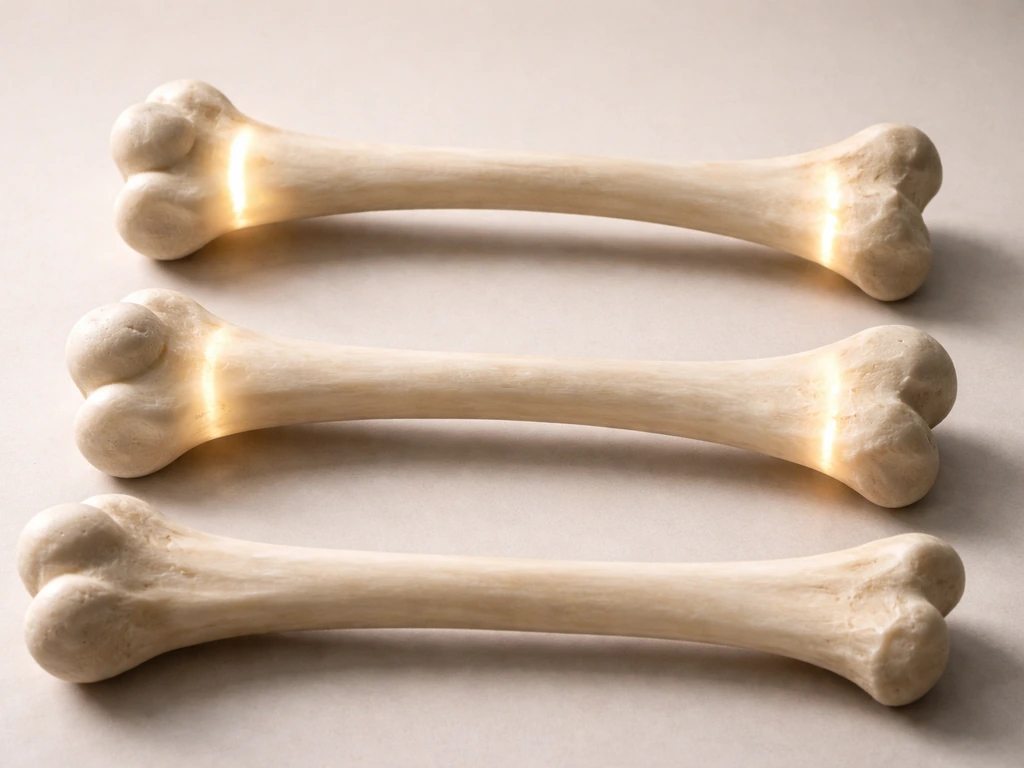
The mechanism of height growth is well established. Long bones (the femur, tibia, humerus, and others) elongate at structures called epiphyseal plates, or growth plates. These are cartilaginous zones near the ends of the bones where new cartilage cells are produced, then gradually replaced by bone tissue, pushing the bone ends further apart. As long as the growth plates are open and active, you can grow taller. When puberty ends and hormonal signals change, those plates undergo senescence and eventually fuse. Once fused, longitudinal bone growth is over. Full stop.
For boys, the pubertal growth spurt typically begins somewhere between ages 12 and 16, with the peak velocity usually around ages 13 to 14. During the peak year, more than 10 cm of growth is common. After that peak, growth slows, and most males reach their final height by their late teens, though skeletal maturation can continue into the early twenties in some cases. This is the window where genetics, nutrition, sleep, and hormones are most influential.
Genetics sets the ceiling. The best single predictor of your adult height is a calculation based on your parents' heights, sometimes called the mid-parental height formula. It's not perfectly accurate, but it gives a realistic range. If both your parents are average height, training like Ronaldo won't make you 6'1". It simply doesn't work that way. What good lifestyle habits can do is help you reach the top of your genetic range rather than falling short of it due to poor nutrition, chronic sleep debt, or illness during critical growth years.
The factors that actually support growth: nutrition, sleep, and hormones
If you're still growing, these three pillars matter more than any supplement or training program. Basketball players also should prioritize the basics, because supplements are only useful if they correct a specific deficiency any supplement. Get them right and you give your body the best shot at reaching your genetic potential.
Nutrition

Adequate overall calorie intake is the foundation. Chronic undereating during adolescence is one of the most reliably documented causes of stunted growth. Beyond total calories, protein is critical for bone matrix formation and tissue repair. Micronutrients also matter: zinc deficiency has been shown in randomized controlled trials to impair linear growth in school-aged children, and zinc supplementation can meaningfully improve it when deficiency is present. Calcium and phosphorus are the primary minerals in bone. Iron deficiency anemia is associated with impaired linear growth through multiple pathways.
Vitamin D is worth mentioning separately because it gets a lot of attention. The evidence is more complicated than the marketing suggests. Randomized trials in children with high baseline vitamin D deficiency found that supplementation over three years did not significantly improve linear growth or pubertal development overall. Systematic reviews in young children show similarly uncertain effects. The practical takeaway: vitamin D supplementation probably matters if you're actually deficient, but it's not a growth booster for people with adequate levels.
Sleep
Sleep is where growth hormone does most of its work. The largest daily pulse of growth hormone (GH) secretion in the body is tied to sleep onset and slow-wave (deep) sleep. If you're consistently cutting sleep short, you're blunting that GH pulse. The American Academy of Sleep Medicine recommends teenagers get 8 to 10 hours per night, with optimal sleep for most adolescents sitting around 8.5 to 9.5 hours. Most teenagers fall well short of that. Prioritizing sleep during the growth years isn't a soft lifestyle tip, it's physiologically meaningful.
Hormones
Growth hormone and insulin-like growth factor 1 (IGF-1) are the primary hormonal drivers of linear growth. They're naturally produced in healthy bodies, especially during puberty and sleep. Conditions that disrupt GH production (like GH deficiency) or the timing of puberty (very early or very delayed puberty) can affect final height. If you or your child has concerns about growth hormone levels or puberty timing, that's a question for a pediatric endocrinologist, not a supplement company.
What sports and exercise can and can't do for height
This is where a lot of the Ronaldo-adjacent mythology lives. The idea goes: he trains incredibly hard, has an elite physique, and is 6'1", therefore training must have made him taller. That's correlation at best. The biology doesn't support it.
What exercise during growth years does do is improve bone mineral density and bone mineral content, which is genuinely good for long-term bone health. Systematic reviews of pediatric exercise confirm this effect. But increased bone density is not the same as increased bone length. Exercise does not push growth plates to produce more cartilage or fuse later. It supports the skeleton you're building, it doesn't redesign the blueprint.
There's a reasonable argument that athletes who train from a young age tend to eat well, sleep adequately, and maintain good body composition, all of which can support reaching their full genetic height potential. But that's the lifestyle package, not the training itself creating extra height. A similar dynamic comes up when looking at basketball players and other tall athletes: selection bias plays a huge role. A similar question comes up with basketball, where selection effects and normal growth explain most differences in who ends up tall basketball players. Tall kids are recruited into height-advantaged sports, not made tall by them. The sibling topic of whether basketball players grow taller from playing covers this dynamic in more depth.
One more thing: heavy compressive loading on the spine (like heavy squats or overhead pressing) does not stunt growth in normally developing adolescents when performed with proper technique and appropriate loads. That's a myth that has been largely debunked in the sports medicine literature. Youth athletes can and do benefit from resistance training.
Myths to skip and what's actually evidence-based
| Claim | What the evidence actually says |
|---|---|
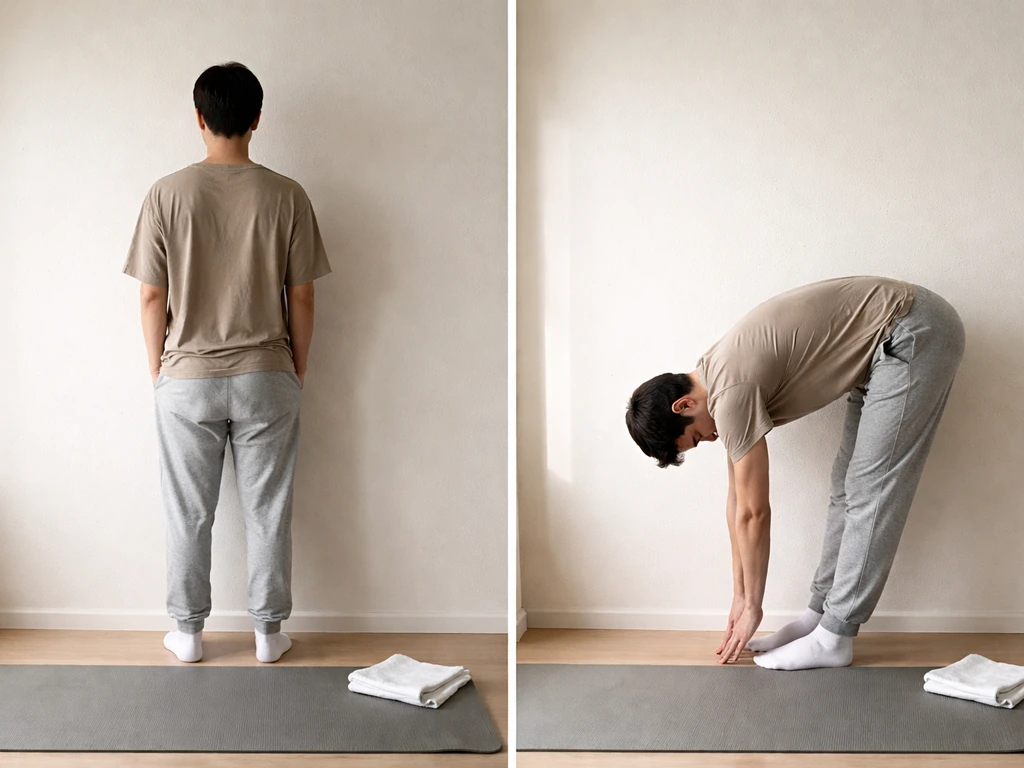
| Stretching makes you permanently taller | Stretching improves posture and can reduce the spinal compression of daily loading, giving a temporary height gain of up to 1-2 cm. It does not add bone length. |
| Hanging from a bar adds height | Spinal decompression exercises temporarily relieve disc compression but do not cause permanent height gain after growth plates close. |
| Height supplements work | No supplement has been shown in rigorous trials to increase height beyond what adequate nutrition already provides. FDA warns that many bodybuilding/performance supplements are adulterated. |
| Playing basketball makes you taller | Tall people are selected into basketball. The sport does not cause height increases; genetic potential determines final height. |
| You can grow taller as an adult with the right protocol | After growth plate fusion (typically late teens for males), longitudinal bone growth is biologically complete. No lifestyle intervention reverses this. |
| Protein powder boosts height | Adequate dietary protein supports growth during the growth years. Protein supplements in excess of dietary needs offer no additional height benefit. |
The supplement space is particularly worth being cautious about. The FDA has repeatedly warned that bodybuilding and performance products can be adulterated with undisclosed anabolic or steroid-like compounds. NCCIH echoes this, noting that many of these products haven't been reviewed for safety or effectiveness before they hit the market. If you're a teenager, taking unverified supplements to grow taller is not only ineffective, it's potentially risky.
How to figure out your own growth potential and what to do next
The most useful question isn't "did Ronaldo grow taller?" It's "am I still growing, and what can I do to support that?" Here's how to think through it practically.
- Estimate your stage of puberty. If you're a male under about 17 and still going through puberty (voice changing, body hair developing, growth spurts happening), your growth plates are likely still open and you have real potential remaining. If you're in your late teens or older and puberty is complete, your height is mostly set.
- Use your parents' heights to estimate your genetic range. Add your mother's and father's heights in centimeters, add 13 cm for males (or subtract 13 cm for females), then divide by 2. This mid-parental height gives a rough target with a range of plus or minus about 8.5 cm.
- Track your growth velocity. If you're seeing consistent gains of 1 cm or more per year, plates are likely still active. If growth has stalled for 12-plus months, you may be approaching or past closure.
- Prioritize sleep now, not later. If you're in your growth years and sleeping 6 hours a night, that's the single most actionable change you can make. Aim for 8.5 to 9.5 hours.
- Eat enough, and eat varied. Get adequate protein, don't restrict calories during puberty, and make sure you're not running low on zinc, calcium, or iron. A blood panel from your doctor can identify specific deficiencies.
- Consider a bone age assessment if you have concerns. A pediatric endocrinologist can order an X-ray of the left hand and wrist to estimate skeletal maturity. This tells you how much growth potential remains far more accurately than age alone.
- See a clinician if growth seems off. If you're significantly shorter than expected for your family, or growth has unexpectedly stalled before puberty is complete, that's worth a medical evaluation. Constitutional growth delay and other causes are manageable when caught early.
If you're already an adult and your growth plates have closed, the honest answer is that you're not going to add bone length. What you can do is optimize your apparent height through posture (genuine postural improvement from core strength and spinal mobility is worth pursuing), maintain the spinal disc hydration that keeps you closer to your morning height throughout the day, and stay lean, since body composition affects how tall you appear. None of that is a hack, it's just good physical health that happens to have a height-adjacent benefit.
The broader takeaway from Ronaldo's case is that elite athletes at 6'1" almost certainly got there through their genetic blueprint playing out under good conditions, not through any secret training or diet protocol. Ronaldo is extraordinary in discipline, body composition, and athletic performance. His height is not a product of those things. It's the raw material he started with, expressed fully because he took care of himself during the years it mattered.
FAQ
Can I still grow taller after I stop “growing” visibly in school (late teens)?
Yes, but only if you are still in the age range where growth plates can be open. Once you are past your mid-to-late teens, most people cannot gain true bone length, but you may still see short-term changes from posture (standing straighter, reducing forward head), improved core strength, and differences in how and when height is measured.
Why do heights from photos or different websites not match, and how should I measure myself accurately?
If you are measuring at home, compare like with like. Measure in the morning and evening (morning usually reads about 1 to 2 cm higher), use a flat wall and a firm book for the top marker, and make sure your head is in a neutral position (not looking up). Photo comparisons can easily mislead because lens angle and posture change readings.
Which supplements actually help with height, and how do I know if I’m wasting money?
Not reliably. Supplements cannot override closed growth plates. If you suspect a deficiency, the most rational next step is to ask your pediatrician about targeted labs (for example vitamin D, iron status, or zinc) rather than taking a “height” stack that may do nothing or cause excess of a single nutrient.
Does lifting weights during puberty stunt height or harm growth plates?
You can damage your spine if you train with poor technique or ignore pain, but proper resistance training does not stunt linear growth in healthy adolescents. Focus on gradual progression, good form, and professional coaching for heavy lifts. A key exception is if you have an underlying condition affecting growth or bone health, in which case you need individualized guidance.
What if I started puberty very early or very late, could that change my final height?
Potentially, especially in girls earlier than boys. If puberty starts far earlier or later than typical, it can affect the timing of growth spurts and the height you ultimately reach. If you are concerned about growth velocity or pubertal timing, a pediatric endocrinologist can assess whether the pattern is within normal variation and whether testing is warranted.
What lifestyle mistakes most often cause teens to fall short of their genetic height range?
Yes. Missing meals or consistently under-eating during adolescence can reduce growth, and not just total calories. Low protein intake, micronutrient gaps (iron, zinc, calcium), and chronic illness can all slow growth even if you exercise. If growth seems to be stalling, track intake and discuss it with a clinician rather than trying to “out-train” undernutrition.
How can I tell whether my growth is actually abnormal (not just normal variation)?
The most useful check is growth rate over time. If you measure height every 3 to 6 months and the trend is flat or dropping relative to your previous curve, that is a reason to get medical input. Red flags include crossing down multiple percentiles, delayed puberty, severe fatigue or GI symptoms, or a family history of endocrine issues.
If I’m an adult, what can realistically change my height appearance and what should I ignore?
If you are already an adult, true height gain is not expected, but apparent height can improve. Prioritize posture changes that you can sustain (spinal mobility and core endurance), keep the spine healthy with regular movement, and maintain a weight that doesn’t increase abdominal load. Avoid “stretching hacks” that offer temporary flexion without strengthening.
Next Article
Can Youth Players Grow Taller? What Research Says and What to Do
Can youth players grow taller? Evidence on puberty, growth plates, plus nutrition, sleep, training, and when to see a do