
Wearing bigger shoes does not make your feet grow. Shoe size has no influence on the skeletal growth of your feet. Foot bones grow because of genetics and the hormonal signals that drive childhood and adolescent development, not because of what you put on your feet. If you have been wearing larger shoes and noticed your feet seem bigger, there is a real explanation for that, but it has nothing to do with the shoes causing new bone growth.
Does Wearing Bigger Shoes Make Your Feet Grow?

Marcus Reeves
12 May 2026
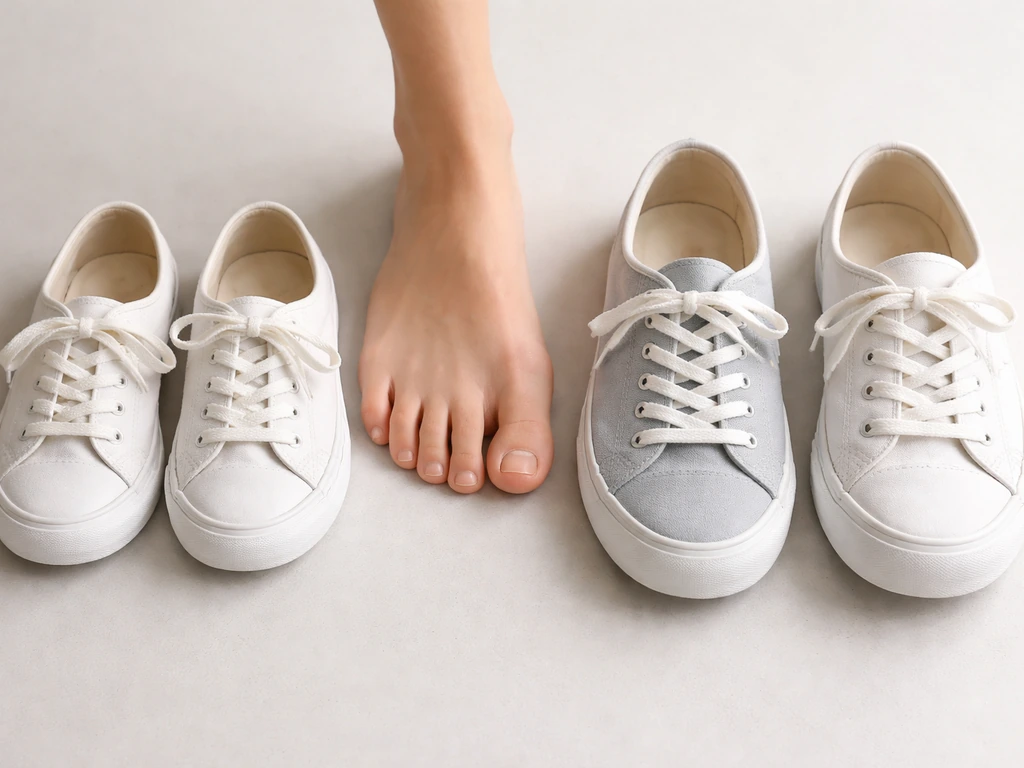
How feet actually grow
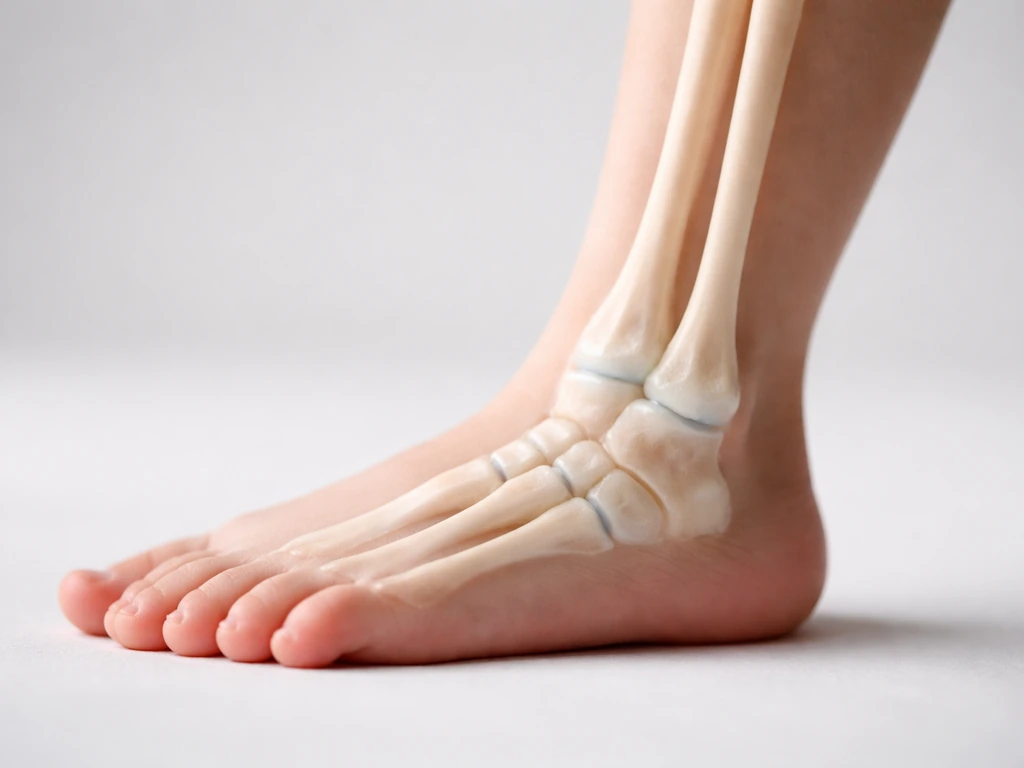
Foot growth follows the same basic biology as height growth. During childhood and early adolescence, growth plates (areas of cartilage near the ends of bones) are active and producing new bone tissue. The foot grows rapidly in the first few years of life. Between 15 months and 2 years of age, children typically need about half a shoe size increase every 2 to 3 months.
Between ages 2 and 3, that slows slightly to roughly half a size every 4 months, and after age 3 it tends to be around half a size every 4 to 6 months. That is fast, which is why pediatric guidance recommends checking kids' shoe fit as often as every three or four months during the growing years.
Growth plates close near the end of puberty. The exact timing varies person to person and bone to bone, which is worth knowing because there is no single age where you can say 'done.' But once those growth plates fuse, the bones of the foot stop lengthening. That is a biological endpoint, not something that can be reversed or extended by wearing different shoes. The same hormonal and skeletal mechanisms that control overall height determine foot size during development.
Adults do experience real changes in foot dimensions over time, but these are structural and soft-tissue changes, not skeletal growth. The arch-support structures (ligaments, tendons, the plantar fascia) lose elasticity with age and under the load of body weight. Fat pads in the heel and ball of the foot thin out. The result is that the foot spreads wider and flatter. You are not growing new bone; the foot is repositioning. Weight gain accelerates this because more pressure pushes down on structures that are already less elastic. Pregnancy does something similar: the hormone relaxin loosens ligaments throughout the body, which can reduce arch height and increase foot width, sometimes permanently changing shoe size by half a size or more.
Why the myth exists in the first place
People notice their feet seem larger after wearing roomy shoes for a while, and the temptation is to connect those two things causally. But there are several more convincing explanations. First, feet genuinely fluctuate in size throughout a single day. Blood vessels in the foot dilate with warmth and activity, causing soft tissue to swell. Most people's feet are measurably larger in the afternoon than in the morning, which is why fitting shoes later in the day is the standard clinical recommendation. If you bought shoes in the morning and then measured your feet in the evening, the difference can seem like 'growth.'
Second, wearing shoes that are too tight for years can cause enough tissue irritation that when you switch to a properly fitting shoe, the relief feels dramatic, like your foot is finally allowed to expand. That is not growth; it is decompression of compressed tissue. Third, the adult structural changes described above (arch flattening, widening) do happen gradually and people often attribute them to the last shoe they wore rather than to the years of biomechanical change that actually caused them. The shoe gets blamed because it is the most visible variable.
What too-small and too-big shoes actually do to your feet
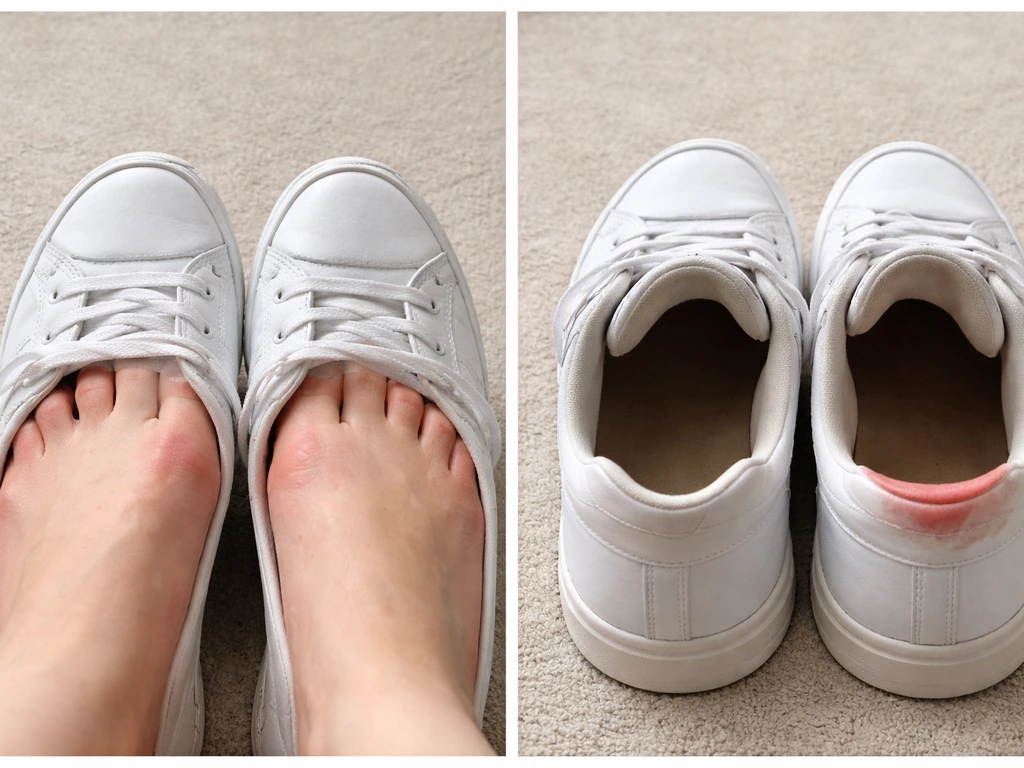
Neither extreme is harmless. Shoes that are too small create persistent pressure, friction, and crowding in the forefoot. Over time this contributes to blisters and sores, which in anyone with compromised circulation or diabetes can escalate quickly to serious infection. Beyond skin damageblank" rel="noopener noreferrer">, prolonged crowding is associated with bunion progression (where the big toe joint is pushed out of alignment) and hammertoes (where toes are forced into a permanently bent position by years of compression). High-heeled shoes with a narrow toe box are particularly implicated in both conditions because they load the forefoot and simultaneously compress it. Wearing ill-fitting shoes does not make your foot bones grow, but it can deform the joints and soft tissues over time.
Shoes that are too big create a different set of problems. The foot slides forward with each step, causing friction at the toes and heel. The toes grip to compensate, which strains the tendons and can contribute to hammertoe development from the other direction. You are also more likely to trip and more likely to develop blisters at the heel. The core orthopedic principle is that shoes should fit the foot, not the other way around. The foot's actual shape should guide the shoe choice rather than any assumption that the shoe will reshape the foot.
| Issue | Too-Small Shoes | Too-Big Shoes |
|---|---|---|
| Blister risk | High (toe tips, ball of foot) | High (heel, toe friction from sliding) |
| Deformity risk | Bunions, hammertoes, ingrown nails | Hammertoes from toe gripping |
| Pain location | Forefoot, toes, top of foot | Heel, top of toes, arch fatigue |
| Nail damage | Black nails, ingrown nails | Less common but possible from sliding |
| Stability | Restricted movement | Reduced stability, trip risk |
| Infection risk | Higher (pressure sores) | Moderate (friction blisters) |
How to measure your feet and find the right size
The most reliable tool for measuring foot size is a Brannock device, the metal measuring plate found in most shoe stores. It measures three things: overall length, arch length (the distance from your heel to the ball of your foot), and width. All three matter. A foot with a long arch relative to its overall length fits differently in a shoe than one with a short arch, even at the same nominal size. Measure both feet because asymmetry is common, and always fit to the larger foot.
Measure in the afternoon or evening when your feet are at their largest from daily swelling. Stand with your full weight on the foot being measured rather than sitting, because weight bearing flattens and lengthens the foot. When you try on shoes, look for about a thumb's width (roughly half an inch) of space between your longest toe and the end of the shoe. The widest part of the shoe should sit comfortably around the ball of your foot without pinching, and the heel should feel snug without slipping. Width sizing matters as much as length, especially as feet naturally widen with age.
- Measure both feet standing, not sitting, in the afternoon
- Use a Brannock device to get length, arch length, and width
- Fit to the larger foot if there is a difference between feet
- Check for about half an inch of space at the toe
- Make sure the ball of the foot aligns with the widest part of the shoe
- Walk around the store before buying; do not assume size alone is enough
For children, the fitting process needs to be more frequent. Because kids' feet grow so fast, a shoe that fits perfectly in September may be too small by December. Check fit every 2 to 3 months in toddlers and every 3 to 4 months in school-age kids. A common mistake is buying shoes a size or two too large so they 'last longer.' That is understandable from a cost perspective, but too-big shoes cause the same biomechanical problems in children as in adults, just during a period when the foot's shape is still being established.
Signs it is time to get your feet checked
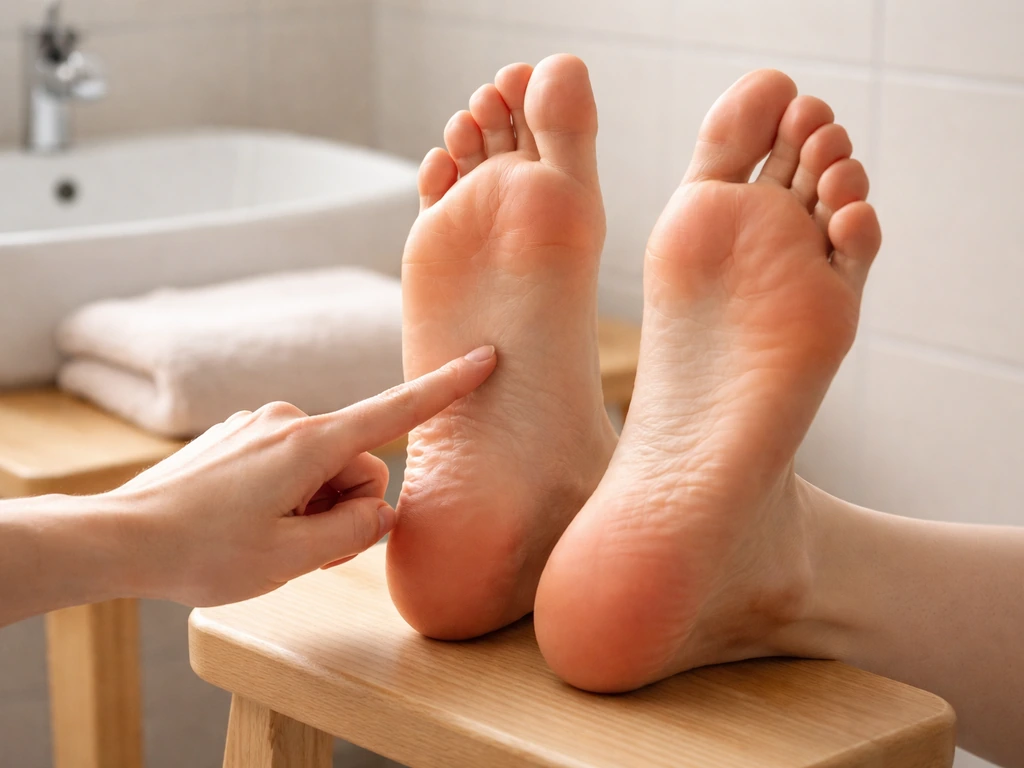
Most foot size changes are normal and gradual, but some symptoms deserve professional evaluation. Pain that does not resolve with better-fitting shoes, visible joint deformity at the big toe or smaller toes, persistent flat-footedness in a child past age 6 or 7, or a foot that looks noticeably different from the other are all reasons to see a podiatrist or orthopedist. Similarly, if an adult notices rapid, unexplained changes in foot size or shape (rather than the slow drift that comes with aging), that can occasionally point to systemic causes like edema from heart or kidney issues, so it is worth getting evaluated rather than assuming it is just shoe-related.
- Persistent pain in the forefoot, arch, or heel that does not improve with better shoes
- A visible bump at the base of the big toe (possible bunion formation)
- Toes that appear to be bending and staying bent (hammertoe)
- Rapid foot swelling in one or both legs without an obvious cause
- A child complaining consistently about shoe discomfort or refusing to wear shoes
- Uneven wear on the soles of your shoes suggesting gait problems
- Numbness, tingling, or color changes in the foot
If you are a parent wondering whether your child's feet are growing normally, the reassuring answer is that rapid shoe-size changes during the early years are expected and do not indicate a problem. What you are looking for is normal progression matched by appropriate footwear, not ways to accelerate or slow that growth. Foot size, like height, is largely determined by genetics and the hormonal environment of development, not by the shoes on the feet.
The bigger picture: what can and cannot be changed mechanically
It is worth stepping back and noting why this question makes sense to ask. There is a natural instinct to look for mechanical levers that might influence growth, whether that is shoes for feet or other interventions for overall height. Research on growth science consistently shows that the skeletal system responds to hormonal signals (growth hormone, testosterone, estrogen) and to the genetic blueprint laid out before birth.
Testosterone is a key hormone in puberty and growth, but shoe size changes do not work like it does. If you are asking about testosterone and height, it is important to know that hormones can only affect growth while growth plates are still open. Mechanical pressure from shoes does not replicate those signals.
Wearing bigger shoes will not make feet longer any more than hanging from a bar will make you meaningfully taller in adulthood once growth plates have closed. Similarly, taking testosterone will not reliably make you grow taller if your growth plates have already closed, though it can affect other aspects of health hang from a bar.
For kids and teens who are still in active growth phases, the goal is to support healthy development by not interfering with it: that means properly fitting shoes that do not crowd or compress the developing foot. For adults, the goal shifts to managing the real structural changes that do occur with age, weight, and activity. Both goals are served by the same practical foundation: understand how your feet actually change, measure accurately, and fit correctly.
FAQ
If I wear bigger shoes, why do my feet seem to get bigger over time?
No. If your feet are getting larger while you wear larger shoes, it is usually because of normal daily swelling, gradual arch flattening with age, or tissue irritation from previously tight shoes, not new bone lengthening. If the change is sudden or one foot grows much more than the other, get checked.
Is it ever better to buy shoes slightly bigger, or can that cause problems too?
For most people, the best indicator is whether you can hold a thumb’s width of space at the longest toe when standing, the widest part of the shoe fits the ball of the foot without pinching, and your heel does not slip. If you size up and your heel slips or your toes jam forward, the shoe is functionally too big even if the length feels right.
What are the risks of wearing shoes that are too small versus too big?
Yes. Too-small shoes can drive crowding and pressure that increase risk of blisters, sores, bunions, and hammertoes, especially in narrow toe boxes and high heels. Too-big shoes can also cause toe gripping, friction, and heel blisters, which can worsen discomfort and deform risk.
Can adults increase their shoe size by wearing roomier shoes, even if bones stop growing?
No, not after growth plates close. Adults can still see changes in shoe size from soft-tissue and structural shifts (arch height loss, fat pad thinning, widening), but the bones are not lengthening. If an adult’s foot size jumps quickly without weight or activity changes, rule out swelling from medical causes.
How should I measure and fit shoes at home so I do not misjudge size?
Try them on in the afternoon or evening, stand fully weighted, and compare both feet. Also pay attention to arch length fit, not just overall length, because two shoes labeled the same size can feel very different if your arch length is longer or shorter.
Should I buy my child a size up so the shoes last longer?
No. Shoe size “catch-up” is mostly not about shoes controlling growth, it is about timing. For children, a shoe that fits in the morning may become tight later, and sizes can change quickly during growth spurts. The practical approach is frequent rechecks and buying the correct size rather than deliberately oversizing.
Do I need to fit shoes to one foot or both, and what if my feet are different sizes?
Yes, and it is common. People often have one foot that is longer, wider, or has a different arch length. Fit to the larger foot, and if the difference is large, consider adjusting with insoles or choosing a maker that offers width options.
When does foot size or shape change mean I should see a podiatrist or orthopedist?
You should consider professional evaluation if there is persistent pain that improves only minimally with better fit, visible toe or big-toe joint deformity, one-sided or rapidly progressive shape change, or persistent flat-footedness in a child older than about 6 to 7. Also seek care if swelling is rapid or unexplained.
How can I tell whether a size change is real growth versus tissue “decompression”?
If shoes are too tight, switching to a correct fit can feel like the foot “expanded,” because previously compressed tissues relax and redistribute. A true growth change in children should follow expected timelines, and in adults it is usually gradual and tied to loading, weight, pregnancy, or aging rather than the purchase date.
If shoes do not grow feet, what is the best way to choose shoes for kids and teens?
During active growth, you cannot speed up skeletal growth with footwear choices, but you can support it by avoiding compression. Choose shoes that fit properly in length and width, offer a stable heel, and do not force a narrow toe box, since that can contribute to joint and toe problems even if it does not lengthen bones.
Next Article
What Hormone Makes You Grow? Growth Hormone and IGF-1
Learn how growth hormone and IGF-1 drive growth plates, plus real causes of height change by age, sleep, nutrition, and