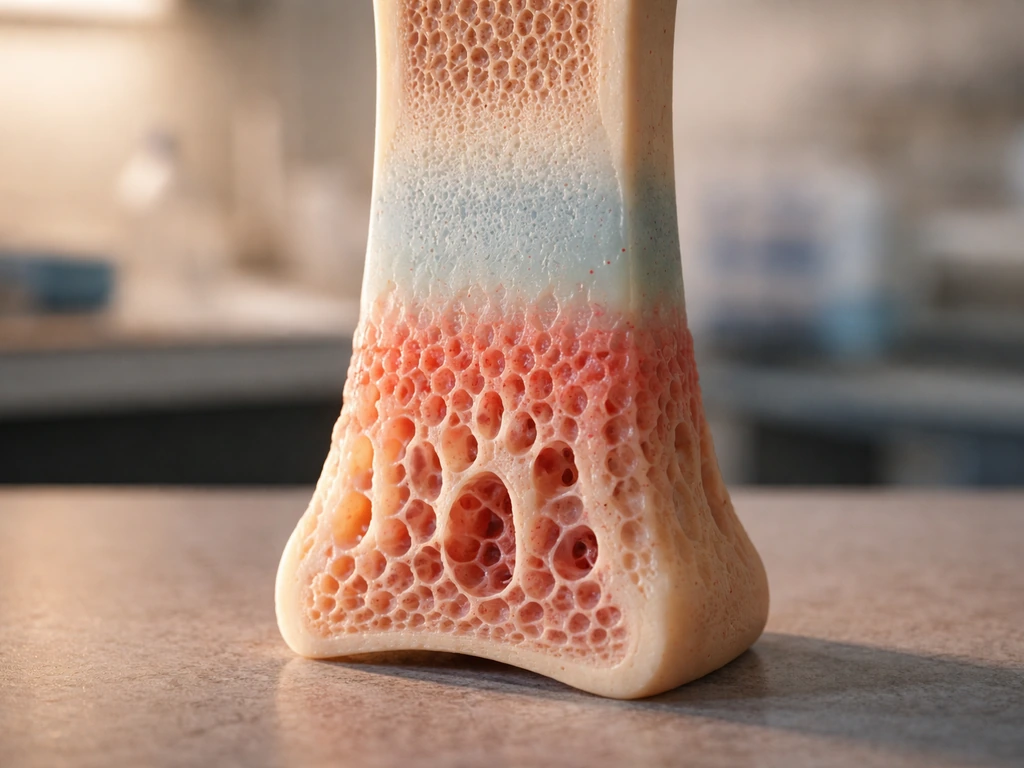
HGH can make your head grow slightly bigger, but only under specific conditions, mainly in young children with growth hormone deficiency who are treated early, while growth plates and skull sutures are still open. For most people asking this question, whether a teenager worried about proportions or an adult considering HGH for any reason, the honest answer is: HGH does not meaningfully increase head size in a healthy person, and deliberately trying to grow your skull is not how the science works or what the treatment is for. The more useful question is what HGH actually does at your specific life stage, and whether any of that is relevant to you.
Does HGH Make Your Head Grow? What Science Says

Marcus Reeves
25 Jun 2026
What HGH actually does in the body
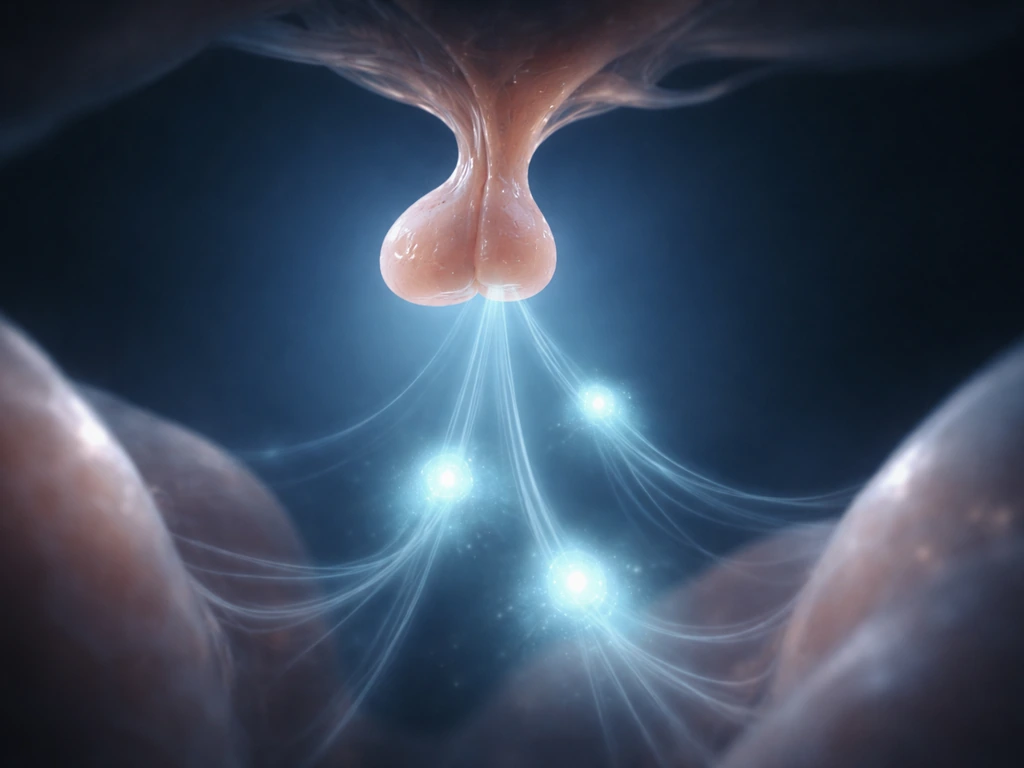
Human growth hormone (HGH, or somatropin in its pharmaceutical form) is a peptide hormone produced by the pituitary gland. Its primary job is not simply to make you bigger. It signals the liver and other tissues to produce insulin-like growth factor 1 (IGF-1), and together the GH/IGF-1 axis drives growth plate activity, bone mineral metabolism, lean muscle development, and fat metabolism. For skeletal growth specifically, IGF-1 acts on chondrocytes (cartilage cells) inside the growth plates at the ends of your long bones, stimulating them to multiply and produce new bone tissue, which is how you grow taller during childhood and adolescence.
GH secretion is pulsatile, meaning it comes in bursts rather than a steady stream, with the largest pulses typically occurring during deep sleep. This is part of why sleep is so tied to growth physiology. The hormone also plays roles in metabolism, tissue repair, and immune function throughout life, not just during the growth years. But its influence on actual bone length and height is almost entirely dependent on whether you still have functional, open growth plates.
Does HGH make the head bigger, or does it make you taller?
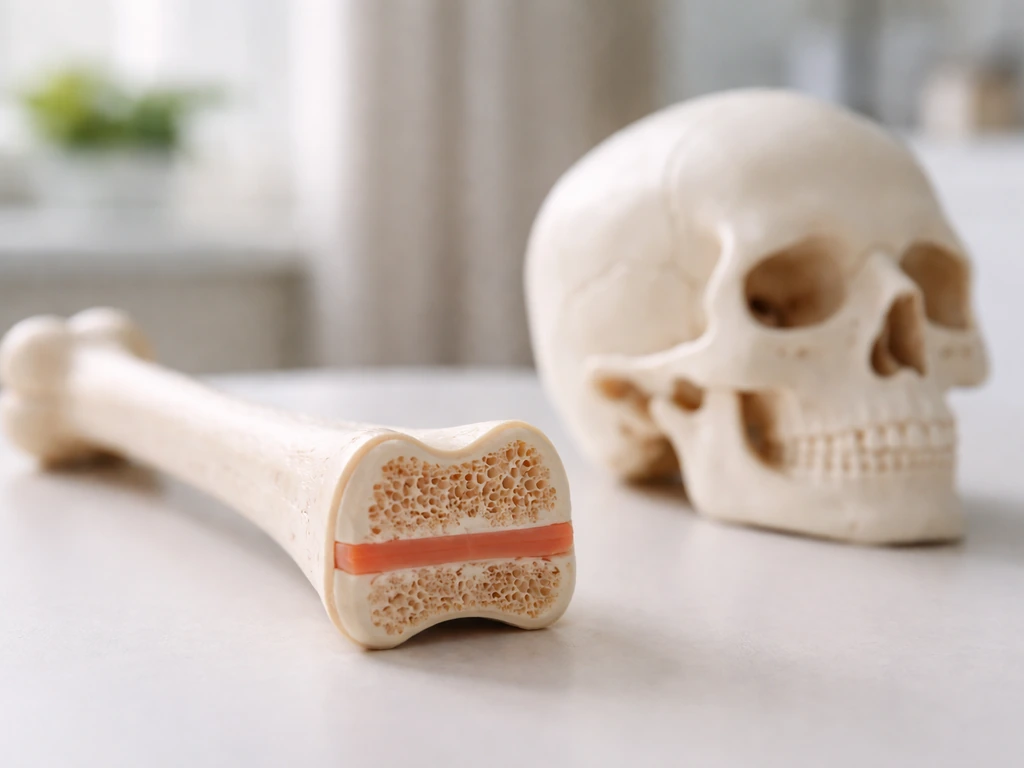
This is where things get specific, and the distinction matters. The skull grows differently from the long bones in your legs and arms. Your skull does not have epiphyseal growth plates the same way your femur or tibia does. Instead, the skull grows primarily through expansion at the sutures (the fibrous joints between skull bones), driven by brain growth pushing outward. In infancy and early childhood, those sutures are still open and the skull can respond to growth signals. After about age 2 to 3, the skull's growth rate slows dramatically, and by early adulthood the sutures are largely fused.
So does HGH make your head grow? In very young children with growth hormone deficiency, yes, treatment can normalize head circumference growth. A clinical study found that in children with isolated growth hormone deficiency (IGHD) who started HGH therapy before age 5, head circumference showed catch-up growth toward normal ranges, particularly when bone age at treatment start was around 3 years. Pediatric clinicians routinely track occipital frontal circumference (the standard head circumference measurement) as part of monitoring during somatropin therapy. In other words: HGH, given early in life when growth structures are immature and open, can contribute to head growth as part of overall development.
But here is the key caveat. That head growth in deficient children is a catch-up effect, bringing them toward where they should be, not growing the skull beyond normal. For a teenager with closed skull sutures, or an adult considering HGH, there is no meaningful mechanism by which HGH will increase skull size. The structures are not there to respond in the same way. What you might get instead, if you misuse HGH as an adult, is something called acromegaly-like effects: thickening of the facial bones and soft tissue, which is associated with excess GH and is a pathological condition, not a goal anyone should be pursuing.
It all comes down to your growth plates and age
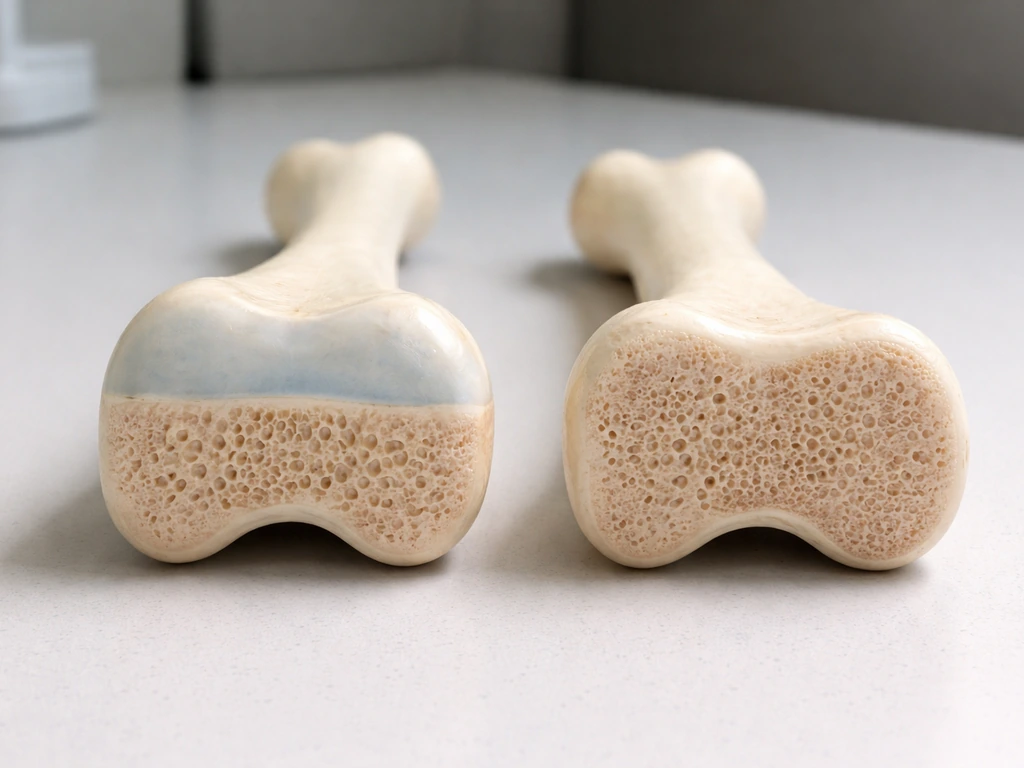
The most important concept in understanding what HGH can and cannot do for your body is growth plate status. The epiphyseal growth plates are cartilaginous regions near the ends of your long bones that are responsible for endochondral longitudinal bone growth. They are active in childhood and adolescence, but as puberty progresses, rising sex hormones (estrogen in particular) cause these plates to ossify and fuse, ending longitudinal bone growth. Once they close, they are gone. HGH cannot reopen them.
| Life Stage | Growth Plate Status | HGH Effect on Height | HGH Effect on Head Size |
|---|---|---|---|
| Young children (under ~8) | Open, highly active | Significant, especially in deficiency | Catch-up growth possible if deficient |
| Adolescents (puberty, ~9-17) | Open but closing progressively | Moderate to significant if treated early | Minimal; skull sutures largely fused |
| Late teens (~17-20) | Closing or recently closed | Little to none | Negligible |
| Adults (20+) | Closed/fused | Essentially none for height | None for skull size; acromegaly risk with excess |
Growth velocity decreases and can become zero after epiphyseal fusion, regardless of how much HGH is present. This is established physiology. The FDA label for Genotropin (a somatropin formulation) specifically notes that patients treated for childhood growth hormone deficiency who have closed epiphyses need to be reevaluated before any continued somatropin use, precisely because the therapeutic rationale for height growth no longer applies. FDA labeling for Genotropin states that patients treated for childhood growth hormone deficiency who have closed epiphyses need to be reevaluated before any continued somatropin use blank" rel="noopener noreferrer">Genotropin label specifically notes reevaluation is needed.
When HGH is actually prescribed and what results look like
Medically prescribed HGH for growth is not something handed out casually. FDA-approved pediatric indications for somatropin include growth failure due to inadequate GH secretion (growth hormone deficiency), Turner syndrome, Noonan syndrome, being born small for gestational age without catch-up growth, and idiopathic short stature. Some newer long-acting formulations like somapacitan (Ngenla) are approved for children aged 3 and older with growth hormone deficiency.
The clinical endpoints in these treatments are height velocity (how fast a child is growing per year) and changes in height standard deviation scores (height SDS), which measure how a child's height compares to peers of the same age and sex. The Endocrine Society notes that children with growth hormone deficiency who respond to treatment can often reach adult heights within the normal range. The process is gradual and measured over years, not weeks.
Diagnosis before treatment is thorough. It typically involves auxological assessment (height SDS, growth velocity), biochemical testing of the GH-IGF-1 axis including IGF-1 and IGFBP-3 levels, formal GH stimulation testing (because GH secretion is pulsatile, a single random level is not diagnostic), bone age X-ray, and often an MRI of the hypothalamus and pituitary.
In a Growth Hormone Research Society perspective, evaluation of short stature emphasizes integrating clinical findings with biochemical evidence, including practical considerations for IGF-1 and IGFBP-3 and nuances in bone age interpretation by age and subgroup IGF-1 and IGFBP-3 levels and bone age X-ray.
The Merck Manual and clinical endocrinology references are consistent on this: you cannot diagnose GH deficiency with a single blood draw, and you should not treat without a proper workup.
Signs that a child or teen might need an evaluation

Most people searching this question are either curious or genuinely concerned about growth patterns in themselves or a child. Here is what should actually prompt you to see a pediatric endocrinologist rather than just wondering.
- Height more than 2 standard deviations below the mean for age and sex (roughly below the 2nd to 3rd percentile on standard growth charts)
- Growth velocity that is significantly slower than expected for age, meaning a child is falling further behind peers over time rather than tracking consistently
- A large gap between a child's height and what you would predict from parental heights (mid-parental height target)
- Delayed puberty combined with short stature, which can signal hormonal issues worth investigating
- Any symptoms suggesting pituitary dysfunction: persistent headaches, vision changes, or unexplained fatigue in a child who is also not growing well
- Head circumference significantly outside normal percentile ranges in infancy or early childhood (either too large or too small), tracked at well-child visits
If a child is short but growing at a consistent, normal velocity, tracking along their own percentile curve, and puberty timing is appropriate, that is usually constitutional short stature or familial short stature, neither of which requires HGH. An endocrinologist can sort this out with a bone age X-ray and growth history review. If workup shows GH deficiency or another treatable cause, treatment can be started. If it does not, it probably should not be.
What you can actually do to support growth potential (without HGH)
For most people with open growth plates, especially children and teenagers, there are real, evidence-grounded factors that influence how much of their genetic height potential they actually reach. None of these are magic, but they all have physiological support.
Sleep
GH is released in pulses during deep sleep. Consistently poor or short sleep blunts those pulses. A systematic review found that interventions to lengthen sleep in healthy children increased average sleep duration by about 10.5 minutes per night, which sounds small but represents a real shift in cumulative exposure over weeks and months of development. The recommendation is straightforward: prioritize sleep duration and quality during the growth years, because this is when the body is doing its most significant hormonal signaling.
Nutrition: calories, protein, and micronutrients
Chronic undernutrition is one of the most common reasons children worldwide do not reach their genetic height potential. Getting enough total calories and protein to support growth is fundamental. On the micronutrient side, vitamin D is particularly well-studied. Vitamin D deficiency (below 10 ng/mL) has been associated with roughly 0.6 cm less height growth per year in young children, and higher serum vitamin D levels correlate with greater height growth velocity across the childhood and adolescent age range. Getting adequate vitamin D through diet, sunlight, or supplementation where deficiency is confirmed is a practical, actionable step.
Exercise and physical activity
Resistance training, when properly designed and supervised, is safe for children and adolescents and improves bone mineral density and overall physical development. The American Academy of Pediatrics has affirmed that strength training does not stunt growth when done correctly. Staying physically active supports metabolic health, healthy body composition, and bone loading, all of which are part of a growth-supportive lifestyle. It will not add inches beyond your genetic potential, but neither will it take them away.
The real risks of HGH misuse and the myths worth clearing up

A lot of what circulates online about HGH is either misleading or outright dangerous. Let's go through the most important points directly.
Side effects of legitimate HGH treatment
Even when prescribed by a physician and used appropriately, somatropin carries real risks that require monitoring. Intracranial hypertension (increased pressure in the skull) is a known adverse effect, with symptoms including headaches, nausea, and visual changes. The FDA label for Humatrope specifically flags this, and clinical reviews note that many cases occur in the early months of treatment, which is why monitoring is built into standard protocols. Slipped capital femoral epiphysis (SCFE), a hip joint problem, is another pediatric concern. These are not reasons to refuse legitimate treatment when it is indicated, but they are reasons why HGH is not something to self-prescribe.
HGH misuse for performance or cosmetic purposes
Using HGH without a legitimate medical indication, whether for athletic performance, anti-aging, or hoping to grow taller as an adult, is not supported by evidence and carries significant risks. The FDA has identified unapproved HGH sold online as a major enforcement concern, noting that improper use can lead to elevated cancer risk signals, metabolic disruption including elevated glucose and cholesterol, nerve pain, and other long-term effects. Products sold as "HGH supplements" or "HGH releasers" over the counter are not the same as pharmaceutical somatropin and are not regulated for safety or efficacy.
The acromegaly reality
If an adult takes excess GH over time, the result is not symmetrical height gain or a more proportionate frame. It is acromegaly: enlargement of the jaw, brow, hands, and feet, along with internal organ changes, joint pain, and increased cardiovascular risk. The head changes that occur in this condition are not an aesthetic goal. They are a pathological consequence of chronically elevated GH in a body where growth plates have already closed. This is the realistic version of what "HGH making your head grow" looks like in adults, and it is not something to pursue.
Myth: HGH will make a healthy adult grow taller
Once your growth plates are fused, they are fused. No amount of HGH will reopen them or create new longitudinal bone growth in your legs. This is not a controversial claim; it is basic skeletal physiology. If you are an adult and wondering whether HGH can add inches to your height, the answer is no. If you are a teenager still in puberty and concerned about your growth trajectory, that is worth a conversation with a doctor, not a reason to seek out unregulated hormones. The sibling questions around whether adults can grow taller with growth hormones, and what injecting growth hormone actually does, follow the same core principle: biology does not bend to wishful dosing.
The practical bottom line: HGH can support head and body growth in young, deficient children when given early and under medical supervision. It can increase height in children and adolescents with true growth hormone deficiency or other qualifying conditions, while growth plates remain open. It will not meaningfully change your skull size or height if you are an adult. The risks of unsupervised use are real. If you have genuine concerns about growth patterns in a child or yourself as a teenager, the right move is an evaluation by a pediatric endocrinologist who can look at the full picture, not a shortcut through an unregulated product.
FAQ
If my sutures are not fully fused, could HGH still make an adult head grow?
In most adults the skull sutures are functionally fused or only minimally responsive, so HGH does not create meaningful, measurable skull expansion. The more realistic adult effects of excess GH are soft tissue and facial bone thickening (acromegaly-like changes), not proportional head “growth.”
Can HGH “speed up” puberty or reopen growth plates indirectly?
No. HGH does not reopen closed growth plates, and it is not a reliable tool to alter the timing of epiphyseal closure. Puberty hormones (especially estrogen via aromatization) are the main drivers of plate fusion, so changing that pathway requires medical evaluation, not GH dosing
What head measurement changes would doctors look for during treatment?
Clinicians typically track occipital frontal circumference at baseline and follow-ups, along with growth velocity and height standard deviation scores. Head circumference catch-up in deficient children is evaluated as part of overall development, not as a stand-alone target.
How do doctors decide whether a child’s small head size is due to GH deficiency or something else?
They usually start with growth pattern history, growth velocity, and a bone age X-ray, then test the GH-IGF-1 axis using IGF-1 and related markers, followed by formal GH stimulation testing when indicated. Many cases are unrelated to GH deficiency, so treatment is based on the whole workup.
Could HGH cause headaches or visual symptoms that make it seem like “head growth”?
Yes, headaches and visual changes can occur from intracranial hypertension, an adverse effect of GH therapy. That is a safety problem, not an indicator of beneficial skull growth, and it needs urgent medical assessment.
Are there safer ways to address growth concerns without GH?
If the issue is sleep, undernutrition, or vitamin D deficiency, addressing those can improve growth-supporting physiology without the risks of hormone therapy. For children and teens, the first step is to confirm whether growth velocity and bone age suggest a treatable deficiency.
Is it possible to diagnose GH deficiency with one blood test?
Usually not. Because GH is released in pulses, a single random level can be misleading. Typical diagnosis relies on IGF-1 pattern plus, when needed, formal stimulation testing and imaging based on the clinical picture.
What are common mistakes when people use HGH for height or head size?
The biggest mistakes are self-prescribing unregulated products, using it without meeting medical indications, and expecting measurable skull or adult height changes. Over time, excess GH can increase risks like metabolic disruption and acromegaly, which is the opposite of the intended outcome.
Next Article
Can Stem Cells Make You Grow Taller? What Science Says
Can stem cells increase height? Learn what growth plates, hormones, and evidence say for teens and adults, plus risks.