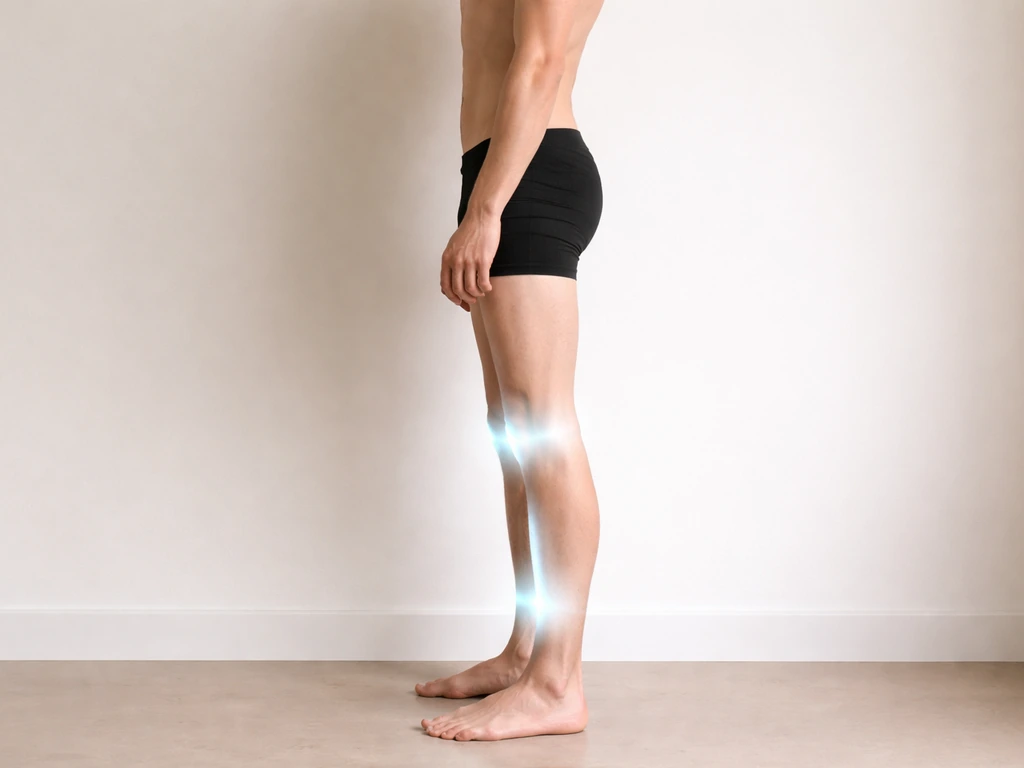
HGH can make you grow taller, but only under a specific set of conditions: your growth plates must still be open, and there usually needs to be a documented medical reason for treatment. For children with growth hormone deficiency or certain other conditions, HGH therapy can add several centimeters to final adult height. For most adults, whose growth plates have already fused, HGH will not increase height regardless of how much is taken or injected. That is the honest answer, and the rest of this article explains exactly why, who the exceptions are, and what to do if you think you or your child might qualify.
Can HGH Make You Grow Taller? What the Science Says

Marcus Reeves
26 Apr 2026
How HGH actually drives height growth
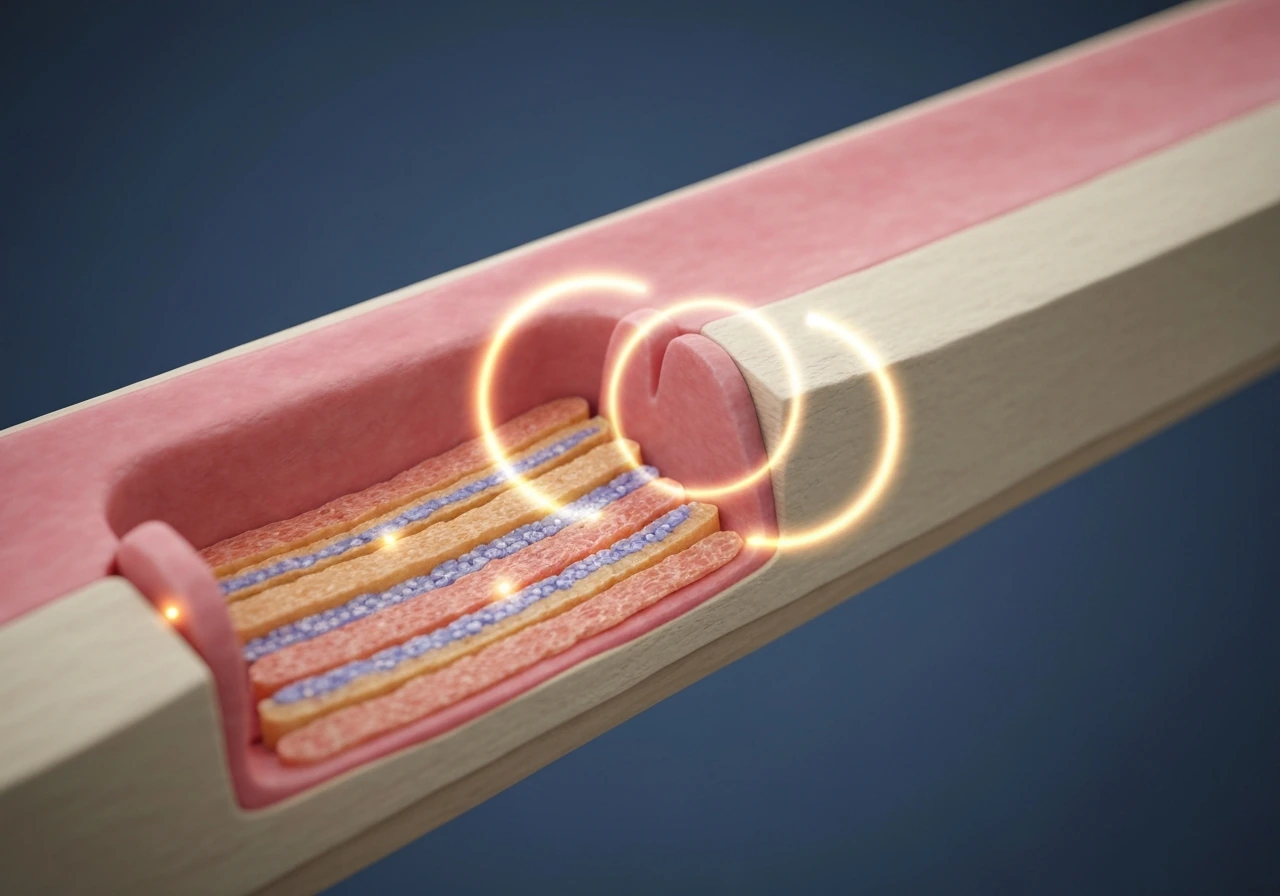
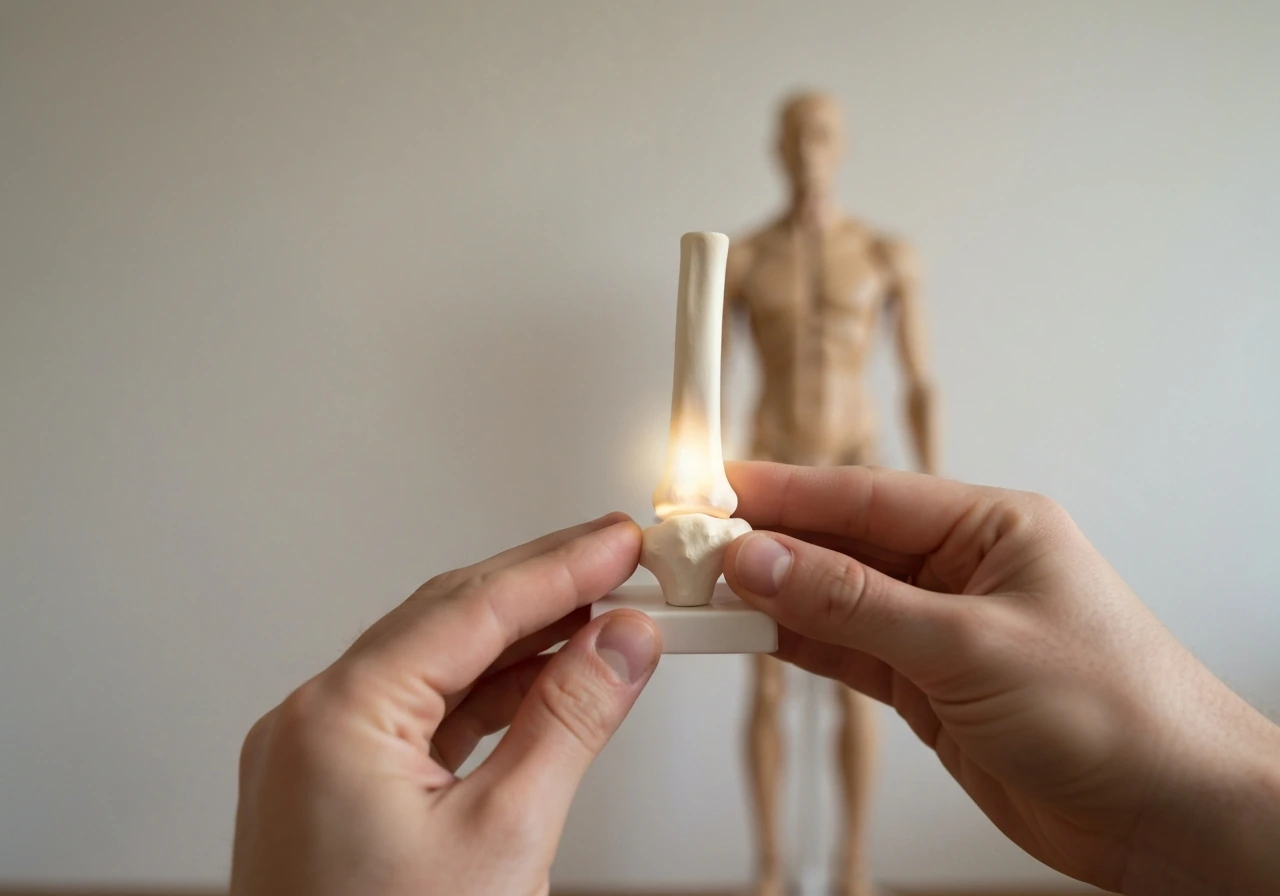
Human growth hormone (HGH, also called somatropin) is produced by the pituitary gland and triggers height growth primarily through a chain reaction rather than direct action. When HGH is released into the bloodstream, it signals the liver and local tissues to produce insulin-like growth factor 1 (IGF-1). IGF-1 is the main driver of bone elongation: it travels to the growth plates, the strips of cartilage near the ends of long bones, and tells the cells there to multiply and mature.
Within the growth plate, specialized cells called chondrocytes go through a cycle of proliferation and hypertrophy. IGF-1 supports both stages, promoting clonal expansion of cells in the proliferation zone and then driving them through differentiation. As these cells enlarge and eventually calcify, the bone gets longer. GH can also stimulate local IGF-1 production directly within the growth plate itself, not just through the liver, so the effect on bone elongation operates on more than one level. This GH-to-IGF-1 pathway is the core biological mechanism behind linear height growth.
The critical word there is 'growth plate.' Everything about whether HGH can make you taller depends on whether those plates are still active. Once puberty ends and the plates fuse into solid bone, there is no cartilage left for HGH or IGF-1 to act on, and longitudinal bone growth stops permanently.
Who can actually grow taller with HGH
The FDA has approved somatropin (pharmaceutical HGH) for several pediatric conditions where short stature or growth failure is a documented clinical problem. These are the populations where HGH therapy has solid evidence behind it and measurable height gains have been demonstrated in controlled trials.
- Growth hormone deficiency (GHD): Children whose pituitary glands do not produce enough GH on their own. This is the most straightforward case, and treatment often produces the most substantial height gains.
- Turner syndrome: A chromosomal condition affecting girls. Meta-analyses report an average final height gain of roughly 7 cm compared to untreated controls, with some studies showing treated girls averaging about 146 cm vs 141 cm without treatment.
- Prader-Willi syndrome: A genetic disorder where GH therapy improves both growth and body composition, with earlier treatment associated with better height outcomes.
- Idiopathic short stature (ISS): Children who are significantly short with no identifiable cause. GH therapy produces an average adult height gain of approximately 3.5 to 7.5 cm over 4 to 7 years of treatment, with meta-analyses citing a range of roughly 2.3 to 8.7 cm.
- Chronic kidney disease, SHOX gene deficiency, and children born small for gestational age (SGA) who have not caught up by age 4 are also FDA-approved indications.
The common thread across all of these is that the child still has open growth plates and an underlying condition that justifies medical intervention. HGH therapy in these contexts is not about pushing height beyond a genetic ceiling; it is about correcting a deficit caused by disease or deficiency. Healthy children with normal GH levels and open growth plates are not approved candidates, and giving them supraphysiological doses of HGH does not reliably produce proportional extra height while carrying real risks.
Why HGH almost never makes adults taller
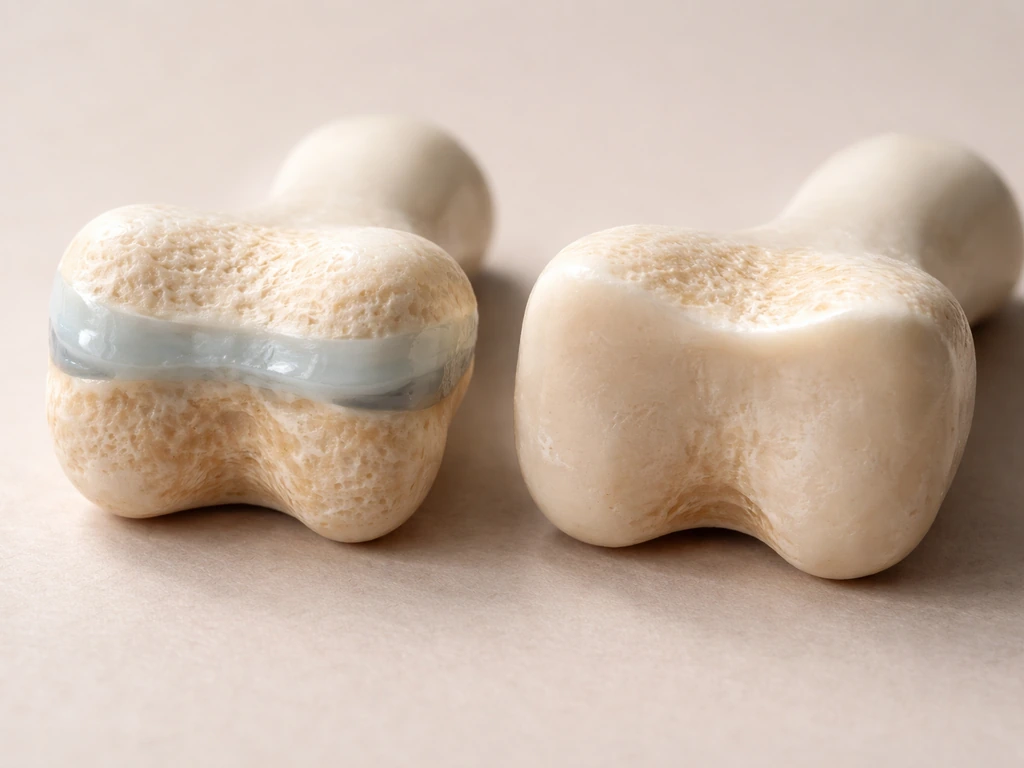
This is the part most people searching this question need to hear clearly. Once your growth plates close, which typically happens in the late teens (earlier for girls, slightly later for boys, though timing varies individually), no amount of HGH will make you taller. If you are wondering does hgh make your head grow, the key factor is the same: once growth plates close, height gain is essentially not possible no amount of HGH will make you taller. The biology is straightforward: there is no growth plate cartilage left to respond to IGF-1 signaling. Bones can still remodel and respond to HGH in adults, but they do so by changing density and shape, not length.
Some adults do have genuine growth hormone deficiency diagnosed by an endocrinologist, and they may benefit from HGH therapy for energy, body composition, and metabolic health. But even in confirmed adult GHD, HGH treatment does not increase height. This means that even when doctors prescribe growth hormone for adult hormone deficiency, it does not help adults grow taller. The Endocrine Society's clinical guidelines make this clear: adult GHD management focuses on quality of life, bone density, and metabolic markers, not stature. A related question worth noting is whether HGH injections specifically (rather than other delivery methods) change anything about this picture, but the answer is the same: the route of administration does not override the biology of fused growth plates.
There is also a marketing reality to address here. Supplements sold as 'HGH boosters,' sprays, or secretagogues frequently claim to increase adult height. These claims are not supported by clinical evidence. Even injectable pharmaceutical-grade HGH cannot grow a fused adult skeleton taller, so a supplement that marginally nudges GH levels certainly cannot. What you are paying for in most of those products is a compelling marketing story, not a proven mechanism.
How doctors actually decide whether to prescribe HGH
If you or your child is being evaluated for HGH therapy, the process involves considerably more than a blood test. Clinicians piece together multiple data points before reaching a diagnosis and treatment decision.
The evaluation process for children

- Auxology: Tracking height, weight, and growth velocity over time on standardized charts. A child growing significantly below the third percentile or crossing percentile lines downward gets flagged for workup.
- Bone age X-ray: An X-ray of the left hand and wrist compared against reference standards. This tells clinicians how much growth potential remains and helps predict adult height. Bone age delayed relative to chronological age can indicate endocrine causes of short stature.
- IGF-1 and IGFBP-3 blood levels: These are used as screening markers for GHD because, unlike GH itself (which spikes and crashes throughout the day), IGF-1 and its binding protein stay relatively stable in the blood. Low levels raise suspicion but are not diagnostic on their own, and interpretation needs to account for the child's age and pubertal stage.
- GH stimulation testing: Because GH is pulsatile and low at rest, a single GH measurement is unreliable. Stimulation tests involve giving a substance that should provoke a GH release (insulin, glucagon, arginine, or others) and measuring the response. A blunted response supports a diagnosis of GHD, though cut-off values and interpretation vary between labs and guidelines.
- Additional workup as needed: Brain MRI to check the pituitary, genetic testing, thyroid function tests, and other labs depending on clinical suspicion.
The evaluation process for adults
In adults, diagnosing GHD requires a GH stimulation test in most cases, unless there is a clear structural or genetic cause that has been proven since childhood. The Endocrine Society's guidelines specify this requirement because GH levels naturally decline with age and weight, making low GH alone insufficient for diagnosis. The stimulation test, combined with IGF-1 levels and clinical context, gives clinicians a defensible basis for diagnosis. A doctor who prescribes HGH to an adult based only on a resting GH measurement or a symptom checklist is not following evidence-based practice.
The real risks of HGH, especially unsupervised use

Even pharmaceutical-grade HGH prescribed by a physician carries real risks that are listed in FDA prescribing information. The FDA prescribing information for somatropin includes pediatric warnings and precautions, including blank" rel="noopener noreferrer">intracranial hypertension and slipped capital femoral epiphysis. Understanding these matters whether you are considering medical treatment or evaluating what you read online about self-administered HGH.
| Risk | Who it affects | Details |
|---|---|---|
| Intracranial hypertension | Pediatric patients on somatropin | Increased pressure in the skull with papilledema (swelling of the optic nerve); requires stopping treatment |
| Slipped capital femoral epiphysis | Children during rapid growth or with endocrine disorders | The head of the femur slips at the growth plate; more common in GHD and Turner syndrome patients on GH |
| Fluid retention and joint/muscle pain | Adults on GH therapy | Dose-dependent; usually resolves with dose reduction |
| Elevated blood glucose / insulin resistance | Adults, especially at higher doses | GH is counter-regulatory to insulin; monitoring is required |
| Potential tumor growth promotion | Anyone with active malignancy or history of cancer | GH is contraindicated in active cancer; IGF-1 has mitogenic properties |
| Counterfeit product harm | Anyone buying HGH outside of a pharmacy | Counterfeit HGH shipments have been seized by U.S. Customs; fake products may contain wrong doses or harmful substances |
The counterfeit issue deserves emphasis. U.S. Customs and Border Protection has stopped over 70 shipments of counterfeit HGH and other dangerous chemicals in enforcement operations. The FDA warns that counterfeit medicines may contain too much, too little, or the wrong active ingredient entirely, plus potentially harmful contaminants. Buying injectable HGH from online pharmacies or suppliers outside the legitimate medical system is not just legally risky, it is physically dangerous. There are also documented cases of physicians illegally diverting prescription HGH to patients seeking anti-aging or performance effects, which is healthcare fraud and carries serious legal consequences.
For anyone who does not have a diagnosed deficiency or approved indication, the risk-benefit calculation for HGH does not favor use. The benefits for height in adults with fused plates are zero. The risks are real. That is not a close call.
What you can actually do to maximize your height potential
If your growth plates are still open, the most important thing you can do is remove the obstacles to your natural growth. HGH therapy, where medically indicated, is one tool; but the daily habits below are the foundation that determines how fully your genetic potential is expressed.
Nutrition
Adequate protein is non-negotiable for bone and cartilage growth. Calcium and vitamin D are the most commonly cited nutrients for skeletal development, and deficiencies in either can impair growth. Zinc, magnesium, and vitamin K2 also play roles in bone metabolism. The goal is not supplementing above requirements but making sure you are not deficient, which is common in restrictive or poorly varied diets. Chronic undernutrition is one of the most reliably documented causes of growth failure globally.
Sleep

Most natural GH secretion occurs during slow-wave sleep, particularly in the first few hours after falling asleep. Adolescents who chronically under-sleep are not getting the full benefit of their own pituitary output. The recommendation for teenagers is 8 to 10 hours per night; this is not arbitrary, it reflects the hormonal demands of the growth period.
Exercise
Load-bearing and high-intensity exercise stimulates natural GH pulses and supports bone mineralization. Activities like sprinting, jumping sports, and resistance training (age-appropriate, with proper form) contribute to skeletal development. There is no evidence that specific stretching routines increase height above genetic potential, despite what many online programs claim.
Posture and spinal health
This one is underappreciated. Significant kyphosis (rounding of the upper back) or forward head posture can compress the spine and reduce measured standing height by 2 to 5 cm compared to a person standing at their true full height. Improving posture through core strength and mobility work will not make bones grow, but it will let you stand at your actual height rather than a compressed version of it.
Medical evaluation if growth seems abnormal
If you are a child or teenager who is significantly shorter than peers or whose growth has slowed noticeably, the right move is a referral to a pediatric endocrinologist, not a self-diagnosis or online supplement purchase. Bring or request growth charts going back several years. Ask the doctor whether a bone age X-ray makes sense, and whether IGF-1 and IGFBP-3 levels should be checked. These are standard first-line tests. If GHD is suspected based on those results, a stimulation test will likely follow. Getting that evaluation early matters because treatment effectiveness depends heavily on how much growth potential remains, which narrows as puberty progresses.
If you are an adult wondering whether your GH levels are low and contributing to symptoms, find an endocrinologist who follows Endocrine Society guidelines. Be prepared for the likelihood that even a confirmed diagnosis of adult GHD will not translate to height gain; the honest goal of adult GH therapy is metabolic and quality-of-life improvement, not adding centimeters. Related questions about whether specific delivery methods for growth hormones differ in their effects, or whether other emerging interventions like stem cell approaches could change the picture for adults, are active areas of interest but currently lack the clinical evidence to support practical use for height gain. Stem cell approaches are still experimental and, as of now, there is not solid clinical evidence that they can make people grow taller by lengthening growth plates.
FAQ
If my growth plates might still be open, how can I find out without guessing my age and puberty timing?
A clinician can estimate remaining growth potential with a bone age X-ray (often of the hand or wrist). This is more reliable than using calendar age alone because plate closure varies between individuals, and it can also help explain slowed growth that is not related to growth hormone.
Can HGH increase height if I have already started puberty?
Sometimes, but only if growth plates are still active and there is an approved medical indication, such as documented growth hormone deficiency or another qualifying cause of growth failure. Once plates fuse, treatment will not add length, regardless of puberty stage when you start.
Will HGH help me if I am short but my GH and IGF-1 lab results come back normal?
Usually no. Normal findings typically point away from growth hormone deficiency and toward other causes of short stature (for example, nutritional issues, chronic illness, genetic growth patterns). In that situation, HGH is unlikely to increase final height and adds unnecessary risk.
Is it the injection that matters, or the hormone itself?
The delivery method (injection, pen, or other medical formulations) does not override the core biology. For height gain, the limiting factor is whether there are functioning growth plates to respond to IGF-1 signaling.
What symptoms should prompt evaluation instead of trying HGH or “HGH boosters”?
Concerning signs include growth rate dropping off compared with your own past growth chart trend, delayed puberty, or symptoms that suggest an underlying pituitary or systemic problem. A pediatric endocrinologist can interpret these trends and decide whether labs and imaging are appropriate.
How long does it take to see any height change if HGH is truly indicated?
When HGH is used for approved pediatric indications, height response is typically assessed over months, not weeks. Doctors monitor growth velocity, repeat measurements, and sometimes IGF-1 to make sure dosing is effective and not excessive.
Can HGH make adults taller by changing posture or spinal discs?
HGH does not elongate fused bones, so it cannot directly increase stature. If height changes are seen in adults, they are more likely due to posture, muscle balance, pain reduction, or general health effects rather than true bone lengthening.
Are “HGH boosters,” sprays, or secretagogues a safe alternative if I cannot access prescriptions?
They are not supported as a reliable way to increase adult height, and safety quality is a major issue. Non-prescription products may have variable ingredients and dose, and they can also delay getting proper diagnosis for a genuine growth or endocrine problem.
What are key red flags that suggest an HGH product is counterfeit or unsafe?
Red flags include buying from unlicensed sellers, lack of verifiable pharmacy sourcing, mislabeled concentration, and “too good to be true” height or anti-aging promises. Counterfeit HGH can be the wrong dose or contain contaminants, which increases the risk of harmful side effects.
If adult GHD is diagnosed, what is the realistic treatment goal?
Even with confirmed adult growth hormone deficiency, the goal is mainly improved quality of life, body composition, bone density, and metabolic health. Height gain is not expected, so treatment decisions should be based on symptoms and risk-benefit for those health outcomes.
Next Article
What Amino Acids Make You Grow Taller
Know which amino acids support growth via protein and IGF-1, why they can’t extend height after closure, and practical t