Growth hormone injections can help certain children grow taller, but only under specific conditions: the child must have open growth plates, a diagnosed reason for short stature (like growth hormone deficiency), and treatment needs to start well before puberty closes those plates. For most adults, and for children with normal growth hormone levels, injections are unlikely to add meaningful height. Whether it works for you or your child depends almost entirely on age, growth-plate status, and what's actually driving the short stature in the first place.
Can You Inject Growth Hormone to Grow Taller?

Marcus Reeves
20 May 2026
Can growth hormone injections actually make you taller?
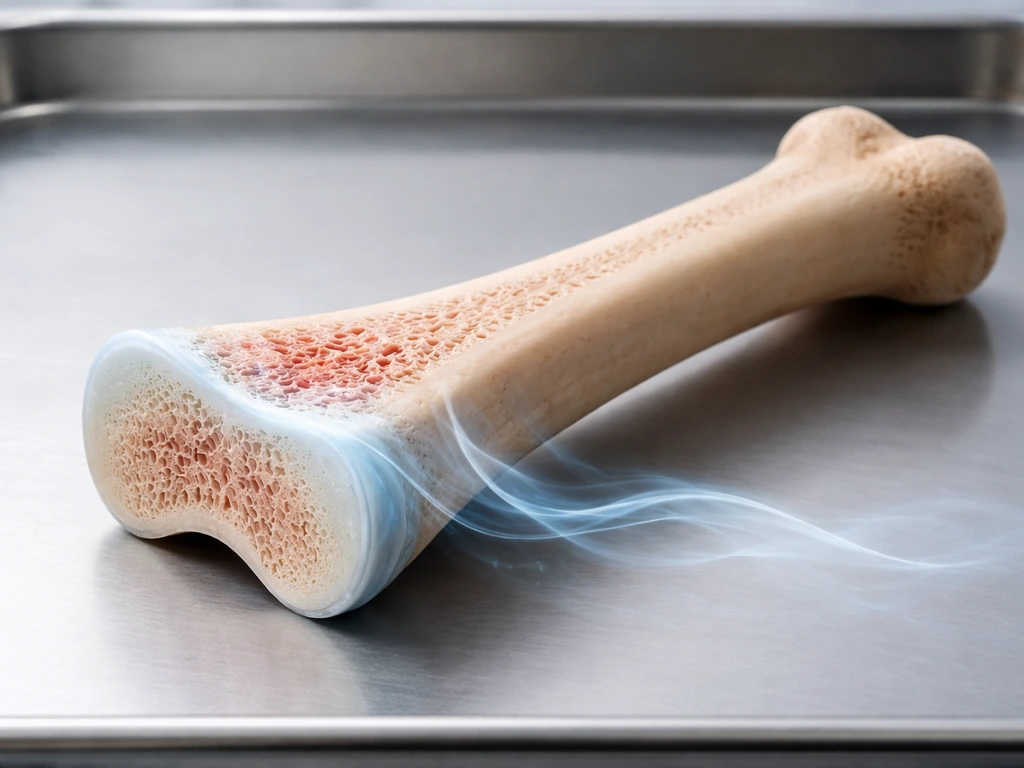
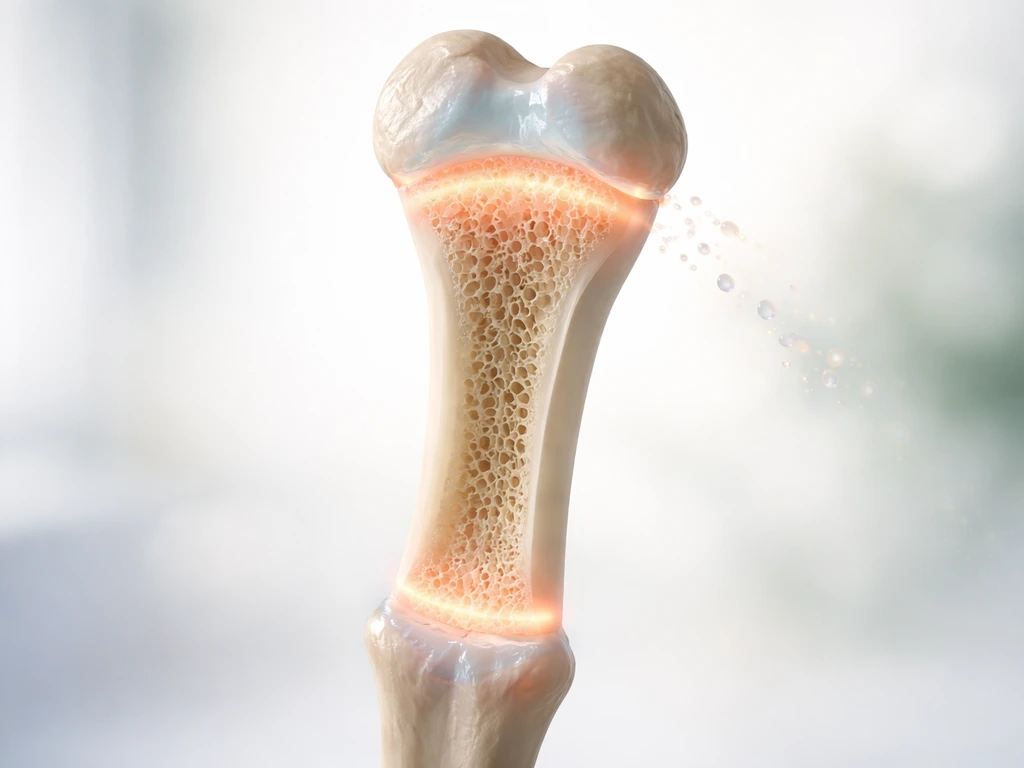
Yes, but with a lot of conditions attached. Injected recombinant human growth hormone (rhGH) works by stimulating the growth plates (the cartilage zones near the ends of long bones) to produce new bone tissue, which is what actually makes you taller. If your growth plates are still open and you have a genuine GH deficiency, this can be quite effective. The Endocrine Society reports that children with GH deficiency can gain roughly 10 cm (about 4 inches) in the first year of treatment alone. That's a real, meaningful gain.
The catch is that growth plates fuse with age, typically around the end of puberty, and once they're closed, no amount of growth hormone will make your bones longer. The hormone has nowhere to act. This is the central reason why GH injections are not a general-purpose height booster that anyone can use, and it's why timing matters so much.
Who might actually benefit: GH deficiency, idiopathic short stature, and normal growth
There are three broad categories of short stature, and they respond to GH treatment very differently.
Growth hormone deficiency (GHD)

This is the clearest case for treatment. Children with confirmed GHD are not producing enough GH on their own, so their growth plates are understimulated. Giving them GH replacement therapy typically produces a strong response. The Endocrine Society notes that therapy continues until the child reaches adult height and is generally stopped once growth is complete. These patients consistently show some of the best outcomes from treatment.
Idiopathic short stature (ISS)
ISS is diagnosed when a child is significantly shorter than average but there's no identifiable medical cause. The criteria are specific: a height standard deviation score (SDS) at or below negative 2. 25, meaning the child is at or below the 1. 2nd percentile, with [a GH stimulation test showing normal GH levels above 10 ng/mL.
](https://www. ncbi. nlm. nih.
gov/books/NBK596800/) The Endocrine Society defines ISS as a predicted adult height at or below 5'3" for boys or 4'10" for girls.
The Endocrine Society patient resource defines idiopathic short stature (ISS) as a predicted adult height at or below 5'3" for boys or 4'10" for girls, and notes that GH can be considered for specific diagnoses rather than as a general height hack The Endocrine Society defines ISS as a predicted adult height at or below 5'3" for boys or 4'10" for girls. .
GH is FDA-approved for ISS, but the Pediatric Endocrine Society's 2016 guidelines recommend against routine treatment, favoring shared decision-making instead. The evidence for height gain in ISS is real but more modest than in GHD, and not every child with ISS will respond the same way.
Normal growth, normal GH levels
If a child is growing at a normal rate and GH levels are healthy, adding more GH from the outside produces little to no additional height. The system is already running as it should. Using GH in this scenario is not only medically unsupported, it also carries real risks (more on that below). This applies even more forcefully to adults, where the growth plates are fused and there's essentially no mechanism for GH to add height.
Age and timing: why growth plates and puberty status change everything
Growth plates are the engine of height gain, and they have a biological expiration date. During childhood and early adolescence, they're active and responsive. As puberty progresses, rising sex hormones (estrogen and testosterone) accelerate bone maturation and eventually cause the plates to fuse, a process called epiphyseal closure. Once fused, they're done. X-rays can tell you exactly how far along this process is, which is why bone age imaging is a standard part of any growth evaluation.
The earlier GH treatment starts in a child with GHD or ISS, the more growth time is available before plates close. Starting at age 5 versus age 13 produces very different outcomes simply because there's more runway. Children who are still in early-to-mid puberty have meaningful growth potential left. Those who have already gone through the major pubertal growth spurt have much less. For adults whose growth plates are fully fused, GH injections will not add height, full stop.
What doctors actually check before prescribing GH
A responsible clinician won't prescribe GH based on height alone. There's a structured evaluation process, and understanding it helps you know what questions to ask.
- Growth velocity history: How fast has the child been growing over the past 6 to 12 months? Slow growth velocity is one of the clearest red flags that something is off.
- Height SDS: Where does the child's height fall relative to age- and sex-matched peers? A score at or below negative 2.25 is typically the threshold for further workup.
- Bone age X-ray: An X-ray of the left hand and wrist compares actual bone maturity to chronological age. A delayed bone age can indicate a growth disorder; an advanced bone age means less growth time remains.
- GH stimulation testing: Because GH is released in pulses, a random blood level isn't useful. Instead, doctors use a stimulation test (using agents like arginine, glucagon, or clonidine) to see if the pituitary can produce adequate GH. Levels above 10 ng/mL generally rule out GHD.
- IGF-1 levels: Insulin-like growth factor 1 is produced in response to GH and has a steadier blood level, making it a useful screening marker.
- Thyroid function: Hypothyroidism can mimic GH deficiency and must be ruled out before GH is prescribed.
- Underlying conditions: Turner syndrome, Prader-Willi syndrome, chronic kidney disease, and being born small for gestational age (SGA) are all separate FDA-approved indications for GH. A full workup rules these in or out.
If you're a parent exploring this for your child, the right first step is a referral to a pediatric endocrinologist, not a general practitioner. They run this evaluation regularly and can give you a real picture of what's driving the short stature and whether GH is appropriate.
What results you can realistically expect, and when it won't help

For children with GHD, outcomes are genuinely good. Gains of around 10 cm in the first year are documented, and multi-year treatment can bring a child close to their genetic height potential. For ISS, the gains are real but more modest, typically in the range of 3 to 5 cm of additional adult height on average, with significant variability between individuals. Some children respond strongly; others barely respond at all, and predicting who will respond is still imperfect.
| Group | Open growth plates? | Typical GH response | Likely height gain |
|---|---|---|---|
| GH deficiency (child) | Yes | Strong | ~10 cm in year 1; meaningful long-term gains |
| Idiopathic short stature (child) | Yes | Moderate, variable | ~3–5 cm additional adult height on average |
| Normal GH levels (child) | Yes | Minimal to none | Not a supported use |
| Adult (any cause) | No (fused) | None for height | No height increase expected |
The honest reality for adults is that GH injections will not make you taller. Can HGH make you grow taller is a common question, but for adults the honest reality is that GH injections will not make you taller. Adults with GH deficiency do receive GH therapy, but the goals are metabolic: improving body composition, bone density, energy levels, and cardiovascular risk factors. Height is not on the list because the biology simply doesn't allow it. If you've read about adults using GH to grow taller, that claim is not supported by the evidence.
Safety, side effects, and why self-administering is a bad idea
GH therapy in properly diagnosed and monitored patients is generally considered safe, but it's not without risks, and those risks scale up when GH is used outside medical supervision.
- Fluid retention and swelling, especially early in treatment
- Joint and muscle pain (arthralgia and myalgia)
- Headaches, sometimes linked to increased intracranial pressure (a rare but serious complication called pseudotumor cerebri)
- Slipped capital femoral epiphysis, a hip condition that can occur in rapidly growing children on GH
- Worsening of scoliosis in children who already have spinal curvature
- Potential increased risk of insulin resistance and elevated blood glucose
- In cases of misuse or supraphysiologic dosing: acromegaly-like effects including enlargement of hands, feet, and facial features
That last point about acromegaly is worth dwelling on. The question of whether GH affects head or facial bone growth is real, and excess GH in adults, where the long bones can no longer grow, instead causes the flat and irregular bones (jaw, brow, hands, feet) to thicken. If you are wondering whether HGH makes your head grow, the evidence points to excess GH causing abnormal bone changes rather than normal height gain The question of whether GH affects head or facial bone growth. This is what acromegaly looks like, and it's not reversible. Using GH without medical supervision, especially as an adult, risks this outcome.
Beyond the physiological risks, GH without a prescription is illegal in most countries. The underground market for GH is full of counterfeit or underdosed products. There is no safe, legitimate way to self-administer GH for height gain, and the potential downsides, from health effects to legal consequences, are serious. If you think you or your child might have a real GH-related growth issue, the path forward is through a licensed pediatric endocrinologist, not online forums or gray-market suppliers.
Evidence-based steps to maximize height potential today
If you're a child or adolescent with open growth plates, there are real, non-prescription levers that influence how close you get to your genetic height ceiling. None of these will override genetics, but they can prevent you from falling short of your potential due to avoidable deficits.
- Prioritize sleep: Growth hormone is released in large pulses during deep sleep, particularly in the first few hours after falling asleep. Teens need 8 to 10 hours. Consistently cutting sleep short blunts GH secretion and slows growth velocity.
- Get adequate protein and calories: Chronic under-eating or protein deficiency directly suppresses IGF-1 and GH signaling. This is one of the most underappreciated and fixable causes of suboptimal growth in adolescents.
- Correct micronutrient deficiencies: Zinc, vitamin D, and iodine deficiencies all impair growth. A simple blood panel can identify these. Supplementing where there's a real deficiency has measurable effects on growth.
- Stay physically active: Weight-bearing exercise and resistance training support bone development and stimulate GH pulses. There's no evidence that exercise alone adds height beyond genetic potential, but it supports the hormonal environment for growth.
- Address chronic illness or stress: Conditions like celiac disease, inflammatory bowel disease, or even chronic psychological stress can suppress growth by reducing nutrient absorption or elevating cortisol. Treating underlying conditions often restores normal growth velocity.
- Work on posture: While this doesn't change your skeletal height, significant postural habits (rounded shoulders, forward head posture) can make you appear shorter than you are. Addressing these gives you the full benefit of your actual height.
- See a clinician if something seems off: If a child's growth velocity has slowed significantly or they've dropped percentiles on a growth chart, that's a reason to get a proper evaluation rather than waiting. Early diagnosis of any underlying issue, GHD or otherwise, means more time to address it while growth plates are still open.
The bottom line is that growth hormone injections are a real and effective medical treatment for specific, diagnosed conditions in children who still have growth potential. They're not a hack for anyone who wants to be taller, and they don't work in adults whose growth plates have already fused. If you think there's a genuine medical reason your child isn't growing as expected, a pediatric endocrinologist is exactly the right person to see. If you're an adult hoping GH will add inches, the evidence says it won't, and the risks of trying aren't worth it.
FAQ
Can growth hormone help if my child is just “short” but otherwise healthy?
It might, but only after a full evaluation. Short stature alone is not enough, clinicians check growth velocity, family height patterns, and bone age to see whether the child is truly under-growing and whether growth plates are still responsive. If growth velocity is normal and GH levels are adequate, adding injections usually will not help and increases risk.
How do doctors determine whether growth plates are still open?
They commonly use bone age imaging, often an X-ray of the hand and wrist, to estimate epiphyseal development. This helps predict remaining height potential and is used alongside puberty staging, growth charts, and sometimes additional tests before considering GH.
If a child has low height percentile, should we start growth hormone right away?
Usually not. Guidelines emphasize confirming the cause, typically with a structured workup that can include repeat measurements, growth velocity review over time, and screening labs. Starting immediately without confirming diagnosis can delay appropriate treatment for other causes like hypothyroidism, chronic illness, or nutritional problems.
What is the difference between GH deficiency and idiopathic short stature in terms of expected results?
With confirmed GH deficiency, height gains are generally larger and more predictable because the therapy replaces a missing signal. In idiopathic short stature, average gains are more modest and response varies, so shared decision-making is important to balance likely benefit against daily injection burden and side effects.
Do adults with GH deficiency ever use GH, and can it change height?
Adults with confirmed GH deficiency may receive GH to target metabolic goals such as body composition, bone density, and energy. Height typically does not increase because epiphyseal closure has already occurred, so treatment goals are not centered on stature.
What bone or joint side effects should be watched for during GH therapy?
Common issues can include joint or muscle aches, swelling, and stiffness, especially early in treatment or if doses are adjusted. Clinicians monitor for these symptoms and may change the dose or schedule if tolerability is an issue.
Can GH therapy cause headaches or vision problems?
Yes, and they are important warning signs. Severe or persistent headaches, nausea/vomiting, or visual changes should be reported promptly because rare complications can increase intracranial pressure, requiring urgent medical assessment and possible treatment adjustment.
How long does GH treatment usually last, and when is it stopped?
In growth hormone deficiency and some other pediatric indications, treatment continues until growth plates close or the child reaches near adult height, with periodic reassessment based on height velocity and bone age. Stopping too early can reduce total height benefit, while continuing after plates close adds minimal height advantage.
How can we tell whether GH is “working” for our child?
Clinicians track growth velocity and height standard deviation scores over time, not just single height measurements. The key decision points are usually early changes in growth rate, updated bone age, and whether predicted adult height is moving in the expected direction.
Is it safe to buy growth hormone online to avoid waiting for an endocrinologist?
No. Using non-prescribed GH is risky because products may be counterfeit, underdosed, improperly dosed, or contaminated. It can also lead to preventable complications like abnormal bone changes from excess GH and there may be legal consequences depending on your country.
Next Article
Can HGH Make You Grow Taller? What the Science Says
Explains when HGH can increase height via growth plates and IGF-1, who benefits, and why adults usually can’t.