No, stem cell therapy cannot reliably make you grow taller, and as of mid-2026 there is no FDA-approved or clinically validated stem cell treatment for height increase in either children or adults. For teens with open growth plates, early-stage research has explored whether stem cells could repair growth plate injuries, but this is experimental and far from a usable therapy. For adults whose growth plates have fused, stem cells cannot reopen that cartilage or restart longitudinal bone growth, full stop. What can actually help depends entirely on your age, growth plate status, and whether an underlying medical condition is involved.
Can Stem Cells Make You Grow Taller? What Science Says

Marcus Reeves
13 Jun 2026
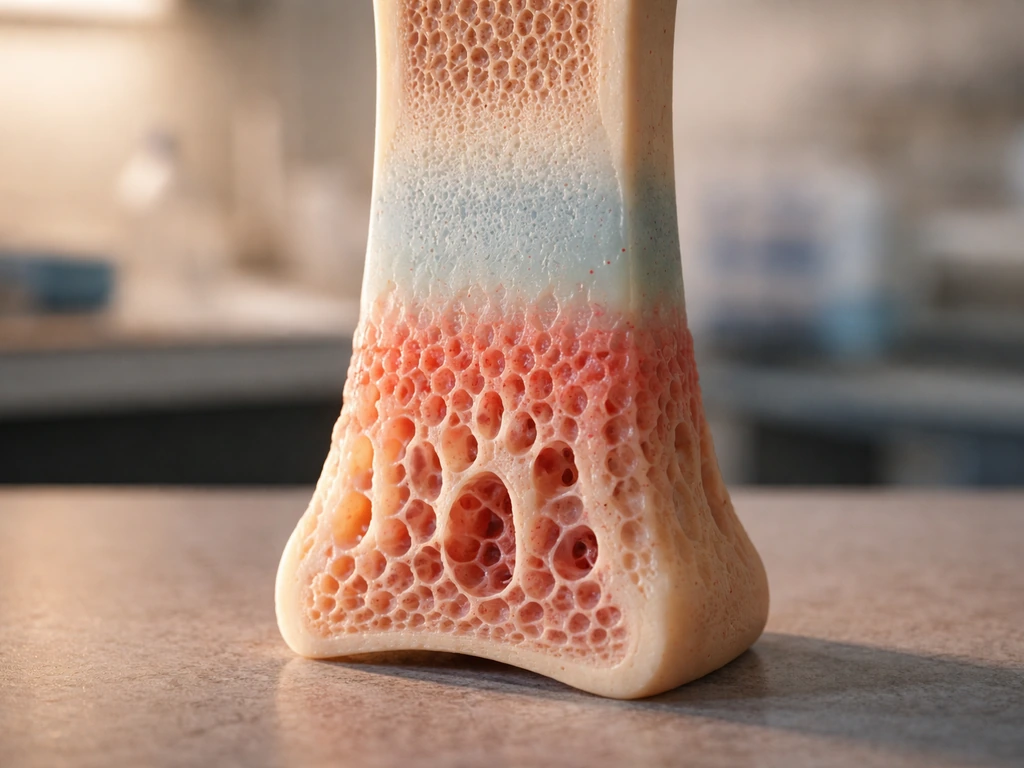
How height growth actually works
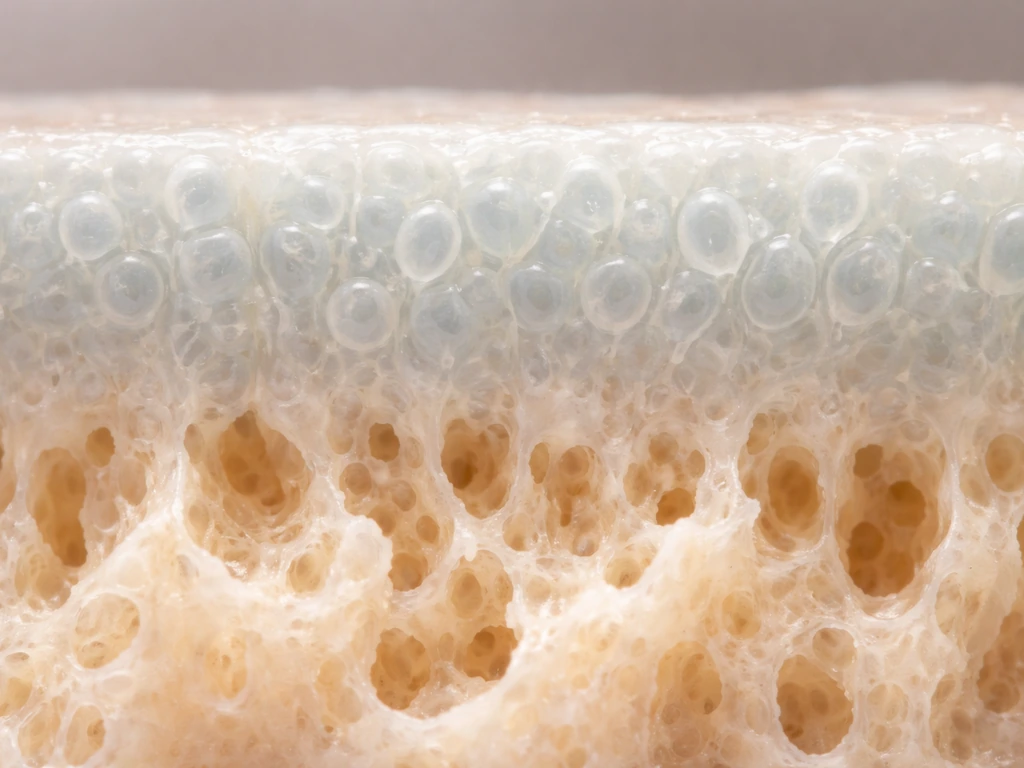
Your height increases through a process called endochondral ossification, which happens inside structures called epiphyseal growth plates (or physes). These are thin bands of cartilage near the ends of your long bones, including the femur, tibia, and vertebrae. Chondrocytes (cartilage cells) inside those plates multiply, expand, and gradually mineralize into bone, pushing the bone ends apart and making you longer.
The main hormonal driver of this process is the GH–IGF-1 axis. Growth hormone (GH), released by the pituitary gland, stimulates the liver and local tissues to produce IGF-1, which in turn acts directly on growth plate chondrocytes to support their proliferation and hypertrophy. Thyroid hormone is also essential for normal growth plate function. Remove any one of these signals and linear growth slows significantly.
Here's the critical detail that everything else in this article hinges on: once puberty progresses far enough, estrogen (in both girls and boys) triggers the growth plates to fuse. The cartilage gets replaced by bone, and the gap closes permanently. After fusion, there is no cartilage target left for IGF-1 to act on. No hormone, injection, or stem cell can create new growth plate cartilage in a fully mature skeleton. This is why timing matters so much, and why adult height interventions are fundamentally different from those in adolescence.
What stem cell therapies claim to do for height
Most commercial clinics marketing stem cells for height fall into two broad camps. The first group targets adults with promises of injections (usually mesenchymal stem cells or exosome products) that will somehow stimulate bone growth or increase disc height in the spine. The second group targets parents of shorter children with claims that stem cells can boost growth plate activity. If you're asking whether these can hgh make you grow taller claims hold up, the answer depends on growth plate status, and in most cases they do not stem cell therapies for height. Neither claim has solid clinical backing.
In legitimate regenerative medicine research, the actual question being investigated is narrower and more specific: can stem cells repair a damaged or arrested growth plate in a child who has had a physeal injury (like a fracture through the growth plate)? That's a real medical problem where scar tissue can cause one limb to grow shorter than the other. The rest of the "stem cells for height" market is essentially extrapolating from this niche research, and doing so without the evidence to back it up.
It's worth distinguishing these claims from proven stem cell medicine. Stem cell transplants are established treatments for certain blood cancers, immune disorders, and conditions like aplastic anemia. They work by restoring blood-forming stem cells after high-dose treatment. That's a completely different biological mechanism from anything that would make your bones longer.
Can stem cells help teens with open growth plates grow taller?

This is where the science gets genuinely interesting, even if the answer is still "not yet." A 2024/2025 systematic review specifically examined the use of mesenchymal stem cells (MSCs) for physeal growth arrest in pediatric patients. The finding: this is an area under active study, but results depend heavily on the type of stem cells used, the delivery method, the biological environment at the repair site, and whether cells are pre-differentiated before implantation. One earlier study found that chondrogenic pre-differentiation of bone marrow stromal cells actually abrogated the therapeutic effect on growth function, which illustrates how poorly understood the optimal approach still is.
Importantly, all of this research is focused on repairing a damaged or scarred growth plate in a child with a specific injury, not on making a healthy child with normal growth plates grow taller than they otherwise would. Using experimental stem cell procedures in a healthy teen to chase extra centimeters of height is a completely different risk-benefit calculation, and one where no credible clinical evidence supports the intervention.
So the honest answer for teens: if there is a genuine physeal injury causing growth arrest, stem cell repair is being studied and may eventually become a real option. For a healthy teen who just wants to be taller, there is no evidence that any stem cell intervention will add meaningful height, and no approved therapy exists for this purpose.
Can stem cells make adults taller? The short answer is no, here's why
Once your growth plates fuse, longitudinal bone growth stops. This is not a hormone deficiency problem you can fix by adding more IGF-1 or GH. Even if someone suspects a growth hormone issue, adults cannot grow taller once their growth plates have fused can adults grow taller with growth hormones. It's a structural issue: the cartilage tissue that bone elongation depended on no longer exists in a functional form. IGF-1 and GH still circulate in adults and still do important things (muscle maintenance, metabolic regulation), but without the growth plate cartilage to act on, they cannot drive bone elongation.
Stem cell injections marketed to adults for height typically claim to regenerate cartilage or stimulate disc growth in the spine. Intervertebral disc height does contribute to overall stature, and discs can compress with age, but the amount of recoverable height through any intervention is marginal. More importantly, there is no reliable clinical evidence that commercially available stem cell injections or exosome products meaningfully increase spinal disc height in healthy adults, let alone overall stature.
Adults who want to explore legitimate height-related concerns should look at whether a medical condition (low GH in adulthood, spinal compression from osteoporosis, posture issues, disc degeneration) is contributing to lost height, and address those through evidence-based channels. The related topic of growth hormone in adults is a real area of endocrine medicine, but it works differently than it does during childhood and doesn't produce height gains in skeletally mature individuals.
Risks and red flags with commercial stem cell clinics

This section is worth reading carefully if you're considering spending money on any of these therapies. The FDA has issued multiple public safety alerts about unapproved stem cell and exosome products, and both the FTC and EMA have taken action against clinics making unsubstantiated health claims. The FTC specifically found, in at least one enforcement action, that there was no competent and reliable scientific evidence supporting orthopedic stem cell health claims made by marketers in this space.
The safety risks are not theoretical. The FDA has documented adverse events associated with unapproved stem cell products and flagged specific contamination concerns: products processed outside rigorous manufacturing controls can carry bacterial, viral, or fungal contamination, and many are not tested for infectious diseases like hepatitis or HIV. Cross-contamination during cell processing is a real documented risk, not a hypothetical.
There are also broader biological risks depending on cell type. Unregulated cell preparations can trigger immune reactions. Depending on the source and preparation of stem cells, there are theoretical concerns about uncontrolled cell proliferation. And perhaps the most underappreciated risk: pursuing unproven commercial treatments delays the evaluation and treatment of any real underlying medical cause of short stature or growth problems.
- No FDA-approved stem cell product exists for height increase as of 2026
- The EMA and FDA both warn that unregulated stem cell products may provide no benefit and could cause harm
- Processing risks include bacterial, viral, and fungal contamination, plus gaps in infectious disease testing
- The FTC has found that stem cell orthopedic claims often lack competent scientific evidence
- Immune reactions and, with some cell types, concerns about uncontrolled cell growth are documented risks
- Chasing commercial treatments can delay real diagnosis and evidence-based care
What actually works: evidence-based options to consider instead
The evidence-based levers for height depend heavily on whether you still have growth potential and whether there's an underlying medical issue. Here's how to think through each scenario.
If you're a child or teen with growth plates still open

This is where real interventions can make a real difference. The most impactful step is ruling out a treatable medical cause of growth problems. Hypothyroidism, for example, can suppress growth significantly, and thyroid hormone replacement can restore normal growth velocity once the deficiency is corrected. Growth hormone deficiency is another treatable cause: recombinant human GH therapy in children with documented GH deficiency produces meaningful height gains.
Even in children with idiopathic short stature (short with no clear medical cause), recombinant GH therapy produces a mean estimated adult height gain of around 5. A clinical review reports that recombinant human growth hormone therapy can increase height in some children with idiopathic short stature and provides a mean estimated adult height gain of about 5. 2 cm [idiopathic short stature (short with no clear medical cause), recombinant GH therapy](https://www. ovid.
com/journals/jama/pdf/10. 1001/jama. 2014. 3970~idiopathic-short-stature-a-clinical-review).
2 cm in clinical reviews, which is modest but real and evidence-backed.
Outside of medical treatment, the fundamentals genuinely matter during active growth phases. Adequate protein and micronutrient intake (particularly calcium, vitamin D, and zinc) supports the bone-forming process. Sleep is when GH secretion peaks, so chronic sleep deprivation in a growing child is genuinely counterproductive. Regular physical activity supports bone density and overall health. None of these will make a healthy, well-nourished child dramatically taller than their genetic potential, but deficiencies in any of them can limit growth from reaching that potential.
If you're an adult whose growth plates have closed
Height recovery for adults is a different concept. The realistic gains come from posture correction (which can recover inches that poor posture has stolen), core strengthening that supports spinal alignment, and addressing any compression-related height loss from disc dehydration or early osteoporosis. These aren't dramatic, but they're real and sustainable. If you've noticed significant height loss as an adult, that's worth discussing with a physician because it can be a sign of vertebral compression fractures or bone density loss that has treatment options.
How to actually check your height potential and figure out the right next step
The most practical first move for anyone concerned about growth, whether for themselves or a child, is a bone age assessment. This is a simple hand and wrist X-ray, typically the left hand, that a radiologist or clinician reads against a standardized atlas (the most widely used is Greulich and Pyle). The X-ray reveals how mature your growth plates are relative to your chronological age. If skeletal age significantly lags behind chronological age, there may be more growth potential remaining than expected, and possibly an underlying cause worth investigating. If growth plates are fused, it confirms that linear growth is complete.
Beyond bone age, growth velocity over time matters. A single height measurement tells you where you are; serial measurements tell you whether you're growing at a normal rate. The AAP and Endocrine Society both emphasize that abnormal growth velocity (growing too slowly for your age and stage) is often more clinically significant than simply being shorter than average. Tanner staging (the clinical assessment of puberty progression) helps contextualize where someone is in their growth trajectory and how much time is likely left.
| Situation | Recommended First Step | Who to See |
|---|---|---|
| Child or teen growing unusually slowly | Track growth velocity over 6-12 months, get bone age X-ray | Pediatric endocrinologist |
| Child or teen with confirmed growth plate injury | Orthopedic evaluation, discuss physeal repair options including research-stage options | Pediatric orthopedist |
| Teen nearing end of puberty, concerned about final height | Bone age X-ray to estimate remaining potential; rule out endocrine causes | Pediatric endocrinologist |
| Adult with no medical growth disorder | Posture and spine evaluation; bone density screen if height loss is noted | Primary care physician or orthopedist |
| Adult with suspected GH deficiency or other endocrine issue | Endocrine workup including IGF-1 levels and GH stimulation testing | Endocrinologist |
| Anyone considering commercial stem cell therapy for height | Stop and consult a board-certified endocrinologist or orthopedist first | Endocrinologist or pediatric orthopedist |
The consistent theme here is: get an actual clinical evaluation before spending money on anything. A pediatric endocrinologist can run a full workup, including growth hormone evaluation, thyroid function, IGF-1 levels, and bone age, to tell you definitively what your or your child's growth situation looks like and what, if anything, can realistically be done. That appointment will give you more actionable information than any commercial stem cell consultation, and it's covered by most insurance plans when there's a legitimate clinical concern.
If you've already been reading about growth hormone therapy and how it compares to other interventions, the science behind GH treatment in children with documented deficiency is the most evidence-supported pharmacological route for height augmentation. Questions about using injectable GH in adults, or whether HGH can make you taller after plates close, follow a different set of biological rules and are worth exploring separately with realistic expectations in mind.
The bottom line: stem cells are not a height solution today, not for healthy teens and not for adults. The biology doesn't support it, the evidence doesn't support it, and the regulatory agencies in the US and Europe are actively warning against unproven commercial products in this space. If you're genuinely concerned about height, the path forward runs through a real clinical evaluation, not a stem cell clinic.
FAQ
If my child is short, can stem cells “boost growth plates” even if there was no growth-plate injury?
Most stem cell height claims are not supported for children with normal growth plates and no physeal injury. The research focus is on repairing specific growth-plate damage that caused growth arrest. If there was no injury, the more actionable step is an endocrine workup (bone age, thyroid status, growth pattern over time, and screening for growth hormone deficiency or other treatable causes).
How can I tell the difference between true growth failure and normal short stature?
Track growth velocity, not just height percentiles. A child can be short but growing at an appropriate rate. Clinicians often look for falling percentile crossings or growth that is too slow for age and pubertal stage, then interpret it alongside Tanner staging and bone age to decide whether treatment is warranted.
What does a bone age test actually change in the decision about treatment?
Bone age helps estimate how much time growth plates may still be open. If skeletal age is close to chronological age and puberty is advanced, options that depend on remaining growth are more limited. If skeletal age is significantly behind, it raises the possibility of delayed development or an underlying treatable condition, which guides what tests to do next.
Could stem cells help if my teen’s growth plates are injured from a fracture?
Potentially, but it is still investigational and outcomes depend on factors like the stem cell type, how cells are delivered, and the local biology of the injured site. This is different from “height enhancement,” and it should only be discussed in the context of a specialist evaluation and, ideally, a clinical trial rather than a commercial clinic package.
Are exosomes marketed for height any safer or more credible than stem cell injections?
Exosome and “stem cell like” products are still often unapproved for height claims, and the same concerns about manufacturing quality and contamination can apply. Even if exosomes do something biologically, that does not guarantee meaningful or durable height gain, so credibility depends on rigorous clinical evidence, not marketing terms.
If an adult lost height, can stem cells restore it by regrowing discs?
Any disc-related height recovery is likely to be limited, and there is no reliable clinical evidence that commercially available stem cell or exosome injections meaningfully increase spinal disc height and translate into noticeable overall stature changes. For adult height loss, it is more useful to evaluate for posture-related causes, disc degeneration, and vertebral compression fractures or bone density loss.
What medical conditions should adults with height loss be evaluated for first?
If you have meaningful height loss, discuss evaluation for vertebral compression fractures, osteoporosis or osteopenia, and inflammatory or endocrine causes. Imaging and bone density testing may be more important than any cartilage-focused therapy, because treatment choices differ substantially depending on the cause.
Is growth hormone therapy a possibility for adults who want to be taller?
In skeletally mature individuals, growth hormone does not reopen fused growth plates, so it is not an effective height-increase strategy. However, if an adult has documented growth hormone deficiency or another endocrine problem, GH can still be appropriate for metabolic and body-composition effects under endocrinology care.
What “red flags” should I watch for in stem cell clinics marketing height treatment?
Be cautious if they promise guaranteed centimeters, avoid discussing growth plate status and medical diagnosis, offer treatment without a clinical workup (bone age, growth pattern, labs), or use terms like “FDA approved” or “breakthrough” without specifics. Also avoid clinics that cannot clearly explain sourcing, testing, and manufacturing controls, because contamination and immune risks are real concerns with unapproved products.
What is the best first step if I’m considering spending money on a height-related intervention?
Start with a pediatric endocrinology or endocrinology evaluation, including serial height measurements, growth velocity data, bone age, and screening for treatable causes like thyroid dysfunction or growth hormone deficiency. That path usually provides more actionable information than a stem cell consultation, and it helps ensure any intervention matches the underlying mechanism.
Next Article
Can Adults Grow Taller With Growth Hormones? Evidence, Risks
Evidence on whether adults can gain height with growth hormone, when it helps, risks, testing, and safe next steps.