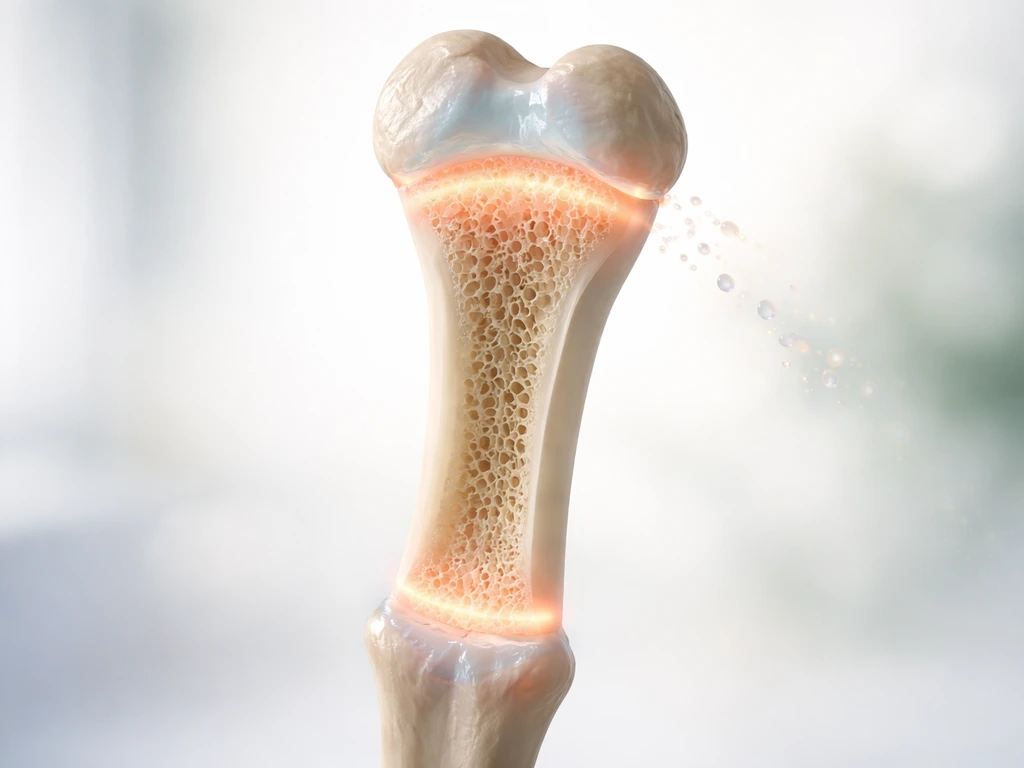
For most adults, growth hormone will not make you taller. Once your growth plates close, usually by your late teens or early twenties, no hormone, supplement, or injection can add inches to your skeleton. There is one meaningful exception: adults with confirmed growth hormone deficiency (GHD) who were treated inadequately during adolescence, or in rare cases where specific short-stature criteria are met, may see modest height gains under carefully monitored medical treatment. But that's a narrow, clinically defined group, not a general solution for anyone who wishes they were taller.
Can Adults Grow Taller With Growth Hormones? Evidence, Risks

Marcus Reeves
1 Jun 2026
What actually controls adult height
Height is determined by the length of your long bones, primarily the femur, tibia, and spinal vertebrae. Those bones grow at specialized cartilage zones called epiphyseal plates, or growth plates, located near the ends of each bone. During childhood and adolescence, growth hormone (GH) stimulates the liver and local tissues to produce insulin-like growth factor 1 (IGF-1), which signals those plates to produce new cartilage cells and, eventually, new bone.
The plates stay "open" as long as they contain active cartilage. Somewhere between ages 16 and 21, depending on sex and individual biology, rising estrogen levels (in both males and females) trigger the plates to ossify, meaning they fuse into solid bone. Once that happens, the growth zones are gone. No hormonal signal can recreate them.
The GH-IGF-1 axis doesn't disappear after the plates close, it just shifts jobs. In adults, GH continues to regulate body composition (muscle mass and fat distribution), metabolism, bone density, and cardiovascular health. These are important functions, which is exactly why adult GHD is a real medical condition worth treating. But "regulating body composition" and "making bones longer" are two completely different things.
Can growth hormone make adults taller, and when does it actually work
The honest answer is: rarely, and only under specific conditions. There are essentially two scenarios where an adult might see a measurable increase in standing height from GH-related treatment.
The first is adolescents and young adults whose growth plates are still open or just beginning to fuse. If a teenager or young adult (sometimes up to age 18 to 20) has confirmed GHD and is still in the tail end of the growth period, replacing the deficient hormone can help them reach closer to their genetic potential. This isn't "bonus" height, it's recovering the height they would have reached if the deficiency hadn't been there.
The second, far more limited scenario involves adults with untreated or undertreated GHD transitioning from pediatric care, where some residual growth potential may still exist. Outside of these cases, injecting GH into a fully grown adult with closed growth plates does not produce linear height gain. What it can do is shift body composition, reduce body fat, increase muscle mass, and improve bone density, which matters for health but not for height. Claims that GH supplements, secretagogues, or "HGH boosters" available online can add inches to a fully grown adult are not supported by evidence.
Who might actually qualify for GH treatment as an adult
GH therapy in adults is FDA-approved for three main indications: adult growth hormone deficiency (caused by pituitary tumors, surgery, radiation, or traumatic brain injury), muscle wasting associated with HIV/AIDS, and short bowel syndrome. Of these, adult GHD is the most relevant to anyone wondering about height. The diagnosis is not made simply because someone is shorter than they'd like to be. It requires both clinical evidence of a pituitary or hypothalamic problem and biochemical confirmation through stimulation testing.
How GHD is diagnosed
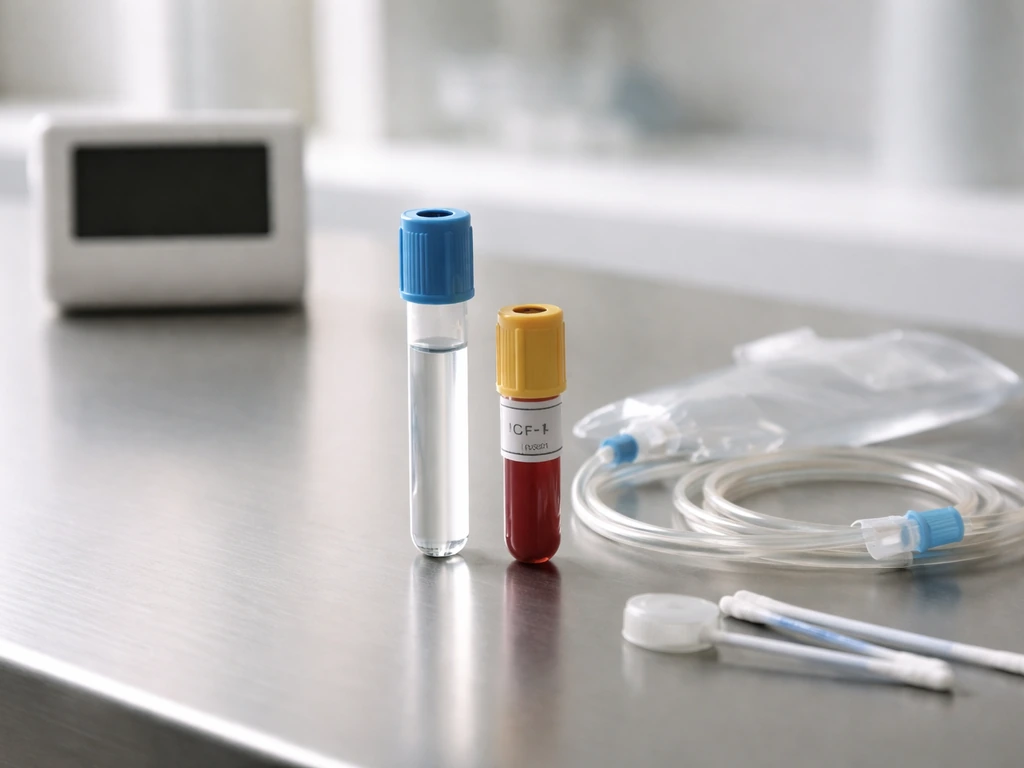
Clinicians don't just measure a single GH level, since GH is secreted in pulses and a random blood draw is almost meaningless. Instead, diagnosis typically involves provocative stimulation tests where a substance (like insulin-induced hypoglycemia, glucagon, or macimorelin) is used to trigger GH release, and a blunted response below a specific threshold confirms deficiency. Low IGF-1 levels alongside a known pituitary cause can sometimes be sufficient for diagnosis without full stimulation testing, but your endocrinologist will decide the right approach based on your clinical picture.
"Short stature" alone is not a diagnosis. An adult who is 5'4" but has normal GH secretion, normal IGF-1, and no pituitary pathology does not have GHD. Idiopathic short stature (ISS) is sometimes treated with GH in children and adolescents, but in fully grown adults with closed plates, there is no approved or evidence-based use of GH to increase stature.
What treatment looks like if you do qualify
If you're diagnosed with adult GHD, treatment is daily subcutaneous injection of recombinant human growth hormone (rhGH), brand names include Norditropin, Genotropin, and Humatrope among others. Dosing starts low and is adjusted based on response and tolerability, not on body weight alone, which is different from how pediatric dosing is handled.
Monitoring follows a structured schedule. The Endocrine Society guideline recommends follow-up every one to two months during the dose-titration phase, then semiannually once a stable dose is established. At each visit, your clinician assesses for side effects and measures IGF-1. The target is generally the upper half of the age- and sex-adjusted normal IGF-1 range, though there is no single published study that nails down exactly what number to aim for. The goal is to normalize IGF-1 without driving it above normal, which is where risks start climbing.
For adults with GHD, treatment primarily improves body composition, bone density, energy, and metabolic markers. If there is any residual growth potential (younger patients near transition age), some height gain is possible, but for a 35-year-old with long-fused growth plates, the benefit is metabolic and quality-of-life oriented, not structural.
The real risks of growth hormone in adults
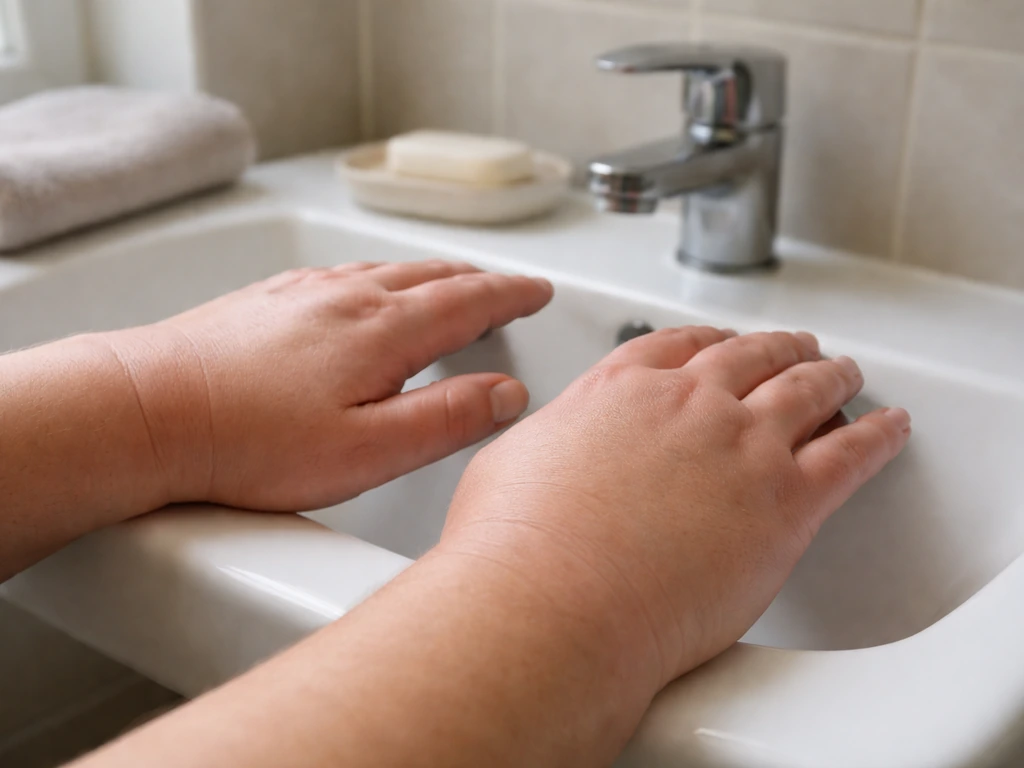
This is where anyone tempted to self-administer GH needs to slow down. The side effect profile is real, and the risks scale with dose and duration.
- Fluid retention and edema: GH causes sodium and water retention, leading to swelling in the hands, feet, and face, especially early in treatment.
- Joint and muscle pain (arthralgias/myalgias): common during dose escalation and can be significant enough to require dose reduction.
- Carpal tunnel syndrome: fluid retention around the wrist compresses the median nerve, causing numbness and tingling in the hands.
- Insulin resistance and diabetes risk: GH is counter-regulatory to insulin, meaning it raises blood glucose. Prolonged or supraphysiologic use can push someone into pre-diabetes or frank type 2 diabetes, particularly if they already have metabolic risk factors.
- Acromegaly features with excess dosing: when IGF-1 runs chronically high, it can cause coarsening of facial features, jaw growth, hand and foot enlargement, and organ enlargement. This is a serious and partially irreversible consequence of GH excess.
- Potential cancer risk: GH and IGF-1 are growth signals, and concern exists that chronic elevation may promote tumor growth, particularly in individuals with pre-existing risk. The data are not conclusive, but it's a reason oncologists and endocrinologists are careful about GH use.
- Injection site reactions: lipohypertrophy or lipoatrophy at repeated injection sites.
These risks are manageable under medical supervision with careful dose titration and regular IGF-1 monitoring. They are not manageable when someone is buying GH from an online pharmacy and guessing at their own dose. Non-prescribed GH use is both medically dangerous and illegal in most countries, including the United States, where GH is a Schedule III-controlled substance when used without a legitimate medical indication.
What you can actually do to maximize your height and posture as an adult
If your growth plates are closed and you don't have a diagnosable deficiency, growth hormone is off the table. But that doesn't mean you're out of options for functional stature and physical presentation. Several evidence-based factors genuinely affect how tall you look and how tall you measure.
Sleep
GH is secreted primarily during slow-wave (deep) sleep. Adults need 7 to 9 hours per night for normal hormonal function. Chronic sleep deprivation suppresses GH secretion and elevates cortisol, which has catabolic effects on muscle and bone. While this won't add height after closure, it does affect overall health and body composition.
Nutrition
Protein intake supports lean mass and bone density. Adequate calcium (1,000 mg/day for adults under 50, 1,200 mg/day for women over 50 and men over 70) and vitamin D (600 to 800 IU/day at minimum, with higher doses for documented deficiency) are critical for maintaining spinal bone density. Compressed or thinning vertebral discs can cost measurable height over time, and good nutrition slows that process.
Strength training and exercise
Resistance training, particularly compound movements like squats and deadlifts, stimulates natural GH and IGF-1 pulses and builds the posterior chain muscles (spinal erectors, glutes, hamstrings) that support upright posture. Core strengthening exercises help maintain the natural spinal curves that let you stand at your full anatomical height. These effects are real, though modest.
Posture and spinal health
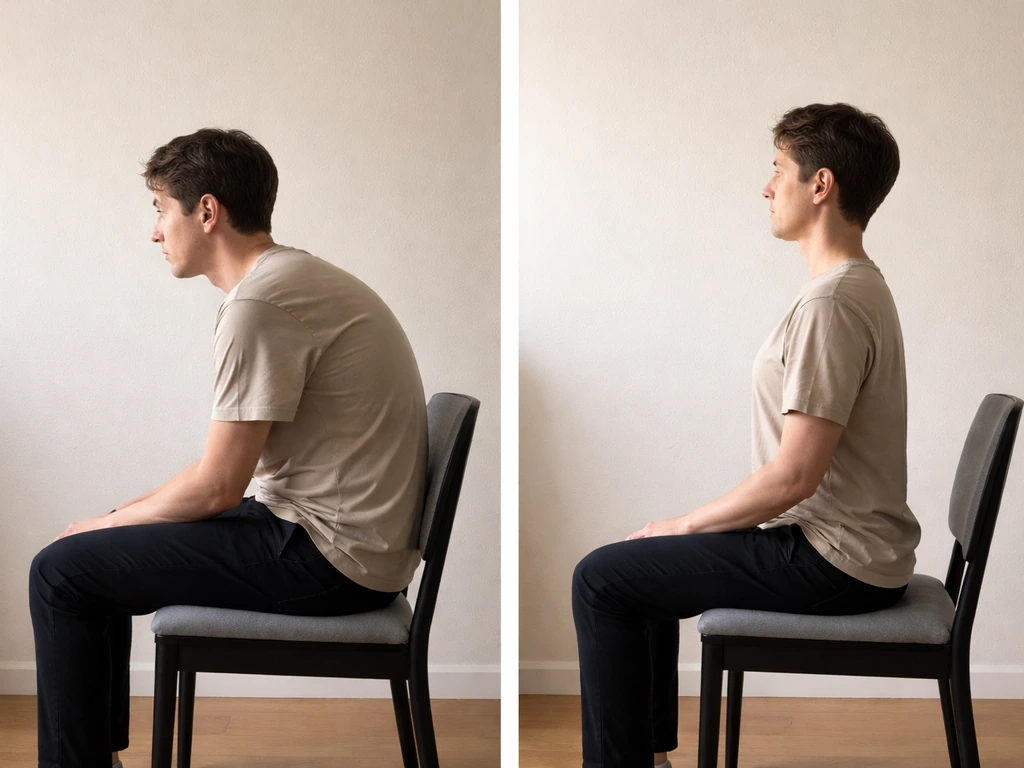
This is genuinely underrated. Poor posture, particularly thoracic kyphosis (a forward-hunched upper back) and forward head carriage, can subtract an inch or more from measured standing height. Consistent postural correction, whether through physical therapy, yoga, or targeted mobility work, can recover that lost height functionally. It won't change your bones, but it will change how tall you present and how tall you measure on a stadiometer.
Weight management
Excess body fat suppresses natural GH secretion and elevates insulin, creating a metabolic environment that blunts GH's beneficial effects. Maintaining a healthy body weight supports the GH-IGF-1 axis functioning as well as it can in adulthood.
Safety, legality, and how to actually talk to a doctor about this
In the United States, prescribing GH for unapproved uses (including height enhancement in adults without a confirmed medical indication) is illegal. Physicians who prescribe it for cosmetic or performance purposes are acting outside the law. This matters not just legally but practically: if a provider is willing to prescribe GH without proper diagnostic workup, that's a red flag about the quality of care you're receiving.
If you genuinely think you might have GHD, here's how to approach it. Start with your primary care physician and describe your symptoms: unexplained fatigue, changes in body composition despite reasonable diet and exercise, reduced quality of life, and if relevant, a history of pituitary disease, head trauma, or childhood GH treatment. Ask for a referral to an endocrinologist. The workup will likely include IGF-1 measurement and, if that's low or borderline with a plausible clinical cause, a stimulation test.
Useful questions to ask your endocrinologist include: Does my IGF-1 level or clinical picture warrant stimulation testing? Is there a pituitary or hypothalamic cause that explains these symptoms? If I do have GHD, what would treatment look like, how would we monitor it, and what outcomes should I realistically expect? If my growth plates are already fused, what is the realistic height-related benefit, if any, versus the metabolic benefits?
It's also worth understanding that HGH injections, injectable growth hormone, and related topics like the use of peptide secretagogues or stem cell approaches being explored in research settings all share the same biological reality: none of them can reopen fused growth plates. The questions of whether HGH injections specifically alter height, whether injecting GH affects facial structure like the jaw or head, and whether emerging therapies like stem cells might eventually change the picture are interesting ones, but the current evidence doesn't support their use as height-increasing strategies in healthy adults. Some people wonder, can stem cells make you grow taller, but as of now, there is no solid clinical evidence that they can reopen adult growth plates.
The bottom line is straightforward: if you have a confirmed hormonal deficiency, working with a qualified endocrinologist to treat it is worthwhile for your overall health. If you don't, growth hormone will not make you taller, and pursuing it outside of medical supervision is both risky and illegal. Focus on the factors you can control: sleep, nutrition, strength, and posture. Those are evidence-based, accessible, and genuinely effective at helping you function at your best physical potential.
FAQ
If I’m already a fully grown adult, is there any way GH could still increase my standing height?
In adults, height changes from GH treatment are usually limited to special cases near the transition from adolescence, or when GH deficiency was present and treated late. If your growth plates are clearly fused, the expected benefit is not “extra inches,” it is mainly improvements in IGF-1 and metabolic and body composition markers.
Can I tell if I have growth hormone deficiency with one blood test?
No single “random GH” lab result is useful for deciding whether you have GH deficiency. Clinicians typically rely on IGF-1 levels plus a stimulation test (or sometimes a specific simplified approach when IGF-1 and clinical context are strongly suggestive) because GH is released in pulses.
What else can cause low IGF-1 besides true GH deficiency?
Low IGF-1 does not automatically mean you have adult GH deficiency. Conditions like undernutrition, uncontrolled diabetes, chronic illness, kidney disease, and some medications can lower IGF-1, so endocrinologists usually interpret results in context and may repeat testing or use additional evaluation.
If GH therapy lowers my symptoms, should we push the dose higher to maximize IGF-1?
Adult GHD treatment targets normalized IGF-1 without driving it above the normal range, because higher levels increase side effects risk. Your clinician should titrate dose gradually and reassess IGF-1 and symptoms regularly rather than “chasing” higher IGF-1 values.
What are the most common risks of taking growth hormone without an appropriate diagnosis?
If GH is used outside appropriate indications, risks rise and benefits shrink. Common problems linked to inappropriate GH use include fluid retention (swelling), joint or muscle pain, worsening carpal tunnel symptoms, insulin resistance, and in some settings increased risk of complications, which is why monitoring is essential.
If GH won’t increase my height, can improving sleep still help me look better or prevent height loss?
Yes, sleep loss can reduce natural GH pulses and worsen body composition and bone health, even if it cannot reopen growth plates. Prioritizing consistent sleep timing and addressing sleep apnea (snoring, witnessed pauses in breathing, daytime sleepiness) can protect the hormones and recovery your body relies on.
Why do some people lose a bit of height after adulthood, and can GH or other steps prevent it?
Spinal height can change due to vertebral disc compression over time, which affects measured height even without changes to long bone length. Ensuring adequate calcium and vitamin D, maintaining a healthy weight, and strength training can slow these functional and structural changes, especially as you age.
How can I tell whether my height difference is posture versus true bone change?
A common mistake is confusing posture-driven “lost height” with skeletal change. If you notice you measure less tall at different times of day, posture and mobility are likely part of the explanation, and physical therapy or targeted exercises are more appropriate than GH.
What should I look for in a legitimate medical evaluation versus a cosmetic or height-focused clinic?
Not usually. In fully grown adults, GH is not approved to increase stature, and evidence-based approaches for “taller-looking” results focus on posture, core and back strength, footwear strategy, and addressing spinal health. If an office offers GH purely for height without diagnosing GHD or another approved indication, that is a major red flag.
What questions should I bring to an endocrinologist if I think I might have adult GH deficiency?
If you suspect GH deficiency, bring your history and specific goals, then ask for an endocrinology workup that includes IGF-1 interpretation and whether stimulation testing is appropriate. Also ask what realistic outcomes you should expect for your age, including what changes are likely in body composition versus height.
Next Article
Can You Inject Growth Hormone to Grow Taller?
Learn when injected growth hormone can increase height, who benefits, limits by age, and risks of self-administering GH.