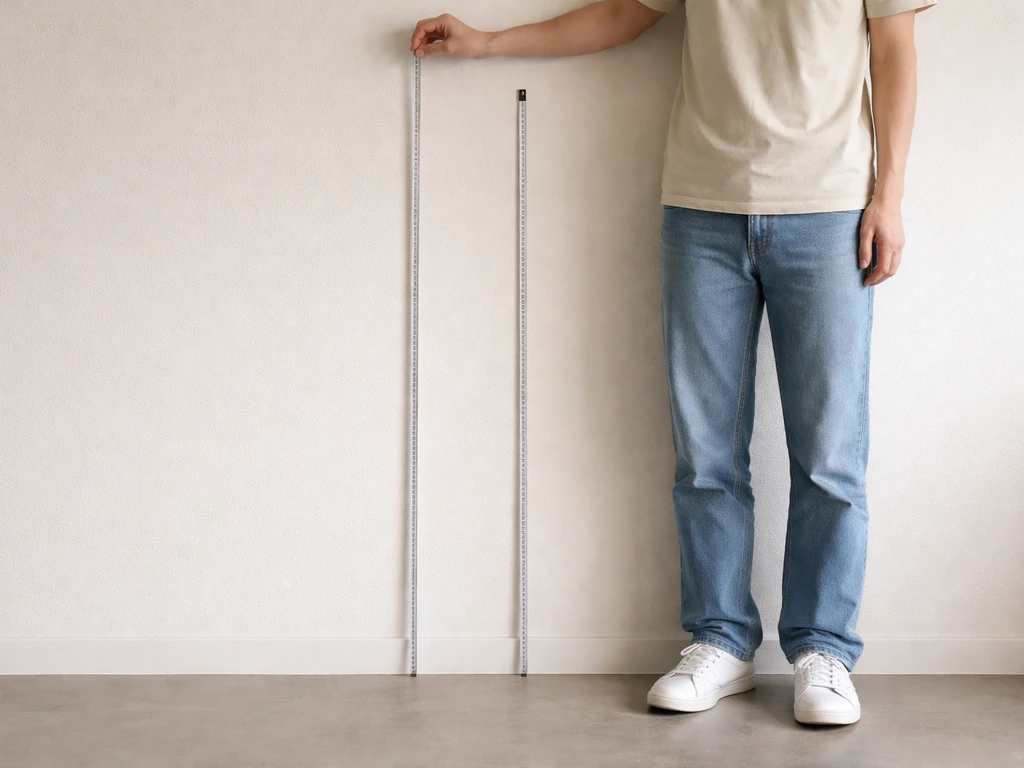
Grow Taller Dynamics is not a legitimate method for increasing bone height. The program, sold for $37 as a digital guide and video series, claims it will 'boost your height by at least 3 inches within 6 weeks' and that it works even if you're 25 or older. Those claims contradict basic human physiology. Once your growth plates are closed, no exercise routine, program, or technique can lengthen your bones. For kids and teens who are still growing, height is governed by genetics, hormones, nutrition, and sleep, not by any commercial 'dynamics' system.
Is Grow Taller Dynamics Real? Science vs Myths and Next Steps

Marcus Reeves
8 Jun 2026
What 'Grow Taller Dynamics' actually claims
Grow Taller Dynamics is an internet-marketed program that sits in a well-worn genre of height-increase products. The sales page makes several specific promises: at least 3 inches of height gain in 6 weeks, results for people 25 and older, and instant digital access for $37 with a 60-day money-back guarantee. It explicitly states, 'I'm 25 years or older, can I still grow taller by at least 3 inches? YES.' That answer is the clearest signal that the product is not grounded in science.
Programs like this typically bundle stretching routines, posture exercises, and nutritional advice, then frame them as 'dynamics' or 'systems' that unlock hidden height. The exercises themselves (stretching, core work, spinal decompression moves) are not harmful, and some may genuinely improve your posture. But there is a hard line between improving posture and actually growing taller, and the marketing deliberately blurs that line. Similar products reviewed elsewhere, like Grow Taller 4 Idiots, use the same framework and face the same scientific objections. If you are evaluating Grow Taller Dynamics reviews, focus on whether the claims match biology and whether improvements are explained by posture rather than bone growth.
How height actually grows: the biology that matters
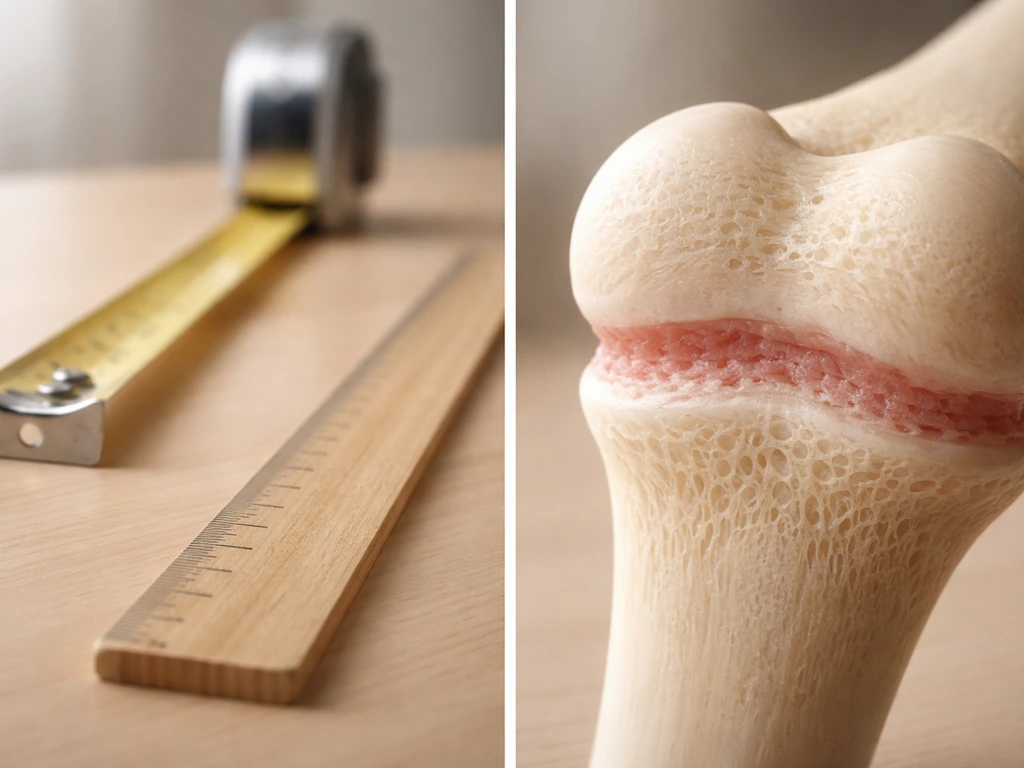
Human bones grow longer through a process that happens at the growth plates, also called epiphyseal plates. These are thin cartilage zones near the ends of long bones like your femur (thigh bone) and tibia (shin bone). During childhood and adolescence, specialized cells in the growth plates called chondrocytes divide and produce new cartilage, which gradually mineralizes into bone, pushing the bone ends further apart and making you taller.
The whole process is driven by hormones, primarily human growth hormone (HGH) secreted by the pituitary gland, which triggers the liver to produce insulin-like growth factor 1 (IGF-1). IGF-1 is the direct signal that tells growth plate cells to divide. Sex hormones, especially estrogen and testosterone, accelerate growth during puberty but eventually cause the growth plates to fuse (ossify) into solid bone. Once they fuse, that mechanism is simply gone. No outside intervention can reopen fused growth plates.
Growth plate fusion timing varies by bone and by person, but most people complete the process between ages 16 and 18 in females and 17 and 21 in males. A simple X-ray of the hand and wrist can show whether growth plates are still open, which is exactly what a pediatrician or endocrinologist would use to assess remaining growth potential.
Can adults actually get taller after growth plates close?
Bone lengthening after growth plate fusion does not happen naturally. Full stop. If you are a fully grown adult, no program, supplement, or exercise will add genuine height to your skeleton. This is not a matter of scientific debate.
What can change for adults is the appearance of height. Your spine is not a rigid rod; it contains 23 intervertebral discs that are partially water-based and compress throughout the day under gravity and load. Most people are measurably taller (by roughly 0. 5 to 1 inch) first thing in the morning than they are at night.
Better posture, core strength, and spinal mobility can help you stand closer to your full skeletal height more consistently, which is a real and worthwhile improvement. If you are an adult, you will not grow taller in your bones, but improving posture can help you appear taller. Leg lengthening surgery exists as a medical option for extreme cases, but it is invasive, expensive, carries serious risks, and is a completely different category from any consumer program.
So if a program like Grow Taller Dynamics produces any result an adult perceives as 'height gain,' it is almost certainly explained by improved posture, better morning measurement habits, or simple placebo effect, not actual bone growth.
What genuinely moves the needle for kids and teens
If you are a child, pre-teen, or teenager who still has open growth plates, there are real, evidence-based levers that support you reaching your full genetic height potential. The key word is 'potential.' These factors help you grow as tall as your biology allows; they do not add height on top of that ceiling.
Sleep

The majority of human growth hormone is released during slow-wave (deep) sleep, particularly in the first few hours after falling asleep. Children aged 6 to 12 need 9 to 12 hours of sleep per night; teenagers need 8 to 10 hours. The American Academy of Sleep Medicine recommends that teenagers (age 13, 18) get 8, 10 hours of sleep per 24 hours on a regular basis teenagers (age 13–18) get 8–10 hours of sleep per 24 hours on a regular basis. Chronic sleep deprivation suppresses GH secretion and is consistently associated with impaired growth in research populations. This is probably the single most underappreciated factor in adolescent growth.
Nutrition: calories, protein, and key micronutrients
Adequate calorie intake is foundational. Undernourished children consistently grow shorter than their genetic potential. Beyond total calories, protein is critical because bone matrix and growth-related hormones are protein-dependent. Calcium and vitamin D are the headline micronutrients for bone development: calcium provides structural material, and vitamin D enables intestinal calcium absorption. Deficiencies in either are directly linked to impaired linear growth and conditions like rickets. Zinc, iron, and iodine are also important, and deficiency in any of them can stunt growth. If a child is eating a varied, sufficient diet, supplementation usually offers no additional benefit; but if there is a deficiency, correcting it matters a great deal.
Physical activity
Regular physical activity supports healthy growth, largely through metabolic and hormonal pathways rather than mechanical bone lengthening. Weight-bearing activity promotes bone density. There is no credible evidence that any specific exercise 'lengthens' bones in a healthy child beyond what normal growth would produce. The value of exercise during the growth years is real but general: it supports healthy weight, hormonal balance, sleep quality, and bone strength. High-impact sports and activities are fine and encouraged; just avoid the claim that any movement pattern directly stretches bones.
Posture and body composition
Maintaining a healthy weight matters because both obesity and extreme underweight can disrupt the hormonal environment for growth. Posture habits built during youth also carry forward into adulthood, affecting how close to full skeletal height you appear to stand.
Genetics and puberty timing: the baseline you can't negotiate around
Genetics accounts for roughly 60 to 80 percent of variation in adult height. Your mid-parental height (an average derived from both parents' heights, adjusted slightly for sex) is the single best predictor of where you'll land. No supplement, program, or 'dynamics' system overrides this. What environment and lifestyle do is help you reach that genetic ceiling rather than fall short of it due to deficiency or illness.
Puberty timing also matters a lot and is easy to misread. A child who enters puberty late (constitutionally delayed growth and puberty) may appear short compared to peers for years, then catch up significantly. Conversely, a child who enters puberty very early may experience an early growth spurt but close growth plates earlier, ending up shorter than expected. If you are a teen who feels 'behind,' the honest answer is often that timing, not a lack of the right program, explains the difference, and a doctor can help clarify this with a bone age X-ray.
This is also why 'law of assumption' approaches to growing taller or programs anchored in mindset techniques have no physiological mechanism. Belief and visualization don't communicate with growth plate chondrocytes. Genetics and hormones do.
Realistic expectations: what you can and can't change
| Factor | Can it increase real bone height? | What it can realistically do |
|---|---|---|
| Grow Taller Dynamics program | No | May improve posture temporarily |
| Sleep (sufficient, quality) | Yes, if currently deficient | Supports full GH release during growth years |
| Nutrition (calories, protein, micronutrients) | Yes, if currently deficient | Prevents growth stunting; supports reaching genetic potential |
| Exercise | No (lengthens bones directly) | Supports healthy weight, bone density, hormonal balance |
| Posture improvement | No (bone length unchanged) | Can add 0.5–1 inch in apparent standing height |
| Treating growth disorders (medical) | Yes, in specific diagnosed cases | GH therapy, treating deficiencies under medical supervision |
| Leg lengthening surgery | Yes (extreme measure) | Genuine bone lengthening; invasive, expensive, risky |
The honest summary: if you are still growing, the right environment (sleep, food, activity, health) genuinely helps. If you are done growing, posture is your realistic lever, not any height program. Medical treatment exists for diagnosed growth disorders and is entirely separate from consumer programs.
How to assess your own situation and what to do next
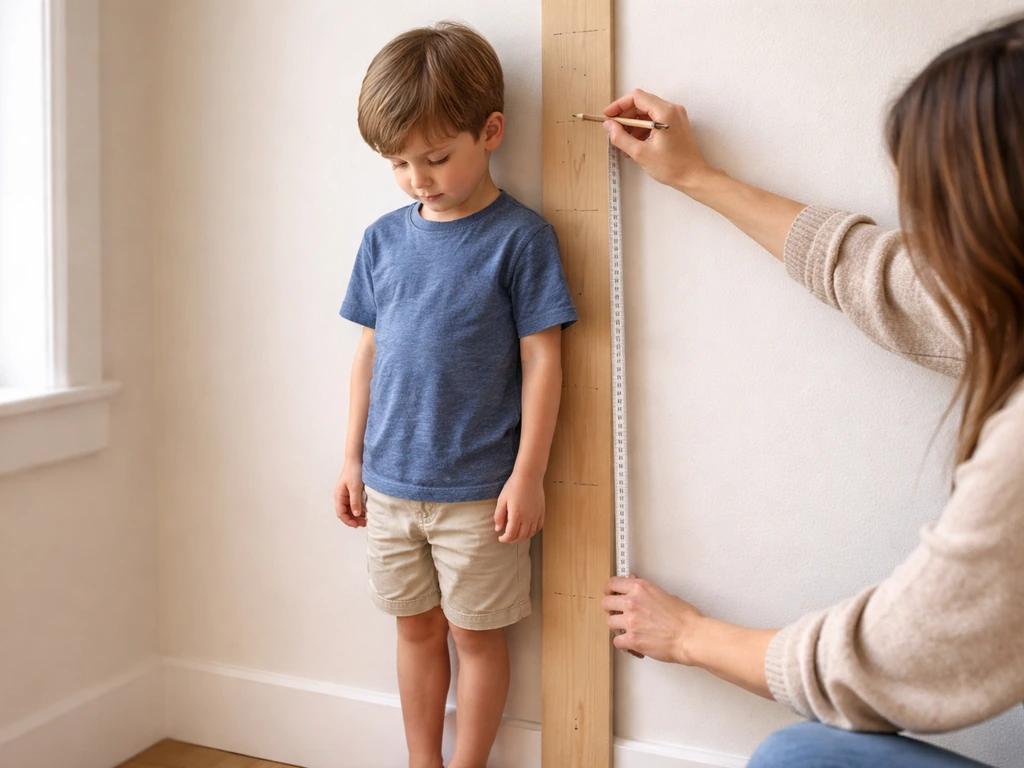
The most useful thing you can do is figure out which category you're in, because the right next step depends entirely on whether your growth plates are open or closed.
If you're a child or early teen (roughly under 14 for girls, under 16 for boys)
Growth plates are almost certainly still open. Focus entirely on the evidence-based basics: consistent sleep of 9 to 10 hours, sufficient protein and calories, adequate vitamin D and calcium (ask your doctor to check levels if diet is limited), a healthy weight, and regular physical activity. Track your height every 3 to 6 months using a wall-mounted measure, always at the same time of day. Compare your trend to standard growth charts (your pediatrician uses these). A consistent upward trend, even a slow one, is normal and healthy.
If you're a mid-to-late teen who's noticed growth slowing
Growth naturally decelerates in the 1 to 2 years before growth plates close. If you have gone more than 12 months with no measurable height change, your plates may be fusing or already closed. A pediatrician can order a bone age X-ray (left hand and wrist) to assess this directly. If plates are still partially open, the same fundamentals apply. If puberty seems delayed (no signs by age 14 in girls, age 15 in boys), that is a reason to consult an endocrinologist, not buy a program.
If you're an adult (roughly 21 and older)
Bone growth is finished. Spending money on programs like Grow Taller Dynamics will not change your skeleton. What is worth your time: posture work (a physical therapist or good core-strengthening routine can genuinely help you stand taller), spinal health habits (avoid prolonged poor posture, stay active, maintain a healthy weight to reduce spinal compression), and wearing choices that affect how tall you appear. If you have a strong personal reason to want greater height, speak with an orthopedic specialist about what legitimate medical options exist, understanding that they are significant procedures, not shortcuts.
Red flags that warrant a doctor visit regardless of age
- No growth at all for 12 or more months before age 15 (girls) or 17 (boys)
- Height consistently at or below the 3rd percentile on a standard growth chart
- No signs of puberty by age 13 in girls or 14 in boys
- Sudden deceleration in growth rate after a previously normal pattern
- Symptoms that could suggest an underlying condition: fatigue, excessive thirst, vision changes, or headaches alongside slow growth
These are flags for a pediatrician or pediatric endocrinologist to evaluate, not problems a commercial program can address. Growth hormone deficiency, hypothyroidism, celiac disease, and other conditions are all treatable causes of short stature, and early diagnosis changes outcomes in a way that no $37 guide ever could.
FAQ
How can I tell if any “height gain” I see from Grow Taller Dynamics is just posture changes?
Track height the same way each time (wall measure, same distance to the wall, feet flat, no shoes) and only compare morning to morning. If your “gain” shows up inconsistently or mainly at night, it is much more likely reduced spinal compression and posture improvement than bone lengthening.
Does stretching or spinal decompression help me grow taller if I’m an adult?
It may improve mobility, reduce stiffness, and help you stand closer to your maximum possible skeletal height, but it does not reopen fused growth plates. If you do stretching, prioritize form and comfort, and avoid aggressive “cracking” or pain-driven routines.
Is it possible to grow taller at 25 or older through hormones or supplements mentioned in these programs?
For typical adults with closed growth plates, supplements cannot create new bone growth. The only hormone-related exceptions are when a clinician diagnoses a treatable condition (for example growth hormone deficiency) and treats it medically.
What’s the fastest way to confirm whether my growth plates are still open?
A bone age X-ray of the left hand and wrist is the usual clinical approach to estimate remaining growth potential. It is more informative than guessing from height trends alone, especially if puberty timing is unusual.
My height isn’t increasing much, but I’m a teenager. Could this still be normal?
Yes. Growth slows in the 1 to 2 years before growth plates close, and late bloomers can have long plateaus then catch up. If you have zero measurable change for more than about 12 months, it is reasonable to ask a pediatrician about bone age and growth evaluation.
How accurate are home height measurements, and how can I avoid false “loss” or “gain”?
Home measurements can vary by posture, floor softness, and time of day. Use a wall-mounted method, mark the top of the head consistently (or with a book, level with the floor), measure after using the bathroom, and repeat every 3 to 6 months to look at trends, not single readings.
Can puberty timing make me seem shorter even if my bones are healthy?
Yes. Late puberty can make you look behind peers for years, while early puberty can make you end earlier. A bone age assessment can clarify whether you are still likely to grow and by how much, which is much more actionable than product claims.
If I suspect a nutrition or vitamin issue, should I start supplements from a program?
Better first step is targeted evaluation. If diet is limited, ask your doctor about checking vitamin D, iron status, and other relevant labs. If labs show deficiencies, correcting them can support growth, but random supplementation without deficiency usually adds little.
What are red flags that I should see a pediatrician or pediatric endocrinologist instead of following a program?
Examples include slowed growth velocity (for your age), crossing down percentiles on growth charts, delayed puberty (no signs by about age 14 in girls or 15 in boys), chronic GI symptoms that suggest malabsorption, or symptoms like fatigue that could indicate endocrine issues.
For adults, what realistic goal should I set if I want to “look taller”?
Aim for appearance improvements through posture training, core and hip strength, and consistent spinal health habits. If you have severe structural causes or a strong personal reason, a specialist can discuss options like limb-lengthening, which is not a consumer-program activity and carries significant tradeoffs.
Next Article
Grow Taller Dynamics Reviews: Does It Work and Why
Evidence-based review of grow taller dynamics: what claims hold up, height science, limits, and actionable next steps.