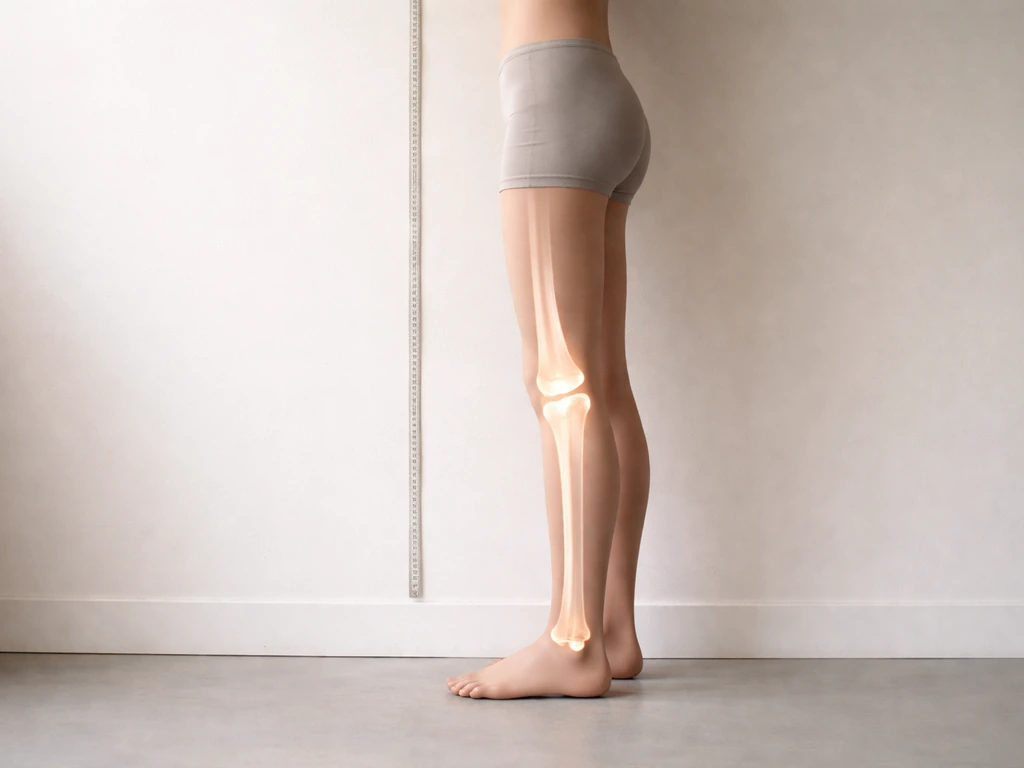
The Law of Assumption won't directly make your bones grow longer. That's the honest answer. But here's why people keep exploring it anyway: the mindset and behavioral changes that come with consistent visualization, reduced stress, better sleep, and sustained healthy habits do touch real biological levers involved in height growth, especially in children and teenagers who still have open growth plates. So the question isn't really "does believing I'm taller make me taller?" It's "can this practice help me stop sabotaging the conditions my body needs to grow?" For most people, that's a much more useful framing.
Grow Taller Law of Assumption: What It Can and Cannot Do

Marcus Reeves
30 Jun 2026

What the Law of Assumption actually claims
The Law of Assumption comes from the 20th-century mystic and author Neville Goddard. The core idea is that reality reflects whatever you deeply assume to be true. Applied to height, practitioners typically follow a process like this: identify the desire clearly (being a specific height), then inhabit the "feeling of the wish fulfilled" as if that height is already your reality.
Many people combine this with a technique called SATS (State Akin to Sleep), a drowsy, semi-meditative state before sleep where you run immersive sensory visualizations of being taller. The idea is that in this threshold state, your analytical mind quiets down and the imagination becomes more receptive. Practitioners also emphasize persistence: you keep holding the assumption even when the mirror still shows the same person.
In online communities like r/lawofassumption, you'll find people reporting changes they attribute entirely to belief, essentially crediting assumption rather than any physical process. Some accounts are compelling reads. The problem is that self-reported changes without controlled measurements are extremely easy to misattribute, especially given how much height fluctuates day to day due to posture and spinal compression. That doesn't make the practice worthless, but it does mean you need to understand what it can and can't realistically do.
How height growth actually works biologically

Height is almost stubbornly biological. Twin and family studies suggest that roughly 80 to 90 percent of the variation in human height comes down to genetics. That's a massive chunk of the pie that no mindset technique is going to shift. The remaining 10 to 20 percent is where environment, nutrition, sleep, hormones, and stress come in, and that's also where targeted effort can make a meaningful difference.
Actual bone lengthening happens at the growth plates, also called epiphyseal plates. These are cartilaginous zones near the ends of long bones, and they're where new bone tissue is laid down during childhood and adolescence. The main hormonal drivers are growth hormone (GH) and insulin-like growth factor 1 (IGF-1), with sex steroids like estrogen and testosterone playing a dual role: they fuel the pubertal growth spurt and then trigger the closure of the growth plates at the end of puberty. Once those plates close and ossify, longitudinal bone growth stops. Growth velocity essentially drops to zero after epiphyseal fusion. No supplement, visualization, or mindset practice changes that structural reality.
Other hormones matter too. Thyroid hormone, vitamin D, and glucocorticoids (stress hormones) all have documented effects on growth plate biology. Chronically high cortisol, for example, suppresses GH secretion and directly impairs growth plate function, which is one of the documented pathways by which chronic stress contributes to linear growth failure in children. This is actually where mindset practice starts to become relevant in a concrete, physiological way.
Where mindset and assumption can actually move the needle
Here's the honest indirect case for using something like the Law of Assumption as part of a height-growth approach. It's not magic. It's behavioral and physiological.
Stress and cortisol reduction

Chronic stress in children and adolescents suppresses the GH/IGF-1 axis and elevates cortisol, both of which impair growth plate function and can contribute to measurable linear growth failure. If consistent visualization, SATS practice, and positive assumption reduce a person's baseline stress and anxiety, that reduction in cortisol load could theoretically support better hormonal conditions for growth. Research on guided mental imagery confirms it can influence stress coping and physiological stress responses, even if it hasn't been shown to directly drive bone growth.
Sleep quality and duration
Growth hormone is secreted primarily during slow-wave sleep, so sleep quality and duration are genuinely tied to the hormonal environment for growth. The SATS technique, which is practiced right at the threshold of sleep in a relaxed, meditative state, could plausibly support more consistent, higher-quality sleep onset. One study in children ages 5 to 11 found a weak negative association between sleep duration and stature, suggesting sleep habits are at least part of the growth picture. Better sleep hygiene, even if cultivated through a ritual like SATS, is a real and science-supported lever.
Habit consistency and behavioral follow-through
People who hold a strong, emotionally invested identity around a goal tend to be more consistent with the supporting behaviors. If assuming "I am growing taller" makes someone more diligent about eating enough protein and calcium, going to bed on time, staying active, and avoiding the chronic stress that blunts growth hormones, then the assumption is doing real work through behavior, not through bone magic. This is probably the most underrated mechanism here.
Posture and perceived height
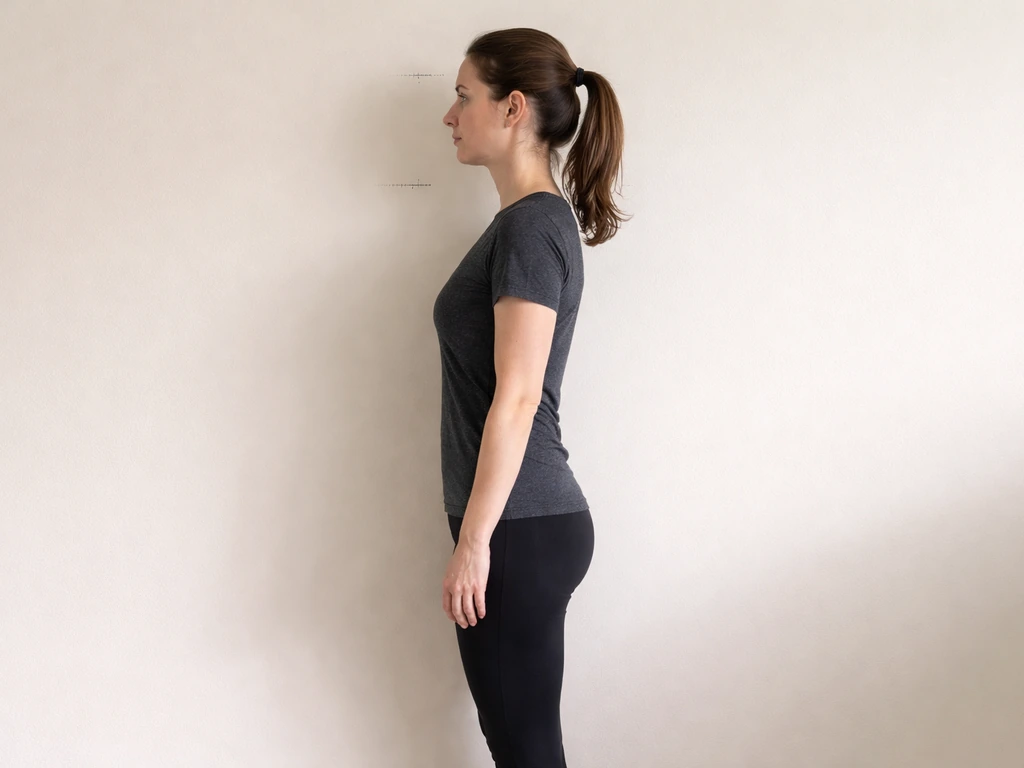
This one is worth separating out because it's often conflated with actual bone growth. Posture genuinely changes how tall you measure. Sustained lumbar flexion alters spine height measurements due to mechanical compression of intervertebral discs, and disc height itself changes measurably across the day. Standardized posture studies in scoliosis research go to lengths to control for time-of-day and postural effects precisely because they create real measurement differences.
An assumption practice that increases body awareness and encourages upright posture can result in a measurably taller stance, which is real and worthwhile, but it's not the same as growing new bone. This is also why people asking, "do ftm grow taller," should focus on measurable health factors and realistic timelines taller stance.
Realistic expectations depending on your age
Where you are in life dramatically changes what's actually possible, so it's worth being direct about this.
| Life Stage | Growth Plate Status | Realistic Potential | What Assumption Can Help With |
|---|---|---|---|
| Children (under ~10) | Open and active | Optimizing growth conditions during peak years has the highest payoff | Sleep quality, stress reduction, habit consistency around nutrition and activity |
| Teenagers in puberty | Open, approaching closure | Supporting the growth spurt fully is achievable; timing matters | Cortisol management, sleep, consistent healthy behaviors during the spurt |
| Late teens (post-puberty) | Closing or recently closed | Little to no bone lengthening; posture improvement still meaningful | Body awareness, posture, maintaining healthy composition |
| Adults (20s and beyond) | Closed for most people | No new bone length; posture, disc health, and body composition affect measured height | Consistency with posture habits, stress management, preventing height loss with age |
For adults, the conversation shifts from "growing taller" to "not getting shorter," which is a real and underappreciated goal. Intervertebral disc height decreases measurably with age, with one population-based MRI study reporting roughly a 5. An MRI-based study reports that the distance between adjacent centers of intervertebral disc spaces decreases with age in both men and women, consistent with disc-space narrowing Intervertebral disc height decreases measurably with age. 8% decrease over ten years. Maintaining core strength, spinal mobility, healthy body weight, and hydration supports disc health and helps preserve your standing height over time.
What the evidence actually supports vs. what isn't proven

Let's be clear about where the science stands, because this is an area where wishful thinking and motivated reasoning are everywhere.
- Genetics account for 80 to 90% of height variation. No mindset practice changes this.
- Growth plates drive longitudinal bone growth. Once closed, they do not reopen. This is not a belief system, it's structural biology confirmed by bone age X-rays.
- Chronic stress suppresses GH/IGF-1 and impairs growth plate function. This is well-documented in human and animal research.
- Sleep is closely tied to GH secretion. Sleep-improving behaviors have plausible indirect benefits for growth in those who still have open plates.
- Vitamin D deficiency in children does impair growth. One randomized trial in Mongolian children with low baseline vitamin D found nearly 1 cm greater growth over 6 months in those receiving 800 IU daily versus placebo. Deficiency correction matters.
- Guided imagery and visualization have demonstrated effects on stress coping, physical activity behavior, and some physiological outcomes in RCTs, but no RCT evidence shows visualization or assumption practice directly causes bone elongation.
- Posture and position change measured height via mechanical effects on the spine. This is real but not the same as bone growth.
- "HGH booster" supplements and unregulated products marketed for height growth lack robust clinical evidence and carry genuine safety risks.
The bottom line: the Law of Assumption as a tool for indirect behavioral and stress-physiological change has a plausible case in the scientific literature. The idea that assuming you're taller directly causes bone growth does not.
A step-by-step plan that uses both mindset and science
If you want to apply the Law of Assumption alongside evidence-based strategies, here's a practical plan. It's designed so that the mindset practice supports rather than replaces the physiological basics.
- Set a clear, specific intention. Define what you're working toward: a target height if you still have growth potential, or a posture and measurement goal if you're an adult. Vague assumptions produce vague focus.
- Use SATS before sleep every night. In the 10 to 15 minutes before you fall asleep, run a sensory-rich visualization of being at your target height: how you stand, how you move, how it feels in your body. This doubles as a sleep onset ritual that can improve sleep quality.
- Protect your sleep like it's a performance variable. Aim for 8 to 10 hours for children and teenagers, 7 to 9 for adults. GH secretion peaks during slow-wave sleep. Cutting sleep cuts the hormonal environment for growth.
- Eat enough of the right things. Protein supports tissue growth. Calcium and vitamin D are critical for bone health and linear growth, especially in deficiency-prone populations. Get vitamin D levels tested if you're concerned, and address deficiency through diet and appropriate supplementation, not megadoses.
- Move every day. Weight-bearing exercise and activities like swimming, basketball, and running support bone development and healthy body composition. Excessive chronic endurance training without adequate fueling can suppress the hormonal environment for growth, so balance matters.
- Manage stress actively. Chronic psychological stress suppresses the hormones that drive height growth. Mindset practices, including the assumption framework, can help here if they reduce anxiety and improve mood. Other stress management tools like physical activity, social connection, and adequate rest work the same pathway.
- Work on posture and spinal mobility. Standing tall, engaging your core, and maintaining thoracic extension can add a measurable centimeter or two to how you present and measure. This is especially relevant for adults.
- Track real measurements correctly. Measure height at the same time each day (morning measurements are taller due to disc expansion during sleep), in the same posture, to eliminate diurnal variation from your data. This prevents false readings from inflating or deflating your sense of progress.
- Revise and persist. The assumption framework encourages revising negative thoughts before bed. In practical terms, this means ending each day by mentally reinforcing your supportive habits and identity rather than catastrophizing about your current height.
Common mistakes, red flags, and when to see a doctor
Mistakes worth avoiding
- Relying on assumption alone and skipping the biological basics. Sleep, nutrition, and stress management are not optional add-ons. They're the actual levers. Visualization without them is just hoping.
- Chasing "height growth" supplements aggressively. Products marketed as HGH boosters or growth stimulators are largely unproven and some are genuinely risky. Very high doses of zinc can cause toxicity and interfere with magnesium absorption. Vitamin D toxicity is real and can cause hypercalcemia requiring medical treatment. The FDA has issued warnings specifically about bodybuilding and growth products that may contain undisclosed steroid-like compounds.
- Comparing daily measurements and panicking. Height fluctuates by 1 to 2 centimeters or more across a single day due to spinal compression. Measuring at inconsistent times creates noise that feels like failure.
- Assuming growth plates are open when they may not be. Without a bone age X-ray, you genuinely don't know if you have remaining growth potential. An endocrinologist or pediatrician can assess this.
- Ignoring a program like Grow Taller Dynamics or similar products that make dramatic claims without clinical backing. Being skeptical of any commercial program promising specific height gains through exercises or techniques alone is warranted.
Red flags that need medical evaluation
Some situations aren't about optimization, they're about identifying a treatable medical condition. See a pediatrician or pediatric endocrinologist if any of the following apply.
- Height below the 3rd percentile for age and sex, or below the 0.4th centile (the NHS threshold for referral consideration)
- Growth velocity that seems abnormally slow, meaning a child is falling further behind their peers year after year rather than tracking a consistent curve
- A significant gap between a child's current height and what you'd expect based on parent heights (midparental height calculation)
- Delayed puberty, since sex steroids drive the pubertal growth spurt and delays can be evaluated and sometimes treated
- Any bone pain, limb deformity, or unusual posture changes that might suggest a structural or endocrine issue
- Signs of chronic illness, nutritional deficiency, or thyroid problems, all of which can impair linear growth
A clinical evaluation for short stature typically includes serial height measurements to calculate growth velocity, a bone age X-ray of the left hand and wrist, midparental height assessment, and blood work including IGF-1, thyroid function (TSH and T4), and sometimes other hormonal markers. These are not exotic tests. They're standard tools that tell you what's actually driving a growth concern and whether there's anything treatable involved. Mindset work is not a substitute for that evaluation if the red flags above are present.
Used honestly, the Law of Assumption is a consistency and stress-management tool wrapped in metaphysical language. That's not nothing, especially for teenagers navigating a high-stress environment during years when their growth hormones are most active. But the biology is the biology. Pair the mindset practice with real sleep, real nutrition, real stress management, and real medical care when warranted, and you're doing everything you can within the actual limits of how human height works.
FAQ
If the Law of Assumption cannot make bones longer, why do people claim they got taller fast?
It can change your measured height temporarily if it improves posture awareness and upright habits, but it should not be expected to lengthen bones once growth plates have fused. If you want to track results, measure at the same time of day (for example, morning), use the same wall or stadiometer setup, and compare trends over weeks, not single sessions.
How can I tell whether changes are real growth or just daily height fluctuation?
Because height has normal daily variation from spine compression and posture, it is easy to misread short-term changes as progress. A better approach is to log morning height, track sleep and stress consistency, and calculate growth velocity over months, especially for children and teens.
Does the Law of Assumption work differently for kids, teens, and adults?
Set expectations based on growth stage. Children and teens with open growth plates may still have meaningful biological potential if stress, sleep, and nutrition are optimized. Adults, in contrast, are more focused on preserving standing height and improving posture, because longitudinal bone growth is largely not available after growth plate closure.
When should I stop experimenting and get a medical check instead?
If you have signs of an underlying issue, mindset practice should be supportive, not a replacement. Consider medical evaluation if a child is far below expected height for age, growth has slowed for more than about a year, puberty is significantly early or late, or there are symptoms like fatigue, poor appetite, chronic GI issues, or delayed/abnormal puberty.
Is SATS safe, and what are common mistakes people make with it?
SATS and visualization tend to be used safely for many people, but keep it realistic and relaxing. Avoid forcing vivid or intense imagery if it increases anxiety, disrupts sleep onset, or creates compulsive checking of height. If mental imagery triggers panic or insomnia, switch to simpler relaxation and consult a clinician.
How should I combine the Law of Assumption with evidence-based height supports?
Don’t treat belief as a license to ignore basics. The most defensible version is using assumption practice to support behaviors like consistent bedtime, adequate protein and overall calories for growth, sunlight for vitamin D status when appropriate, and stress reduction. If your routine worsens sleep or nutrition, assumption alone won’t offset that.
What specific physiological factors should I focus on if I want results, indirectly?
If you are trying to influence growth-related hormones indirectly, the lever is consistency of sleep and stress management, not the metaphysical claim. Practical outcome-oriented goals include a steady sleep schedule, reducing late-night screen time, and using relaxation before bed so you can actually fall asleep and stay asleep.
What should I measure to know whether the practice is helping me?
A useful metric is height trend, not instant feelings. Track baseline height, average weekly sleep duration, and perceived stress, then look for patterns over 8 to 16 weeks. If posture changes are happening, you might see an immediate improvement in stance measurements, even if bone growth is not occurring.
Why are online success stories hard to trust, and how do I apply them responsibly?
Many reports online are subjective, and without standardized measurement and time-of-day control, accounts can be misleading. Use self-reports mainly for inspiration, but base your decisions on repeatable measurements and medical context, especially if a child’s growth is the concern.
If I’m an adult, what can I realistically aim for with this approach?
If your goal is not bone growth but better standing height, you can pair mindset with posture and mobility work. Core strength, spinal mobility, and healthy body weight support disc and spine mechanics, which can improve how tall you look and how consistent your measurement is day to day.
Next Article
Do FTM Grow Taller? Timing, Testosterone, and Realistic Expectations
Science-based guide on whether FTM testosterone can increase height, when growth plates are open, and what you can do no