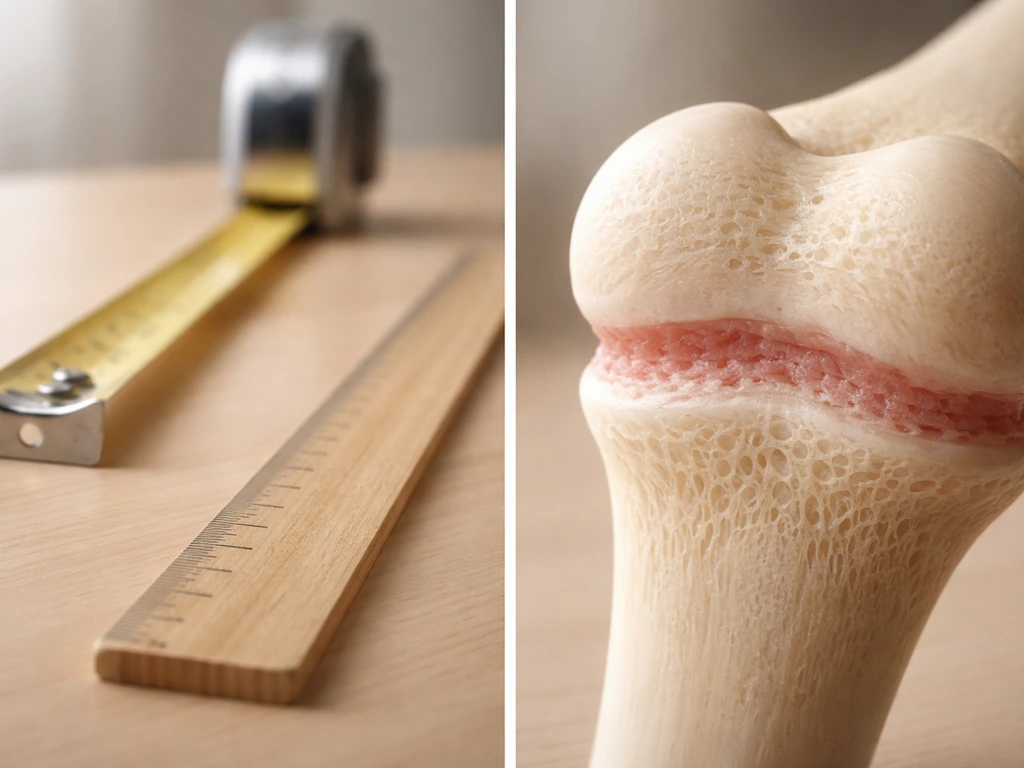
Programs marketed as 'Grow Taller for Idiots' do not increase true bone length in adults, and the stretching routines, supplements, and gadgets they sell have no credible scientific backing. For kids and teens who still have open growth plates, there are real things you can do to support your maximum genetic potential, but none of them are secrets and none of them come in a pill. The honest answer is that about 60 to 80 percent of your final height is determined by genetics, and the rest comes down to whether your body had what it needed during the years it was actually growing.
Grow Taller for Idiots: Does It Work and What to Do Now

Marcus Reeves
24 Jun 2026

Quick verdict: does it work, and why most height hacks fail
No, 'Grow Taller for Idiots' style programs do not work in the way they claim. There is no peer-reviewed evidence that any commercial stretching program, height-increase supplement, or posture gadget sold to the general public produces measurable bone elongation. The reason these products fail is simple: actual height growth requires active epiphyseal growth plates (the cartilage zones near the ends of long bones), sufficient growth hormone and IGF-1, and adequate nutritional building blocks. Once growth plates fuse, typically in the late teens for girls and early-to-mid twenties for boys, bone length is fixed. No amount of hanging, stretching, or supplement-taking changes that biology.
The programs also tend to conflate two completely different things: true skeletal height and apparent height from posture. Improving your posture can recover anywhere from half an inch to two inches of height that poor spinal alignment was robbing you of, but that is not the same as growing. It is the difference between finding money you already had versus earning new money. That distinction is rarely made clear in the marketing.
What actually determines how tall you get
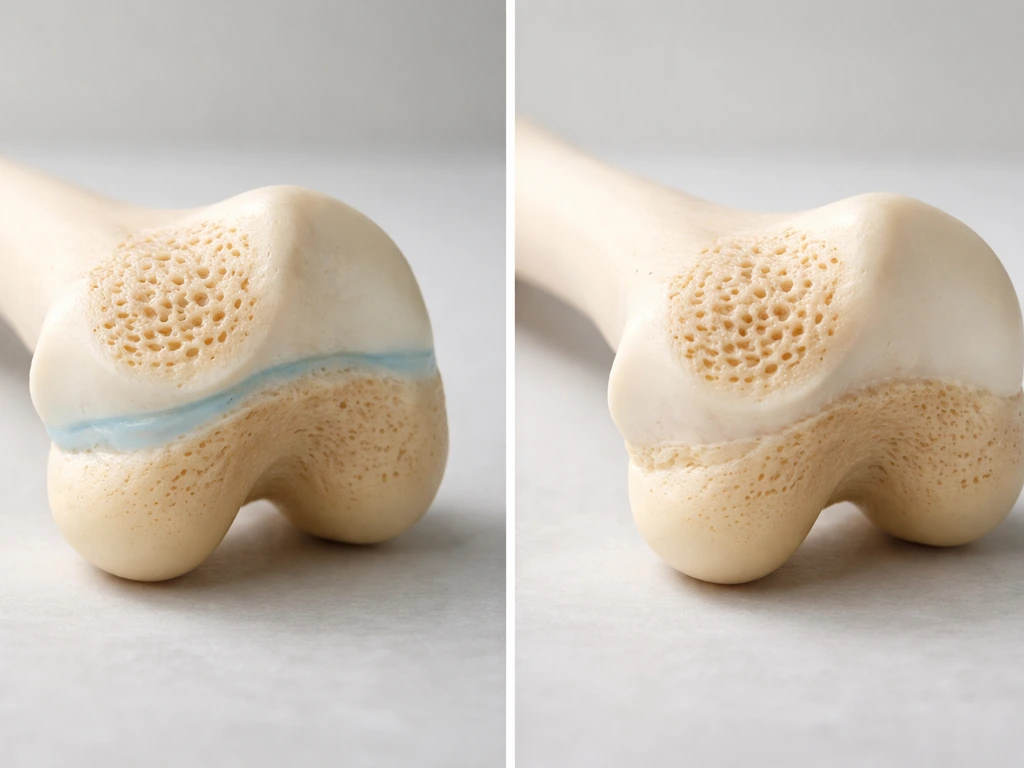
Height is a polygenic trait, meaning hundreds of genes each contribute a small effect. Twin studies consistently show that genetics accounts for roughly 60 to 80 percent of height variation between people in well-nourished populations. Your midparental height (averaging your parents' heights and adjusting by a few centimeters for sex) gives a reasonable prediction of your target range, though individual variation can place you several centimeters above or below that estimate.
The mechanism of growth itself depends on those epiphyseal growth plates. Growth hormone, produced by the pituitary gland, signals the liver to release IGF-1, which stimulates cartilage cell division at the growth plates. Puberty accelerates this process, which is why the adolescent growth spurt happens, but puberty also eventually triggers the fusion of those plates. Once fused, the bones cannot lengthen further regardless of what you take or do. Thyroid hormone, cortisol, insulin, and sex hormones all interact with this system too, which is why chronic illness, severe stress, or hormonal problems during childhood can impair final height.
What you can realistically change if you're still growing (kids and teens)
If you are a child or teenager with open growth plates, the environment you give your body during those years genuinely matters. You are not going to exceed your genetic ceiling, but poor nutrition, inadequate sleep, or untreated illness can push you well below it. Here is what the evidence actually supports.
Nutrition: the most underrated factor

Adequate total calories come first. Chronic undereating suppresses IGF-1 even when growth hormone levels are normal, effectively putting growth on hold. Protein is the structural material for new tissue, with current guidance for growing children and adolescents suggesting roughly 0. 8 to 1.
2 grams per kilogram of body weight daily, with higher amounts during peak pubescent growth. Calcium and vitamin D are essential for bone mineralization. The recommended daily calcium intake for ages 9 to 18 is 1,300 mg, and vitamin D should reach at least 600 IU daily, with many pediatric endocrinologists suggesting 1,000 IU if sun exposure is limited.
Iron deficiency anemia and zinc deficiency are two additional nutritional problems directly linked to stunted growth in the literature, and both are worth screening for if growth seems slow.
Sleep: when actual growth happens
Growth hormone secretion peaks during slow-wave (deep) sleep, particularly in the first few hours of the night. This is not metaphor. Consistently cutting sleep short reduces the total amount of growth hormone released over a 24-hour period. Children aged 6 to 12 need 9 to 12 hours of sleep; teenagers need 8 to 10 hours. Consistent bedtimes and dark, cool sleeping environments improve sleep architecture and support those deep-sleep pulses of growth hormone.
Physical activity: stimulate, don't compress

Weight-bearing activity and moderate resistance exercise stimulate bone remodeling and support overall hormonal health during growth. Activities like basketball, volleyball, swimming, and gymnastics are associated with healthy skeletal development. There is no evidence that moderate strength training stunts growth in children when performed with proper form and age-appropriate loads. Extreme overtraining and severe caloric restriction in young athletes (common in certain competitive sports) can delay puberty and impair growth, but recreational and structured youth strength training does not carry that risk.
What you can actually change as an adult
Once your growth plates have fused, your skeletal height is set. No supplement, program, or hanging bar changes that. What you can change is how much of your existing height you express through posture, and whether any reversible conditions (like spinal compression from dehydrated discs) are making you appear shorter than you are.
Spinal discs are about 80 percent water at their healthiest. During a day of being upright, they compress slightly. This is why most people measure about half an inch shorter in the evening than in the morning. Staying well hydrated and avoiding prolonged static postures helps maintain disc height, but this is a daily fluctuation, not a permanent gain.
If you want a reality check, reading grow taller dynamics reviews can help you compare these posture and decompression claims against what the evidence says about temporary versus permanent height changes. Strengthening the core and posterior chain muscles, practicing consistent spinal alignment, and addressing rounded-shoulder posture (extremely common with desk work) can genuinely recover one to two centimeters of apparent height. That is the realistic ceiling for adults.
For adult men or women who feel their height is causing significant psychological distress or practical limitations, limb-lengthening surgery exists as a legitimate (though invasive, expensive, and recovery-intensive) medical procedure. It is not something to take lightly, but it is the only method with documented evidence for increasing true adult height.
Your practical checklist to start today
Use this based on where you are right now. Be realistic: no checklist produces dramatic changes outside your genetic range, and adults will see changes only in posture and appearance, not bone length.
For kids and teens (still growing)
- Eat enough total calories for your age and activity level. If you are frequently fatigued or losing weight unintentionally, get evaluated.
- Hit your protein target (roughly 0.8 to 1.2 g per kg body weight daily) through whole food sources like eggs, dairy, legumes, meat, or fish.
- Get 1,300 mg of calcium daily from food (dairy, fortified plant milks, leafy greens) and supplement vitamin D to at least 600 to 1,000 IU if sun exposure is inconsistent.
- Sleep 9 to 10 hours on a consistent schedule. Set a regular bedtime, dim lights an hour before, and keep the room cool and dark.
- Be physically active most days. Prioritize weight-bearing sports and activities. Avoid extreme overtraining or caloric restriction for weight-class sports.
- Get a blood test if growth seems stalled. Check for anemia (iron, B12), zinc, thyroid function (TSH, free T4), and celiac antibodies. These are all treatable conditions that impair growth.
- Track your height every 3 to 6 months against expected growth velocity for your age and sex. Consistent deceleration warrants a pediatric endocrinology referral.
For adults (plates fused)
- Stop spending money on supplements, pills, or devices marketed as height increasers. None have clinical evidence for adults.
- Strengthen your posterior chain: deadlifts, rows, face pulls, and glute bridges reduce anterior pelvic tilt and rounded shoulders, which compress apparent height.
- Practice daily posture awareness. A simple cue: imagine a string pulling the crown of your head toward the ceiling. Shoulders back and down, chin neutral.
- Stay well hydrated throughout the day to support spinal disc height.
- Reduce prolonged sitting. If you work at a desk, use a standing desk for part of the day or take a short walk every hour.
- If you have documented scoliosis or significant spinal deformity, see a physiatrist or orthopedic specialist. Correcting structural curvature can recover measurable height.
- Wear footwear with modest heels or height-increasing insoles if appearance matters to you. This is practical and harmless.
Supplements, pills, stretching devices, and miracle products: what the evidence actually says

The supplement market for height increase is enormous and almost entirely unsupported by evidence. Ashwagandha, deer antler velvet, HGH precursor blends, and amino acid 'growth stacks' are routinely sold with testimonials and before-and-after photos but without randomized controlled trial data showing bone elongation in humans with closed growth plates. Vitamin D and calcium supplements are genuinely useful if you are deficient, but they support your existing growth potential, they do not create new growth in adults.
Inversion tables and hanging bars are often sold as decompression tools that 'add inches.' Temporarily decompressing the spine does slightly increase your height for a short time, the same way sleeping does, but the effect reverses within minutes to hours of returning to an upright position. There is no evidence of permanent gains.
Stretching programs specifically designed to 'grow taller' lack clinical trial evidence. Flexibility training and yoga improve posture and spinal mobility, which has real value for apparent height and musculoskeletal health, but the mechanism is postural, not skeletal. Calling that 'growing taller' is technically misleading. The idea that “grow taller dynamics” are real is usually a marketing shortcut that ignores growth plates and the biology of height change.
The only interventions with documented evidence for increasing true height are medical: growth hormone therapy for children with confirmed growth hormone deficiency, treatment of underlying conditions (hypothyroidism, celiac disease, nutritional deficiencies) suppressing growth in developing children, and surgical limb lengthening for adults. These are medical treatments with specific indications, not lifestyle hacks. Growth hormone therapy in children with confirmed deficiency can produce gains of roughly 10 cm in the first year, and for idiopathic short stature, recombinant growth hormone is associated with a mean adult height gain of about 5.2 cm (just over two inches) based on JAMA clinical review data. These are real numbers, but they come from medically supervised treatment in selected patients, not from over-the-counter products.
When to actually see a doctor about growth
Most people reading about height are within the normal range of human variation. But there are situations where a medical evaluation is genuinely warranted, and getting one early can make a meaningful difference for children whose growth is being impaired by a treatable condition.
- A child or teen is consistently tracking below the 3rd percentile on growth charts for their age and sex.
- Growth velocity has clearly slowed or stalled: less than 4 to 5 cm per year during childhood, or less than 6 cm per year during the pubertal growth spurt.
- There is a significant gap between the child's height and what you would predict based on parents' heights.
- Puberty has not started by age 13 in girls or age 14 in boys (constitutional delay vs. hypogonadism distinction matters here).
- There are other symptoms suggesting a systemic problem: chronic fatigue, unexplained weight loss, digestive issues (possible celiac), cold intolerance or slow heart rate (possible hypothyroidism), or frequent illness.
- An adult notices a measurable height loss of more than 1 to 1.5 cm over a short period, which can indicate vertebral compression fractures related to osteoporosis.
A pediatric endocrinologist or your primary care doctor can order a bone age X-ray (left hand and wrist), a full blood panel including thyroid function, celiac antibody screen, IGF-1 levels, and a complete metabolic panel. The Endocrine Society frames this evaluation as distinguishing between short stature from treatable medical causes (endocrine problems, celiac disease, hypothyroidism) versus normal genetic or constitutional variation. That distinction is exactly what guides treatment decisions. If the evaluation finds nothing, that is also useful information: it means you are likely at or near your genetic potential, and no intervention will meaningfully change that.
Programs like 'Grow Taller for Idiots' tend to exploit the uncertainty that people feel when they cannot find a clear explanation for why they are not as tall as they hoped. The science is actually pretty clear: genetics, hormones, growth plates, nutrition, and sleep are the real levers. If you are thinking about the grow taller law of assumption, start by checking whether your growth plates are still open, because that is what determines whether height can increase at all. Address the ones you can control, get medical help if something seems genuinely wrong, and be appropriately skeptical of any product promising results without a clinical trial to back it up.
FAQ
If “Grow Taller for Idiots” doesn’t work for bone growth, can it still help me in any way?
It can if you are a child or teen with open growth plates, but only indirectly. The realistic goal is to support your body’s existing growth mechanisms (sleep, nutrition, managing treatable illness), not to “force” bone elongation with a program or supplement.
How do I know whether a taller look is real growth or just posture or daily compression?
Your posture can change your measured height for practical reasons, but you should track it consistently. Measure in the morning after using the bathroom, before eating or heavy activity, and do not compare against evening measurements when spinal discs compress.
Should I take supplements anyway, like calcium, vitamin D, or “growth stacks,” to grow taller?
Supplements can be helpful only for correcting deficiencies, and the easiest way to know is testing. If you take calcium or vitamin D without knowing your levels, you may waste money, and in rare cases take enough to cause harm.
What’s the best way to find out if my growth plates are still open?
The “opens growth plates” idea matters, and you can’t tell reliably by age alone. A bone age X-ray (hand and wrist) is the practical way to know if growth plates are still active and whether medical evaluation makes sense.
Can exercise or strength training stunt height, and how do I avoid that risk?
Extreme caloric restriction, overtraining, or certain competitive sport patterns can delay puberty and reduce growth rate in some kids. But normal youth sports and age-appropriate training are generally not the problem, the issue is severe energy deficit or recovery that is too poor.
What can adults realistically do if they are past the growth-plate stage?
Adults cannot lengthen bones, but they can sometimes improve apparent height through alignment and strengthening. Core and posterior-chain work, desk-work posture breaks, and addressing rounded shoulders can help, with typical gains being modest (often centimeters, not inches).
Do inversion tables or hanging bars permanently add inches?
Be cautious if a product claims permanent inches from hanging bars, inversion tables, or stretching. Decompression effects are typically temporary, often reversing within minutes to hours when you stand upright again.
When should a parent take a child for a medical workup instead of trying programs?
True medical growth treatment is for specific diagnoses, not general “shortness.” If a child is far below peers or growth velocity is dropping, a pediatric endocrinologist can screen for thyroid issues, celiac disease, growth hormone deficiency, and nutritional problems, which can change the outcome.
How can I spot a height program that is likely scammy or based on weak evidence?
If a program promises results without clinical trials, strong before-and-after controls, or transparent sourcing, treat it as marketing. The strongest red flags are “miracle” adult growth claims, reliance on testimonials only, and vague mechanisms with no measurable outcomes.
Can growth hormone or HGH boosters help adults or kids who are just naturally shorter?
Growth hormone therapy is not appropriate for everyone, it is used under medical supervision for confirmed indications. If you want to pursue treatment, the decision depends on labs and growth pattern, and misuse or OTC “HGH boosters” are not a substitute.
If genetics predicts height, how do I judge whether I am actually below my genetic potential?
To estimate your likely target range, midparental height can provide a rough window, but your personal growth trajectory matters more during childhood. Ask a clinician to compare your growth curve over time to standard percentiles and growth velocity, not just a single height.
What are my options if my height is causing major emotional or practical problems?
If you have significant distress, bullying, or functional limitations, consider professional support, because height concerns can overlap with body image and anxiety. For physical options, limb-lengthening surgery exists but involves substantial risks, so it should be discussed with a qualified orthopedic team after a thorough medical review.
Next Article
Is Grow Taller Dynamics Real? Science vs Myths and Next Steps
Myth vs science on grow taller dynamics: real biology, adult limits, and evidence-based steps for kids and teens.