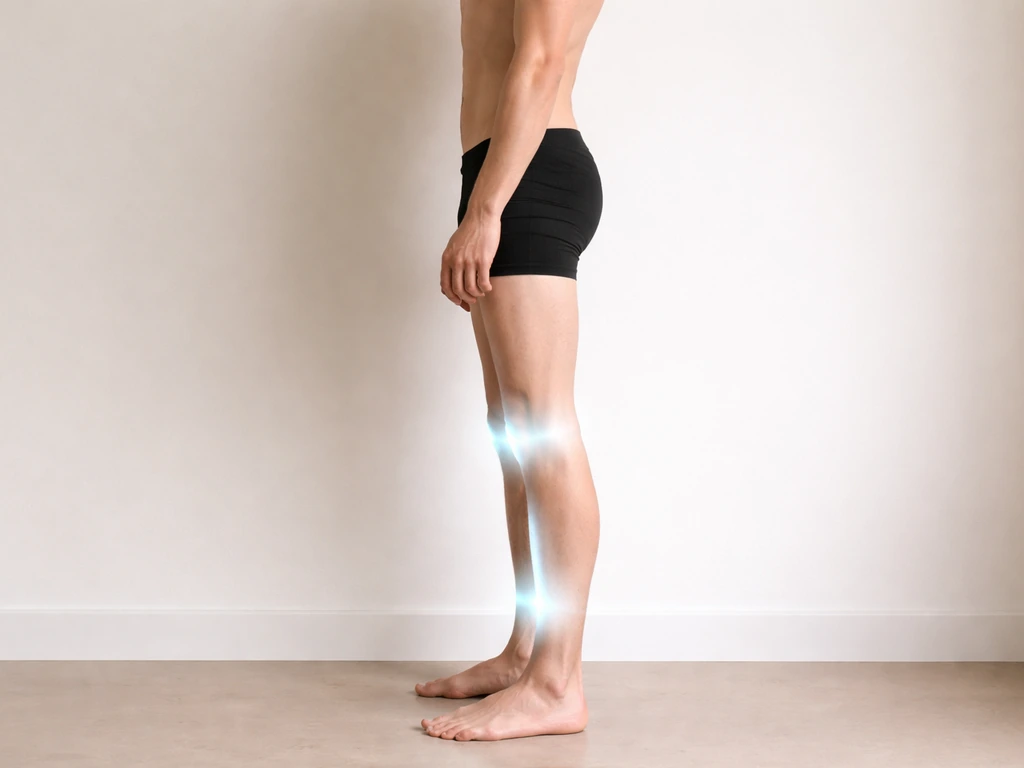
If you feel like you suddenly grew taller, the most likely explanation depends on your age. If you're a teenager, you're probably experiencing a real growth spurt driven by puberty hormones, and "sudden" is actually how normal adolescent growth feels from the inside even though it builds over months. If you're an adult, a true gain in bone length isn't happening, but posture changes, measurement differences, or swelling can absolutely make you measure taller than before. Either way, confirming whether actual height was gained, understanding what's driving it, and knowing what to do next are all things you can sort out fairly quickly.
Why Did I Suddenly Grow Taller? Science, Causes, Next Steps

Marcus Reeves
10 Jun 2026

How to Tell If You Actually Got Taller

Before assuming anything, nail down the measurement. A lot of "I grew overnight" moments come down to inconsistent measuring conditions rather than real bone growth. The gold-standard tool is a stadiometer, the wall-mounted device used in clinics, not a tape measure or a mark on a doorframe. Research has found that roughly 9% of stadiometers in real clinical settings have errors greater than 1.5 cm, which is enough to make you think you grew when you didn't. So if your measurement was done with different tools, at different times of day, or with different posture, that alone can explain the discrepancy.
Timing within the day matters more than most people realize. Your spine compresses under gravity throughout the day, and you can genuinely be about 1 to 1.4 cm taller in the morning than you are by evening. That's because the intervertebral discs in your spine rehydrate and expand overnight when you're lying down. So if you measured yourself after waking up and previously measured yourself after a long day on your feet, that alone could create a "height gain" of over a centimeter. Always measure at the same time of day, ideally in the morning, standing straight in bare feet against a flat wall, with your eyes level and your heels together.
To confirm real growth, you need at least two measurements taken under the same conditions several months apart. Clinicians typically track height velocity over four-month intervals to get a reliable picture of whether someone is truly growing and at what rate. A single measurement comparison between this morning and six months ago using different methods tells you almost nothing useful.
The Usual Suspects: Posture, Measurement Error, and Swelling
Even when the measurement is done correctly, several non-growth factors can make you appear or measure taller without any actual increase in bone length. These are worth understanding before jumping to conclusions.
- Posture improvement: If you've been strength training, doing yoga, or simply sitting less, your spine may be sitting more upright. Poor posture compresses height; correcting it recovers it. This is real measured height, but it's not new bone.
- Body composition changes: Losing abdominal fat or reducing bloating can make you stand straighter and appear taller without any skeletal change.
- Swelling or temporary factors: Edema, illness recovery, or inflammation can briefly affect how you stand and how you measure.
- Footwear and surface differences: Measuring on carpet versus hard floor, or forgetting you had slightly thicker socks last time, adds up fast.
- Different measurers or technique: Having someone else measure you, or changing how your head is positioned (the Frankfort plane matters), introduces real variability.
It's also worth noting that correcting significant spinal deformity through surgery has been shown to produce mean height gains of around 7. In a study of adult spinal deformity correction, patients showed a full-body mean height gain of about 7.6 cm after surgery (mean height gain following correction of adult spinal deformity, JBJS) blank" rel="noopener noreferrer">mean height gains of around 7.6 cm in adults. 6 cm in adults, illustrating just how much posture and spinal alignment contribute to measured height even in extreme cases. You don't need surgery to see a smaller version of this effect from better posture habits.
If You're a Teenager: Growth Spurts Are Exactly This Unpredictable
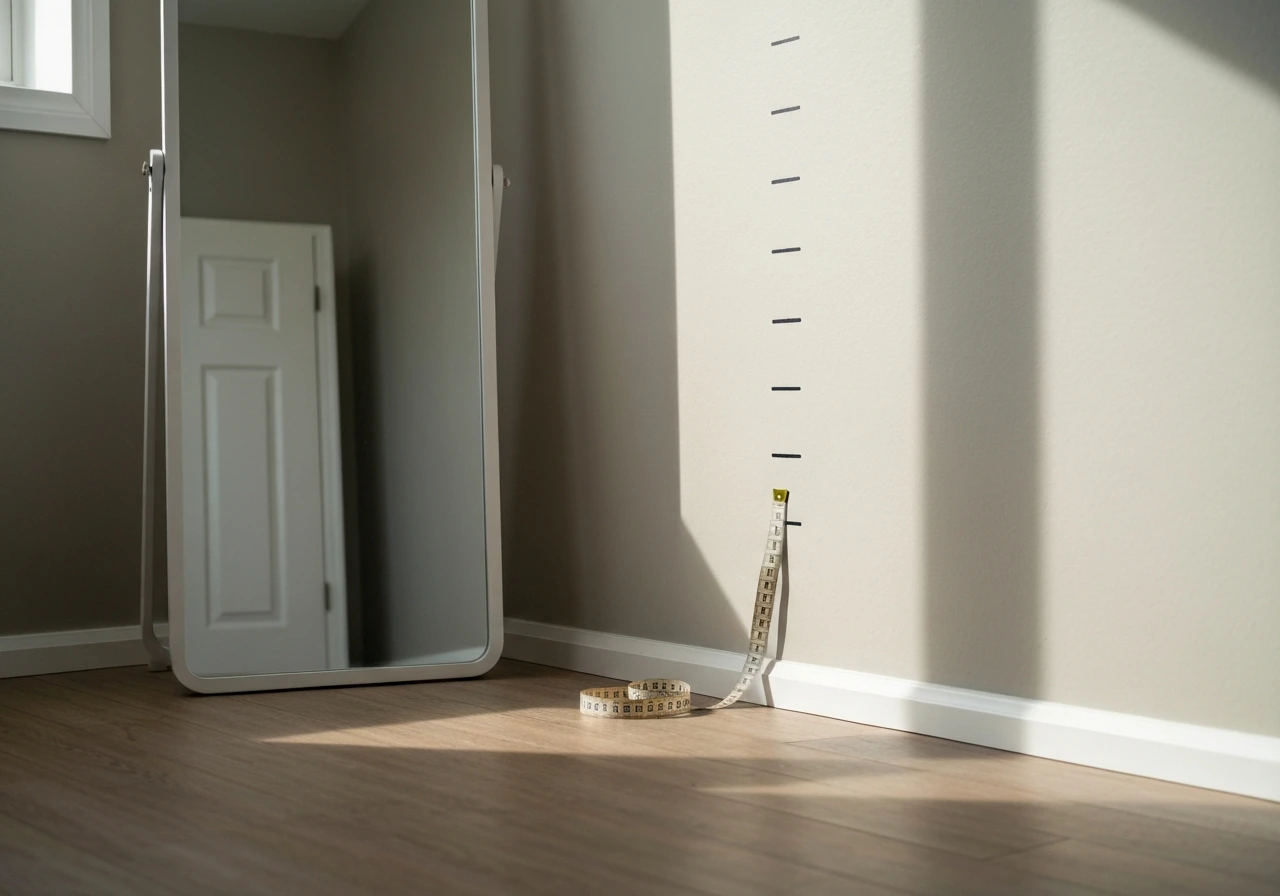
For adolescents, sudden-feeling height changes are completely normal and well-documented. Puberty triggers a surge in growth hormone and sex steroids (primarily estrogen and testosterone) that dramatically accelerates how fast your long bones grow. The peak growth velocity in boys averages around 9 to 10 cm per year, typically hitting between ages 13 and 14, with the overall spurt running roughly from ages 12 to 16. Girls tend to peak earlier, at around 8 cm per year, usually in the period around and just after the onset of menstruation. Boys, on average, peak about two years later than girls.
In the single year of peak growth velocity, boys can gain more than 10 cm. That is legitimately fast, and it's why it feels sudden. You're not imagining it. The growth happens in the long bones of your legs and spine, and clothes and shoes stop fitting before you even consciously register the change. The spurt isn't perfectly linear either. It can feel like nothing is happening for a few months and then a shirt that fit fine in September suddenly looks short by January.
There's an important biology note here: the same sex hormones that drive the growth spurt also gradually close the growth plates (epiphyseal plates) at the ends of your long bones. This process of epiphyseal closure marks the end of height growth. Once the plates are fused, bone length cannot increase further, regardless of nutrition, exercise, or anything else. This usually completes by the late teens for girls and by the early-to-mid twenties for boys, though timing varies.
Less Common Medical Reasons for Rapid Height Change
Most of the time, a sudden perceived height gain is either a measurement artifact or a normal growth spurt. But there are medical scenarios worth knowing about, particularly if the growth is unusually fast, happening outside expected age windows, or accompanied by other symptoms.
Precocious Puberty
Puberty is considered precocious (early) when it begins before age 8 in girls and before age 9 in boys. Early puberty can cause rapid height growth ahead of schedule. The catch is that it also accelerates growth plate closure, often resulting in a shorter final adult height despite the early height advantage. If a younger child is suddenly growing fast and showing other signs of puberty (body hair, breast development, changes in body odor), that warrants a pediatrician visit. A bone age x-ray of the left hand and wrist is one of the first tools used to assess how far skeletal maturation has progressed.
Growth Hormone Excess
Excess growth hormone, often from a pituitary tumor, can cause abnormally rapid growth in children (gigantism) or abnormal changes in adults (acromegaly). Pituitary tumors can press on surrounding brain structures and cause headaches, vision changes including loss of peripheral vision, and double vision. If rapid height gain is accompanied by persistent headaches, vision disturbances, or unusual enlargement of hands, feet, or facial features, that combination needs medical evaluation quickly, not just monitoring.
Thyroid and Other Endocrine Issues
Thyroid disorders and other endocrine conditions can affect growth rate and timing. Referral guidelines for growth concerns flag signs of hyperthyroidism, dysmorphic features, and delayed or precocious puberty as red flags warranting specialist evaluation. These aren't common, but they're real, and a clinician can usually rule them out with a relatively straightforward blood panel.
What You Can Actually Do to Support Your Growth Right Now
If you're still in an active growth phase, the most impactful things you can do are not supplements or stretching routines. They're the basics, done consistently. Here's what the evidence actually supports.
Sleep: Non-Negotiable for Growing Teenagers

Growth hormone is secreted primarily during deep sleep. Teenagers aged 13 to 18 need 8 to 10 hours of sleep per night, according to the American Academy of Sleep Medicine consensus backed by the American Academy of Pediatrics. Chronically shortchanging sleep doesn't just make you tired. It actively limits the hormonal environment that supports growth. Getting consistent, quality sleep is one of the highest-leverage things an adolescent can do.
Nutrition: Fuel the Growth Plates
Malnutrition is a leading cause of stunted growth globally, and chronic energy or protein deficiency can suppress growth by interfering with growth-relevant hormonal pathways. For adolescents in a growth spurt, protein and total calorie intake genuinely matter. For bone specifically, calcium and vitamin D are the key players. The NIH recommends 600 to 800 IU of vitamin D per day for adolescents and adults, and calcium recommendations for children aged 4 to 8 run around 1,000 mg per day, going higher through the teen years. Many people fall short of vitamin D needs in particular. Dairy, fortified foods, and modest sun exposure help, but a basic blood test can confirm whether you're deficient.
Exercise: Move, But Don't Overdo It
Weight-bearing physical activity supports bone density and healthy development. But there's an important caveat for adolescent athletes: intensive training combined with insufficient calorie intake is associated with delayed maturation and restricted growth. The female athlete triad literature specifically links low energy availability to hormonal disruption that impairs growth. If you're a young athlete doing heavy training, make sure your calorie intake matches your output. Under-eating while over-training is a real growth risk.
What Genetics and Age Actually Determine
Here's where realistic expectations matter. Your genetic height potential is the ceiling, not a suggestion. Your parents' heights help estimate your ceiling, which is closely related to can i grow tall with short parents Your genetic height potential is the ceiling. A commonly used clinical estimate is mid-parental height: for boys, add the father's and mother's heights in centimeters, add 13, then divide by 2. For girls, add the parents' heights, subtract 13, then divide by 2. About 95% of children will end up within roughly 10 cm (about 4 inches) of that calculated number. Environment and nutrition can move you within that range, but they're unlikely to push you meaningfully beyond it.
Age and growth plate status set a hard biological limit. Once the epiphyseal plates close, bone length is fixed. This is why adults don't grow taller from nutrition or exercise, no matter what supplements claim. If you're in your mid-to-late teens and your growth has slowed significantly, a bone age x-ray can show whether your plates are approaching or have already reached closure. That test gives a much clearer answer than guessing based on how tall your parents are.
For those wondering whether it's still possible to grow, or how much potential remains, bone age relative to chronological age is the most informative single data point a clinician can check. A bone age younger than chronological age suggests more growth potential remains. A bone age at or beyond chronological age means the window is closing or closed.
When to Worry and What to Track
Most sudden-feeling height changes are benign, but some situations warrant a conversation with a doctor sooner rather than later. Here's a practical framework.
Symptoms That Should Prompt a Doctor Visit
- Rapid growth before age 8 in girls or age 9 in boys (possible precocious puberty)
- Persistent headaches alongside rapid growth
- Vision changes: blurry vision, loss of peripheral vision, or double vision
- Unusual enlargement of hands, feet, or facial features in anyone who has stopped growing
- Growth that seems extremely fast even for a teenager (well above 10 cm/year)
- Fatigue, heat intolerance, rapid heart rate, or weight loss alongside fast growth (thyroid red flags)
What to Track Over Time

If you want to monitor growth properly at home, measure height at the same time of day (morning is best), using the same method, every three to four months. Note the date and measurement each time. This is exactly what clinicians do to calculate growth velocity. A record of measurements over six to twelve months is far more useful to a doctor than a single data point or your memory of how tall you were.
What a Clinician Will Likely Check
If you bring a growth concern to a doctor, here's what a typical workup might include, so you know what to expect and what questions to ask.
| Assessment | What It Tells the Clinician |
|---|---|
| Growth velocity review (measured height over time) | Whether the rate of growth is within normal range for age and sex |
| Bone age x-ray (left hand and wrist) | Skeletal maturity versus chronological age; how much growth potential remains |
| Pubertal staging exam | Whether puberty timing matches expected norms |
| Blood panel: thyroid function (TSH, T4) | Rules out hyperthyroidism or hypothyroidism affecting growth |
| IGF-1 and growth hormone axis testing | Screens for GH excess or deficiency |
| Family history and mid-parental height calculation | Establishes genetic height target and context |
| Nutritional history | Identifies energy or nutrient deficiencies that could impair growth |
The bottom line: if you feel like you suddenly grew taller and you're a teenager, you're almost certainly just experiencing exactly what adolescent growth is supposed to feel like. Confirm the measurement properly, support the process with sleep, food, and reasonable activity, and understand that genetics sets the range your body is working toward.
Endotext (NCBI Bookshelf) notes that evaluation of growth disorders uses the GH-IGF axis and that workups consider age and pubertal stage because timing of onset varies [GH-IGF axis and consider age and pubertal stage](https://www. ncbi. nlm. nih.
gov/sites/books/n/endotext/growth-growth-dsrdr/). If you are wondering can you make yourself grow, the most reliable approach is to focus on the things that support normal growth while your growth plates are still open. If you're an adult, the change is almost certainly posture, measurement, or a temporary factor, and that's worth understanding clearly too.
And if anything about the change feels off, like it's happening very fast, very early, or alongside other symptoms, those are exactly the circumstances where a clinician can give you real answers quickly.
FAQ
If I measured my height today and it’s higher, does that automatically mean I grew real bone length?
Not automatically. True height gain requires consistent conditions, and day-to-day spinal compression and posture can easily shift results by more than 1 cm. Take repeat measures at the same time of day (morning is best) using the same method and bare feet, then compare to a similar measurement taken months earlier.
How many centimeters of “sudden” change is likely just normal daily variation?
Morning-evening swings commonly reach about 1 to 1.4 cm due to spinal disc rehydration overnight. If your change is within that range and you measured at different times or after standing all day, it may not reflect actual growth.
What’s the correct way to measure my height so it’s accurate enough to track growth velocity?
Stand barefoot against a flat wall, heels together, back and head upright, eyes level, and keep the measuring device perpendicular to the floor. Avoid measuring over hair, thick socks, or after a workout, and use the same tool each time to minimize systematic error.
Can I use a tape measure at home, and if so, how do I reduce error?
You can, but expect more variation than a stadiometer. To reduce error, measure from a consistent fixed point on the wall, use a second person to help keep your head level, and repeat the measurement twice, using the average. Still, for growth tracking, stadiometer-like consistency matters most.
Should I worry if I grew taller quickly but my shoe size stayed the same?
It can still be consistent with a growth spurt. Height increases can occur even if foot changes lag, and fit changes depend on how shoes are laced and how tight the current pair already is. For athletes or active teens, monitor overall height with periodic measurements rather than relying on shoe fit alone.
Can posture make me seem taller, and how can I tell if posture is the main reason?
Yes. If your height difference is larger after certain activities (like long days slouching) or smaller when you intentionally stand tall, posture is likely contributing. A quick clue is that the height gap changes noticeably across the day and improves when you brace your core and align shoulders over hips.
Are stretching routines or “grow taller” exercises likely to increase my real height?
They usually do not lengthen bone once the growth plates are near closure. Many routines work indirectly by temporarily improving posture, joint mobility, or how you stand, which can change measured height. If you want real growth, the main drivers are still sleep, adequate calories, and the biological timing of growth plates.
If I’m a teen and my growth slowed, does that mean I’m done growing?
Not necessarily. Growth is not perfectly linear, and growth velocity can dip for months even during an active adolescent spurt. The most informative approach is repeated measurements every 3 to 4 months and, if needed, a bone age x-ray to assess where your plates are in the timeline.
What symptoms mean I should get medical evaluation instead of assuming it’s a normal growth spurt?
Seek evaluation sooner if puberty signs started unusually early, growth is unusually fast for your age, or there are red-flag symptoms like persistent severe headaches, vision changes (including loss of peripheral vision), double vision, or unusual enlargement of hands, feet, or facial features.
How do doctors determine whether my growth plates are still open?
They commonly use a bone age x-ray (often of the left hand and wrist) and compare skeletal maturity to your chronological age. A bone age younger than your actual age suggests remaining growth potential, while bone age at or beyond your actual age suggests the window is closing or closed.
If my parents are short, is my height potential definitely low?
It’s a strong indicator, but not a guaranteed limit. Your parents’ heights help estimate a range, and individual variation exists. The practical takeaway is that focusing on normal growth support (sleep, adequate intake, sensible activity) is the best lever while your growth plates are open.
Can supplements make an adult taller?
In most cases, no. Once growth plates close, bone length cannot increase from nutrition, exercise, or supplements. Supplements may help only if they correct a deficiency (for example, vitamin D), but they typically will not cause true height gain in an adult.
I think I might have a vitamin D deficiency. Should I take supplements anyway?
If you suspect deficiency, it’s often better to confirm with a blood test before high-dose supplementation. Correcting a deficiency supports bone health, but unnecessary high doses can cause problems. Discuss dosing with a clinician, especially if you have kidney disease or are on other medications.
Next Article
What Amino Acids Make You Grow Taller
Know which amino acids support growth via protein and IGF-1, why they can’t extend height after closure, and practical t