
If your growth plates are still open (meaning you're a child or teenager who hasn't finished puberty), you can meaningfully support your growth through nutrition, sleep, and staying healthy. If your growth plates have already closed, which happens in the late teens for most people, your bone length is set and no supplement, exercise, or product will change that. What you can improve as an adult is posture and the way you carry yourself, which can affect how tall you appear, but that's different from actually growing taller.
Can You Make Yourself Grow in Height? What Works and What Doesn’t

Marcus Reeves
7 Jul 2026

What people mean when they say 'make yourself grow'
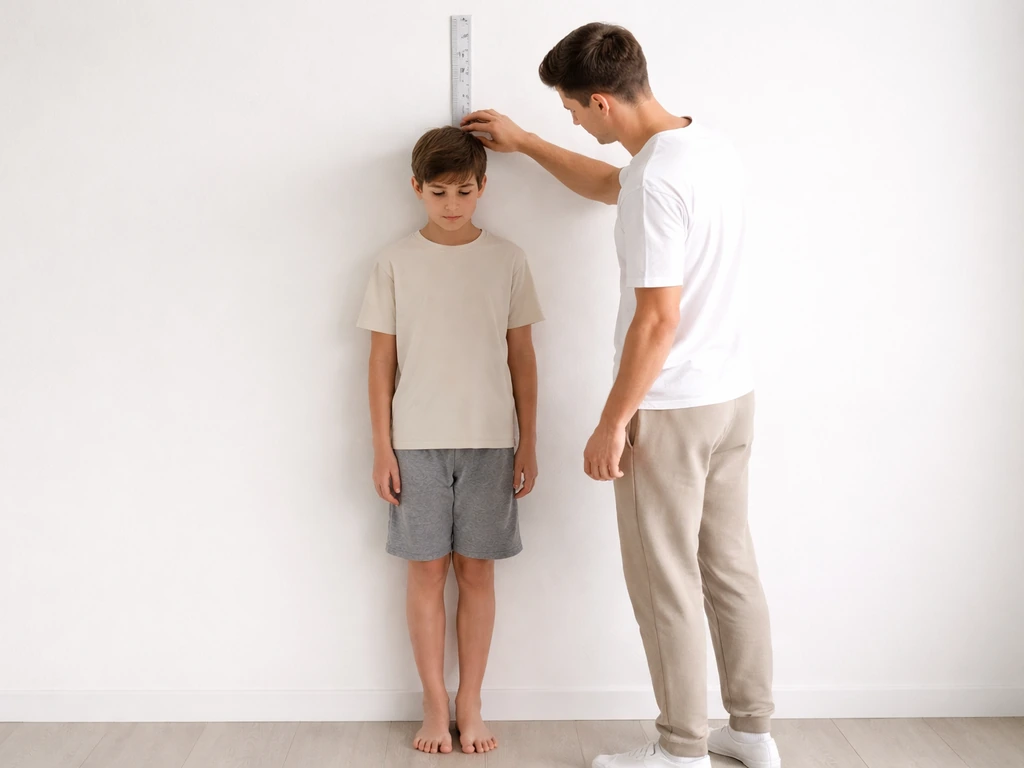
The phrase covers a few different things depending on who's asking. A 13-year-old wondering if they'll end up short like their parents means something very different from a 25-year-old who wants to add two inches before a job interview. In the context of height, 'making yourself grow' usually refers to one of three ideas: maximizing the height you reach during natural development, recovering lost or stunted growth due to poor health or nutrition, or (the most wishful version) adding height after growth has already stopped. The first two are real and worth talking about. The third, for the vast majority of people, is not biologically possible through lifestyle changes alone.
It's also worth separating height from other types of physical growth. Muscle mass, cardiovascular fitness, and bone density can all be improved at virtually any age. But linear height, meaning the length of your bones from head to toe, is governed by a specific biological window that closes in the late teens. This article focuses on that window and what happens on either side of it.
How height growth actually works
Your height comes almost entirely from the length of your long bones: your femur (thigh), tibia (shin), spine, and the bones of your upper body. Those bones don't grow from the outside in like a tree trunk. They grow from specialized cartilage zones near the ends of each bone called epiphyseal plates, or growth plates. As long as those plates remain active, the bone can lengthen. Once they fuse and become the epiphyseal line, growth stops permanently in that bone.
The timing of all this is driven primarily by hormones, especially growth hormone (GH) and insulin-like growth factor 1 (IGF-1), along with the sex hormones estrogen and testosterone that surge during puberty. Puberty triggers a growth spurt, often 2 to 3 inches per year at peak velocity, and then paradoxically causes the growth plates to close. Estrogen, even in males (who convert some testosterone to estrogen), is the primary signal that tells the growth plates to fuse. This is why growth spurts are self-limiting: the same hormonal wave that makes you shoot up eventually ends your growth.
Growth velocity, meaning how fast you're growing at a given point in time, is the number clinicians track most closely. A single height measurement tells you where someone is; serial measurements over months tell you whether the growth process is on track. Pediatric endocrinologists and family physicians use tools like CDC growth charts to compare a child's growth rate against population norms, looking for deceleration or acceleration that might signal an underlying issue.
Can adults actually increase their height after growth plates close?
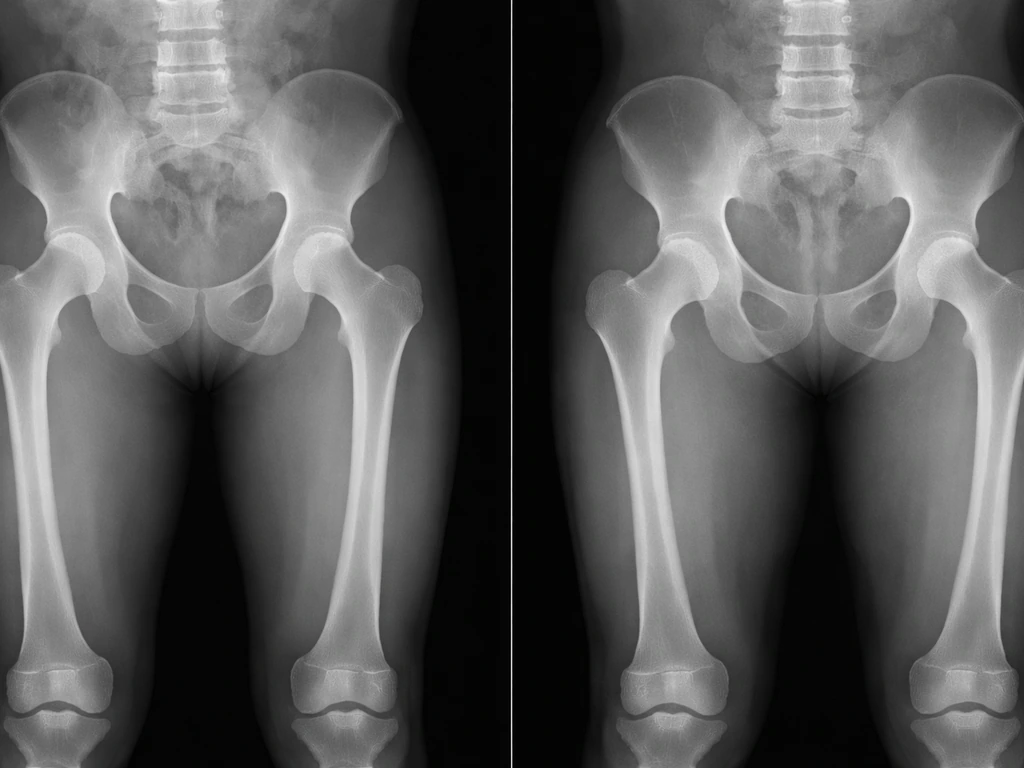
For most adults, the honest answer is no, not through any natural method. Growth plate fusion typically completes by ages 16 to 18 in females and 18 to 21 in males, though there's individual variation. Once fusion is confirmed, the cartilage that allowed bone elongation no longer exists. You can't regrow it with supplements, stretching routines, or inversion tables.
There are two partial exceptions worth knowing about. First, posture. Many adults walk around with compressed spinal discs, slouched thoracic spines, and forward head position that can shave off half an inch to a full inch of apparent height. Consistent work on posture, core strength, and thoracic mobility can recover some of that, and it genuinely changes how tall you stand and appear. This is real and worthwhile, but it's not the same as growing. If you are wondering, "why did i suddenly grow taller," it is often explained by posture changes and how you appear rather than true new bone length. Second, surgical limb lengthening exists as a medical procedure, but it's invasive, expensive, painful, and reserved primarily for people with significant limb length discrepancies or certain medical conditions. It is not a practical lifestyle option.
If you're an adult concerned about height, the most practical focus is optimizing posture, maintaining spinal health through exercise and sleep position, and accepting that genetics and your developmental years set the floor. That's not a defeat; it's just how bone biology works.
How teens can maximize their growth potential
For teenagers, the situation is genuinely different. Your growth plates are open, your hormones are active, and your daily habits have a measurable effect on whether you reach your full genetic potential. The key word is 'potential.' These strategies don't override genetics or add height beyond what your biology allows. What they do is ensure you're not leaving any of your genetic height potential on the table.
The biggest factors that can suppress growth in teenagers are undernutrition (not eating enough total calories or protein), chronic sleep deprivation, and untreated medical conditions. Eliminating those suppressors is the most powerful thing a teenager can do to support their growth. Beyond that, specific habits stack in your favor.
- Eat enough total calories to support both your daily energy needs and your growth demand, which is elevated during puberty
- Hit protein targets consistently, since bone matrix and cartilage are protein-dependent structures
- Prioritize sleep, especially the early hours of the night when growth hormone secretion peaks
- Stay physically active with a mix of load-bearing activity and cardiovascular exercise
- Address any chronic illness, digestive issue, or nutritional deficiency early, since these are among the most common suppressors of growth velocity in teens
Nutrition, sleep, and exercise: what the evidence actually says
Nutrition

Adequate nutrition is the single most modifiable factor in growth. Protein is essential for building the collagen matrix in bones and for IGF-1 production. Most guidelines suggest 0.8 to 1.0 grams of protein per kilogram of body weight daily for adolescents, with some sports nutrition guidance going higher during active growth phases. Calcium (around 1,300 mg per day during peak adolescent growth) and vitamin D (which is needed for calcium absorption) are the most critical micronutrients for bone development. Zinc deficiency is also a documented cause of growth suppression, and iron is important for overall metabolic health during development. The practical message: eat a varied, calorie-sufficient diet with good protein sources, dairy or calcium-fortified alternatives, and reasonable sun exposure or supplemental vitamin D.
Sleep
Growth hormone is secreted in pulses, and the largest pulse happens within the first few hours of deep sleep, usually between 10 PM and 2 AM for most people sleeping on a normal schedule. Teenagers need 8 to 10 hours of sleep per night by most health authority recommendations. Chronic short sleep doesn't just leave you tired; it directly reduces the total amount of growth hormone your body secretes overnight. This is one of the clearest mechanistic links between a daily habit and growth rate. Getting to bed before midnight consistently is probably more valuable than most supplements on the market.
Exercise
Load-bearing exercise, meaning anything that puts weight through your skeleton like walking, running, jumping, and resistance training, stimulates bone remodeling and density. There is no solid evidence that any specific exercise makes you taller than your genetics allow, but physical activity in general supports the hormonal environment that favors growth (higher baseline GH and IGF-1 levels). The one caution: very heavy compressive loading on the spine before growth plates close may not be advisable in extreme doses, which is why pediatric sports medicine professionals sometimes advise moderation in heavy barbell squats and deadlifts for young adolescents. Normal sports, running, swimming, and bodyweight training are all fine and beneficial.
Genetics and realistic expectations
Genetics accounts for roughly 60 to 80 percent of height variation between individuals, according to large twin and population studies. The rest is environment, with nutrition being the dominant environmental factor. A widely used rough estimate for adult height is the mid-parental height formula: for males, add the mother's height and father's height in inches, add 5 inches, then divide by 2. For females, use the same total but subtract 5 inches before dividing. This gives a midpoint estimate with a range of plus or minus about 4 inches (roughly 10 cm) in either direction.
Predicting exactly where you'll land within that range is genuinely difficult. Bone age X-rays, which assess how mature the growth plates appear relative to chronological age, give the most reliable clinical prediction when interpreted by a specialist. But outside of a clinical setting, the most honest thing anyone can say is: your genetics set a realistic range, and your lifestyle determines whether you reach the high end of it.
Some teenagers wonder whether having short parents means they'll be short too. Parent height is the single strongest predictor of a child's adult height, but the relationship has spread. Having two short parents does increase the probability of being shorter, but it doesn't guarantee it, and there are well-documented cases of children significantly outgrowing both parents, particularly when those parents themselves had limited access to good nutrition during childhood.
Products, pills, and myths that won't make you taller
The supplement industry has a long history of targeting people worried about height, particularly teenagers and their parents. Here's what the evidence actually says about the most common claims.
| Claim | What the evidence says |
|---|---|
| 'Height growth pills' or 'height boosters' | No supplement can reopen closed growth plates or override genetically determined height potential. Most products contain generic vitamins and minerals already covered by a decent diet. |
| HGH (human growth hormone) injections for normal-height individuals | HGH therapy does increase height in children with diagnosed GH deficiency or certain medical conditions. In children with normal GH levels, benefits are minimal. Not appropriate or legal for cosmetic use. |
| Stretching or yoga to grow taller | Stretching improves posture and flexibility, which can recover compressed spinal height and improve appearance of height. It does not lengthen bones. |
| Inversion tables | No evidence of bone elongation. Temporary spinal decompression may occur but reverses quickly. Not a growth tool. |
| Hanging exercises | Same as inversion: spinal decompression is temporary. Will not change bone length. |
| 'Posture correctors' sold as height increasing | Posture improvement is real and valuable, but the mechanism is decompression and alignment, not bone growth. Results are modest, typically under an inch. |
| Ashwagandha, deer antler velvet, collagen peptides for height | No credible clinical evidence that any of these increase height in individuals with normal growth function. |
The pattern with most of these products is that they either do something real (like improve posture or cover a micronutrient deficiency) but greatly oversell the height impact, or they do essentially nothing measurable at all. If a product promises to 'activate growth plates' in an adult, that claim has no biological basis and should be ignored.
Your practical next steps, based on where you are right now
If you're a teenager still growing
- Audit your sleep first. Are you consistently getting 8 to 10 hours, ideally starting before midnight? If not, that's your highest-leverage change.
- Check your diet for adequacy, not perfection. Are you eating enough total food? Good protein sources at most meals? Dairy or a calcium alternative daily? If you're restricting calories heavily for any reason, address that.
- Get vitamin D levels checked if you live in a low-sun climate or have limited outdoor time. Deficiency is common and easy to correct.
- Stay active in sports or exercise you enjoy. You don't need a special routine. Consistent physical activity supports the hormonal environment for growth.
- If you've noticed your growth seems to have stalled or slowed significantly, or if puberty seems very delayed compared to peers, talk to your doctor. A growth velocity concern is worth a clinical evaluation, not a supplement.
If you're an adult whose growth has stopped
- Focus on posture as the most realistic way to improve how tall you stand. Core strengthening, thoracic spine mobility work, and addressing forward head posture are practical and beneficial.
- Maintain bone density through weight-bearing exercise and adequate calcium and vitamin D intake. This matters for long-term skeletal health even if it won't add height.
- Skip the height supplements. Save the money and the wishful thinking.
- If you have a genuine medical concern about your height (such as a significant limb length discrepancy or a condition affecting the spine), consult an orthopedic specialist or endocrinologist rather than self-treating.
When to see a doctor
Most people asking whether they can make themselves grow are healthy individuals with normal growth patterns. But a few signs are worth a clinical conversation. If a child or teenager is growing at a rate that falls below expected growth velocity for their age, if puberty is significantly delayed (no signs by age 14 in boys or 13 in girls), if there's been a noticeable plateau in height for six months or more, or if there are other symptoms like fatigue, poor appetite, or frequent illness alongside slow growth, those are reasons to see a pediatrician or pediatric endocrinologist. The goal of that evaluation isn't to 'make you grow' artificially; it's to blank" rel="noopener noreferrer">determine whether a treatable medical condition is suppressing what should be normal growth. That's a meaningful distinction and often a reassuring process.
FAQ
Can stretching, hanging, or an inversion table make me grow taller?
Not reliably. If growth plates are already fused, stretching and “decompression” can change how you stand during the moment, but it cannot lengthen long bones. If you are still a teen, stretching can help posture and mobility, which may improve your measured height, but it should be viewed as supportive rather than a growth driver.
Does sleep time or bedtime matter for height growth?
Possibly, if you are a teenager and your current sleep is limiting growth hormone pulses. The most helpful target is getting 8 to 10 hours nightly and keeping a consistent bedtime, especially so you get deep sleep in the early part of the night (often before 2 AM). If you are an adult, the effect is mainly posture and spinal health, not bone lengthening.
What if I’m eating well but still not growing much, could it be my diet?
If you are still growing, a calorie deficit can suppress growth, even if you think you eat “healthy.” The practical check is whether weight, energy, and appetite are stable and whether your growth rate is tracking on standard charts. If height is lagging, a pediatrician may screen for undernutrition, anemia, thyroid issues, celiac disease, or other conditions that can reduce appetite or nutrient absorption.
Can iron deficiency stop growth, and should I take iron?
Yes, but usually indirectly. In adolescence, too little iron can contribute to fatigue and reduced training capacity, and it can coexist with low overall intake, which then affects growth. If you suspect deficiency (heavy periods, poor diet, frequent fatigue), it is better to test first rather than megadose supplements.
Is heavy lifting (squats, deadlifts) bad for height growth in teens?
In most cases, sports do not “make you taller” beyond genetics, but certain patterns can help or hurt. Normal running, swimming, and resistance training are fine. The caution is extreme, repetitive spinal compression or aggressive training while still in peak growth, especially with poor technique. If you do heavy lifts, prioritize form, gradually increase loads, and consider guidance from a youth sports professional.
Do height supplements or “growth pills” work for teenagers?
They can be helpful if they correct a specific deficiency, but they rarely increase height when you already have adequate intake. Random supplement stacks marketed for height are common oversells, especially for claims like “activating growth plates.” A practical approach is to check diet for protein, calcium, and vitamin D first, then discuss targeted testing with a clinician if growth is slow.
How do I know whether my height progress is normal?
A single height measurement can be misleading. Clinicians look at growth velocity over months and compare it to peers using growth charts. If you measure yourself at different times of day, you can see natural variation (often more in the morning than evening). For tracking, measure at similar times and conditions, and share the trend with your pediatrician if it suddenly slows.
If I’m an adult and I got shorter, can I grow back?
Yes, often it is “loss of height” from posture, spinal disc changes, or normal daily compression, not true bone shortening from regrowing. Adults can regain some apparent height through posture and thoracic mobility, but if you have rapid change, back pain, or a notable curve, it is worth getting evaluated to rule out issues like scoliosis progression or other causes of decreased stature.
How accurate is the mid-parental height formula for predicting my final height?
A mid-parental estimate is a midpoint, not a destiny. Two children with the same parents can land at different points depending on nutrition, sleep, illness, and timing of puberty. The most useful next step is to look at your growth chart and puberty stage. If there is concern, a bone age X-ray can clarify remaining growth potential.
If puberty is late, does that mean I can still grow more?
Yes, delayed puberty can change the timeline, and that can shift when growth ends. If puberty starts later than expected, it is possible to have more time left for growth than peers, but it depends on the individual. If there are no signs of puberty by the commonly used age cutoffs, or growth has plateaued, consult a pediatrician or pediatric endocrinologist for assessment.
What should be my practical next step if I’m worried about my height?
For a teen, the goal is to identify suppressors, then support the basics consistently. Prioritize protein adequacy, calcium plus vitamin D, enough total calories, and consistent sleep. If height is concerning, the “next step” is not more supplements, it is clinician evaluation focused on growth velocity and possible medical contributors.
Next Article
Can You Suddenly Grow Taller? Real Causes and What Helps
Can you suddenly grow taller? Real causes, adult vs teen limits, and practical steps to assess and support height