
Yes, most teenagers can still grow taller, but how much depends on where they are in puberty, their biological sex, and whether their growth plates are still open. A 13-year-old boy in early puberty likely has several inches ahead of him. A 17-year-old girl who had her first period four years ago is probably done or very close to it. The honest answer is: puberty stage matters far more than calendar age, and a simple tracking method plus a few targeted habits can tell you a lot about where you stand.
Can a Teenager Grow Taller? Growth, Timing, and Next Steps

Marcus Reeves
19 Jun 2026

How height growth actually works in teenagers
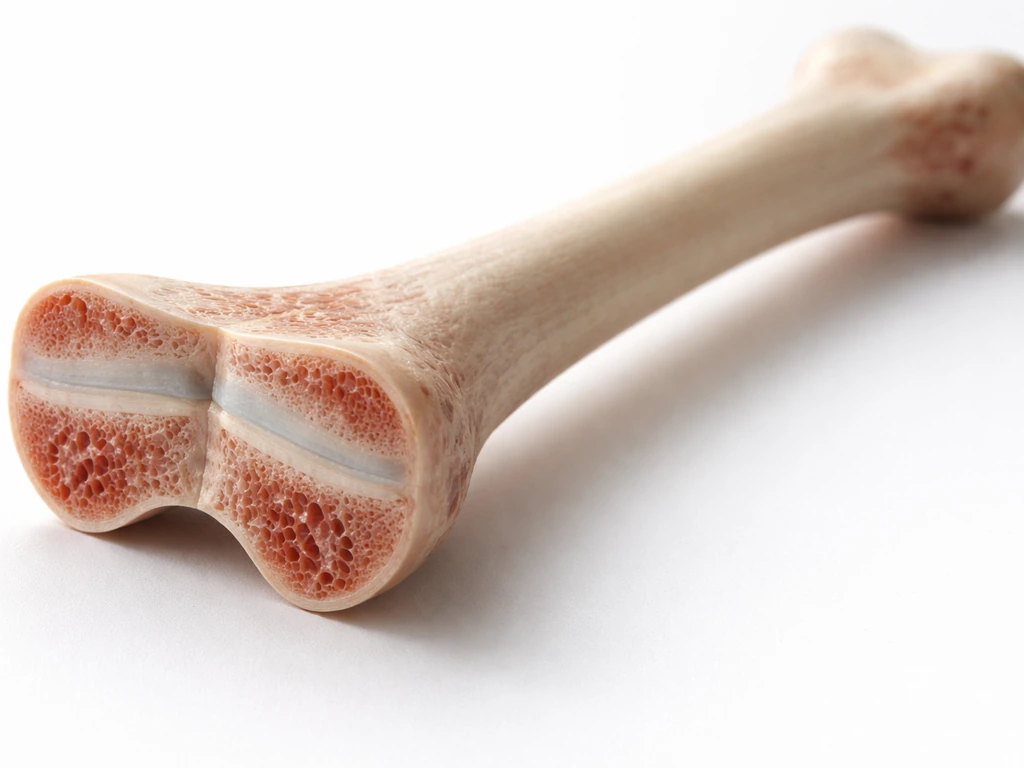
Height comes almost entirely from the long bones in your legs and spine getting longer. That lengthening happens at specific zones near the ends of each bone called epiphyseal plates, more commonly known as growth plates. These are made of cartilage, and as long as they stay open, specialized cells called chondrocytes keep dividing and pushing bone length outward. Puberty supercharges this process early on, then shuts it down.
Here is the key mechanism: early in puberty, rising sex hormones (testosterone in males, estrogen in females) work indirectly through the growth hormone and IGF-1 axis to drive that dramatic growth spurt most teens experience. Peak height velocity, the fastest point of the spurt, is typically around Tanner stage 3 in boys and Tanner stage 2-3 in girls. After peak puberty, those same sex hormones, especially estrogen (which both sexes produce), begin accelerating growth-plate maturation. The cartilage mineralizes, hardens into bone, and eventually leaves what is called an epiphyseal scar. Once that fusion is complete, linear growth is essentially zero. There is no workaround for fused plates.
This is why two 16-year-olds can have very different growth trajectories. One might be in the thick of a growth spurt; the other's plates may already be fused. Age alone tells you surprisingly little.
What to expect at each age and puberty stage
Because puberty timing varies so much between individuals, the most useful framework is puberty stage rather than age. That said, here is a practical breakdown by both, since most readers think in terms of age first.
| Age / Stage | Typical Growth Status (Males) | Typical Growth Status (Females) |
|---|---|---|
| Early puberty (roughly 11-13 in females, 12-14 in males) | Growth spurt beginning or approaching; good remaining potential | Growth spurt usually underway; significant inches still possible |
| Mid puberty (roughly 13-15 in females, 14-16 in males) | Near or at peak height velocity; most growth happening now | Growth slowing after spurt peak; 1-3 inches may remain |
| Late puberty (roughly 15-17 in females, 16-18 in males) | Growth slowing; plates beginning to close | Most growth complete; small gains possible if plates not yet fused |
| Post-puberty (roughly 17+ in females, 18-19+ in males) | Plates largely fused; minimal to no further growth expected | Growth essentially complete for most |
For boys specifically, the growth spurt typically starts later and lasts longer, which is why many males are still gaining height at 17 or 18. Late bloomers, those who enter puberty on the later end of normal, can still be growing into their early 20s in rare cases. Girls tend to hit peak height velocity earlier and finish sooner, often within two to three years after their first menstrual period. If a girl had her period at 11, she's likely done growing by 14 or 15. If she had it at 14, she may still have some growth left at 17.
What actually determines how much height you have left

Several factors shape your remaining growth potential, and it's worth understanding each one clearly.
Genetics
Genetics accounts for roughly 60-80% of adult height variation. The simplest estimate of your genetic ceiling is the mid-parental height formula: add both parents' heights together, add 5 inches if you're male (or subtract 5 inches if you're female), then divide by two. This gives a target range with about a 4-inch spread either way. It is a rough guide, not a guarantee, but it is genuinely useful for setting realistic expectations.
Biological sex and puberty timing

As covered above, biological sex influences both the timing and duration of the growth spurt. Early puberty generally means more total growth over a shorter window. Late puberty often means less overall puberty-driven growth but a longer window of opportunity. Neither is inherently better; they are just different trajectories.
Overall health and chronic conditions
Chronic illness, especially conditions affecting nutrient absorption (like Crohn's disease or celiac disease), kidney function, or hormonal balance, can significantly suppress growth. Poorly controlled asthma treated with high-dose oral corticosteroids over long periods has also been associated with reduced final height. If a teen has any ongoing medical condition, growth monitoring with a clinician is especially important.
Body composition and nutritional history
Chronic undernutrition during childhood and early adolescence can blunt height potential. In some cases, catch-up growth is possible once nutrition improves, particularly if the nutritional deficit was not severe or prolonged. Obesity can actually accelerate skeletal maturation (because of elevated estrogen from fat tissue), which can paradoxically cause earlier growth-plate fusion and shorter final height in some individuals. Neither end of the spectrum is neutral for growth.
Evidence-based ways to support your growth potential
There is no supplement or trick that adds inches beyond your genetic and physiological ceiling. What you can do is make sure nothing is cutting that ceiling short. That distinction matters. Even if you want to make yourself grow faster, whether that is possible depends mainly on your growth plates and puberty stage. The habits below are not about gaining magical extra height; they are about giving your body the conditions it needs to reach the height it's already capable of.
Nutrition: the non-negotiable foundation

Adequate total calories come first. A growing teenager who is consistently under-eating is essentially telling their body to prioritize survival over growth. Protein is particularly important: it provides amino acids for bone matrix (collagen) and muscle tissue, and adequate intake supports IGF-1 levels. Aim for at least 0.7 to 1 gram of protein per pound of body weight daily, distributed across meals. Beyond macronutrients, three micronutrients deserve specific attention:
- Calcium: essential for bone mineralization; teenagers need around 1,300 mg per day, best obtained through dairy, fortified plant milks, leafy greens, and tofu
- Vitamin D: critical for calcium absorption and bone growth; many teens are deficient; 600-1,000 IU daily from food, sunlight, or supplementation is a reasonable target (check levels with a doctor if unsure)
- Zinc: involved in GH signaling and cell growth; found in meat, shellfish, legumes, and seeds; deficiency is more common in teens eating low-quality diets
Sleep: where most growth hormone is released
The majority of growth hormone secretion happens during deep (slow-wave) sleep, particularly in the first half of the night. Teenagers need 8 to 10 hours per night, and consistently getting less than 7 hours is a real problem for growth hormone output. Consistent sleep and wake times matter too, because irregular schedules fragment deep sleep cycles. Cutting sleep to study or scroll is genuinely counterproductive if growth is a priority.
Physical activity: load the bones, support the system
Weight-bearing and impact exercise (running, basketball, soccer, jumping) applies mechanical stress to bones that stimulates bone formation and density. Strength training done appropriately is safe for teenagers and supports overall hormonal health, including GH and IGF-1 levels. There is no solid evidence that strength training stunts growth in teens who use proper form and age-appropriate loads. Avoid extreme training volumes or competition-level caloric restriction, which can suppress the hormonal axis that drives growth.
Posture and alignment
Good posture will not make your bones longer, but it can make you measure taller. Significant spinal curves (like kyphosis or scoliosis) or chronic compression from slouching can reduce measured height by an inch or more in some individuals. Correcting posture through core strengthening, hip flexor flexibility, and awareness does not add bone, but it lets your skeleton express its actual length. For teenagers with poor posture habits, working on alignment is genuinely worthwhile, just with honest expectations about what it changes.
Myths that won't make you taller
The internet is full of height-increase claims that range from wishful to outright fraudulent. Here is what the science actually says about the most common ones.
- "Height pills" and supplements: no over-the-counter supplement has been shown in rigorous trials to increase final adult height in otherwise healthy teenagers. Products marketed as "height boosters" are typically amino acid blends or herbal extracts with no meaningful evidence behind them. Save the money.
- Stretching for permanent height gains: stretching does not lengthen bones. It can temporarily decompress the spine (you are slightly taller in the morning than at night for the same reason) and improve posture, but those are not permanent structural changes to your skeleton.
- Hanging exercises: spinal traction from hanging may temporarily decompress intervertebral discs, giving a marginal, temporary increase in measured height. It does not stimulate growth-plate activity or add bone length.
- Specific foods that "trigger" growth spurts: no single food causes a growth spurt. Growth spurts are governed by hormonal signals tied to puberty stage, not by eating any particular food. Adequate overall nutrition supports the process; no superfood accelerates it.
- "It's too late" if you're 16 or 17: this depends entirely on where you are in puberty and whether your plates are fused. Some teens at 17 have significant growth remaining. A bone-age X-ray is the only reliable way to know for certain.
How to tell if you're still growing right now

The most practical tool is a simple height log. Measure yourself first thing in the morning (you're slightly taller then due to spinal disc hydration), against a flat wall, without shoes, and record the date and measurement. Do this every four to six weeks. If you're gaining more than a quarter inch every few months, your plates are almost certainly still open. If height has been completely flat for six months or more, growth may have stopped, though it's worth confirming with a clinician. If you are asking can you suddenly grow taller, the key clue is whether your growth plates are still open and actively fusing growth may have stopped.
Biological signs that active growth is still underway include: shoe size increasing in the past year, clothes getting shorter in the legs and arms, noticeable growth spurts in the recent past, and for boys, voice changes and muscle development still progressing. Girls still in the first two to three years after their first period are almost always still growing. These are not perfect indicators, but they give you useful context between measurements.
For a deeper look at what sudden growth episodes feel like and what drives them, the physiology of why growth spurts happen the way they do is worth understanding on its own. And if you've wondered whether a sudden spurt can happen even after a long plateau, that question has a more nuanced answer than most people expect. If you are trying to make sense of why you suddenly grew taller, it helps to understand how growth spurts work across puberty stages and why timing and growth-plate fusion matter sudden spurt can happen even after a long plateau.
When to see a doctor about growth
Most teenagers do not need a medical workup for height. But there are situations where getting professional input is genuinely worthwhile, not just reassuring.
Red flags that warrant a checkup
- No pubertal changes (breast development or testicular growth) by age 13 in girls or 14 in boys
- Growth velocity that has slowed dramatically or stopped before puberty is complete
- Height that has dropped significantly on a growth chart percentile over 12-24 months (not just being short, but falling across percentile lines)
- Signs of hormonal imbalance: delayed puberty combined with headaches, vision changes, or fatigue (which can indicate pituitary issues)
- Any chronic illness that has been poorly controlled, especially those affecting the gut, kidneys, or endocrine system
- Parents with normal height but a teen tracking significantly below the expected mid-parental height range
What a clinician will typically evaluate
A pediatric endocrinologist or growth-focused pediatrician will start with growth history: past height measurements plotted on a standardized growth chart to assess trajectory. They will also take a family history, since late puberty runs in families (constitutional delay of growth and puberty is the most common cause of short stature in otherwise healthy teens). Blood tests may check thyroid function, IGF-1 levels, and other markers depending on the clinical picture.
The most informative single test for remaining growth potential is a bone-age X-ray, specifically of the left hand and wrist. This compares the degree of growth-plate fusion to population averages and gives a direct estimate of skeletal maturity, which is often a better predictor of final height than calendar age alone.
If the evaluation reveals a genuine growth hormone deficiency or another treatable condition, medical intervention (such as growth hormone therapy) can make a real difference, but only when administered while plates are still open. This is why early evaluation, if there are red flags, is much better than waiting.
Your practical plan for the next 4 to 12 weeks
If you are a teenager (or a parent of one) reading this and want a concrete starting point, here is what actually moves the needle:
- Start a height log today: measure first thing in the morning, same spot, same time of day, every four to six weeks. This is your baseline and your feedback loop.
- Audit sleep: are you consistently getting 8-10 hours? If not, this is the single highest-leverage change you can make. Set a consistent bedtime, even on weekends.
- Check nutrition basics: are you eating enough total food? Getting adequate protein (at minimum 0.7g per pound of body weight)? Consuming calcium-rich foods daily? If you're frequently skipping meals or eating very little, address this first.
- Get vitamin D levels checked at your next doctor visit, especially if you spend little time outdoors or live at a northern latitude. Deficiency is common and easy to fix.
- Add or maintain weight-bearing exercise: at least 3-4 sessions per week of running, team sports, or structured strength training with proper form.
- Work on posture: if you spend hours hunched over a phone or desk, core strengthening and deliberate posture habits can recover some of your measured height.
- Use the red flag list above: if any of those apply, book a pediatric appointment. Don't wait a year to see if things improve on their own.
- Set realistic expectations: if your plates are still open and you optimize the factors above, you're giving your body its best shot at reaching your genetic potential. That's the real goal, not beating genetics.
It's also worth noting that if you're curious whether specific actions can actively push height upward (rather than just not limiting it), or whether parents' height sets a hard ceiling on your own, those are questions with their own nuanced answers that go beyond the basics covered here. Short parents don't automatically mean short children, and the relationship between what you do and how tall you get is more interesting than most people assume.
FAQ
How can I tell if my growth plates are still open without an X-ray?
If you can tell you are “mid-spurt” depends more on growth velocity than on age. A practical clue is whether morning height changes are happening over months (for example, consistent increases when measured the same way every 4 to 6 weeks). If you have been flat for 6 months or longer, it is worth discussing bone-age or other causes with a clinician, because that pattern can mean growth-plate fusion or another issue.
Can I suddenly grow taller after being the same height for a while?
Yes, it is possible for some teens to grow taller even after a period where height seemed to stall, but it depends on puberty stage and where you are in skeletal maturation. Growth spurts do not follow a perfect calendar, so temporary “slowdowns” can happen between phases. The most reliable check is your multi-month height log and whether puberty changes are still progressing.
Is it possible to grow taller overnight?
You can, but it usually signals measurement issues or normal day-to-day variation rather than true lengthening overnight. Spine discs rehydrate overnight, hydration and posture vary, and bathrooms tape measures can be inconsistent. Track morning height against a wall without shoes, same time window, and same measurement method to decide if a change is real.
If I got my first period early, can I still grow taller?
If your period was early, you may have less remaining time, but “early” does not always mean “done.” Some girls continue to gain height for a couple of years after their first period, while others start later or finish sooner. The best next step is to estimate current growth-plate status using your recent growth velocity and, if needed, bone-age assessment.
I’m a late bloomer as a boy, will I catch up in height?
For boys, late puberty can mean growth starts later and may extend longer, but it does not guarantee large final gains. If you entered puberty later than peers, your peak velocity may occur later, so height can still increase at 17 to 18. A clinician can help interpret your growth chart and puberty history, especially if height is far below expectations.
Do vitamins or supplements help teenagers grow taller?
Many supplements promise height but cannot override growth-plate biology. The most important “supplement” is correcting deficiencies. If you are not eating enough overall, have low vitamin D, low calcium, or iron deficiency, those issues can impair healthy growth. Consider labs with a clinician before spending money, especially if you have fatigue, dietary restriction, or known GI problems.
Will playing sports or lifting weights stunt my growth?
Exercise does not directly lengthen bones immediately, but it can support reaching your genetic potential by improving bone health, muscle strength, and overall endocrine function. It is generally not harmful when programs are age-appropriate, but the biggest risk comes from excessive training combined with too few calories (which can suppress the hormonal axis). If you are an athlete, avoid aggressive cutting and ensure recovery.
Can fixing posture or scoliosis make me taller on the measuring tape?
If you have scoliosis or chronic slouching, posture can change measured height noticeably, even if bone length does not change. That means you may look taller after treatment or physical therapy, but the goal is improved alignment and comfort, not guaranteed extra inches. Ask your clinician or physical therapist whether your curve is likely to affect standing height and how to measure consistently.
Do my parents’ heights determine my final height?
Genetics often sets a realistic ceiling, but it does not decide everything. Two teens with similar parent heights can end up different because of puberty timing, nutrition, sleep, and health conditions that affect growth-plate function. If you are significantly shorter than expected for your family, it is more actionable to look at growth velocity and whether there are medical drivers than to focus only on parental height.
When should a teenager see a pediatric endocrinologist for height concerns?
If you have a growth disorder, treatment decisions are time-sensitive because bone-age determines whether plates are still open. Common red flags include crossing downward on the growth chart percentile, very slow growth for your age, delayed puberty with no progression, or symptoms of chronic illness. In these cases, seeing a pediatric endocrinologist sooner usually gives more options than waiting for a full year of no growth.
What should I expect during a height or growth evaluation?
A clinician may check thyroid function, IGF-1, growth hormone axis indicators, and screen for GI or other chronic conditions depending on symptoms and history. Bone-age X-ray is often used to estimate remaining growth potential. If you are requesting evaluation, bring a simple record of your heights with dates and puberty timing (for girls, first period timing; for boys, puberty milestones you have noticed).
Are there any non-medical tricks that can actually reopen growth plates?
Some products claim to “open growth plates,” “reverse fusion,” or “stretch the bones.” Those claims are not supported for fused plates, and if growth plates are closed, there is no safe method that creates additional linear growth. A safer approach is to focus on avoiding the factors that suppress growth (sleep loss, under-eating, uncontrolled illness) and confirming your growth status with growth velocity and, if needed, bone-age.
Next Article
Why Did I Suddenly Grow Taller? Science, Causes, Next Steps
Learn if you truly grew or just look taller, common teen growth spurts, red flags, and next steps for healthy height.