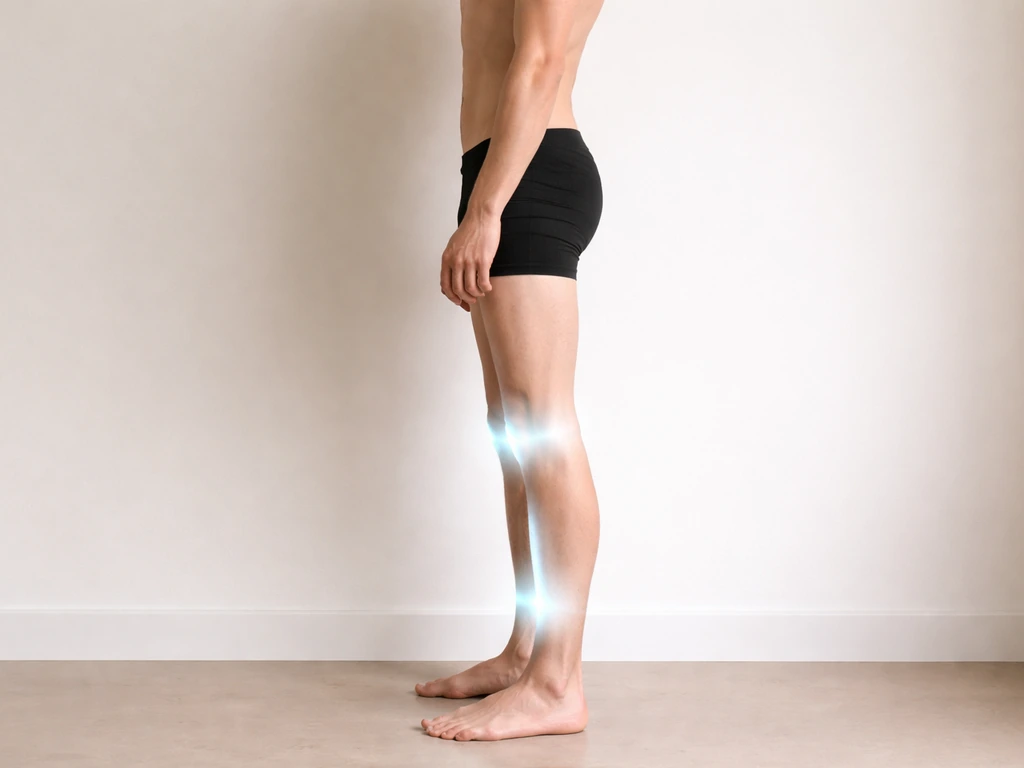
The clearest signs you will grow taller are the ones tied directly to puberty and open growth plates: you're still in or approaching your pubertal growth spurt, your height has measurably increased over the past 6 to 12 months, and a bone age X-ray (if you've had one) shows your growth plates haven't closed yet. If you're a boy under roughly 16 or a girl under roughly 14 and puberty is progressing normally, there's a very good chance you still have meaningful height to gain. The further along in puberty you are, the less growth is left, but the signs below will help you figure out exactly where you stand.
Sign You Will Grow Taller: Science-Based Clues and Tracking

Marcus Reeves
31 May 2026
What 'growing taller' actually means biologically
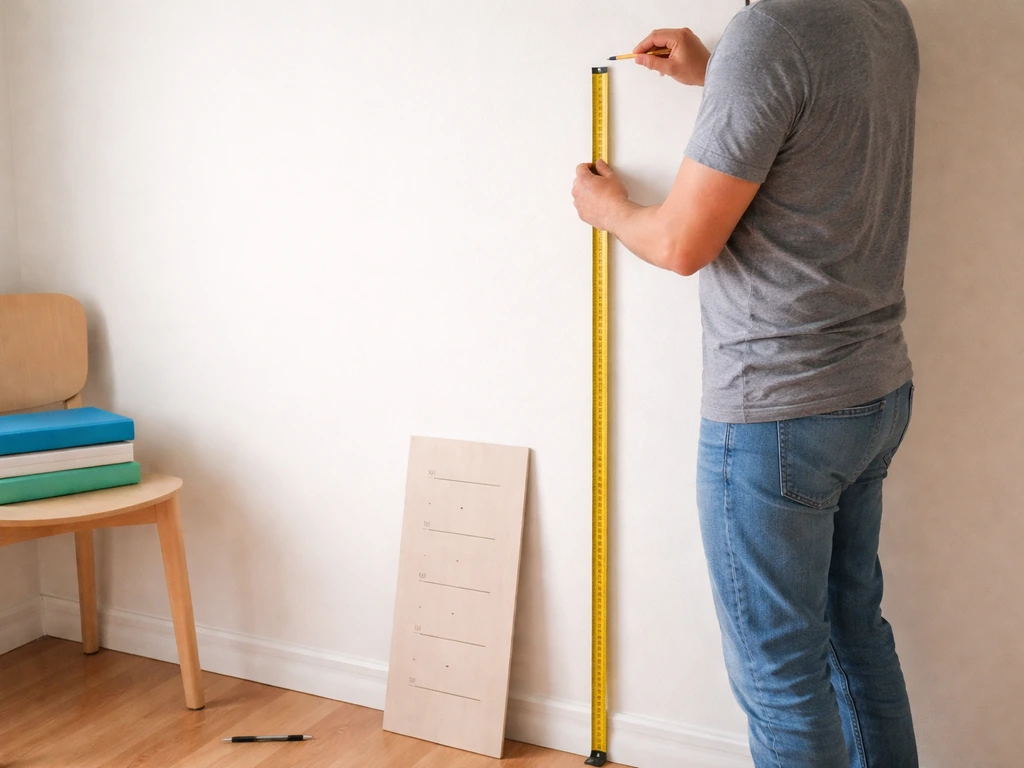
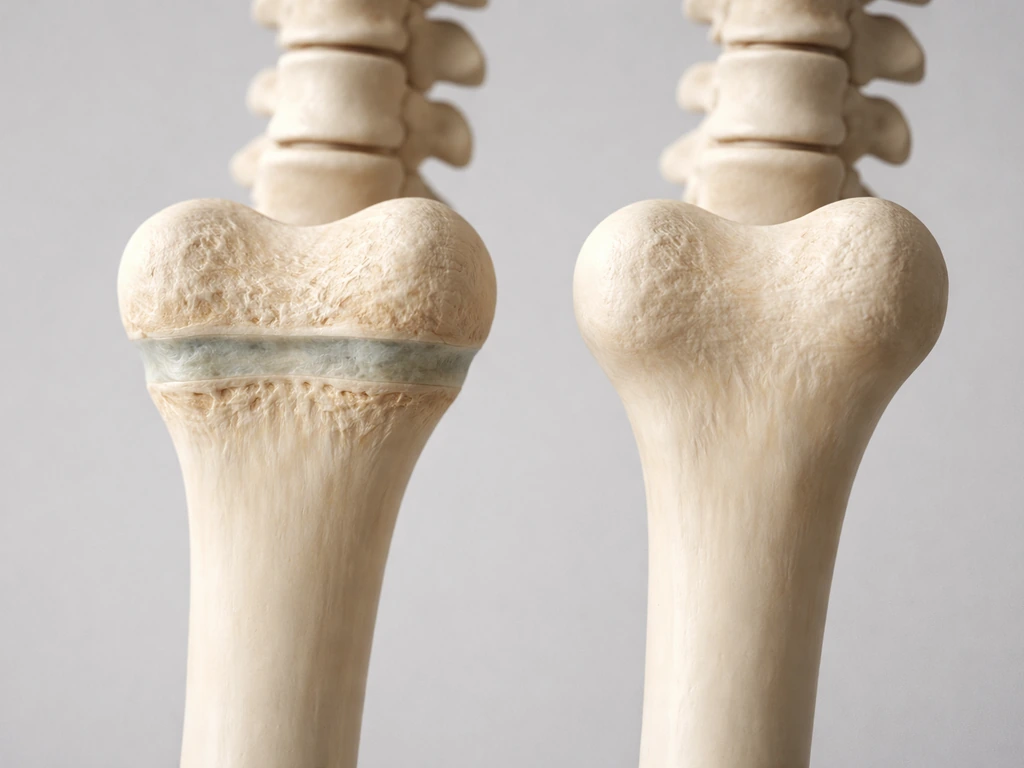
Height increases when the long bones in your legs and spine grow longer. That only happens while the growth plates, also called epiphyseal plates, at the ends of those bones are still open and producing new bone tissue. Once puberty is complete, those plates close and harden into solid bone. After that point, no amount of nutrition, exercise, sleep, or supplements will add a single millimeter to your skeletal height. This is why age and puberty stage matter so much when you're asking whether more growth is coming.
Girls typically enter puberty earlier, with the growth spurt peaking around ages 11 to 12.5 and tapering off by roughly 13 to 14. Boys start their spurt about two years later, with peak height velocity landing around 13 to 14 and growth continuing into the mid-to-late teens. On average, boys gain about 9 to 10 centimeters in their peak year; girls gain up to 8 to 9 centimeters. After peak velocity, growth slows dramatically and usually stops within 2 to 3 years. Knowing where you are in that arc is the most important piece of information you have.
Early signs you're still growing
Puberty milestones are the most reliable early signals that a growth spurt is coming or already happening. These physical changes are driven by the same hormones (growth hormone, IGF-1, estrogen, and testosterone) that fuel skeletal growth, so they reliably accompany height increases.
For girls
- Breast development beginning (usually the first sign, around age 9 to 11): the growth spurt typically peaks about 6 to 12 months after this starts
- Pubic and underarm hair appearing shortly after breast development begins
- Growth spurt most intense between roughly ages 9.5 and 13.5, peaking around 11 to 12.5
- First period (menarche) usually signals the end of the fastest growth, though 2 to 5 cm of additional growth often follows
- Shoe size increasing rapidly: feet grow before long bones in many girls, so needing larger shoes frequently is a common early cue
For boys
- Testicular enlargement (usually the first sign, around age 11 to 13): this precedes the height spurt by about 1 to 2 years
- Pubic hair, underarm hair, and early facial hair following testicular development
- Voice changes and muscle development ramping up: both track closely with the height spurt
- Growth spurt most intense between roughly ages 12 and 16, with peak velocity around 13 to 14
- Rapid shoe size growth is also common in boys, often preceding the major height jump by a few months
If you or your child is in the early stages of any of these changes, significant height growth is likely still ahead. If puberty is well advanced or complete, most of the height gain has already happened, though a smaller amount may still occur.
How to track growth accurately at home
Tracking growth at home is straightforward as long as you use consistent technique. Small errors in measurement compound quickly and can make it look like growth has stopped when it hasn't, or vice versa. Here's how to do it properly.
Measurement technique that actually works
- Remove shoes, thick socks, and any hair accessories, braids, or styles that add height
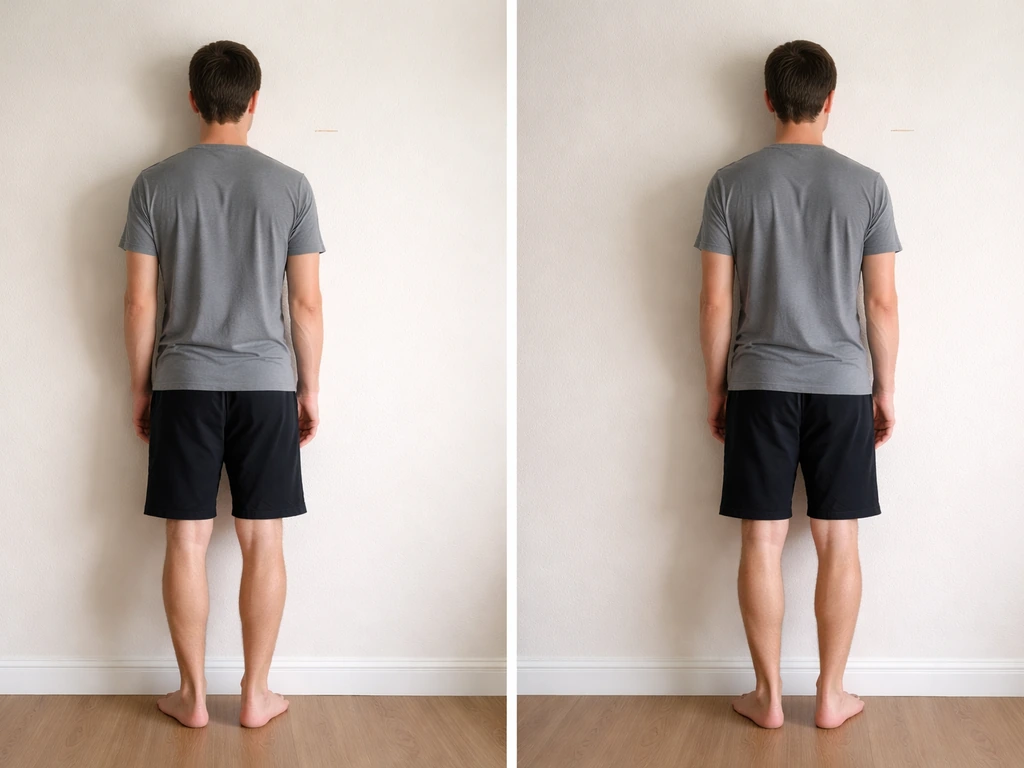
- Stand on a firm, flat floor against a wall with no baseboard that would push feet forward
- Keep feet flat and together, legs straight, and shoulders level
- Head, shoulders, buttocks, and heels should all contact the wall simultaneously
- Look straight ahead so the line of sight is parallel to the floor (not tilting head up or down)
- Use a flat object like a hardcover book held level on top of the head to mark the wall, then measure to the floor with a metal tape measure
- Measure at the same time of day, ideally in the morning: you're about 1 to 2 cm taller after sleeping than at the end of the day due to spinal compression
Record each measurement with the date. Comparing measurements taken weeks apart with inconsistent technique is not meaningful. For reliable growth tracking, measure every 3 to 6 months using the same procedure each time.
What growth rate numbers actually mean
During a peak growth spurt, you'd expect to see roughly 8 to 10 cm of gain per year in boys and 7 to 9 cm in girls. Before and after the spurt, the rate is lower, typically 4 to 6 cm per year in mid-childhood. A growth rate below 5 cm (about 2 inches) per year in a child who hasn't completed puberty is a flag worth paying attention to, and below that threshold in a younger child is a reason to consult a doctor. After puberty is largely complete, it's normal for growth to slow to 1 to 2 cm per year before stopping entirely.
| Stage | Typical growth rate | What to watch for |
|---|---|---|
| Mid-childhood (before puberty) | 4 to 6 cm/year | Less than 4 cm/year warrants attention |
| Early puberty (spurt onset) | 6 to 8 cm/year and accelerating | Acceleration is a good sign; stalling is not |
| Peak puberty (PHV) | 8 to 10 cm/year (boys), 7 to 9 cm/year (girls) | This is the fastest growth you'll see |
| Late puberty (post-PHV) | 2 to 4 cm/year, slowing | Normal deceleration toward plate closure |
| Post-puberty | Near zero to 1 cm/year | Growth essentially complete |
Factors that affect how much you grow while plates are still open
Genetics determines roughly 60 to 80 percent of your final height, but the remaining portion is genuinely influenced by lifestyle factors, especially during puberty when growth demands are highest. In the China Health and Nutrition Survey cohort, low habitual dietary calcium during adolescence was examined for associations with later height and growth, and the authors discuss mixed and complex evidence rather than a simple guarantee that supplementation increases height. None of these will make you taller than your genetic potential, but falling short on any of them can mean you don't reach that potential.
Sleep: probably the most underrated factor
The majority of human growth hormone is released in pulses during deep sleep, particularly in the first few hours after falling asleep. Teenagers need 8 to 10 hours per night according to the American Academy of Pediatrics, and chronic short sleep doesn't just cause tiredness: it disrupts the hormonal environment that drives skeletal growth. Earlier bedtimes have been shown to meaningfully increase total sleep duration in teens. If a growing teen is getting 6 to 7 hours a night consistently, they may be limiting their own growth in a way that nutrition and exercise can't compensate for.
Nutrition: enough calories first, then specific nutrients
Chronic undernutrition is one of the most well-documented causes of stunted growth worldwide, so adequate total calorie intake during puberty is non-negotiable. On top of that, protein is critical because it's the raw material for bone and muscle tissue. Calcium and vitamin D support bone mineralization during the growth process, and deficiency in either during adolescence can compromise bone health even if it doesn't always directly limit height. Zinc and iron deficiencies have also been linked to growth faltering in children and teens. That said, supplementing these nutrients beyond adequacy in a well-nourished child has not been shown to produce extra height, and blank" rel="noopener noreferrer">the evidence for vitamin D supplementation boosting linear growth in already-nourished populations is weak and inconsistent.
Exercise: what helps and what doesn't
Regular physical activity supports healthy growth indirectly by improving sleep quality, supporting a healthy body weight, and stimulating growth hormone release. Weight-bearing activities like running, jumping, and sports are beneficial during adolescence for bone density. There's no evidence that specific exercises or sports make you taller beyond your genetic range. Conversely, extreme chronic endurance training or intense calorie restriction in young athletes (as seen in some gymnasts or distance runners) can actually delay puberty and stunt growth, which is the opposite of what you want. Moderate, varied physical activity is the goal.
Posture: it affects how tall you appear, not your actual height
Poor posture, forward head position, and slouching can make you appear noticeably shorter than you are. Improving posture through core strengthening and body awareness won't increase your bone length, but it can recover the 1 to 3 cm that habitual slouching visually removes. For growing teens, maintaining good posture is worth practicing simply because it becomes harder to correct later.
When you should see a doctor about growth

Most variation in height and puberty timing is normal, and many kids who seem short are simply on a slower schedule (called constitutional delay) that resolves on its own. But there are specific situations where getting a medical evaluation is the right move, because some causes of slow growth are treatable.
Red flags that warrant a visit
- Height below roughly the 3rd percentile on a growth chart, or more than 2 standard deviations below the average for age and sex
- Growth rate less than about 5 cm (2 inches) per year in a child who hasn't finished puberty
- No breast development in a girl by age 13, or no menstrual period by age 15
- No testicular enlargement in a boy by age 14
- Puberty that started but then seemed to stall or stop progressing for 6 or more months
- A significant drop across height percentile lines on a growth chart over time (crossing downward from their established curve)
- Symptoms suggesting chronic illness, poor absorption (frequent diarrhea, weight loss), or signs of hormonal problems like excessive thirst or fatigue
What a doctor will actually look at
A pediatric endocrinologist or pediatrician will typically start with a growth chart review to assess where the child falls relative to peers and whether their growth curve has been consistent or has deflected. They'll do a puberty staging assessment (Tanner staging) to determine developmental age. A bone age X-ray of the left hand and wrist is often ordered: this compares skeletal maturation to chronological age, which tells the doctor how much growing time is realistically left.
Lab work may assess thyroid function, growth hormone levels, IGF-1, kidney function, and nutritional status, depending on what seems most likely. The goal of all this is to distinguish between normal variation (which needs no intervention) and a treatable condition (which might respond to medical management). If you have concerns, this evaluation is genuinely worth pursuing, not just reassuring.
If your growth plates are already closed: what's realistic
Adults with closed growth plates cannot grow taller in any biological sense. No supplement, stretch routine, inversion table, or program changes that. Bone length is fixed once the plates are fused. This isn't pessimism, it's just physiology. What adults can do is focus on what genuinely affects how tall they appear and how their body functions. If you quit smoking, it can support your overall health, but it won't reopen closed growth plates or guarantee extra height.
- Posture correction: consistently working on spinal alignment and reducing forward head posture can visually add 1 to 3 cm in apparent height
- Core and back strengthening: supports better posture long-term and reduces the spinal compression that accumulates through the day
- Weight management: carrying excess body weight compresses the spine and visually reduces perceived height; healthy body composition helps
- Footwear: shoe insoles, heel lifts, and certain footwear styles add measurable height without any health risk
- Surgical limb lengthening: this exists as a medical procedure, is extremely invasive, painful, costly, and carries serious risks; it's outside the scope of routine decisions and should not be considered casually
The honest framing for adults is this: if your plates are closed, the question shifts from 'can I grow taller' to 'am I presenting my actual height as well as I can.' Those are very different questions with very different, realistic answers.
What to ignore: height myths, supplements, and programs that don't work
This space is full of products and claims that prey on people who are anxious about their height. In April 2026, the FTC took action against TruHeight, a company marketing height-enhancing supplements to kids and teens, for deceptive and unsubstantiated advertising. This is one example of a much broader pattern, and the FDA regularly flags fraudulent products making drug-like claims without evidence. Here's what the science actually says about the most common height myths.
| Claim | What the evidence says |
|---|---|
| Height-boosting supplements (ashwagandha, collagen, 'growth pills') | No credible evidence these increase height in adequately nourished individuals; the FTC has taken action against brands making these claims |
| Stretching routines and inversion tables | May temporarily decompress the spine (like sleeping does), but produce no lasting height increase; no long-term benefit shown |
| Specific foods that 'make you taller' | No single food grows bones; overall adequate nutrition matters, but superfoods for height don't exist |
| Hanging exercises to lengthen the spine | Temporarily reduces spinal compression; has no effect on bone length or growth plates |
| Vitamin D supplements for height in well-nourished kids | Multiple systematic reviews and meta-analyses show no clear benefit for linear growth in populations without deficiency |
| Calcium mega-dosing | Beyond meeting adequate intake, extra calcium does not produce additional height; complex associations, not a simple dose-response |
The pattern with all of these is the same: they either exploit temporary spinal decompression, correct an existing deficiency (which matters only if the deficiency was actually present), or are simply unsupported claims dressed up in science-sounding language. If a product promises to increase your height as a teen or adult and it isn't a prescription treatment supervised by an endocrinologist, you can safely ignore it.
Your next steps based on where you are right now
If you're a child or early teen with puberty signs just beginning, the best things you can do are sleep 8 to 10 hours consistently, eat enough calories and protein, stay physically active, and let puberty do its job. Track your height every 3 to 6 months with proper technique. If growth seems slower than the numbers above suggest it should be, bring that data to a doctor rather than guessing. If you are wondering, “will my daughter grow any taller,” a clinician can review growth patterns and, when needed, confirm whether her growth plates are still open bring that data to a doctor.
If you're a mid-to-late teen who's well into puberty, you're probably in or past your fastest growth phase. Keep the same healthy habits, but set realistic expectations: your remaining growth is likely measured in centimeters, not significant additional height. If you're concerned about whether you've reached your potential, a bone age X-ray through a pediatrician or endocrinologist will give you a much clearer picture than any home calculation.
If you're an adult, growth in the biological sense is behind you. Focus on posture, body composition, and the things that genuinely affect how you carry your height. Questions like whether eating more could affect growth, or whether lifestyle changes during specific windows matter, are worth exploring in the context of when those changes actually apply, which is during active growth, not after it ends. If you want to understand whether eating more helps, the key is your growth plates and whether you still have time left for linear growth will i grow taller if i eat more.
FAQ
How can I tell if my height change is real growth versus measurement error?
Use a fixed reference method each time (same time of day, same person if possible, back to a wall, heels together, hair flattened, light head position). If your next measurement taken 3 to 6 months later changes by at least the width of your device’s typical error plus margin, then it is more likely real growth.
What growth tracking timeline should I use if we are trying to figure out whether I will grow taller?
Track every 3 to 6 months during childhood and the teen years, not weekly. For a clearer trend, keep the same scale or stadiometer, and record pubertal changes at the same time (for example, voice change, menarche date in girls).
If I’m growing slower than expected, what data should I bring to the pediatrician?
Bring your height measurements with dates, your parents’ heights, your pubertal milestones (Tanner stage if you know it), and any long gaps in tracking. Also note sleep schedule, typical calorie/protein intake, and any chronic symptoms (fatigue, bowel issues, headaches) that could point to an underlying cause.
Does being overweight or underweight affect whether I will grow taller?
Yes, it can. Chronic undernutrition can limit growth, and very low calorie intake or extreme endurance training can delay puberty. Weight extremes can also shift pubertal timing, so the doctor may evaluate growth velocity and pubertal stage rather than body weight alone.
Can I use parents’ height to estimate how much more I might grow?
Genetics sets a broad target, but the most useful predictor for “how much is left” is growth-plate status and where you are in puberty, not just family height. Even children with average genetics can gain more if their puberty timing is later and growth plates are still open.
If a bone age X-ray shows open growth plates, does that guarantee I’ll grow taller?
Open plates mean you still have biological potential, but actual growth depends on overall health, adequate nutrition, sleep, and normal endocrine function. If puberty is also delayed or nutritional factors are limiting, growth may still be slower even with open plates.
What counts as “delayed puberty” versus normal variation?
Normal constitutional delay often shows otherwise healthy development and eventually progresses without treatment. A clinician is more concerned when growth velocity is persistently low for age, puberty milestones are far behind typical timing, or there are signs of endocrine or systemic illness.
Is there a specific sleep pattern that matters more for growth than total hours?
Consistency matters. Growth hormone pulses are tied to deep sleep occurring earlier in the night, so consistently going to bed late and “making up” sleep later can reduce effective deep sleep even if total hours look adequate.
Can vitamin D or calcium supplements make a teen taller if they are already getting enough nutrients?
Extra supplementation beyond adequacy has not been shown to add meaningful height. If you suspect deficiency, it is reasonable to discuss testing or clinician-guided dosing, but routine high-dose use should not be treated as a height strategy.
Do posture exercises make you taller permanently or just change how you look?
They do not lengthen bones. The benefit is usually visual, commonly recovering some of the 1 to 3 cm lost to habitual slouching. If you stop the exercises, the posture effect may fade, so it is a management tool rather than a true growth increase.
Are stretching, inversion tables, or special workouts safe if I’m trying to grow taller?
They may temporarily change spinal posture, but they cannot reopen closed growth plates in adults or permanently increase bone length. If you have back pain, joint hypermobility, or any neurologic symptoms, avoid high-impact or aggressive stretching and ask a clinician first.
At what point should an adult stop worrying about growing taller biologically?
If growth plates are fused, which typically occurs after puberty, height in the biological sense does not increase. The practical shift is focusing on posture, balance, strength, bone health, and managing factors that change apparent height (like spinal compression or weight changes).
If a product claims it will increase height for teens, how can I quickly judge whether to ignore it?
Be skeptical if it promises guaranteed centimeters, is marketed as drug-like, or suggests it can override growth-plate closure. True height increases require open growth plates and normal growth biology, and reputable medical treatments are supervised and evidence-based.
Next Article
What Amino Acids Make You Grow Taller
Know which amino acids support growth via protein and IGF-1, why they can’t extend height after closure, and practical t